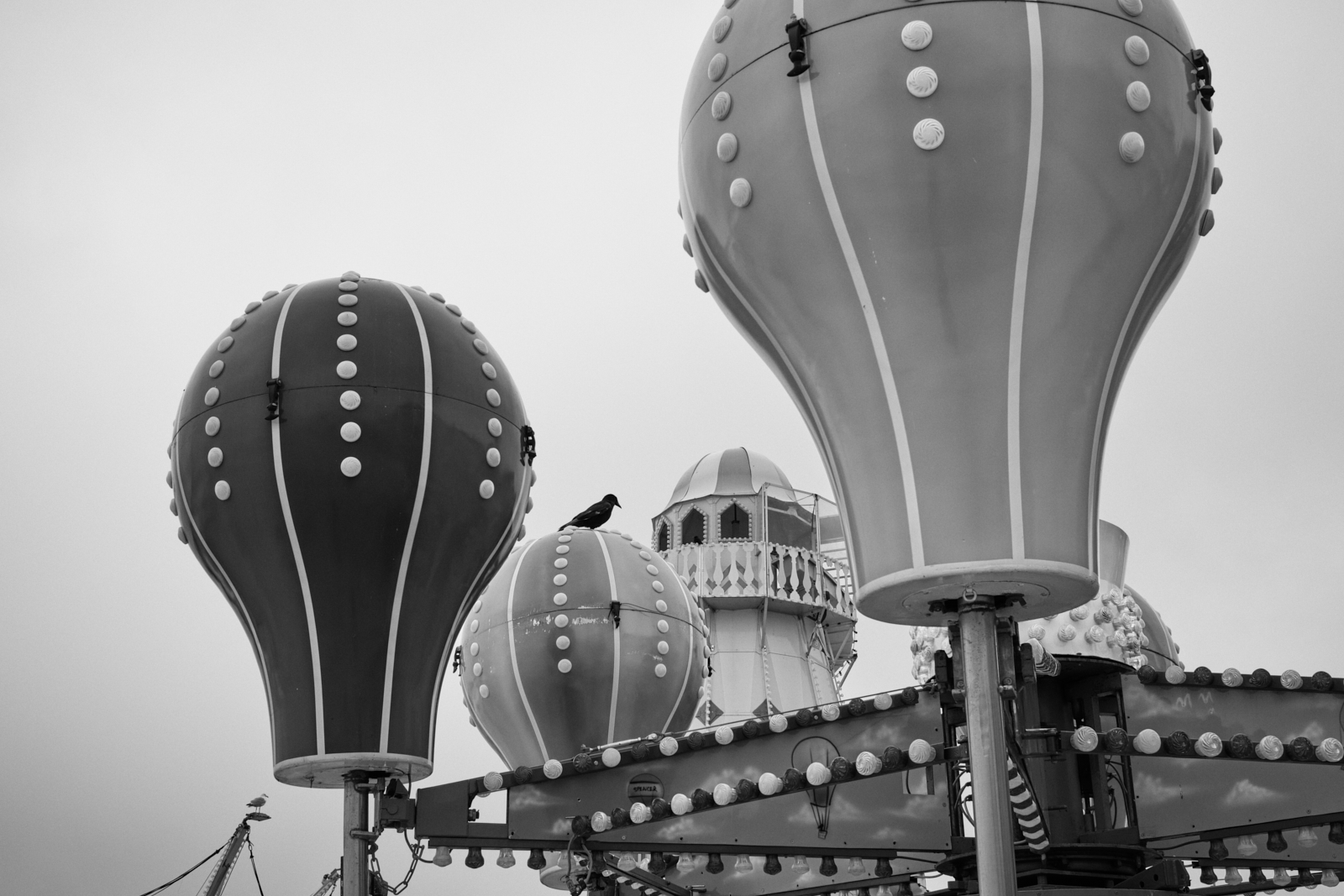
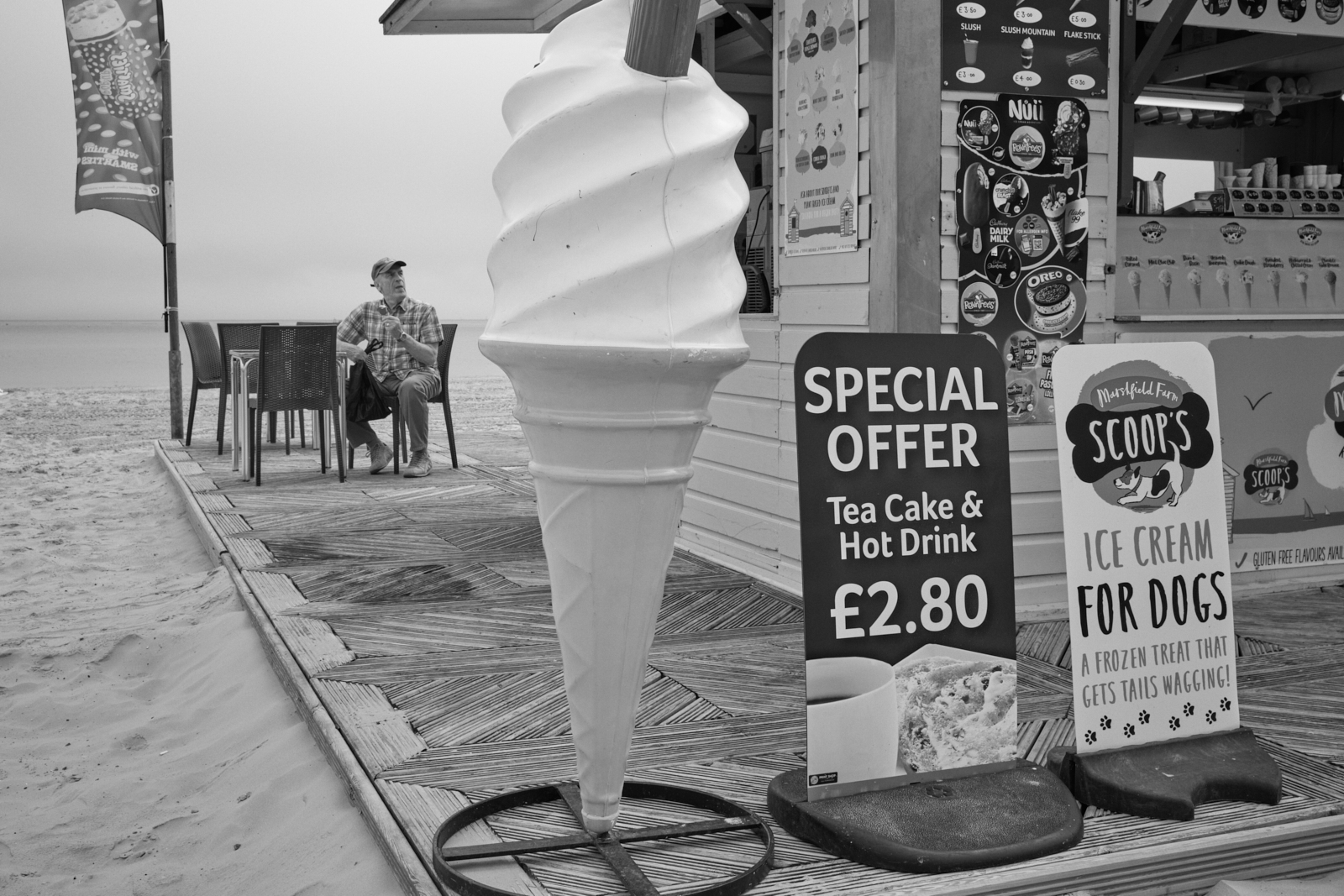
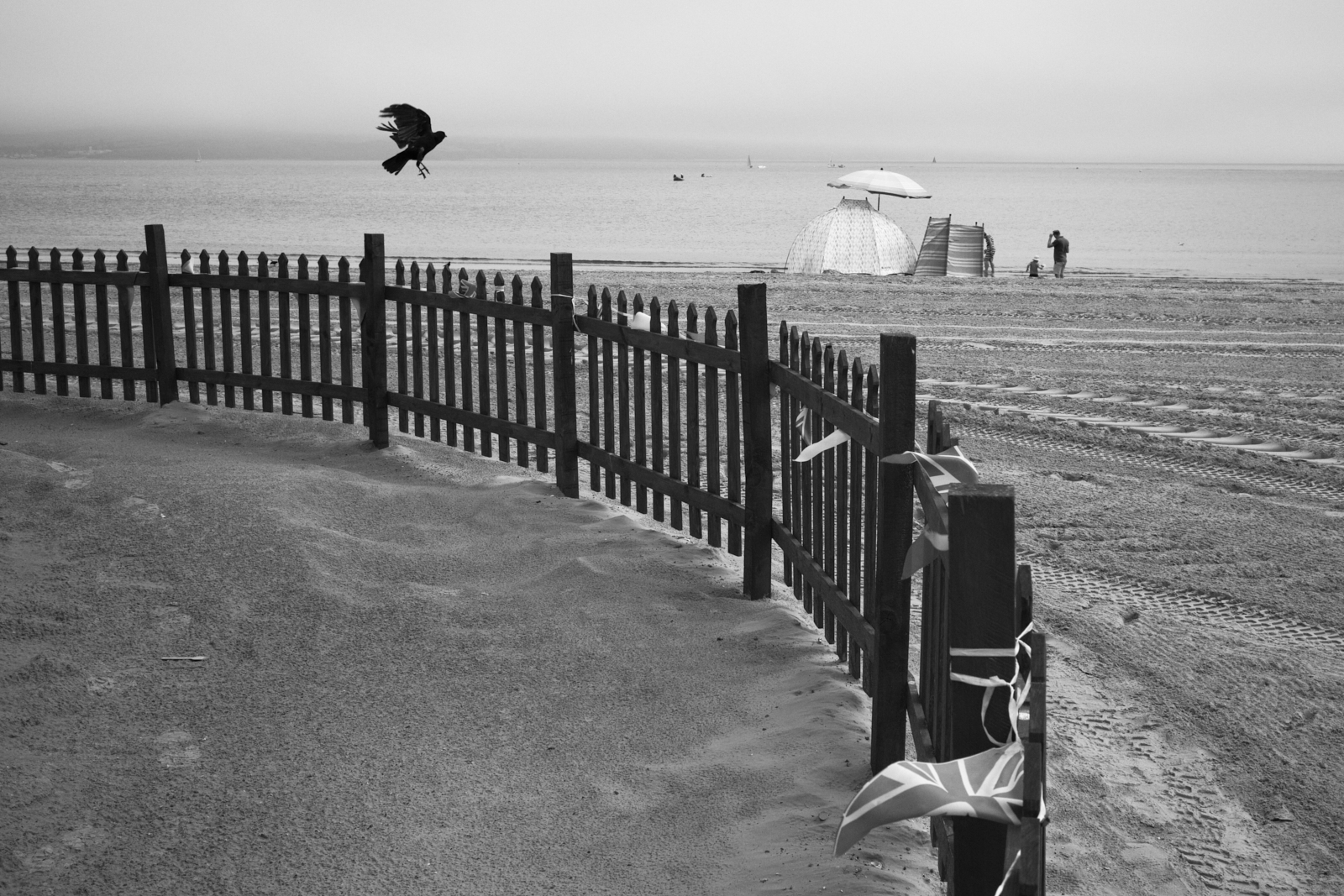
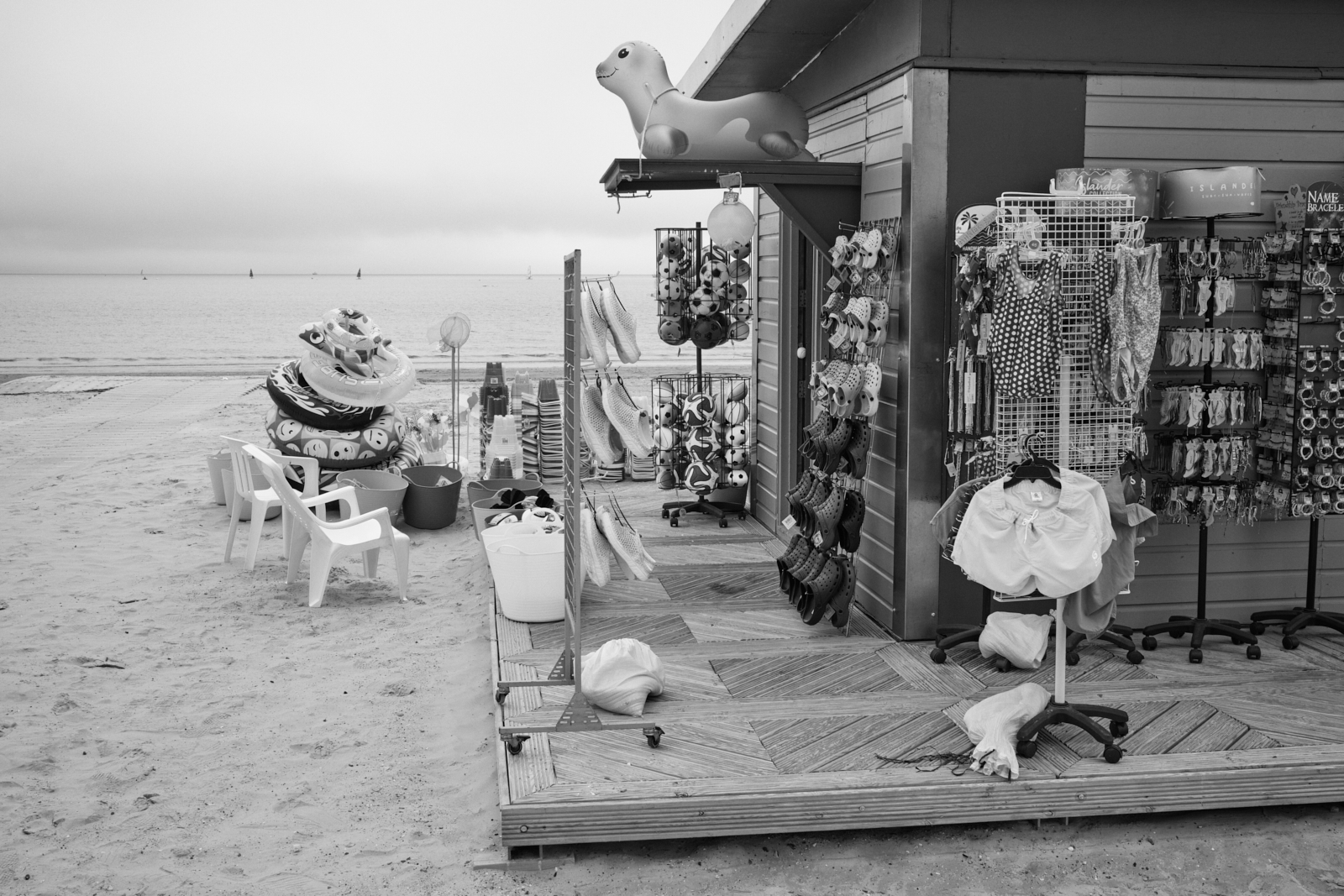
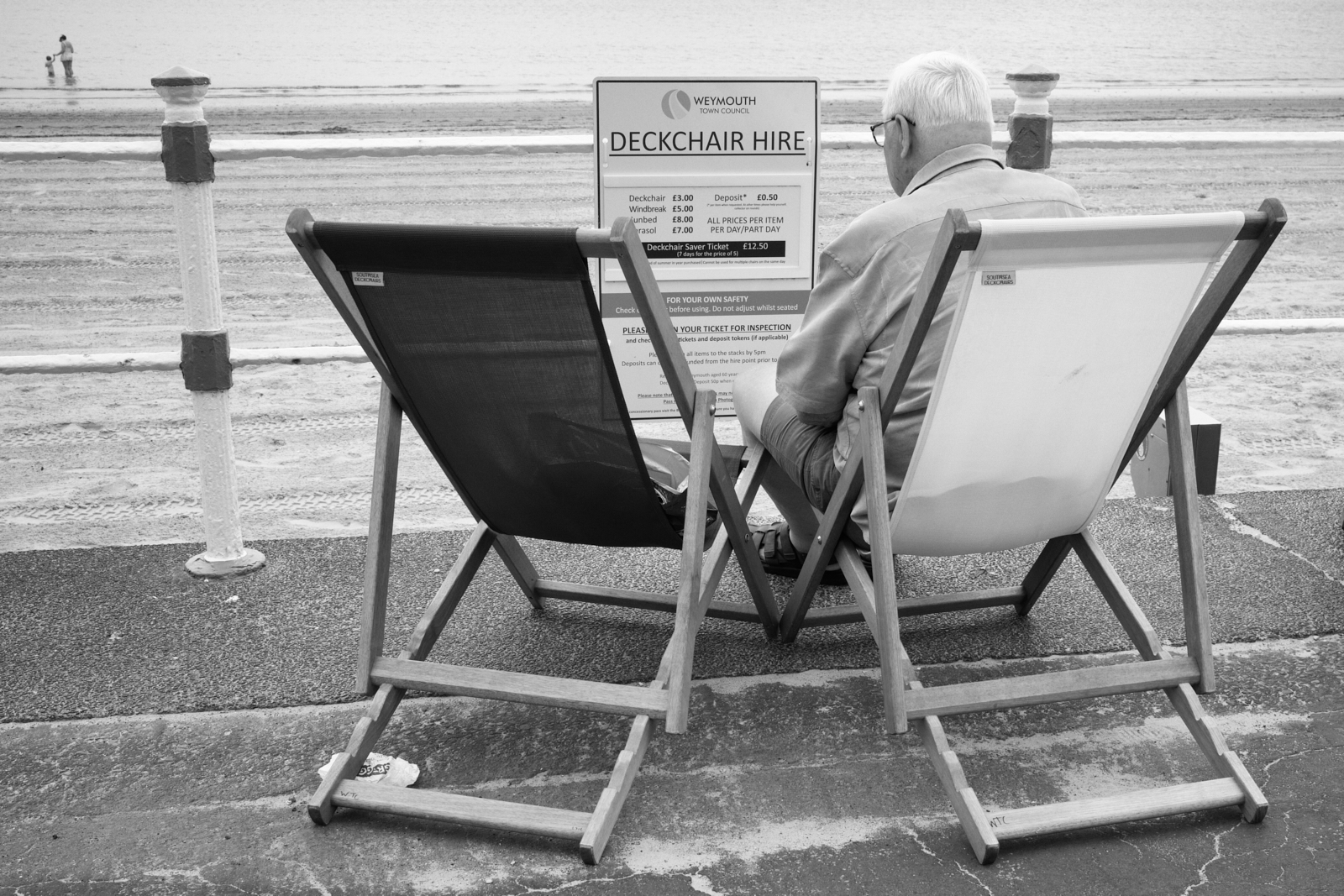
I don’t know why but I was looking through my CaptureOne catalogue a few days ago and came across some images which I had taken in the summer of last year down at Weymouth beach in Dorset. It was a dull, overcast day and without any sun the beach was almost deserted with only a few hardened holidaymakers determined to make the most of it.
I had processed the pictures but they were never included in a post. I guess this was probably because the subject matter (urban/seaside/street) is very different to my usual work. It’s always rather fun to try something new and challenge your photographic eye.
Anyone familiar with a typical seaside resort in England will recognise some of these scenes which are likely to be replicated up and down the land. There is something very British about choosing to park your deck chair right next to a huge litter bin!
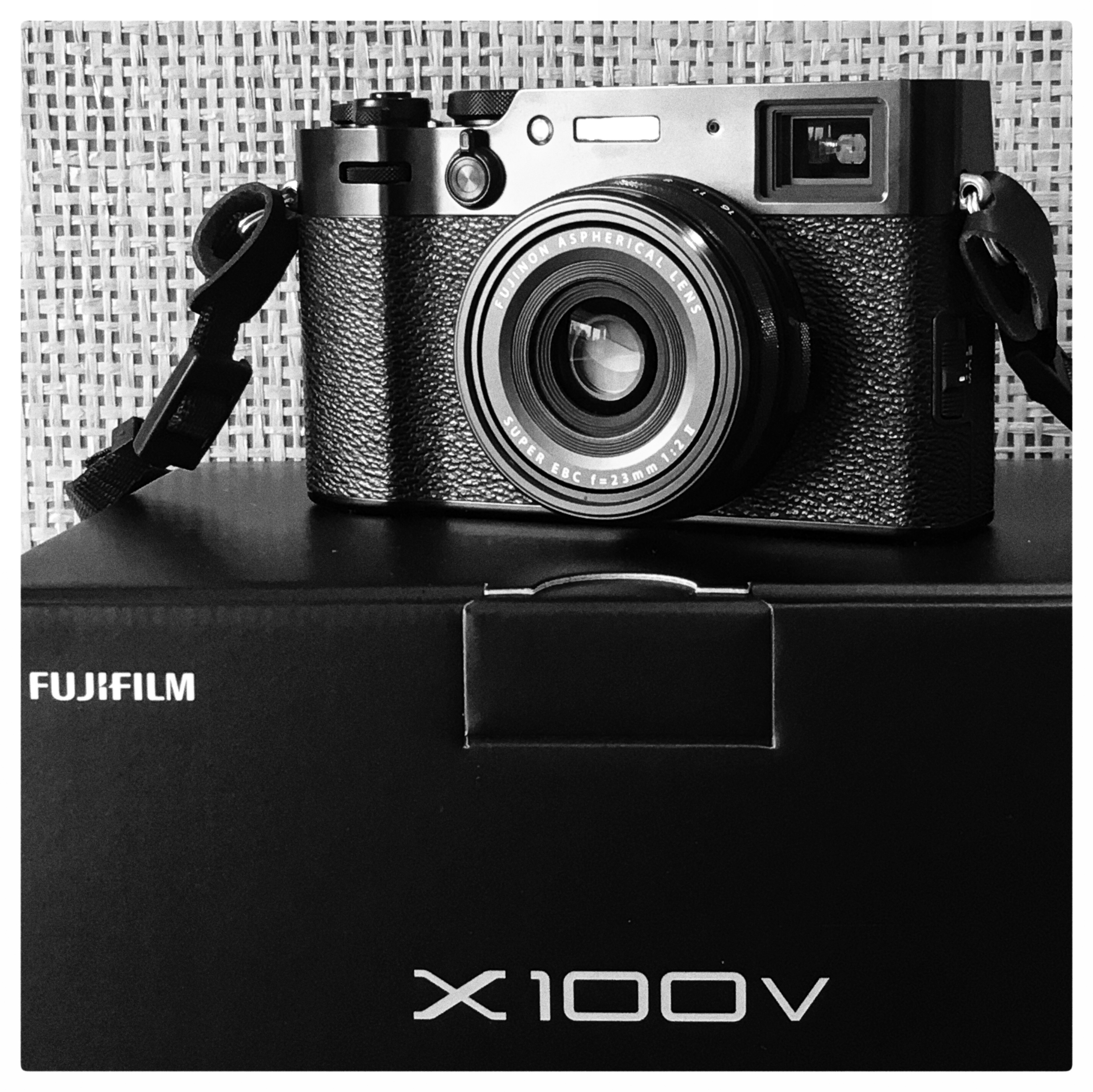
All the pictures were taken on the same morning with a Fuji X100v. It’s a great little camera for this type of work. Discreet, quick and easy to use, full manual control if that’s what you want and it produces excellentimage files.
Weymouth is a very popular resort, not too far from home. With Autumn having well and truly arrived here in the UK it is my intention to head back to this location as I find these places more interesting out of season.
Until then here is a selection which makes a change from my usual landscape or church photography.
There is something to be said for getting out a map and without spending too much time choosing a location which you haven’t visited before. To enjoy the change, explore new paths never knowing what you might come across.
I did this recently and I intend to repeat the experience on many future occasions. Irrespective of the weather and length of walk there are always images to be made.
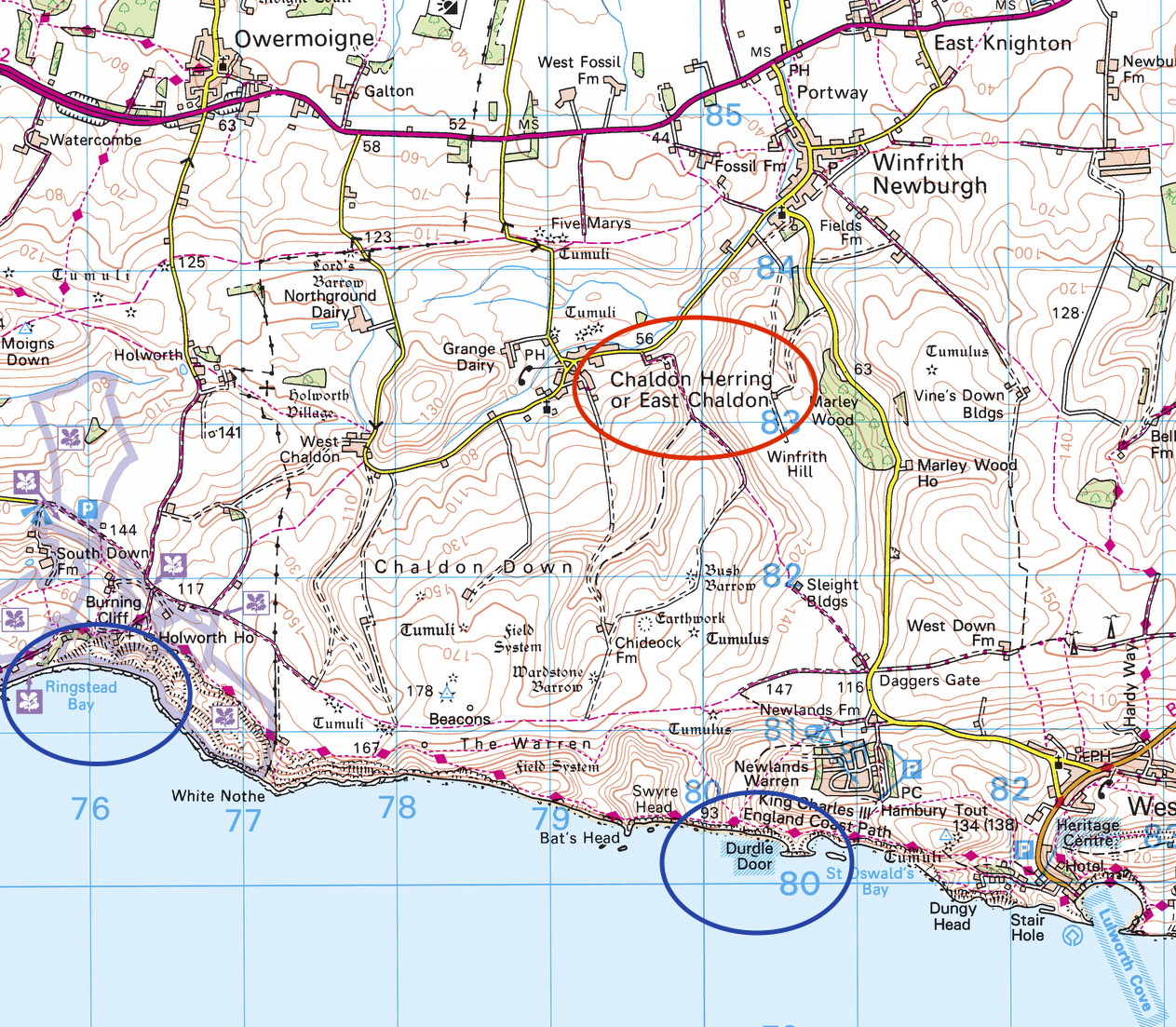
I have included a small selection of photographs taken recently on a Sunday morning stroll to the South East of East Chaldon village in Dorset, also known as Chaldon Herring. With more time this walk could easily be extended to include a section of the South West Coast path to visit either Durdle Door or Ringstead Bay.
As I type these words, I peer through the window and the rain continues to fall. It was a very wet and mild winter and the summer is proving to be neither hot nor particularly dry. Long walks have been in short supply but a morning stroll along a new pathway is always satisfying. I parked the car at the top of the rise just south of Hill Dairy on the road to West Chaldon in Dorset. I headed west along the farm track, across the road which leads to Holworth before returning along the same route. I much prefer a circular walk, but on this occasion time was limited.
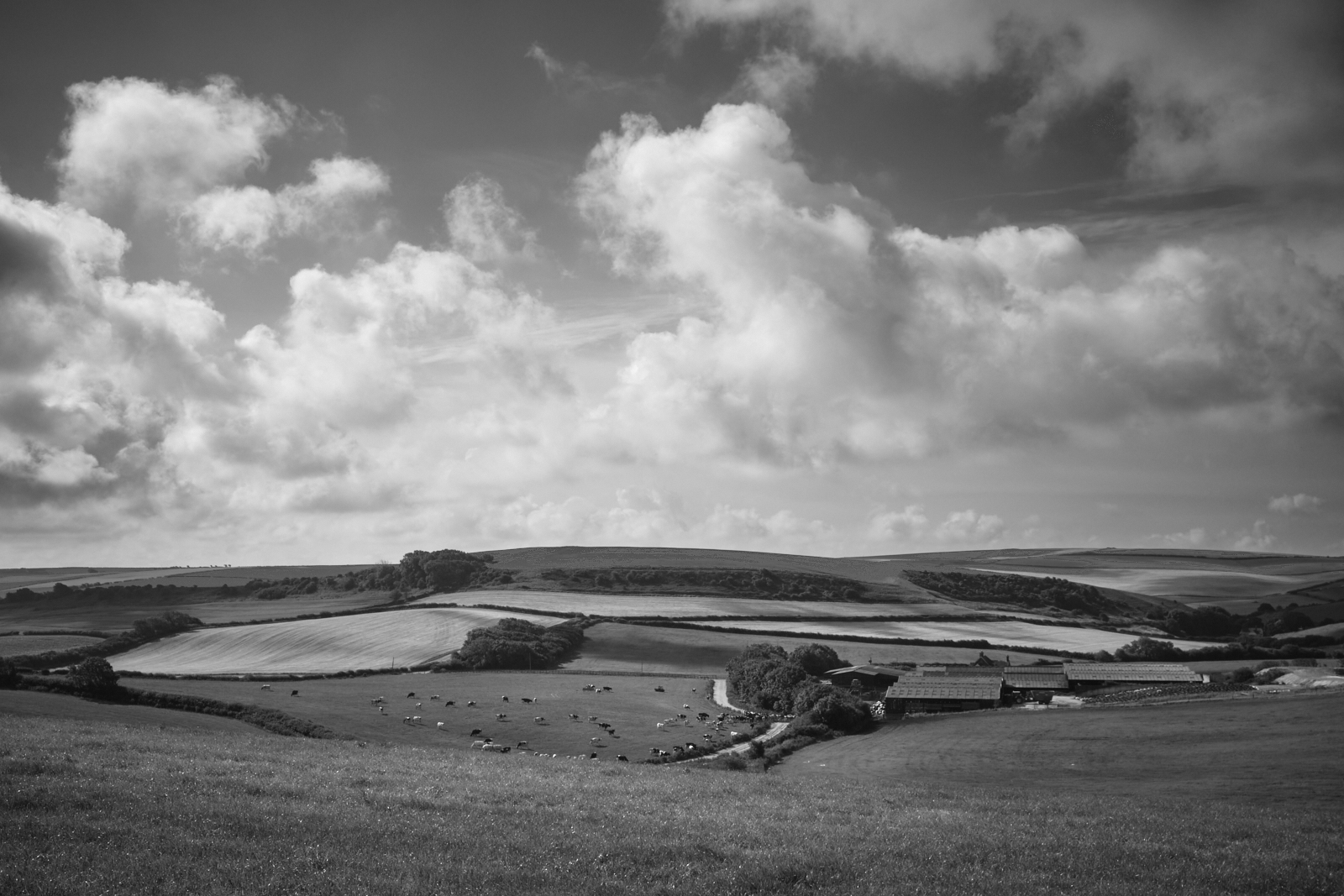
Although quite overcast the clouds provided visual interest and when the sun did break through it would cast light on the fields to the north and the south. The views of the rolling countryside were very pleasing indeed and this is an area worthy of further exploration in the future. in total the walk took about an hour at a gentle pace and only covered 2.3 miles with an ascent and descent of 167ft, so hardly strenuous. Just right for a breath of fresh air and some fine views on a Sunday morning.
Route map of the walk
I hoped that I might be able to take a few photographs but didn’t want to carry a bag full of gear, so the Fuji X100v had to be the camera of choice. I have had the camera for a little over 4 years now and it really is an ideal companion when out walking. Although it has now been superseded by the X100vi with its larger 40.2mp sensor, I have no plans to upgrade. 26.1mp is more than adequate for my needs.
As you can see from the image below I have added a few accessories over time which in my view all serve a useful purpose and much improve the handling and functionality of the camera.
Fuji X100v with a number of accessories
In no particular order –
A lens hood made by Squarehood which still allows the use of a UV filter. Without one the camera is no longer weather sealed. As well as cutting out any stray light the hood prevents grubby fingermarks getting on the filter and I no longer use a lens cover, which I am only likely to lose anyway.
A front hand grip by JJC which incorporates an arca swiss compatible base plate for mounting on a tripod. Plus a thumb grip which I find essential to firmly grip the camera. Although the most expensive option I chose one made by Lensmate in America. Unlike any of the others for sale it has a folding mechanism to give greater access to buttons and dials.
The combination of these accessories greatly improves the comfort and handling although I accept they do add to its bulk. A small price to pay in my view opinion.
Lastly a soft release button again by JJC. – I had never used one before but it does make the control of the shutter release button that much easier.
None of these items guarantee good photographs of course but they do make this excellent little camera even more pleasurable to use.
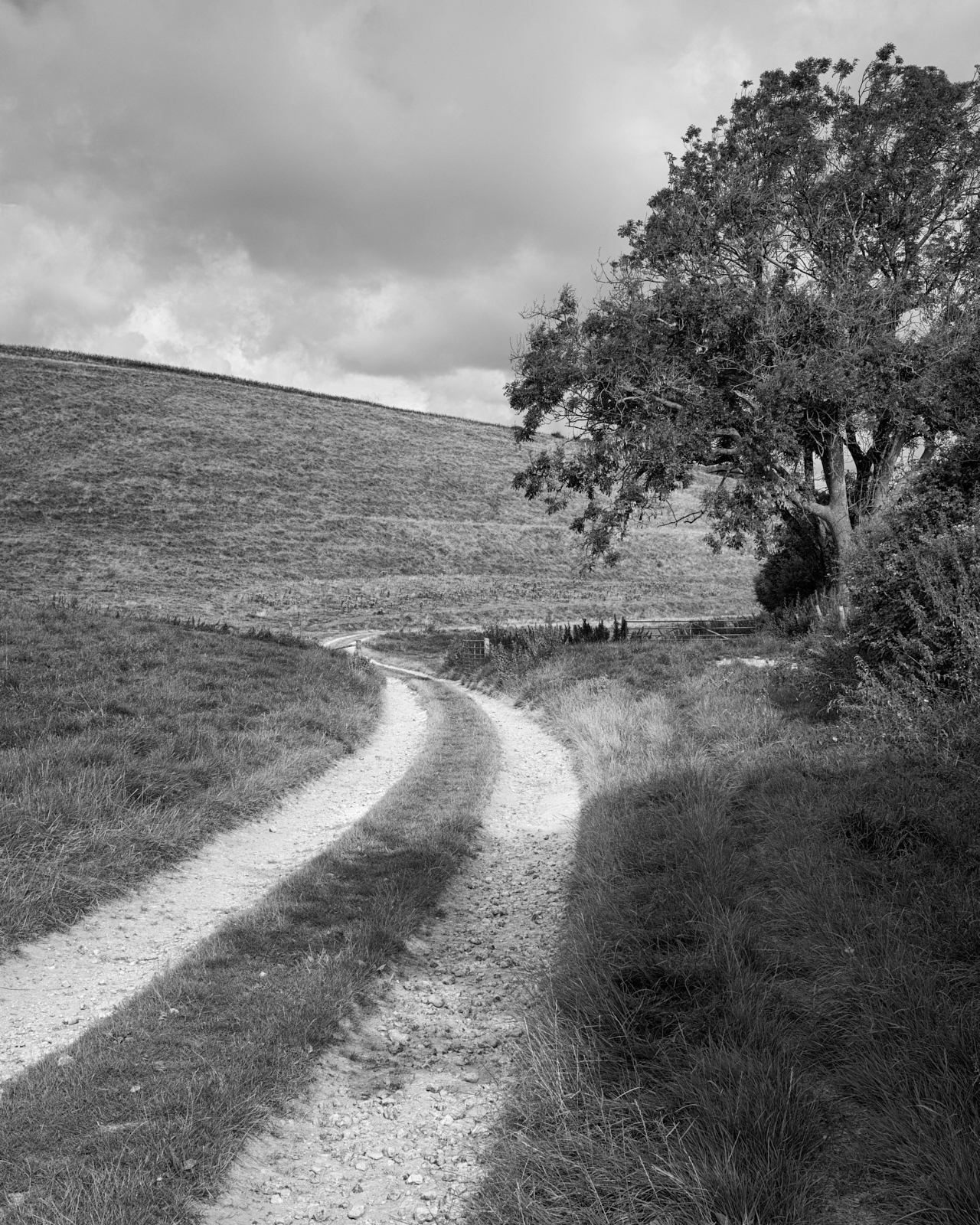
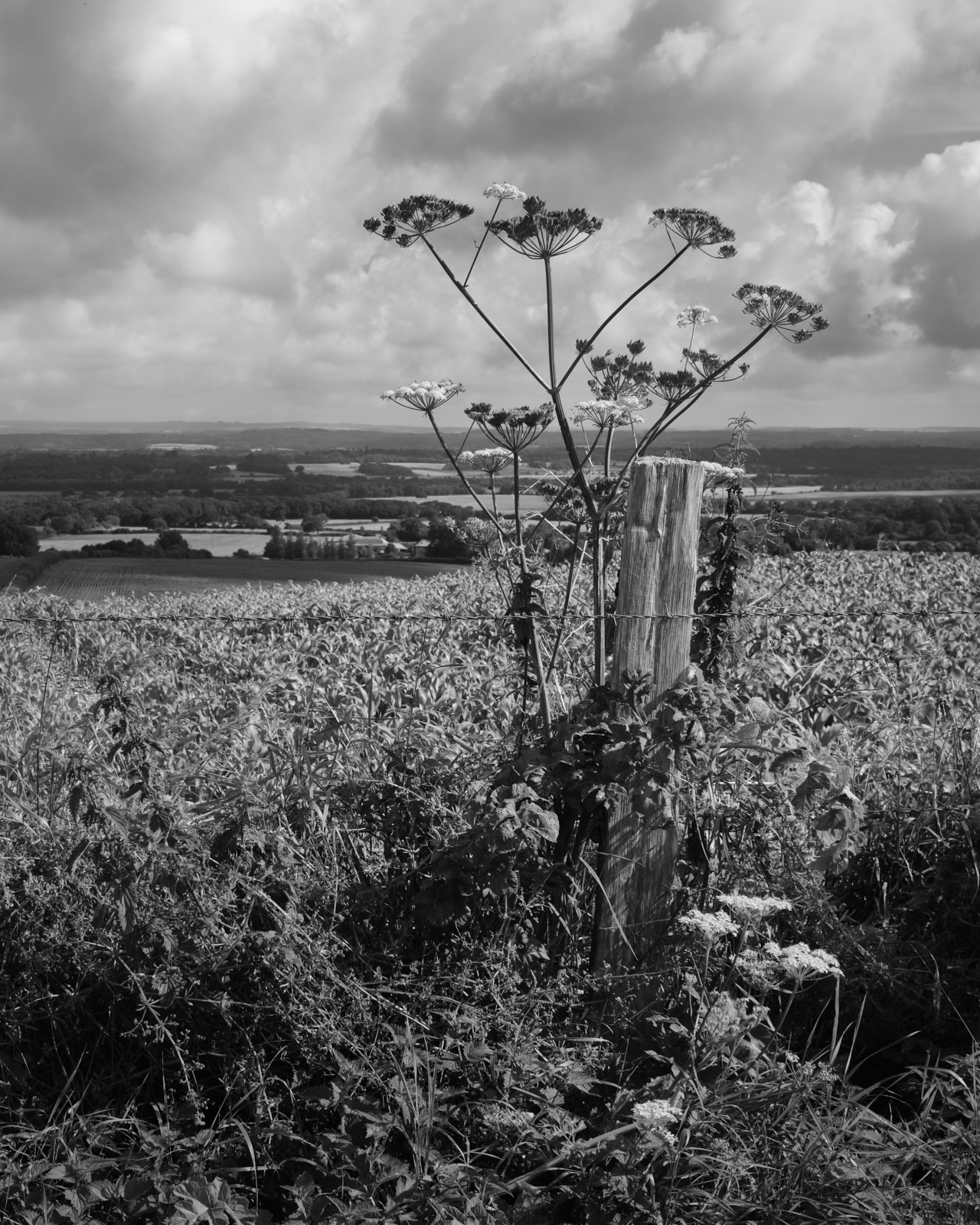
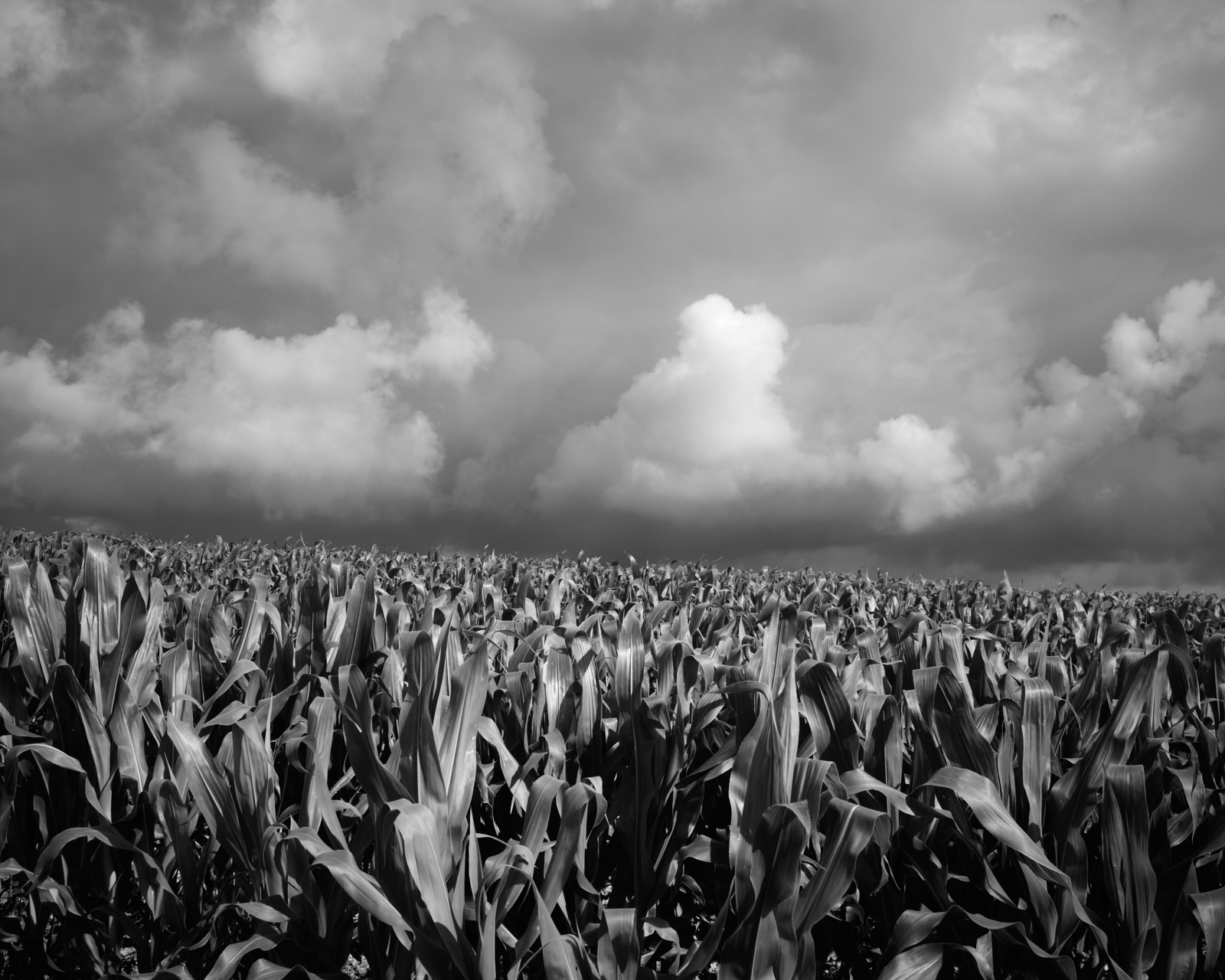
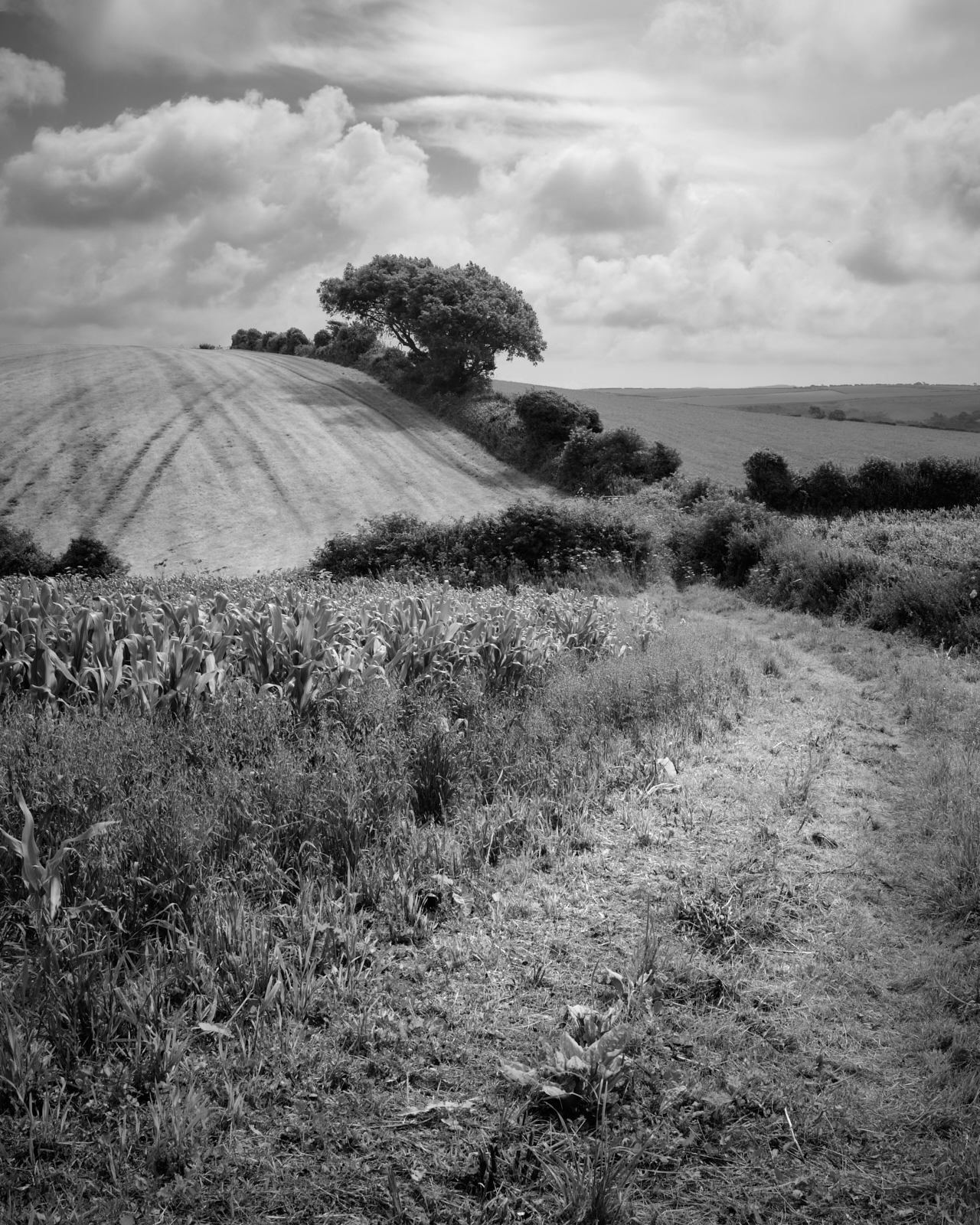
Here are a selection of images captured on this walk.
I rarely write about camera gear but I thought I would make the topic of this post an exception. I never thought I would arrive at this particular juncture and I would like to explain how and why this came about. If you don’t think this is likely to be of interest to you then I would simply urge you to go the end of this post and read the final paragraph.
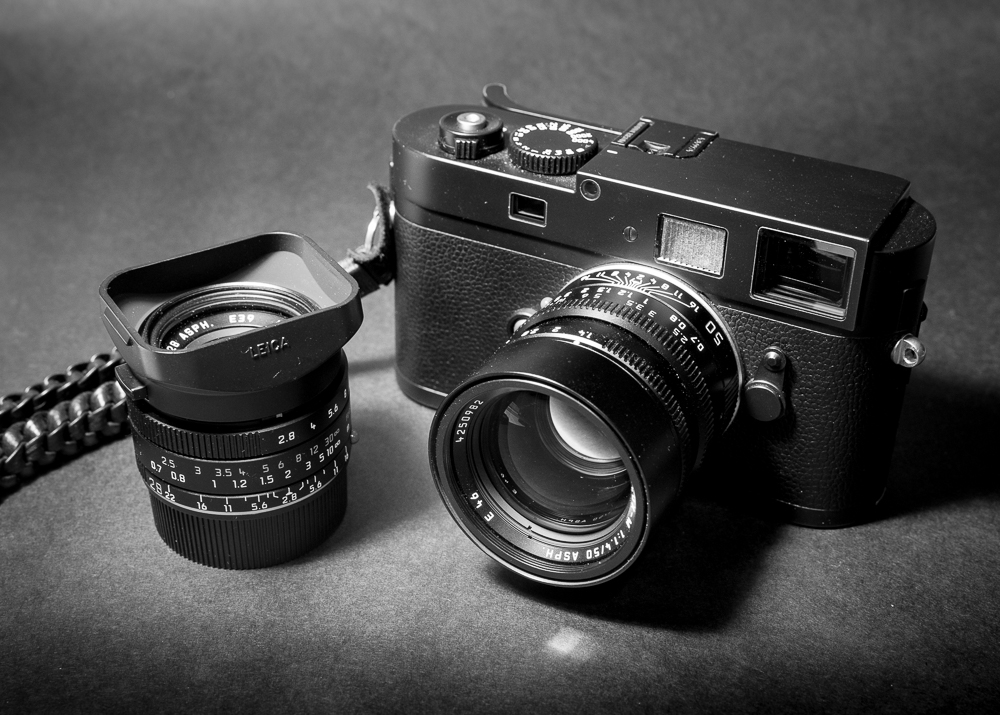
Leica M Monochrom with 50mm and 28mm lenses
I think I should start at the beginning. Ten years ago having decided that black and white photography was my creative passion, I threw caution to the wind and totally embraced B&W by purchasing a second hand Leica M Monochrom together with two prime lenses – a 50mm Summilux and 28mm Summarit. I later added some additional primes – 90mm Summarit, 35mm Summilux and a Zeiss 18mm plus a Leica SL by way of a second body but with very different functionality. I was working then, earning well and photography was my hobby; it still is. Yes it was an indulgence, but no more so than many other expensive hobbies and nothing like as costly as having a classic sports car or small boat. As much as I love the Monochrom (and still do) it does have its quirks and limitations. Over the years this combination of equipment gave me the opportunity and inspiration to make some images which I will always treasure.
There are though occasions in life when the temptation to acquire another gadget is hard to resist. I don’t know any serious photographer who hasn’t suffered from GAS (Gear Addiction Syndrome) at one stage or another. I have to admit I am no different.
Fujifilm X100v
Two years ago just before the UK went into its first Covid Lockdown I bought a Fuji X100v. I had always wanted a smaller, lightweight version of my Leica Monochrom which still offered good quality RAW files. Its rangefinder form factor appealed to me as it is very similar to the Leica M. In addition to its sharp and fast 23mm F2 fixed prime lens (equivalent to 35mm in full frame terms) it offers the choice of an optical viewfinder as well as an EVF. I was also keen to try for myself the Fuji Film Simulations and in particular the Acros for B&W with the added choice of a red, yellow or green filters. You may wish to read some of my other posts about the X100v – Fujifilm X100v and Capture One first thoughts and The Fuji X100v has arrived – first outing.
I enjoyed using the X100v and it introduced me to the possibilities of colour. Fuji are well known for their colour technology and with time on my hands during Lockdown I familiarised myself with CaptureOne to process the RAW files.
At about the same time I wanted to explore the possibility of having a telephoto lens which would give me greater reach. I found the 90mm to be too limiting in certain situations. The Leica L Mount 90-280mm would fit the bill but not at a cost of nearly £5,500. At less than half the price (£2,600) Panasonic offer a 70-200mm zoom lens but whilst more affordable (just) both these lenses are large and heavy to lug around. The Leica SL camera is a heavy beast in its own right – there had to be an alternative. Not only was weight a factor but the lack of an articulating screen on the SL was a disadvantage when using the camera on a tripod, particularly at low level.
Having enjoyed the little Fuji X100v and knowing a number of people who were more than satisfied with Fujifim’s XT range of cameras I thought I would way up the pros and cons of changing to a lighter set up. After much research I bought a Fujifilm X-T3 and three zoom lenses – 10-24mm, 16-80mm and a 55-200mm. A holy trinity of lenses, all of which are weather sealed. If I only wanted to carry one camera and one lens, the 16-80mm (24mm – 120mm) was an ideal walk around/travel option. Given the APSC crop factor of the Fuji sensor I now had a reach of 300mm. This opened up many new possibilities when framing a composition. The Leica SL, 18mm and 28mm were all sold to help cover the cost.
Fujifilm X-T3 with 10-24mm
Time marched on and whilst the three zoom lenses on the X-T3 covered most eventualities I missed using the Leica prime lenses I had retained. The 35mm, 50mm and 90mm. Being able to shoot wide open at F1.4 on the 35mm and 50mm lenses has its own creative charm not to mention the option of faster shutter speeds albeit at the expense of a shallower depth of field. To be frank I simply couldn’t bring myself to part with them. Besides I still had the Monochrom although it does need servicing.
To accommodate the use of these Leica lenses I decided to look into the possibility of buying an M Mount lens adapter which would allow me to use these primes on the Fuji X Mount. I was delighted to discover that Fuji themselves made such an adapter and I did some research to establish which lenses were compatible. Whilst not specifically listed I came to the conclusion all three lenses would work. I kept in mind the crop factor which made the 35mm a 52mm in full frame terms, the 50mm a 75mm and finally the 90mm a 135mm. They are of course all manual focus only but that doesn’t bother me. This is how I have taken images for years and I enjoy this style of photography. I like having control particularly when shooting wide open. In fact I regard myself as a manual shooter rarely relying on the camera to work out the exposure or point of focus for me.
There is one final part to this tale. The Fuji rangefinder form factor is my preferred choice of camera body style. However the X100v has a fixed focal length of 23mm. The X-T3 allows me to change lenses but is a larger camera. Combine the best of both worlds and what do you get? A Fujifilm X-E4 or X-Pro3. The X-E4 was the more attractive choice, the X-Pro3 being much larger and more expensive. So I bought the X-E4 earlier this year and also opted for the accessory kit. It provides a handgrip and built in arca swiss compatible tripod plate and together with a thumb grip, the handling is much improved. More to the point this camera is a great combination with the Leica primes. The X-E4 is very similar in size to the X100v, so these lenses do make the set up a bit front heavy, particularly the 90mm, but the combination works well for me and the results are superb. Aesthetically it looks great too. I might even apply some black duct tape over the make and model inscriptions – to make it even more discreet!
Fujifim X-E4 with Fuji X mount adapter and Leica 50mm Summilux lens
Over the last two years I have invested in quite a lot of new kit, but I have now arrived at a place where I am lucky enough to have all the bases covered and to me the best of all worlds. The camera bodies are all Fujifilm. I am more than happy with the quality of the RAW files. I am not the type of person always on the hunt for more megapixels. 26.1MP in all three cameras is a good sweet spot as far as I am concerned.
The Fujifilm zoom lenses are all excellent and whilst they are not that fast, they are sharp at their respective price point and serve a very definite purpose which is why I chose them.
Talking of lenses the Leica primes are absolutely superb. Build quality, sharpness, and speed are second to none. They are just a pleasure to use and all the time the Monochrom needs servicing the X-E4 is a first class substitute. If ever I tire of them, which I doubt, they hold their value well too.
The X100v has its place in the line up as well. Compact, it’s an ideal take anywhere camera. It also gives me a 35mm equivalent prime lens, to compliment the Leica primes having allowed for the 1.5x crop factor of the sensor.
Whilst there are some differences in the controls and functionality of the X-T3, X-E4 and the X100v, there are broad similarities so I have spent some time customising the function buttons of each camera so that the differences are kept to a minimum. This helps me when swapping from one camera to another. I suspect the X-T3 will largely be used with the zoom lenses whilst the X-E4 will best suit the Leica primes plus its a useful back up body to the X-T3 should it ever fail unexpectedly. The X100v will be in a pocket or on a wrist strap when I just want to go out and take a camera with me without compromising on quality.
There is one other key advantage. As each camera shares the same sensor, work flow and processing will be consistent irrespective of the camera used.
X100v ………. X-T3 ………. X-E4
So there it is. A very happy marriage in my opinion of Fuji bodies, their zoom lenses and renowned Leica glass. Have I switched camera systems, well no, not exactly!
I hope you have enjoyed this rather long post and if you have any comments or questions do use the comments section, and I will be pleased to respond as helpfully as I can.
Thanks as always for reading and getting this far.
I would like to finish with one final point – a quote by Ansel Adams.
“The single most important component of a camera is the twelve inches behind it.”
So whatever camera gear you own or choose to buy, do remember the gear is simply a means to an end. The acquisition of new or more equipment might enhance the pleasure of releasing the shutter and open up new creative opportunities, but the camera equipment on its own will not make you a better photographer. As Ansel Adams so succinctly put it in the quote above – when it to comes to making a great photograph, it is the creative skills of the person behind the camera that really matters.
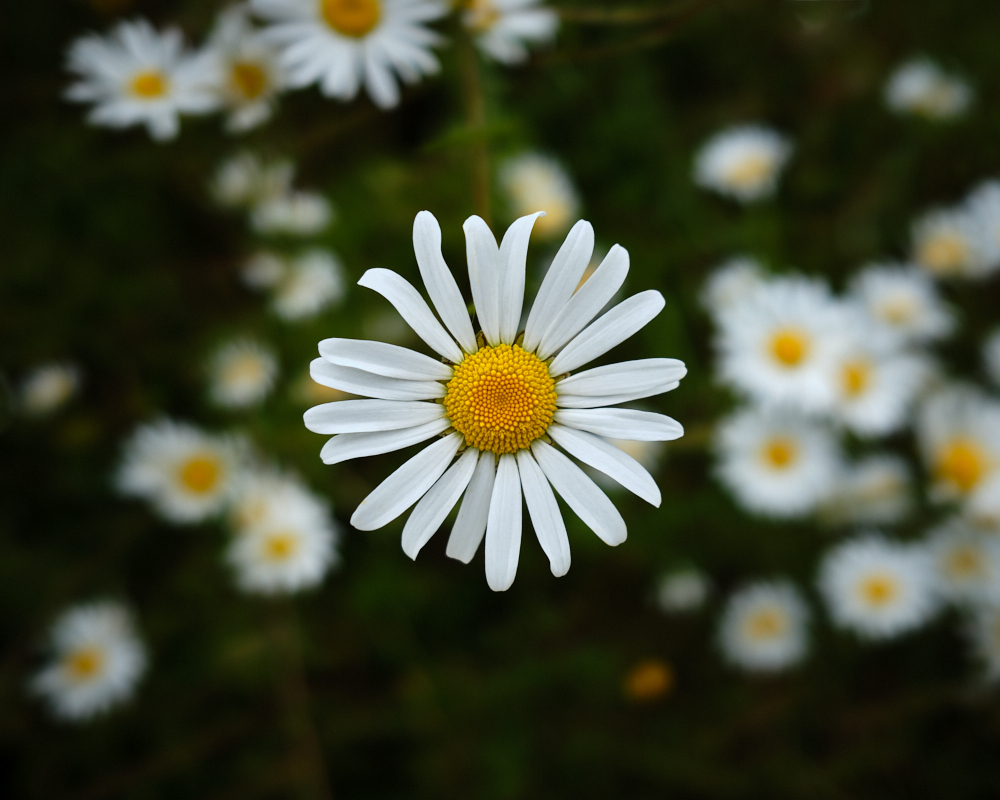
Walking through the countryside in the summer months and you can’t help but notice the widlflowers in the fields or in the hedgerow. Presenting any of these images in monochrome would not do justice to their beauty, so here are a small selection in all their colourful glory.










 alan frost photography