Posts from the ‘Churches Project’ category

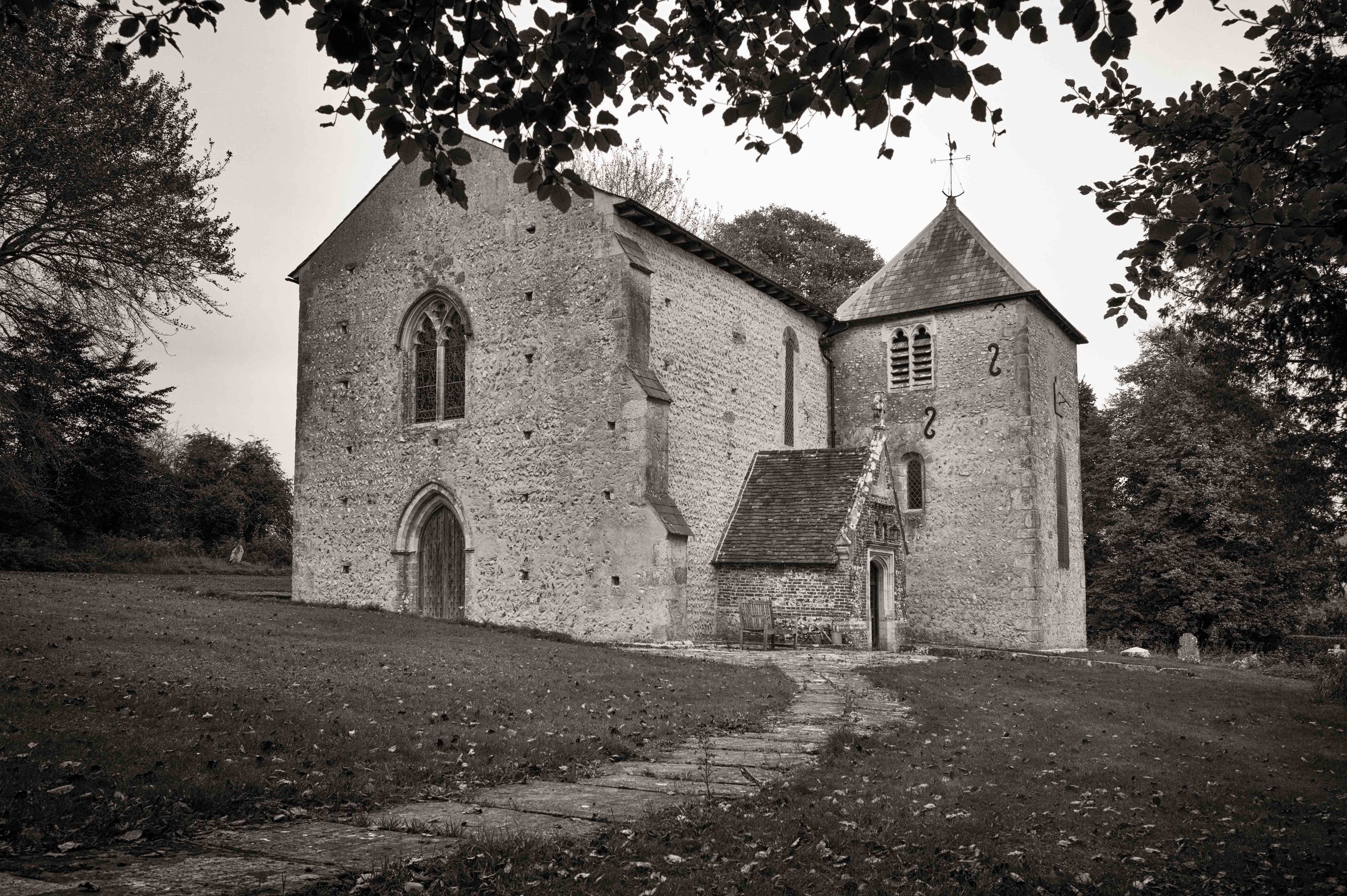
Churches Project no.10 – St Mary, North Marden, West Sussex
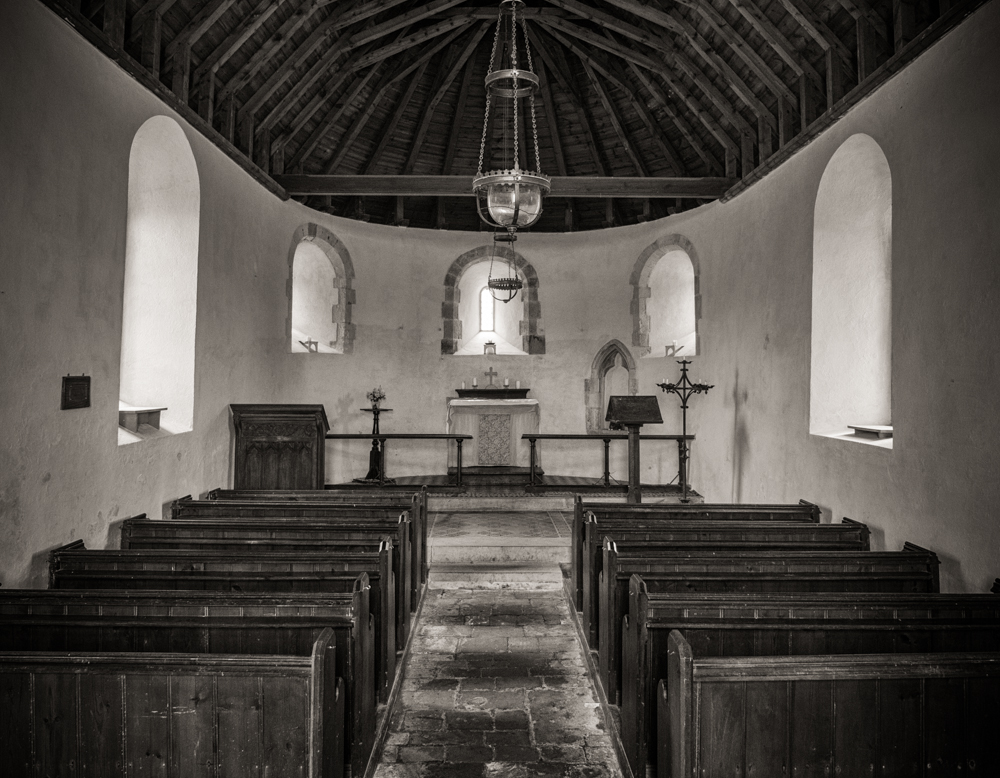
Nave of North Marden Church

Nave and chancel of North Marden Church

St Mary’s in North Marden is a tiny Norman country church thought to date from the late 12th Century. Approached through a farmyard the nave and chancel are undivided. The chancel has an unusual semi circular or apsidal end, a feature which is only to be found in five other small english churches. There is very little light inside the church, and first impressions are of a dark and almost mysterious interior. To this day there is no electricity, so when in use the interior is still lit by candles. The church is Grade 1 Listed and can seat up to about 70 people.

The church has a superb Norman south doorway made of Caen stone which was probably shipped from France across the English Channel to Chichester Harbour and then transported by pack horse to the site of the church. It is the same stone that was used to build Chichester Cathedral.
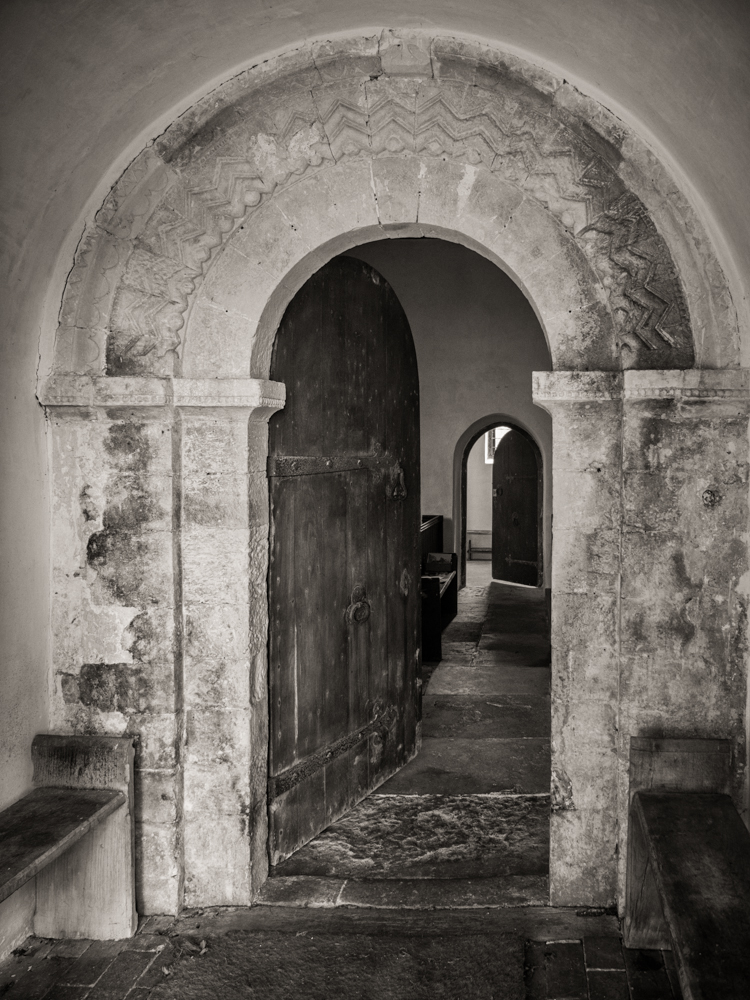
 

North Marden Porch

North Marden Porch and Norman doorway.

Standing in the porch and looking through the doorway into the nave with the vestry opposite, I just try to imagine all the characters who have walked into this humble little place of worship in the 900 or so years since the church was built. It’s not possible of course but the thought itself is quite remarkable.


St Mary North Marden

St Mary North Marden

This church is one eight churches which make up the Octagon Parish. A group of churches serving the villages of Stoughton, Racton, Forestside, Stansted, Compton, Esat Marden, Up Marden and of course North Marden. They are all set in beautiful and largely unspoilt downland countryside, which makes these churches so very appealing.

I have already featured two of these churches and the links can be found below. I am sure I will be visiting the other five in due course.

St Michael’s, Up Marden

St Mary’s Stoughton
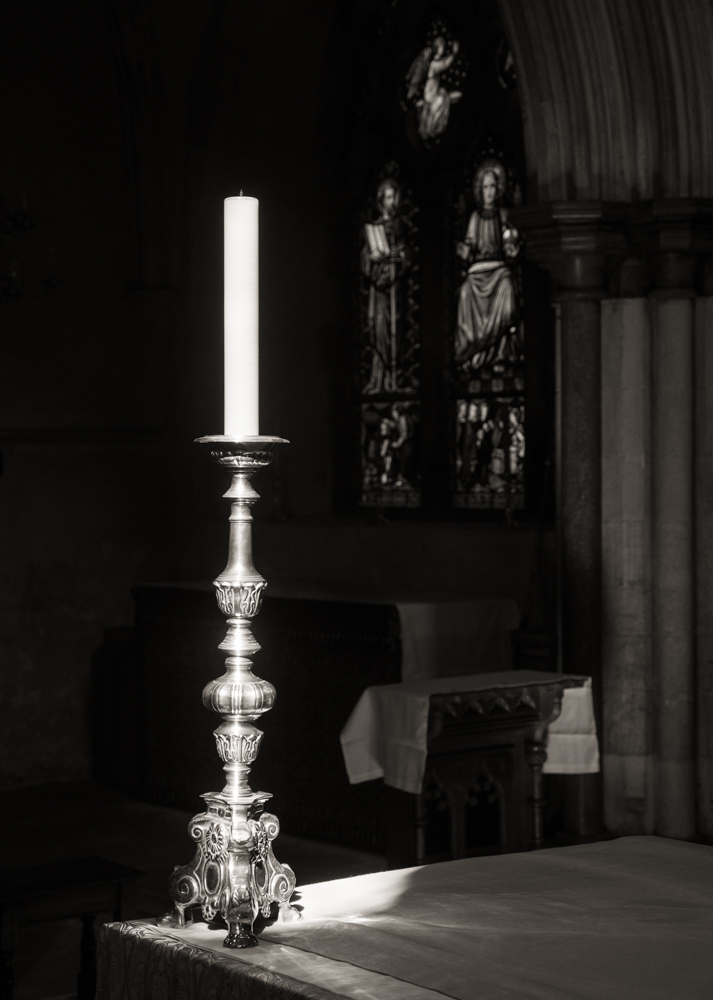
Churches Project no.9 – Candlelight in The Priory

Candlelight in The Priory

Candlelight in The Priory

There are many reasons why I enjoy visiting and photographing churches and their interiors. Without question one of them is the unexpected play of light inside a church when the outside is bathed in bright sunshine. The way shafts of light come through the windows can be an absolute joy, as was the case just this week when I called into Boxgrove Priory. It’s a beautiful building which lies to the east of Chichester, and one I shall return to photograph again.

I had not visited the Priory for many years, in fact I think the last occasion was for a funeral. The church was empty so I was able to look around in complete freedom. After about twenty minutes I noticed the sunlight illuminating one of the elegant candlesticks on the altar. The light was very bright and I knew the background to the image would be quite dark if I correctly exposed for the main subject of the picture. I knew I didn’t have long to take the shot as the sun was moving round and the light on the candlestick would soon be lost. The stone arch and stained glass window give context to the picture but the main subject will always be the candle bathed in lovely spring sunshine.

Churches Project no.8 – St Mary Magdalene Chapel, Chichester Cathedral

St Mary Magdalene Chapel


My Churches Project has been rather quiet of late; in fact it’s nearly 3 months since I posted anything new, but I now have more time on my hands so I can start visiting and photographing the many churches and Cathedrals I wish to visit.

To get things underway here is an image taken this week of St Mary Magdalene Chapel in Chichester Cathedral, West Sussex. The main feature is a painting by Graham Sutherland (1903 -1980) entitled Noli me tangere (Touch me not or Do not hold me). Painted in 1961 it depicts Christ appearing to Mary Magdalene on the first Easter morning.

I like the beautiful and quiet simplicity of this chapel – The polished stone table covered with a pure white cloth. The two candlesticks on each side and the modern painting set against the aged stone of the Cathedral.

Do click on the image to view a larger version and be able to see more detail particularly of the painting itself.


Churches Project no. 7 – St Swithin, Launcells, Cornwall

20150621-L1002873-Edit


It’s been a little while since I posted an entry relating to my Churches Project. This is partly because I have spent a lot of my spare time recently processing and then posting images which were taken in Snowdonia. But it’s mainly down to the fact that I just haven’t found the time to visit and photograph any new churches!

This church is St Swithin in Launcells, Cornwall. It is an unspoilt country church dating back to the 15th Century, set in a wooded valley just inland from the coastal town of Bude and only a few miles from the Devon border.

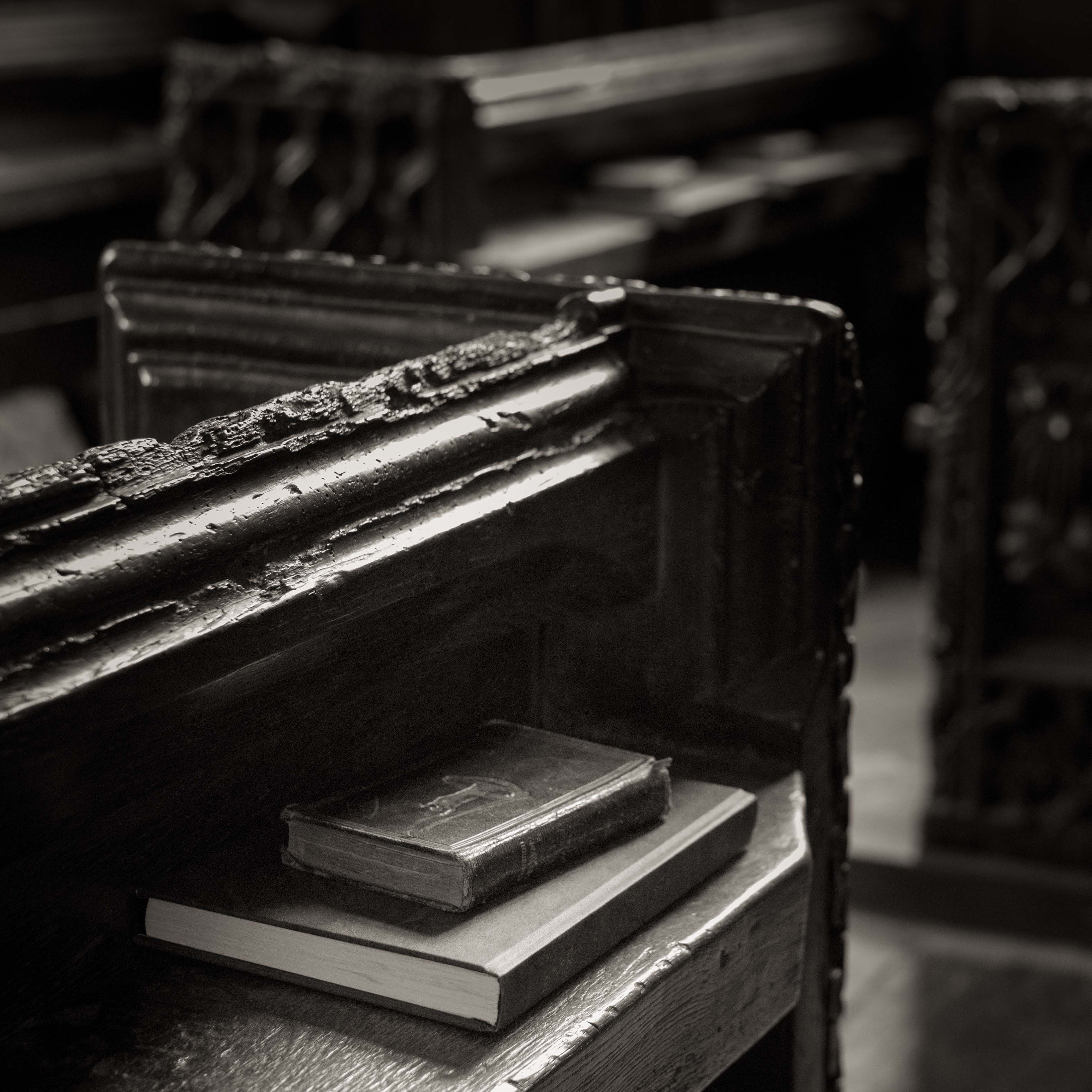
Sometimes when I visit a church for the first time a particular feature strikes me above all others and this was certainly the case when I visited St Swithin. As I set foot through the main door my eye was instantly drawn to all the Tudor pews and their quite remarkable carved bench ends. The first and last pews are also carved on the front and back respectively, whilst the other rows are all decorated at each end. They are all different and depict a variety of biblical stories. I didn’t have the time, but many an hour could be spent trying to interpret each set of carvings. Sir John Betjeman described them as being the ‘finest bench ends in Cornwall’ and who I am I to argue with that.


20150621-L1002883


20150621-L1002903


20150621-L1002886


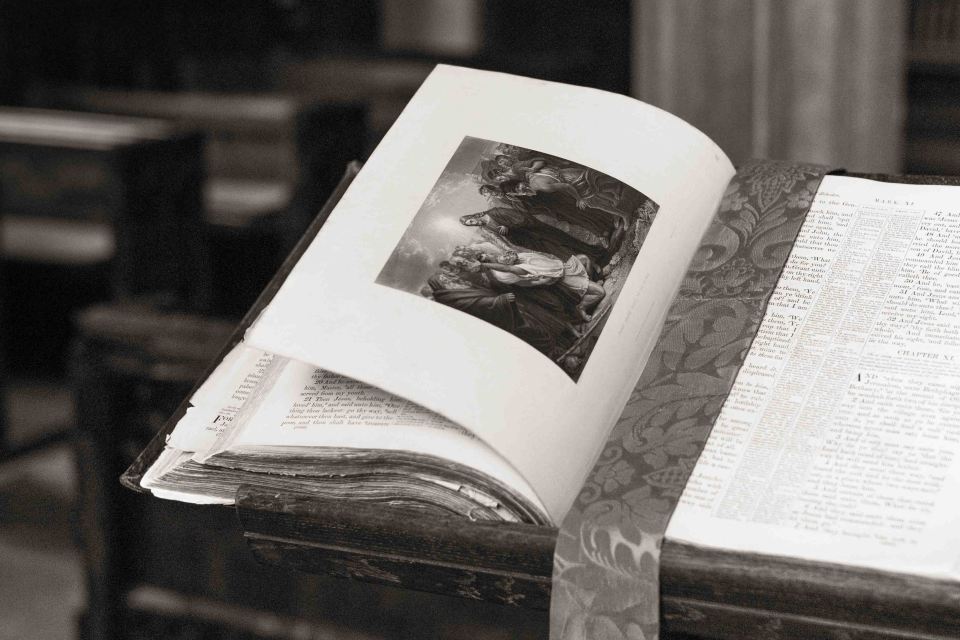
The other fine feature was the old and well used Bible which perhaps unusually was illustrated with some fine drawings. The good book was open at the Gospel of Mark and the picture shows Christ ‘giving sight to the blind’.


20150621-L1002907


Oh how wonderful it is to have vision, not to look in to the future but to be blessed with sight – to see and appreciate things in the present moment. To be able to witness and admire at the first hand the fine craftsmanship of those people, who back in the 15th and 16th Centuries used their skills to create something which some 500 years later can still be enjoyed today.

Churches Project no 7. – St Mary, Stoughton, West Sussex

The Church of St Mary in Stoughton is described in the book ‘Betjeman’s Best British Churches’ as an outstanding example of a well-loved country church, and who am I to disagree. Standing above the pretty village, the late C11 church is approached up a wide but inclined footpath; a challenge I’m sure for a few elderly worshipers walking up the slope to get to the Sunday Eucharist service.

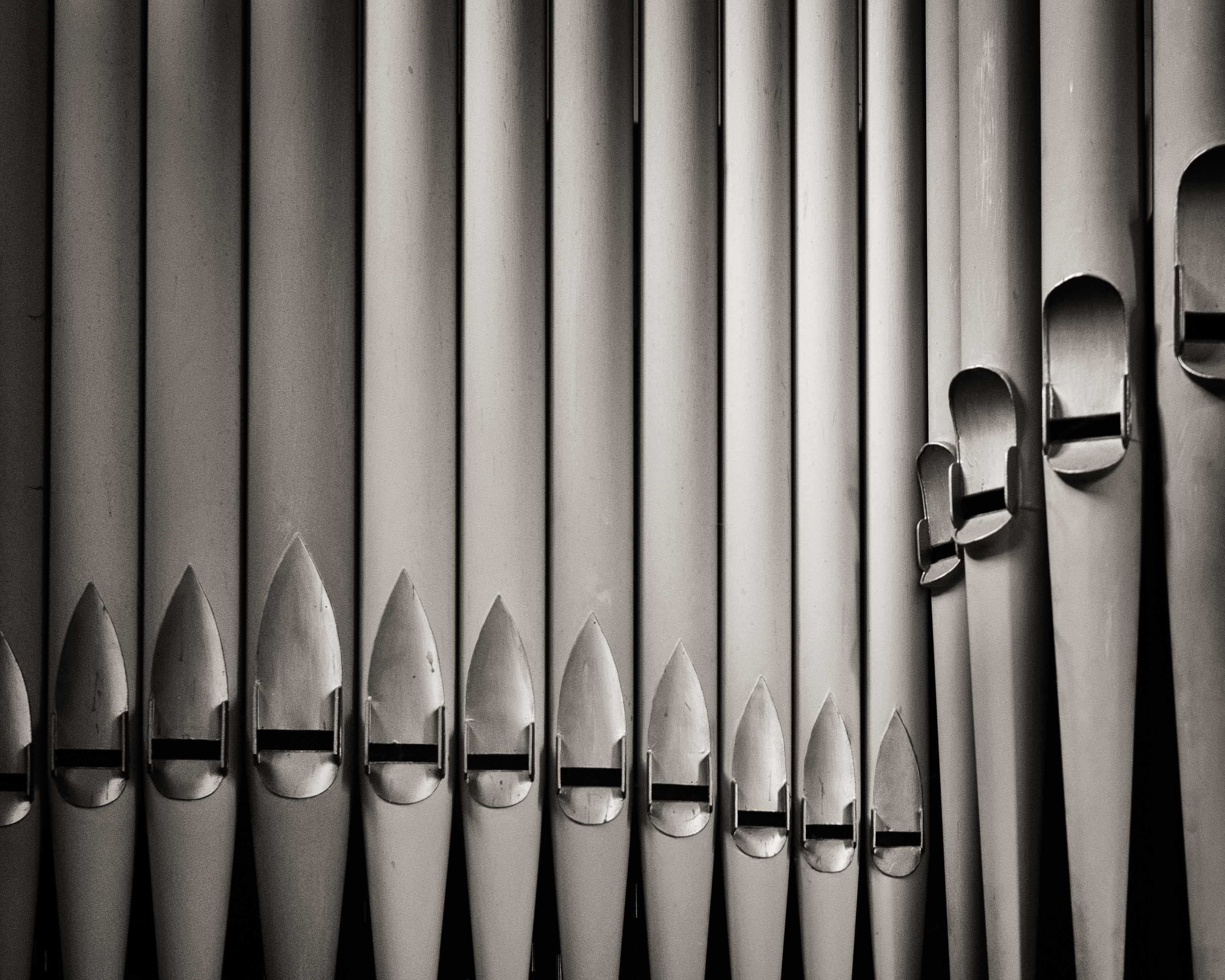
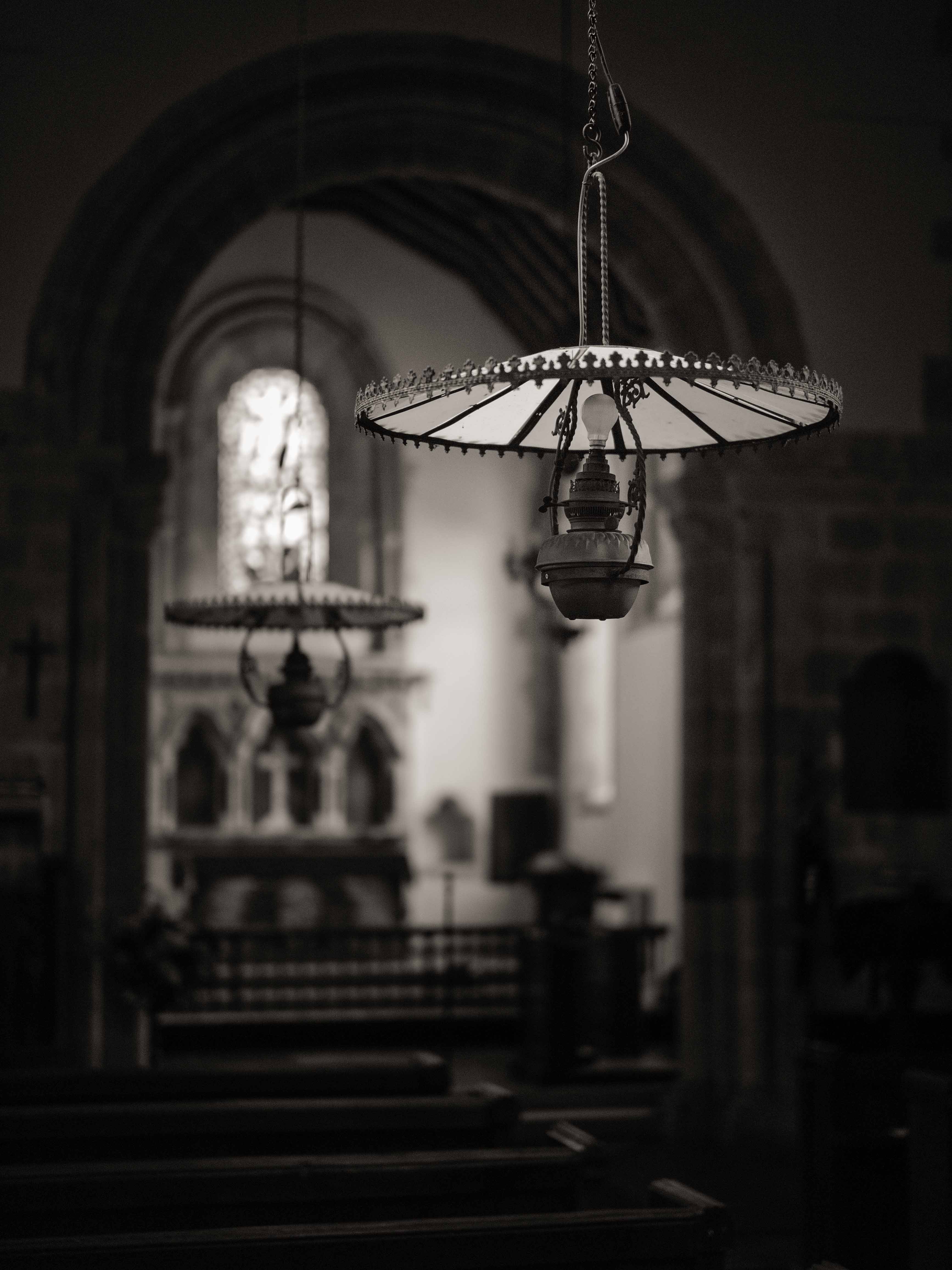
Whenever I find myself in a church I am simply looking to photograph the features which draw my attention. Sometimes it can simply be the play of light, as shown below in the image called ‘Hymns’. The rays of sun only lasted a few seconds so I was fortunate to capture this particular shot. Alternatively I might concentrate on certain details, like the ‘Organ pipes’ or ‘Bell ropes’. I will also use a wide aperture to give me a limited depth of field to isolate an feature but still provide context. The ‘Nave lamp’ is a good example of this technique.

Churches have many things in common, but they are all different. Each and every one has its own character and its this character or personality that I am trying to capture when the camera comes out of the bag and the shutter starts to open and close. I can happily spend an hour or two in an empty church just looking around, soaking up the atmosphere and waiting for the light to add another dimension these wonderful historic places of worship.


Hymns

Hymns


Organ pipes

Organ pipes


Nave lamp

Nave lamp


Chancel step

Chancel step


Bell ropes

Bell ropes


Contributions welcome

Contributions welcome


Chancel

Chancel


Chancel door

Chancel door


St Mary, Stoughton

St Mary, Stoughton


Do click on any of the images to view a larger version or visit the West Sussex Gallery page for other churches in the same county.

For more information about my ongoing Churches Project do click here.

For a more historical description of St Mary, Stoughton do click here.