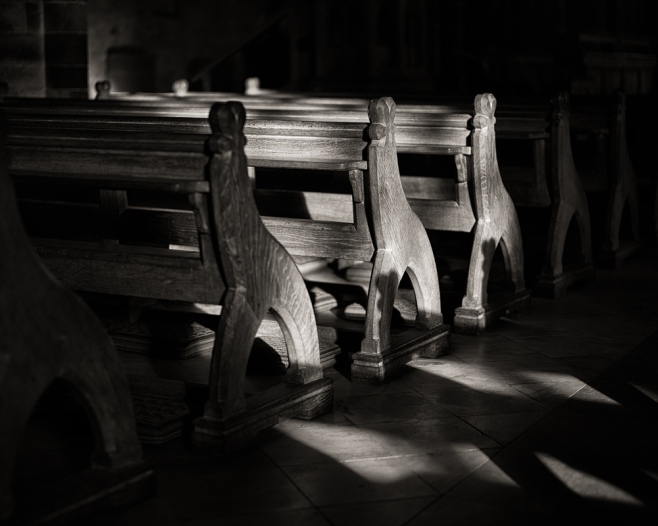
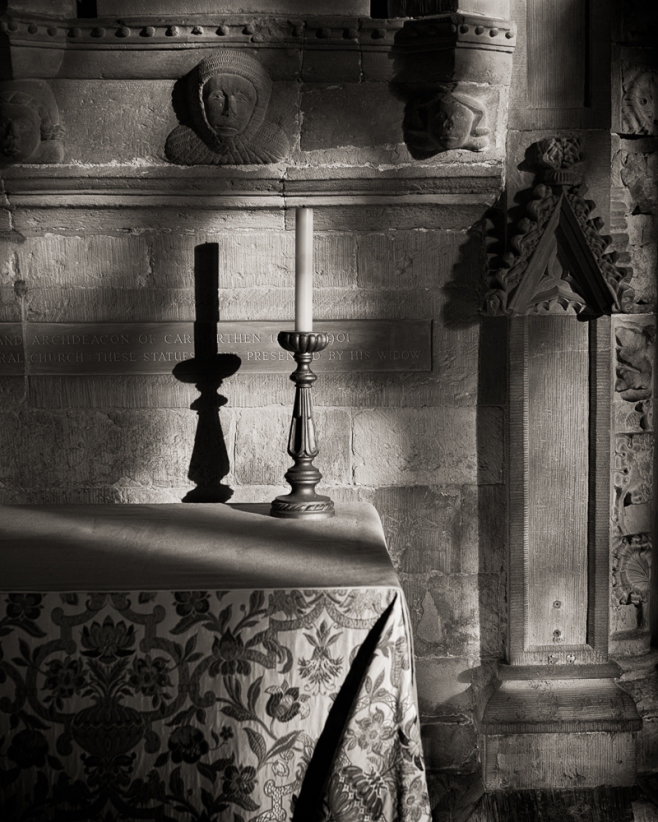
My successful Associate Distinction of the Royal Photographic Society
I have to admit that yesterday was a rather special day. I received formal confirmation from The Royal Photographic Society that I had been awarded an Associate Distinction in the Conceptual and Contemporary category for my panel of fifteen images and statement of intent. I had previously been awarded a Licentiate Distinction back in 2012.

My submission was recommended for the distinction by a panel of judges on the 19th April when I took my images to the Headquarters of the RPS in Bath for the assessment. It then takes up to 10 days for this recommendation to be ratified by the Distinctions Advisory Board before the actual certificate is awarded.

I am of course absolutely delighted to have achieved this distinction by The RPS, which was formed in 1853 and is recognized as one of the leading Photographic Societies in the world.

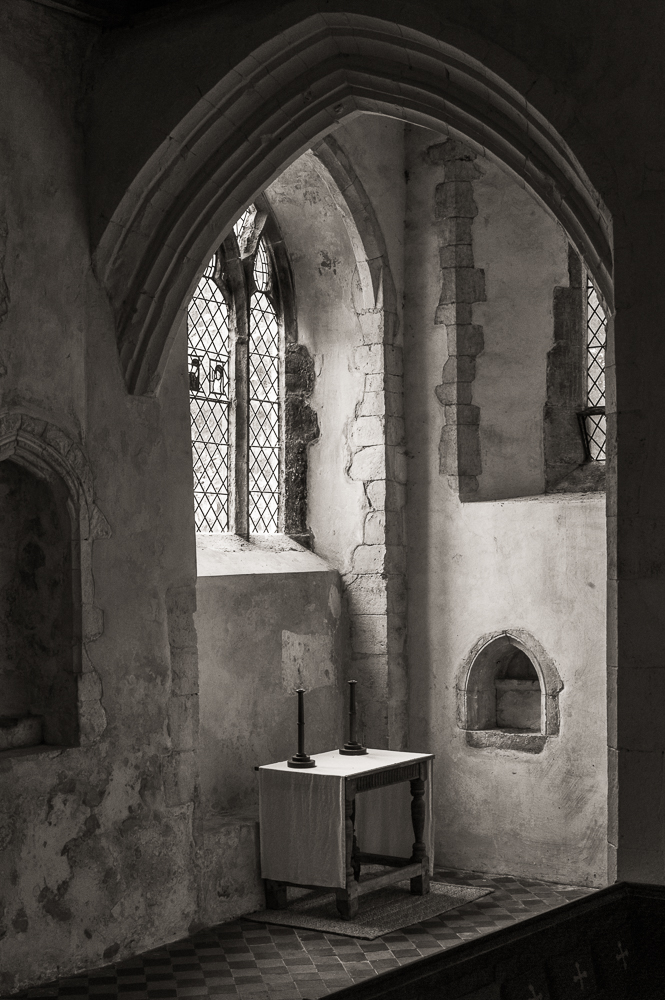
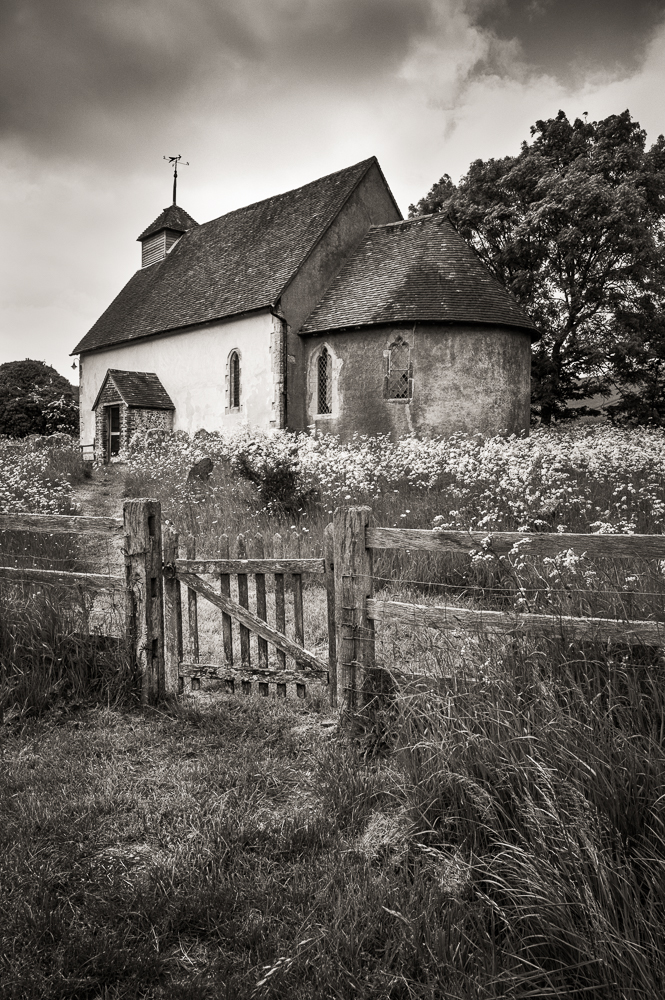
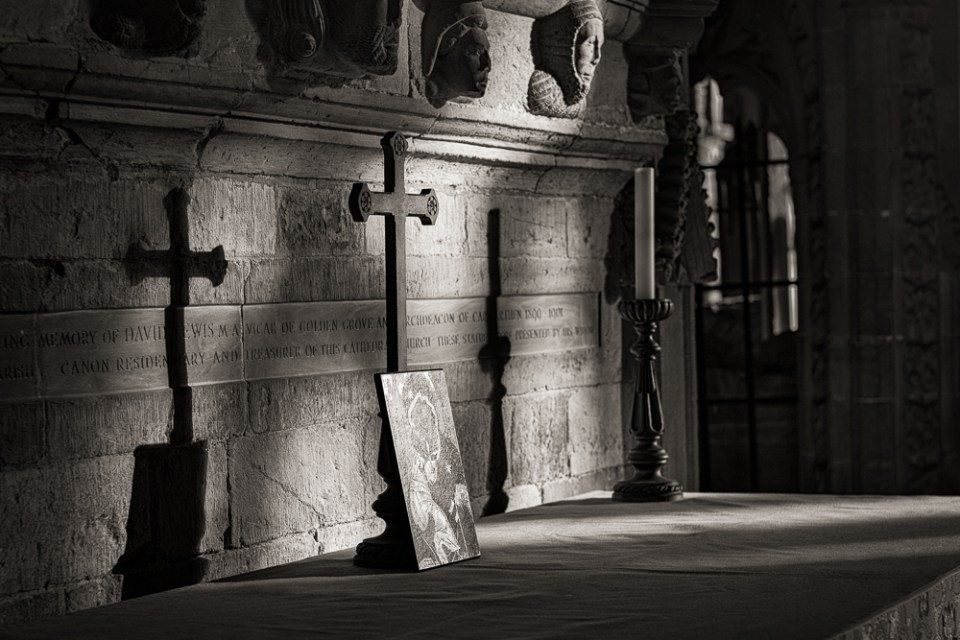
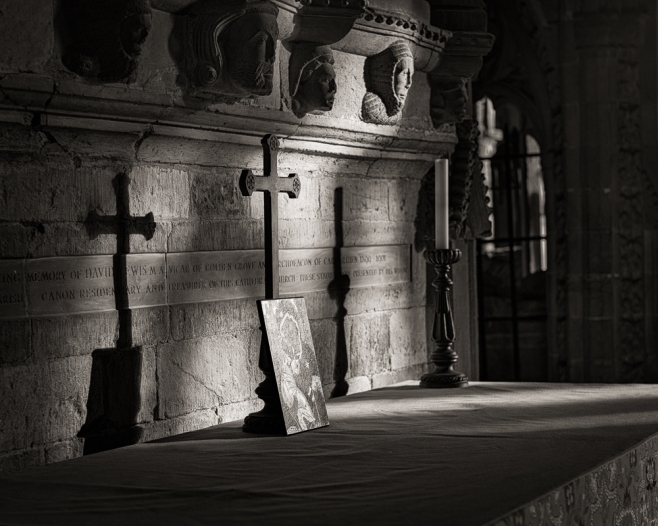
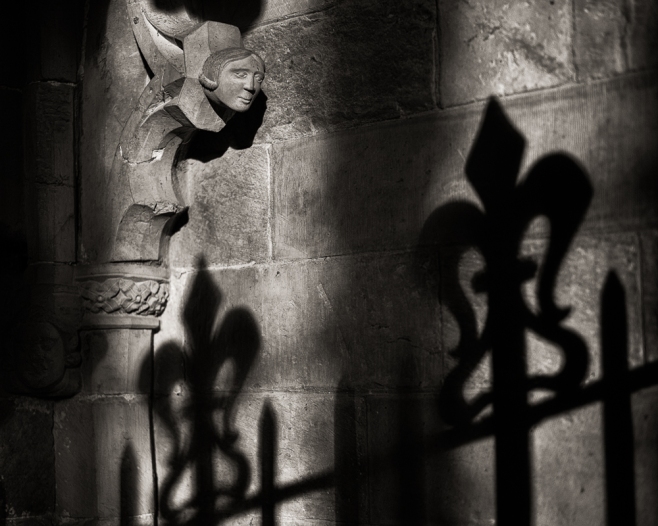
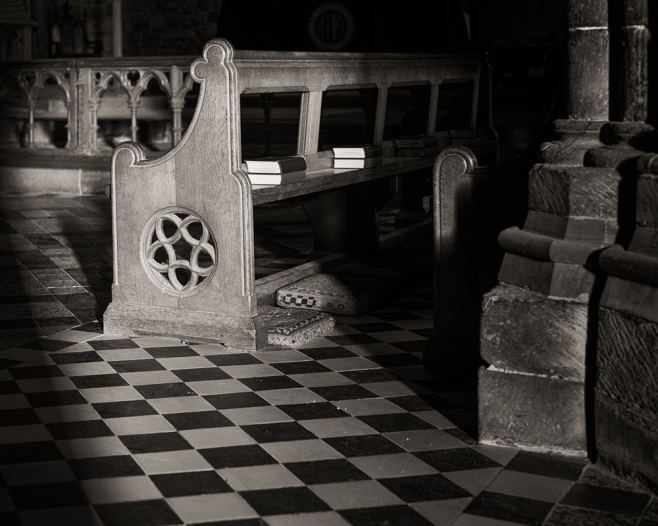
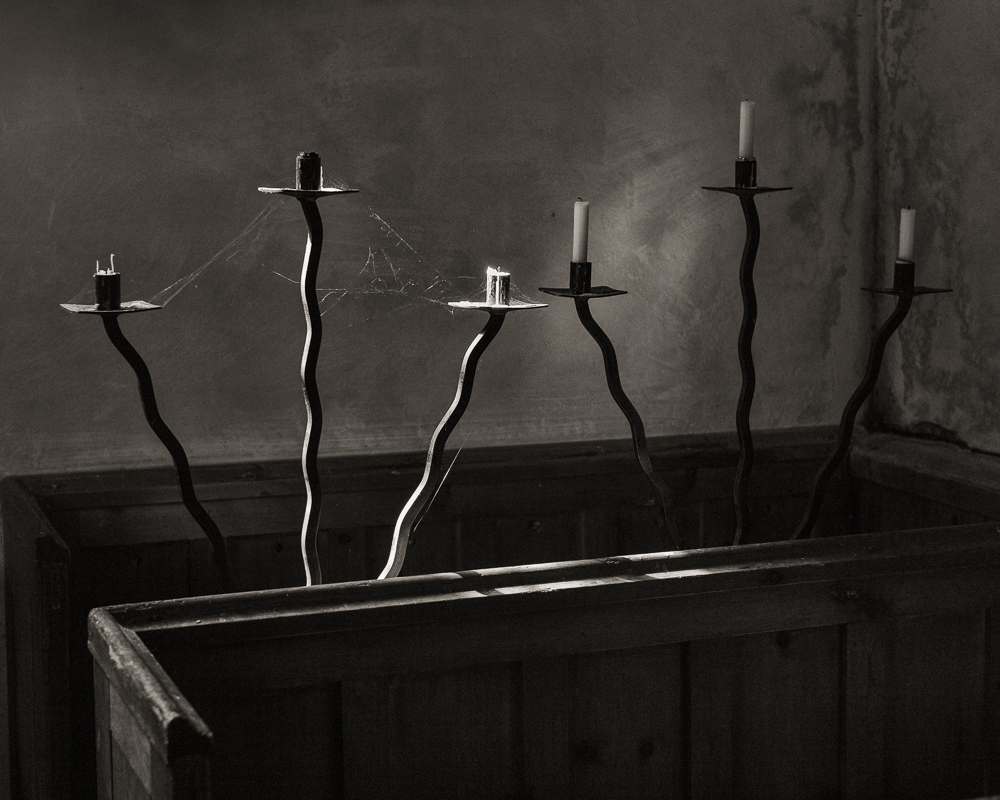
I have selected a few of the images in the panel for this entry but if you would like to see all the pictures then I have created a new gallery – simply click here.
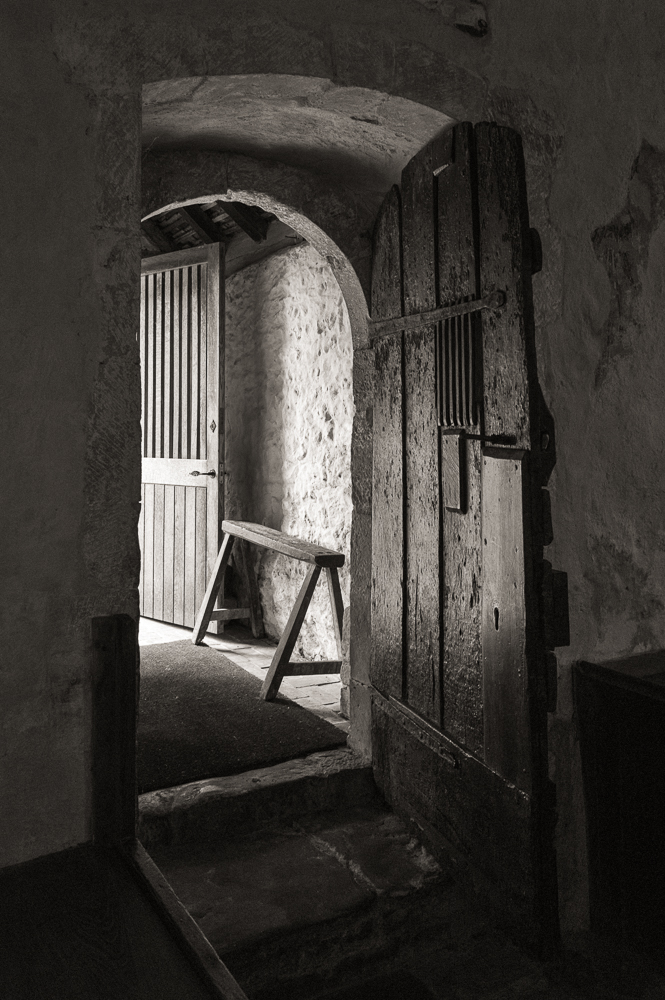
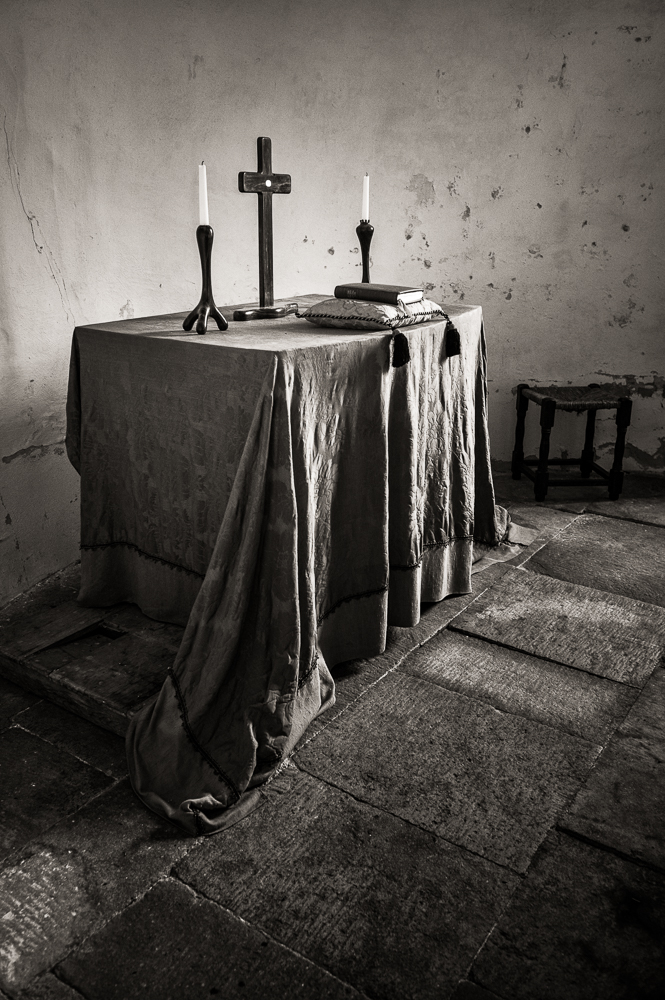
As well as the images themselves, a written statement of intent is required for the submission and I have included the text below:-

Countryside Churches

As a child growing up in London in the 1960’s, our family holidays were largely spent in Sussex or the West Country. My late parents would often take me to remote churches in the countryside for reasons I didn’t really understand.

Fifty years later and now living in West Sussex, I have come to appreciate the importance of these places of worship; partly for their historical interest and splendid rural locations, but mainly for the simple and beautiful charm of their interiors. Here I can share the same experience of peace and tranquility with the many generations that have gone before me.

Sadly many of these churches are under threat from a general decline in religious observation. Fortunately some in my selection have been saved and are being preserved by The Churches Conservation Trust. Mainly Saxon or Norman in origin, they are still consecrated but rarely used for regular worship. They are devoid of the adornments and distractions of a fully functioning parish church, apart perhaps from an old Bible or prayer book. I am rarely disturbed by other people when I visit to contemplate and to photograph, which only heightens the feelings these rural churches evoke.

My panel is made up from a number of churches in the West Sussex and Dorset countryside. Using only the natural light available, the monochrome images depict a sense of timelessness; quiet places where solitude and sanctuary can still be found amidst our increasingly busy lives.

(244 words)

And finally here is the hanging plan of all the images.

To view the individual images in my ARPS Panel do click here.

It’s great to have my Monochrom back!

A couple of months ago I discovered I had a problem with my Leica M Monochrom. In essence a new sensor was required. You can read more about the issue by clicking here.

Just over a week ago I returned the loan camera to The Leica Store, Mayfair in London and collected my trusty camera; fully serviced and with a new sensor, all at no cost to me. The service had been excellent and I have nothing but praise for the way the whole thing was handled.

It’s strange but the loan camera just wasn’t the same; perhaps the feel of the shutter was slightly different, but for various reasons it was hardly used in the 8 weeks my camera was away in Germany.

Delighted to have the Monochrom back in my hands, I went down to Chichester Harbour and took a few shots – nothing special; more of a test to see that the camera was behaving itself , which it definitely is!


Do click on any image to see a larger version which will open in a new window.

The beauty of Easter flowers in Fishbourne Church

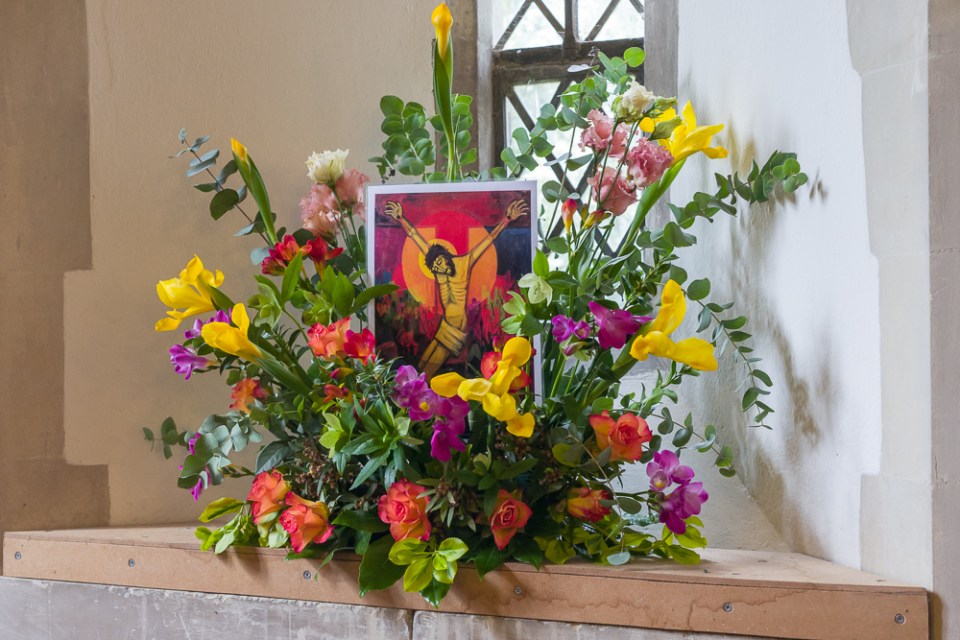
Irrespective of whether or not you are a regular church goer, the flowers arrangements on display this Easter at Fishbourne Church, near Chichester, were simply quite beautiful. The way in which flowers have been chosen to complement the images depicting ‘The Stations of The Cross’ is thoughtful and artistic. The hard work by a handful of people has to be admired.

Do click on one of the images to view a larger version, and then scroll through all the photographs in the lightbox.

The reader – an incomplete story to tell

There is nothing like having a good book to read. An enthralling piece of fiction and as you reach the last line on the page, the desire to turn over and read on is compelling. ‘I can’t put the book down’ is often the cry and the measure of a really good tale. Of course the author does not tell you everything and much is left to your imagination as the characters in the book start to take shape in your mind.

In much the same way a photograph also tells a story and by leaving key elements out of the image the viewer is left to wonder and to complete the story behind the picture in their minds eye.

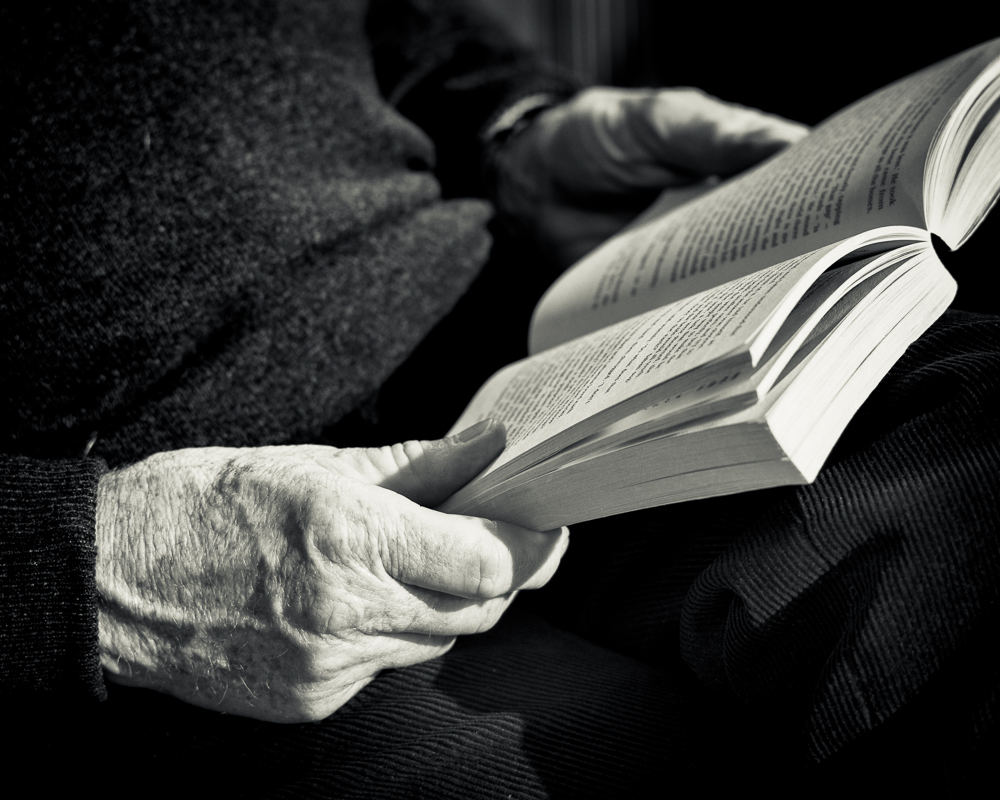
This simple close up of a pair of hands and an open book is perhaps a good example. The hands give you a clue as to how old the reader might be; the jumper and corduroy trousers also suggest a person of a certain age. The reader is already a good way through the book which might infer a desire to carry on. As to the genre of the book itself we have no idea and with the limited depth of field, few words if any are discernible. The light on the hands and the book give the distinct impression the reader is outdoors, enjoying the sunshine but it’s still cool enough to be wearing warmer clothes.

I know the answers to these questions as I asked the person if I could take this shot. He was more than happy to oblige although he might have thought it strange that I would wish to do so.


St Davids Cathedral – capturing the light

There are many reasons why I enjoy being in a church or cathedral. Making photographs which capture the light inside these special places is just one reason – it gives me a great deal of pleasure.

Regular readers of this blog will know that I can spend many an hour waiting for the right light. There are also occasions when little or no waiting is required and a sixth sense just tells me I should be inside even when the sun is shining outside. Photographing St Davids Cathedral on the first afternoon of my visit to Pembrokeshire turned out to be one such occasion.


St Davids Cathedral


I had driven the best part of 300 miles that day and had arranged to meet Andy Beel FRPS and the three other photographers in our group at 4pm. The light was good and St Davids Cathedral was only a short walk from our small hotel where we would be spending the next few days.

Bathed in the late afternoon light the Cathedral and grounds looked lovely but as soon as we arrived I instinctively knew that I should be inside and not outside. I just had a feeling that the lighting conditions could be working their magic and so it was.


St Davids Cathedral-4


The combination of the strong low sunlight and the shadows that were being cast only lasted about half an hour but it was more than enough time for me to capture the five images that make up this post.


St Davids Cathedral-5


St Davids Cathedral-3


St Davids Cathedral-2


During the course of the week we did return to St Davids Cathedral at different times of the day, but the light was never quite as good as that brief encounter on the first afternoon. I am sure my fellow workshop participants captured some good shots outside, but I don’t regret my decision to have acted differently and I hope they have forgiven me for disappearing so quickly after our first meeting.

I will be posting more entries and photographs of this Cathedral in the near future.