Marloes, Pembrokeshire – soft proofing in Lightroom
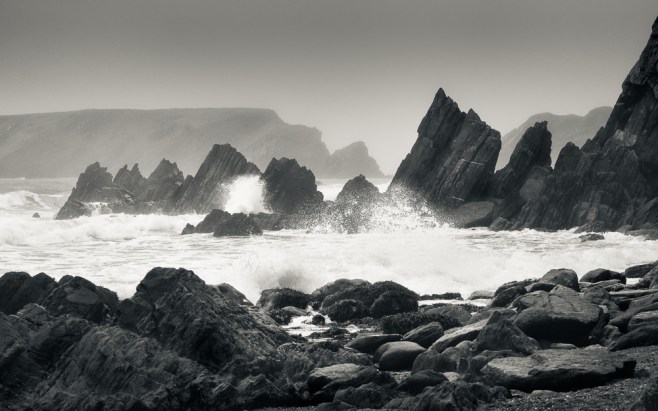
Marloes

If you read my blog on a regular basis you will probably have noticed that although I work almost entirely in monochrome, rarely are my images in ‘pure’ black and white – in other words they are toned. Either with a single colour, or more recently I have used a split tone where the highlights are toned with one colour and the shadows are toned with a different colour. This split tone is easily applied in Lightroom and the balance between the two tones can also be adjusted.


Screen Shot 2017-05-31 at 18.06.17


Whilst I like the effect of split toning it does present me with a new problem, and that is one of printing. I very much enjoy the process of printing; in many ways it’s the rightful conclusion to everything that has gone before it. In the past printing a ‘pure’ black and white photograph was fairly straightforward from my point of view. The fact that my monitor wasn’t properly calibrated (good but not great) didn’t matter hugely to me; I could produce a perfectly acceptable print by observing the histogram, processing accordingly and adjusting the contrast to achieve the look I was after.

With split toning, however subtle the effect, I am now printing a ‘colour’ image, so what I see on the screen and how that image is produced in print becomes much more critical. The choice of paper (and there are now so many excellent photographic papers), use of the appropriate colour profile for printing, as well as having a correctly calibrated monitor, now all play a more important part than they did before.

For these reasons I started exploring the soft proofing panel in Lightroom which forms part of the ‘Develop’ mode. It is easily opened by pressing ‘S’ on the keyboard. From here you can select the colour profile for the paper you wish to use and select either perceptual or relative as the intent. From here Lightroom will create a virtual copy of the image with the colour profile and intent embedded. The name of the file/copy will include a reference to the colour profile, which is a very convenient feature for future reference. This is an invaluable benefit and one that Lightroom makes so easy. Depending on how the image changes its appearance in soft proofing you can go on to make the usual processing adjustments to the contrast, clarity, exposure etc so that the image reflects how you want the photo to be printed. By choosing a matt paper colour profile I found the proof copy was much ‘flatter’, it lacked contrast when compared to the original image. In processing I added back more contrast to the proof copy.


I do not own a device for calibrating my monitor and perhaps that is something I should acquire in the future. In the meantime I did use the Display Calibratior Assistant on my iMac and whilst not a precise tool, I have been able to calibrate my monitor to more closely represent what comes out of the printer.


There is no question that I still have more to learn regarding printing and with two exhibitions on the horizon this year; one in July and one in November, I am very keen to make a decision on my choice of paper and be able to produce consistent results. More test printing is required. I also know that Photoshop has a soft proofing feature and in time I may look into this as well but for the moment Lightroom seems to be a very straight forward way to achieve the results I am wanting.

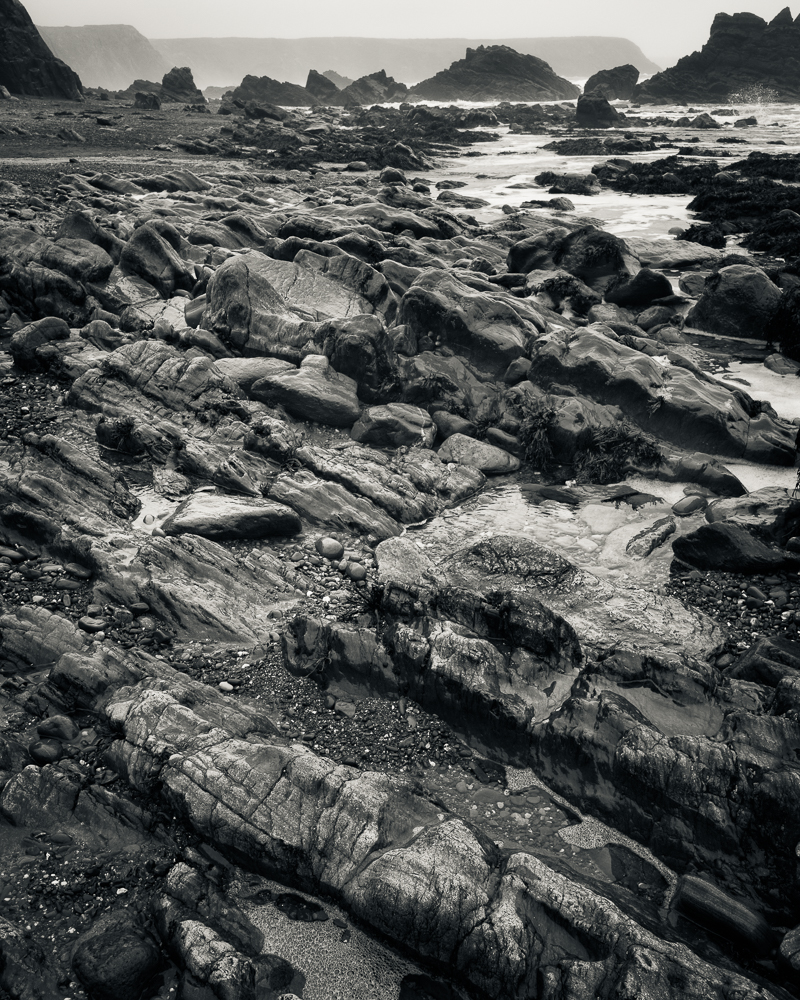
I shall leave you with a few more images of Marloes in Pembrokeshire, Wales. Fortunately when I visited this location earlier in the year, the height of the tide was just about right – ideal conditions for some dramatic coastal photography.


Please note that I am using Lightroom 5 and I am not using the most recent operating system on my iMac, so the screen grabs may look different. To be frank I am not a great one for always upgrading to the latest software. If it works then I don’t feel the need to automatically change anything. I do realise this might get me into trouble one day but for now I’m very happy with what I’ve got and it works for me!

Isolation on the Isle of Mull

The Isle of Mull on the west coast of Scotland is a very beautiful place. The landscape is varied; mountains, sea lochs, forests and wonderful sandy beaches are all to be enjoyed. It is also rich in wildlife and whilst I am not a nature photographer there are times when I would have liked a long lens in my bag. Eagles, otters, red deer, seals and an abundance of bird life are all to be seen if you have the patience and know where to look.

The island is a sparsely populated place and the single track roads with passing places slow the traveller down – the pace of life is just as I like it. Apart from Tobermory, which is the only town, there are a just a handful of hamlets and the remaining dwellings  are well separated. Solitude is easily found on Mull and this feeling of isolation is depicted in the three images shown here.


The first shot is of a single storey cottage in Ardtun on the Ross of Mull. The tall grasses in the foreground have been thrown out of focus, and if you were to crop away the top third of the image you would be left with a very abstract picture and it would be hard to make out the true subject matter. I particular enjoy this effect.


The second image is of a white rendered house, set all on its own at the foot of a mountain range which includes Ben More – the only Munro (a mountain in Scotland over 3,000ft) on the Isle of Mull. Fast moving clouds render the mountain range and the middle ground with a combination of light and dark shadow areas. Waiting for a cloud to darken the immediate backdrop around the lone dwelling has highlighted the mail focal point of the shot and isolation is very evident.


The third image in this short series shows an abandoned caravan of which there are a number on the Island. Surrounded by overgrown grasses, an interesting ‘s’ line is formed by the stone walling and the post and wire fence which leads your eye to the horizon and back again to the caravan. The strong winter winds will eventually destroy what’s left of a now forgotten temporary and isolated home.


To best appreciate these pictures please click on each one in turn to view a larger version which will open in a new window.

Tree reflections in Loch Maree

Loch Maree in the region of Wester Ross in the North West Highlands is the fourth largest freshwater loch in Scotland, being some 12 miles long and a maximum width of about 2.5 miles. Arguably it’s also one of the prettiest lochs too, playing host to over sixty islands both large and small. Some of the Scots pine trees on these islands are estimated to be over 350 years old.

This particular image was taken from the shore near Slattadale forest and in the far distance the mountain of Slioch is clearly visible.

I did have to wait some time for the wind to drop and the ripples in the water to subside, to capture the reflections at their best; but if you have to watch and wait, then it’s no great hardship in such a beautiful location.

Evening light over the Applecross Peninsular


There are times when I am out and about when a scene unfolds before me and stops me in my tracks. This happened a few days ago in Wester Ross in Scotland. The early evening sunlight came through breaks in the clouds to create glorious shafts of light and illuminated the middle ground. One problem; no camera on me to capture the beauty of the light. A cardinal sin for any photographer.

Fortunately I was only five minutes walk from the cottage where we had been staying. I rushed back, picked up my camera and some graduated neutral density filters. I knew I would need them to hold back the strong light above the mountain ridge; I just hoped that by the time I returned to a good viewpoint the ‘light show’ was still being played. It was, and I combined the 3 stop and a 2 stop graduated ND filter to balance the exposure. Even then the image required some careful processing to create the result you see here.

For the record I am looking towards Beinn Bhan, the highest mountain on the Applecross Peninsular in Wester Ross, Scotland.

Do click on the picture to view a larger version which will open in a new window.

Ardalanish Weavers on the Isle of Mull

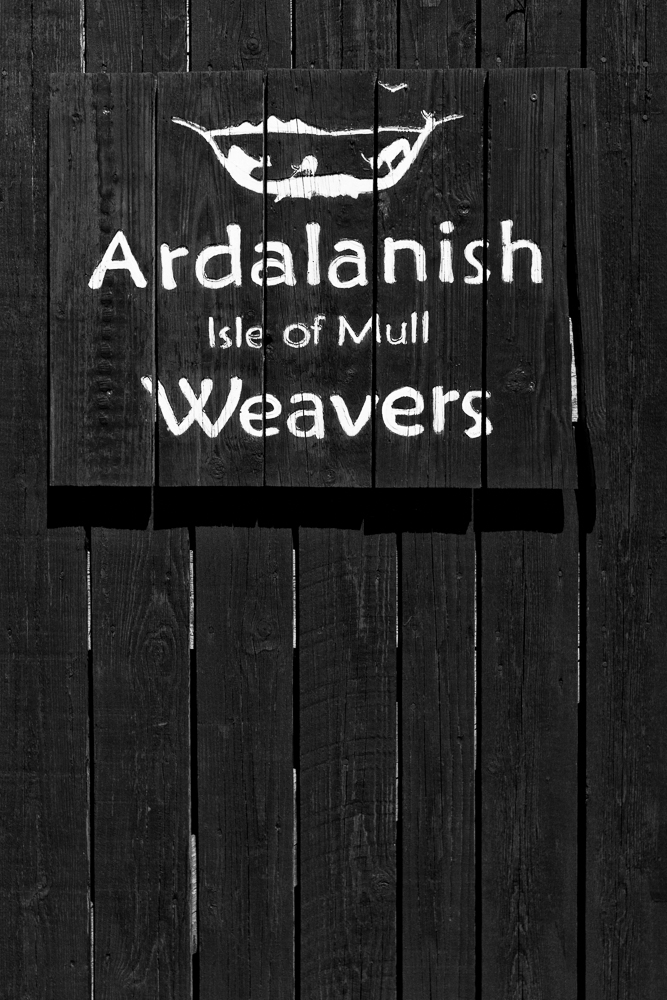
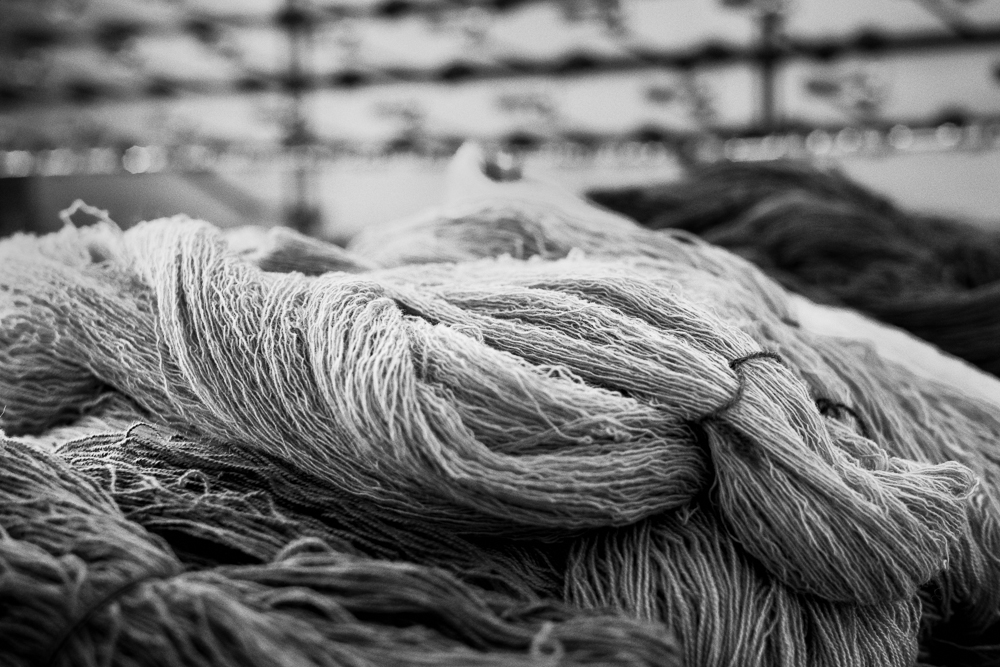
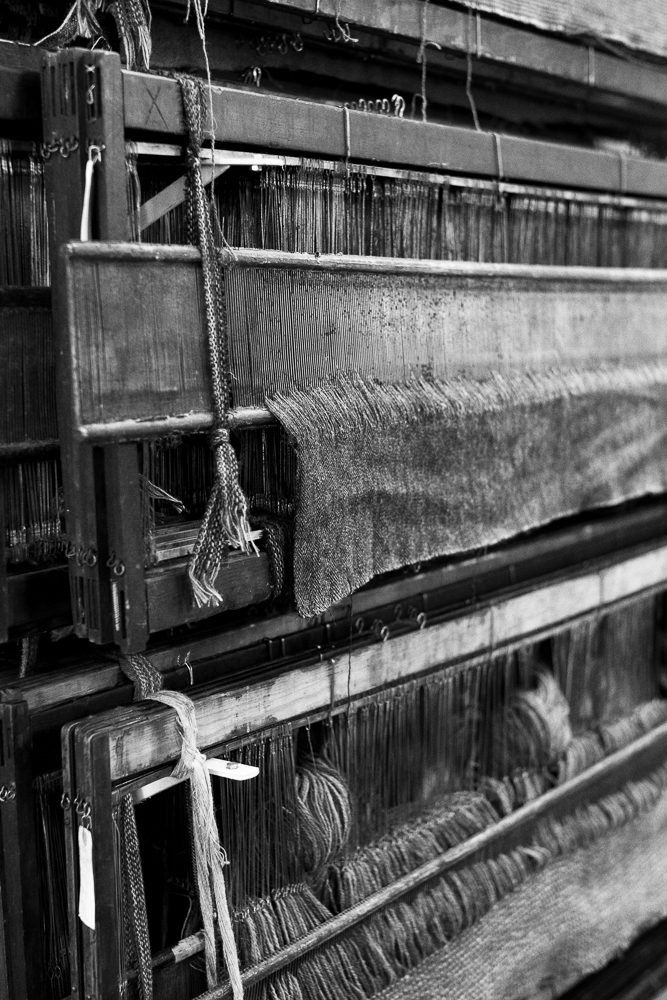
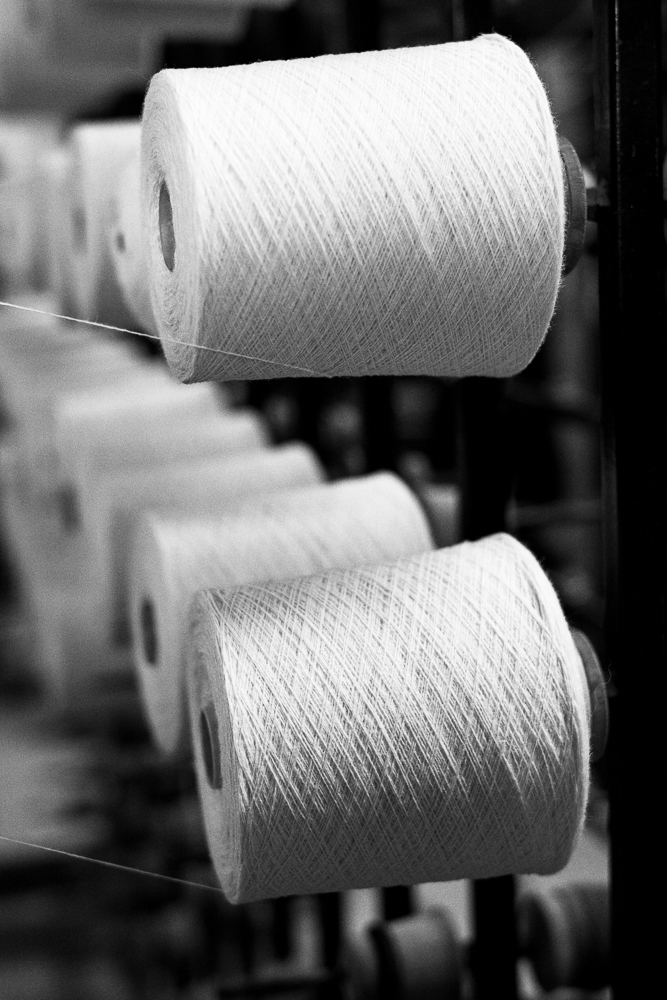
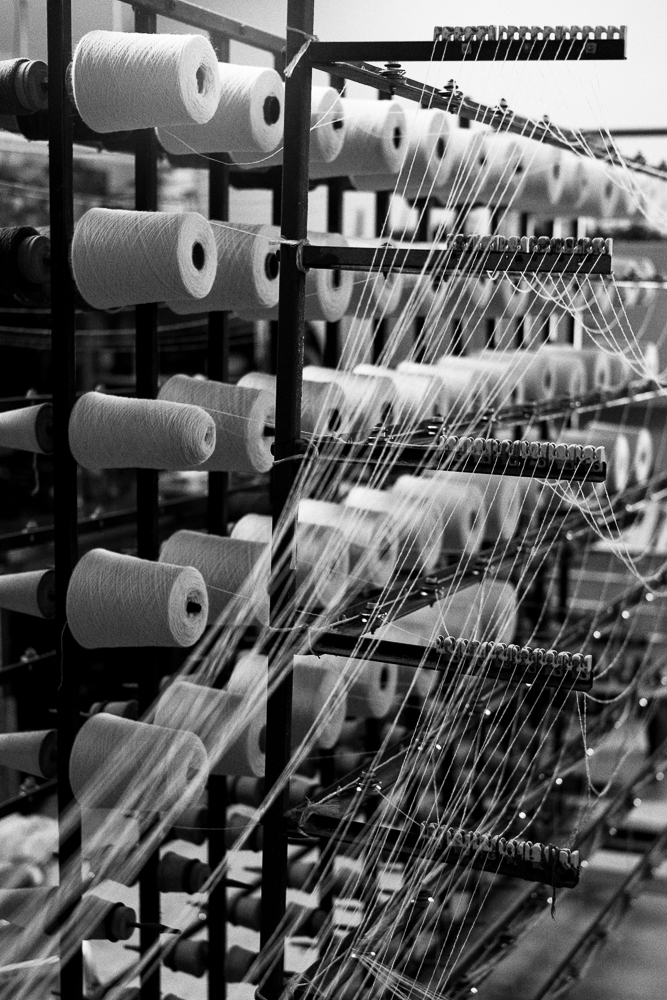
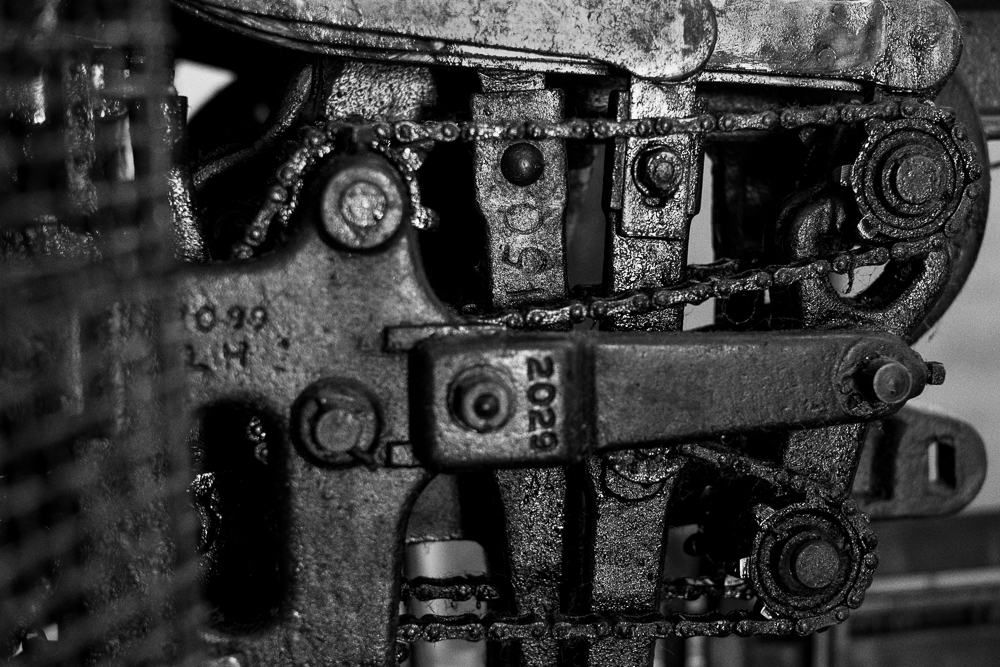
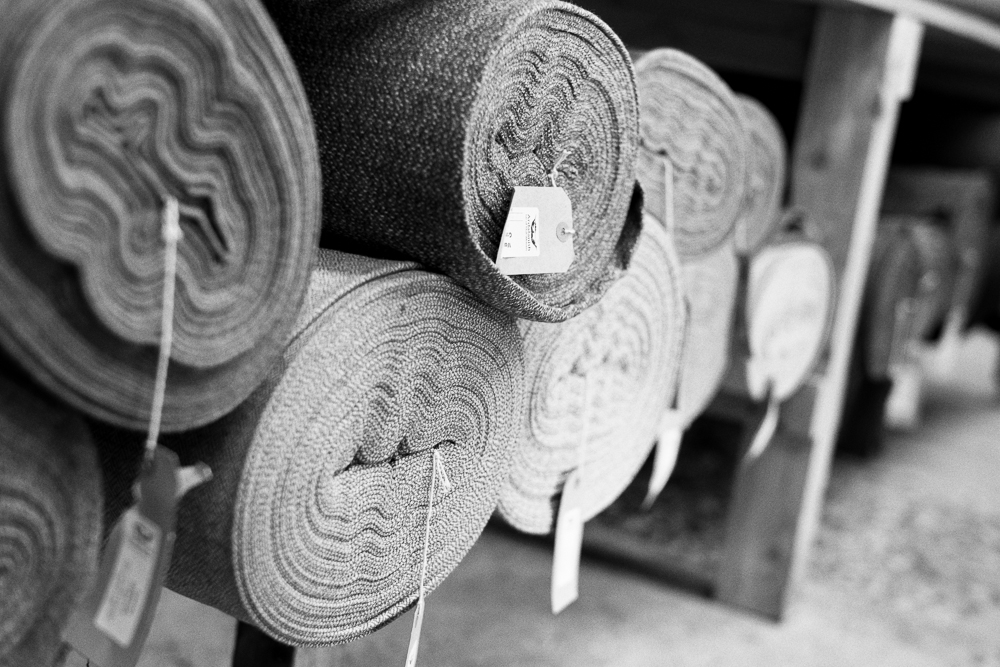
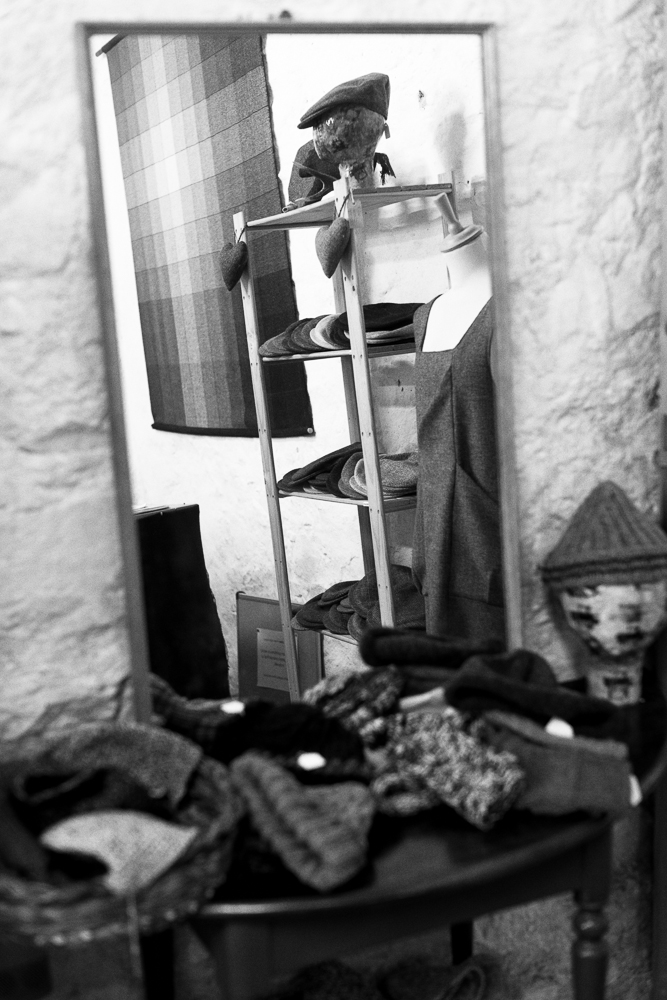
In the past couple of weeks my wife and I have enjoyed a wonderful time exploring the Isle of Mull off the west coast of Scotland. During our stay in a cottage near Bunessan on the Ross of Mull, we had the good fortune to visit the Weavers at Ardalanish farm, which overlooks a beautiful sandy bay (see the last image). We received a very warm welcome from Kathy followed by an interesting tour of the mill, prior of course to visiting and buying a couple of items in their well stocked shop. They use rich black wool from the Hebridean sheep which are kept on the farm and this is mixed with wool from Shetland and Manx Loaghtan sheep. The mill itself is powered by wind turbines also sited on the farm.

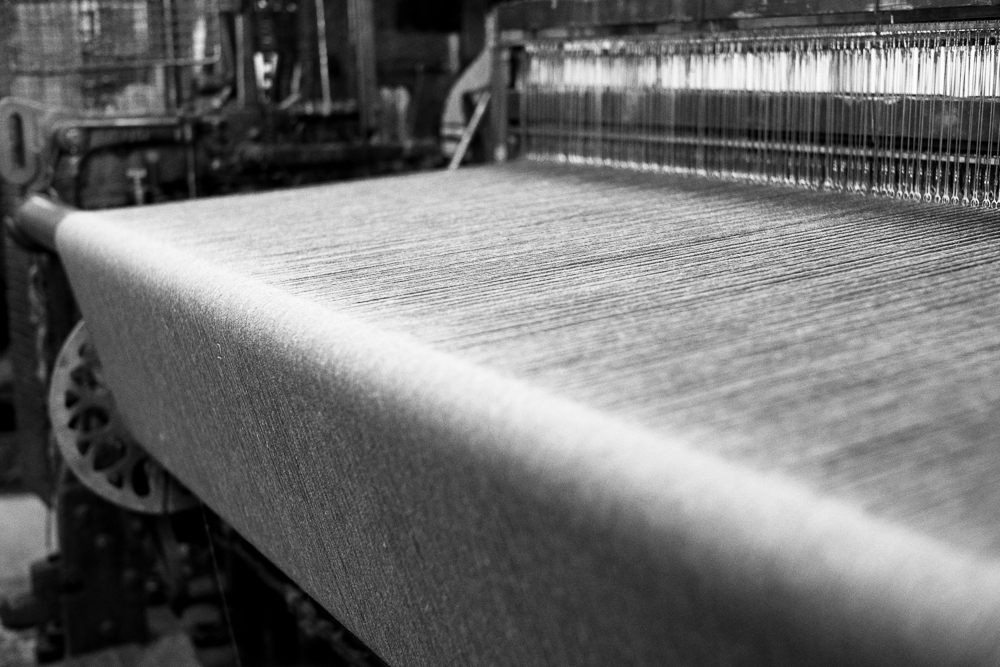
I know very little about the art of weaving but the mill was of great interest; the traditional looms and other machinery, the tools that lay around and the whole process of making such fine woolen cloth, which is then used to make a wide variety of clothing and homeware. Taken from their website I quote “Weaving is a fascinating mix of mechanics, maths, hard work, inspiration, creativity, trial and error and a little dose of magic”. Having seen them at work I can believe every word.

I asked permission to take a few images and I hope they capture something of the process and the place. If you can’t visit personally then do take a look at their website to find out more about the Weavers at Ardalanish.

…. and here are the results of all their hard work –

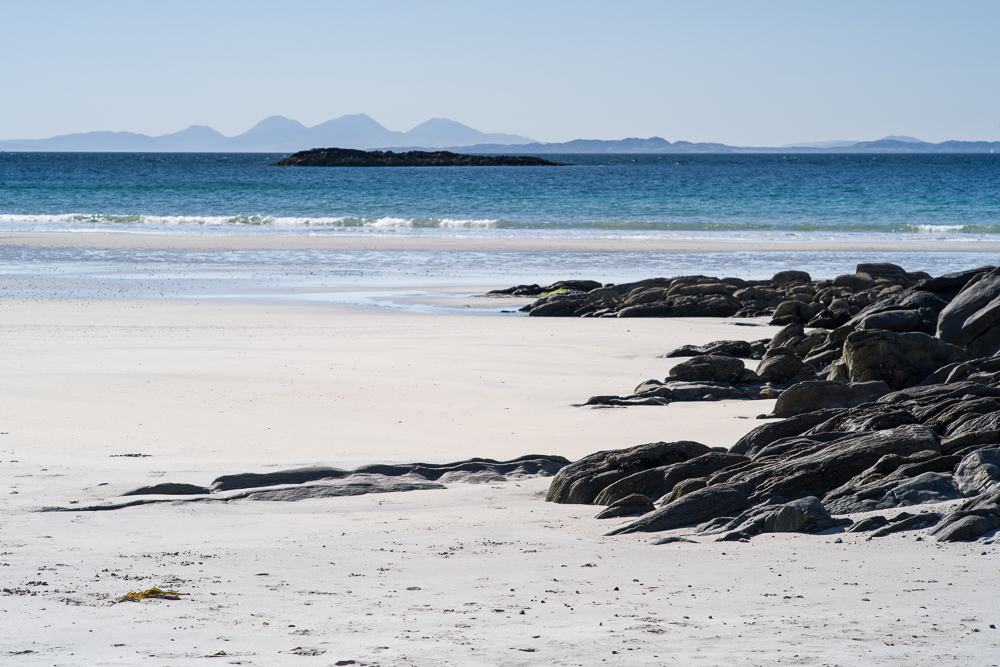
The weavers work in a glorious location (when the sun shines and the sky and sea are blue) – Ardalanish Bay on the Isle of Mull, and yes the sea really was that colour! This beautiful sandy bay looks out towards the Isle of Colonsay with the Paps of Jura in the far distance. Footprints other than our own were hard to find. I can’t think of a more peaceful, special and simply beautiful place.

Just a taster image of more photographs to come following our trip to Scotland, and in particular the Isle of Mull.