Posts by alan frost

Abereiddy – a study of chimneys and skies

The first thing that struck me about Abereiddy was not the beach and the waves lapping against the shore but the interesting cluster of houses that make up this tiny hamlet on the North Pembrokeshire coast.


abereiddy-2

The hamlet of Abereiddy


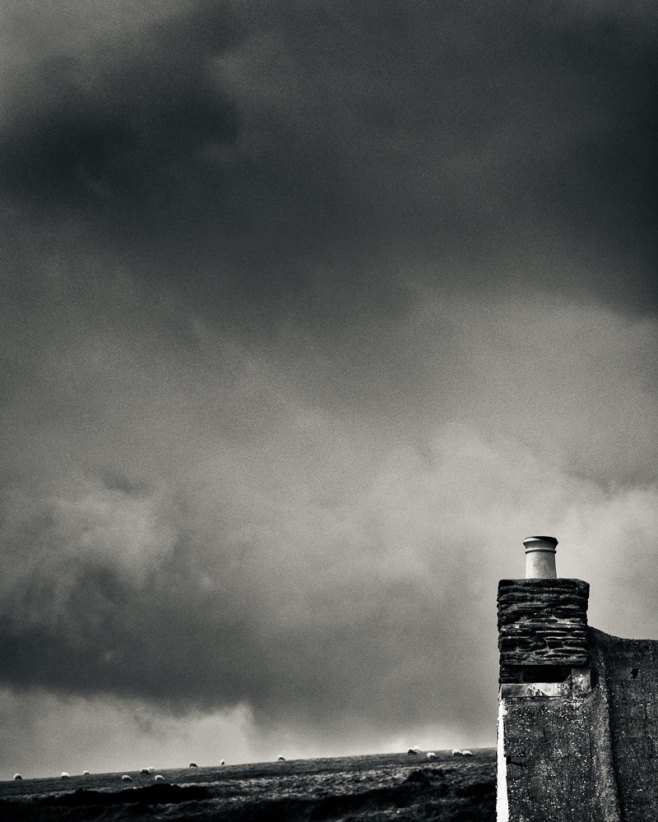
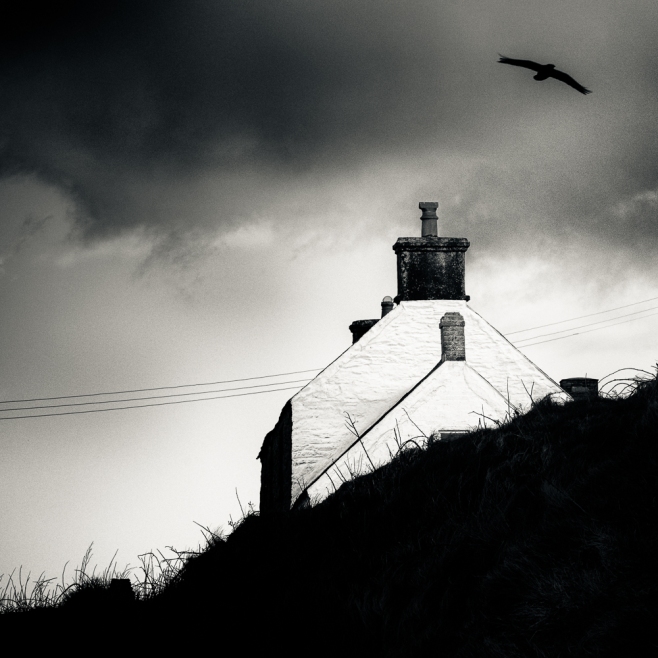
The more I looked around, I started to observe and enjoy the chimneys and the way in which they stood out in silhouette against the drama in the skies above. The white rendered walls and the very dark grey roofs, so typical of cottages in this part of Wales, made ideal material for black and white photography.


abereiddy

Chimneys and the rook


abereiddy-4

Chimney and the sheep on the hill


abereiddy-3

Grassy bank and chimneys in silhouette

Reminiscing perhaps?

chabce-to-reminisce

There are no prizes for guessing where this shot was taken; as anyone familiar with this iconic location will know that it is the view from Seaford Head towards the chalk cliffs of The Seven Sisters, with Beachy Head just visible in the far distance.

This image is less about the view and more about the story it has to tell. The elderly gentleman with white hair sits on his own, his faithful walking stick at his side. Quite possibly a location he has visited many times before, we can only begin to imagine the thoughts that are passing through his mind as he looks over the coastguard cottages and across the bay to The Seven Sisters. Perhaps he is reminiscing about days gone by and the times when walking the landscape in front of him were a little less challenging than they might be today.

Photographically a key ingredient which makes this shot work for me is the careful placement of his head and the horn handle of his stick, so that both share a dark background. As a result your eye is drawn to this part of the picture, which is of course the main point of interest. The view is stunning, but on this occasion it plays second fiddle to why I pressed the shutter. It’s the story within the picture and not the view itself that I was trying to capture.

Porthgain Harbour – before, during and after Storm Doris

My stay in Pembrokeshire last week coincided with the pending arrival of Storm Doris. The naming of severe storms in the UK has become a convention since 2015. One of the ‘tour’ locations on the itinerary was Porthgain Harbour which lies on the north west coast. A pretty little hamlet, its name translates to Chisel Port, for it was once was used for quarrying. First it was slate, then brick and later granite were all shipped from this place. Now it’s perhaps best known as a tourist attraction with a choice of excellent places to eat and a couple of fine art galleries. In calmer weather there would also be a few fishing boats but I guess these had been removed from the harbour for the winter.

We first visited Porthgain in the afternoon, a couple of days before ‘Storm Doris’ was due to hit our shores. The sea was calm and the sun was setting in the west, so there was no direct light on the old Harbour Master’s Office at the end of the quay.

the-harbour-masters-office

The Harbour Masters Office in Porthgain – ‘The calm before the storm’

A couple of days later we returned for a very stomach satisfying lunch of fish and chips (what else?!) and timed our visit to coincide with the incoming tide and the arrival of the storm. It had been very gusty in the morning so we expected some dramatic seas. However as the wind was blowing more from a south westerly to westerly direction and not from the north west, the harbour was somewhat sheltered from the brunt of ‘Storm Doris’. Nevertheless the waters were very rough and as wave after wave hit the rocks, plumes of sea spray were being blown into the air.

porthgain-harbour

Porthgain Harbour ‘During the storm’

porthgain-harbour-2

Porthgain Harbour – ‘Sea Spray’

Believing the sea would still be quite rough the next day, we returned again in the morning knowing the light would be falling on the Harbour Master’s Office. With clear skies it did, but the sea itself was surprisingly quite calm, so a wide angle view of the harbour was the best shot to be captured in the circumstances. The old brickworks are clearly visible on the left hand side.

porthgain-harbour-3

Porthgain Harbour – ‘The morning after’

As mentioned earlier The Met Office started naming storms in the UK in 2015. The idea to raise people’s awareness of forthcoming bad weather, which might cause damage, flooding or even loss of life. I do understand the need to do this if a severe storm is expected, but to my mind ‘weather warnings’ are now issued all too frequently. In the past heavy rain and high winds would have been accepted as normal and quite regular events during the winter; today though they come with yellow and amber warnings, which may or may not prove accurate anyway.

On this occasion ‘Storm Doris’ was much more severe in other parts of the country than in Pembrokeshire, which only goes to prove how difficult it is to forecast the weather even with all the technology and computer predictions available to the forecasters.

After the shower – Looking behind you in Pembrokeshire

after-the-shower

I have just returned home from an excellent few days in North Pembrokeshire in Wales, as one of four participants on an ‘Andy Beel Black and White Photography Tour’.  You expect mixed weather when visiting Wales at any time of year and the past five days have been no exception.

I have already downloaded over 800 images and now the fun begins as I go through the frames, select those with promise and give some considered thought to how they should be processed for later inclusion on this blog.

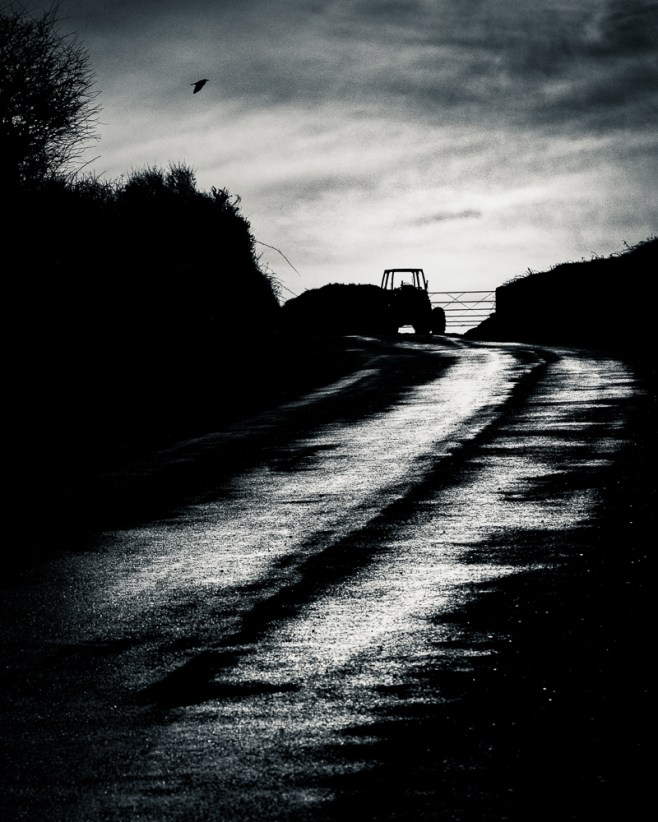
Inevitably a handful of images stay in the memory at the time of pressing the shutter, so I thought I would quickly post one such image. By way of some background it was late afternoon and I was driving the group from Abereiddy to Porthgain. A heavy but fleeting shower came down and as I looked in my rear view mirror I saw this scene. Had I not done so the opportunity would have been missed, but as it was, I pulled over and we all got out of the car and took a handful of frames. The late sun reflecting off the wet road, the tractor and the gate silhouetted against the brightening sky, and last but not least, the rook flying into the shot all go together to complete an atmospheric image so typical of this beautiful part of the country,

More images and words about the workshop will follow in time, but for the moment always remember to look behind you!

Leica M Monochrom – the good news, bad news sandwich!

clouds-over-prinsted

Clouds over Prinsted

Shortly after I acquired my Leica M Monochrom, I became aware of an issue relating to the CCD sensor; not only to this camera but also the M9 and the ME. The problem was one of corrosion on the sensor which could manifest itself at any time. Leica was quick to respond to this news when it broke a few years ago and guaranteed that for the lifetime of the camera a faulty sensor would be replaced. In fact they went further and said that even if a sensor was replaced the guarantee would apply to the new sensor as well.

This is old news really, but aware of the issue I have always been on the lookout for the problem. The good news being that I had comfort in knowing that if ever I discovered any sign of corrosion, the camera could and would be repaired at no cost. But I would of course have to suffer the inconvenience of being without the camera for several weeks as the work can only be undertaken by Leica in Germany.

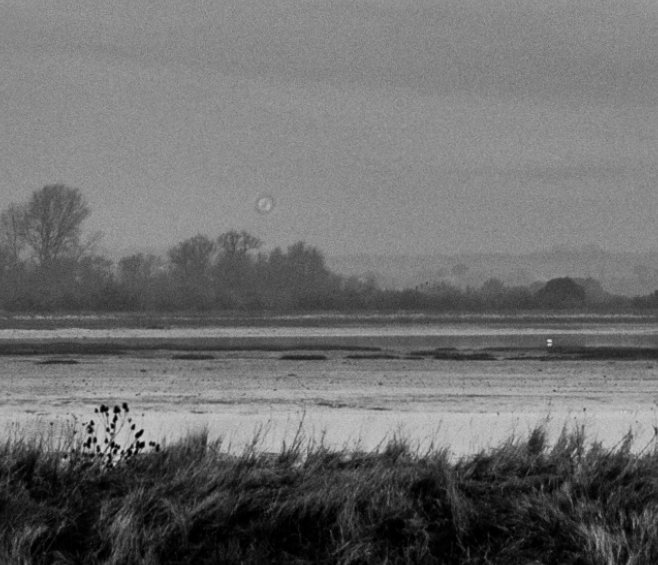
When processing the above image of ‘Clouds over Prinsted’ I was cleaning the picture for sensor spots and noticed a number of marks which were not typical of dust on the sensor. In fact they were more like ‘flying saucers’ – a dark spot with a light and dark halo. (See the screen grab below of the offending article – just above the tree line).

screen-shot-2017-02-06-at-12-18-07

The mark on the sensor which is almost certainly the sign of the corrosion issue.

Fearing the worst I did some research which only confirmed that the dreaded ‘corrosion on the sensor’ issue had finally reared its ugly head. Yes, I could clone out the marks, but assuming the  corrosion might spread the camera would have to be repaired. Bad News!

I rang the Leica Store in Mayfair in London and they said that whilst the camera could be collected by courier, if I took the camera in personally, they would provide me with a loan M Monochrom for the duration of the repair at no cost. They informed me the turn round time would be approximately six weeks. Having access to a replacement camera was Great News! I would have it for my planned trip to Pembrokeshire in Wales which comes up shortly and by the time I travel to Scotland the repair should have been carried out and my Monochrom would be back in my hands.

OLYMPUS DIGITAL CAMERA

Leica M Monochrom with 50mm Summilux and 28mm Elmarit lenses

So yesterday I caught the train up to London, swapped cameras at The Leica Store in Mayfair and took the opportunity to visit Tate Modern, specifically to see The Radical Eye exhibition. A superb collection of photographs owned by Sir Elton John. I will write about this exhibition in a future post. All I would say is that if you can get to London do go – it continues until 21st May 2017.