Should I buy a Holga or a Hasselblad?
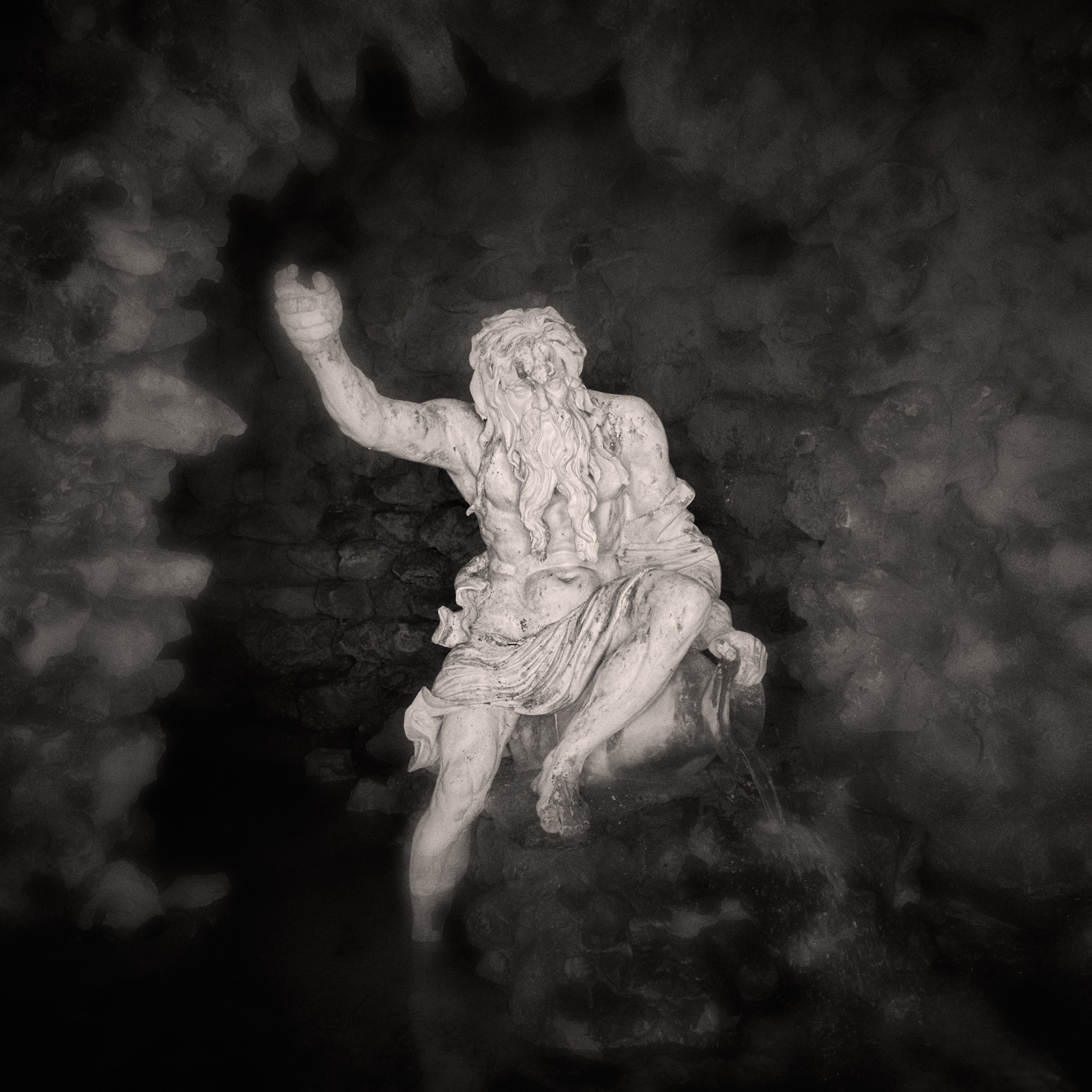
For a little while now I have been giving some serious thought as to whether or not I should delve into the world of film/analogue photography, and more specifically medium format. It would present me with a fresh set of challenges and I am intrigued by the prospect of what black and white 6×6 negatives from a roll of 120 film might offer.
There are a wide range of medium format film cameras for sale, most of which are of course second hand. As with most things there is a wide divergence in terms of design, build quality, performance and perhaps most importantly price.
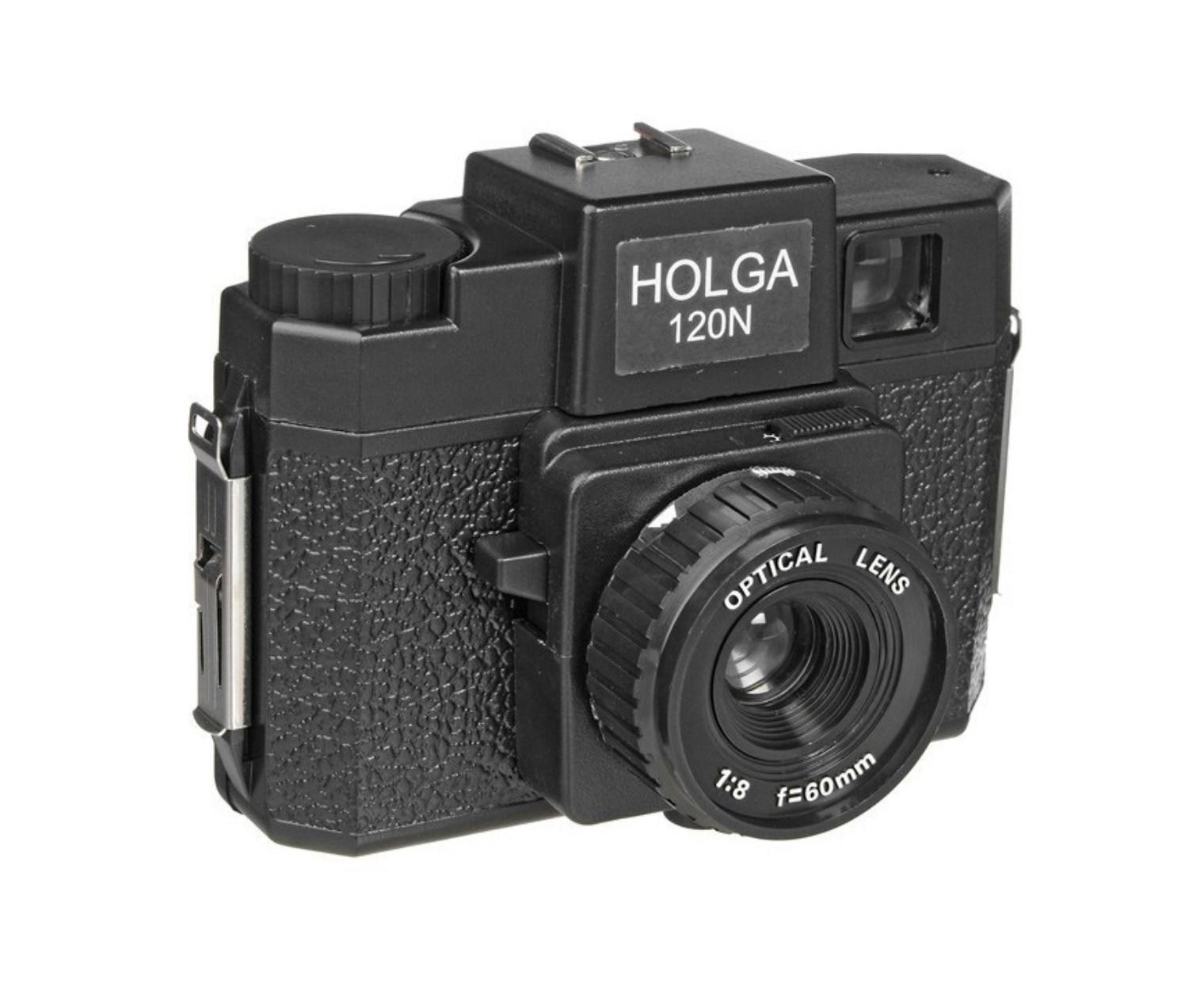
At one end of the scale you can buy a new Holga 120N, which is widely considered to be a ‘toy’ camera and is made primarily of plastic. It has enjoyed an almost cult like following for many years. The cost for a new one here in the UK is around £35, although you would almost certainly need to buy a roll of gaffa tape to cover up the joins and other gaps which are prone to light leaks!
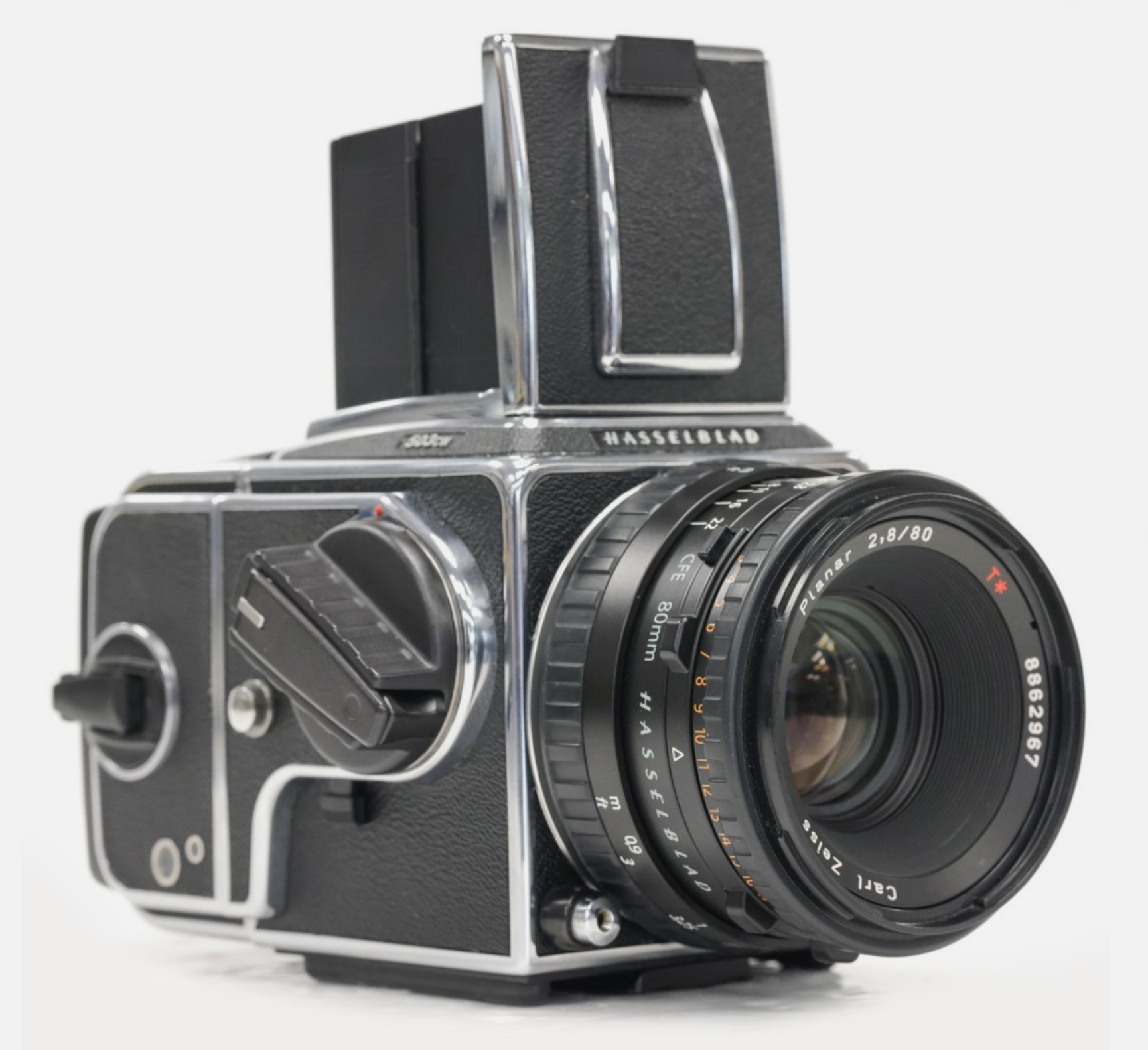
At the premium end of the scale sits the Hasselblad 500 series of cameras, an iconic design. First manufactured in 1957 it is beautifully constructed and offers the skilled photographer the opportunity to make beautiful images. Fully manual with no batteries and no light meter, the 500 is truly an analogue camera. A complete kit (shown below) comprising body, 80mm lens, waist level viewfinder and film back is going to be in the range of £1,500 to well over £3,500 depending upon age and condition. A substantial amount of money but there is every likelihood that these cameras will always be a sought after. Its longevity and appeal were further enhanced when Hasselblad introduced compatible digital film backs.
In between there are a good number of other alternatives from pin-hole cameras, to the Rolleiflex twin lens reflex and the Mamiya version of the Hasselblad V series. The list goes on, so where to start?
In a strange way the Holga rather appeals. At the price it can almost be considered a disposable item. For the cost of the camera itself, a few rolls of Ilford HP5 and lab developing fees, quite a lot of fun could be had. For a low entry fee into medium format I could see how I got on. If I don’t like it I haven’t lost a great deal. The same can’t be said for the Hasselblad. My expectations wouldn’t be that great with the Holga, in fact, I would probably be happy just to get one half decent image. I have looked at some examples of other images by experienced photographers including Martin Henson. He has an excellent playlist of YouTube videos on the Holga.
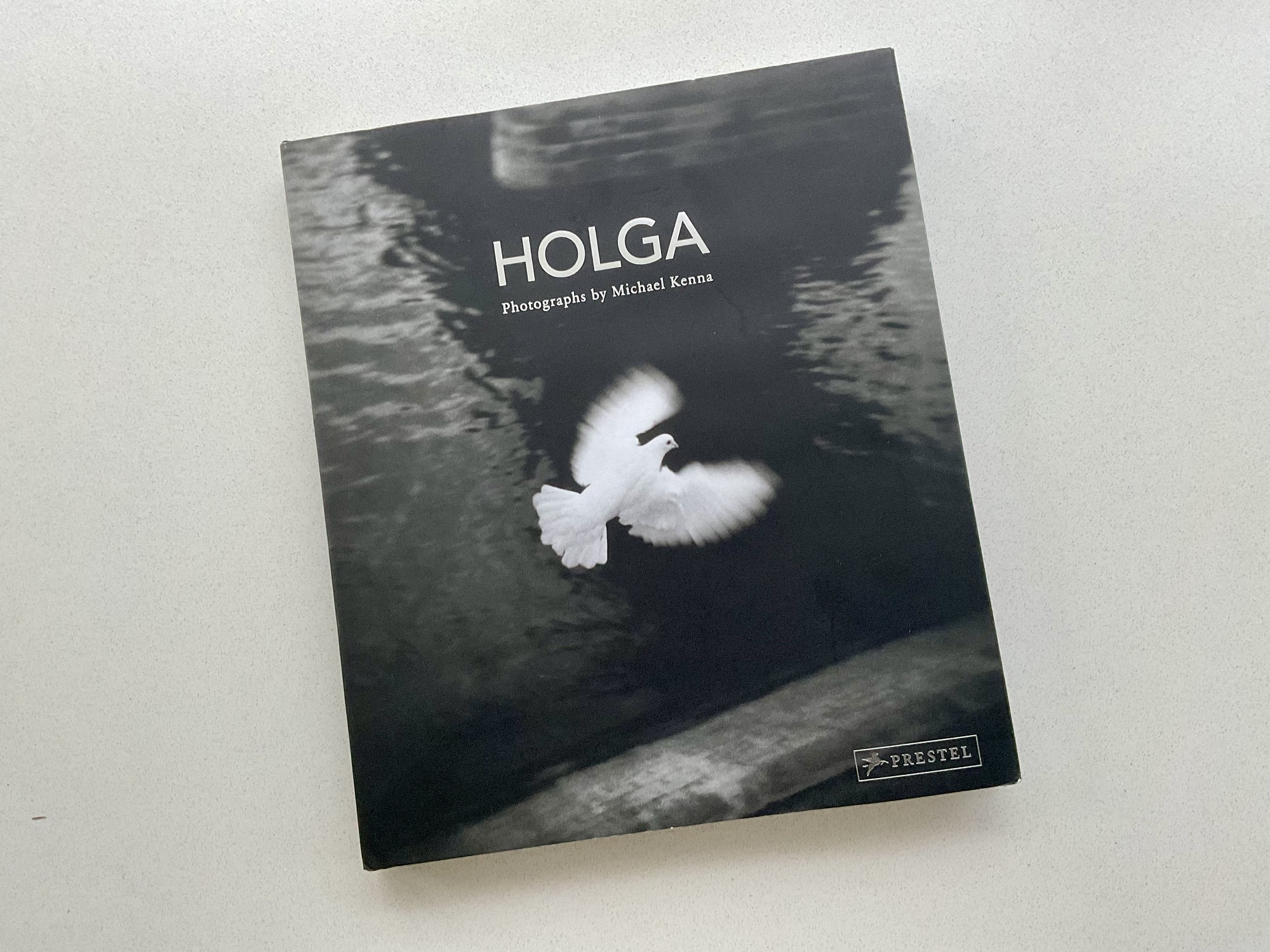
I have to mention Michael Kenna, one of the masters of square medium format photographs. Best known for his work using the Hasselblad he has also shot very successfully using a Holga. Back in 2017 he published a book simply titled ‘Holga’ showcasing over 100 photographs captured with this little camera. Only the centre of the picture is reasonably sharp, the outer edges are blurred and vignetting is a given. The Holga definitely has a look all of its own, which you either love or loathe, but in the right hands it can used to excellent artistic effect.
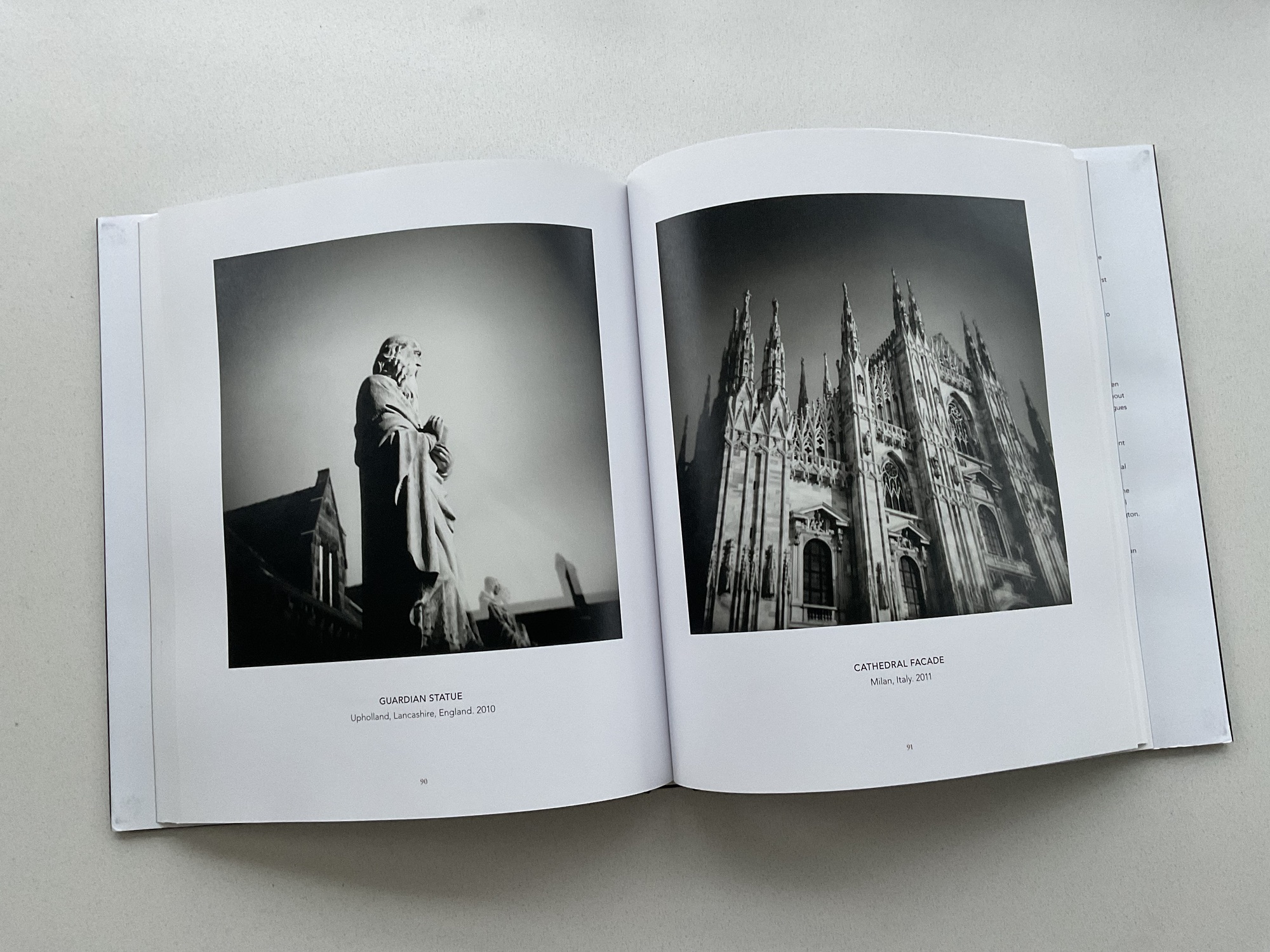
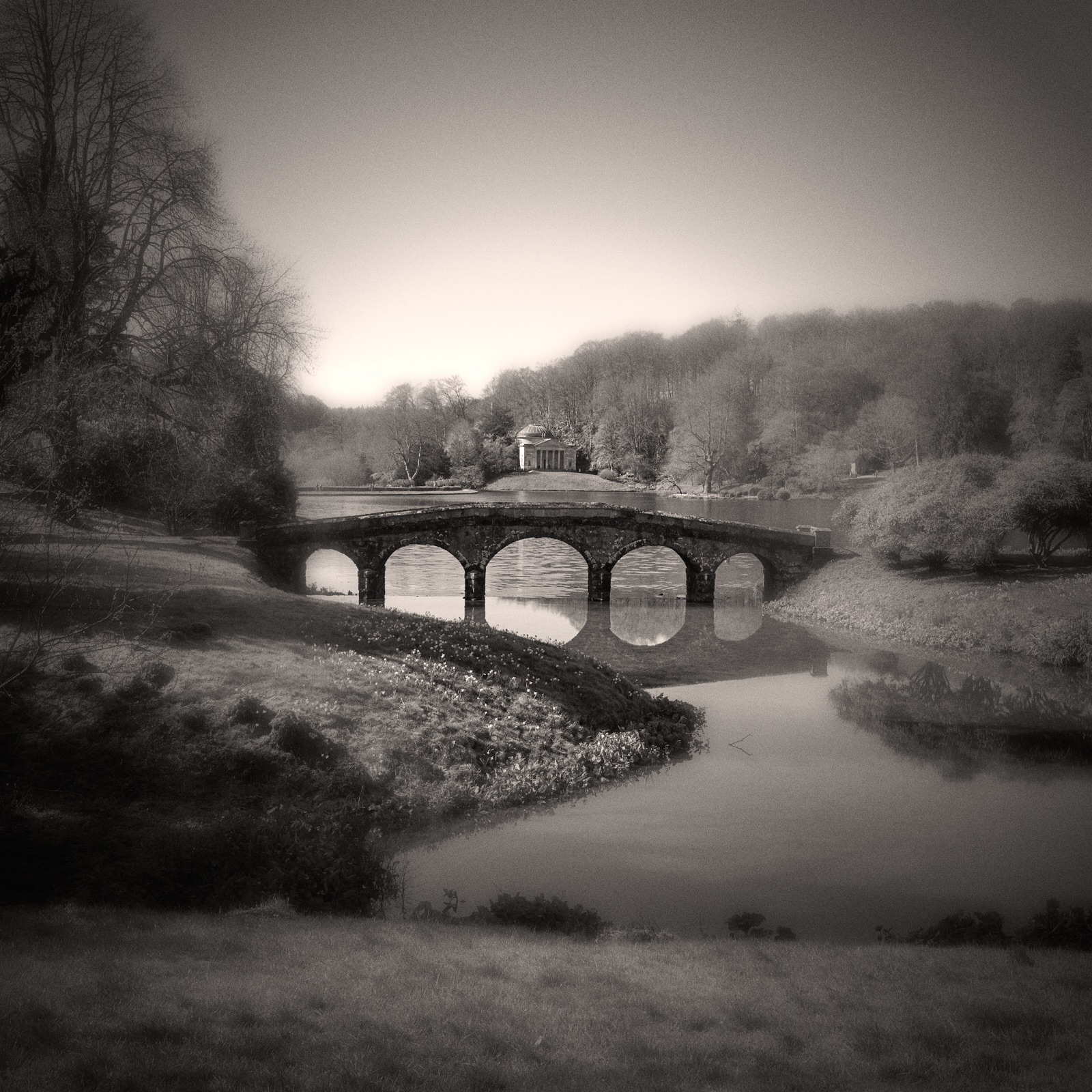
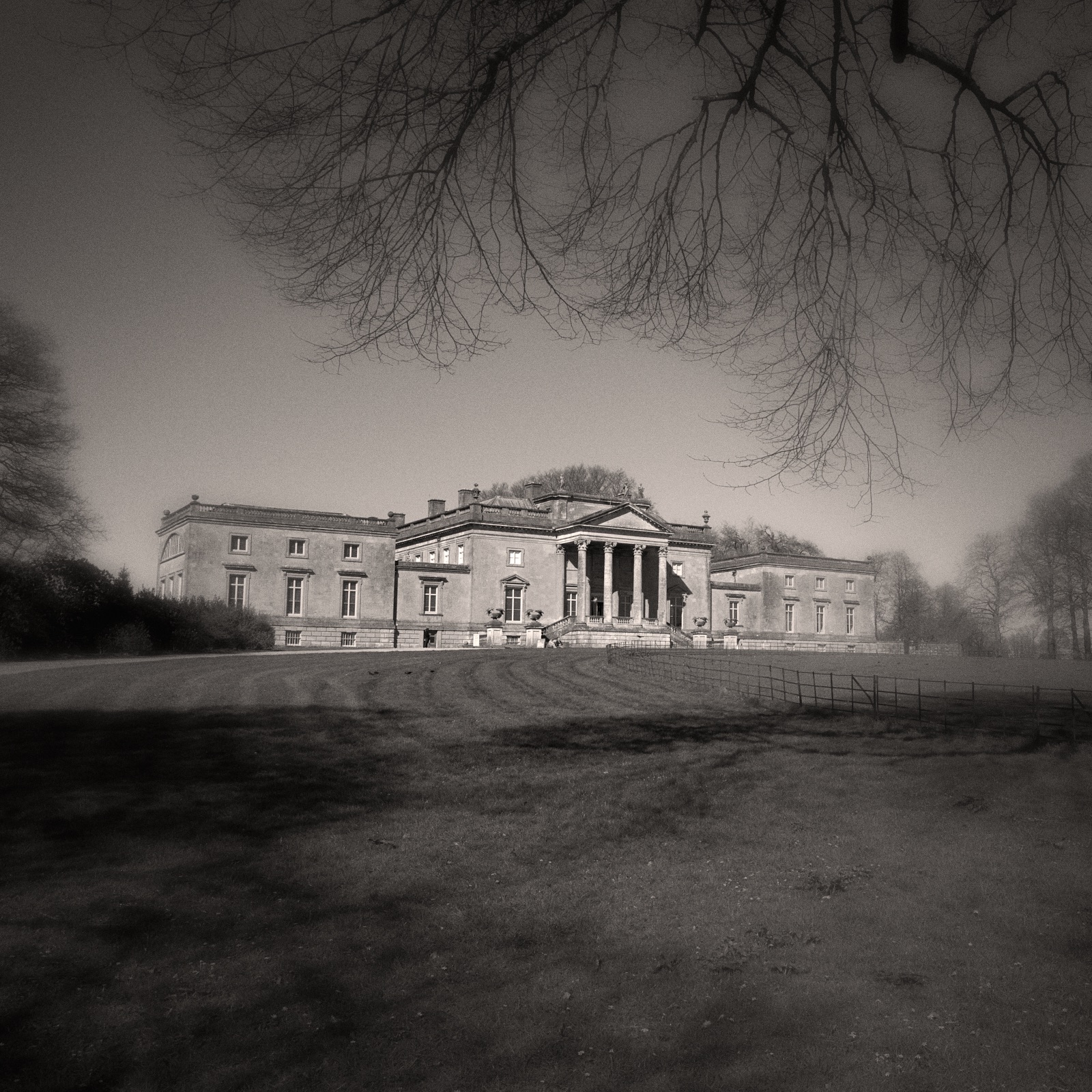
While I continue to research and deliberate I thought it might be a fun exercise to try and mimic the ‘Holga look’ using digital files and various processing software. Obviously I can’t compare the results with the real thing so I can only take a stab at how the images might have looked if I had used a film camera. I suspect I may have exaggerated the soft focus and vignetting but I just wanted to see if I could replicate the look by way of an experiment.
All the images were captured at Stourhead in Wiltshire, a property managed and maintained by the National Trust. Famed for its autumn colours it was good to visit the house and gardens at a different time of year – the tail end of winter and the start of spring.
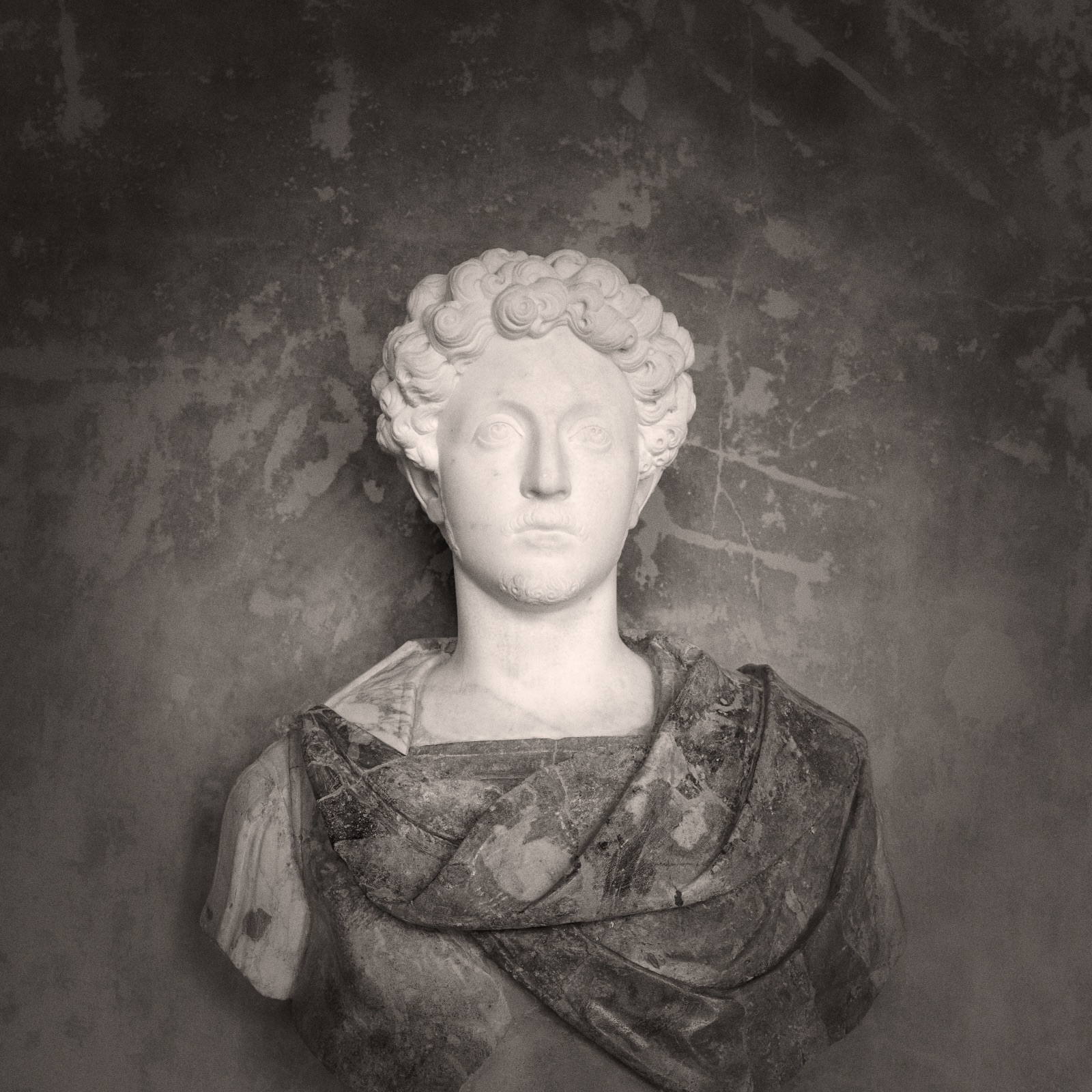
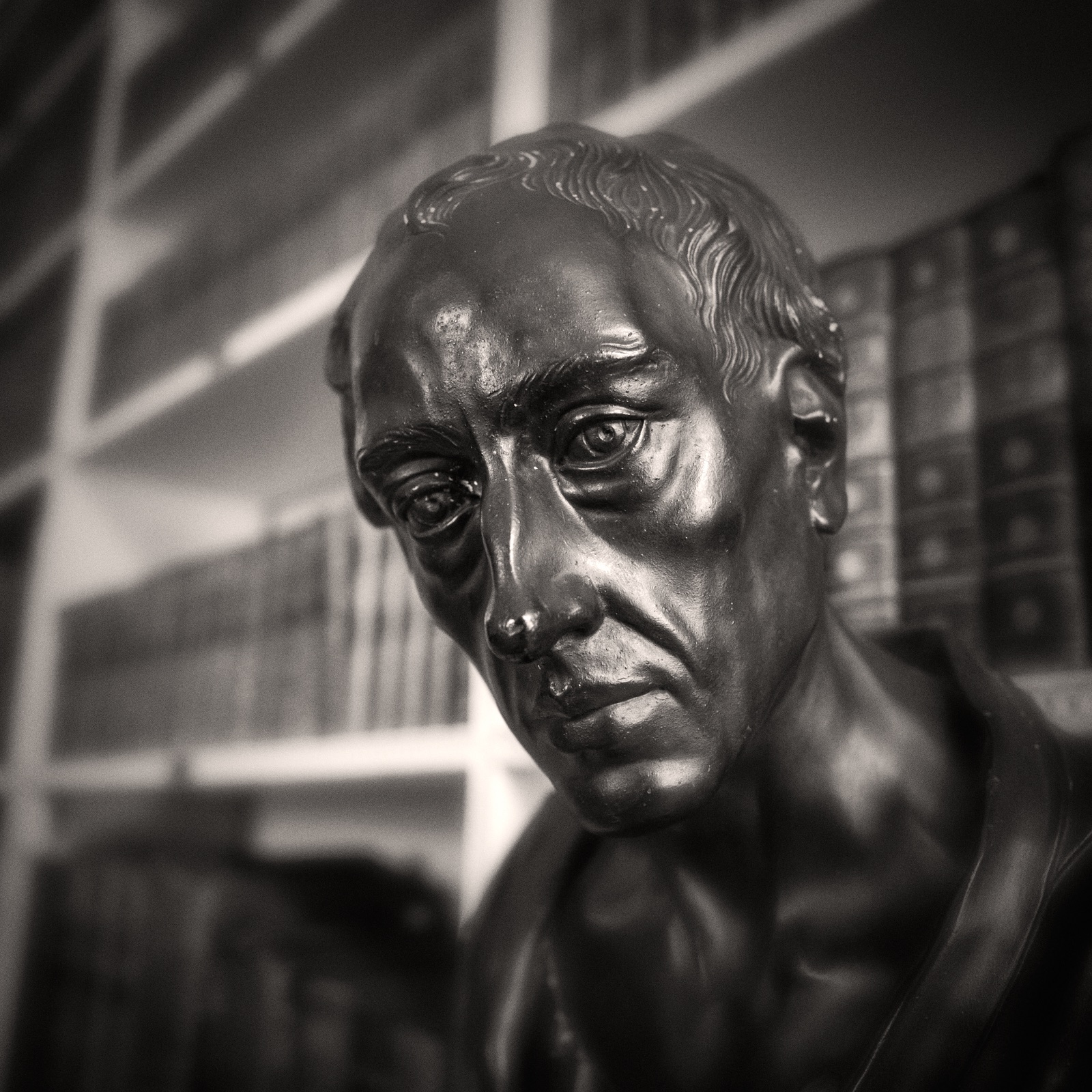
It is hard to think of two cameras which share the same type of film but are so unlike one another in every other detail. They couldn’t be more different. I might find the novelty of the Holga quickly wanes but it is a world apart from any other camera I have or have ever owned. I imagine the Hasselblad would be an absolute joy to use and the negatives would be exceptional. However it’s heavy and would probably require the use of a tripod. Some form of light meter would be necessary even if it’s only an app on my iPhone. Learning how to meter a scene and think about the zone system introduced by Ansel Adams would be another skill to acquire. Having said all that the whole idea is to adopt a more considered approach. To make every shutter release really count. As with everything in life there are pros and cons and I should probably take a closer look at some other medium format cameras before making a decision.
So for the time being I’ll continue dithering and doubtless share any news of an acquisition on this blog if and when I can make up my mind. I might of course do nothing and continue enjoying my existing kit. But life, particularly in retirement, should be about stretching the boundaries and not limiting one’s approach to the familiar. Finding fresh challenges and new ways to be creative is essential. It helps to keep the mind active, encourages new ways of thinking, provides stimulus and excitement knowing there might be an event or an experience to look forward to. As the old saying goes ‘If you are standing still in life then you are actually moving backwards’.
 alan frost photography
4 Responses to “Should I buy a Holga or a Hasselblad?”
I’m not sure if post-processing for a Holga look will really give you the same experience of having the Holga look forced on you! I should say, I’ve never been tempted by the Holga; I think I’d rather explore pinhole. That being said, as you point out, some really interesting images have been made with the Holga.
I’m pretty confident you’ll get a bunch of folk commenting to you, in one medium or another, on your choice of film camera, and I will too. The Hassy is no doubt brilliant, but there are alternatives. I’m not sure what the “Mamiya version of the Hasselblad V series” is; as far as I know, the 6×6 Mamiyas include the folding and/or rangefinder Mamiya 6s, and the TLR C220/330s with their interchangeable lenses. The closest to a Hasselblad in design would be the RB67 and RZ67, both built like tanks but very heavy..
The option I’d suggest exploring is the Bronica SQ-A or SQ-AI. Very similar design to the Hassy, fully modular, can change film backs mid roll, excellent lenses. This thread is interesting: https://www.photo.net/forums/topic/148088-is-the-bronica-sqa-a-good-alternative-to-hasselblad/ , particularly “you couldn’t look at my prints and say which lens [or system] was used for what”. Once you get to that size of negative, it’s so much easier to get a quality print.
Anyway, good luck with your quest whichever way you go (or both, of course). I am intrigued and will continue to watch your results with interest!
LikeLike
I’m not sure if post-processing for a Holga look will really give you the same experience of having the Holga look forced on you! I should say, I’ve never been tempted by the Holga; I think I’d rather explore pinhole. That being said, as you point out, some really interesting images have been made with the Holga.
I’m pretty confident you’ll get a bunch of folk commenting to you, in one medium or another, on your choice of film camera, and I will too. The Hassy is no doubt brilliant, but there are alternatives. I’m not sure what the “Mamiya version of the Hasselblad V series” is; as far as I know, the 6×6 Mamiyas include the folding and/or rangefinder Mamiya 6s, and the TLR C220/330s with their interchangeable lenses. The closest to a Hasselblad in design would be the RB67 and RZ67, both built like tanks but very heavy..
The option I’d suggest exploring is the Bronica SQ-A or SQ-AI. Very similar design to the Hassy, fully modular, can change film backs mid roll, excellent lenses. This thread is interesting: https://www.photo.net/forums/topic/148088-is-the-bronica-sqa-a-good-alternative-to-hasselblad/ , particularly “you couldn’t look at my prints and say which lens [or system] was used for what”. Once you get to that size of negative, it’s so much easier to get a quality print.
Anyway, good luck with your quest whichever way you go (or both, of course). I am intrigued and will continue to watch your results with interest!
LikeLike
Hi Chris. Thanks for your response. I have to agree I don’t think anything would match an image which has come out of a Holga. They are definitely a law unto themselves. I have read that one Holga will not be the same as another in terms of their results. They each have their own character.
Thanks for your input re camera choice. I am familiar with the Bronica SQ but need to do some more research to see whether or not it’s for me. I discovered the Rolleiflex SL66 this morning – looks a really interesting camera but by all reports isn’t that reliable and probably difficult and expensive to service, assuming of course you can find someone with the expertise to do it.
I am as interested as you are to see where this all leads!
LikeLike
[…] my last post – ‘Should I buy a Holga or a Hasselblad?’ – I explored the idea of getting a medium format camera to kick start my journey into the […]
LikeLike