Posts from the ‘Photography’ category

Where have I been…..…???
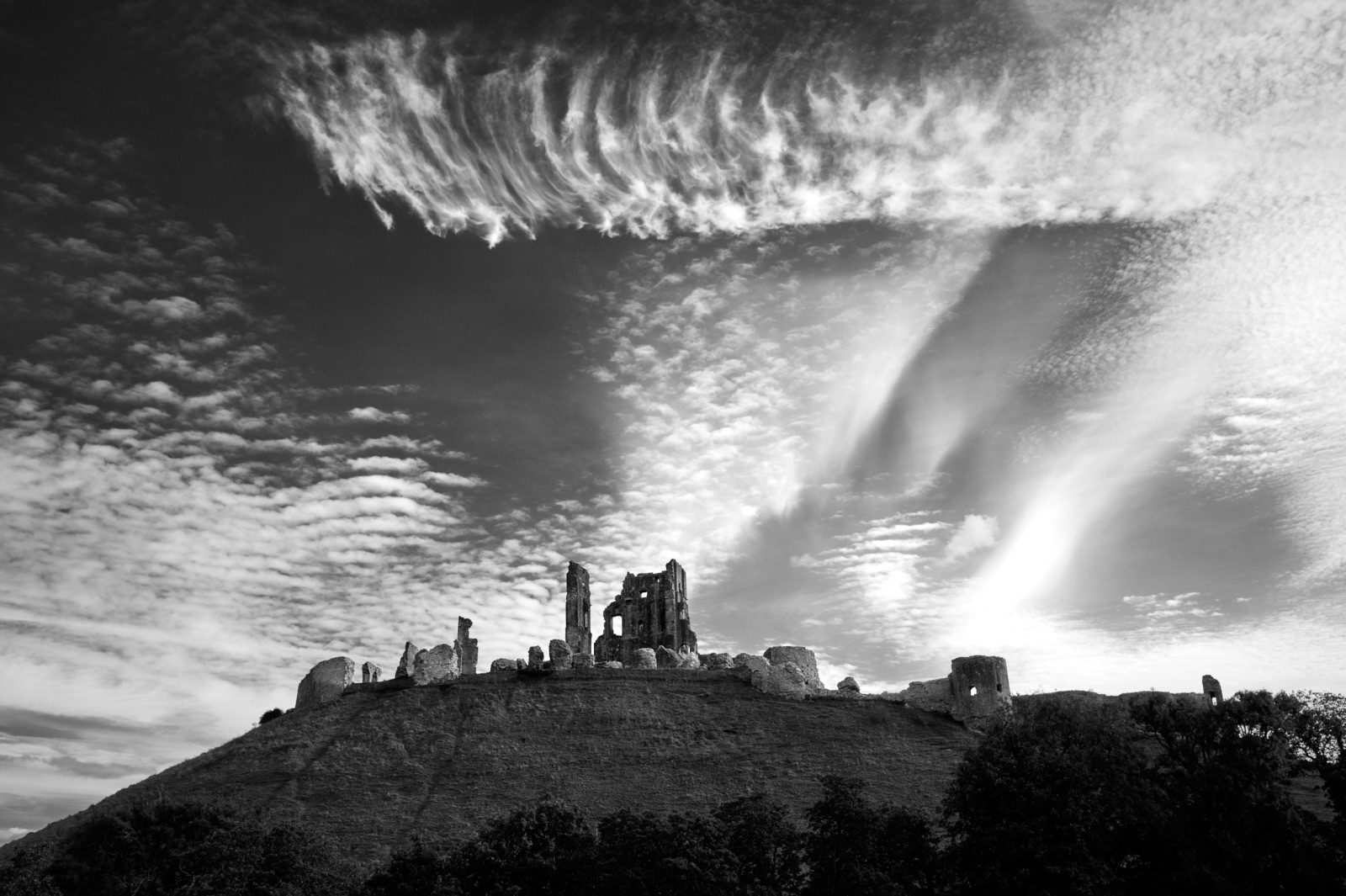
There are three answers to this one question. All three have relevance and I’ll start with the most obvious response, which relates directly to the images in this entry.

Many of you may recognise the subject of the above image. Yes, I have been to Corfe Castle in Dorset. I have to say that I normally try and steer clear of a honeypot location such as this. The very mention of this iconic place and the mind immediately conjures up a picture of the castle ruins rising out of early morning mist, bathed in warm dawn light. It’s a beautiful sight but it’s something of a cliche in the photographic world. Metaphorically speaking, tripod holes are all too evident!

If at all possible I prefer to approach a well known subject with a different eye and avoid making similar images to those that have ventured there before me.
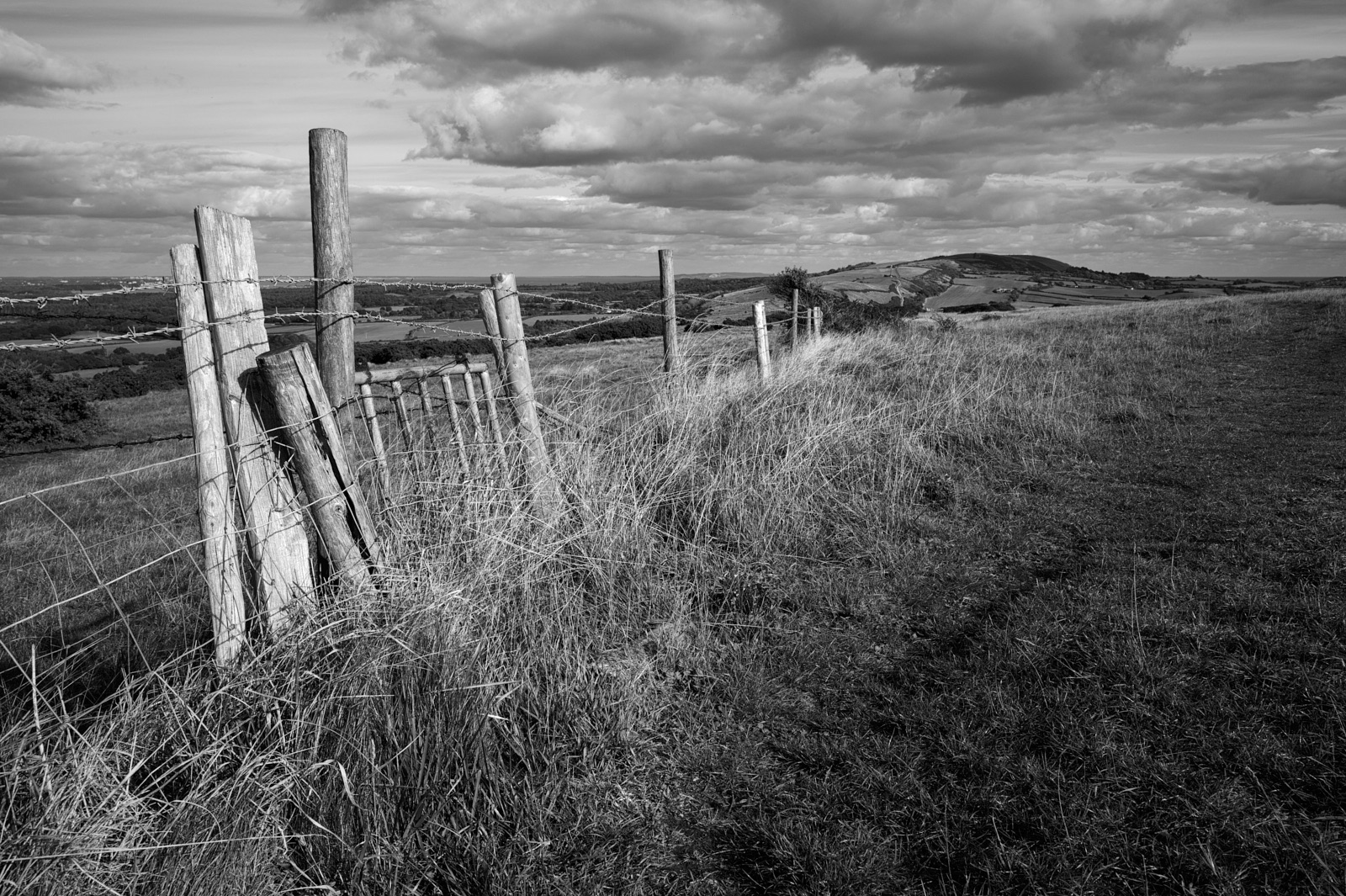
Looking east from West Hill back towards Corfe Castle

With any form of landscape photography the weather, light and conditions play a huge part and I struck lucky when I went to Corfe Castle on the Isle of Purbeck. My principal intention was to enjoy a good walk from the village, get some fresh air, climb the hill to the west and take in the views, not just of the castle ruins but also the surrounding countryside. Of course I had my camera with me and it wasn’t long before some beautiful cloud formations coupled with glorious autumnal light presented me with a few opportunities to press the shutter. Why hadn’t I been here before?
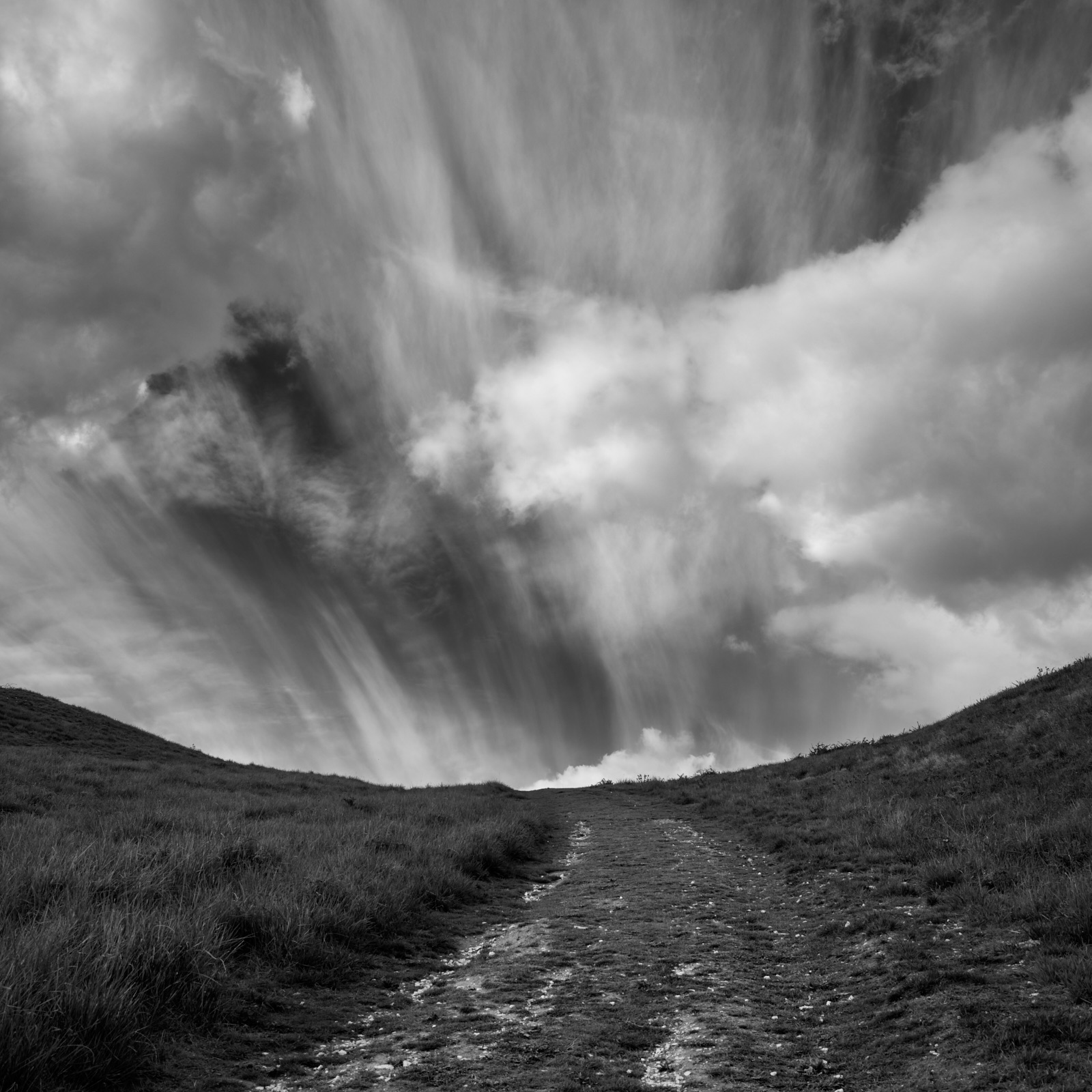
Just loved these cloud formations

Time to move on and give you the second answer to the question – ‘Where have I been?’

Unbelievably six months have passed since my last post and in this time my camera gear has barely seen the light of day. Many of you will be aware that England experienced a very hot summer with little or no rain resulting in a drought for many parts of the country. Certainly not the conditions for walking very far or indeed for my style of photography which relies heavily on mood and atmosphere.

There was also another reason for the camera staying in its bag.

This time last year we said goodbye to our dear cocker spaniel of nearly 12 years. My wife and I were heartbroken, but at the beginning of the year we took the decision to find another puppy and eventually we found a breeder and our new four legged companion joined us at the end May. It’s been pretty full on since then so it’s hardly surprising that photography took a back seat. He’s now six months old, another delightful and merry cocker, but hard work all the same.

Call it a photographic sabatical if you wish but I am very conscious of the fact that for various reasons I have been away from my camera.
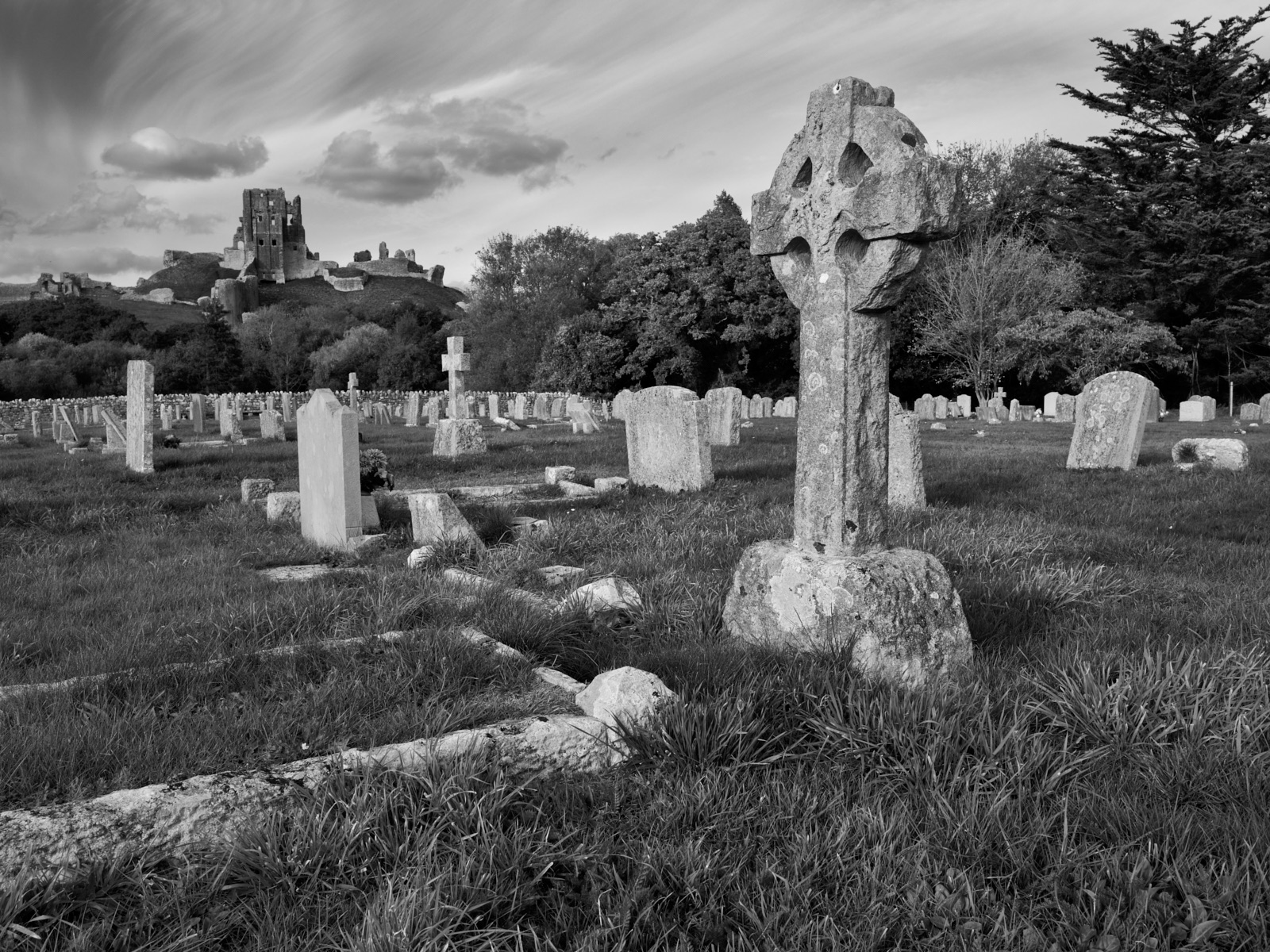
The Castle Ruins seemingly omnipresent – here it is overlooking the village cemetery

And now to the third answer.

Although the camera stayed in the bag over the summer I took the opportunity to go back over the images I had made in the 15 years of being a serious hobbyist. Thousands of landscape images all with the intention of making three books. One on England, another on Scotland, Wales and Ireland and a third on my home county of Dorset. In total I selected nearly 350 photographs. It’s no easy task curating this number but I am very happy with my final selection. I have no intention of publishing these books, they will simply be albums for me, my family and friends to enjoy. Images left on a hard drive are rarely seen and there is only limited amount of wall space to frame and hang a selection of photographs. I have been meaning to carry out this task for sometime now, so I’m pleased it’s nearly complete.

As I collated my favourite images from different parts of the UK it reminded me of how fortunate I have been to visit all these wonderful places and to capture their beauty and spirit in monochrome. From the Outer Hebrides to the Isle of Mull and many other parts of Scotland. Northumberland, The Lake District, Pembrokeshire and Snowdonia in Wales. Norfolk and Suffolk on the East coast and much of the South coast from Kent through to Sussex, Dorset, Devon and Cornwall. For a small country the UK can boast some truly breathtaking and varied landscapes.

This most pleasurable exercise brought back some vivid memories, but it also raised the question of ‘where haven’t I been?’ Time on earth for all of us is limited and so while I have enjoyed looking back, more importantly I am thinking about the future and looking forward to visiting new locations which I can add to my list of ‘Where have I been?’

I can now include Corfe Castle to this list – and yes it was great to be out with my camera once again. Circumstances have changed and autumn is with us. My enthusiasm for photography and desire to make new images has returned.
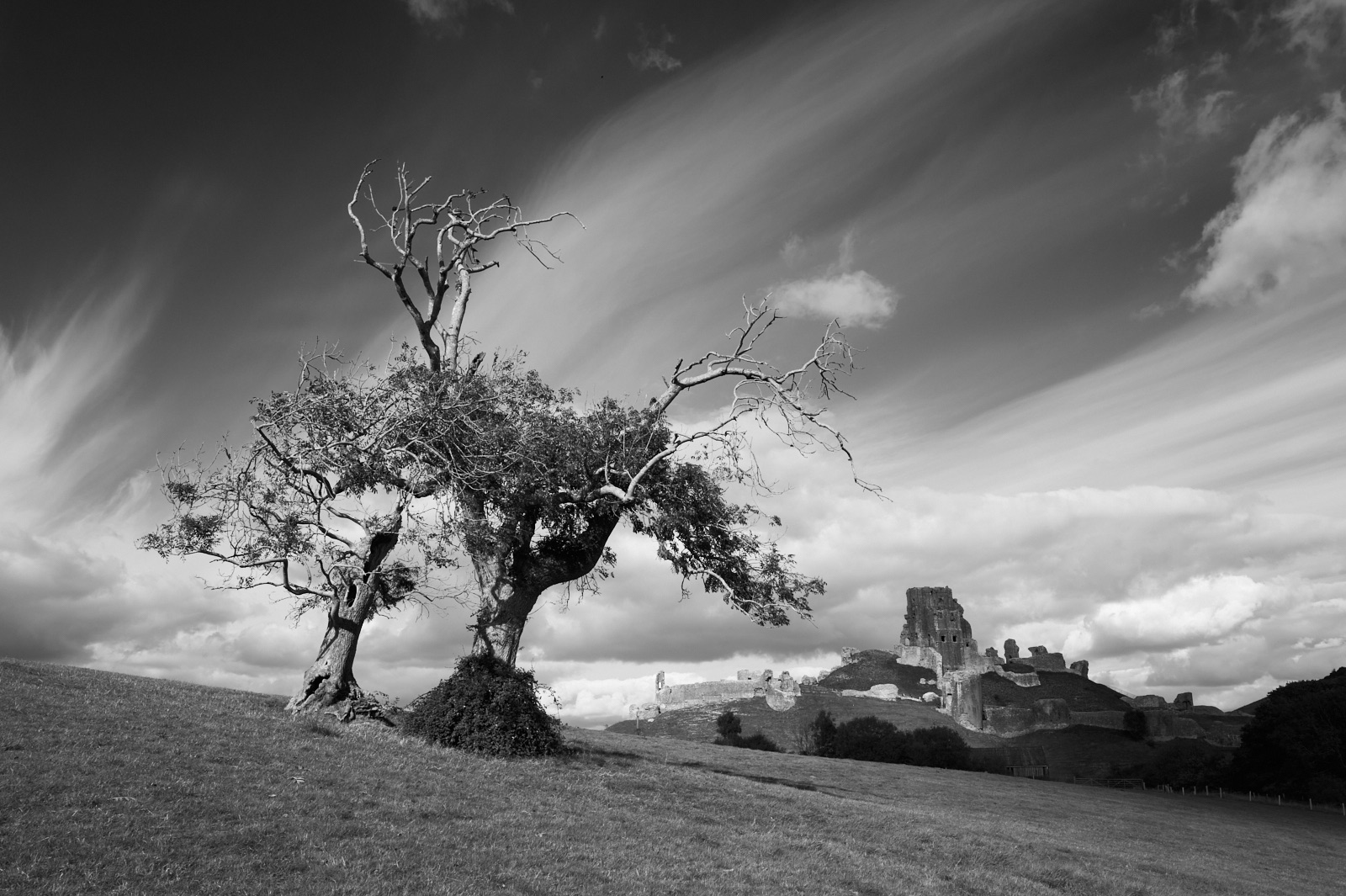
One of the first images I made as I headed out to explore the area.

One question – three answers – it’s good to be back.
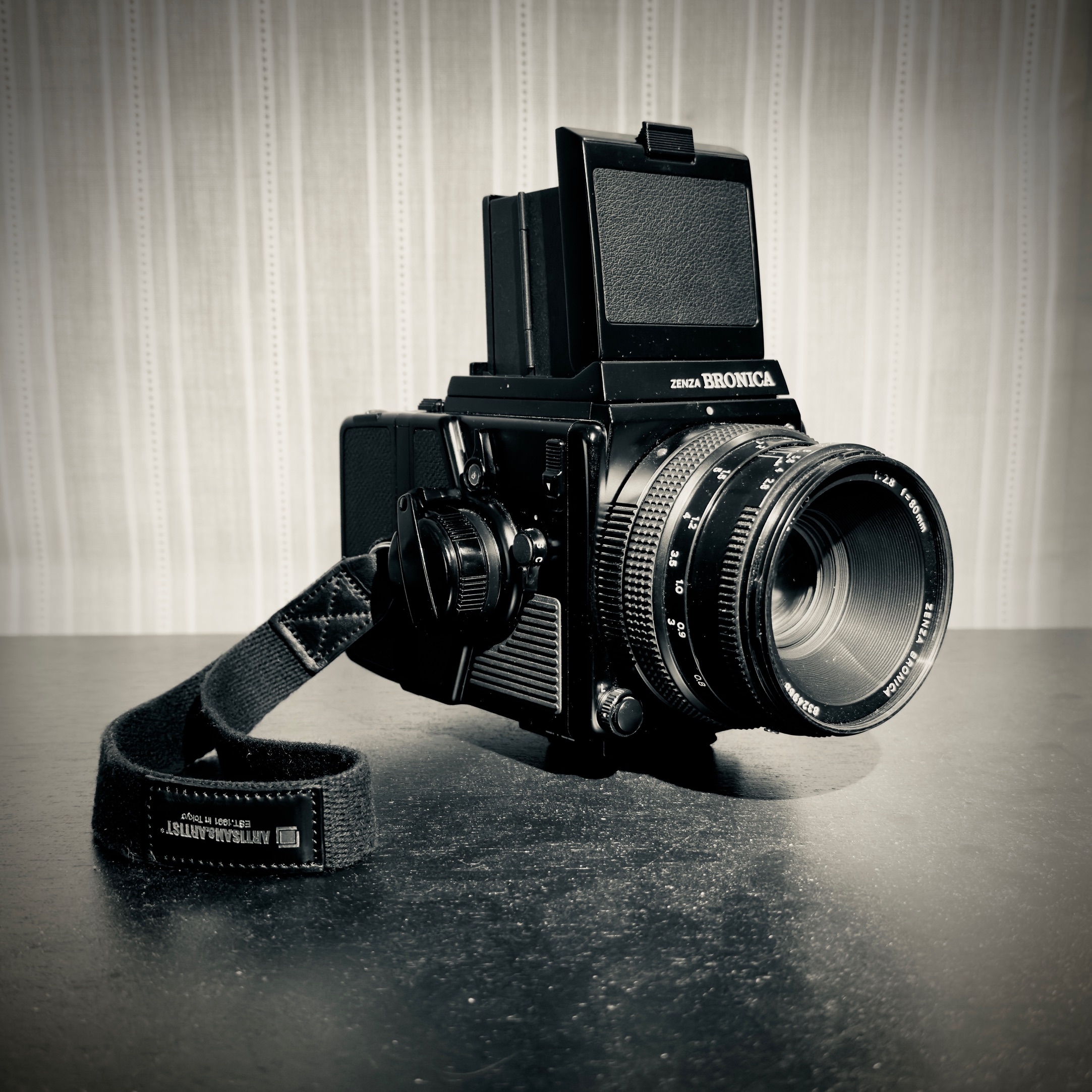
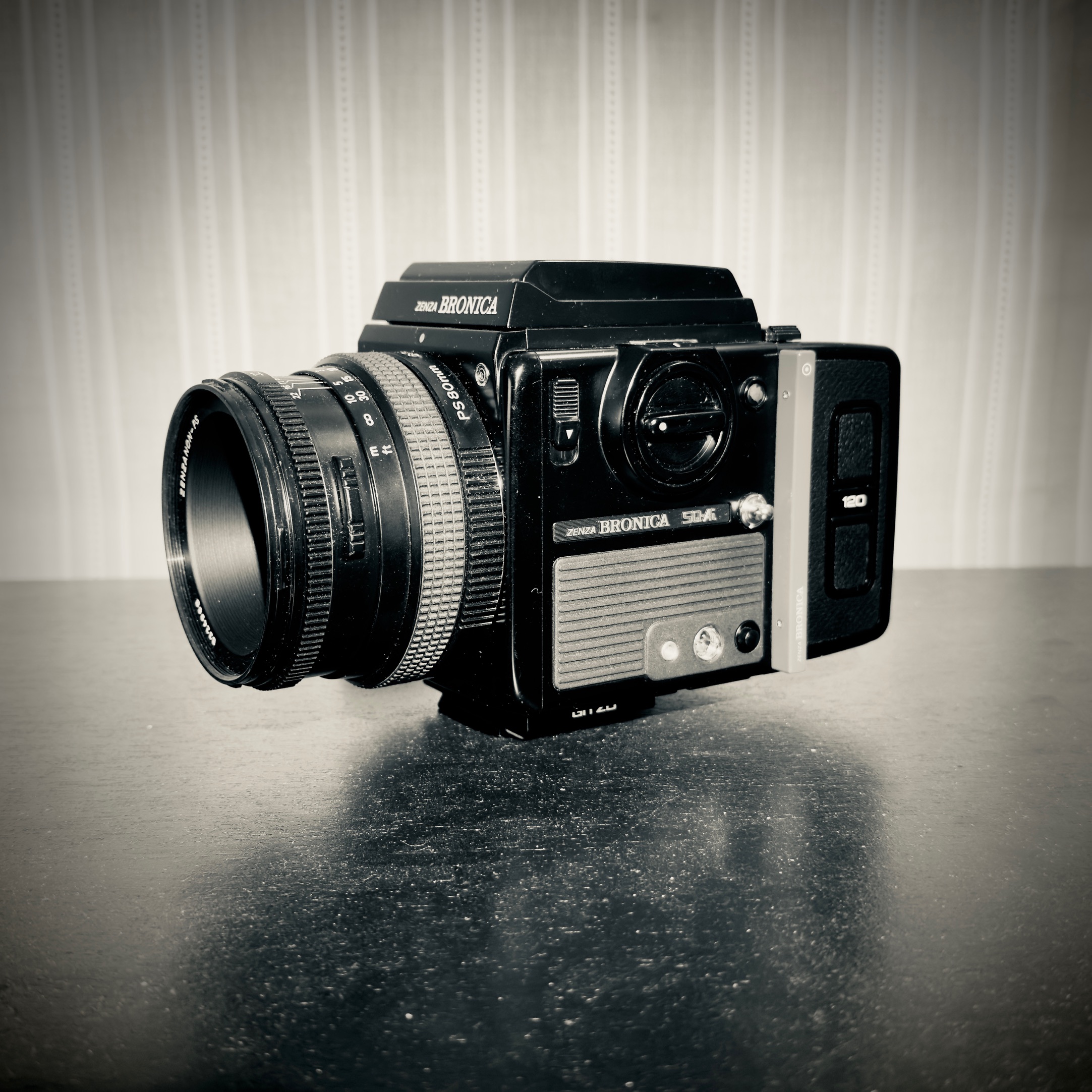
Is it a Holga or a Hasselblad? ….. no it’s a Bronica

Zenza Bronica SQ-Ai

In my last post – ‘Should I buy a Holga or a Hasselblad?’ – I explored the idea of getting a medium format camera to kick start my journey into the analogue world of 120 film. I have been a serious hobbyist for 15 years, so it’s taken me a long time to come round to the idea of shooting film.

Following the publication of this post I received a comment from Chris Rusbridge for which I am most grateful. He suggested I should consider a Bronica SQ. I had heard of the Bronica but knew very little about it so I started searching for information. The more I discovered the more this camera appealed to me. Truth be told but I spend far too much time reading reviews and watching YouTube videos. I dither, then dither some more. But for me it’s part of the fun before deciding on a new piece of camera gear.

Based on my initial findings I quickly dismissed the Holga. It would be fun but I felt that the fun factor might not last that long. A Hasselblad 500 series was all too tempting but I just couldn’t bring myself to pay the price for what is unquestionably a great camera. After all I simply don’t know how much I will enjoy film photography. Any investment into a new camera system had to be proportional to the risk of deciding to sell the camera in the near future and not to waste money unnecessarily.

It didn’t take long for me to establish that a Bronica SQ system camera would give me everything I wanted for a third, maybe even a quarter of the price I would have to pay for the equivalent Hasselblad. Camera bodies, lenses, viewfinders and film backs are all readily available on EBay or a number of photographic outlets.

Dithering over it was now a question of finding the right model, in good condition with some form or guarantee.

My search didn’t take too long. Skears Photographic in Northampton had a Bronica SQ-Ai for sale. Described as being in excellent condition it was for sale at what I considered to be a sensible price. But what clinched the deal was the fact it came with a 12 month guarantee. Three or six months was typical, so a year of hopefully trouble free use was a bonus. I phoned Skears as I had a few questions about the camera and they couldn’t have been more helpful or knowledgeable. They reserved it for 7 days to give me the time to finally make up my mind. After a few days I placed the order and earlier this week the camera arrived. It was very well packaged and I can’t wait to try it out. The only thing holding me back is the lack of film! A few spools of Ilford HP5 plus should arrive through my letterbox in the next few days.

I did need to buy a few accessories to go with the Bronica, including a light meter. However it was easier for me to justify buying these extras given what I had paid for the camera.

In a future post I will report back on my initial impressions of the camera, the accessories that go with it and the learning curve associated with medium format photography.

My journey into medium format 120 black and white film photography has now begun.

Should I buy a Holga or a Hasselblad?

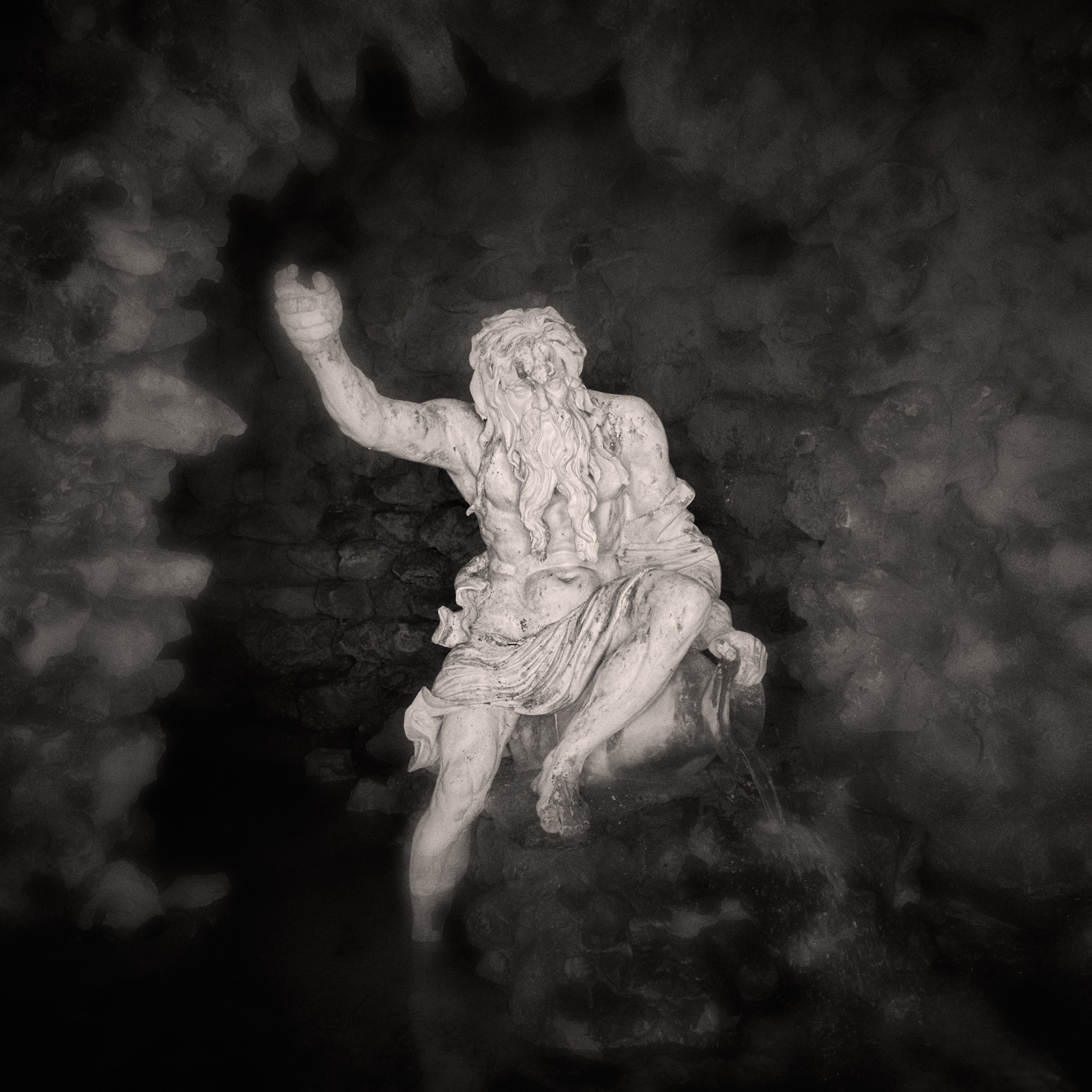
The grotto at Stourhead

For a little while now I have been giving some serious thought as to whether or not I should delve into the world of film/analogue photography, and more specifically medium format. It would present me with a fresh set of challenges and I am intrigued by the prospect of what black and white 6×6 negatives from a roll of 120 film might offer.

There are a wide range of medium format film cameras for sale, most of which are of course second hand. As with most things there is a wide divergence in terms of design, build quality, performance and perhaps most importantly price.

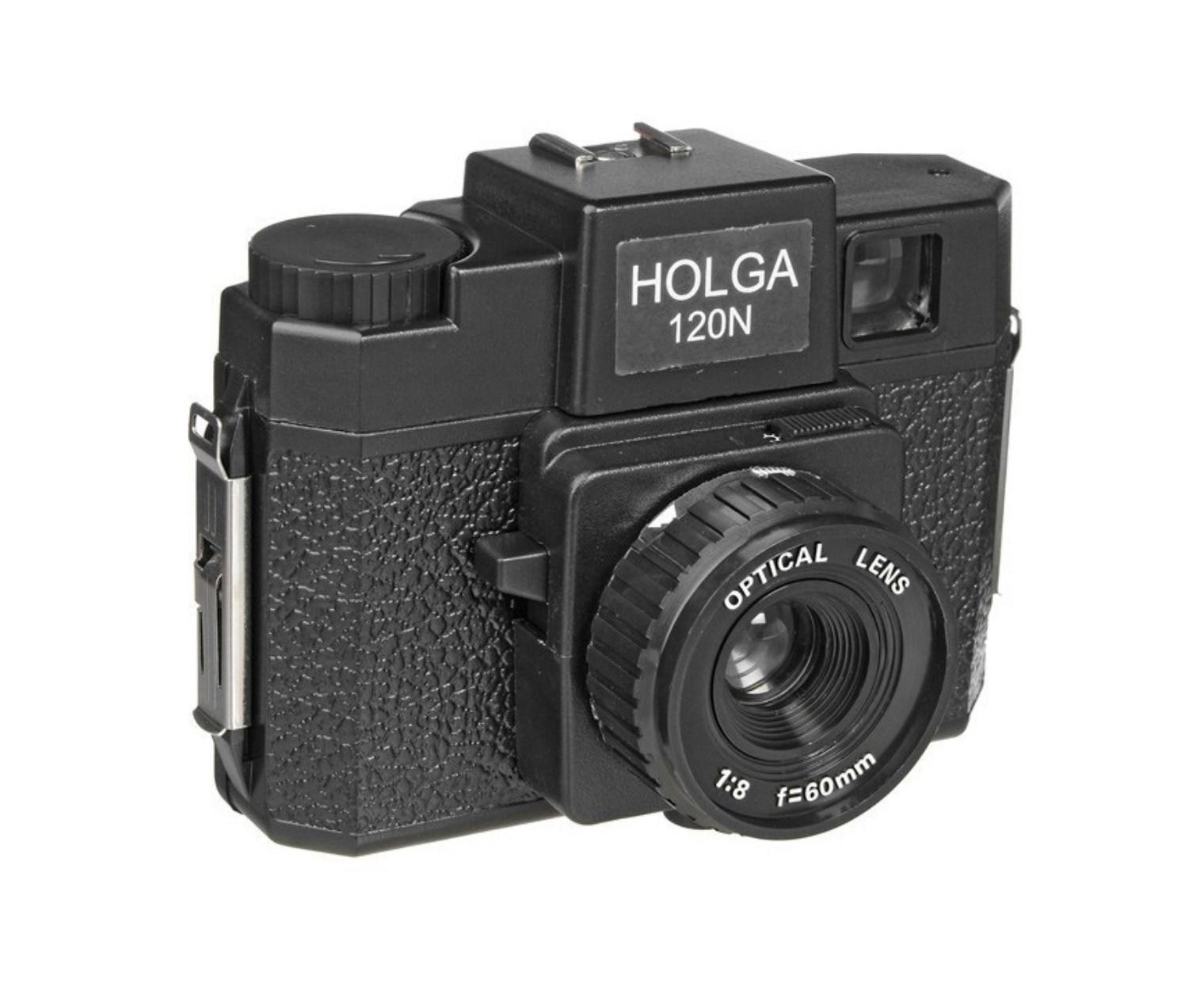
At one end of the scale you can buy a new Holga 120N, which is widely considered to be a ‘toy’ camera and is made primarily of plastic. It has enjoyed an almost cult like following for many years. The cost for a new one here in the UK is around £35, although you would almost certainly need to buy a roll of gaffa tape to cover up the joins and other gaps which are prone to light leaks!

Holga 120N – a medium format plastic ‘toy’ camera

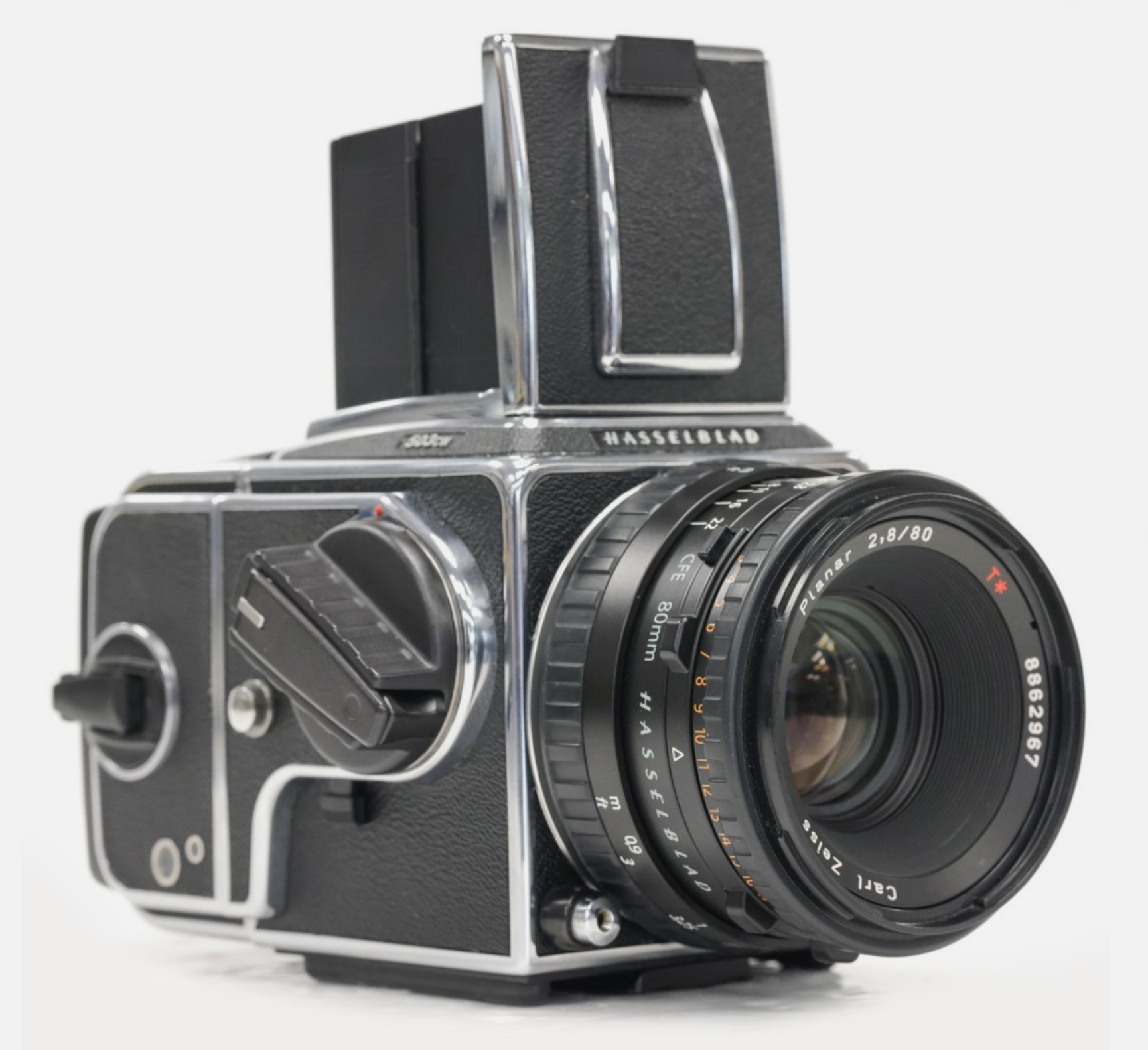
At the premium end of the scale sits the Hasselblad 500 series of cameras, an iconic design. First manufactured in 1957 it is beautifully constructed and offers the skilled photographer the opportunity to make beautiful images. Fully manual with no batteries and no light meter, the 500 is truly an analogue camera. A complete kit (shown below) comprising body, 80mm lens, waist level viewfinder and film back is going to be in the range of £1,500 to well over £3,500 depending upon age and condition. A substantial amount of money but there is every likelihood that these cameras will always be a sought after. Its longevity and appeal were further enhanced when Hasselblad introduced compatible digital film backs.

The ‘King’ of medium format – the Hasselblad 500 series

In between there are a good number of other alternatives from pin-hole cameras, to the Rolleiflex twin lens reflex and the Mamiya version of the Hasselblad V series. The list goes on, so where to start?

In a strange way the Holga rather appeals. At the price it can almost be considered a disposable item. For the cost of the camera itself, a few rolls of Ilford HP5 and lab developing fees, quite a lot of fun could be had. For a low entry fee into medium format I could see how I got on. If I don’t like it I haven’t lost a great deal. The same can’t be said for the Hasselblad. My expectations wouldn’t be that great with the Holga, in fact, I would probably be happy just to get one half decent image. I have looked at some examples of other images by experienced photographers including Martin Henson. He has an excellent playlist of YouTube videos on the Holga.

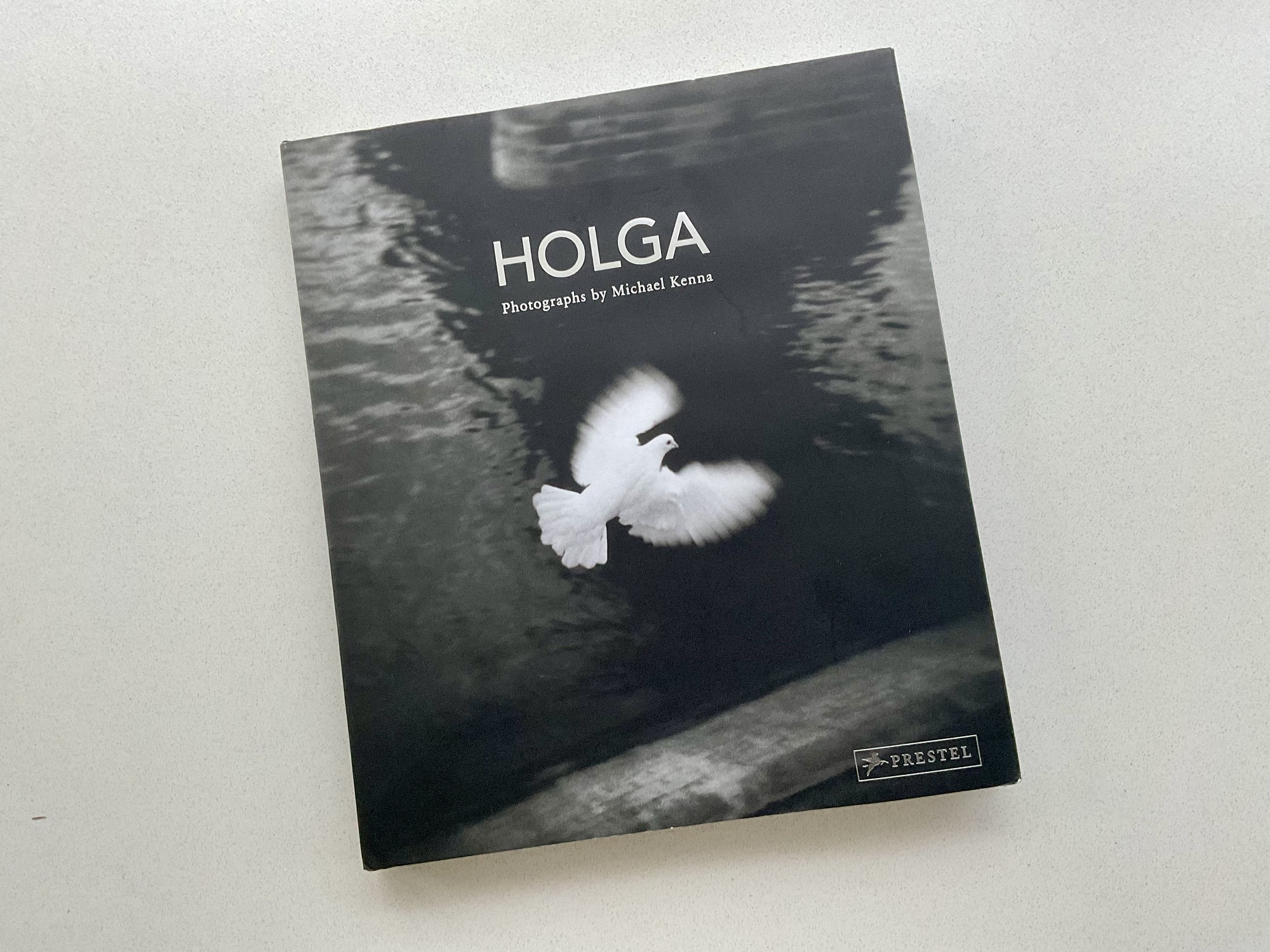
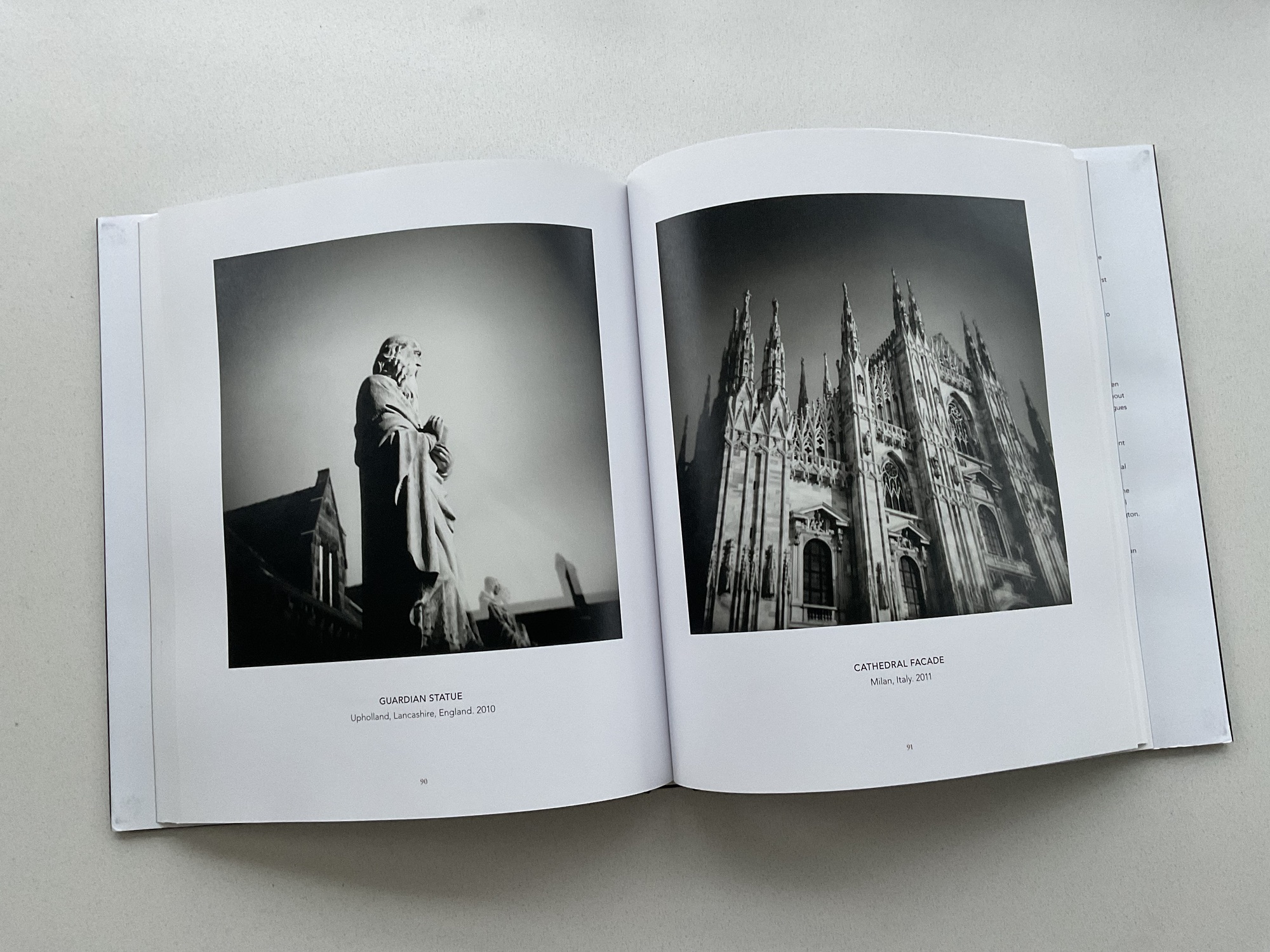
I have to mention Michael Kenna, one of the masters of square medium format photographs. Best known for his work using the Hasselblad he has also shot very successfully using a Holga. Back in 2017 he published a book simply titled ‘Holga’ showcasing over 100 photographs captured with this little camera. Only the centre of the picture is reasonably sharp, the outer edges are blurred and vignetting is a given. The Holga definitely has a look all of its own, which you either love or loathe, but in the right hands it can used to excellent artistic effect.

‘Holga’ by Michael Kenna published in 2017
Two of the many plates in the Holga book.

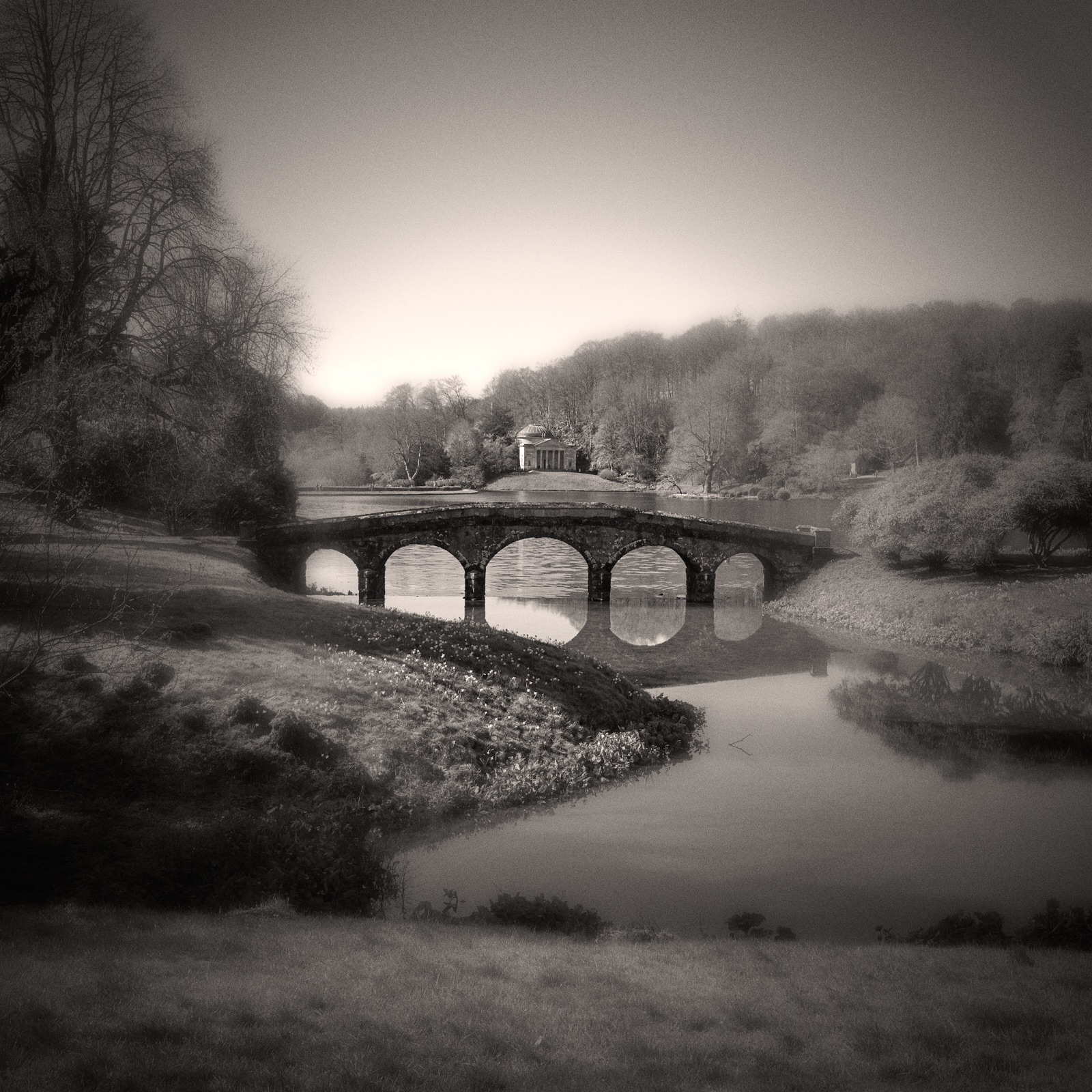
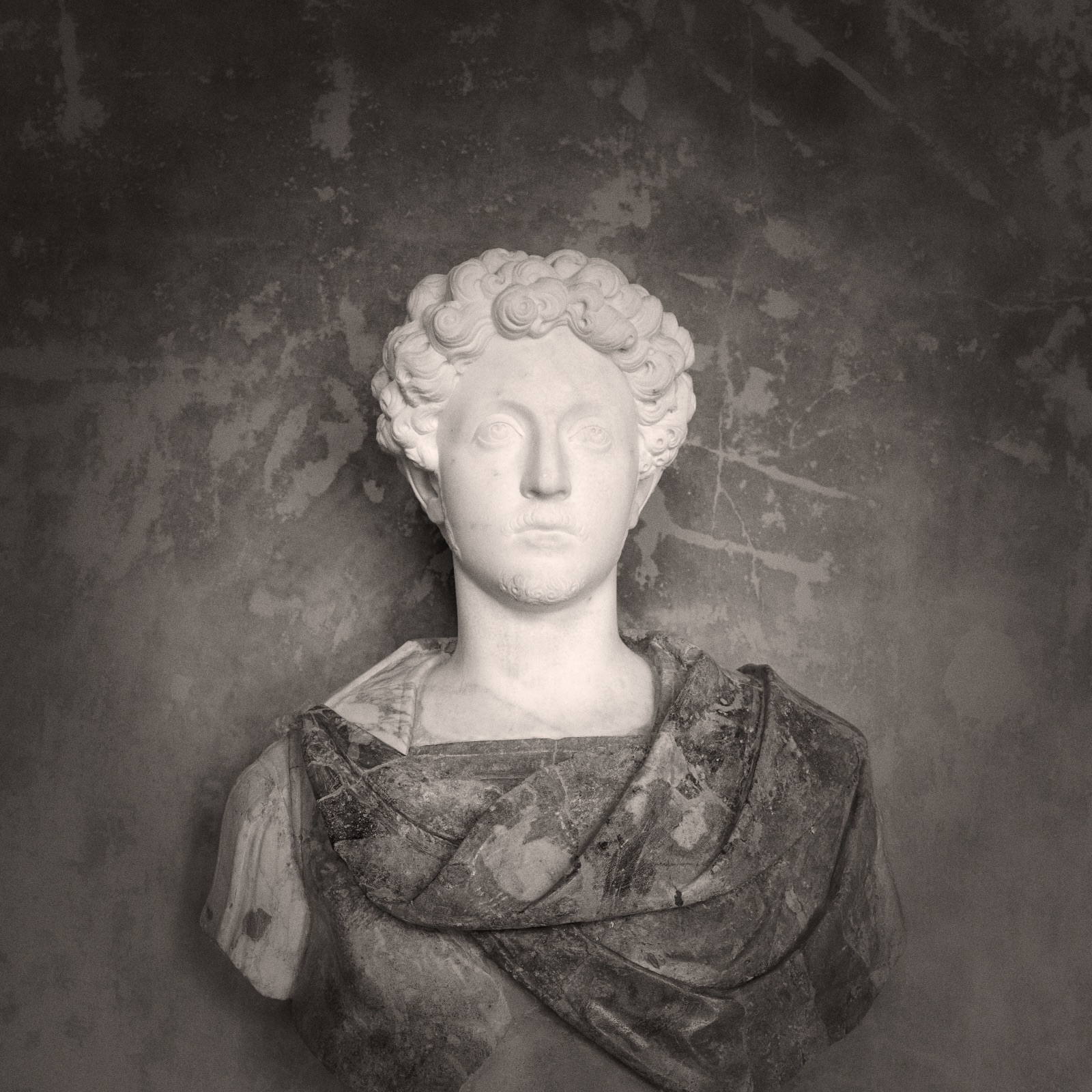
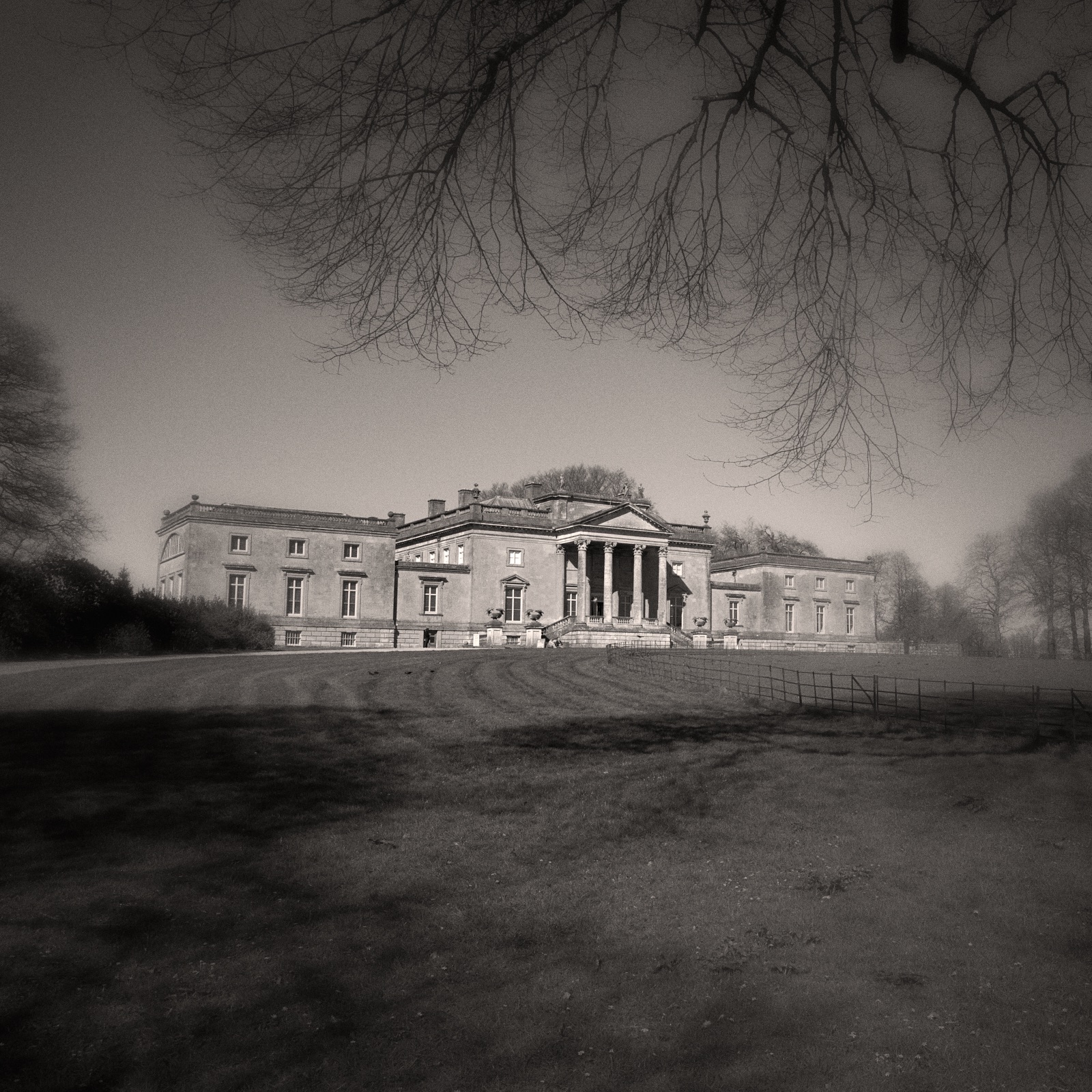
While I continue to research and deliberate I thought it might be a fun exercise to try and mimic the ‘Holga look’ using digital files and various processing software. Obviously I can’t compare the results with the real thing so I can only take a stab at how the images might have looked if I had used a film camera. I suspect I may have exaggerated the soft focus and vignetting but I just wanted to see if I could replicate the look by way of an experiment.

All the images were captured at Stourhead in Wiltshire, a property managed and maintained by the National Trust. Famed for its autumn colours it was good to visit the house and gardens at a different time of year – the tail end of winter and the start of spring.

The bridge across the lake at Stourhead
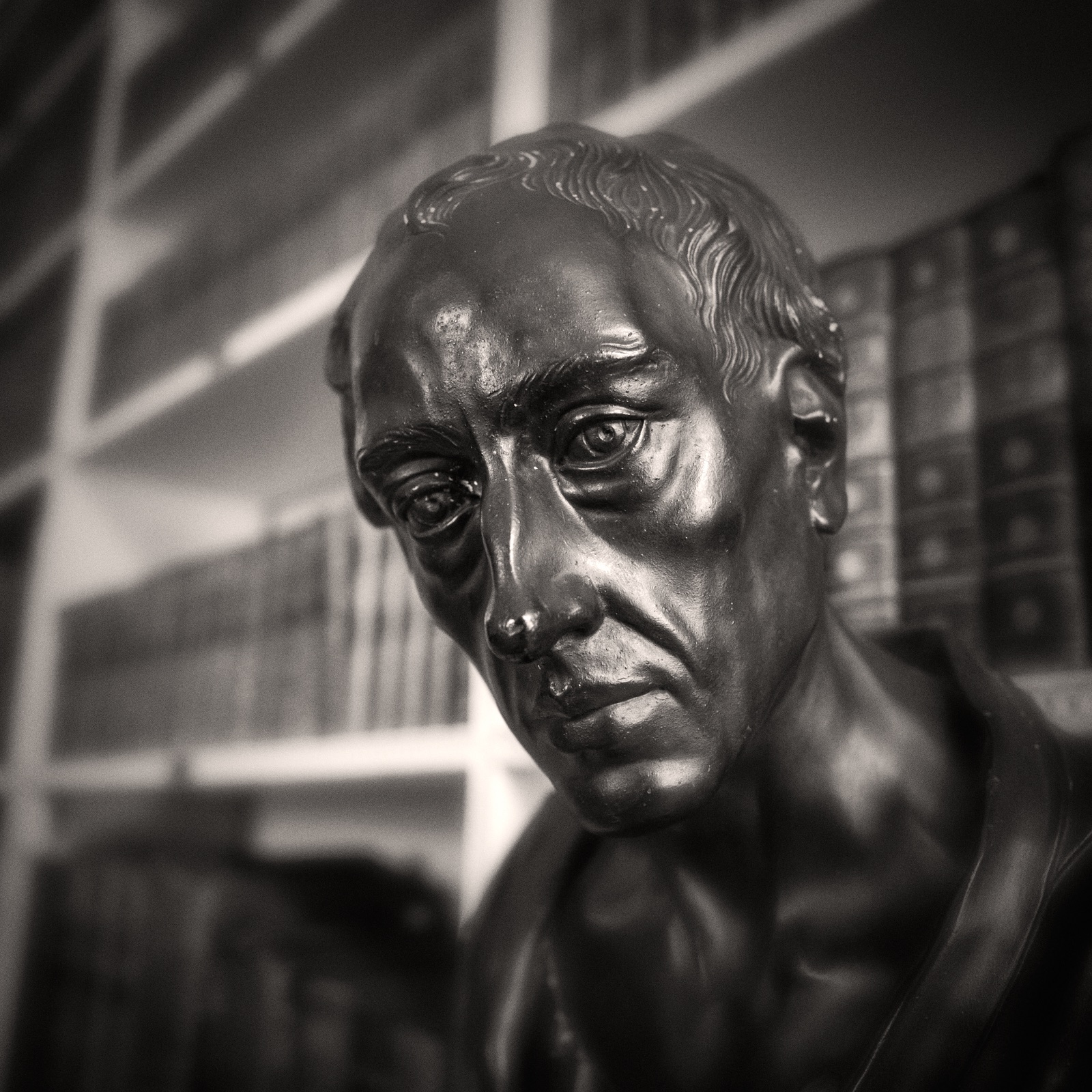
One of the many busts at Stourhead
A bust in the library which has over 6,000 books on its shelves
Stourhead House

It is hard to think of two cameras which share the same type of film but are so unlike one another in every other detail. They couldn’t be more different. I might find the novelty of the Holga quickly wanes but it is a world apart from any other camera I have or have ever owned. I imagine the Hasselblad would be an absolute joy to use and the negatives would be exceptional. However it’s heavy and would probably require the use of a tripod. Some form of light meter would be necessary even if it’s only an app on my iPhone. Learning how to meter a scene and think about the zone system introduced by Ansel Adams would be another skill to acquire. Having said all that the whole idea is to adopt a more considered approach. To make every shutter release really count. As with everything in life there are pros and cons and I should probably take a closer look at some other medium format cameras before making a decision.

So for the time being I’ll continue dithering and doubtless share any news of an acquisition on this blog if and when I can make up my mind. I might of course do nothing and continue enjoying my existing kit. But life, particularly in retirement, should be about stretching the boundaries and not limiting one’s approach to the familiar. Finding fresh challenges and new ways to be creative is essential. It helps to keep the mind active, encourages new ways of thinking, provides stimulus and excitement knowing there might be an event or an experience to look forward to. As the old saying goes ‘If you are standing still in life then you are actually moving backwards’.

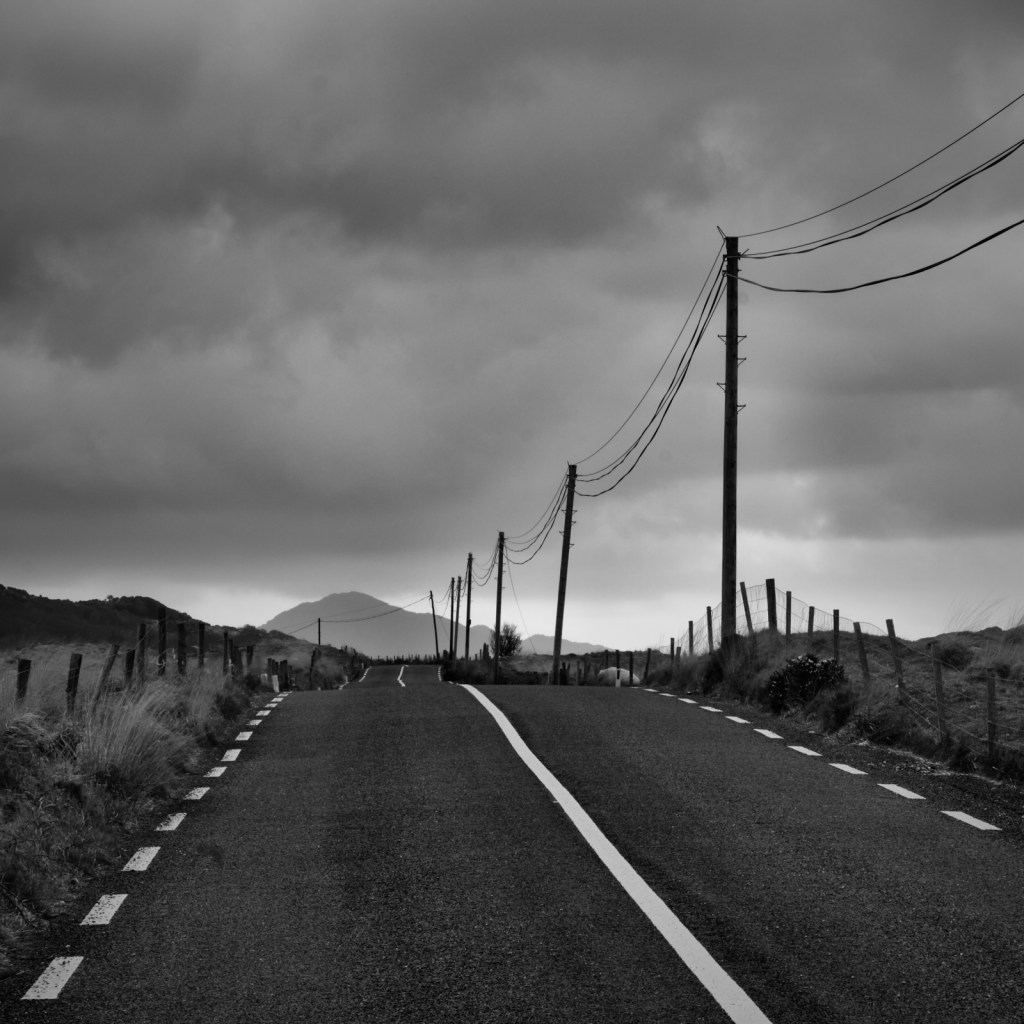
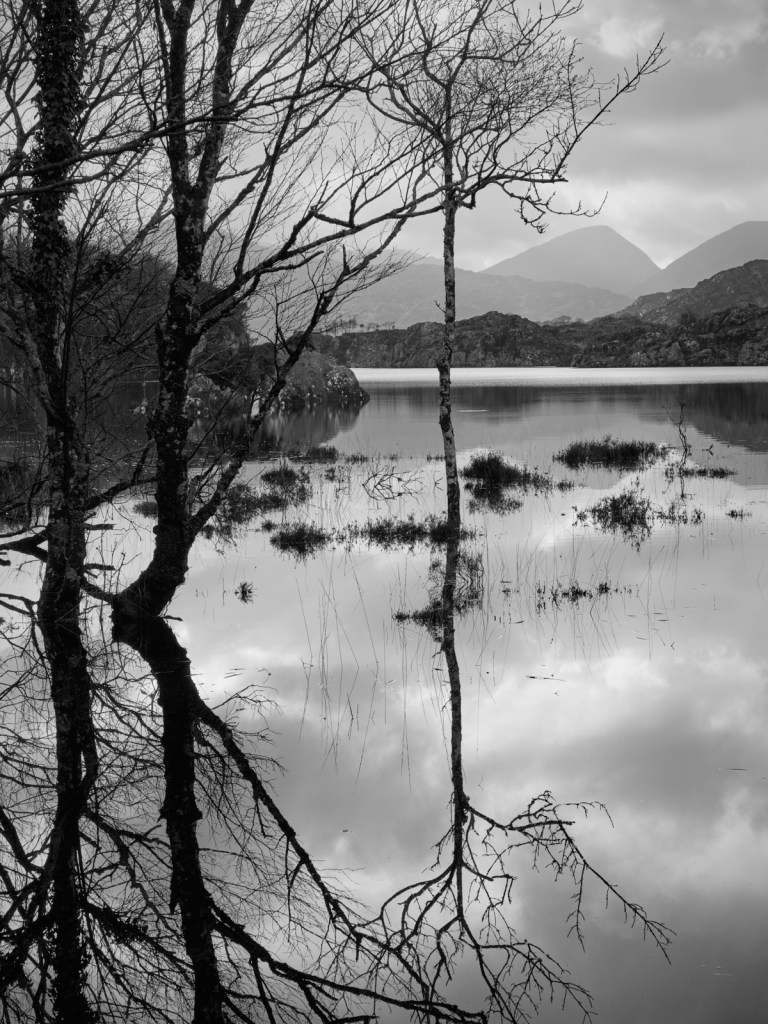
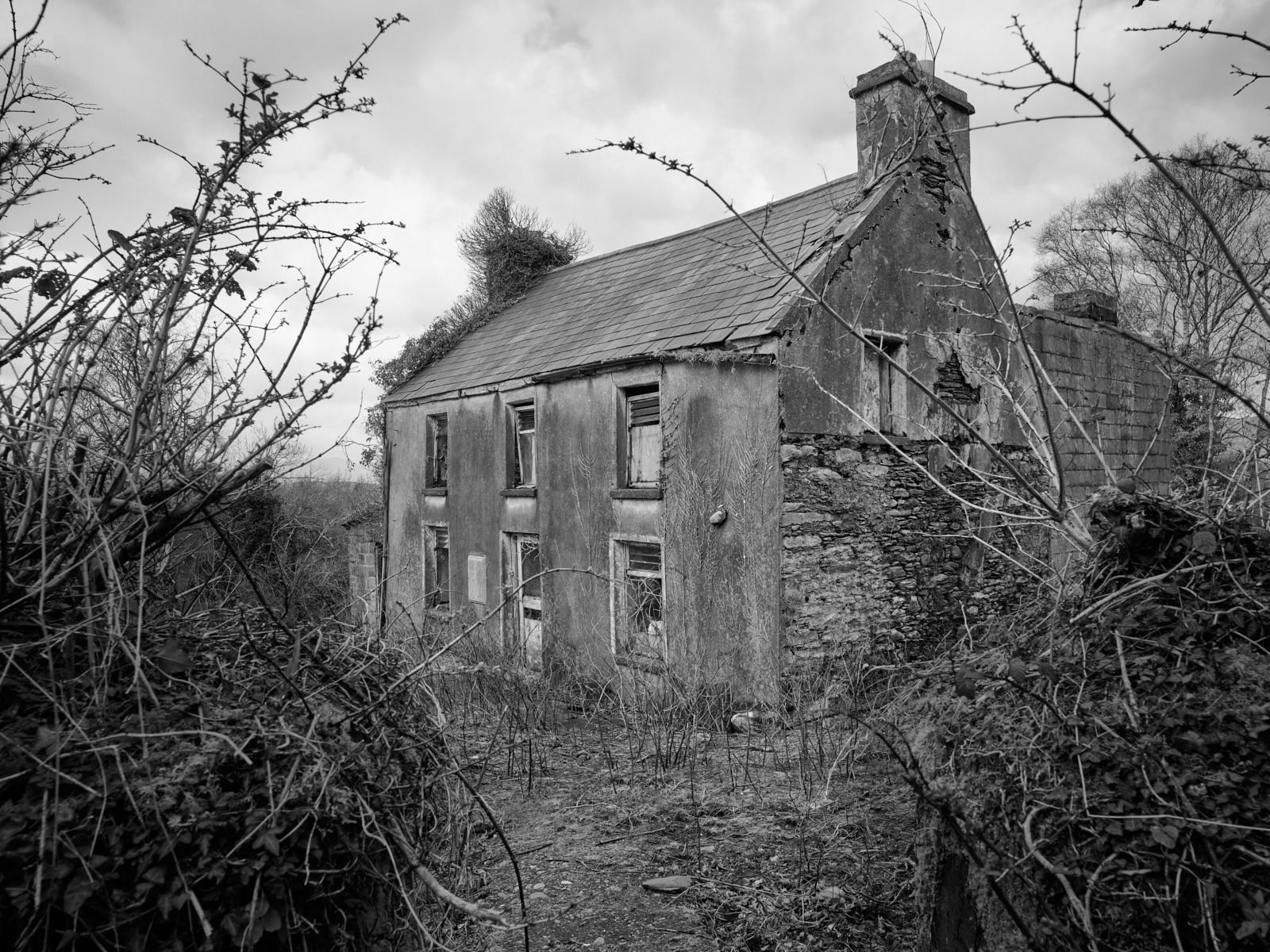
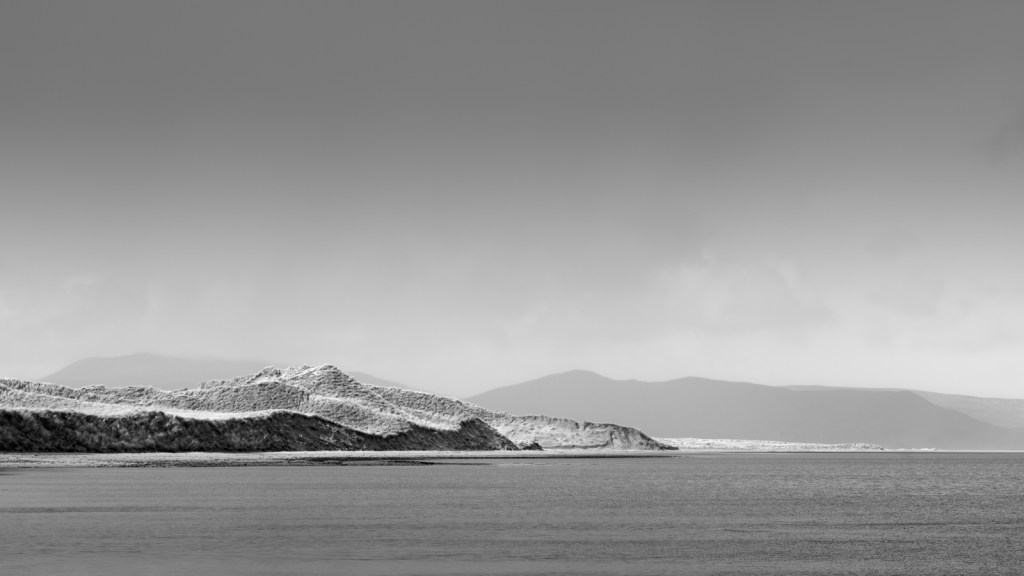
Landscape photographs or holiday snaps? ….. images from County Kerry, Ireland

My wife and I have recently returned from a two week holiday in County Kerry which lies in the South Western corner of Ireland. A beautiful part of the world offering many photographic opportunities.

Having downloaded the files I have started the enjoyable process of selecting what I consider to be the most promising and pleasing images and editing them in my usual style. Inevitably this part of the workflow brings back happy memories of places visited and associated experiences. It is of course one of the reasons we take photographs. We want to preserve these memories for the future.

Back in the day all those of a certain age (me included!) will probably recall getting together so that either a slide show or the handing round of prints could take place after a family holiday. There would be very little culling , meaning all the photographs would be shared however good or bad. The quality would be variable. Over and under exposed pictures combined with a mix of reasonable but sometimes very poor compositions. Every photograph would be vocally described – where and when it was taken and what the weather was like, even though this would often be clearly evident from the photo itself! Sad to say but it could turn in to a ‘yawn fest’ yet it was part of the post holiday ritual which had to be undertaken and endured.

Whilst sitting at my computer selecting and processing some images a question entered my mind –

“When is an image a landscape photograph and no longer just a holiday snap?”

Time and technological progress has of course changed how we record our holidays. For many years now we have lived in a digital age with increasingly sophisticated cameras built-in to our smartphones. Almost everyone has the ability to use filters and intuitive processing software to produce a decent image. It is then shared not just to friends and family, but to the world and his wife via social media.

As I share with you the photographs I took on my recent trip to Ireland I am asking myself…… “Is this just today’s equivalent of the slide show projected onto a screen in a darkened room to family and friends? Are these pictures merely holiday snaps or is there something which sets them apart? No longer just a record shot but something visually appealing and possibly of interest to a wider audience”.

And if so, what distinguishes an ordinary picture taken on holiday from a landscape photograph which just happens to have been made whilst travelling away from home?

These are my thoughts which may or may not coincide with your own ideas.

1. I think every image should be viewed as an individual photograph, irrespective of whether or not it was taken on holiday and regardless of the camera or equipment used. An expensive state of the art camera doesn’t necessarily make a fine image. In other words a picture has to be worthy of standing on its own two feet.

2. The photograph must have something which causes the viewer to stop, look and appreciate the landscape for what it represents. Perhaps there is some form of narrative or an element of mystery which intrigues the viewer. It shouldn’t be seen as a record shot. Plus I would suggest that the image should clearly demonstrate photographic intent.

3. Perhaps the prime distinction is that the photograph is one which an individual may wish to have printed, framed and displayed on a wall in their home. This would be regardless of whether or not they had visited that particular location for themselves. I very much doubt a holiday snap would warrant this treatment by a complete stranger.

4. And lastly if it’s a collection of images then the quality and presentation should be harmonious, consistent and of a certain standard. Arguably it should possess some photographic expertise and not be classified as a ‘point and shoot’ picture.

Hopefully you won’t consider these photographs to be merely holiday snaps, but images which can be appreciated for what they are. I would be disappointed to think they might be thought of as today’s equivalent of the family slide show of yesteryear.

If you have any thoughts on the difference between a landscape photograph and a holiday snap do comment below – I would be interested in your thoughts.

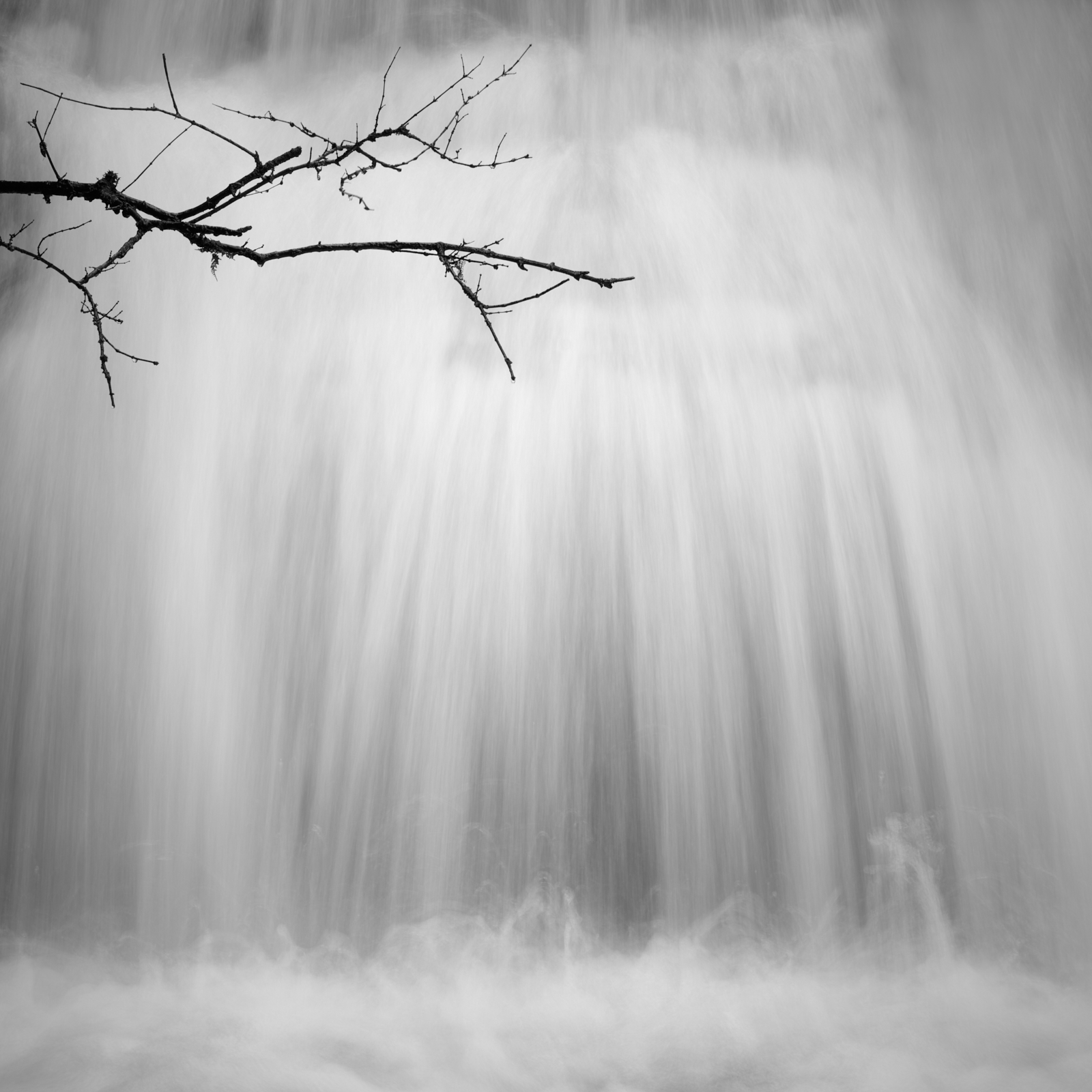
When the rain falls and the water flows in County Kerry, Ireland

Although this above image is quite a simple one and minimalist in its nature, it does capture the power and movement of the water, which is in stark contrast to the stillness of the overhanging branch. It could be a metaphor for life; the frail looking branch, remaining strong and resolute, appearing to resist the forces of nature which might sweep it away.

Waterfalls are a popular subject for photographers although I can’t claim I’ve enjoyed much success in the past. Either the conditions haven’t been quite right, access has been challenging or I simply haven’t devoted sufficient time to the composition, selecting the best shutter speed etc.

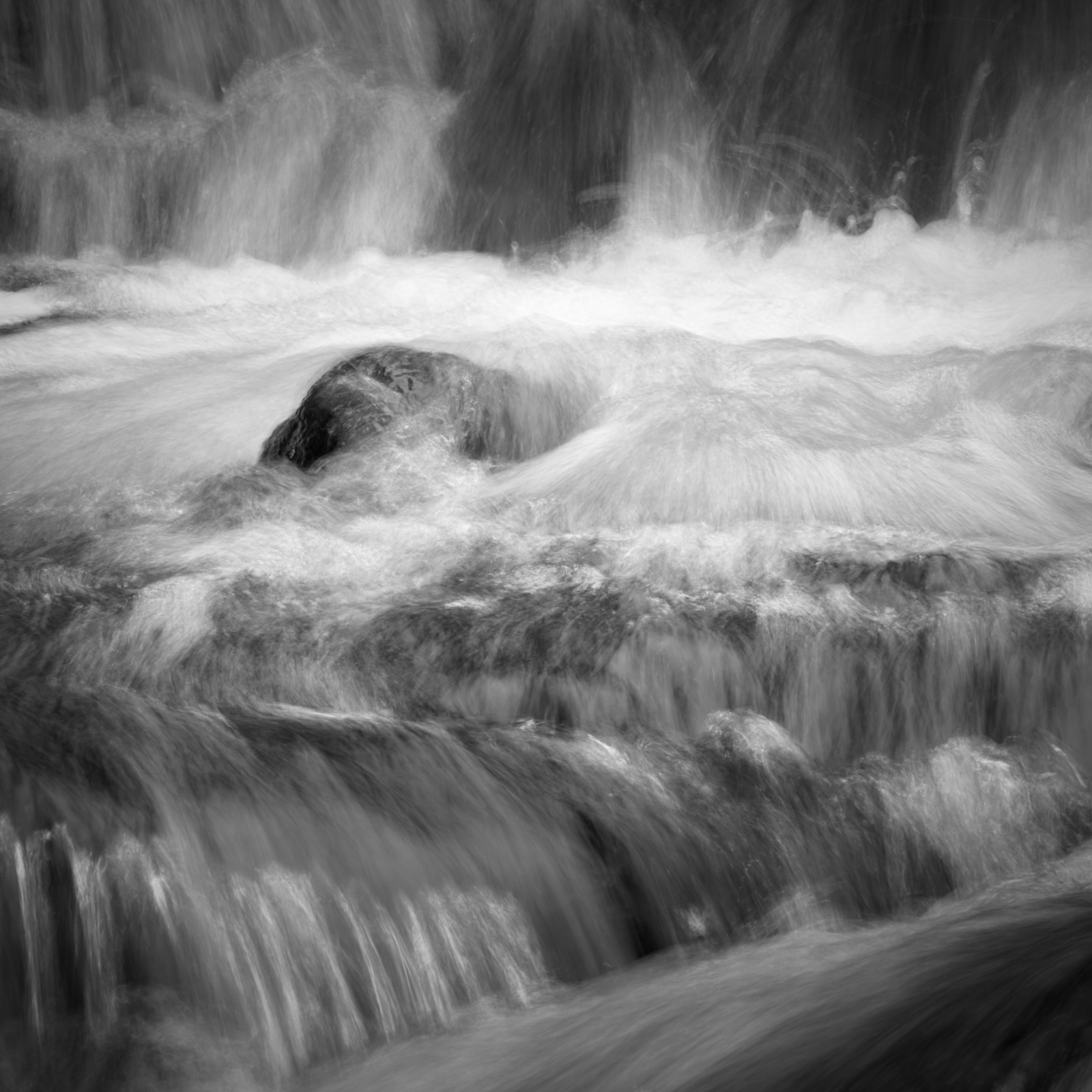
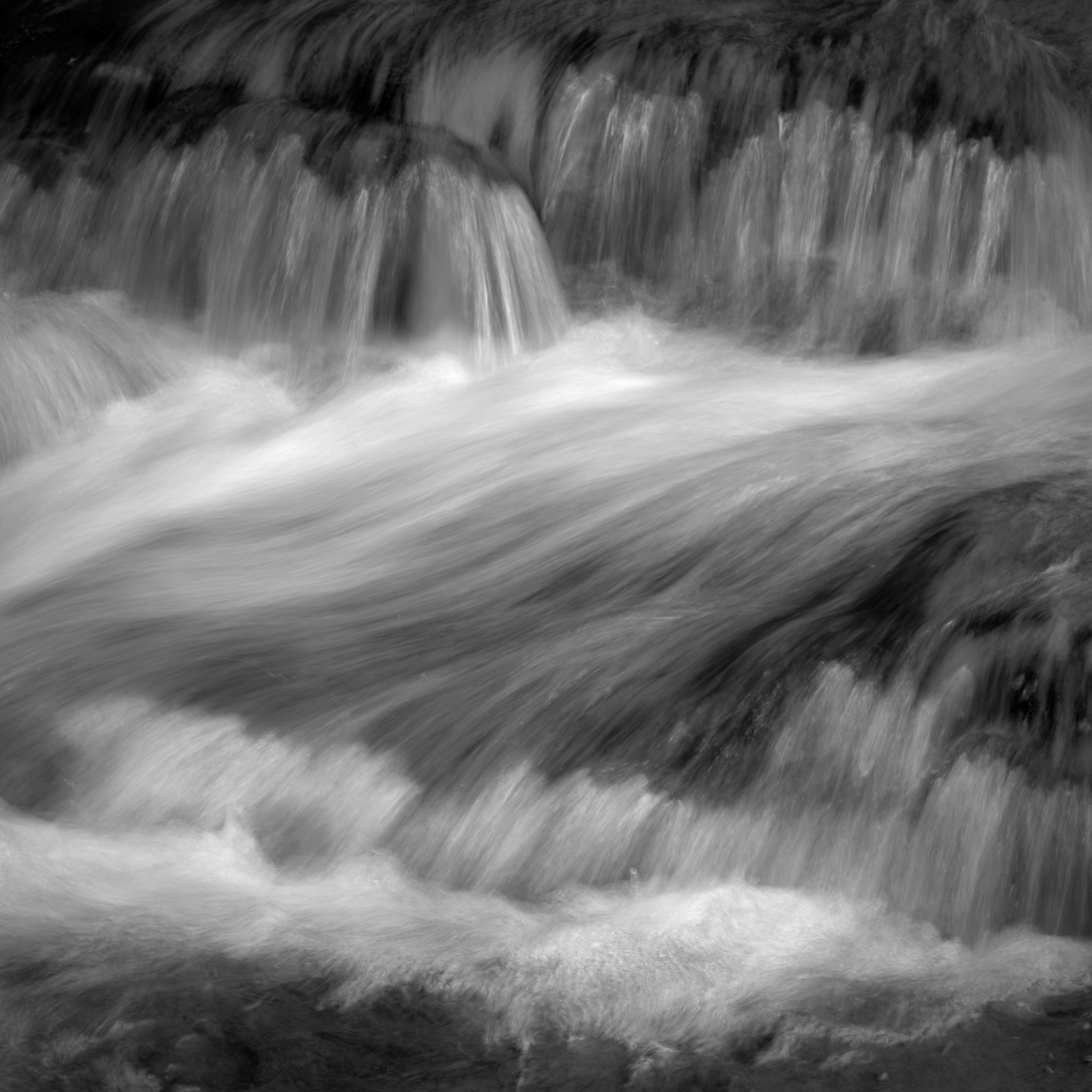
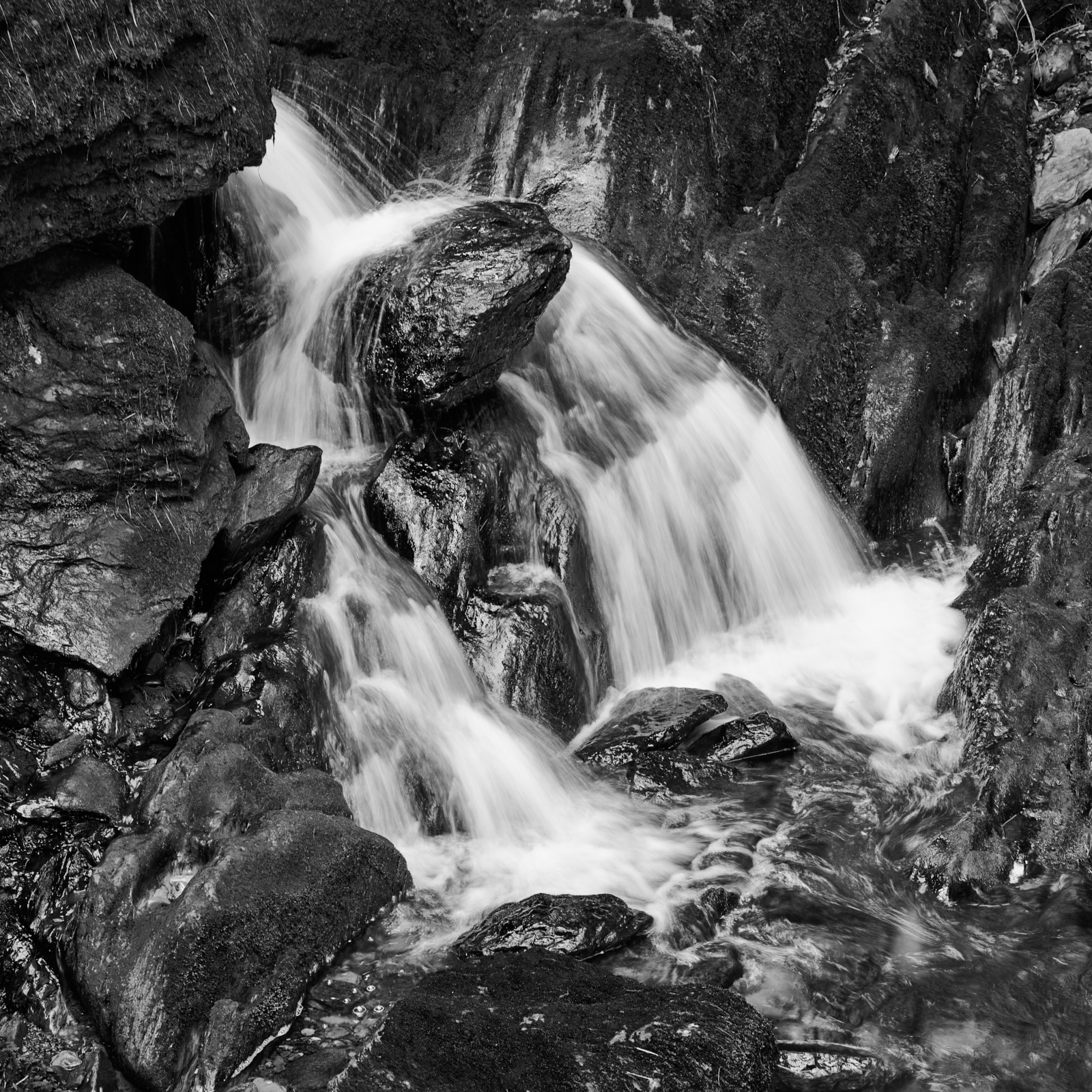
For the first time I feel I have done justice to the subject with these four images.

Finding a pleasing composition wasn’t always easy. I felt a single rock provided a good focal point for my eye to rest on, whilst the swirling and fast moving water engulfed the one static element in the image.

Sometimes I didn’t feel a focal point was necessary. The more abstract nature of the above photograph I think works because of the pleasing pattern and shape created by the way the water is flowing in different directions.

And lastly a more traditional image of a different waterfall of a large rock splitting the flow of water. The surrounding wet rocks serve as a frame. They add texture and form to the photograph which I think works well in monochrome.

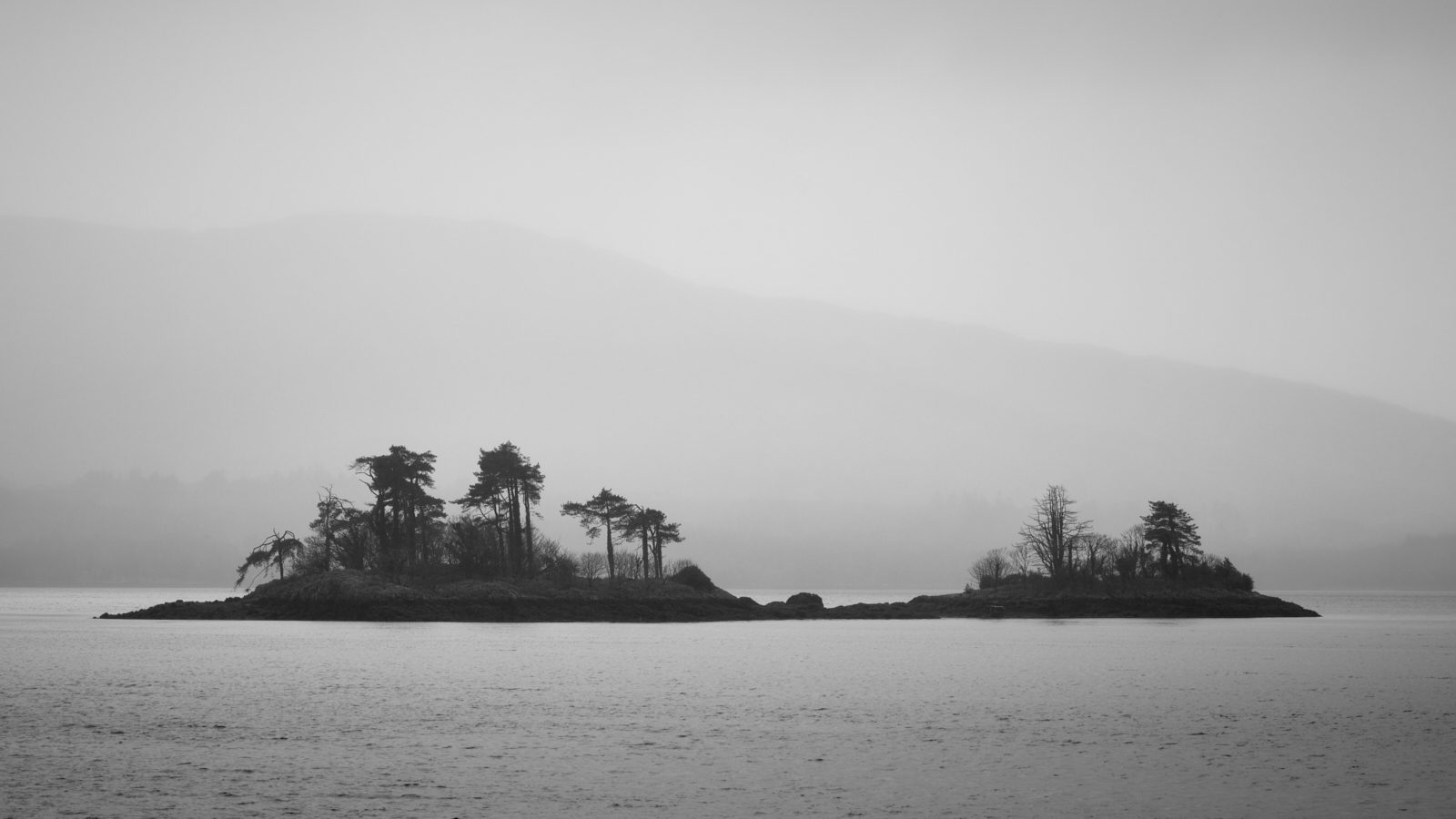
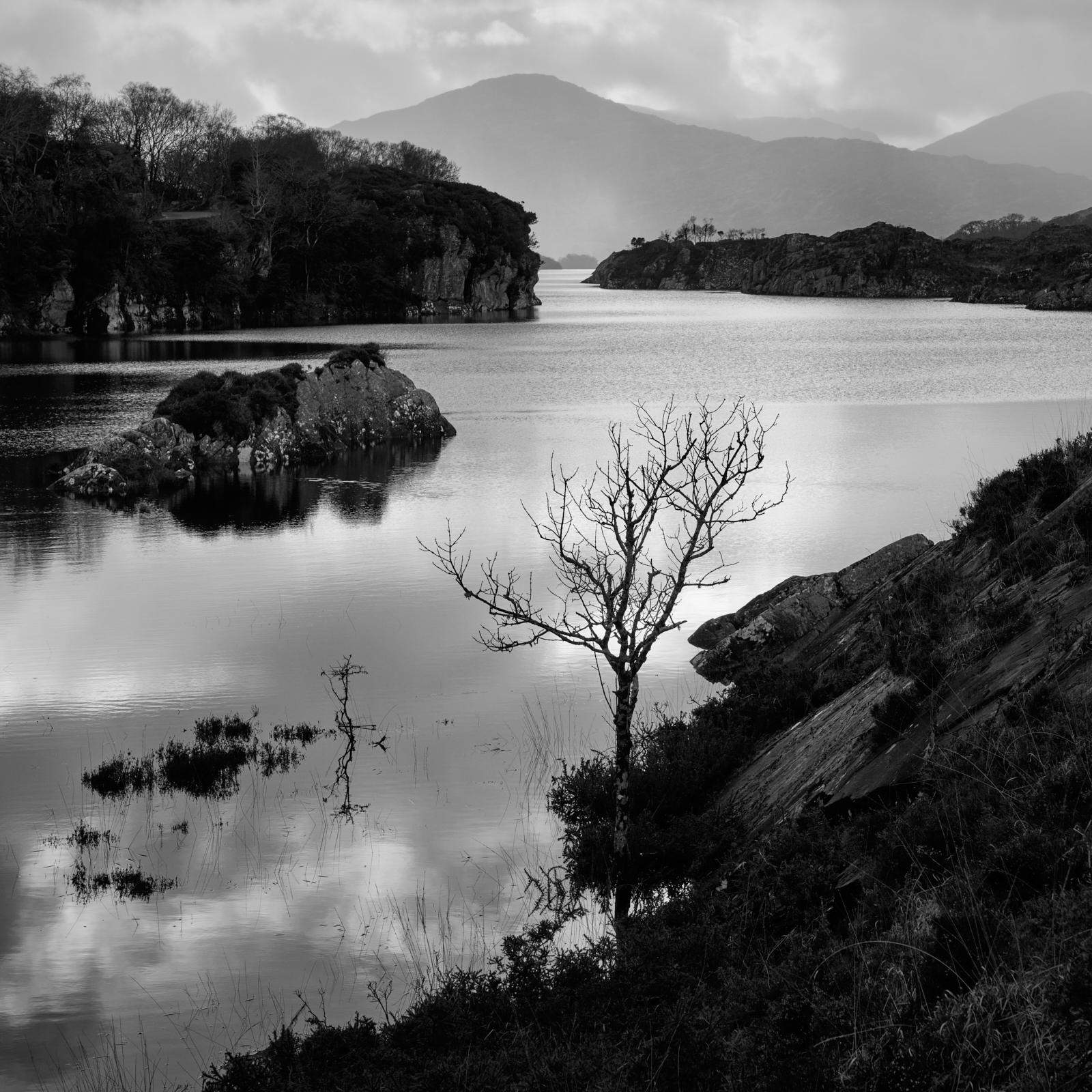
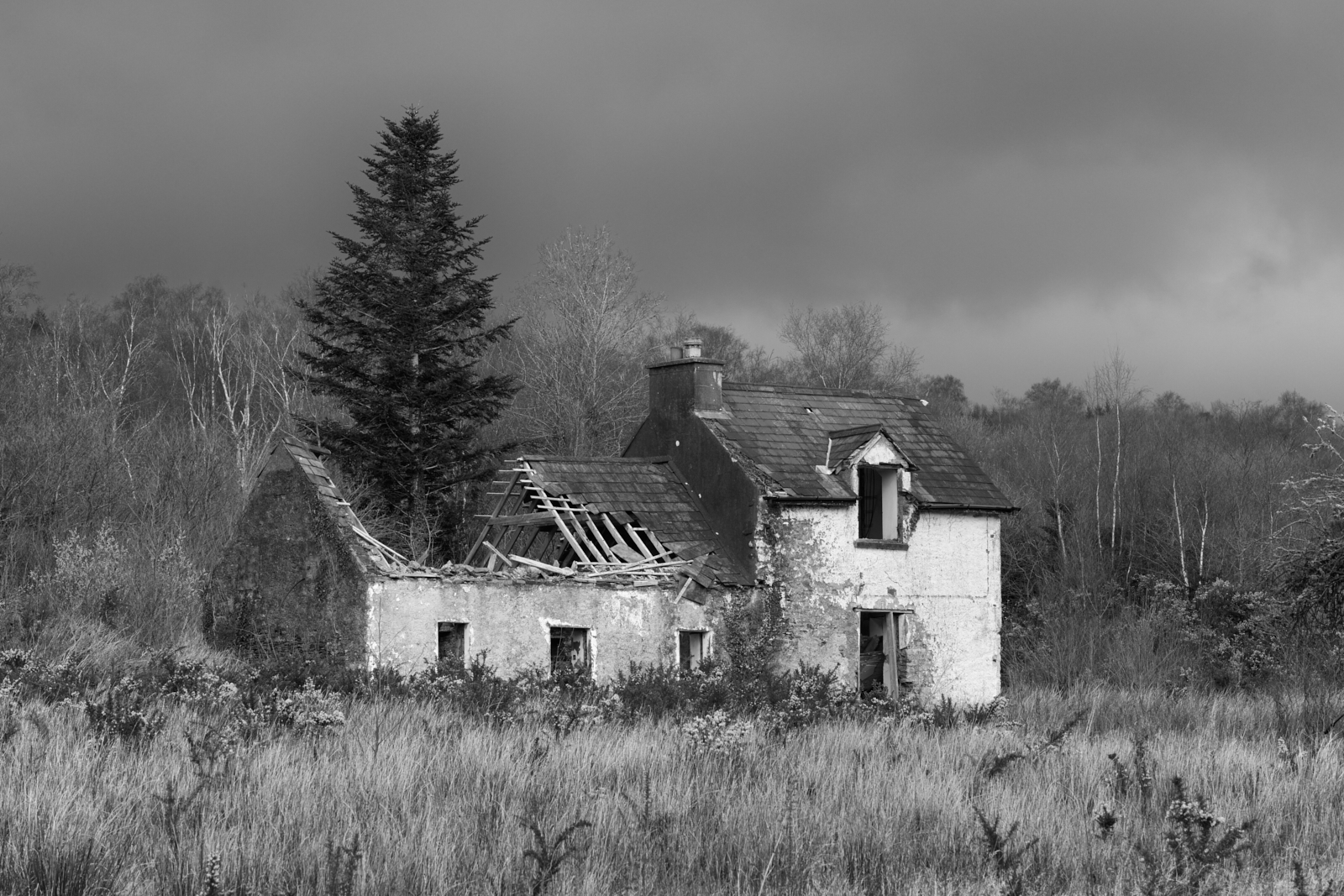
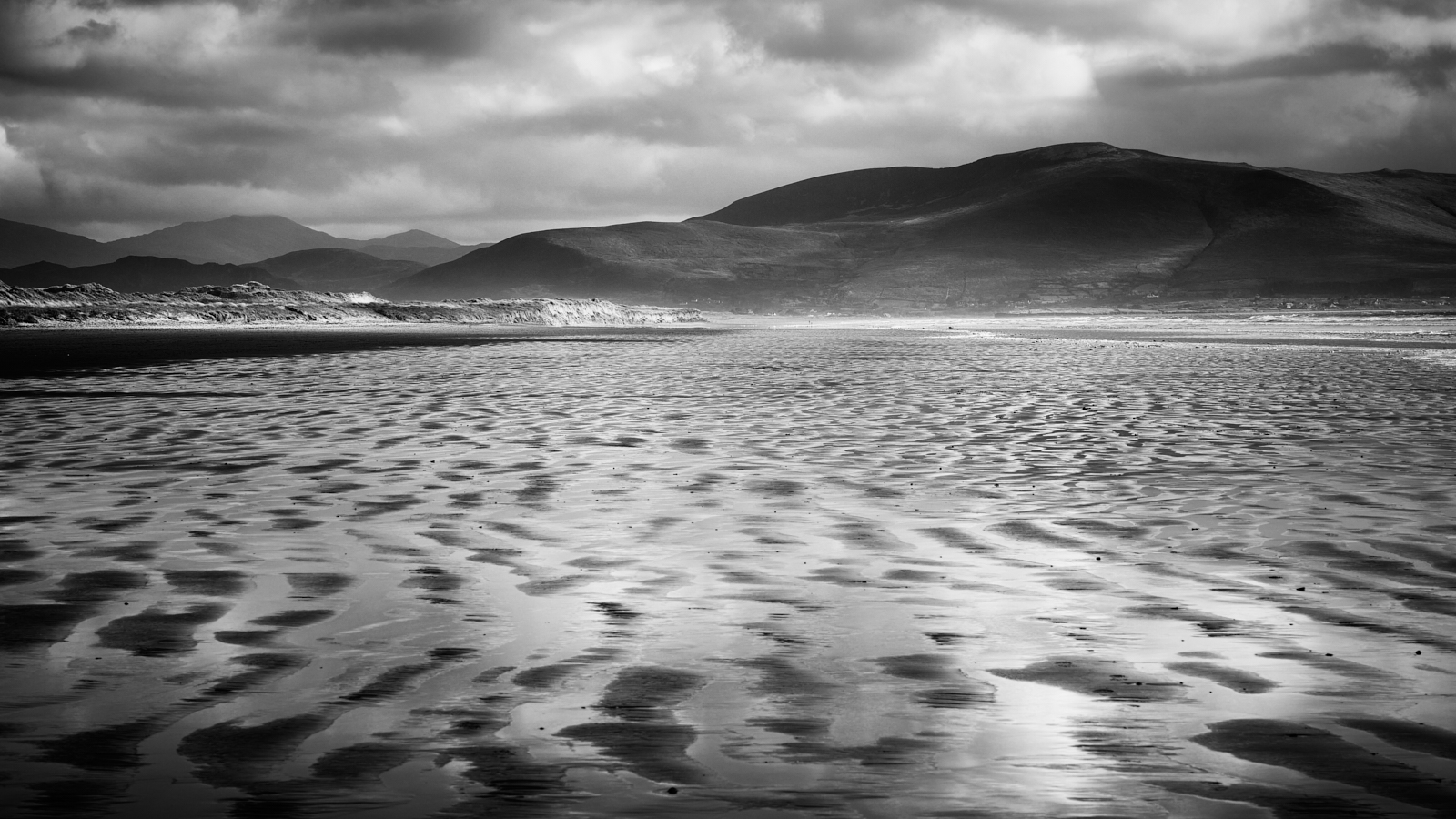
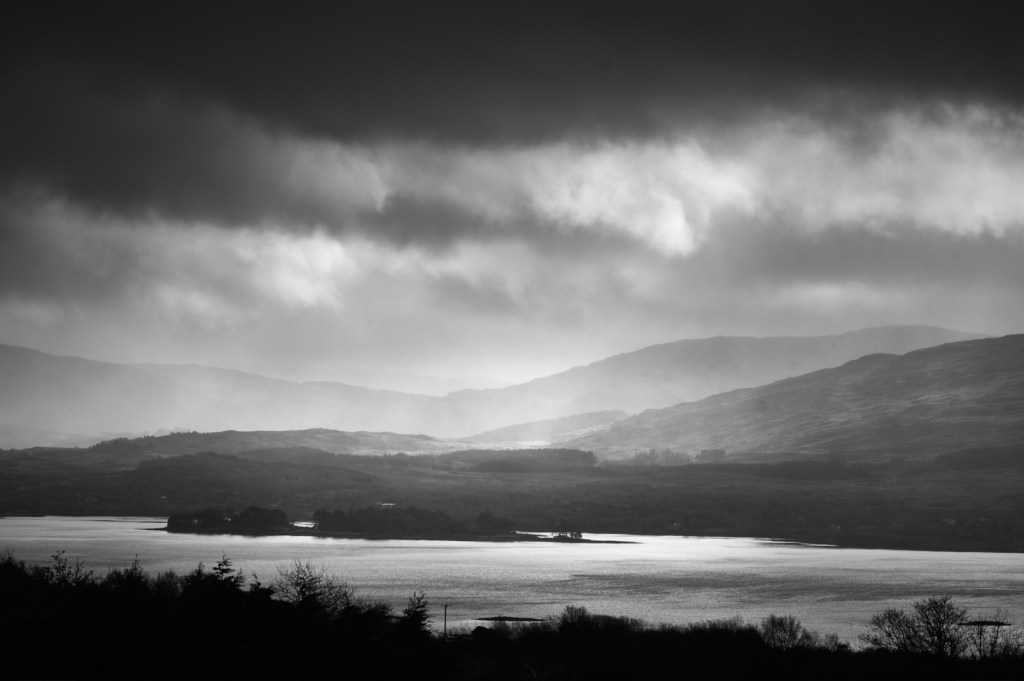
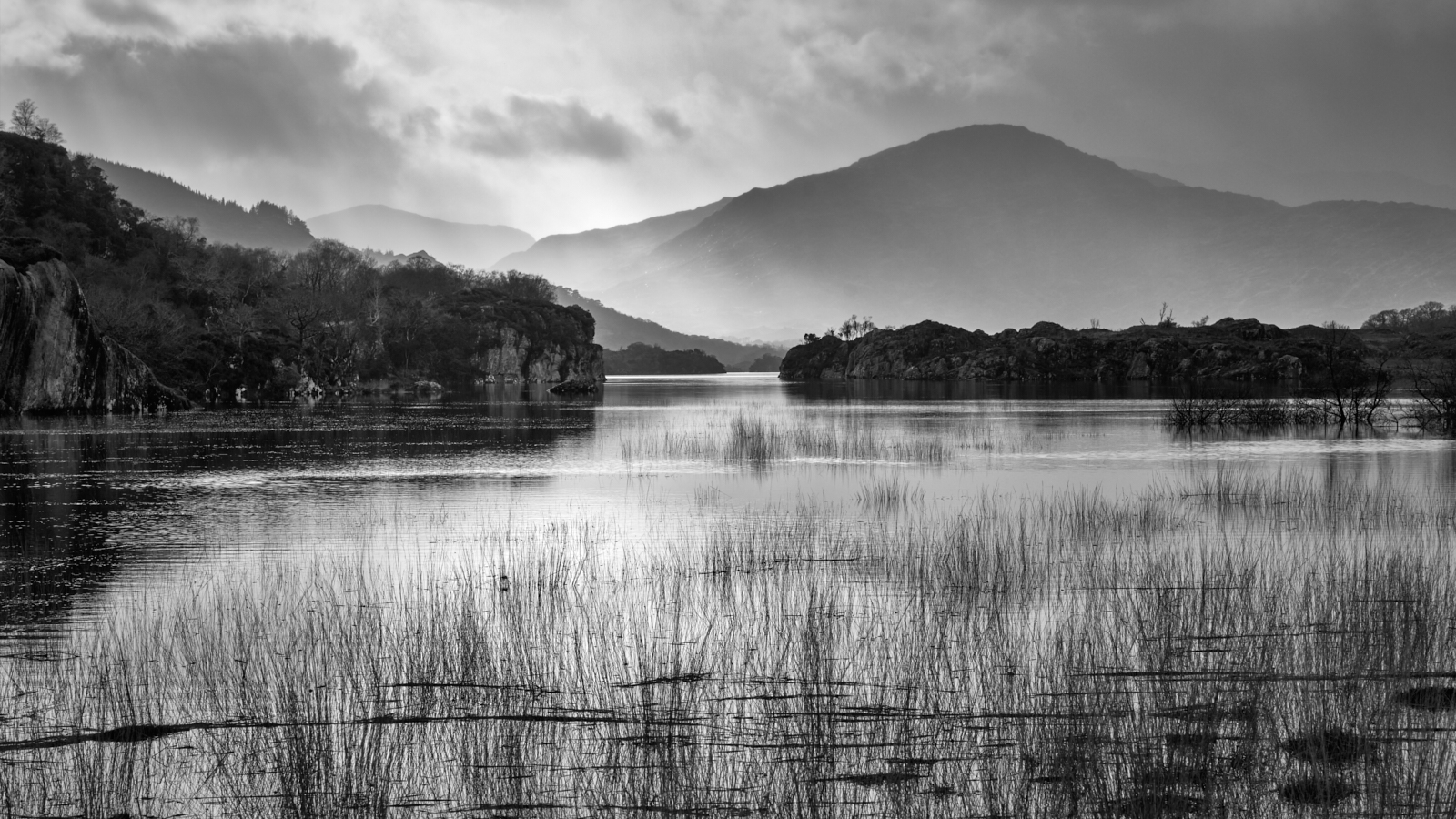
I have just returned home following a two week holiday in County Kerry, Ireland, the location for this set of images. It’s the first time my wife and I have visited the Emerald Isle. It was something of a gamble as we have endured a very wet winter in the UK and the weather was forecast to remain unsettled for the duration of our stay.

Undeterred, the conditions were promising from a photographic standpoint. Dark moody skies, dramatic light, skeletal winter trees and streams and rivers in spate.

I plan to share further images depicting the varied landscape of County Kerry in the very near future.