Slow down ….. it’s time to stop, think and enjoy the journey
There is a familiar saying which states – “Appreciate the journey, not the destination.” I have been giving some thought to this phrase recently and in particular how it might relate to photography.
The journey could be a very short one. A photo taken on a smartphone and instantly shared on Instagram or some other form of social media, might take no more than a few seconds from capture to publication. The image itself could be a very good one but has the photographic ‘journey’ been one of pleasure and satisfaction? I somehow doubt it and I suspect the endorphin rush is more likely to come from the number of likes attained from followers, who may only have observed the image for a second or two before scrolling and liking the next upload. It’s not exactly life enhancing is it?
I have been a serious hobbyist photographer for over 15 years, almost exclusively making images in black and white. The end result, i.e. the finished image or destination, is of course important to me but increasingly it’s the process or the journey which gives me the most enjoyment and satisfaction.
To maximise the pleasure of the journey it’s essential to slow down and give more consideration to the subject being photographed and the method of capture. The American photographer Minor White once said;
“When you approach something to photograph it, first be still with yourself until the object of your attention affirms your presence. Then don’t leave until you have captured its essence”.
If this is true, and I believe it is, a quick snap posted on social media doesn’t qualify does it? In other words, the time taken, and the consideration and deliberation given, all need to be part of the process. The camera might even stay in the bag until the composition has been visualised and the story behind the image has been thought about. The journey can then continue as the camera and chosen lens are positioned and set. Quite recently I have started using a tripod which definitely slows me down. I always considered a tripod to be a hindrance and now I think in certain situations it’s a valuable tool which helps to enhance the journey.
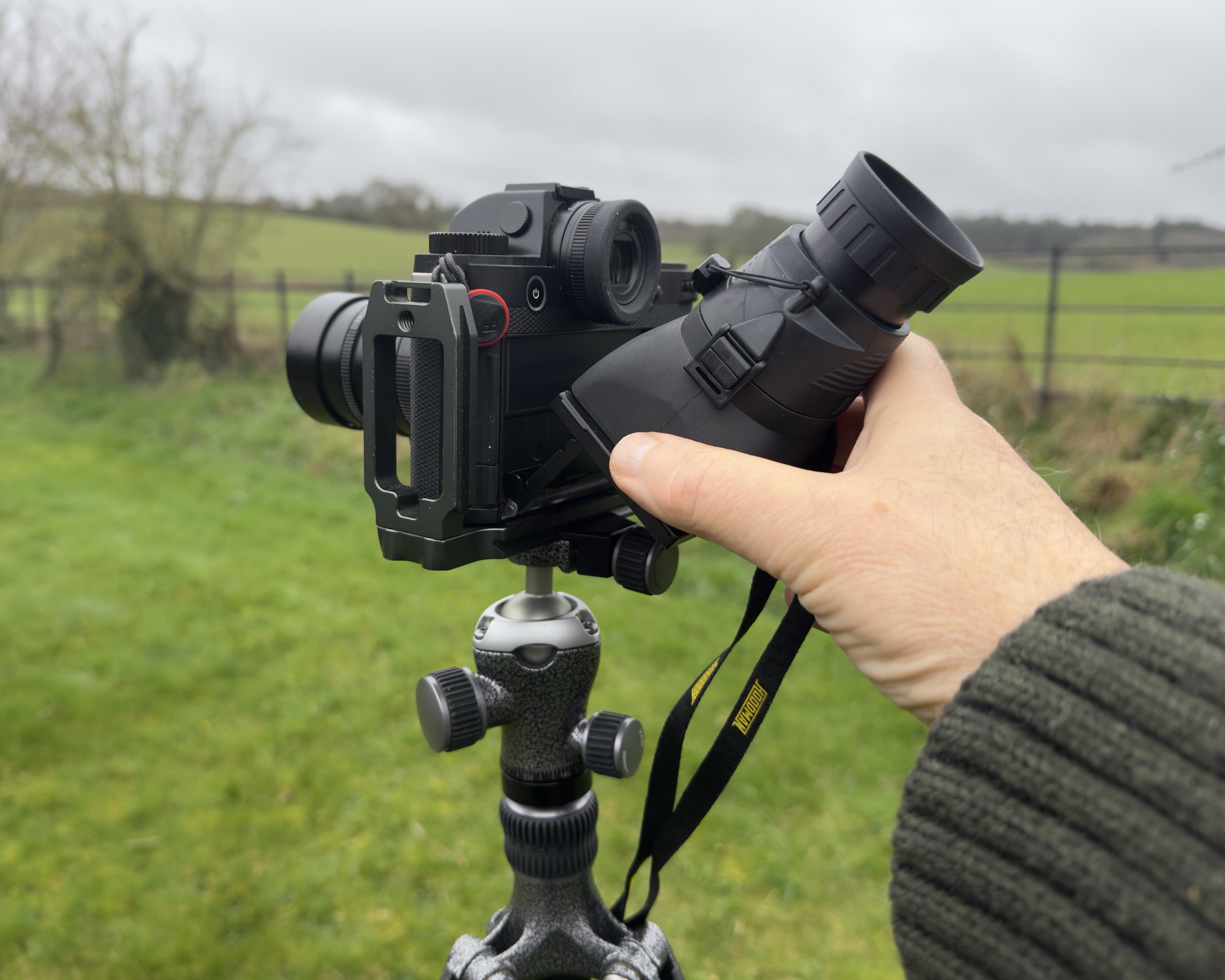
The other piece of equipment I bought recently is a Hoodman Hoodloupe. It’s quite a simple thing, well made and designed to shield the light and all unwanted reflections. You can look at the LCD in bright conditions to check focus and composition. It has glass optics and a diopter giving a very clear view although the image can be a little less well defined around the edges and in the corners. The very action of reviewing an image in playback mode using this loupe has, like the tripod, slowed me down. I have to say the whole process is more immersive and enjoyable as a result.
Using this method might mean that I take several minutes capturing a single frame. It could even be as long as 5 or 10 minutes from seeing to final capture. Longer of course if I have to wait for the right light. With digital I instantly know whether or not the result is any good as I can review the image on the LCD screen. I could turn this function off but why would I? I might wish to retake the photograph having made minor adjustments to the settings on the camera or the composition.
However I am now asking myself a question which might have serious implications – Would I enjoy the process even more if it took considerably longer? And I am talking days not minutes or hours. You can probably guess where this is heading.
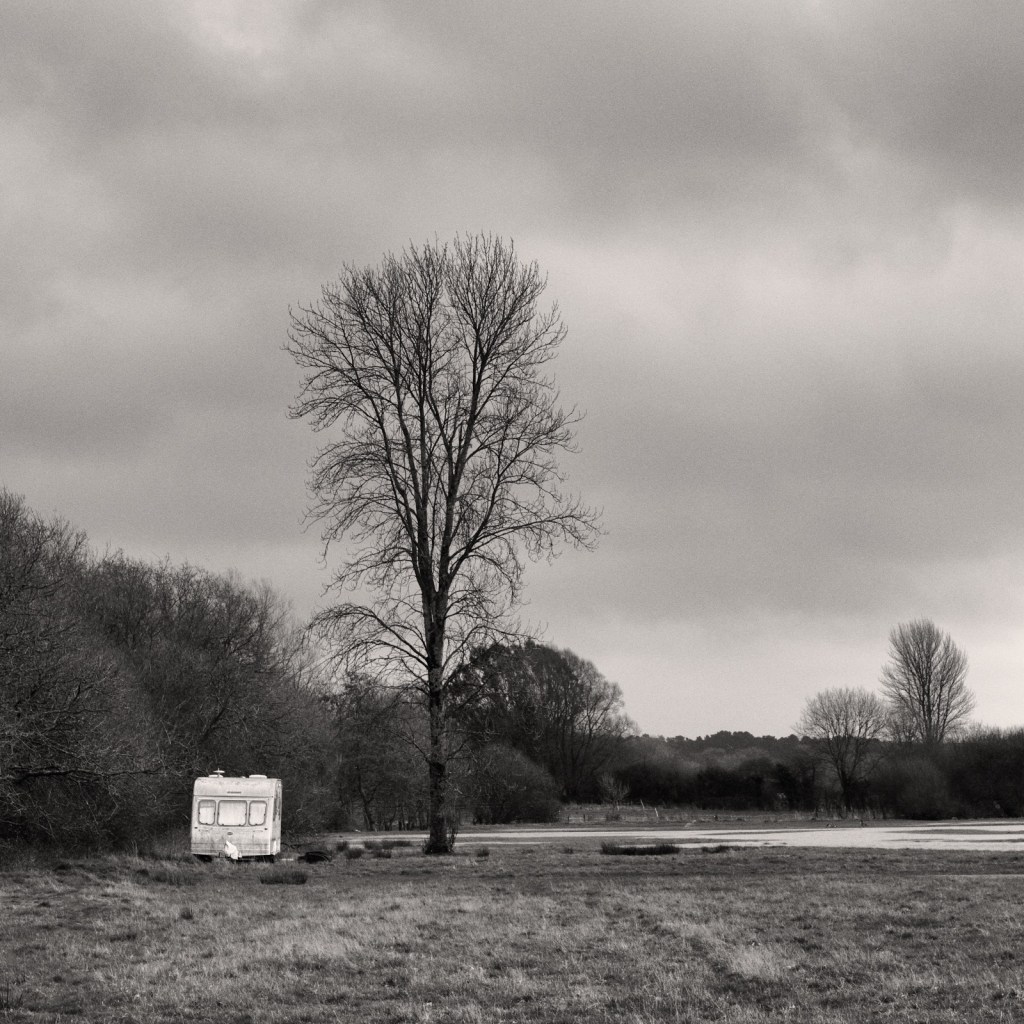
I have always been inclined to shoot fully manual. Selecting all my settings and focussing manually is my preferred way of working. I feel more in control. I’m not a fan of ‘auto this’ and ‘auto that’. In this sense I am quite analogue in my approach. I still work digitally though and have never used film, apart from in the 70’s and 80’s, when digital cameras didn’t exist of course.
So what if I acquired a film camera, possibly medium format and one prime lens to get me started? The cost of film and developing would have to be taken into account. I would probably need a light meter to help me get the correct exposure. The waiting game of a week or more would kick in before I would get to see the first glimpse of the results from a photo shoot. No more reviewing the results on the back of the camera immediately after the shutter is pressed. Even with the negatives in my hand they would need to be scanned as I would have no intention of printing my work in a darkroom using noxious chemicals etc. I would scan them myself, but it’s another step, another delay before the final image or print can be seen. However isn’t that the whole point of this discussion which is to enjoy the journey and not just the destination. After all patience is a virtue.
Would in fact a mediocre image made using film still give me as much pleasure as a showstopper made digitally because the immersive analogue journey could be so satisfying, challenging and enjoyable? There are downsides aplenty of course but I will never know if I don’t give it a try.
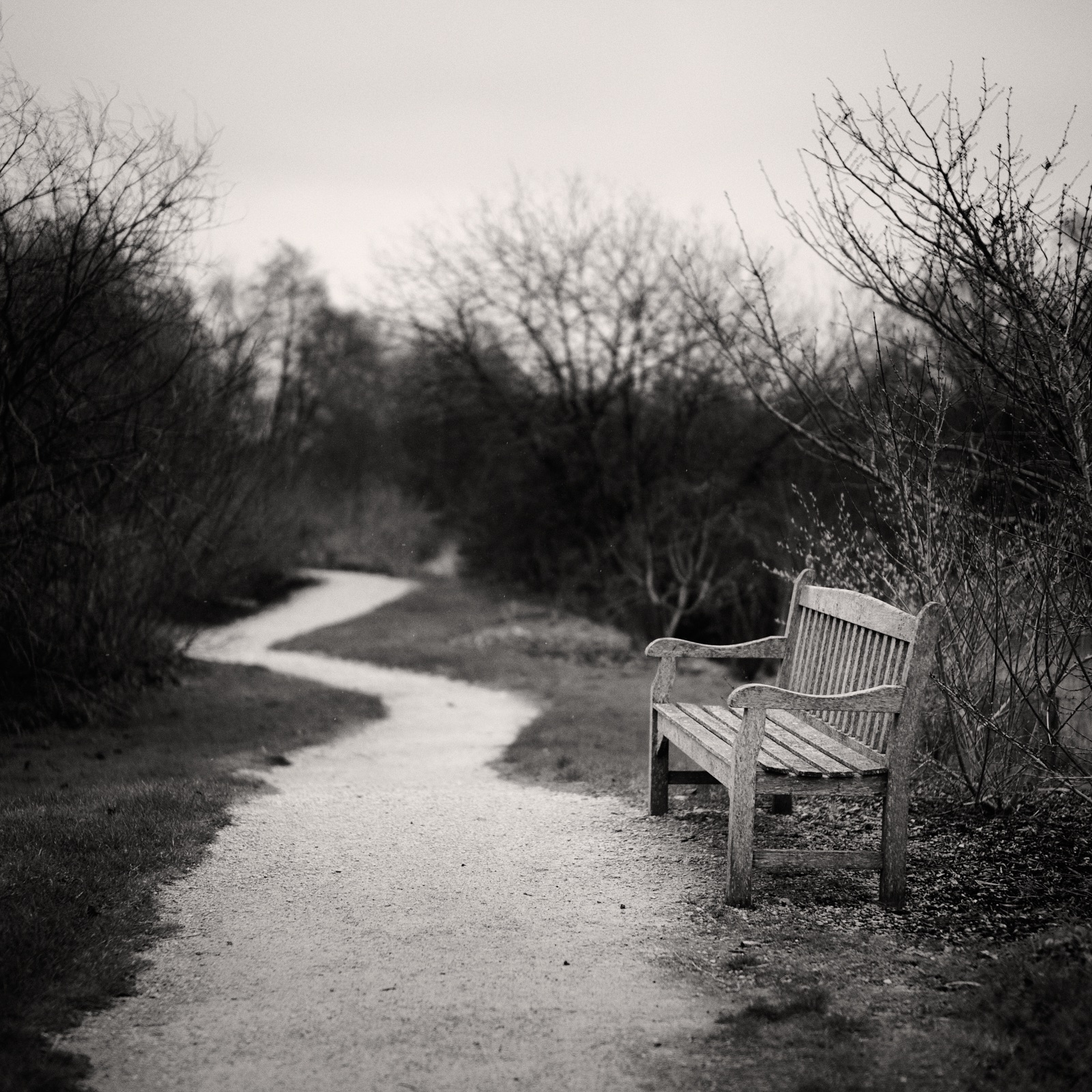
As yet I don’t have all the answers but in the meantime anything which slows me down and enhances the image making process is in my view a very positive thing.
Lastly I am reminded of an interview with Michael Kenna (a photographer I hugely admire) when in 2016 he was asked what he did when taking very long exposures.
In his reply he said –
I’m often asked what I do during long exposures, which can go on up to 12 hours. Apart from the obvious answer – sleep – I return the question: “Why do we need to do anything?”
It reminds me of that lovely saying, “Don’t just do something – sit there.” It is a rare luxury to have the time to appreciate the present, to watch the stars trace through the sky as our planet moves, to witness a full moon slowly rising or setting…
Doing nothing, just observing nature and the passage of time sums things up rather nicely. It’s all part of learning to appreciate the journey and not the destination.
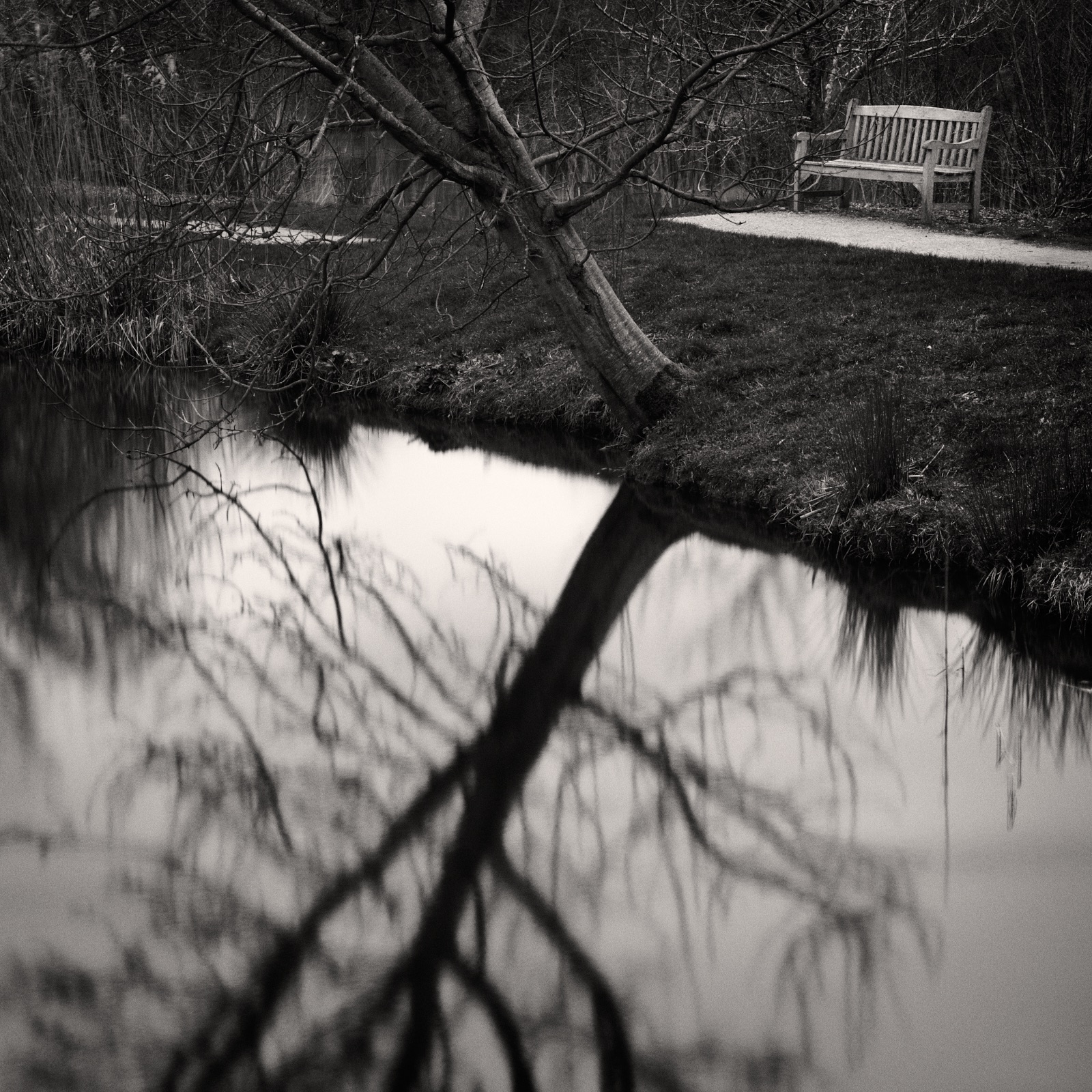
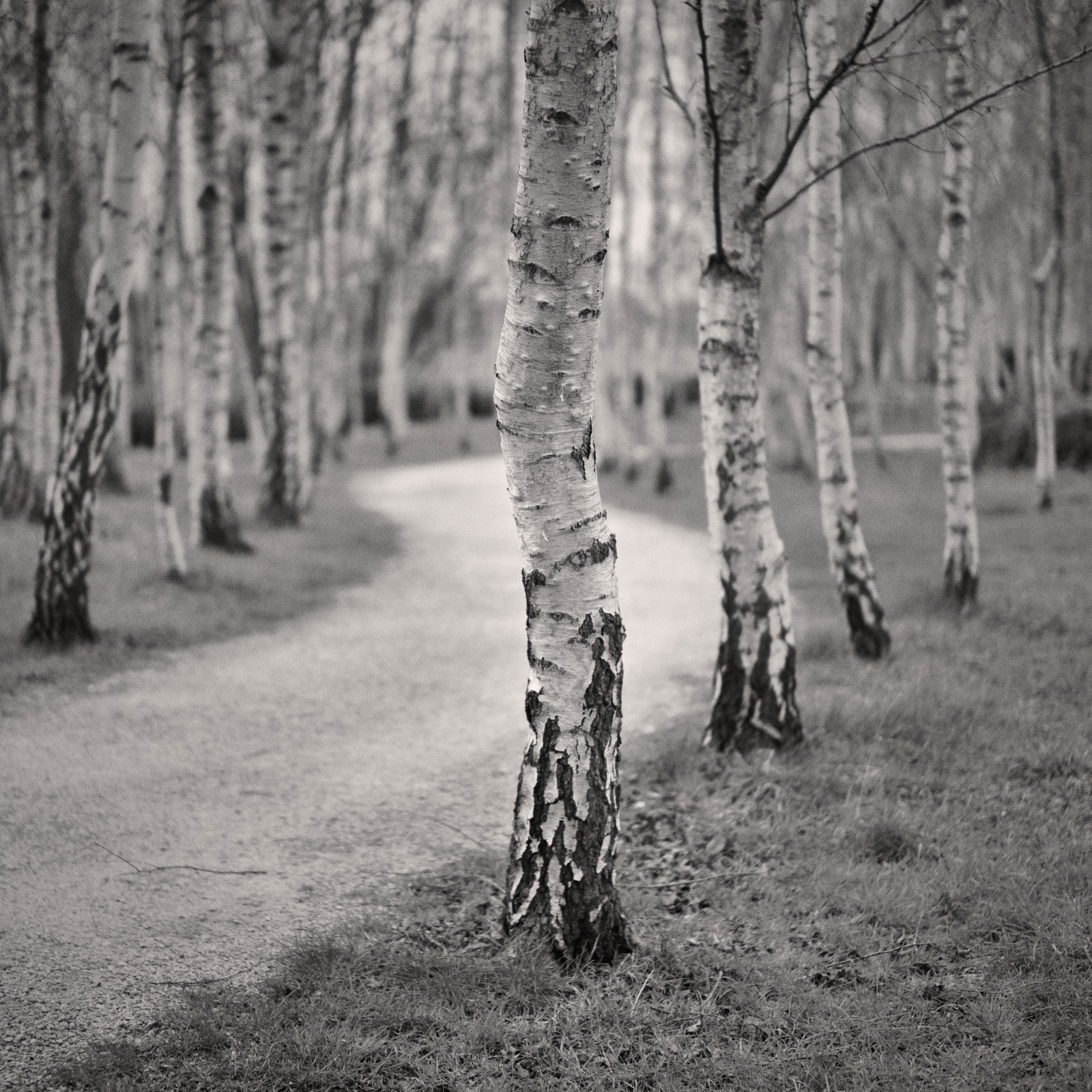
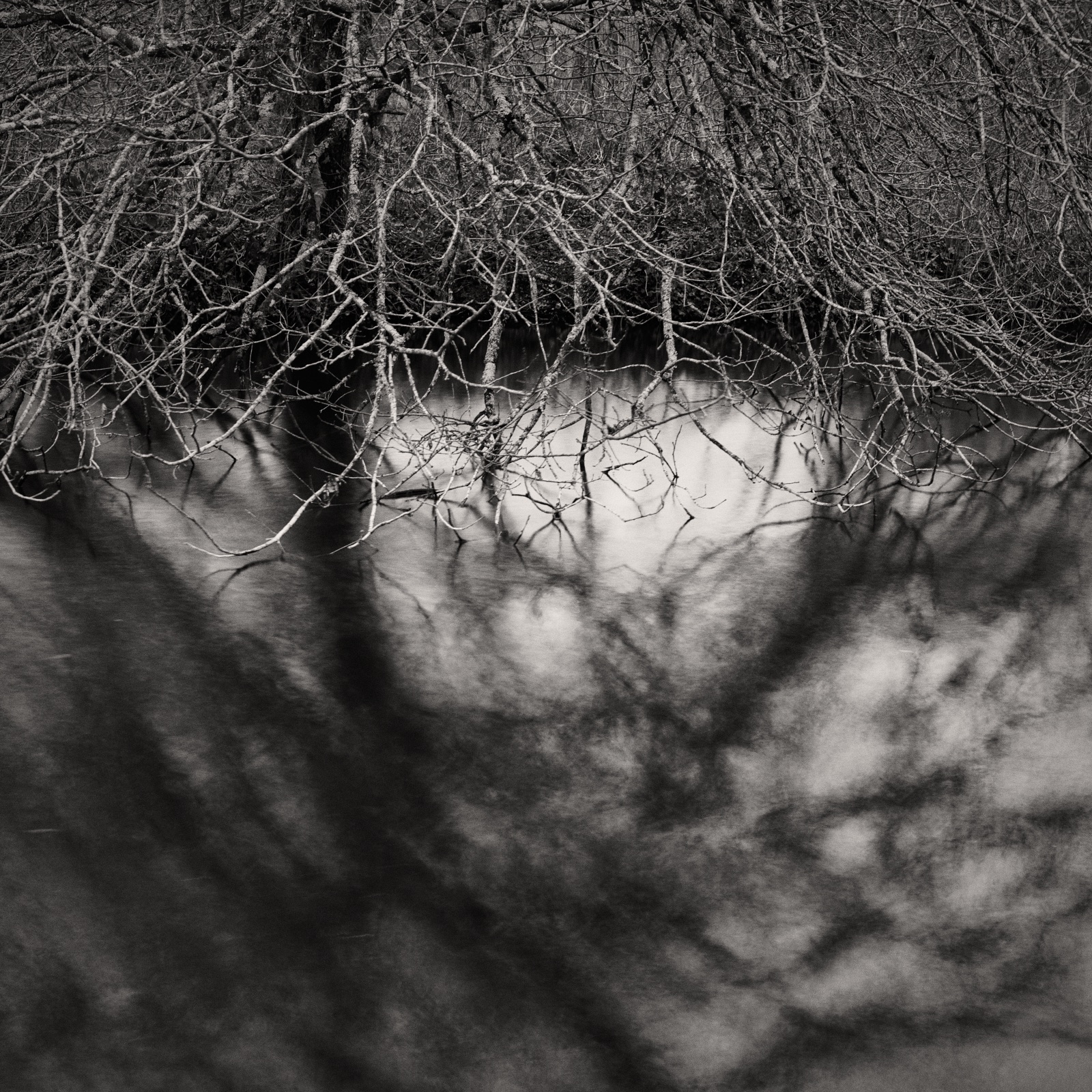
(All the photos in this post were captured in the past week using a tripod and reviewing the images with the Hoodman Loupe. The journey definitely gave me time to ponder and ask myself where my photography might take me in the future ……. to be continued!)
 alan frost photography
7 Responses to “Slow down ….. it’s time to stop, think and enjoy the journey”
The birches image is a lovely high key. As for your mindful change in approach to photography – I think we all need to challenge ourselves. Doing things differently forces us to think differently. In the last few years I’ve enjoyed adding birds to my scenes. They add so much vitality. However, I have had to learn to be sharper, quicker and more focused to accept the rapid changes. So I think there are many ways to enhance our photographic experiences. All of them are good.
LikeLike
Thank you for commenting. I agree entirely – we all need challenges and to change the way we think, to learn new skills and develop our craft. Mistakes will happen on the way but if you never try anything new through fear of falling, life would be very dull.
LikeLike
Being a 99% film photographer, I would definitely encourage you to give it another go, for the reasons you state and others. I’m not much of a medium format person, but I can see that it would likely appeal to you. The issues which have kept me away from medium format (to an extent, not totally) include size and weight of the cameras, the almost universal lack of a TTL meter, and the waist level finder. Lots of people love the latter, but I have always found the left-right inversion hard to come to grips with, particularly when moving the camera to set up a frame. (Tripods or even a monopod helps here.) Some cameras come with optional prism finders, some with a built-in meter, but these increase the weight even more.
Basically there’s tons of choice, and lots of advantages/disadvantages to consider. The lenses however, are usually very good (helped by the larger negative size) I have my late father’s Zeiss Ikonta 524/16 and a Minolta Autocord (both 6×6), but my favourite is my Fujica GS645S, a rangefinder (metered but not TTL, cue a percentage of blank frames taken with the lens cap still on!). Anyway, I can say that, for me, delayed gratification is definitely a bonus!
LikeLike
Many thanks Chris for your comment and your helpful advice. Although I’m leaning towards medium format I will do some more homework before final committing. The more I consider the idea of film photography the more it appeals to me. Watch this space!
Thanks again.
LikeLike
You definitely need some film camera or maybe a few – there are many formats and types of analog media and most of people never stop with only one 135 or 120 🙂 But sure it really slow down our run and the look through the viewfinder became the only possible option 🙂
LikeLike
Thanks Victor …. Still considering the many options available. Leaning towards 120 but no decisions made yet.
LikeLiked by 1 person
Good luck Alan.
LikeLike