Posts tagged ‘Wales’

Cwmorthin slate quarry in Snowdonia – the lower section

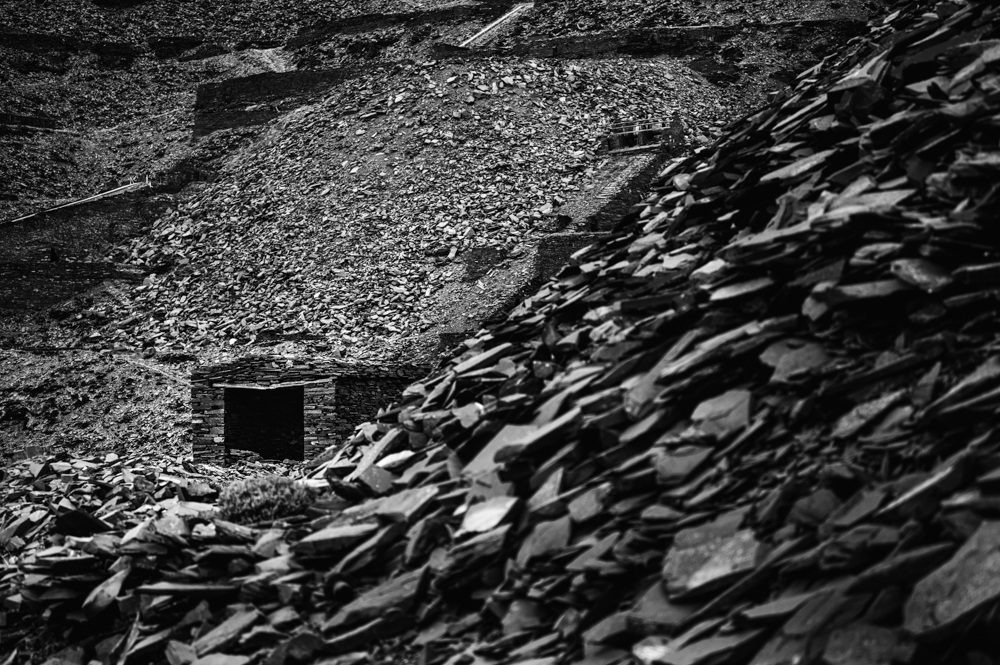
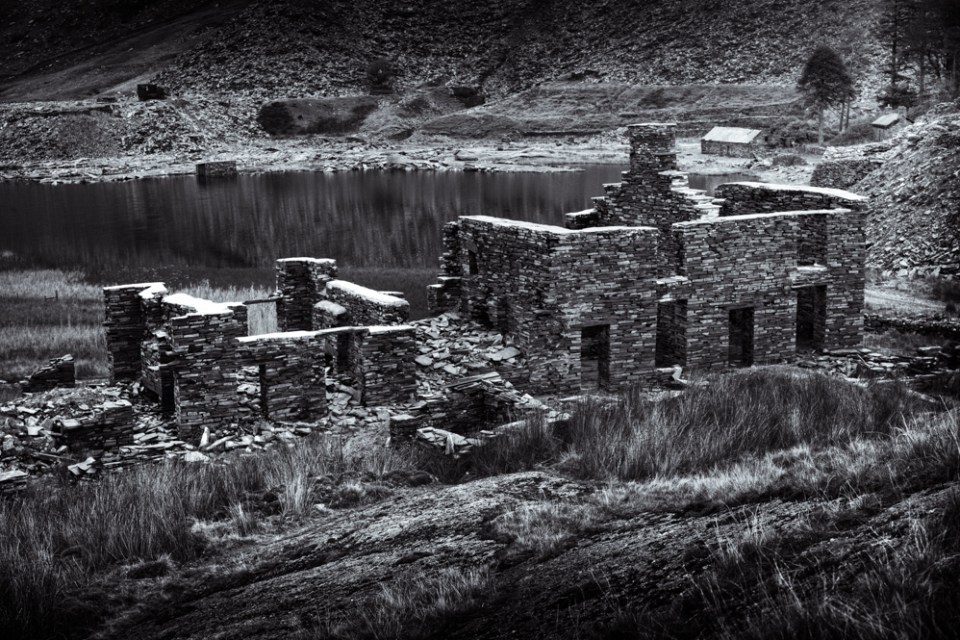
Cwmorthin Quarry – a bleak and now lonely place – previously a place of great activity, endeavour and danger, as miners went about their difficult and very physical work in many miles of dark, wet tunnels below the surface. As I sit at my desk in a warm, well lit room, with a hot cup of tea for sustenance, typing these words on a Mac keyboard, I find it very hard to imagine what life would have really been like for the people who lived and toiled here many decades ago.


20151031-L1000073-Edit


Cwmorthin is a substantial Victorian-era slate mine above the village of Tanygrisau, close to the town of Blaenau Ffestiniog in North Wales. Having left my car in a small car park, I together with a few other photographers walked up a fairly steep incline until we reached Llyn Cwmorthin, a lake overlooked by some derelict buildings which at one time were the barracks for the mine workers. Work on the mine first began in the early 1800’s, with heavy underground development starting around 1860. Some access to the mines is still possible but I for one was very happy to stay above ground, take in the atmosphere, and try and reflect my feelings for this harsh environment through my photography.

Although mine workings largely came to an end in 1970, some small scale mining still took place in the 80’s and 90’s eventually ceasing altogether in 1997. Flooding in mines was always a problem, so large pumps were used to remove water from the many miles of tunnels on a number of floors. Wall and roof failures were a constant hazard for the mineworkers and it’s of no surprise that numerous chambers have collapsed preventing access to large parts of the mine.

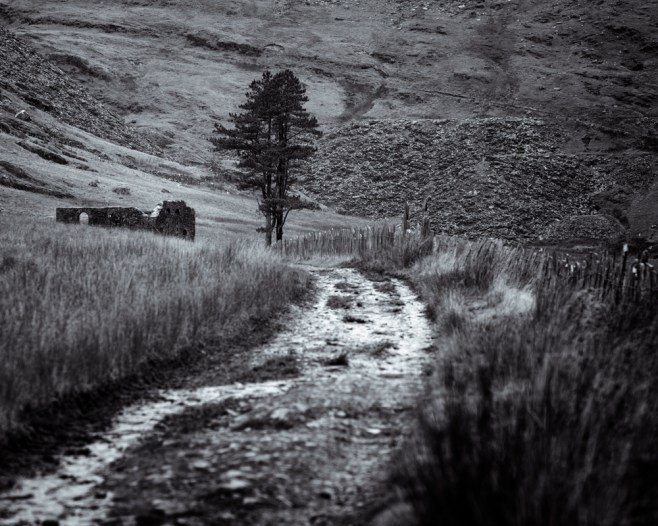
The photographs in this entry were taken either by the lake or along a wet and stoney footpath, lined by a slate fence, which took us past a chapel with only a pair of conifers for company. Sadly the roof had been removed from the chapel in fear I guess that it might collapse and be a danger to visitors. Later we climbed a long and fairly steep path to the upper section of Cwmorthin Quarry and this will feature in a future entry.

 

20151031-   L1000207


20151031-L1000175-Edit


20151031-L1000210


20151031-L1000081-Edit


Dinorwic slate quarry – a harsh and inhospitable place.

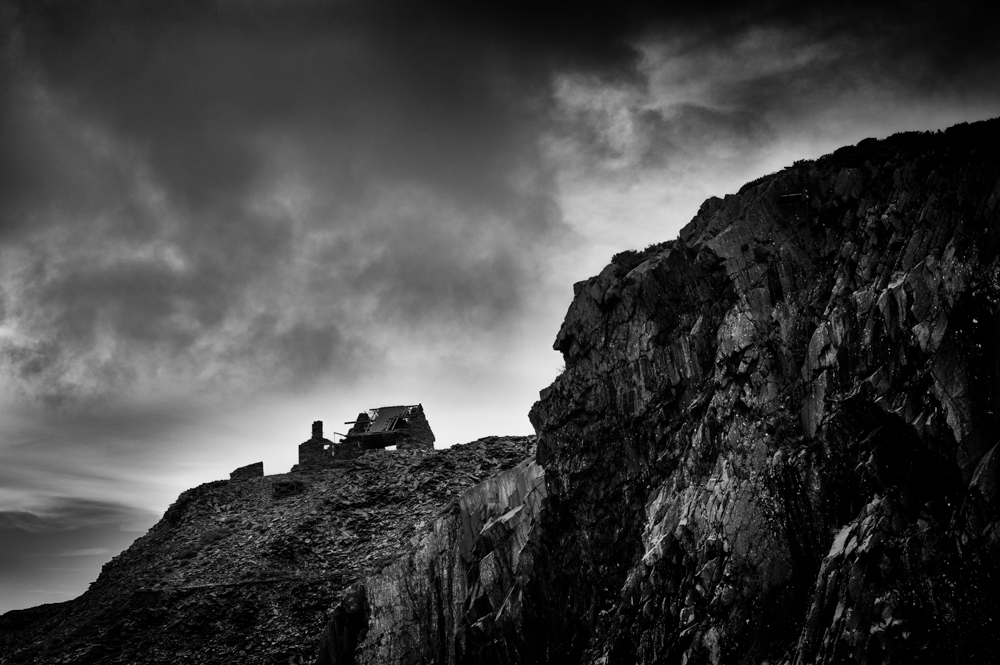
This is a foreboding place. A harsh environment, full of drama and atmosphere. Now redundant but not forgotten. Dinorwic Slate Quarry in Llanberis covers a vast area with the mountains of Snowdon as its backdrop. Closed in 1969 after 170 years of slate extraction, it was once the second largest slate quarry in the world. It was a dangerous, dirty, unhealthy place to work and whilst the workers were skilled, they were also poorly paid.

On my recent visit the rain kept away, but the wind blew and I could only stop and try to imagine what conditions must have been like for those that toiled in such an inhospitable climate, day after day, week after week, year after year.


Whilst Dinorwic Slate Quarry is hardly a place of ‘picture postcard’ beauty, it does have a beauty all of its own, which I like. It’s a place with history, it has a story to tell and what’s important to me is that my photographs have something to say about the location and are not just ‘record’ shots.

Taking the shot is just one step along the path to the finished result. The making of the image is in the processing. It’s only at this stage that I can start to make some creative decisions as to how I would like the picture to be seen by the viewer. Does the image convey any emotion? Does this series of images help tell a story, so that words are hardly necessary? I would like to think the answer is ‘yes’ to both these questions, but I would be interested to hear your thoughts on this as well.

To see more detail in any of the photographs, do click on an image to see a larger version in a new window.

Thanks as always for stopping by and looking at my blog.


Mist and missing Capel Curig – Happy New Year!

20151103-L1000868


This will be my last post of 2015 and hopefully it’s a fitting end to what has been a thoroughly enjoyable year of black and white photography.

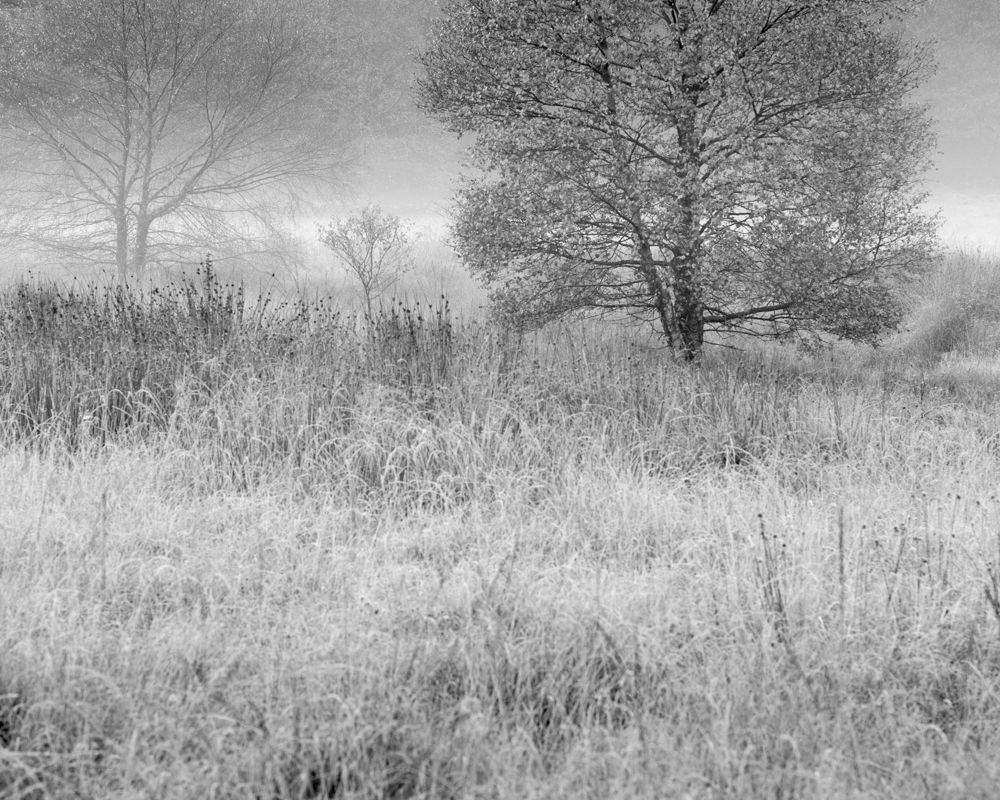
The five images in this entry were all taken on the last morning of my stay in Capel Curig, Snowdonia in Wales at the beginning of November. Although the mist was very atmospheric, (isn’t it always) I had been hoping for some early morning sun to break through. Although this didn’t materialise, I am still happy with the results of an hour spent in a field immediately opposite where I had been staying, for what proved to be a great introduction to this part of Snowdonia. I don’t have any New Year resolutions but I do know that I want to return to this beautiful part of the UK in the not too distant future.

Until then may I take this opportunity to thank everyone who has visited my blog, and liked or made comments about some of the entries. I am always very grateful for the feedback, it’s much appreciated.

Have a very happy New Year and may 2016 bring you peace and good health; and if you are a photographer like me, I hope you will be inspired to take some fine images in the year ahead.


20151103-L1000843


20151103-L1000833


20151103-L1000860


20151103-L1000815


To fully appreciate each image do click on the picture to see an enlarged version which will open in a new window.


The old A5 – Nant Ffrancon valley in Snowdonia

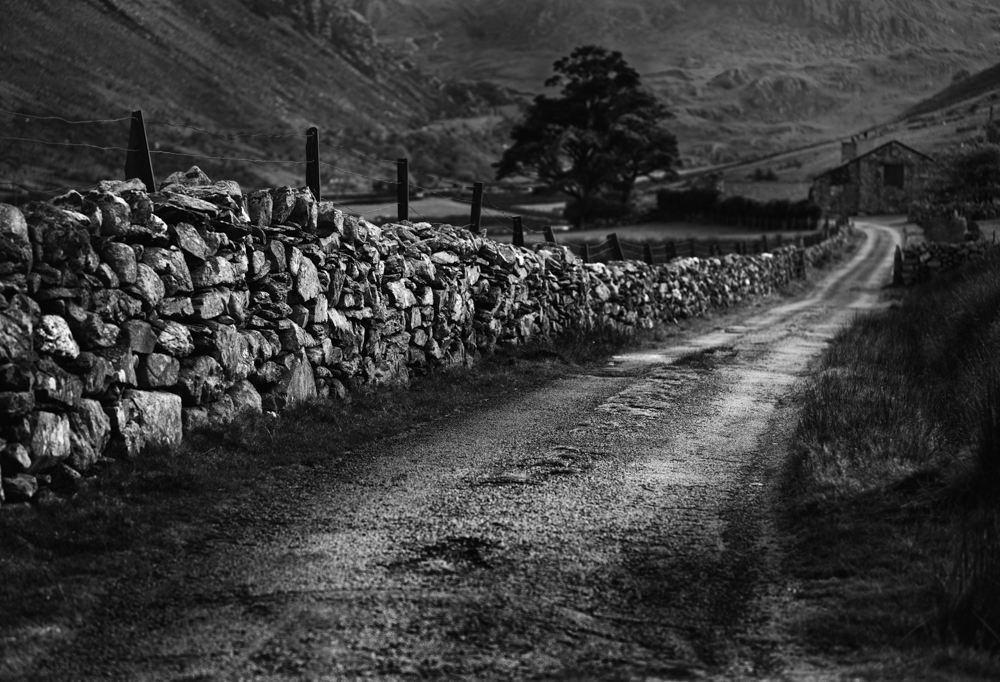
The road from the western end of Llyn Ogwen to Bethesda in Snowdonia passes though the deeply glaciated valley of Nant Ffrancon. Now a typical ‘A’ road the original road featured in this post is a single track road with just a few passing places. It is rarely used so parking is not really a problem. You just stop in the middle of the road and hope that no vehicles come along while you jump out of the car and take a few photographs.

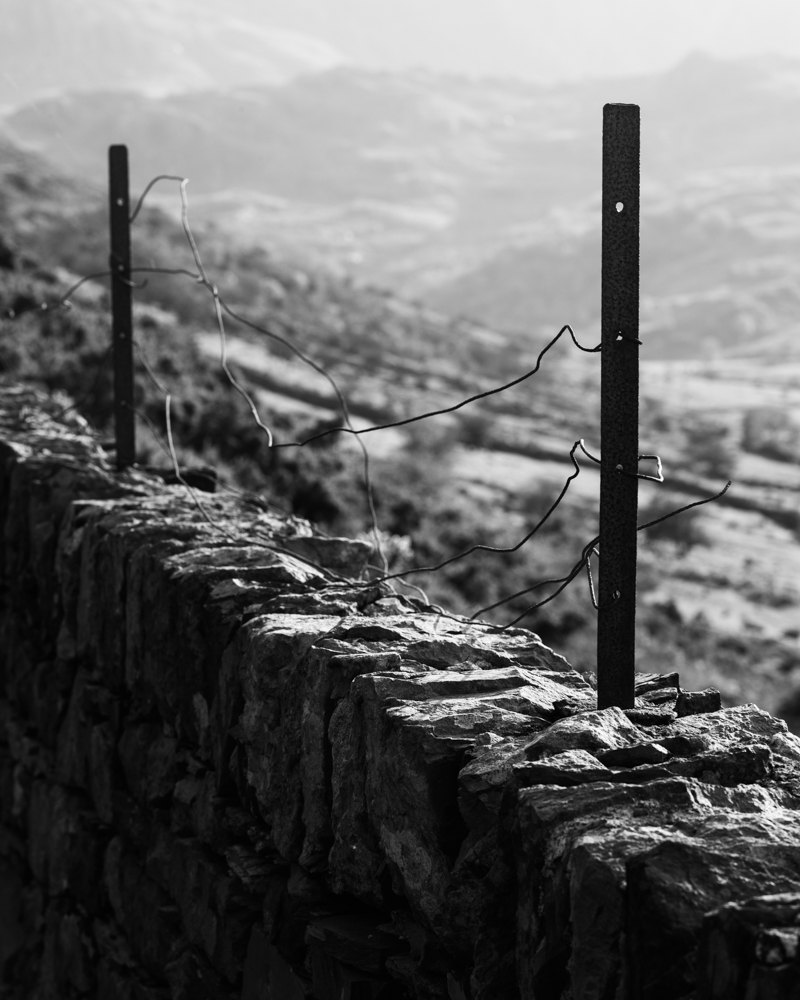
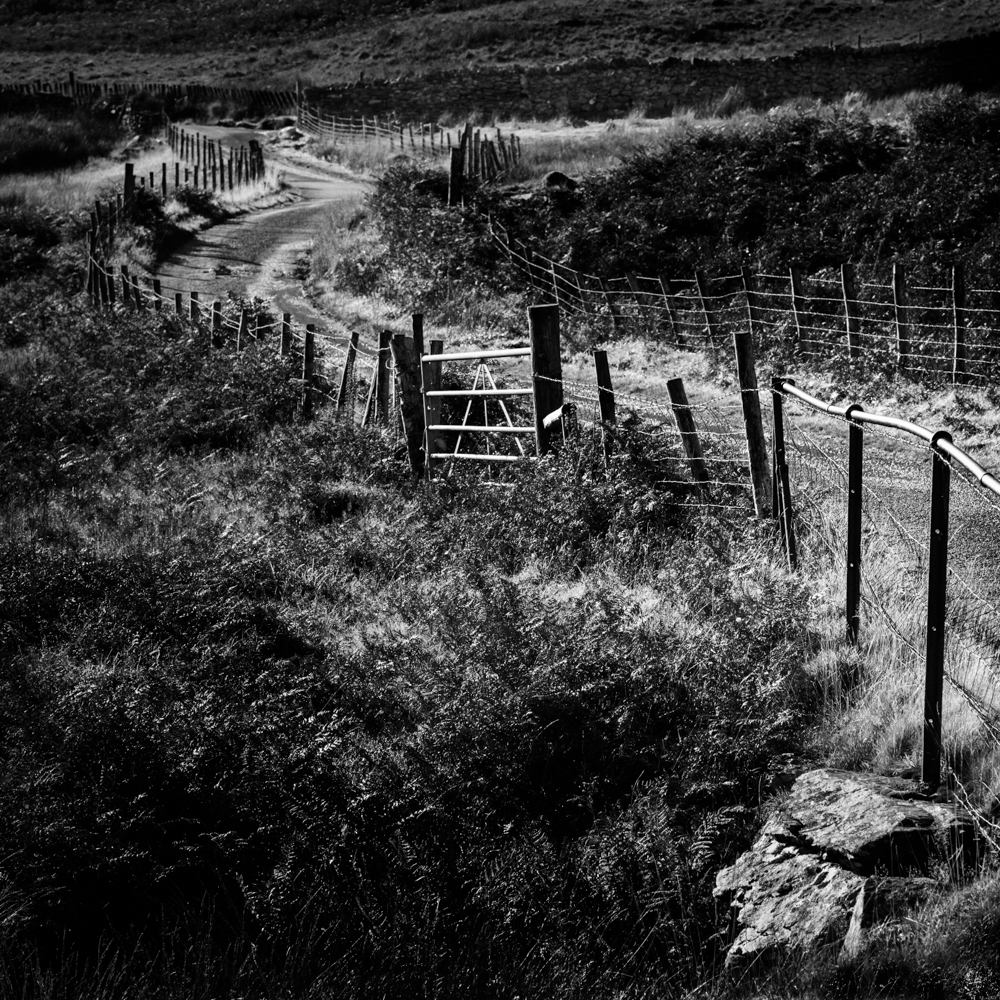
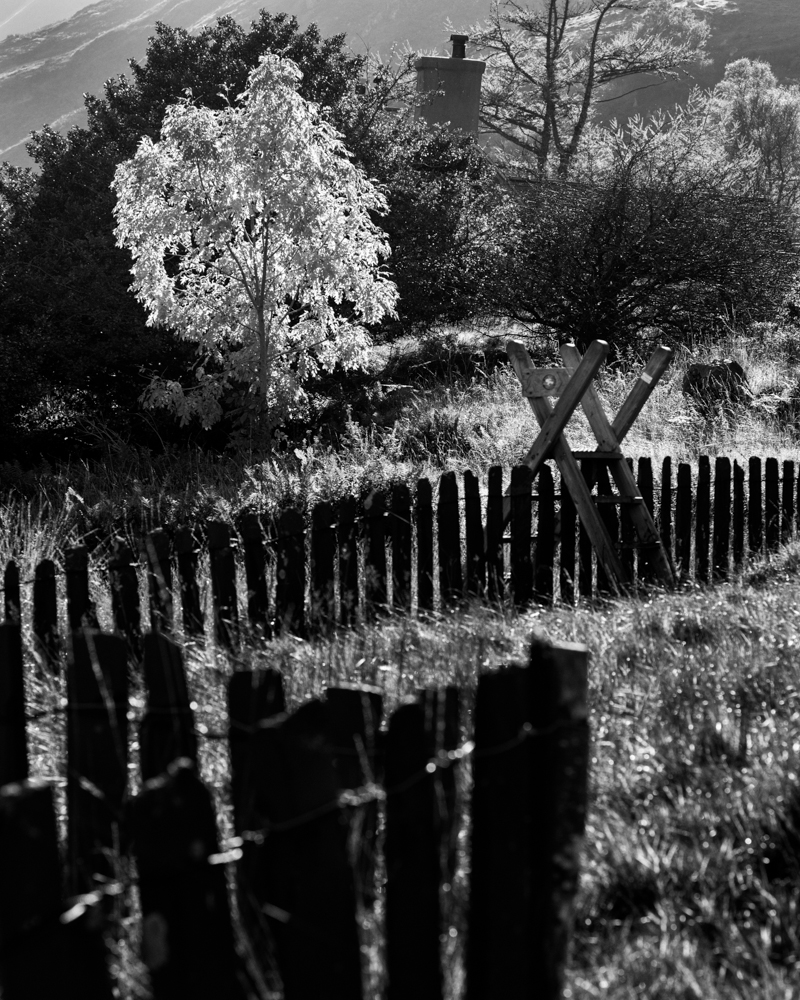
The road twists and turns with a variety of fences defining field boundaries. Wire and post fencing, stone walls, but perhaps most interesting of all are the slate fences, nestling in the grasses which lean from left to right and undulate in harmony with the lie of the land.

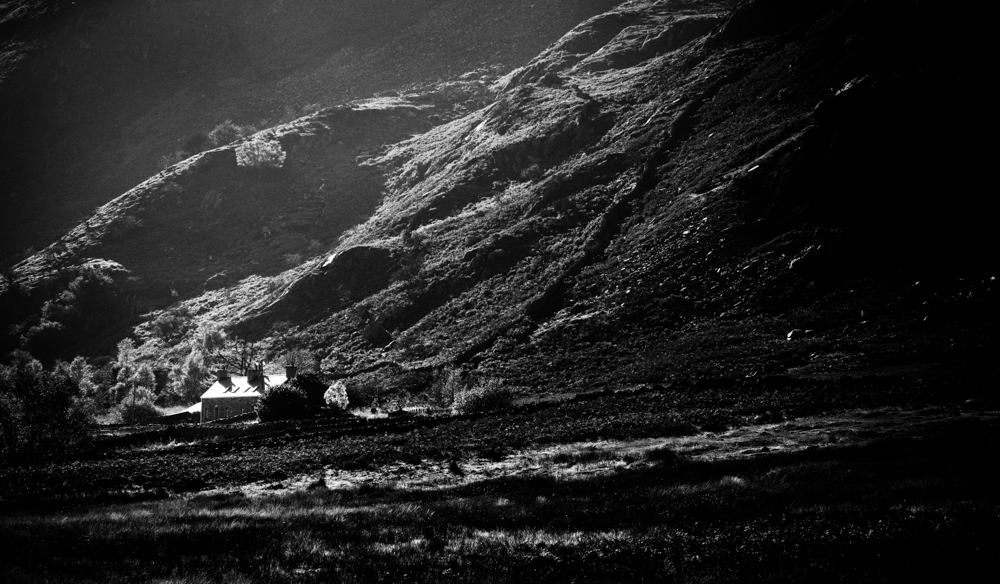
It’s a fascinating area to explore and really does feel like you are stepping back in time. There are very few buildings along this stretch of road. The ones that are here are isolated and when I visited this part of Snowdonia at the end of October the weather was favourable. I tried to imagine what it might be like in the depths of winter, with rain or snow being swept through the valley by a cold and strong wind. Pretty bleak I thought to myself.

The first two images below are taken from the existing A5, looking down into the valley. The line of the old road can be seen in the top right of the frame of the first shot.


Nant Ffrancon valley

Nant Ffrancon valley


Wire and stone

Wire and stone


Valley road

Valley road


Valley farmhouse

Valley farmhouse


Tree of light, Nant Ffrancon

Tree of light


Slate fence

Slate fence


Old road

Old road


Do click on any of the images to view a larger version which will open in a new window.

Early morning in Snowdonia – with or without a tripod?

Llynnau Mymbyr

Looking towards the Snowdon Horseshoe from Llynnau Mymbyr, near Plas y Brenin 


This is one of those iconic photographic locations where many tripods have stood, with cameras perched and the photographer waiting for the right light before releasing the shutter. Checking and rechecking the composition on the back of the camera, moving the tripod a little to the right or to the left, then raising or lowering the height of the legs until all the important elements of the picture fall into place. With many ‘JCBs’ or ‘Joe Cornish Boulders’ to  fill the foreground the permutations are almost limitless.

It may well be a popular location, but as a first time visitor to Snowdonia it had to be taken. However my set up is rather different to the one described above. Put simply I prefer not to use a tripod. I have observed many photographers using this piece of equipment which is considered by many to be essential to landscape photography. It’s often extended to eye level so that they can stand comfortably. Nothing wrong with that but might a lower viewpoint be more interesting? I like to move around with the camera in my hand, spontaneously reacting to what I see through the viewfinder. No live view for me on the back of my Leica Monochrom. I enjoy this freedom of movement, working a location, without a heavy tripod and its head to inhibit me. I can easily crouch or even lie down on the ground to get the picture I want.

I know some will say a tripod slows you down, makes you stop and think about what you are doing, but this just isn’t my style.  I like to change the composition of a shot by moving my body around, whilst adjusting the position of my feet and hands, until I see the picture that works for me. Perhaps I am lazy or just too impatient to take the shot and move on, but I can cover a lot more ground without a tripod. If you use one on a regular basis, can I suggest you leave it in the boot of your car one day and see what a difference it makes – you may find it quite liberating – I know I do!