Posts tagged ‘black and white’

The reader – an incomplete story to tell

There is nothing like having a good book to read. An enthralling piece of fiction and as you reach the last line on the page, the desire to turn over and read on is compelling. ‘I can’t put the book down’ is often the cry and the measure of a really good tale. Of course the author does not tell you everything and much is left to your imagination as the characters in the book start to take shape in your mind.

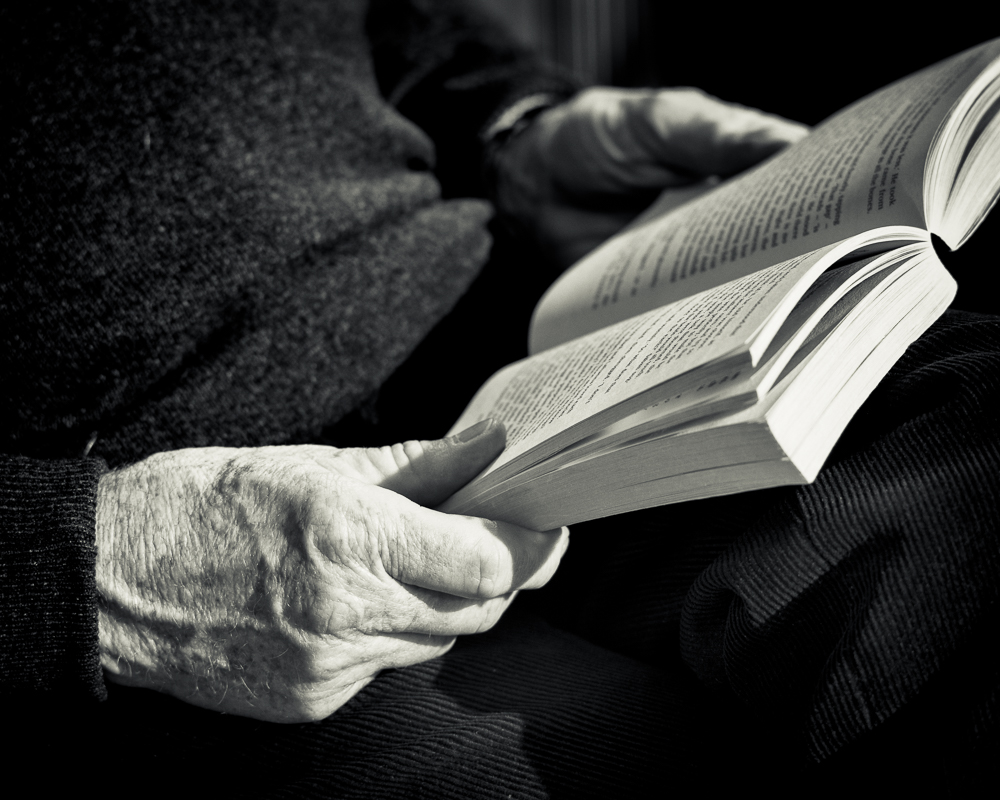
In much the same way a photograph also tells a story and by leaving key elements out of the image the viewer is left to wonder and to complete the story behind the picture in their minds eye.

This simple close up of a pair of hands and an open book is perhaps a good example. The hands give you a clue as to how old the reader might be; the jumper and corduroy trousers also suggest a person of a certain age. The reader is already a good way through the book which might infer a desire to carry on. As to the genre of the book itself we have no idea and with the limited depth of field, few words if any are discernible. The light on the hands and the book give the distinct impression the reader is outdoors, enjoying the sunshine but it’s still cool enough to be wearing warmer clothes.

I know the answers to these questions as I asked the person if I could take this shot. He was more than happy to oblige although he might have thought it strange that I would wish to do so.


Reminiscing perhaps?

chabce-to-reminisce

There are no prizes for guessing where this shot was taken; as anyone familiar with this iconic location will know that it is the view from Seaford Head towards the chalk cliffs of The Seven Sisters, with Beachy Head just visible in the far distance.

This image is less about the view and more about the story it has to tell. The elderly gentleman with white hair sits on his own, his faithful walking stick at his side. Quite possibly a location he has visited many times before, we can only begin to imagine the thoughts that are passing through his mind as he looks over the coastguard cottages and across the bay to The Seven Sisters. Perhaps he is reminiscing about days gone by and the times when walking the landscape in front of him were a little less challenging than they might be today.

Photographically a key ingredient which makes this shot work for me is the careful placement of his head and the horn handle of his stick, so that both share a dark background. As a result your eye is drawn to this part of the picture, which is of course the main point of interest. The view is stunning, but on this occasion it plays second fiddle to why I pressed the shutter. It’s the story within the picture and not the view itself that I was trying to capture.

In flight – Chichester Harbour

in-flight

Waiting for the vital missing ingredient to appear in a scene is part of the joy of photography, but it can also be very frustrating. This picture is a case in point. Driving home this weekend I spotted the attractive light and cloud formations  over Chichester Harbour, near Bosham. As time was on my side, I quickly collected my camera and returned to a parking place near the water which I know well. Fifteen minutes later I was in the right position to take the shot but there was something missing. Various sea birds flew overhead and I soon realised that the water and sky on their own were not sufficient to make the shot. It needed a bird in flight correctly positioned in the frame to complete the scene. The gull ‘In flight’ was the missing ingredient.

I waited patiently and took numerous shots. In some the bird was too far away, or the placement of its wings just wasn’t quite right. In other frames the bird was too high or too low, or flying towards the edge and not towards the centre of the picture. Patience was finally rewarded and I got the picture I wanted.

This month has been quite productive. I have been out taking images virtually every day. This is certainly another frame which will be added to the short list ahead of my exhibition on Chichester Harbour later in the year.

Portland Bill Lighthouse with the Leica M9-P

portland-bill-lighthouse

Although we are frequent visitors to Dorset we have never visited the Isle of Portland before, well until this week. Portland is approached from the town of Weymouth and strictly speaking it’s not an island, as it can be reached by road over a causeway from Chesil Beach. Only four miles long by one and a half miles wide, Portland juts out into the English channel and is very exposed to the elements.

At its southern most point lies Portland Bill with its prominent lighthouse which is virtually surrounded by old quarry workings of Portland Stone. This famous building material has been mined since Roman times, and from the early 17th Century was shipped to London for the construction of many buildings. St Paul’s Cathedral, Buckingham Palace, The Tower of London and The Bank of England to name but a few.

Portland has three lighthouses but only the one pictured in this post is operational. Built by Trinity House in 1906, it stands 41m tall and was automated in 1996.

As an aside and for those who like reading about cameras and processing etc, this shot was taken with a Leica M9-P and 50mm f1.4 Summilux lens. The M9 was Leica’s first full frame digital rangefinder camera and was introduced back in 2009, so is now some 8 years old. Superceded by the M240 in 2013, which only this week has been replaced by the new Leica M10. A remarkable camera I’m sure and whilst technology has moved on considerably since the M9 first appeared on the scene, it still performs extremely well. Of course it is not as advanced and has its limitations in use, but the image quality is still outstanding. The image was processed in Lightroom and Silver Efex.

Exhibition – my parameters

Although The Image Circle exhibition does not take place until November, preparing a portfolio of images ready for curation at a later date has to begin now. In fact it started some weeks ago when I decided my theme would concentrate on the landscape and environment of Chichester Harbour. Now, whenever I am out walking in the area, my camera is with me. I am very fortunate, as this is an almost daily occurrence, otherwise our dog complains!

Whilst I have never exhibited my work before, I felt it was important to establish some parameters at an early stage, in order to focus my intentions and concentrate the mind. Over the last week or two these guidelines have become well established and are as follows –

  • All photographs will be taken in the clearly defined area of Chichester Harbour.
  • All the images will be taken using just one camera with one prime lens – the Leica M Monochrom and 50mm f1.4 Summilux lens.
  • I envisage the vast majority will be hand held, as this is my preferred way of working, although I will not rule out using a tripod in certain situations.
  • I doubt that I will be using filters, although shooting wide open in bright conditions, it is obligatory to use a 3 stop neutral density filter to manage the light reaching the sensor and exposing correctly.
  • All the images made will be cropped to square format and be in black white. (I have no choice, it’s a black and white only camera!). I have already established a workflow for processing as I need to present a coherent set of printed images.
  • I have yet to make a final decision but they will almost certainly be toned in Lightroom.
  • The photographs will be printed on Canson Platine Fibre Rag. A 310 GSM archival paper. Without question it’s my favourite paper for this type of work.
  • The size of print, mounting and framing considerations are still in the melting pot but I will write about this in a later post, once my thoughts have come together.

So what are my intentions? Chichester Harbour is a beautiful and intriguing place, with a great deal of variety for image making. By walking the many footpaths that cover the area, a more intimate knowledge of the landscape becomes possible. I see the same locations at different times of the day; the weather and the light is constantly changing and in the months ahead Winter will turn to Spring, followed by Summer and Autumn, all of which will give me plenty of opportunity to capture the area as I see it. It will be my personal view of Chichester Harbour; an intimate portrait of a place I know well but will get to know even better as I explore locations which are less familiar.

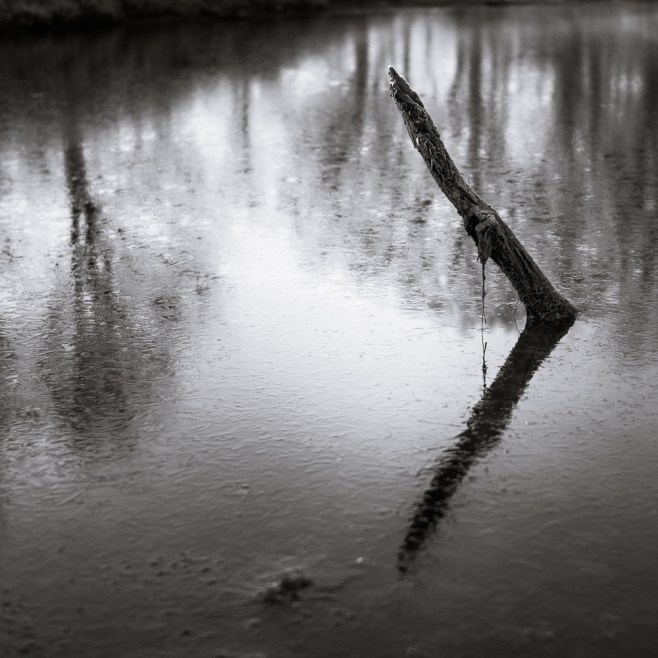
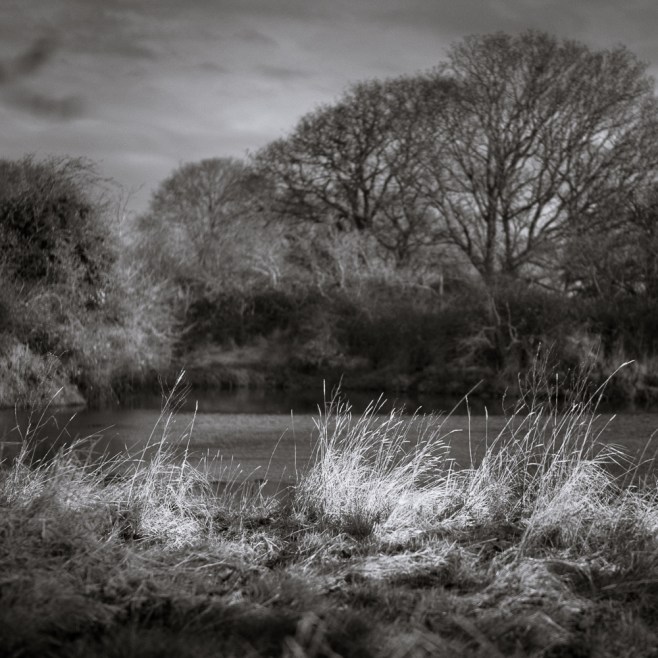
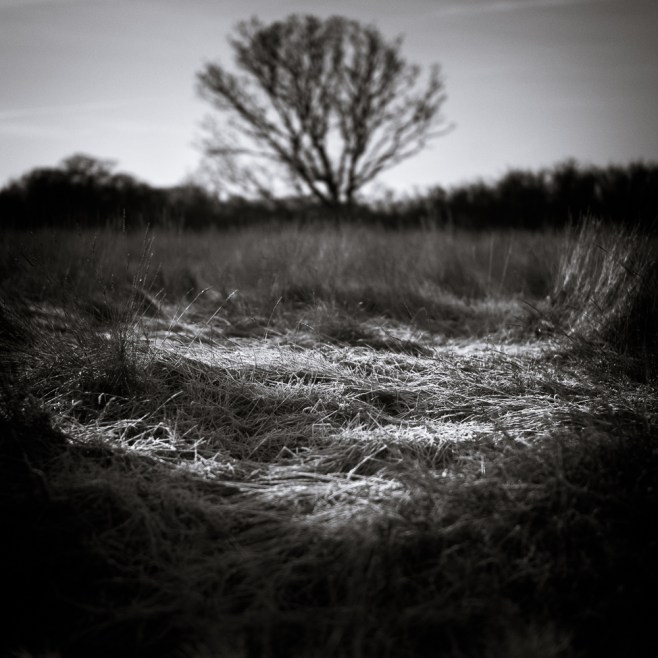
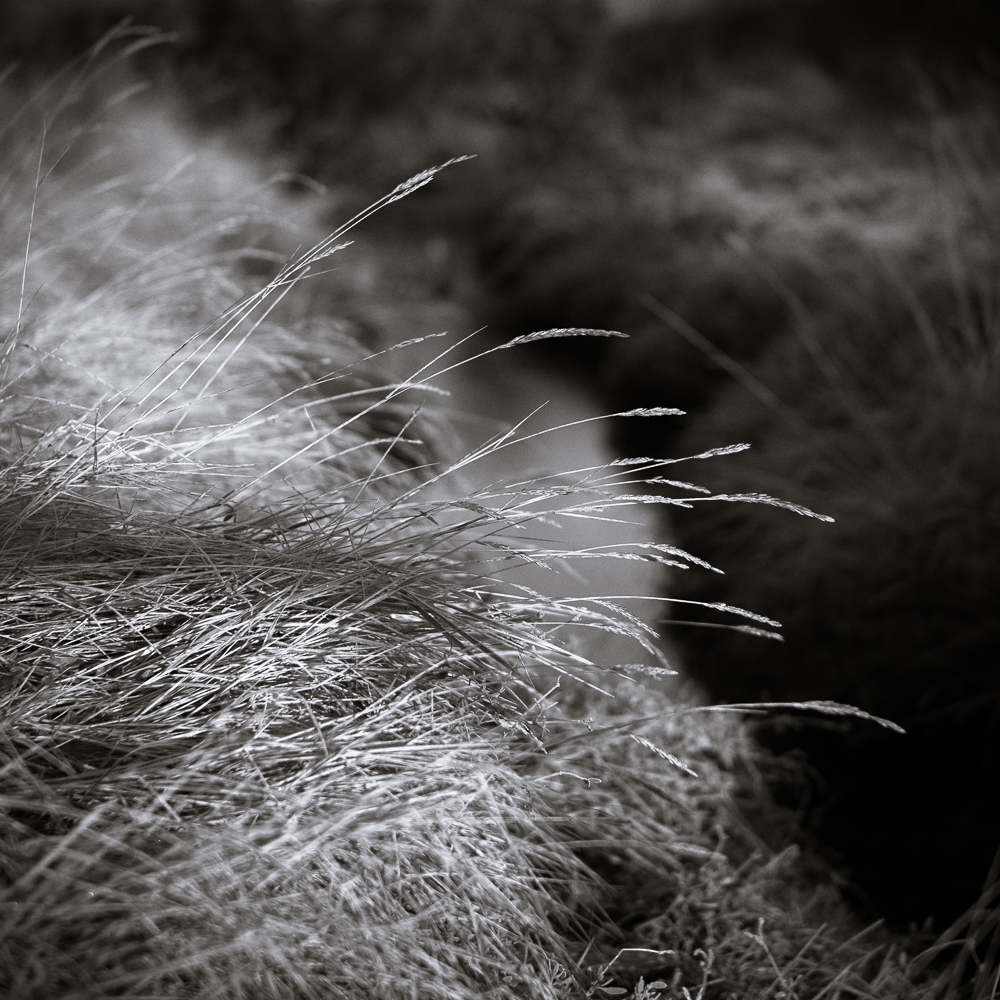
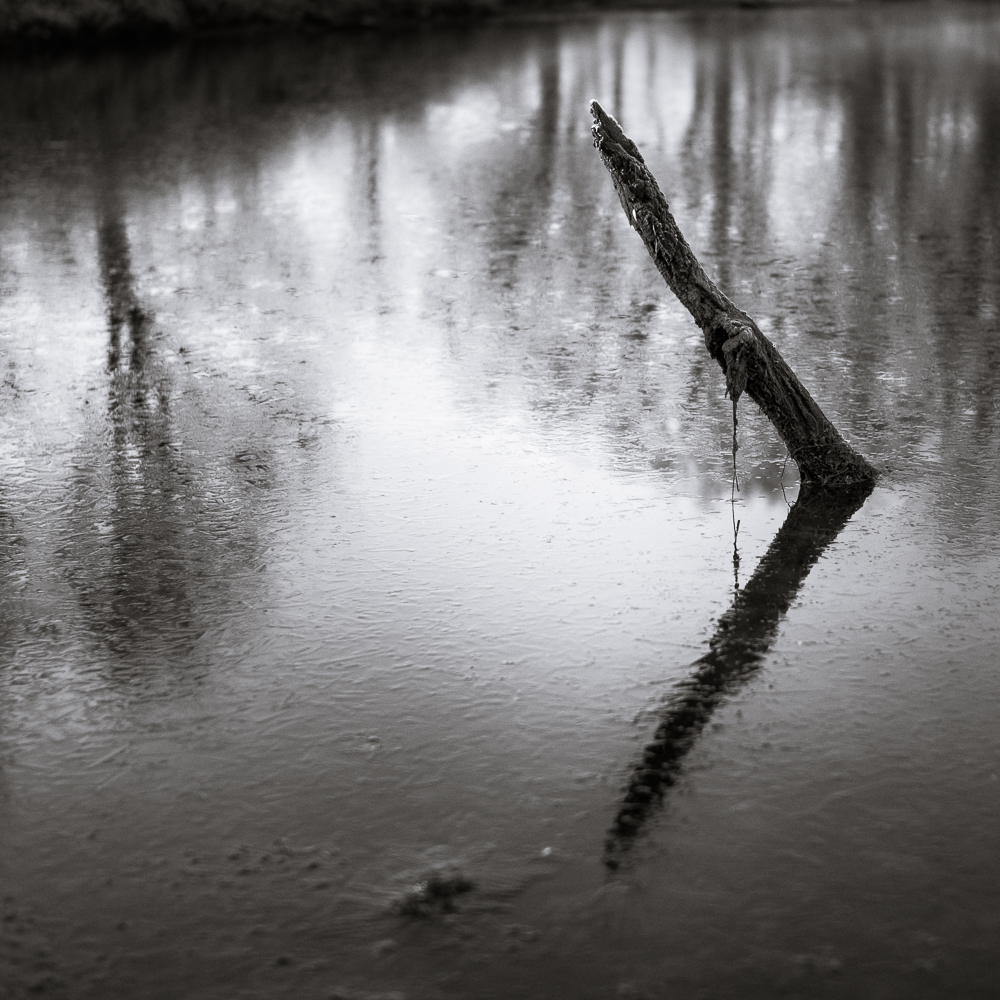
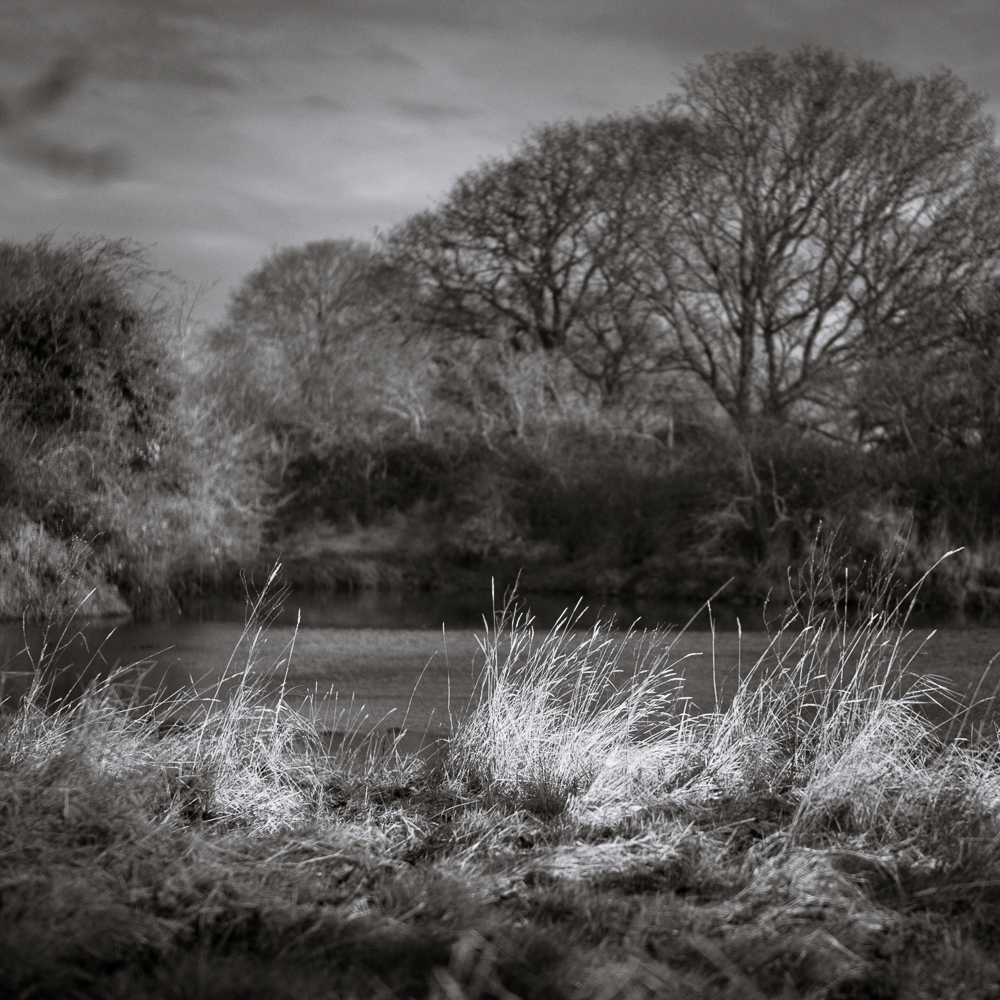
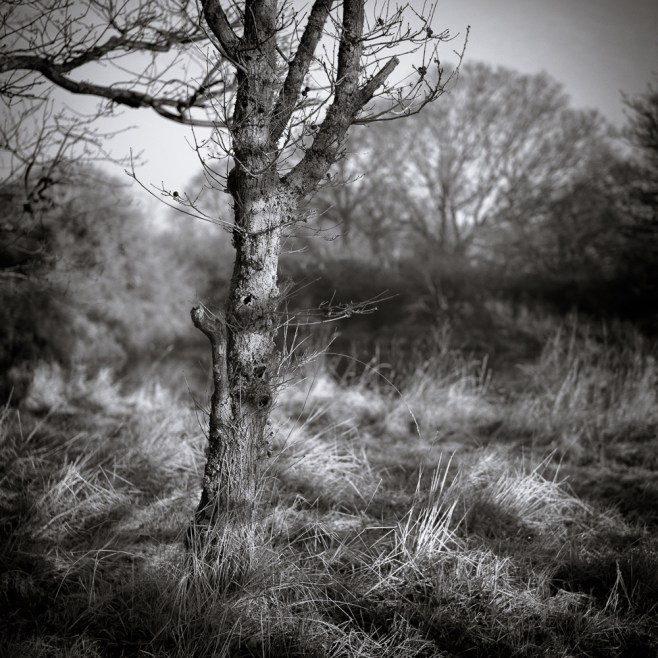
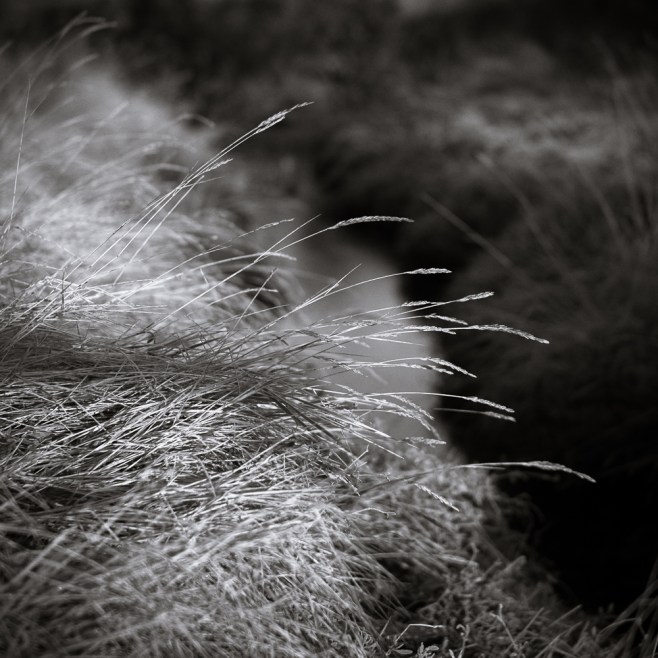
The images which form part of this post were all taken very recently in and around one specific location – a small pond on the western side of Fishbourne Creek. One or more may or may not be included in the exhibition, but these and the many others I have made in recent weeks will start to make up a body of work from which a final selection can be made. Curation is a topic in its own right and I will doubtless be writing about this in the future.
 

l1002161-edit

l1002194-edit

l1002203-edit

l1002040-edit

l1002235-edit

To see the work of my fellow exhibitors, do visit and follow our website – 

www.theimagecircle.com