Posts tagged ‘black and white photography’

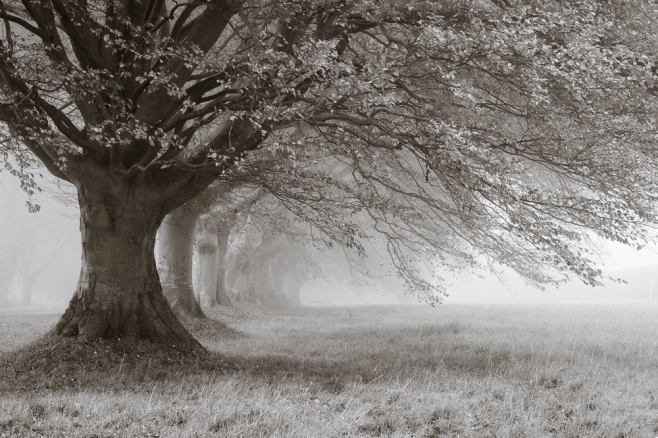
The Beech Avenue at Kingston Lacy

Beech Avenue

It’s been quite a while since the last entry on this blog. Regular readers will know that I had my first exhibition last month and I will be writing about the experience very soon. For now I thought I would share with you some images taken and made just before the exhibition took place back in the early part of November.

Read more

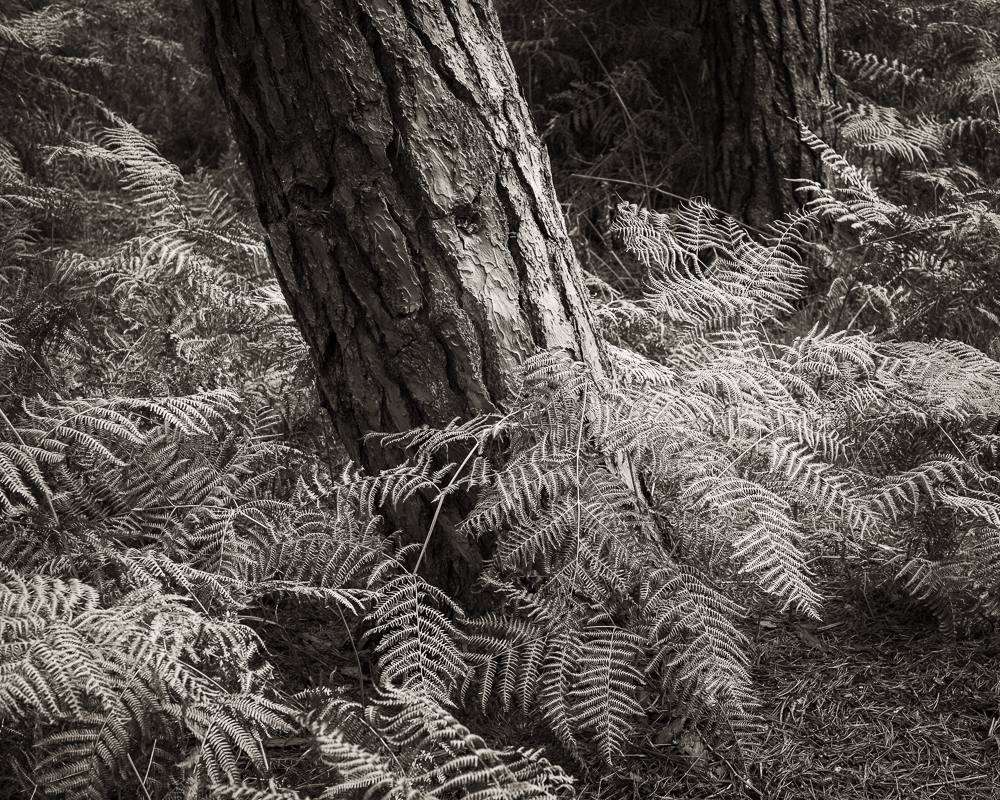
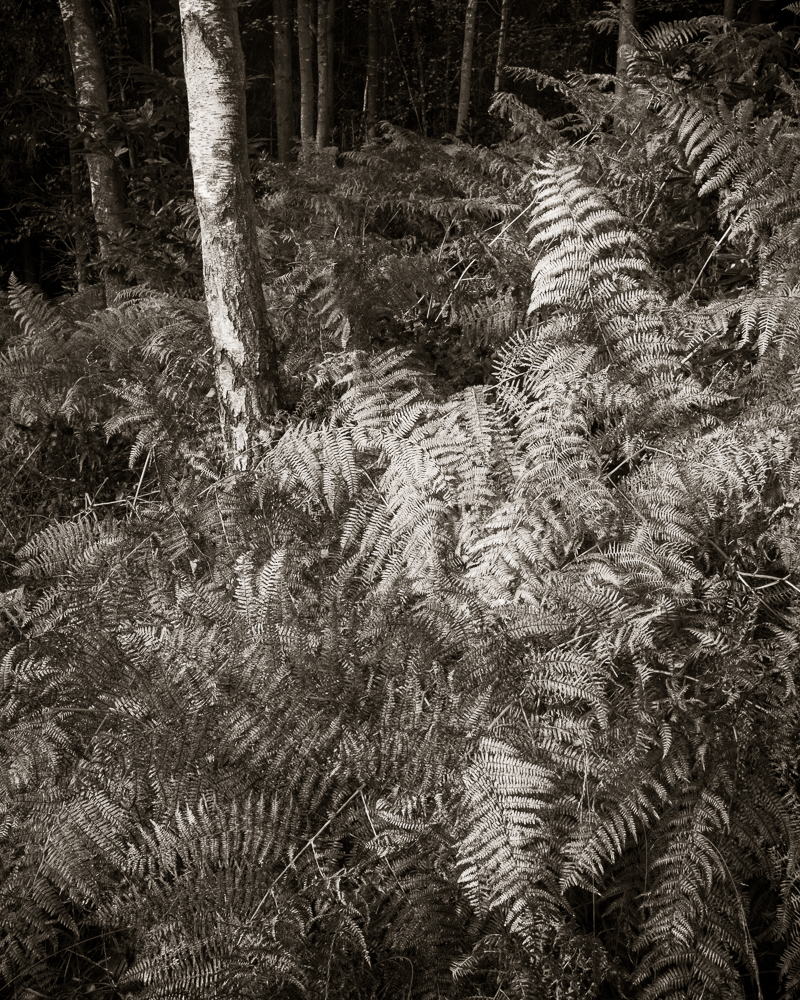
Bracken – when an overriding instinct prevails


As hard as I try I can’t break out of my comfort zone. Whenever I find myself in a beautiful location which is full of colour, my instinctive monochromatic mind gets the better of me. As I explore the autumnal woodland of Arne Nature Reserve, near Wareham in Dorset I have a perfectly acceptable colour subject in front of me but in visualising and later processing the image I soon strip away all the colour, and work on a black and white conversion, and here is the result. A shot of ‘Bracken’ in amongst conifers.

I am not colour blind but I do seem to see the world in black and white and of course all the shades of grey in between. I am drawn to a pleasing composition, shapes and lines, strong textures and different tones. I believe my creativity improves once the distraction of colour is removed from the frame. I start to see things more clearly and whilst you cannot tell by looking at an image on a screen, a well printed black and white image on a suitable photographic paper is hard to beat.


Do click on the image to view a larger version and truly appreciate the level of detail in this shot.

……


Dorset – A new Gallery Page

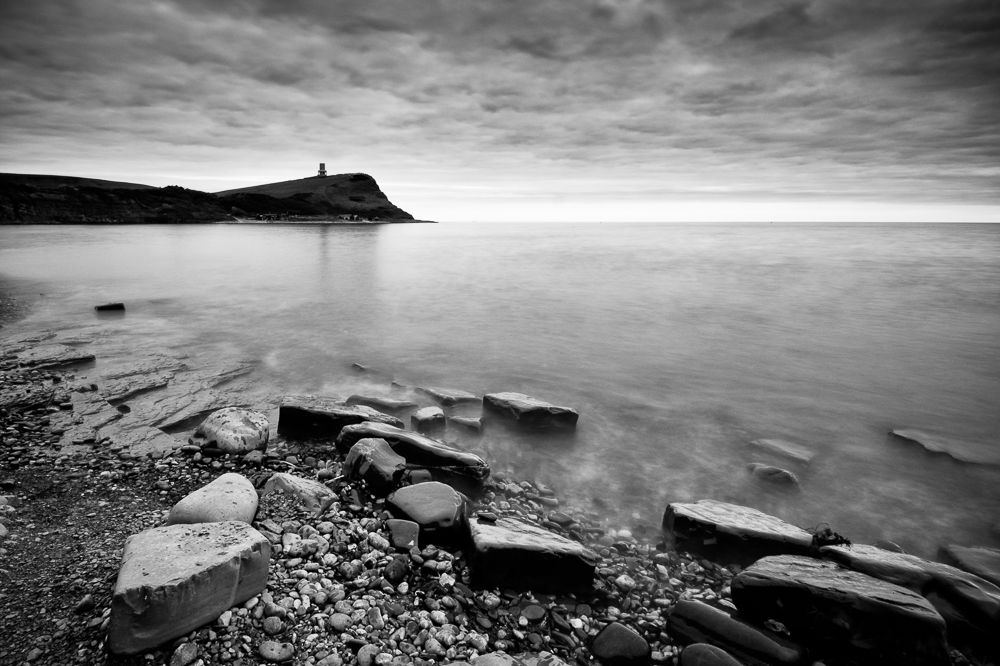
Clavell Tower, Kimmeridge

Yesterday I posted a few of my most recent images of Dorset. You can see this post here. I soon realised that I had not created a ‘Gallery Page’ for Dorset, so this morning I have done exactly that – click here to visit this new gallery.

As a taster here are a selection of images, some of which were taken a few years ago.

I have enjoyed revisiting them and I hope you enjoy them too.

Fields of Barley


Evening Light at Purbeck


St Oswalds Bay

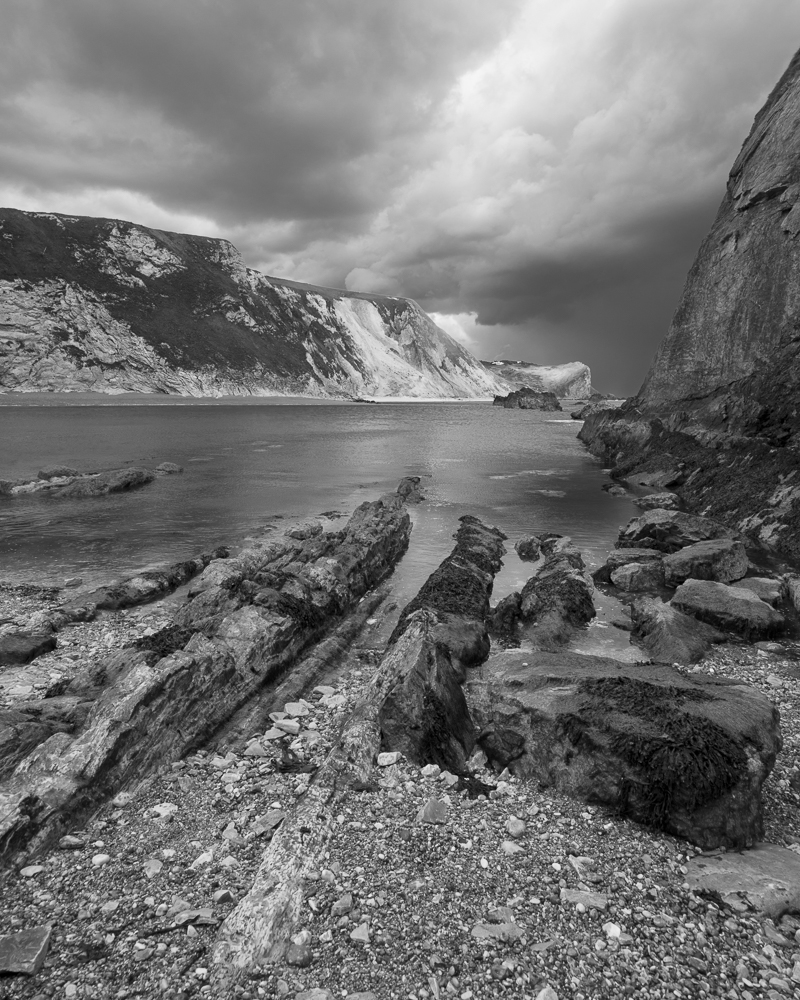
Three very different views of the Jurassic Coast

Jurassic Coast-3

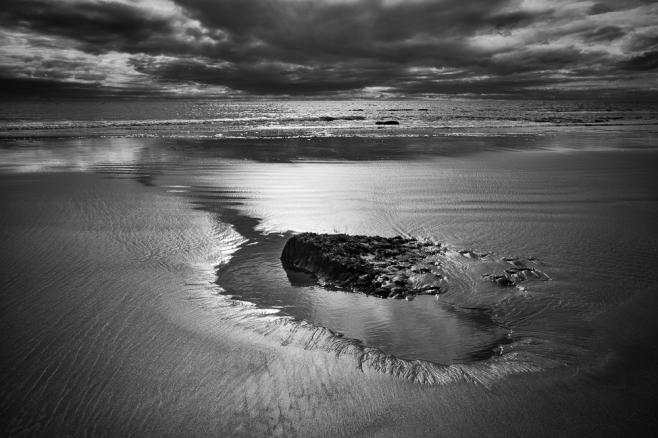
Charmouth – Reflections of Light

Apart from my home county of West Sussex there are two other places I most like to visit. Top of the list is Scotland. Unfortunately it’s the best part of 400 miles just to cross the border, let alone reach the Highlands; not to mention the journey time by car of at least 6 hours and that doesn’t include hold ups or any stops. It’s therefore not very practical to go there on a regular basis.

Much closer to home is the county of Dorset and my wife and I are regular visitors. It offers a wonderful combination of varied countryside and a truly majestic coastline – or in other words The Jurassic Coast, which has been a World Heritage Site since 2001.

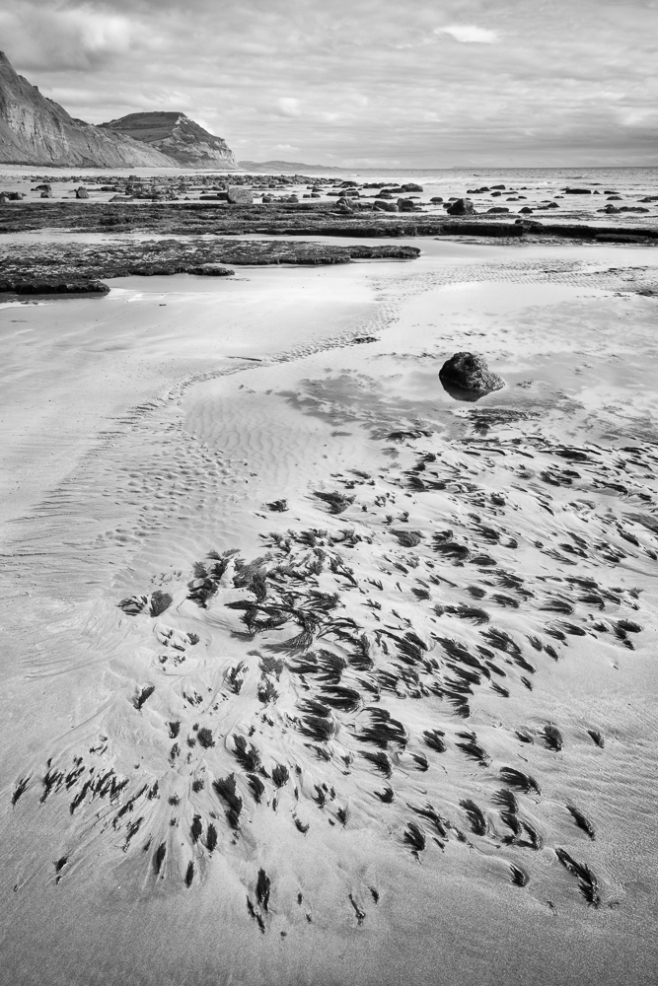
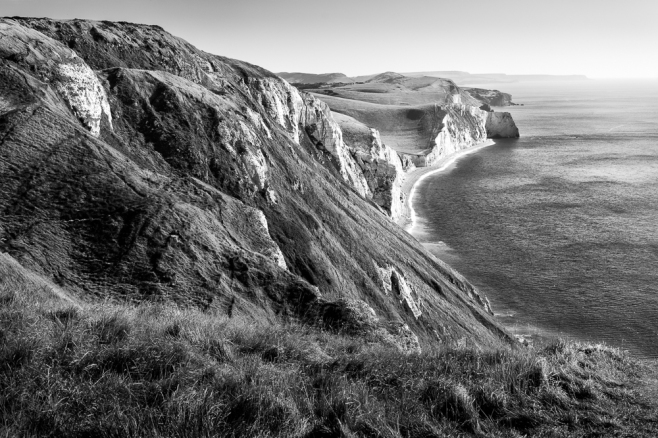
Photographic opportunities are in abundance. Here are just three images from our most recent visit to the area.

Jurassic Coast-2

Charmouth – Towards Golden Cap

Jurassic Coast

Jurassic Clifftops from White Nothe

Spectacular scenery and in many ways a more than adequate substitute for Scotland……and I can get there and back in one day, very comfortably!

Here are links to a few other posts which feature Dorset.

Portland Bill Lighthouse with the Leica M9-P

Colour of light on The Jurassic Coast

Alone on The Cobb

St Catherine’s Chapel – from picture postcard to a more dramatic view

In this post I thought it might interest those who read my blog to illustrate my approach to capturing a well known landmark and how I come to make a few images which become my take on a much photographed location.

One such famous landmark is St Catherine’s Chapel on the outskirts of Abbotsbury in Dorset. Perched high on a hill overlooking the Jurassic coastline it is very visible from the surrounding hills. The colour image is arguably the ‘straight’ picture postcard shot. A perfectly pleasing image, technically sound, but nothing out of the ordinary.

Convert the same image into black and white, and after a little processing in Lightroom and Silver Efex (my go to software for mono work) and the Chapel instantly has a more dramatic appearance. In my opinion still nothing special, but the sky is more a feature of the shot.

The third shot and a very different composition, this time a portrait. The wispy clouds above the chapel are all important but somehow I still don’t think it is the best shot in this sequence.

Finally, I moved in much closer to the chapel using a wide angle lens. As a consequence the building now dominates the frame and the converging lines of the buttresses give a sense of height and mass. This is complemented by the clouds which are a wonderful backdrop to the harsh lines and solid golden buff limestone structure of the chapel itself. The surrounding landscape has been excluded, so this image no longer provides a sense of place, but as a photograph it’s my favourite of the four. Would it be your choice as well? Certainly the most dramatic, and no longer the picture postcard view which I am always keen to avoid if at all possible.

The chapel is thought to have been built in the late 14th Century by the monks of nearby Abbotsbury Abbey. It was used as a place of pilgrimage; its isolated setting allowing monks to withdraw from the monastery during Lent for private prayer and meditation. As it can be seen from the sea it would also have served as a beacon after the Dissolution.


Do click on any of the images to view a larger version.