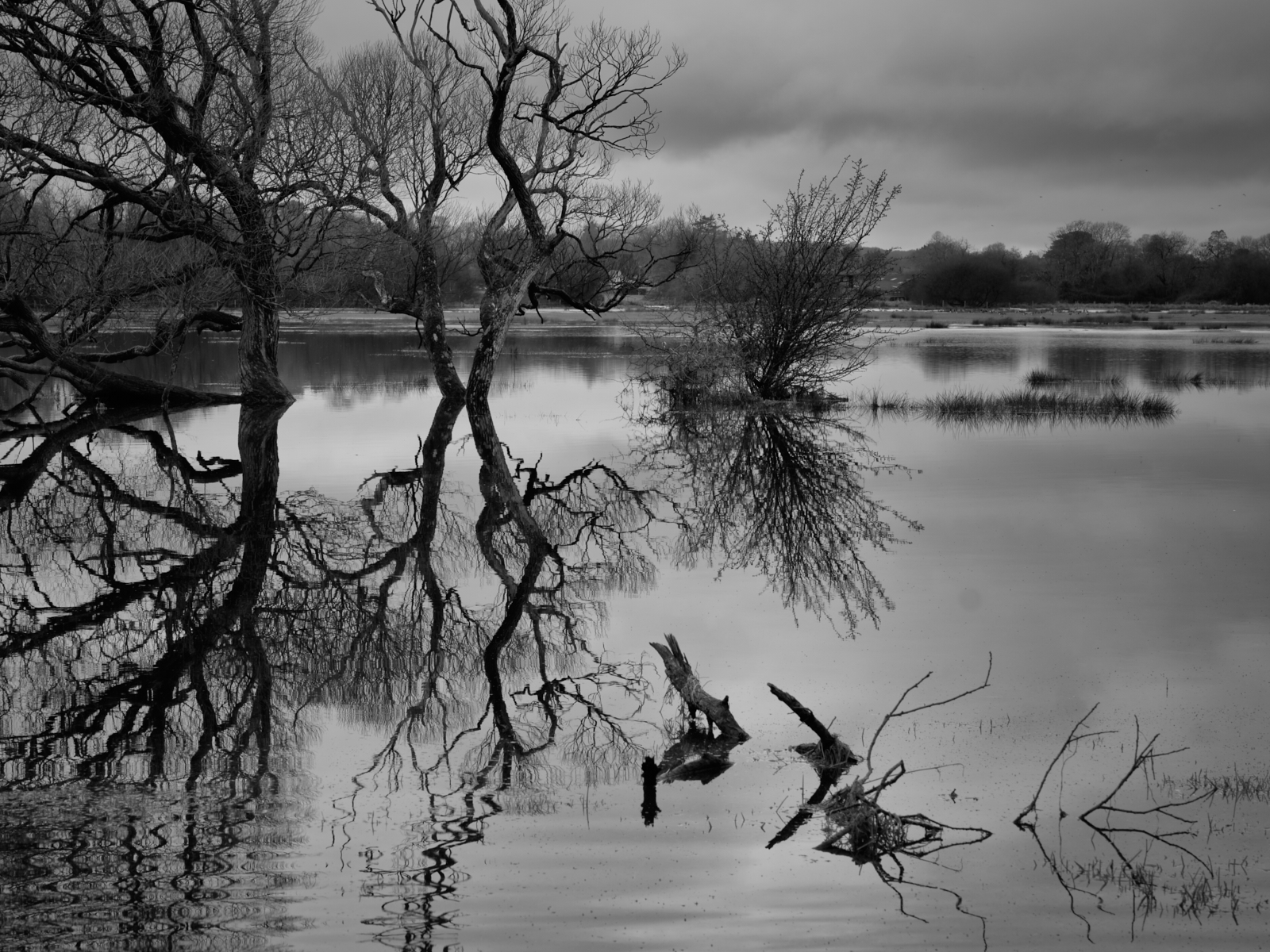
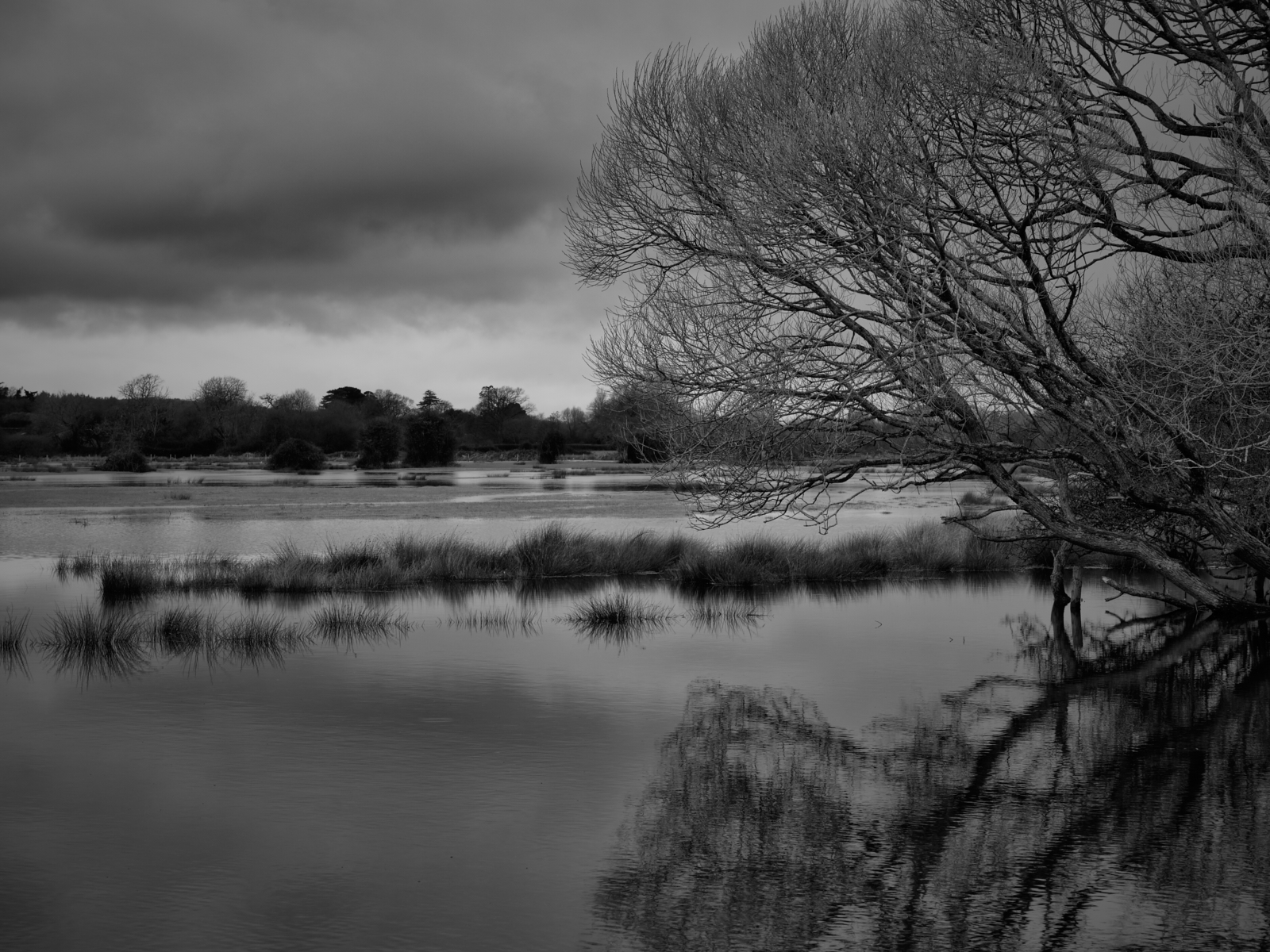
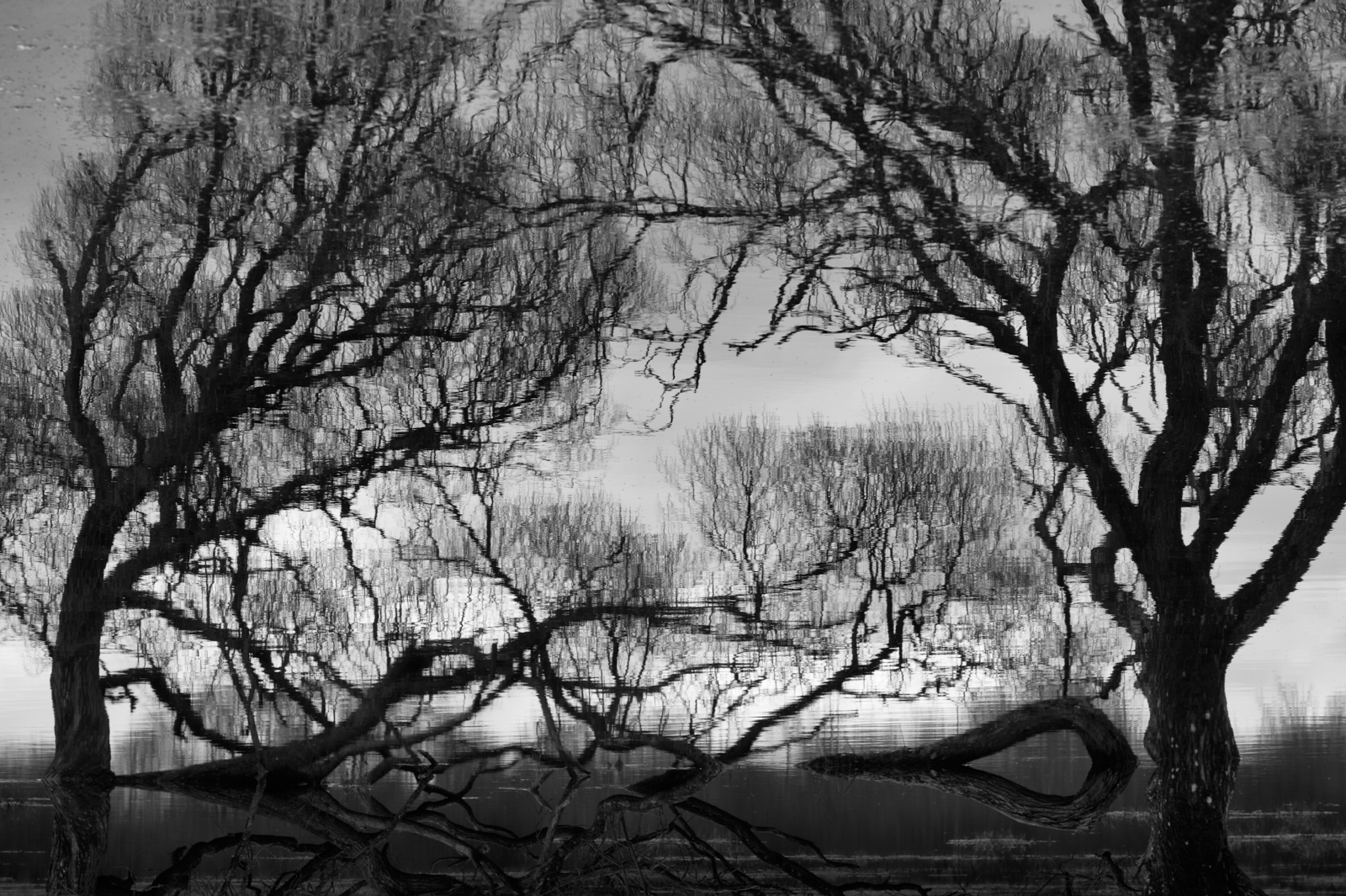
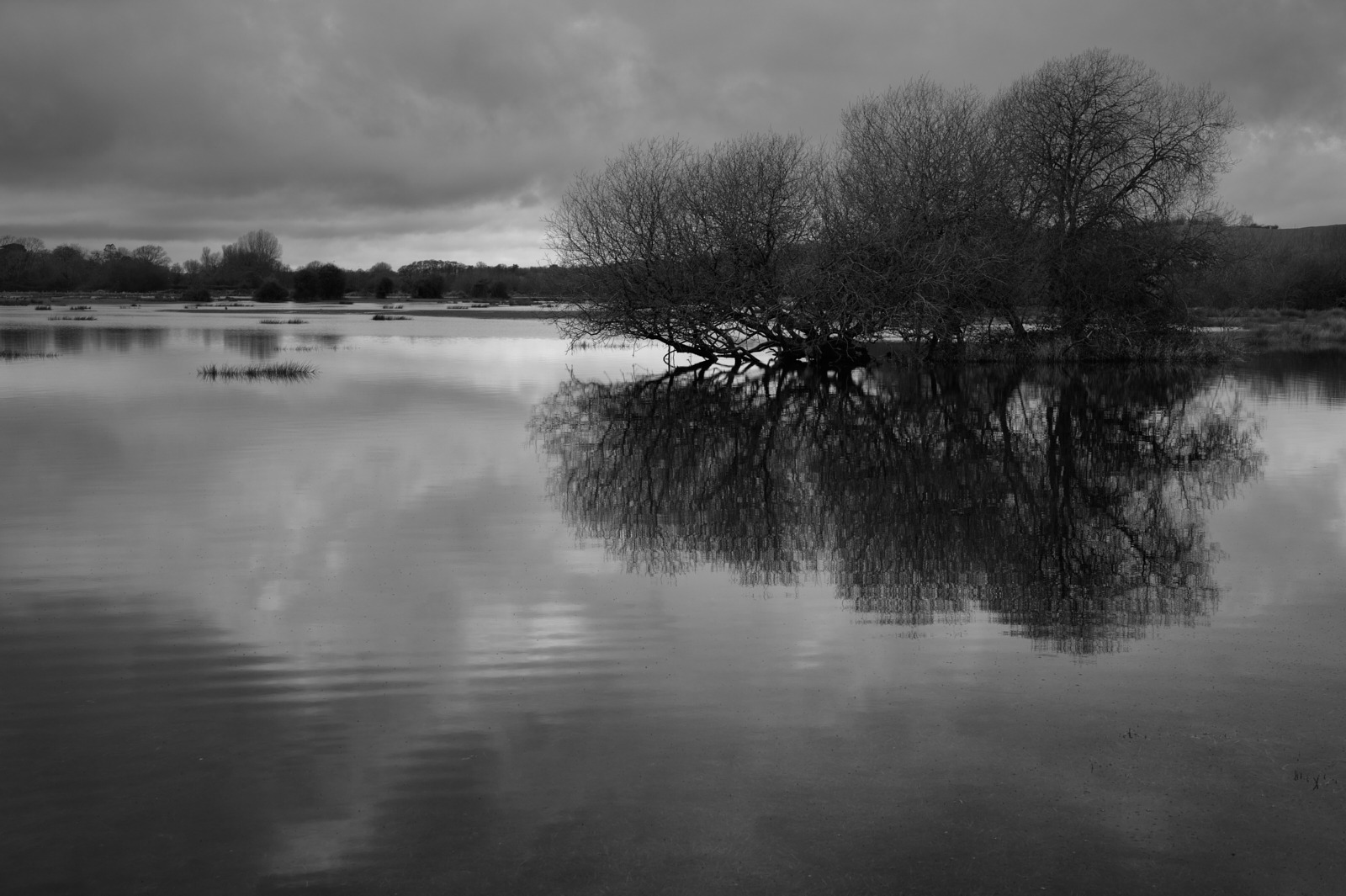
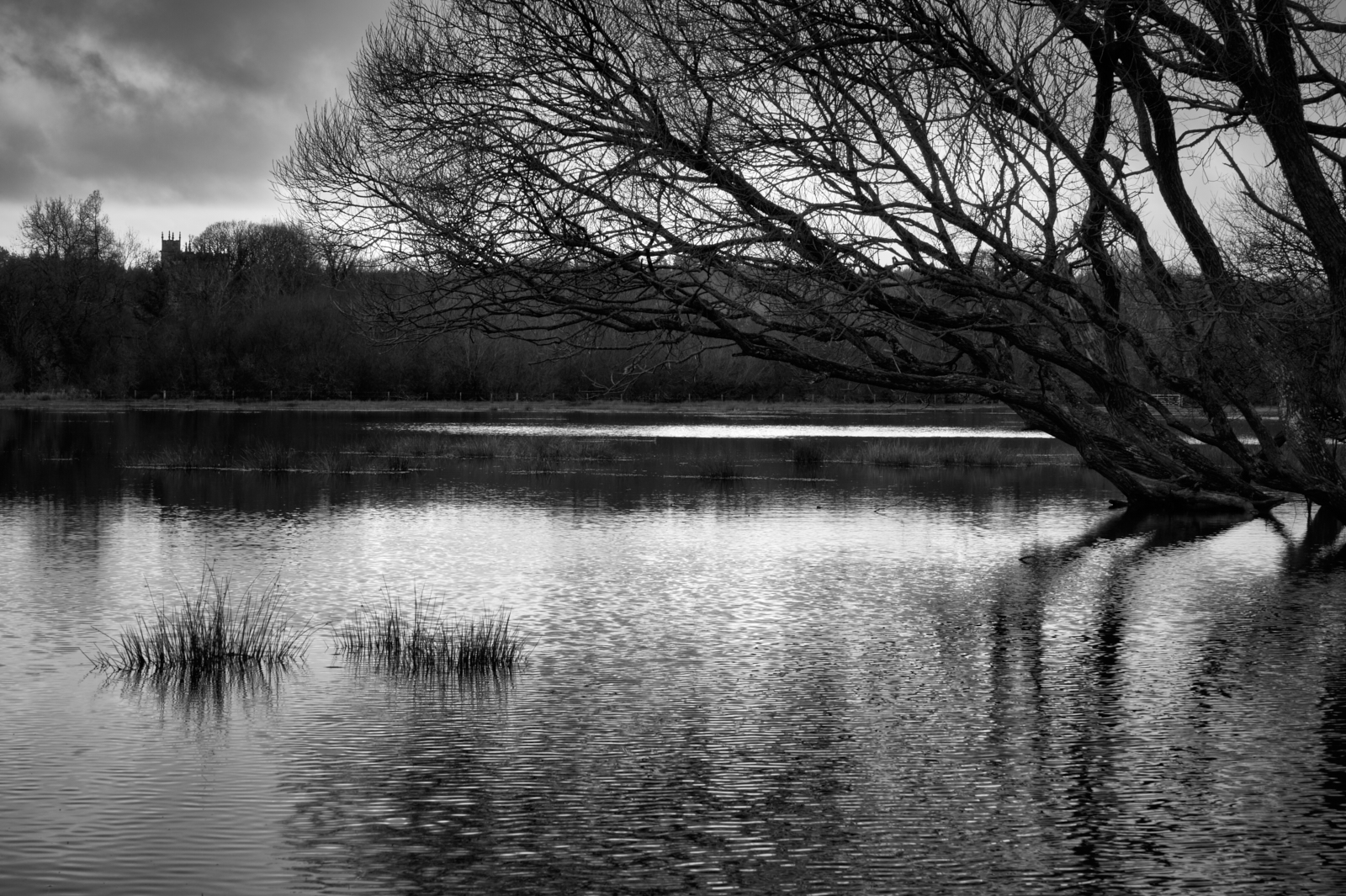
A few days ago I posted a set of images of the flooded water meadows close to where I live. You can read that post and see the images here.
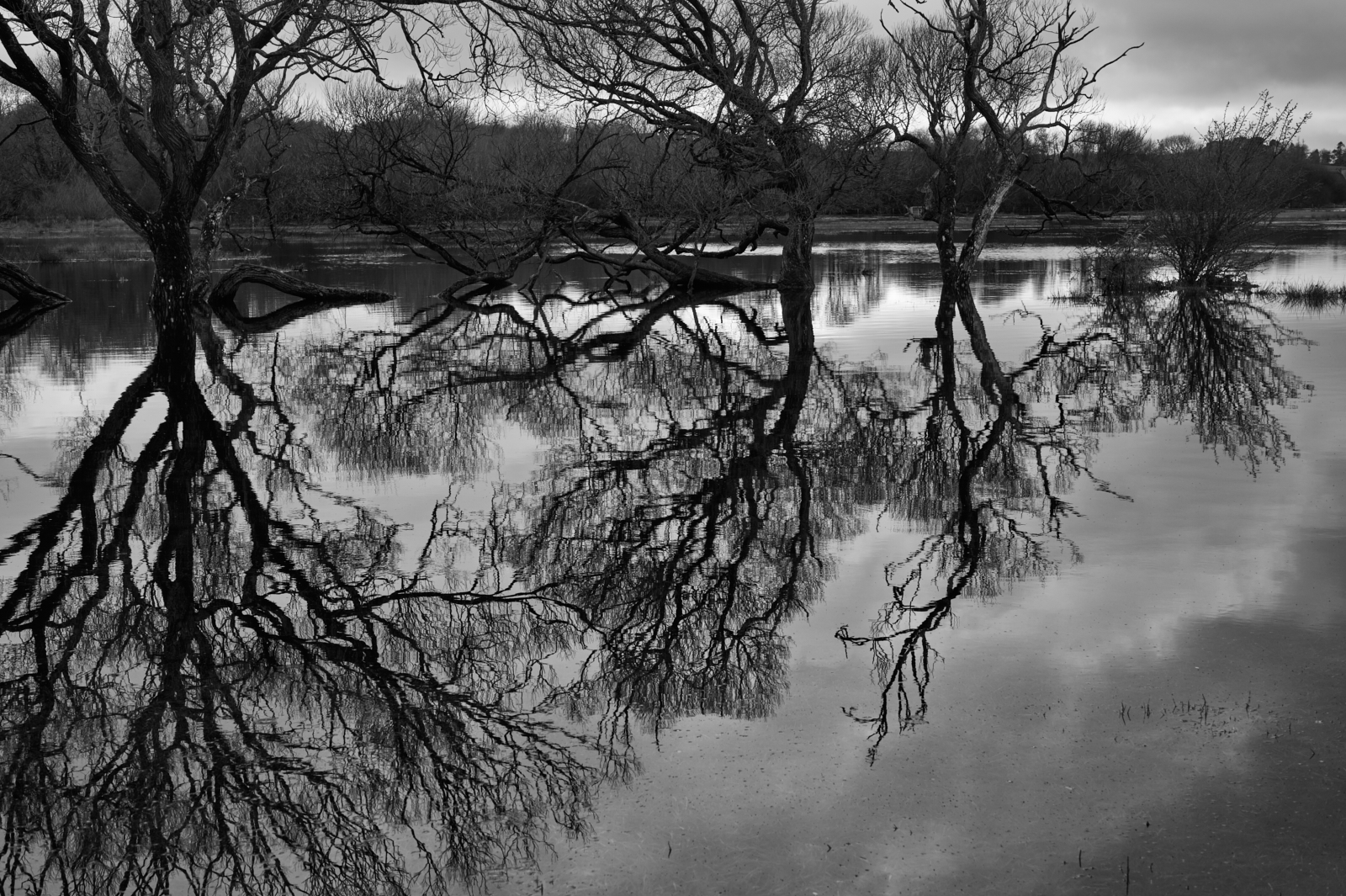
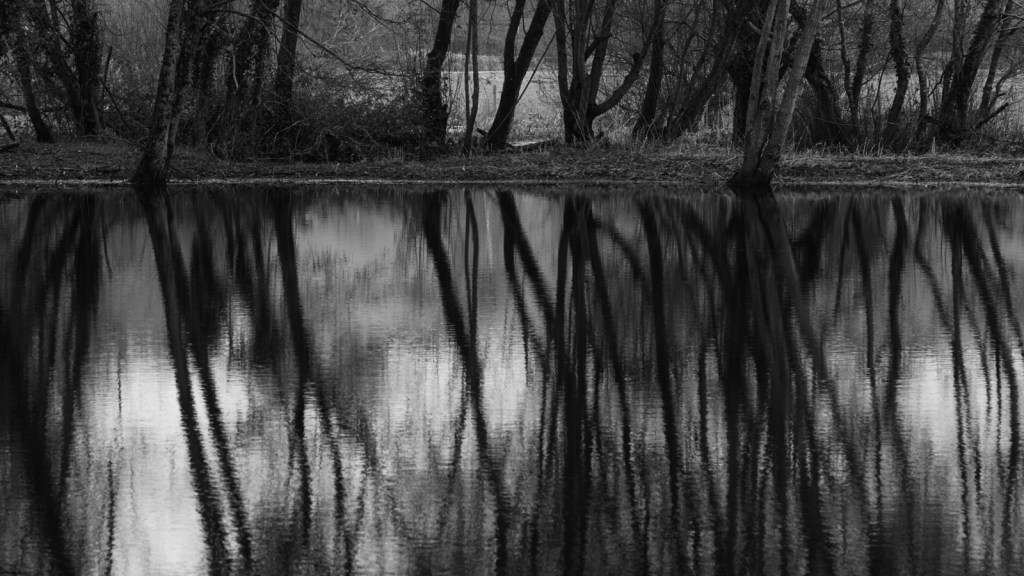
I knew there was the possibility of some different views if I accessed the meadows from the other side of the river. In particular I wanted to capture some trees which I thought would be ideal subjects providing I could pick a still day to make the most of their reflections.
When conditions were favourable I selected what camera gear I would need and put on my wellies. I took a tripod, not because I would be taking any long exposures but to slow me down. I tend to work quite quickly and the one advantage of a tripod is that I take greater care over the composition and the camera’s settings. I find the process of being in the field more immersive as a consequence.
The water levels have receded but any more rain will only fall on saturated ground, so I fully expect these scenes will persist for some time to come. I may travel a little further afield to find other areas where I know local rivers have burst their banks. I have not known flooding on this scale before so I want to make the most of these conditions while I can.
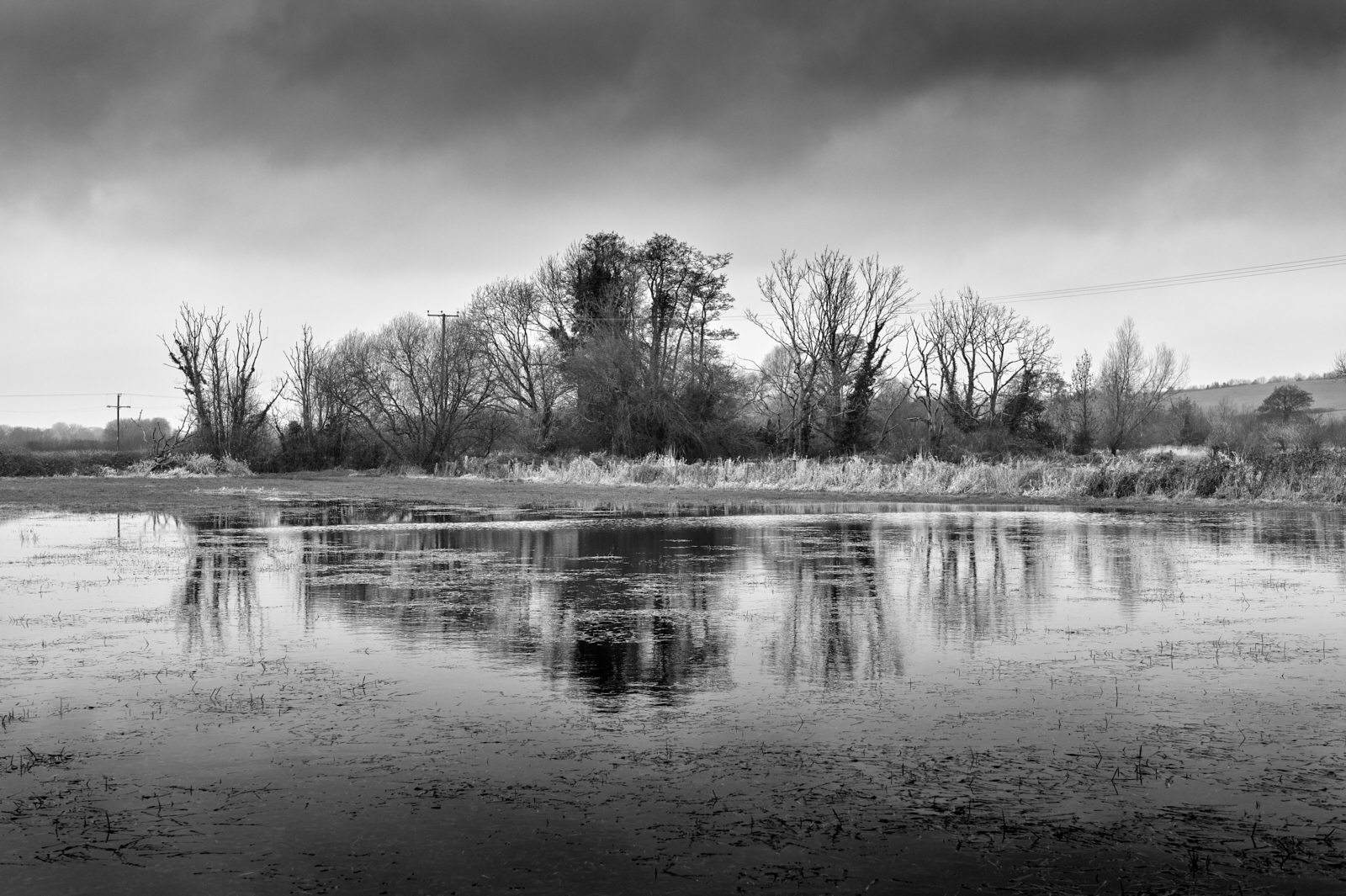
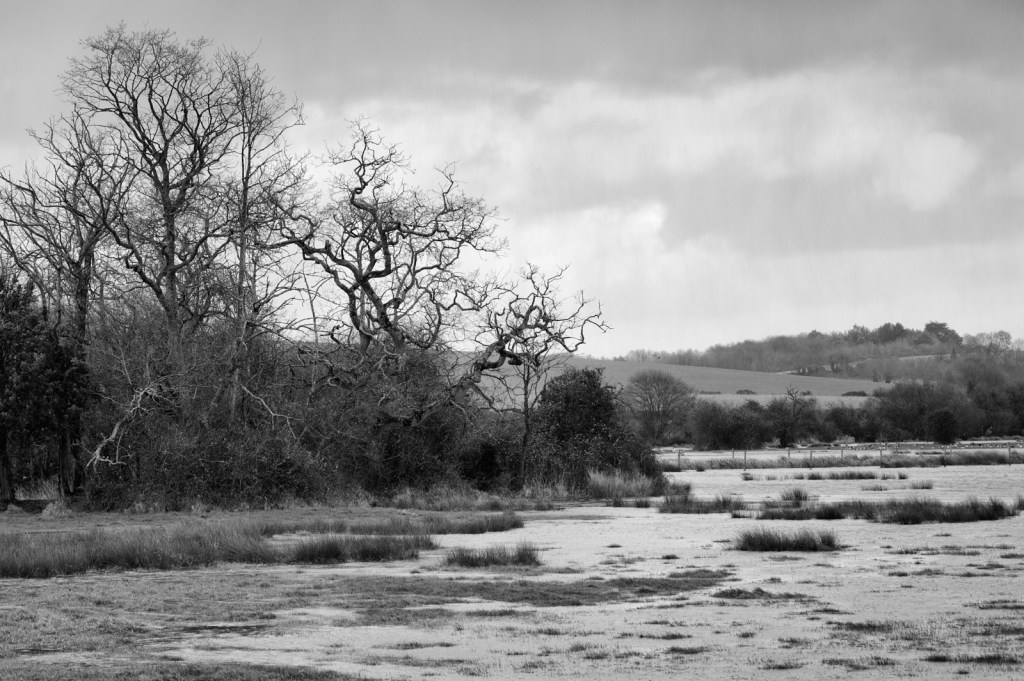
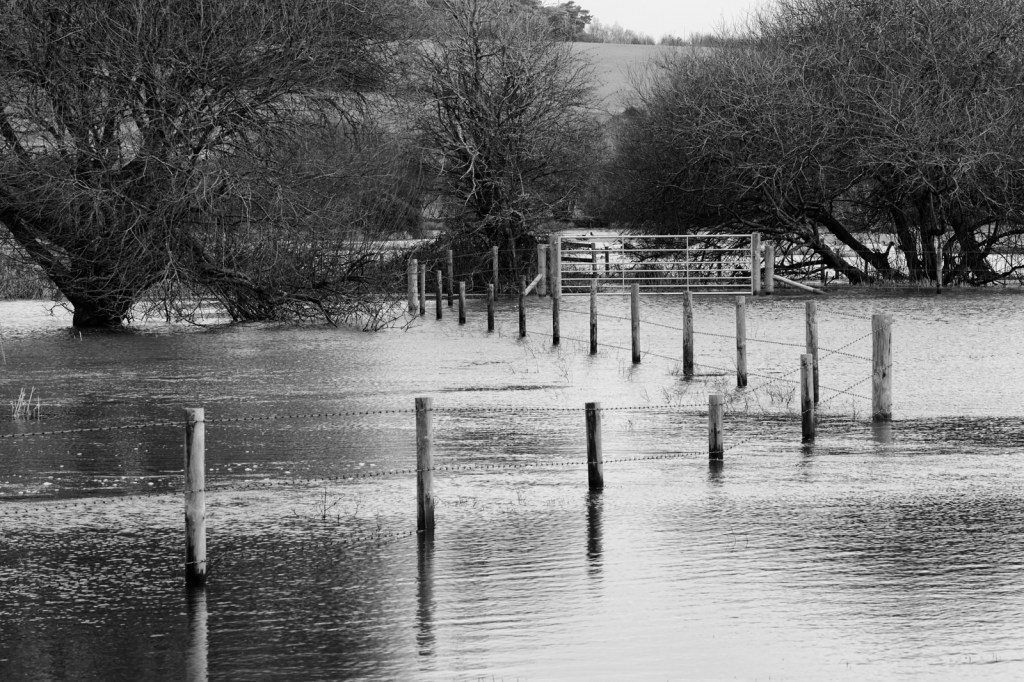
Continuing the theme of capturing scenes from my local area, or as I have written before; ‘Close to my back door’, an opportunity arose this week to photograph the water meadows adjoining the River Piddle in Dorset.
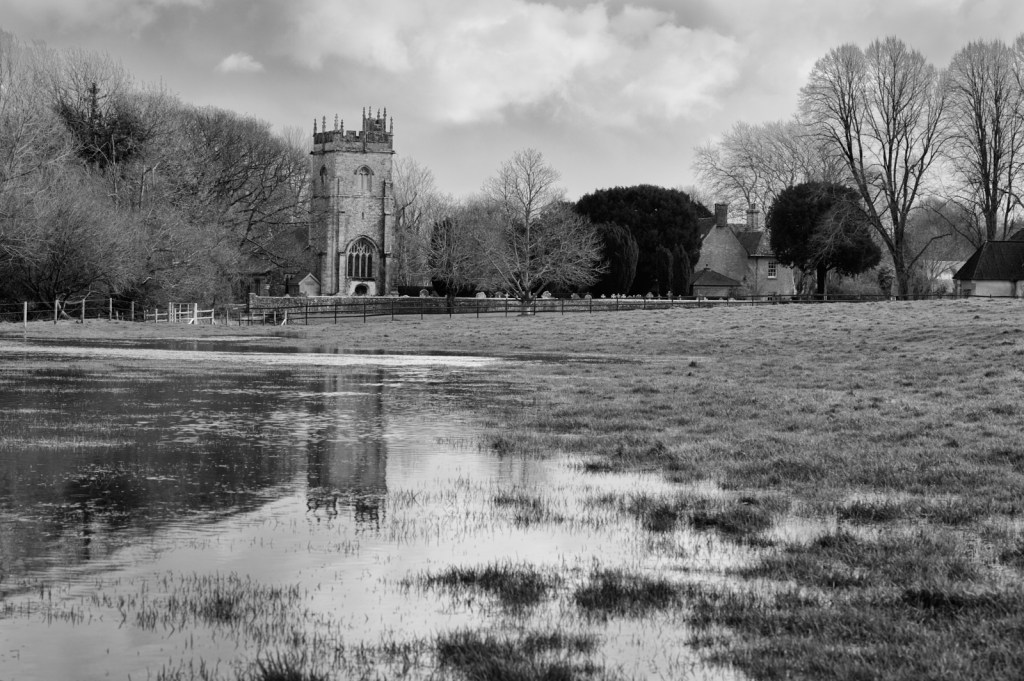
Whilst flooding is a regular occurrence at this time of year I have never seen the water levels reach this height before. With the ground well and truly saturated, more rainfall in the coming days and weeks will only bring about further flooding to the area.
I was particularly pleased to capture the last image in this set – a photograph of the church and its reflection. I am grateful to the farmer who allowed me access to his land to make these photographs possible.
Oh and by the way welly boots are an essential item for this type of photography!
At the start of a new year our thoughts inevitably turn to what we might like to achieve in the coming 12 months. Resolutions are often made but soon broken…or they are if you are anything like me. Sometimes we set ourselves targets or specific goals. All too often these are unrealistic and consequently never realised. This leads to a feeling of disappointment which is why I don’t set any for myself in the first place.
Whilst this is not a resolution I do wish to continue to document my local surroundings. I am fortunate to live in a rural part of the lovely county of Dorset. There are many honeypot locations nearby which most photographers will have visited at one time or another. Durdle Door, Corfe Castle and Kimmeridge Bay to name a few. They may be seeking ‘likes’ of course, even though the subject has been seen and captured thousands, if not millions of times before. But should that be the motivation? I think not. For me the images I wish to make are far from the atypical landscape shot from a location of this nature.
From my perspective no subject should be off limits. The composition or scene may be neither obviously beautiful or instantly recognisablebut that shouldn’t deter me or any photographer from making an image. If the picture has something to say or forms part of a wider narrative then the camera should be turned on, lens selected and focused, settings chosen and shutter pressed.
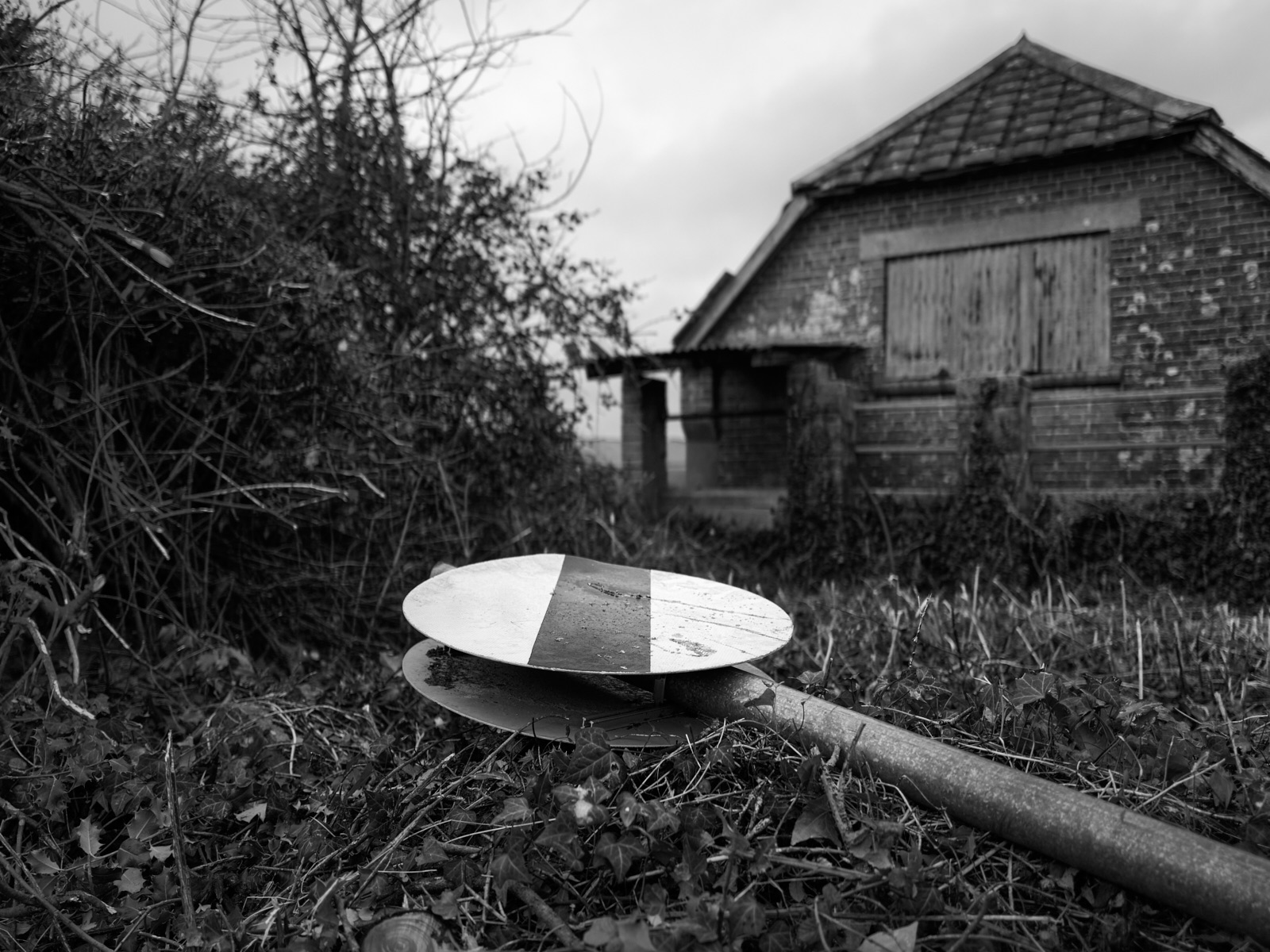
The image shown in this post neatly sums up what I am trying to say. In fact it inspired me to make this entry. The subject is a de-restricted road sign, which at some time or another has been knocked over and left in a roadside verge diminishing its effectiveness and meaning. The out of focus old farm building in the background offers some context about its surroundings. But the principal subject is the road sign.
Strictly speaking the Highway Code states that this sign denotes that the National Speed Limit applies, although why anyone would want to drive at up to 60mph along a twisty narrow country lane I do not know.
The point of this entry is simply to encourage all photographers to make images of subjects that appeal to the individual behind the camera, and not be swayed by what they think is likely to appeal to an unknown audience.
My view is that we all need to de-restrict our minds and try not to define what does or doesn’t make a good image. It’s all about being honest and true to yourself. Making images which work and appeal to you. In the process these images will serve to define who you are as a photographer. In other words photography can and should be without limits.
And finally may I wish anyone who has read this far a very happy and healthy 2026.
I have said this before, but much can be learned by studying the images of famous photographers whose work you admire. Similarly their writings can also encourage and inspire. I particularly enjoy reading quotations by some of my favourite photographers – Ansel Adams, Minor White and Henri Cartier-Bresson to name just three. I wholeheartedly recommend having a shelf full of photography books to revisit from time to time, browse at leisure and enjoy.
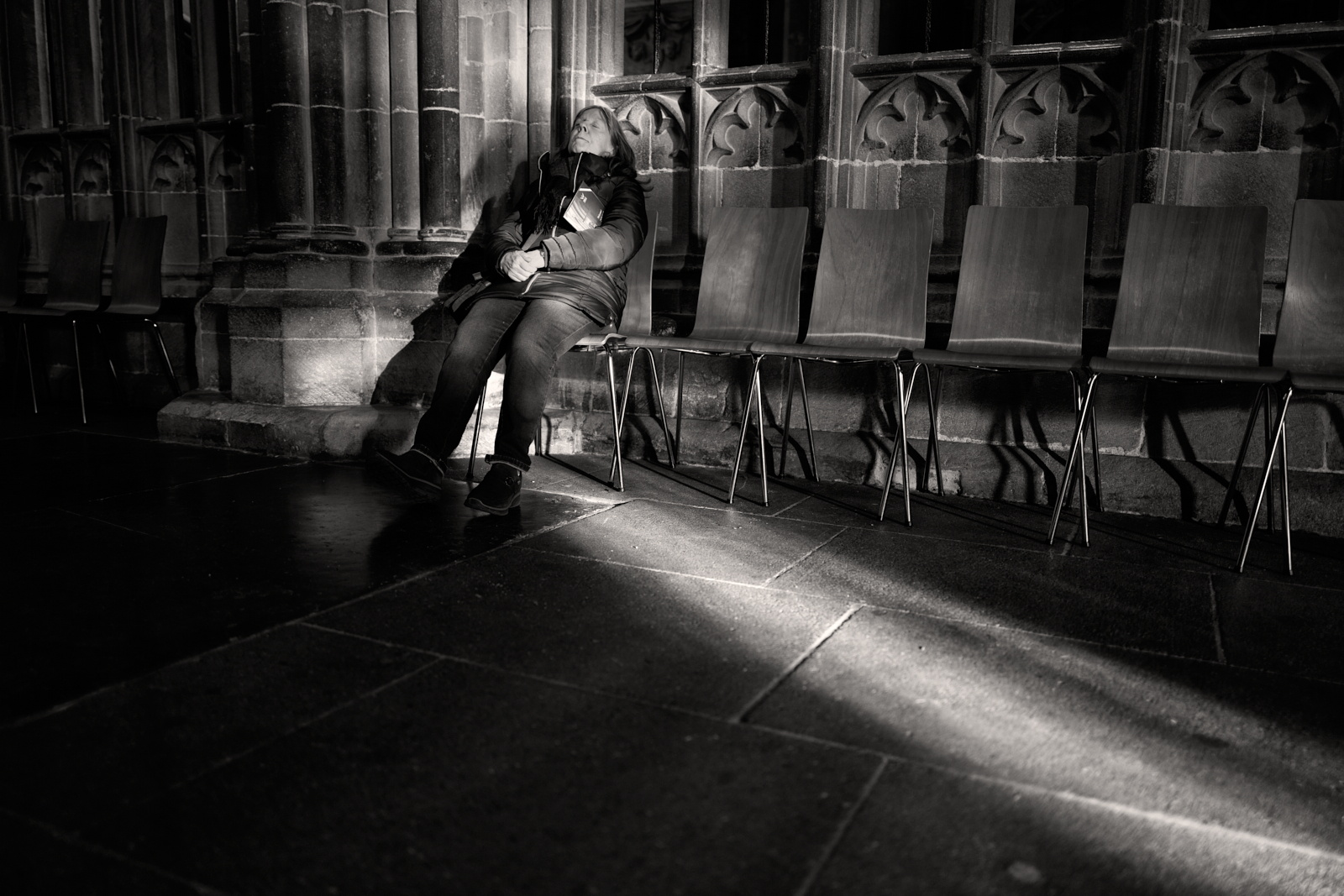
I took this image in Wells Cathedral in Somerset on Boxing Day, just a few days ago. Its capture reminded me of a quote by Cartier-Bresson that I recalled reading in the past. I couldn’t remember the exact words, only the sentiment. It didn’t take me long to find the quote and this is what he wrote:-
“Sometimes it happens that you stall, delay, wait for something to happen. Sometimes you have the feeling that here are all the makings of a picture – except for just one thing that seems to be missing. But what one thing? Perhaps someone suddenly walks into your range of view. You follow his progress through the viewfinder. You wait and wait, and then finally you press the button – and you depart with the feeling (though you don’t know why) that you’ve really got something.”
Let me now explain the story that lies behind this image. I hope you will find it interesting. I should begin by saying that Wells Cathedral is not only a place I have visited and photographed previously, but one which never ceases to inspire me to make images. I always find that I am drawn to how the light behaves; it’s almost as if it’s playing a magical tune.
As I wandered around I noticed how a low narrow shaft of light illuminated the stone floor and the base of a large pillar at the end a row of seats. The light was coming and going but I crouched down and adjusted my position to compose the image. I peered into the screen on the back of my camera and I didn’t have to wait very long before the brightest light returned to the scene.
Just as I was about to press the shutter, a lady walked into my field of view and sat down in the chair next to the pillar. A little frustrated I stood up, but then I guess intuition took over. I crouched down again, quickly recomposed and took the shot. Just the one release as I didn’t want to attract her attention and appear to be invading her privacy. It was only later that I could see that she had her head back and eyes closed!
I looked at the screen to review what I had captured. The camera’s exposure was set to protect the highlights, so much of the image was very dark and underexposed. I would have to wait until the image was downloaded to see whether or not I had a ‘keeper’. Something inside me made me feel rather excited to find out.
There is no question that initially I had been drawn to the scene by the light. Arguably the picture lacked a true focal point and I was aware that the modern chairs were rather out of keeping with the architecture. Nevertheless I felt it was a scene worth capturing. In truth though there was something missing, and that something walked into the viewfinder at precisely the right moment. I believe that she too had been drawn to the light. It was the Christmas season so quite possibly a light of a more spiritual nature.
Perhaps you can now understand why I recalled the quote by Cartier-Bresson…… it was almost an exact match for the image I made and my experience in doing so.
For previous posts on Wells Cathedral please click on the links below:
I don’t know about you, but most emails that arrive in my inbox are rubbish. Without opening them I hit the delete key. Occasionally one will jump out at me and my curiosity is awakened. This was most certainly the case when a couple of days ago I received an email from Leica announcing a major firmware upgrade for their Q3 and SL3 series of cameras. Many updates usually offer minor changes or bug fixes but firmware 4.0.0 was indeed a major upgrade particularly for the Q3.
Leica indicated the update would enhance performance and responsiveness, combined with faster and better autofocus capabilities. But the big change for me was the introduction of the interface and menu system from the SL3. I couldn’t wait to download the update and experience for myself the changes. Providing there are no bugs, these are very worthwhile improvements and will further enhance my enjoyment of the Leica Q3. Most definitely an unexpected and much appreciated Christmas present. Thank you Leica!
I always enjoy ‘playing’ and having reconnected the Q3 to the Leica Photos App, I thought it might be fun to download some of the ‘Leica Look’ JPEG only styles. I rarely if ever shoot JPEG, my default is always RAW so that I have the maximum possible control over image processing. However I thought I would compare the various JPEG options. Would any appeal to me?
Film Styles are already built into the camera menu, and the Leica Looks are downloadable from the Leica Photos App. There are a number to choose from but there are only six available slots in the camera.
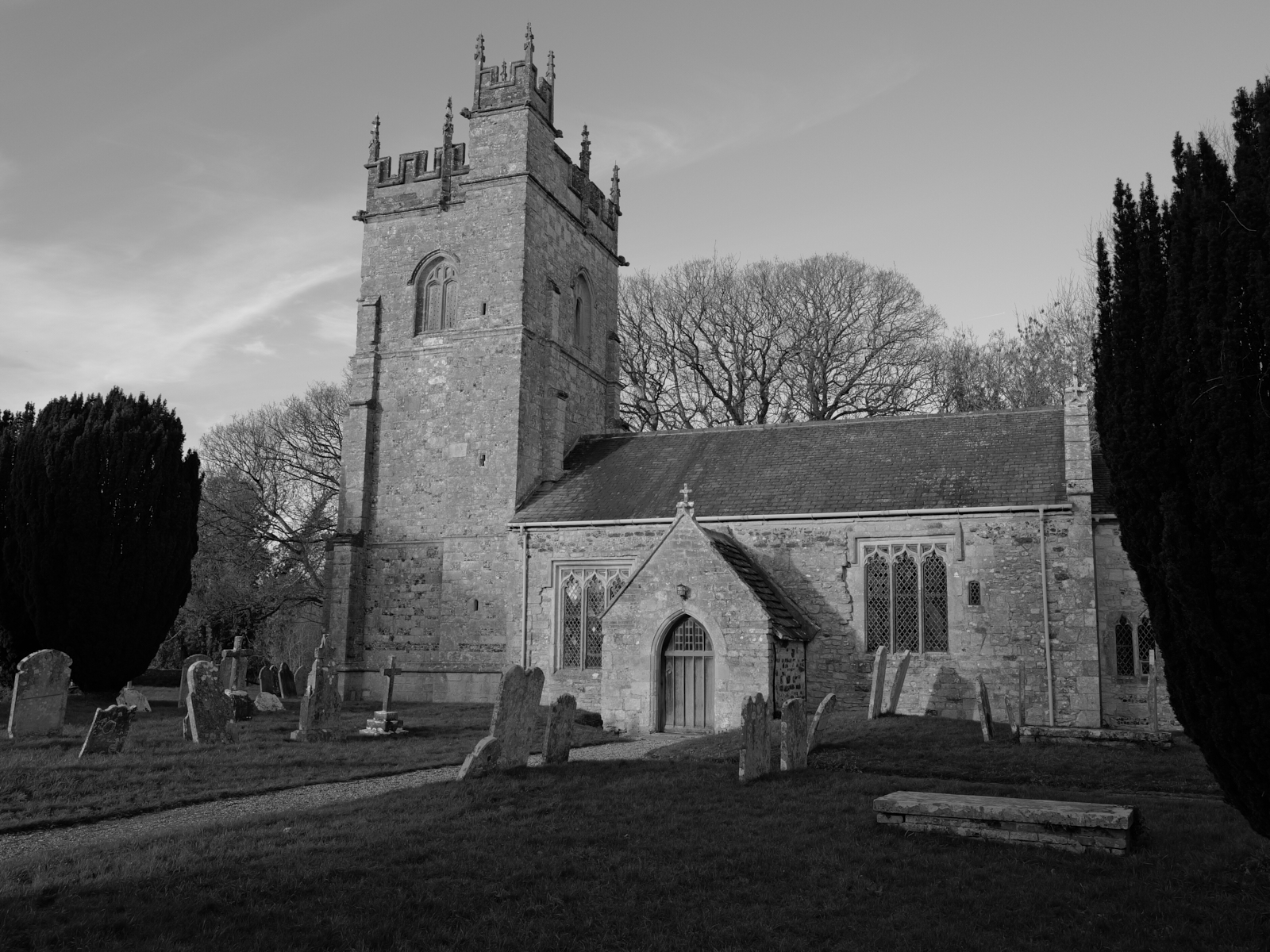
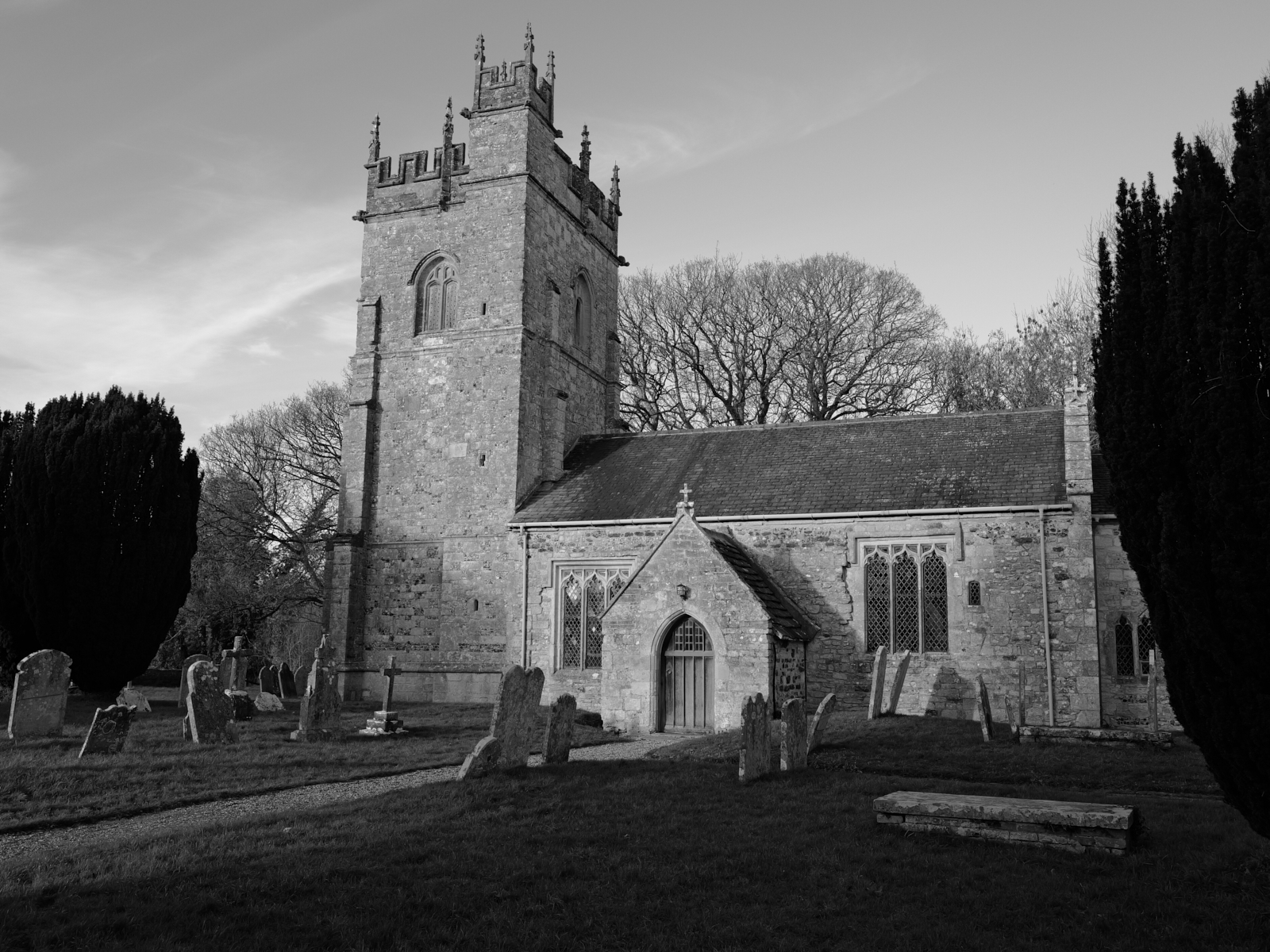
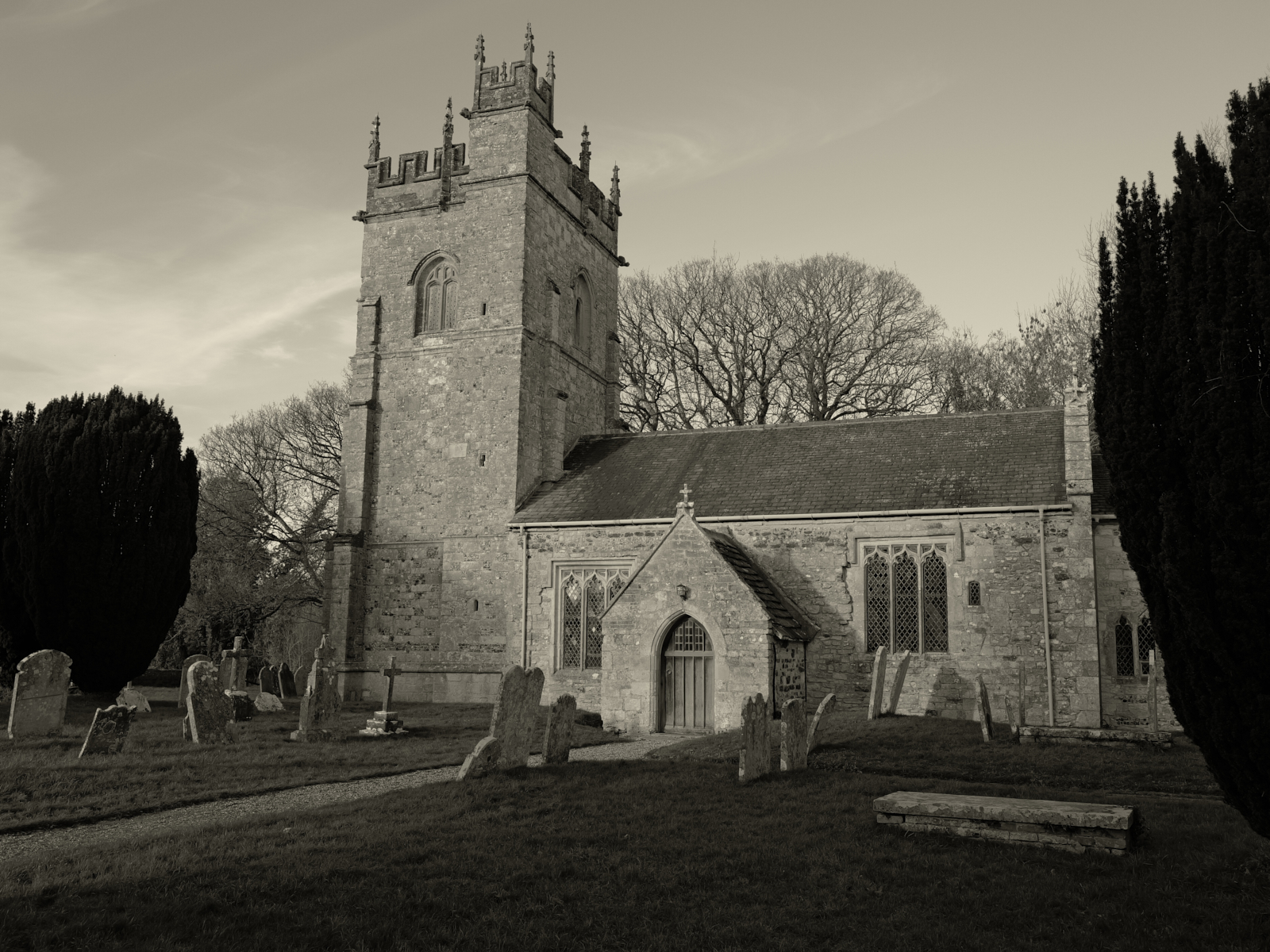
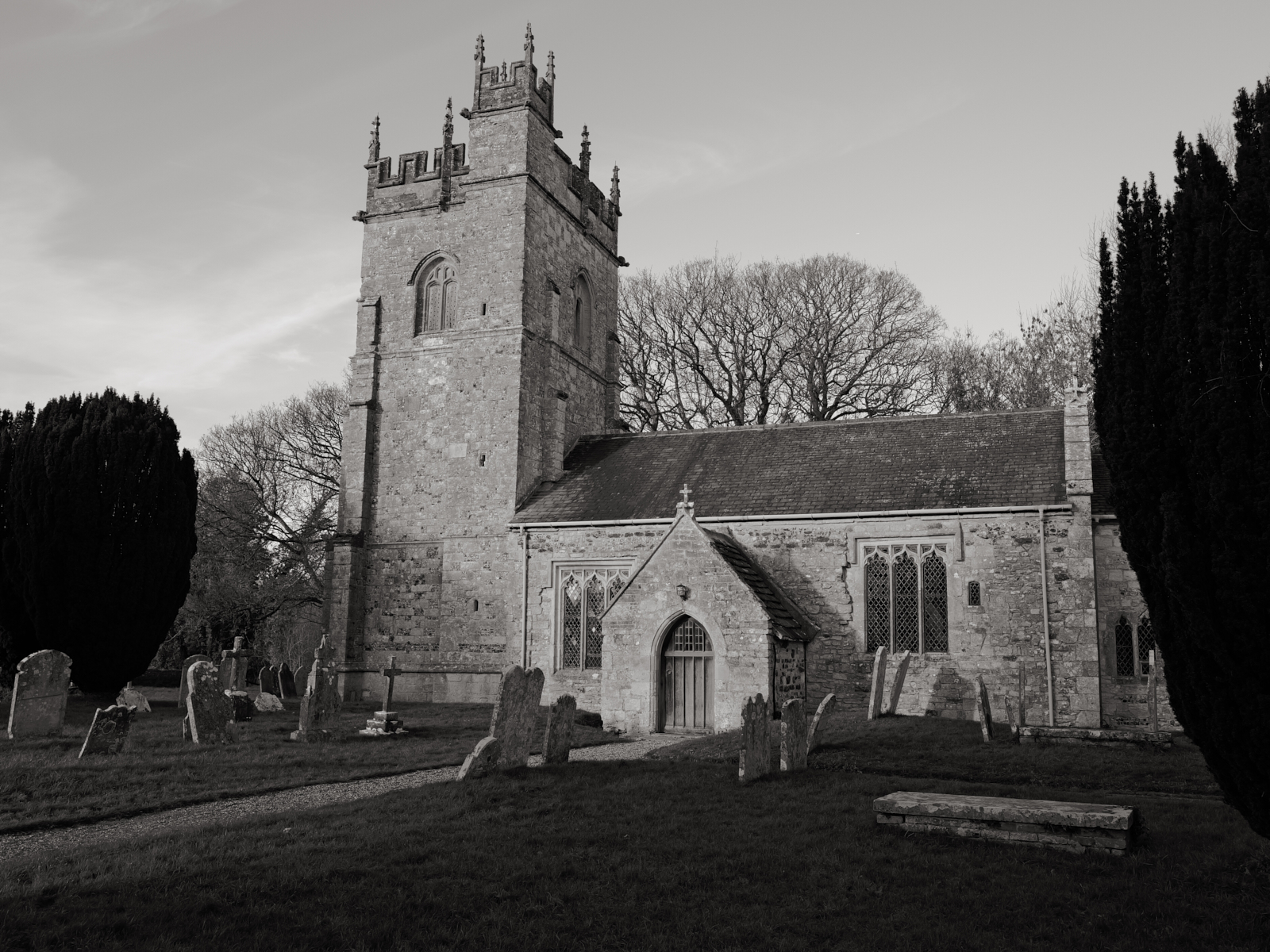
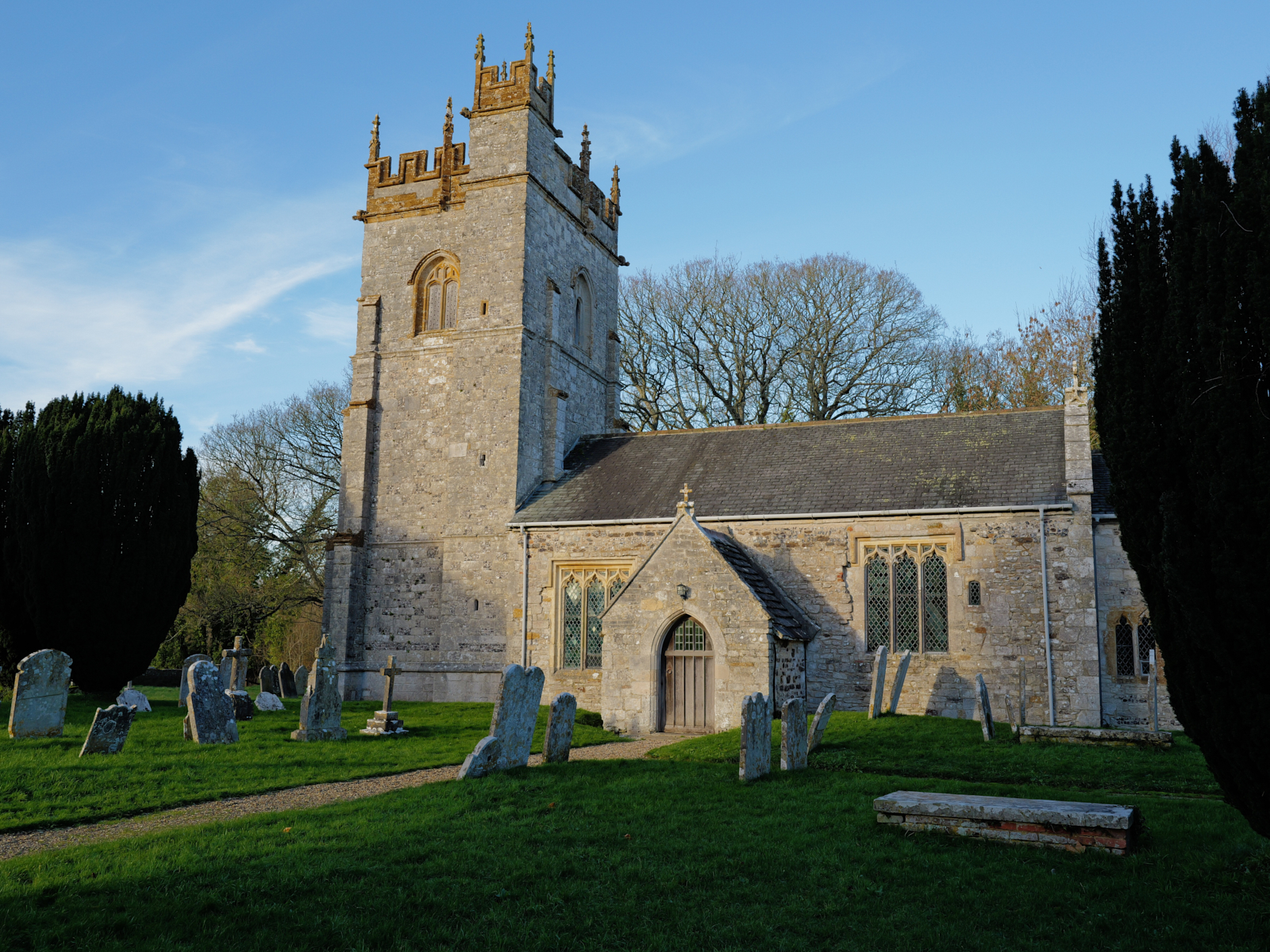
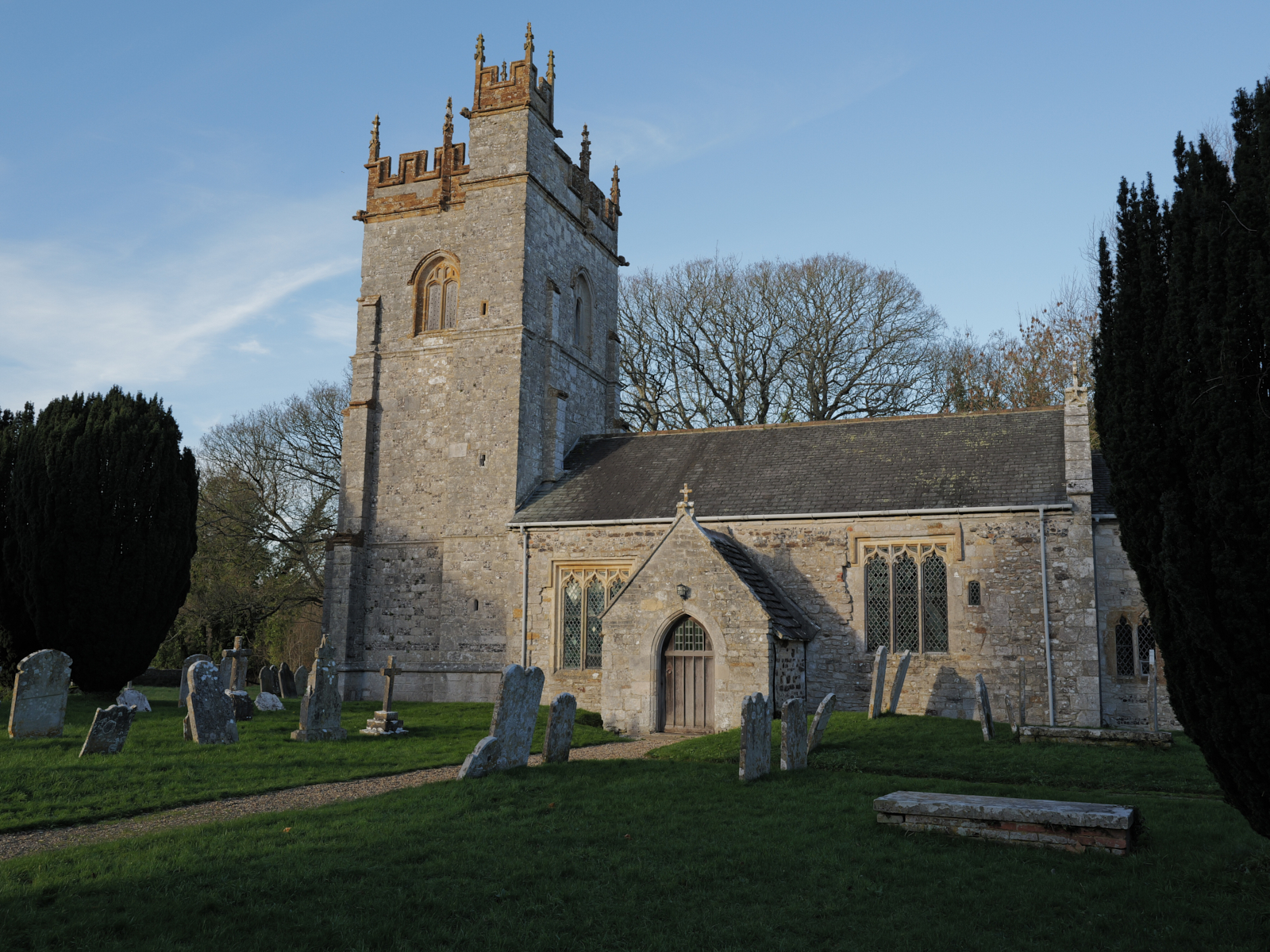
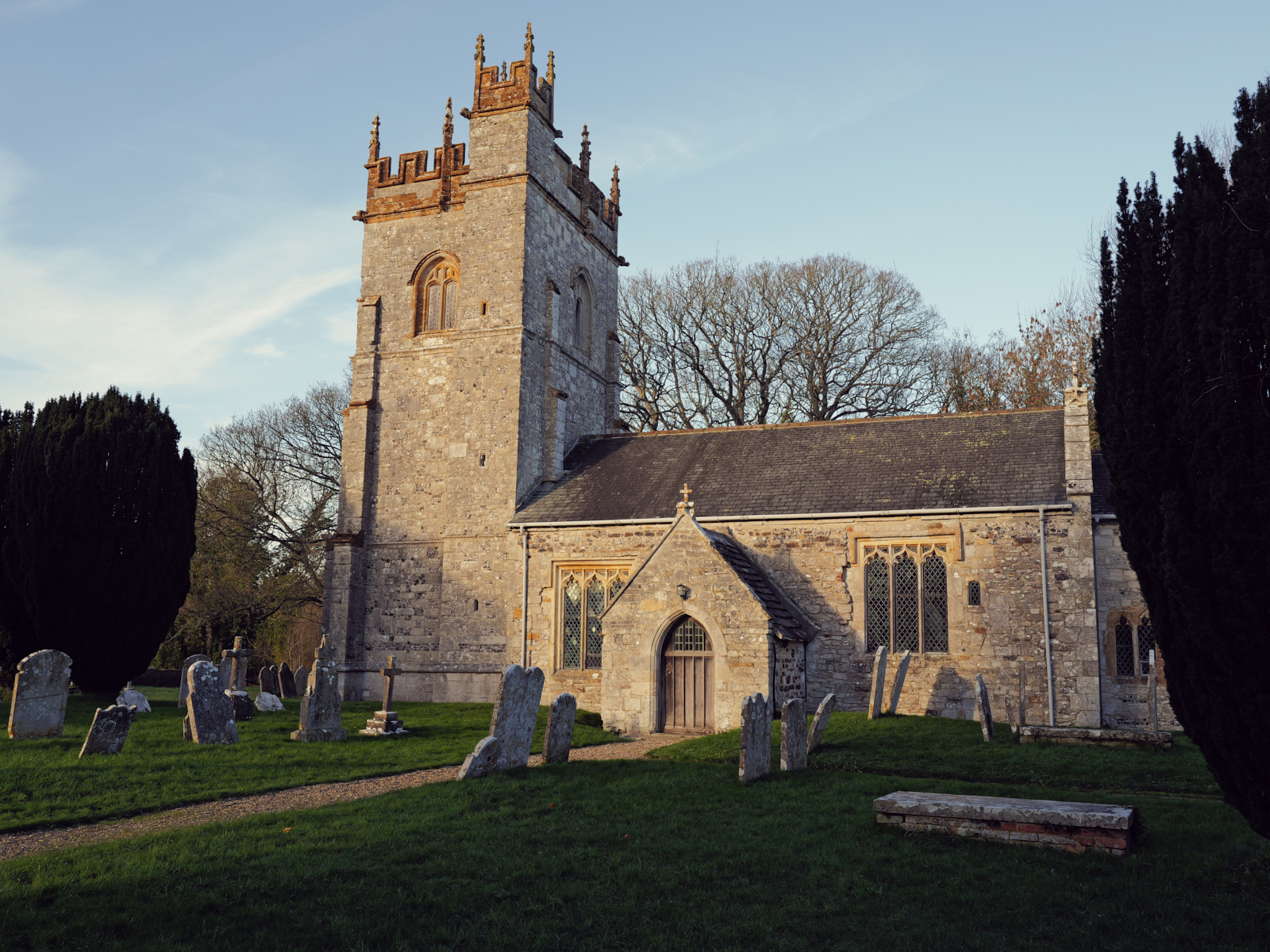
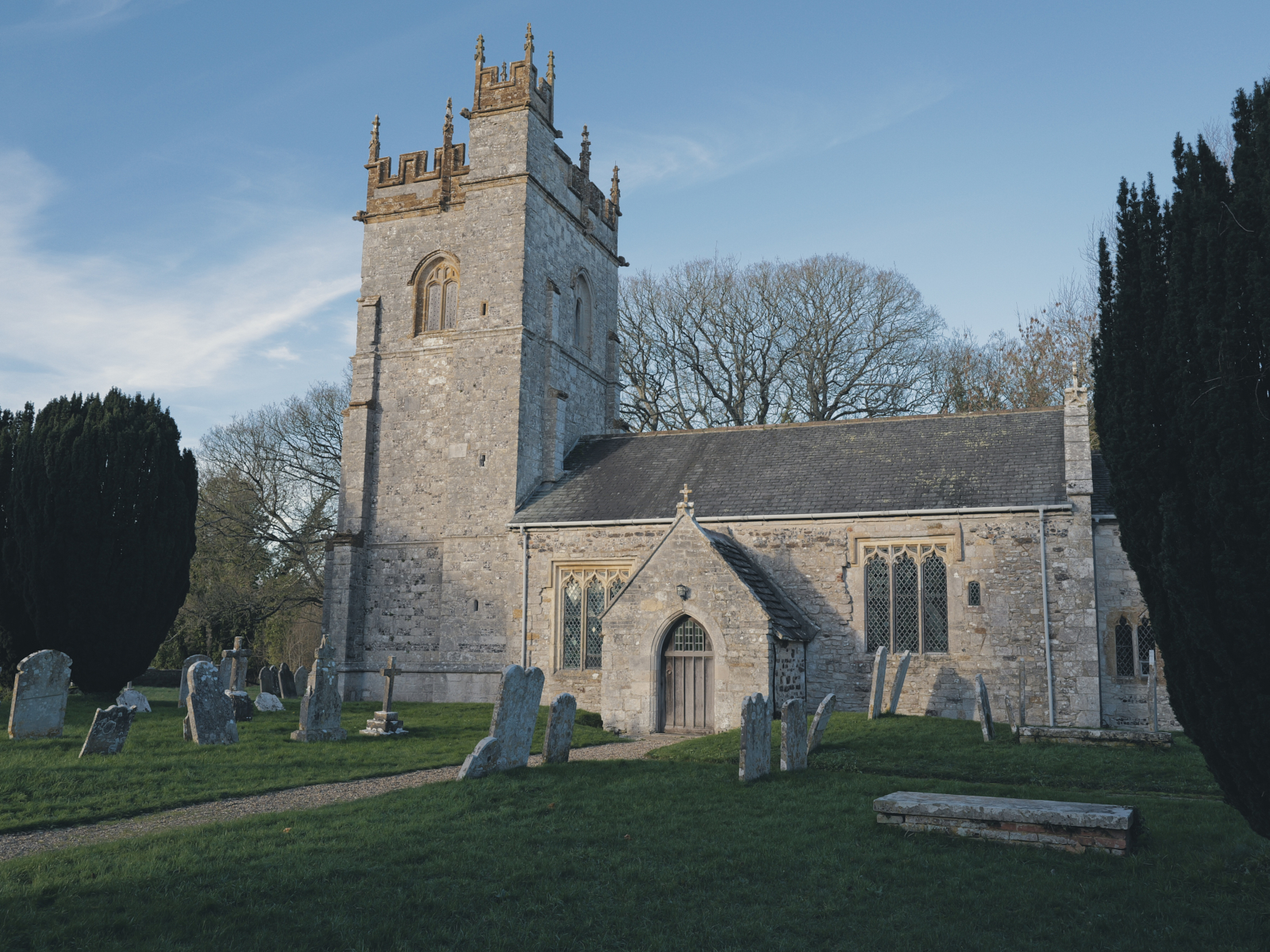
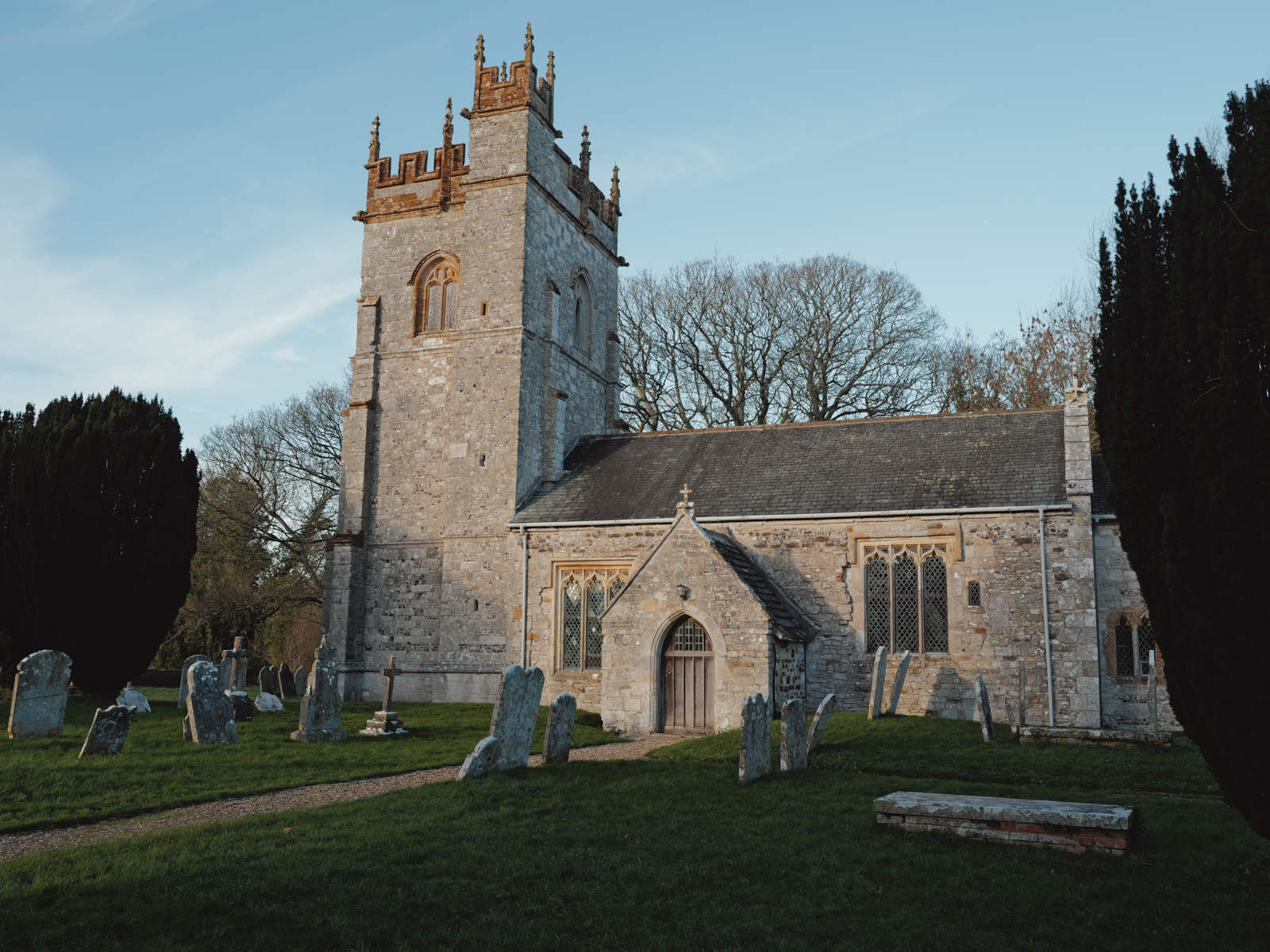
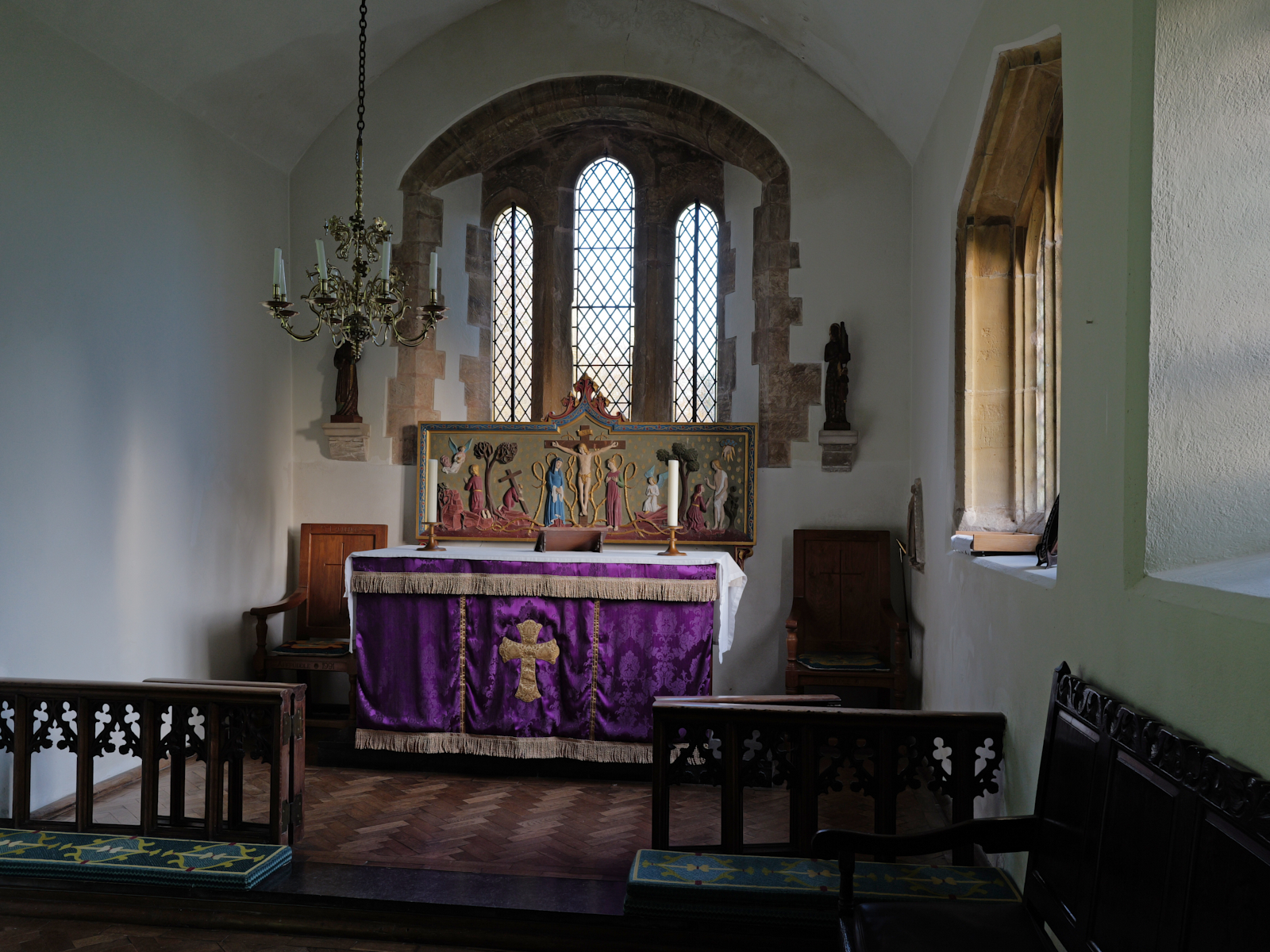
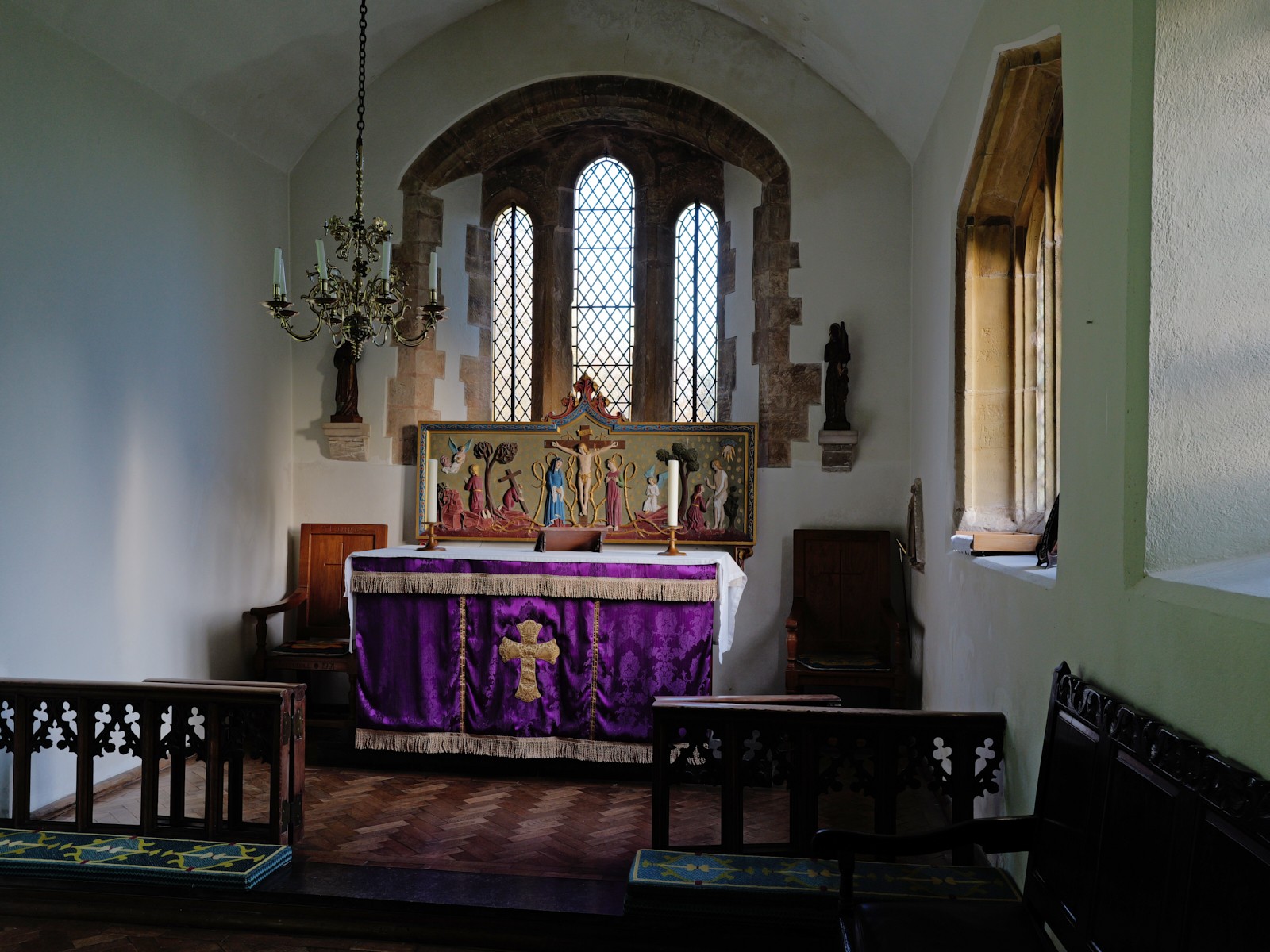
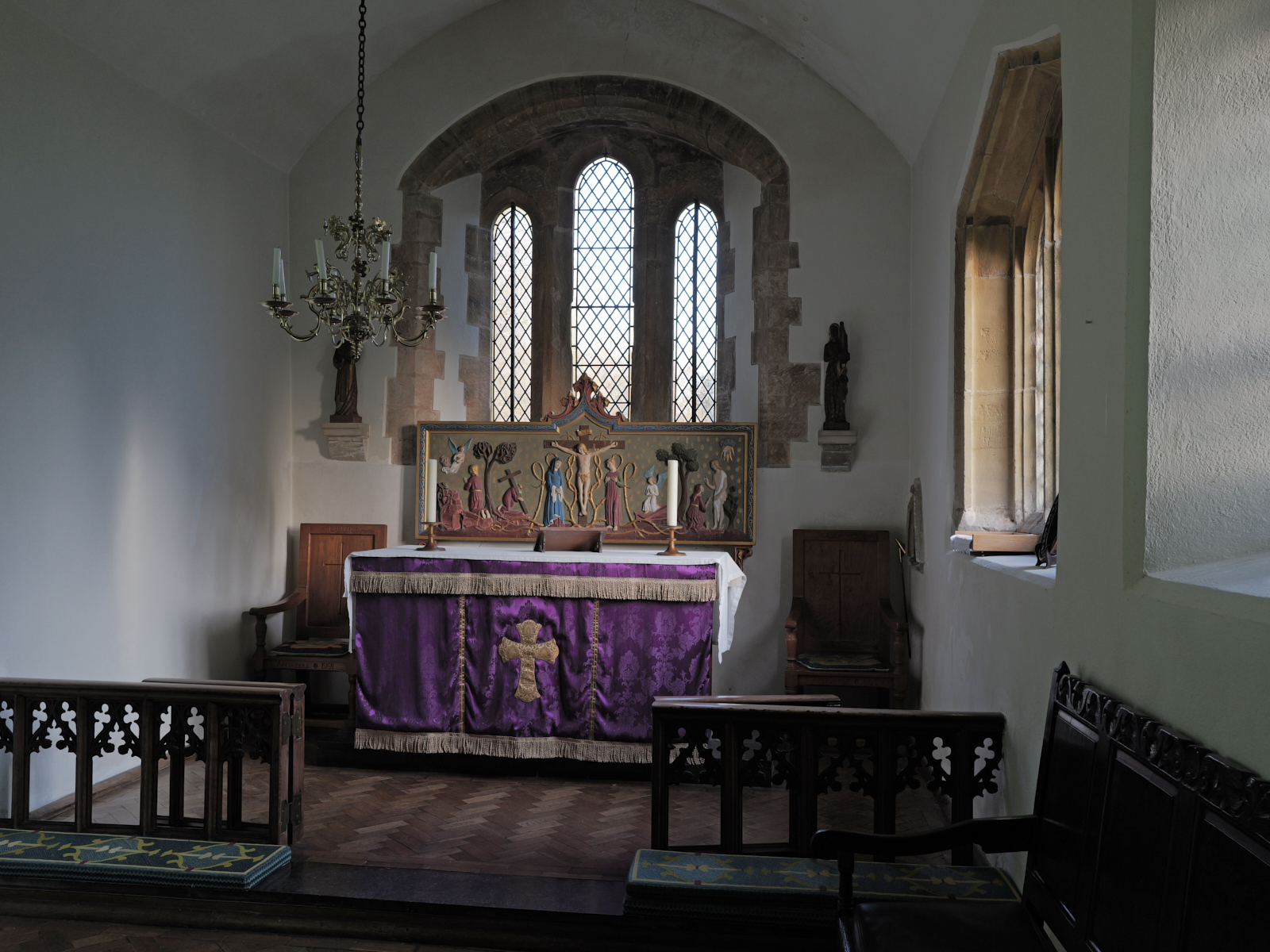
I decided to visit a nearby church and took a series of external and interior images having selected each Film Style or Leica Look in turn – 11 baked in styles for JPEGs only. If I shot RAW as well this would not be affected. In all cases I used exactly the same settings and all the results can be viewed below.
Monochrome Film StyleMonochrome High Contrast Film StyleSelenium Leica LookSepia Leica LookGreg Williams Leica Look
Given my love for black and white I was particularly interested in the monochrome styles and I have to say of all of them I really like the ‘Greg Williams Leica Look’. It isn’t too contrasty, and the fairly subtle warm tone appeals to me. In the past I have used the Monochrome High Contrast film style to preview the look I am after but still shot RAW. I doubt I will ever use Selenium and the Sepia look is for me a little overdone but you can reduce the intensity of the style in camera prior to shooting so this may work.
Although I don’t normally work in colour I was interested to see how the various styles compared. Over to the colour workers reading this post to come to their own conclusions. Personal choice as always and some of the styles will work well for certain types of subject and lighting conditions and not for others.
Standard Film StyleVivid Film StyleNatural Film StyleBrass Leica LookBleach Leica LookChrome Leica Look
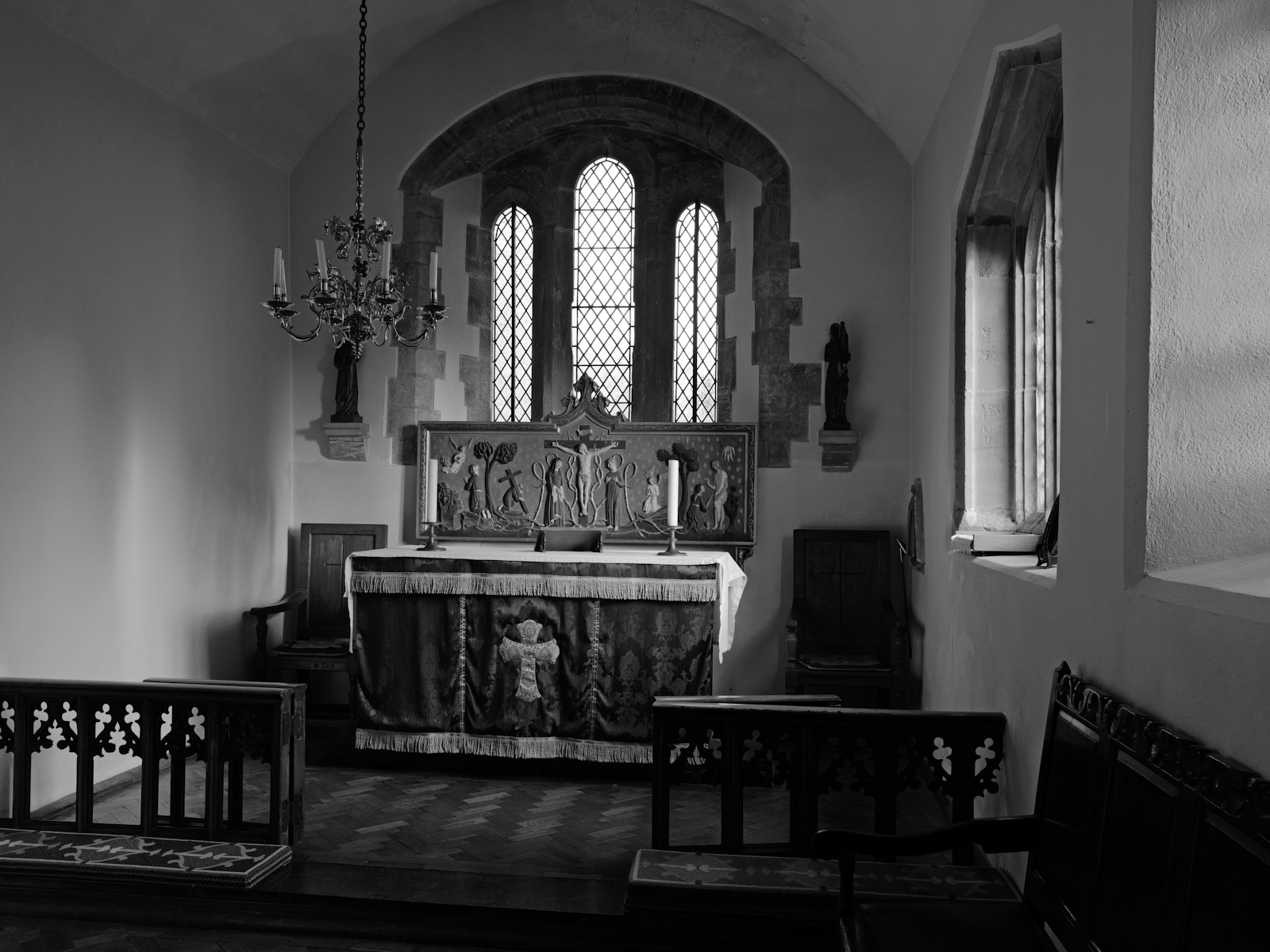
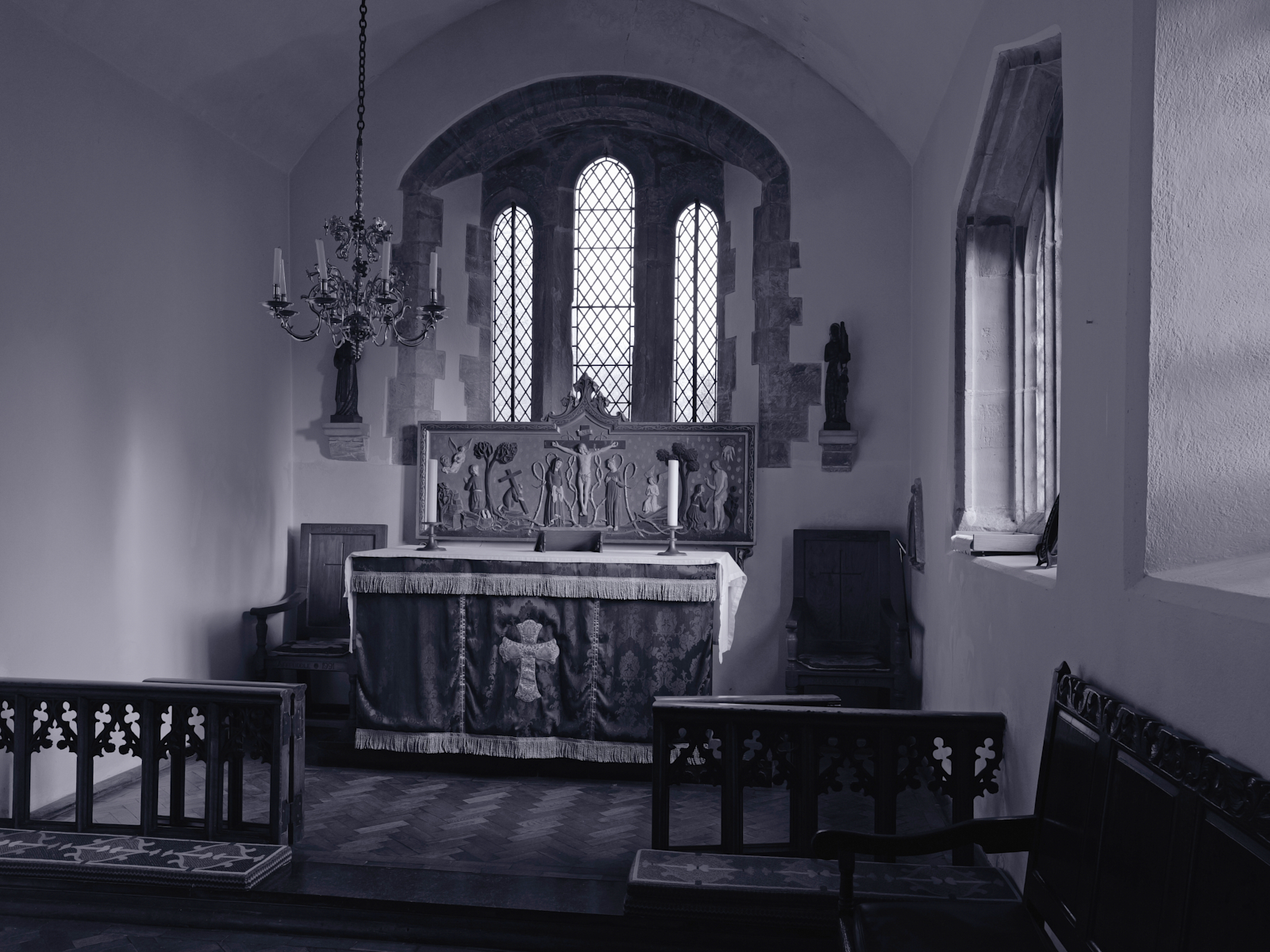
And now for a set of interior shots using the same 11 film styles and looks.
Monochrome Film StyleMonochrome High Contrast Film StyleSelenium Leica LookSepia Leica LookGreg Williams Leica Look
Once again the ‘Greg Williams’ look works for me and this particular subject matter.
And here are the colour versions.
Standard Film StyleVivid Film StyleNatural Film StyleBrass Leica LookBleach Leica LookChrome Leica Look
I think it’s fair to say that I have enjoyed this exercise. Whether or not I will start shooting RAW plus JPEG, coupled with one of the styles, I don’t know. At least I now have useful reference which will serve as a reminder of the looks available.
For anyone who is fortunate to own a Leica Q3 (28, 43 or Monochrom) or SL3 or SL3S, I can highly recommend the latest 4.0.0 firmware update. But before taking my word for it I would strongly suggest you check out the support section of the Leica website. I would also recommend viewing a couple of videos on YouTube on the Leica channel which will give you much more information.
I doubt I will post anything more before the 25th December so wherever you in the world and whatever your beliefs, may I wish you a very happy Festive Season and peaceful New Year.
(A quick aside – given the size of the images I would suggest viewing this post on a tablet or better still a desktop as opposed to a mobile device)







 alan frost photography