Don’t bring your own food and drink in here!

Window Sign

Dereliction, rust, peeling paintwork, missing panes of glass etc, all appeal to photographers, so we are inevitably drawn to buildings which have these traits. The bonus comes when you find a sign which enhances the image and the viewer starts to question what the story is behind the picture.

This establishment shows no other signs of ever having been a place where you could buy food and drink, let alone consume it, so I can only hope that the owner of this building was simply demonstrating the fact that he had a good sense of humour when he placed this notice in the window.

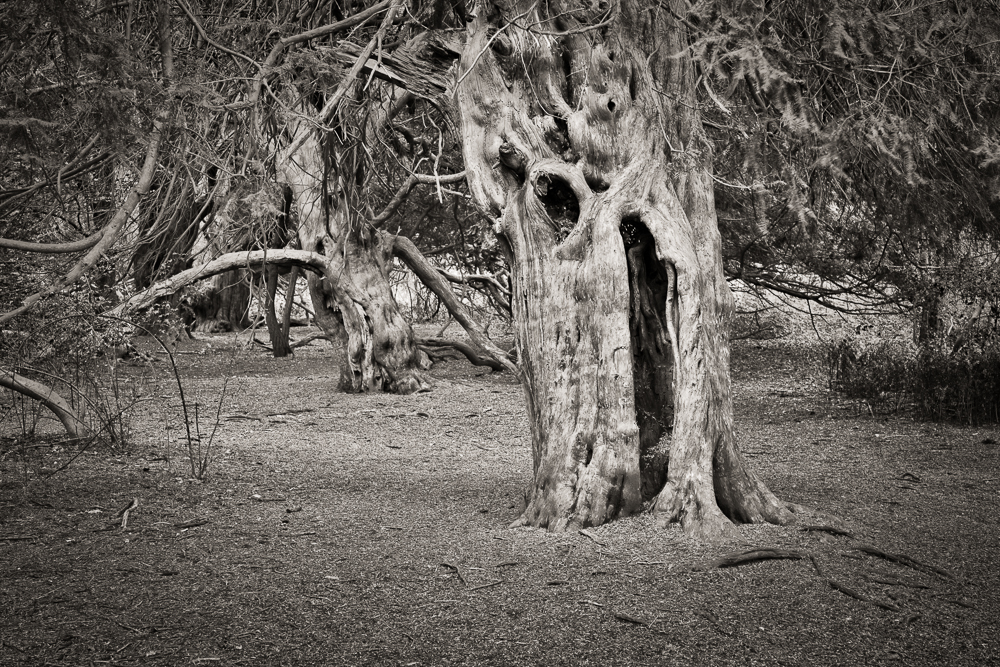
The ancient yew trees of Kingley Vale – nature’s cathedral or a place of ghosts?

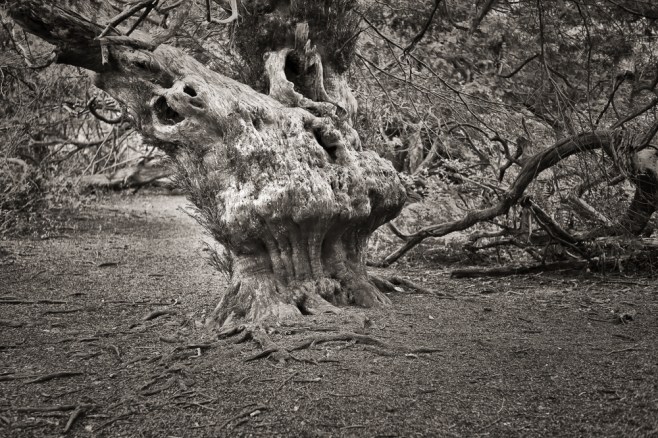
The ancient yew trees in Kingley Vale Nature Reserve in West Sussex is a sight to behold and is perhaps one of the finest groves of its type in Western Europe. These magnificent trees are thought to be 2,000 years old which would mean they are some of the oldest living things in Britain. The gnarled bark of the twisted trunks and the contorted, arched branches which reach down to the woodland floor are beautiful, but also eerie in their sometimes almost ghost like appearance.

The grove has been likened to a cathedral. It’s dark beneath the canopy with shafts of light occasionally breaking through. The trunks represent pillars and the branches form arched trusses supporting the trees’ canopy or the roof of a cathedral. This comparison is not without foundation as yew trees are planted in churchyards. Trees, particularly long lived yews were worshiped in the days before Christianity.
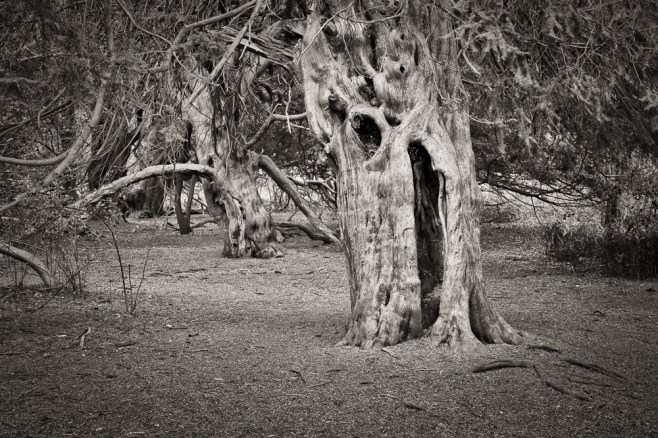
Photographically I found it difficult at first to find strong compositions and the light was also a challenge. You can probably imagine how dark this yew tree grove would be, even in the summer. However as soon as the sun broke through, the scene was transformed into one of high contrast making it all but impossible to capture the true essence of this location. Although these frames were all taken when the sun was obscured by cloud I still had to avoid strong highlights where gaps appeared in the foliage. After about an hour the sun emerged for the remainder of the afternoon. There was far too much contrast and the camera and tripod were packed away for another day.

Although I have walked around Kingley Vale on many occasions, I have not photographed these trees before. I would like to do so again as familiarity with any subject allows your eye to see different ways of photographing something which you may have tried to capture many times before. But weather conditions, the time of day, the changing light of the seasons and countless angles of view for different compositions allow you to return again and again. I am sure that I will find new ways to observe, to interpret, and to appreciate a subject which perhaps I thought I already knew.

For anyone wishing to visit Kingley Vale Nature Reserve there is a car park at West Stoke, a small hamlet to the north of Chichester in West Sussex. The footpath to Kingley Vale is clearly marked and it will take you about 20 to 30 minutes to reach the Yew Tree Grove. Have fun!

Loch Na Keal on the Isle of Mull

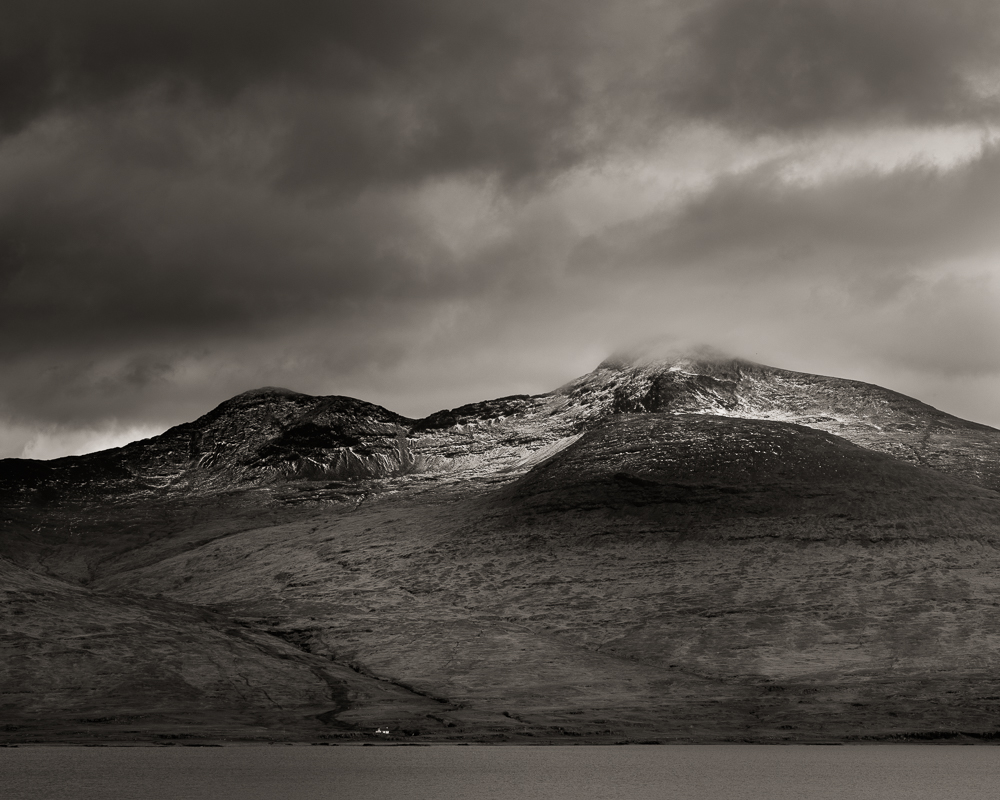
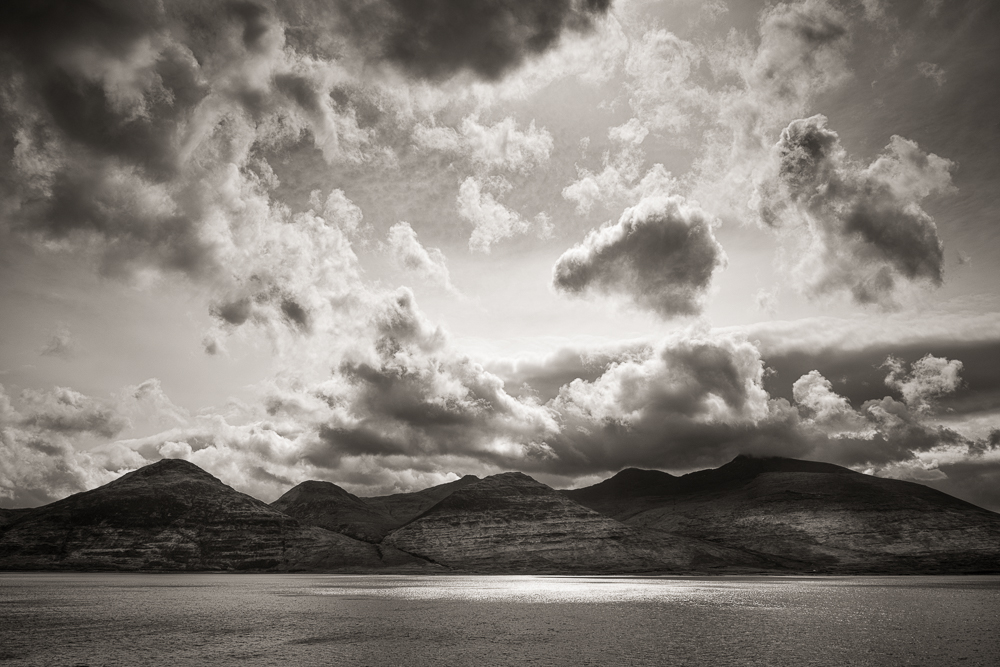
Loch Na Keal is the principal sea loch on the west coast of the Isle of Mull, which is part of the Inner Hebrides in Scotland. The views in this entry are all taken from the northern shoreline looking south towards the largest mountain range on the island which includes Ben More. The scenery in this part of the island is simply stunning; it is perhaps the most beautiful but also the most dramatic location on Mull. The weather and light are constantly changing, as the clouds move in the wind and are intercepted by the mountains, bringing precipitation to the high peaks and wonderful light for photography.

I took these images back in April but only recently processed them to my satisfaction. They take me back to a place I love and I long to return.


Heron in Flight, Loch Na Keal

Afternoon Light, Loch Na Keal

Towards Ben More, across Loch Na Keal

Mountains of Mull, across Loch Na Keal

There are small but important details in couple of the images (‘Heron in Flight’ and the cottage in ‘Towards Ben More’) which can really only be appreciated if viewed large, so do click on the photo which will open in a new window.


Photographic projects – and how I have come to appreciate their importance

In recent weeks I have been considering how and why my photography has developed over the past couple of years. In doing so I have come to appreciate the importance of projects. In this post I will write about a few examples and illustrate how they have impacted on my photography and how they might help you in the future.

The age old expression that ‘every picture tells a story’ may still hold true, but with millions of photos being uploaded to the web on a daily basis, via Instagram, Flicker, Facebook, Twitter (I could go on) ….. the world is now saturated with images. Whilst I still enjoy making and sharing ‘single’ shots’, my own feeling is that there is much greater value in a body of work which includes some form of narrative; hopefully a story contained within a set of images which makes viewing the work more meaningful and dare I say it, more pleasurable for the viewer. A story behind the image is far more difficult to achieve from just a single back lit picture viewed on a screen in the space of a few milliseconds, whereas a printed body of work is likely to hold the attention of the viewer for a longer period of time. These bodies of work may take the form of a panel, a photographer’s portfolio, part of an exhibition or published in a book.

New Art of The South Downs

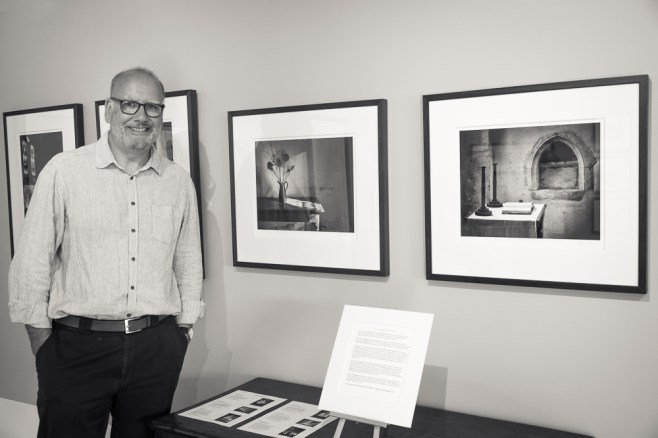
Yours truly at the recent ‘New Art of The South Downs’ Exhibition

Read more