Basic ingredients – another still life.

L1010646-Edit

A few weeks ago I made my first still life image. Whilst I prefer outdoor photography I am really enjoying using things which I can find around the home, arranging them to form a pleasing composition, lighting them in a sympathetic way and then processing the picture mainly in Silver Efex Pro.

These basic ingredients can be found in almost any house. A loaf of bread, an apple, a slice of cheese and a drinking vessel, in this case an old wine goblet. Do we take these things for granted? We probably do. Perhaps this image reminds us that there is a simple beauty in all things, even the most basic of food ingredients.

Other ‘Still Life’ entries can be found by clicking on the links below.

Learning from Still-Life

Three vessels and a tulip

More ‘Still Life’ – further experimentation for the fun of it!

Three Norfolk Churches – a place to return

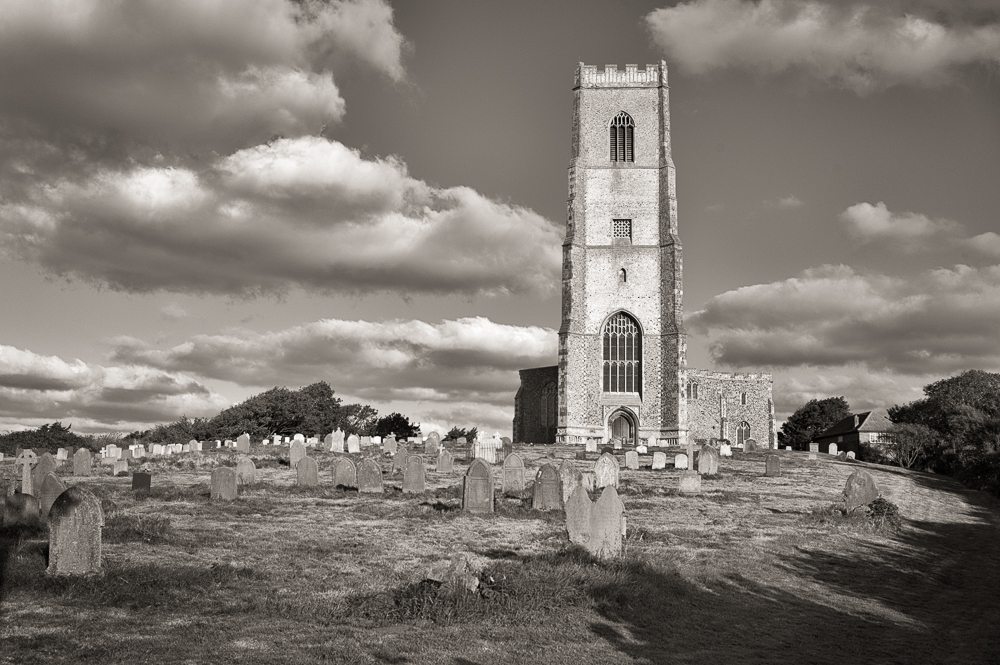
Happisburgh Church

Happisburgh Church

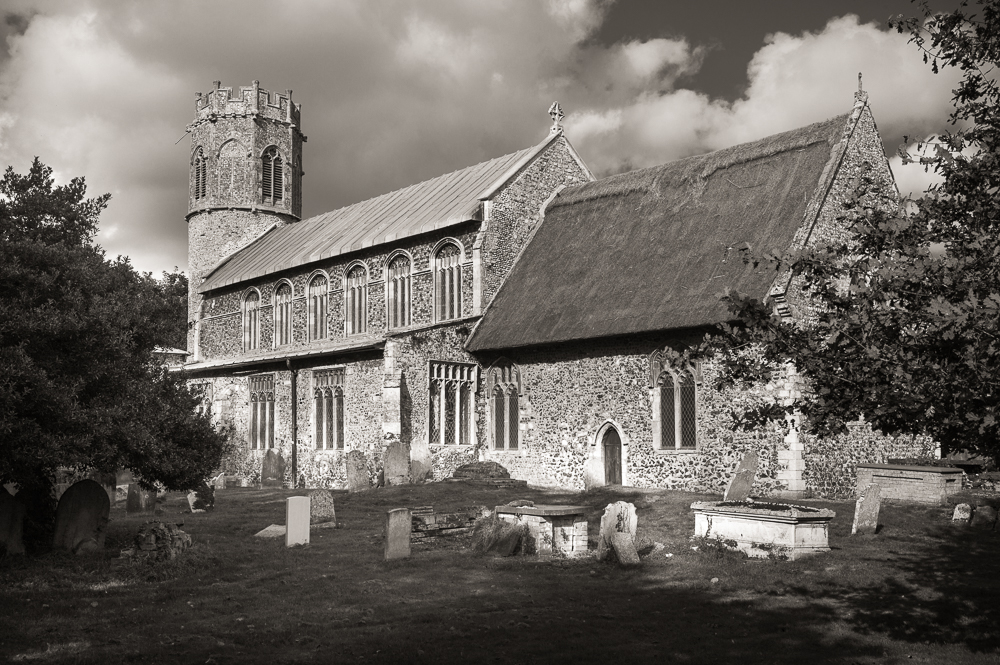
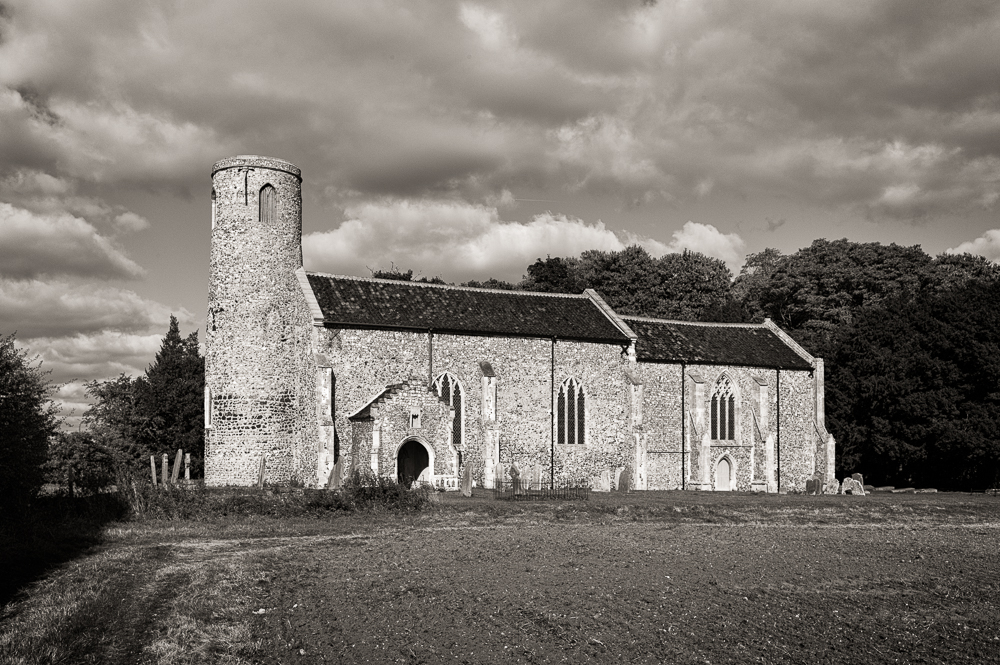
The county of Norfolk has many attractions not least the sheer number and variety of churches to visit. These three examples were captured whilst on holiday a couple of years ago but only now have I processed them to my liking. I sometimes think a trip to Norfolk specifically to photograph churches would be a great thing to do. I will add it to my ever growing list of places to take my camera!


Potter Heigham Church

Potter Heigham Church


Beeston St Lawrence Church

Beeston St Lawrence Church


Do click on an image to view a larger version which will open in a new window.

Taking inspiration – An interview with Michael Kenna

I believe that all creative people, whether they are painters, sculptors or indeed photographers can be inspired by viewing the work of the most famous and successful artists in their field of expertise. It is why we visit galleries and exhibitions, buy books and maybe even purchase a piece of work if we are rich enough to do so. As well as viewing their work, I also enjoy reading what they have to say, listening to them talk or watching a presentation or an interview.

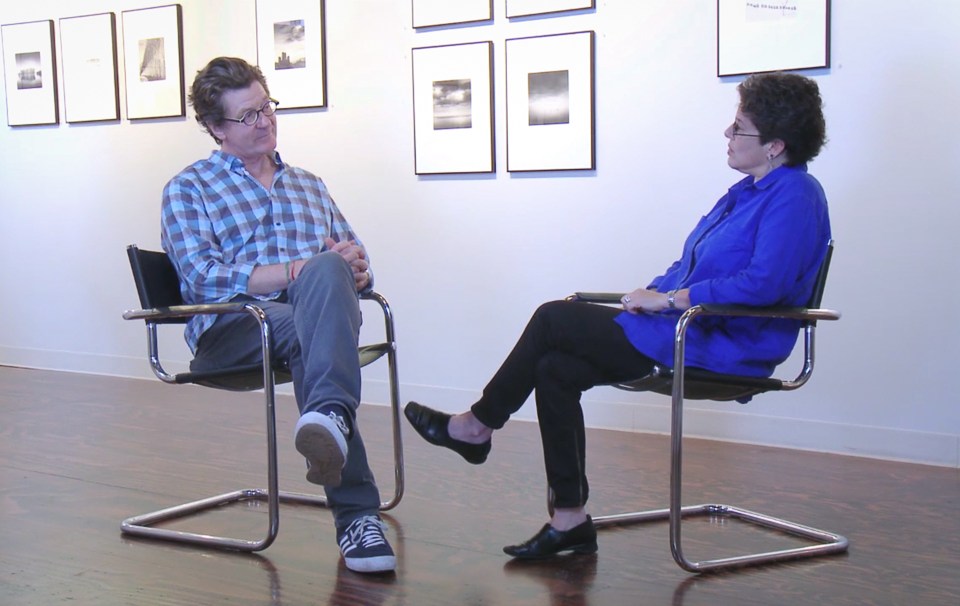
The internet is a fantastic and huge resource but the quality of videos posted can vary from the ‘I wish I hadn’t wasted my time’ to the ‘Truly excellent……. I would like to watch it again’. Today I watched a video on Vimeo which definitely falls into the latter category. The video is of Michael Kenna being interviewed by Catherine Edelman in 2016. Over a number of years her gallery in Chicago has regularly exhibited Kenna’s photographs  and they clearly have a strong working relationship.


Whether or not you like Michael Kenna’s work (and I do), I would suggest you make yourself a cup of coffee, or pour yourself a glass of wine, and sit down and watch what I found to be a very enjoyable and inspiring 50 minutes. In fact I would go so far to say that it is the best interview with Michael Kenna that I have discovered on the web and there are quite a few around.

I should point out that it ends rather abruptly, which was strange, but otherwise it was first class. I hope you enjoy it as much as I did.


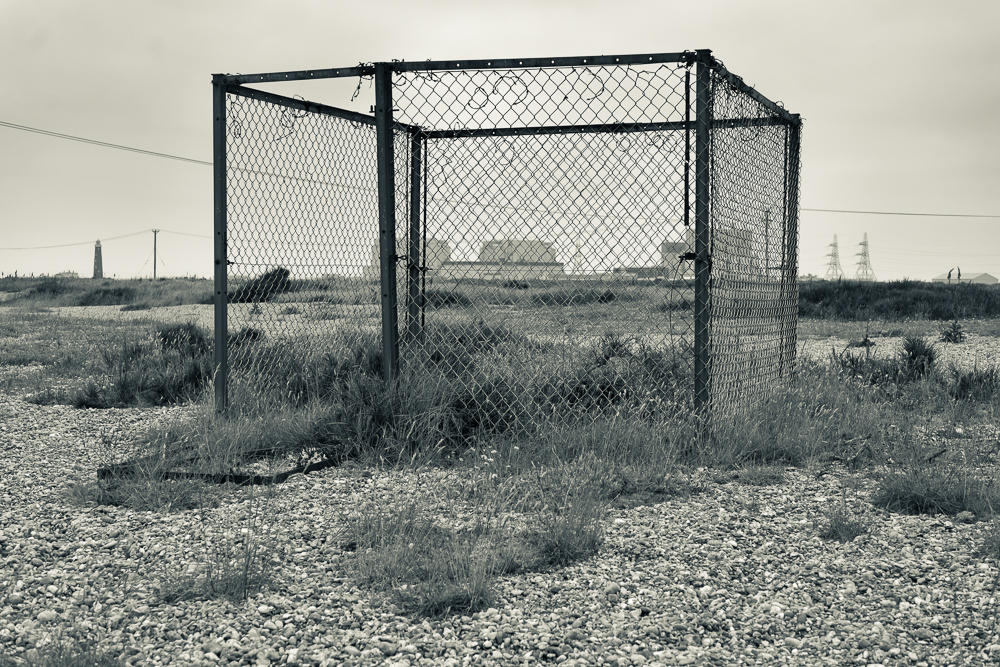
Dungeness – A fascinating and desolate place.

Dungeness-16

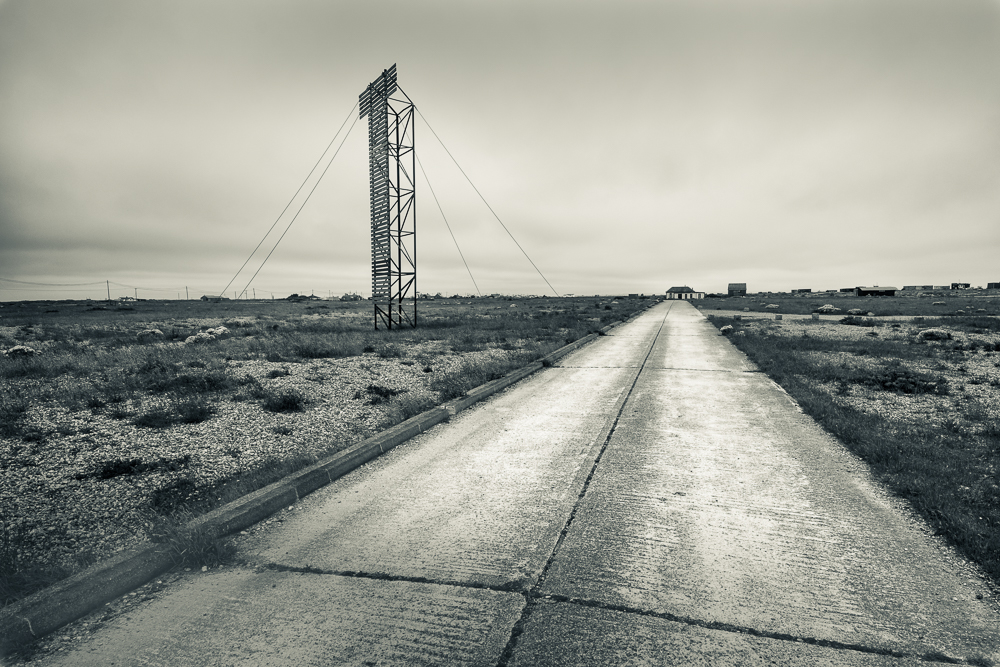
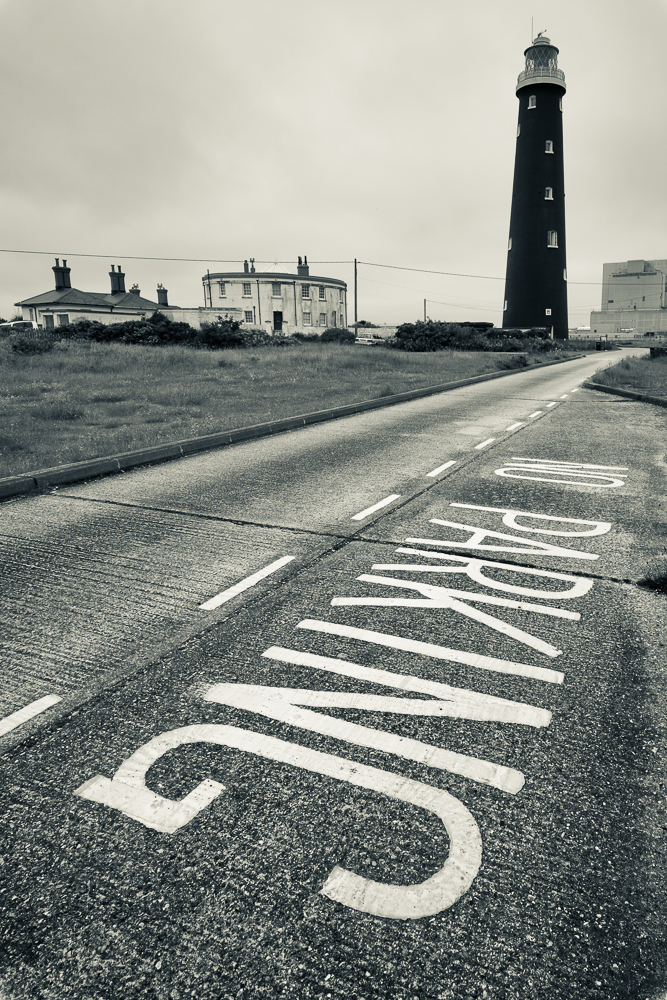
For quite some time now I have wanted to visit Dungeness on the southern tip of the Kent coast. I had heard about and seen many an image of the headland which is one of the largest areas of shingle in Europe. It is an extraordinary and fascinating place, quite unlike anything I have visited before.

In recognition of its diverse ecology  it is designated a National Nature reserve (NNR), a Special Protection Area (SPA), a Special Area of Conservation (SAC) and part of the Site of Special Scientific Interest (SSSI) which also includes Romney Marsh and Rye Bay.

Dungeness-18

It is also the site of two Nuclear Power Stations. The first was commissioned in 1965, and the other became operational in 1983. The former ceased production in 2006 and the second is estimated to be de-commissioned by 2028. They are massive buildings, dominate the area, and are ever present if not in the eye then certainly in the mind.

Dungeness-7

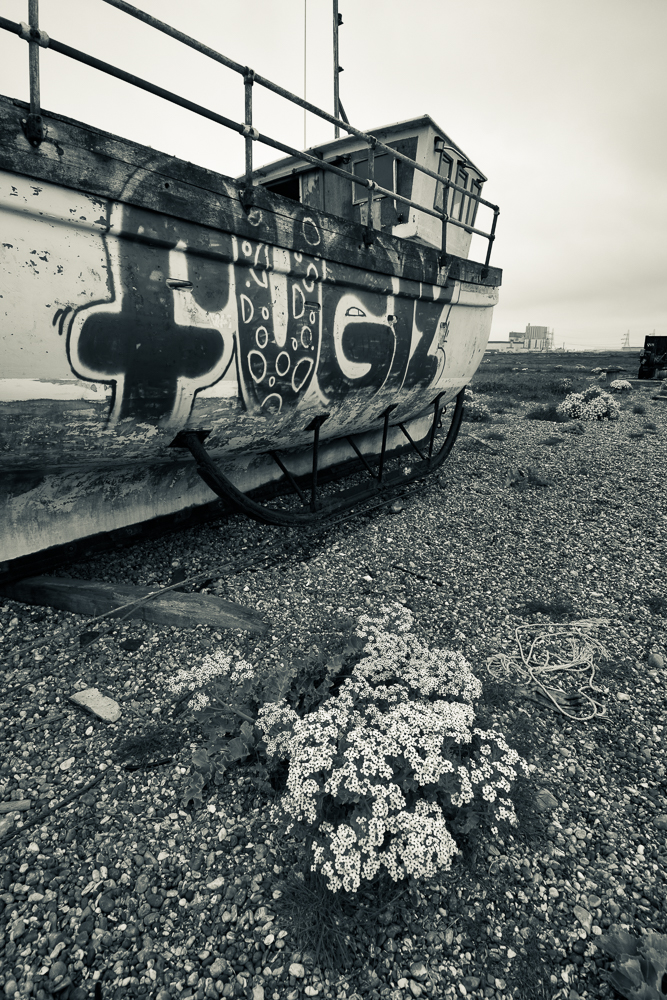
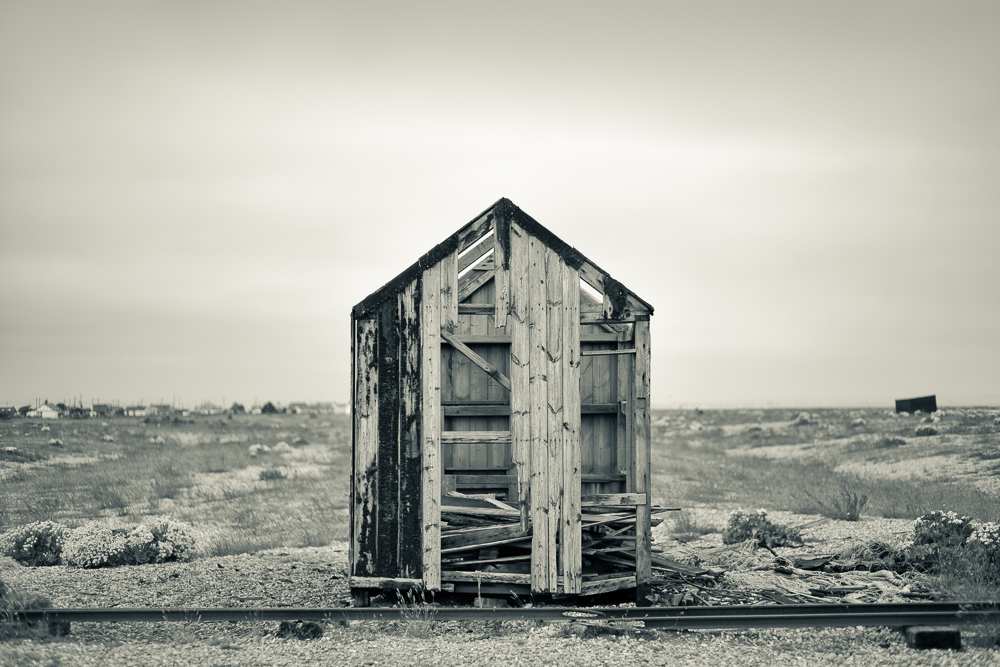
Fisherman have lived in the area for a long time. Their homes are often converted railway carriages and their boats and huts stand on the shingle although many are well past their prime.

Dungeness-2

Dungeness-3

Dungeness-6

There is clear evidence the character of Dungennes is changing, as incomers given the opportunity buy one of the dilapidated buildings, which is then replaced with a much more modern/contemporary structure. Whilst there are strict planning regulations these new properties are in many cases second homes or holiday lets. I doubt this is considered to be progress by the locals as it impacts on the affordability of these homes and it will in time undoubtedly change the character of the location.

Dungeness-13

Dungeness-14

My wife and I spent the best part of a day exploring the area, but I left thinking there was more we hadn’t seen. Photographically it offers numerous opportunities and having taken my time to process a selection of images I hope I have captured something of the true essence of the place. In many respects these pictures are more documentary in their style and I have enjoyed this approach to this collection.

Dungeness-9

Dungeness-12

Although the place gives the impression of  abandonment and desolation there is activity including the Fish Hut and a steam railway for the visitors. Should I make a return visit, and I think I will, I would like to try and record some more of these activities as they too have a story to tell.

Dungeness-8

Dungeness-15

Dungeness-10

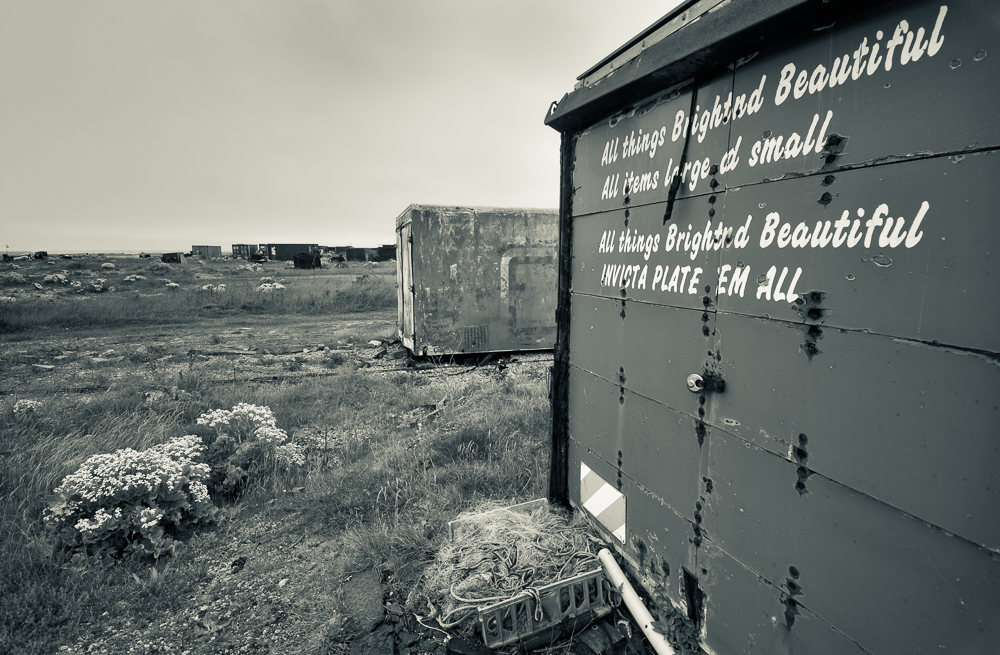
Dungeness is a fascinating place and I have finished with a photograph of some wording I found on the side of one of the many containers apparently abandoned on the shingle. Make of it what you will!!

If you have enjoyed these images there are more to be seen in a new gallery page – ‘Dungeness’ which can viewed by clicking here.

As always if you want to view an enlarged version do click on the image.

The Coastguards – Escaping the classic view

The Coastguards

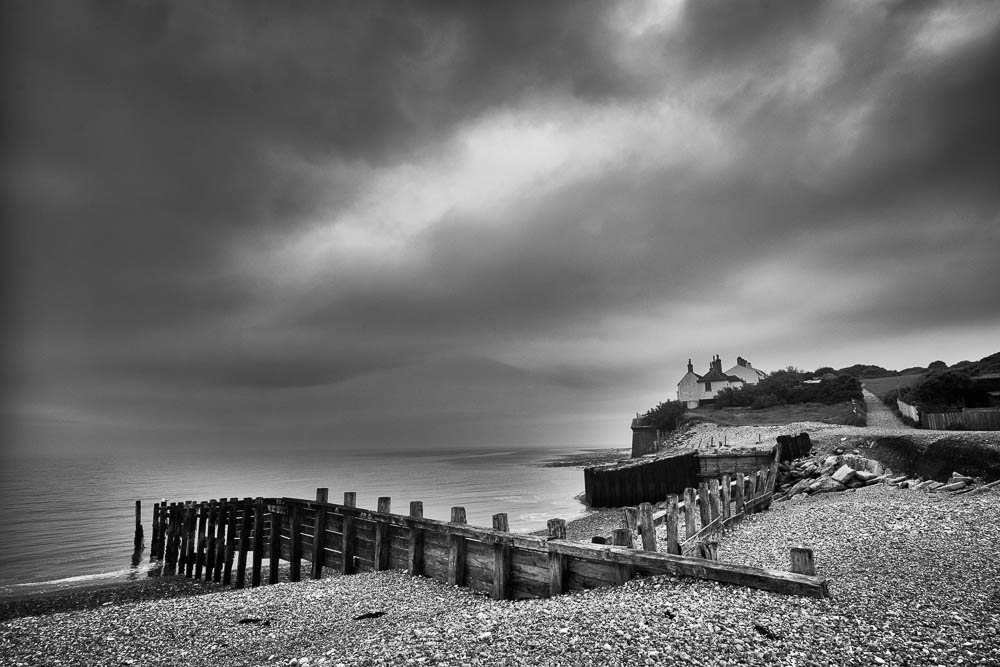
This image was captured at Cuckmere Haven in East Sussex  earlier this week. The approach is from Seaford Head Nature Reserve. It’s an extremely well known spot, not only for tourists but also for photographers who wish to add the ‘classic view’ to their collection. By ‘classic view’ I mean the one which is taken from the top of the footpath on the right of this picture. Looking east, the coastguard cottages are in the foreground whilst the majestic view of the cliffs of The Seven Sisters and Beachy Head fill the background. It is a wonderful view but metaphorically speaking there are thousands of tripod holes in the prime spot. Just Google – Coastguard Cottages Seaford – and you will see what I mean.

On my Instagram feed, a fellow Worpress Blogger, Lensscaper by Andy Hooker, rightly pointed out in a comment that the view isn’t as good as it used to be. The brambles are quite overgrown and the view of the cottages is quite obscured.

This didn’t matter to me  as the point of this post is to look for alternative viewpoints and not to follow in the footsteps (or tripod holes) of all the people that have gone before me. The ‘classic view’ might be the one to appear on the picture postcard or a tin of biscuits made for the tourist, but I prefer to explore a popular location and look for an image which is not often seen by the majority.

In case you were wondering I did take the ‘classic view’ about a year ago and here it is. Even then  I still made the focal point an elderly gentleman with his walking stick. I was still resisting a shot of  just the view itself. You can read this post here.

chabce-to-reminisce

I would argue that even in the most popular locations there are new shots to be found if you take the trouble to look around and not be tempted to repeat the obvious.