Posts by alan frost

‘If music be the food of love’ – The Hampshire Recorder Sinfonia
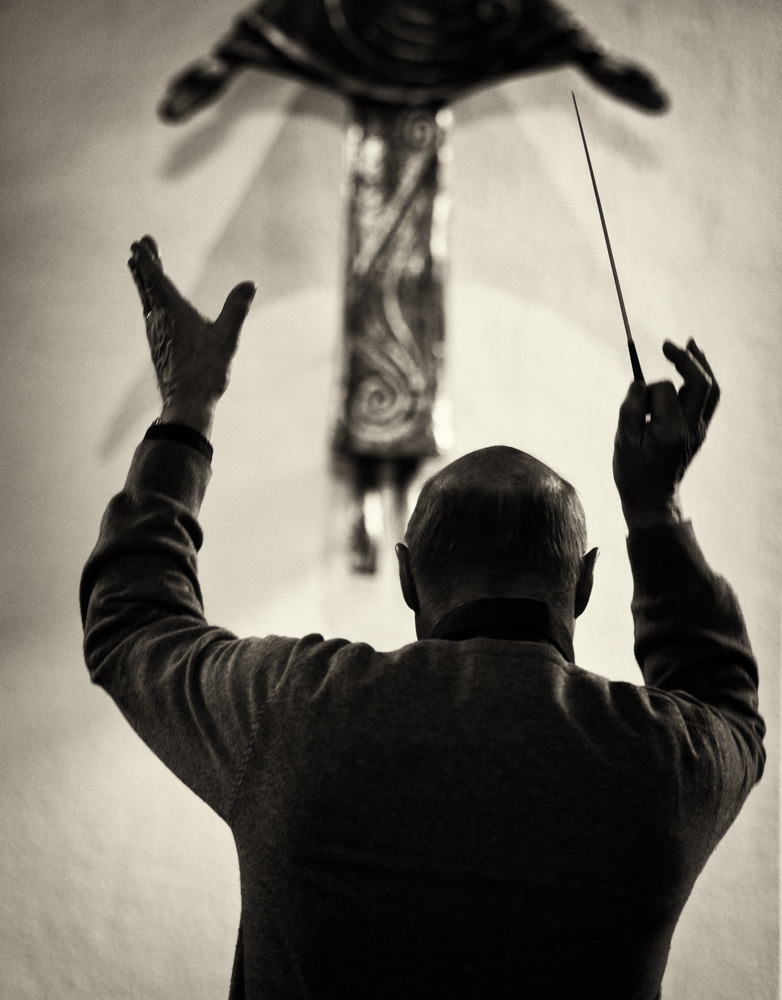
 

Earlier this year I joined a local Art Society as both my wife and I are interested in most forms of art, in fact anything of a creative nature. At the first meeting I attended I was approached by the Secretary of the Society and was asked if I would be willing to photograph a concert by the Hampshire Recorder Sinfonia. She is one of the musicians and had heard I was a photographer. It was to take place at The Church of St Mary the Virgin in Rowner, Gosport on Valentines Day. They needed to update their website with new some new images, so I happily volunteered my services. I had not attempted anything like this before but I am always up for a challenge!
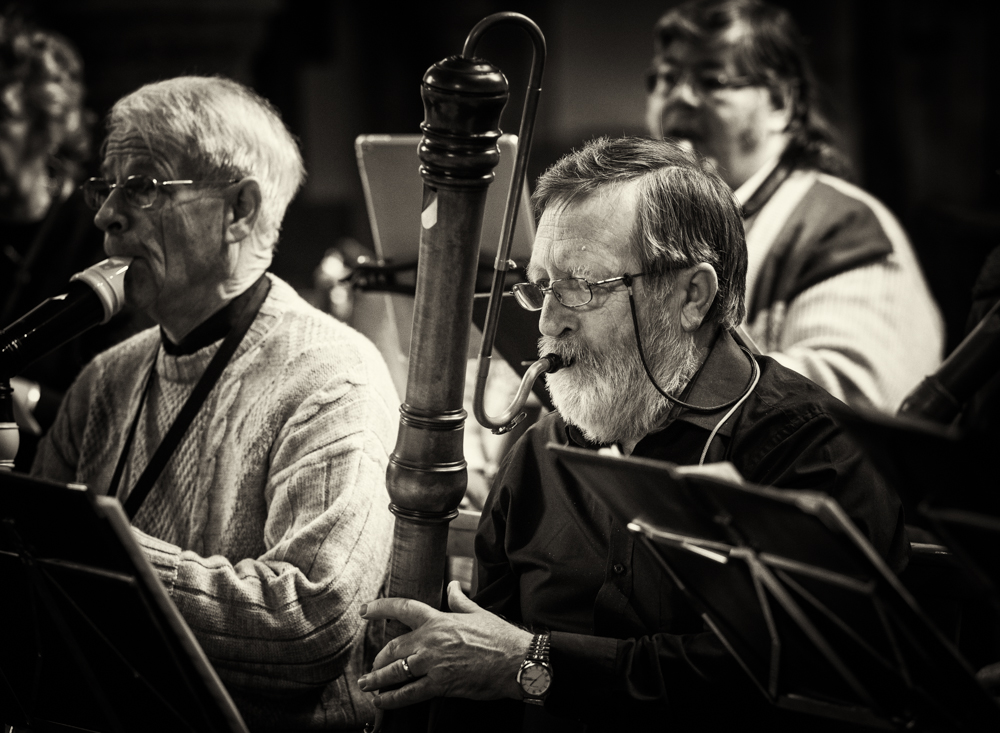


I didn’t quite know what to expect but I was informed that I could take photographs during the rehearsal as well as during the concert itself. I would though need to be very quiet and discreet, so as not to distract the musicians and more importantly the paying audience.
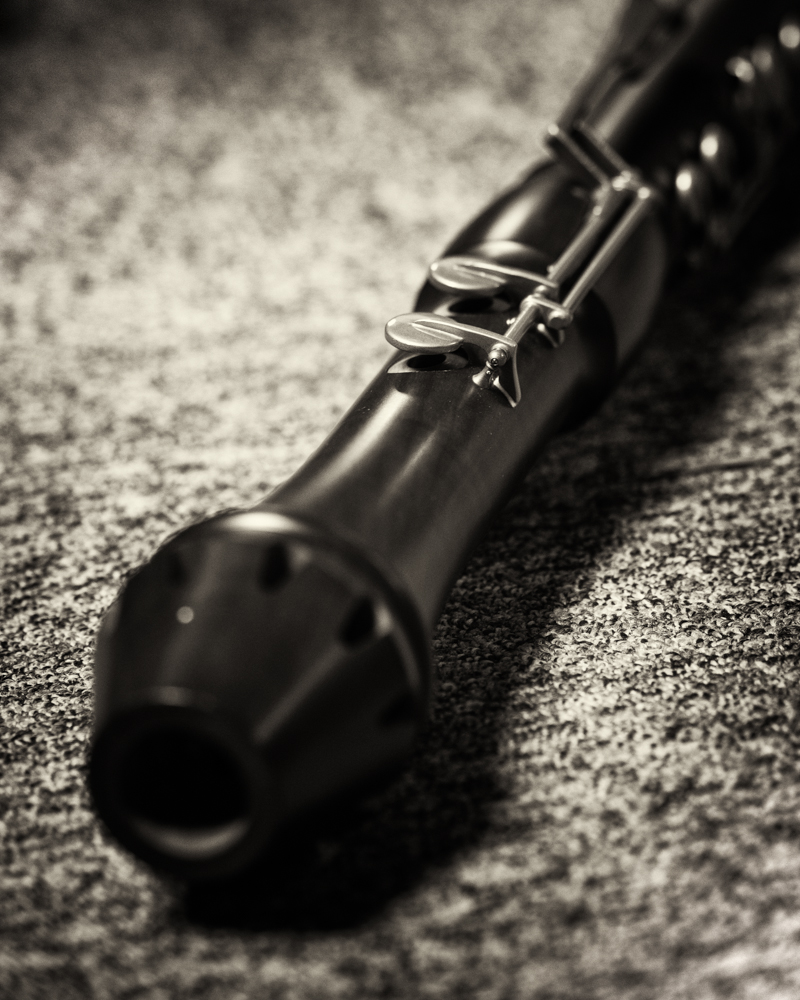


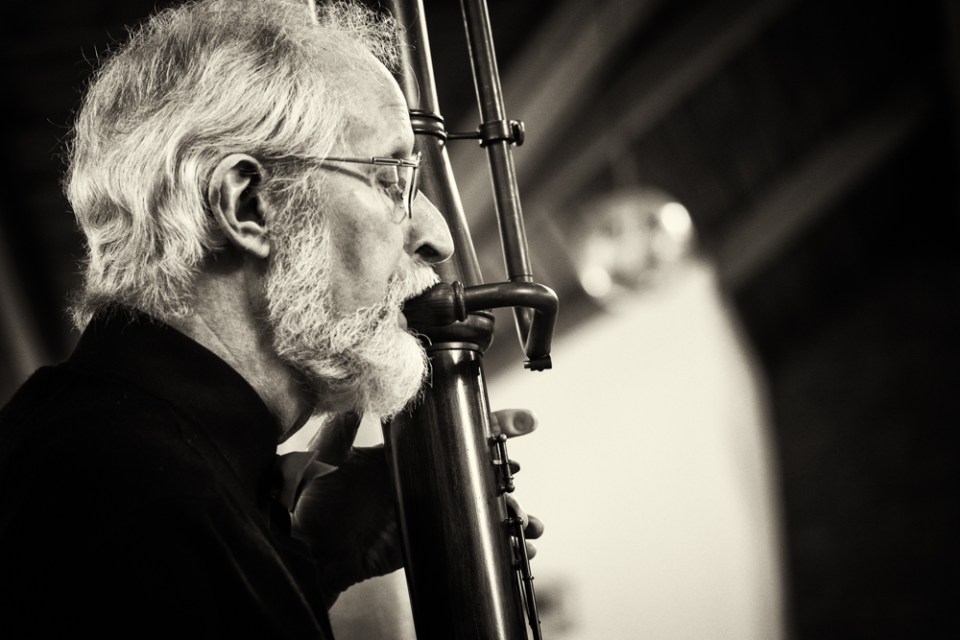
I very much enjoy listening to classical music, particularly when it is heard live in a church building with wonderful acoustics. I do though have to admit that I am rather ignorant of orchestras and their musical instruments, so I was rather surprised to find such a variety of recorders being played. They included, Sopranino – Descants I and II, Trebles I and II, Tenors I and II, Basses I and II, Great Basses and Contrabasses. In total the Sinfonia had thirty two musicians who were all led by Christopher Burgess the Musical Director.
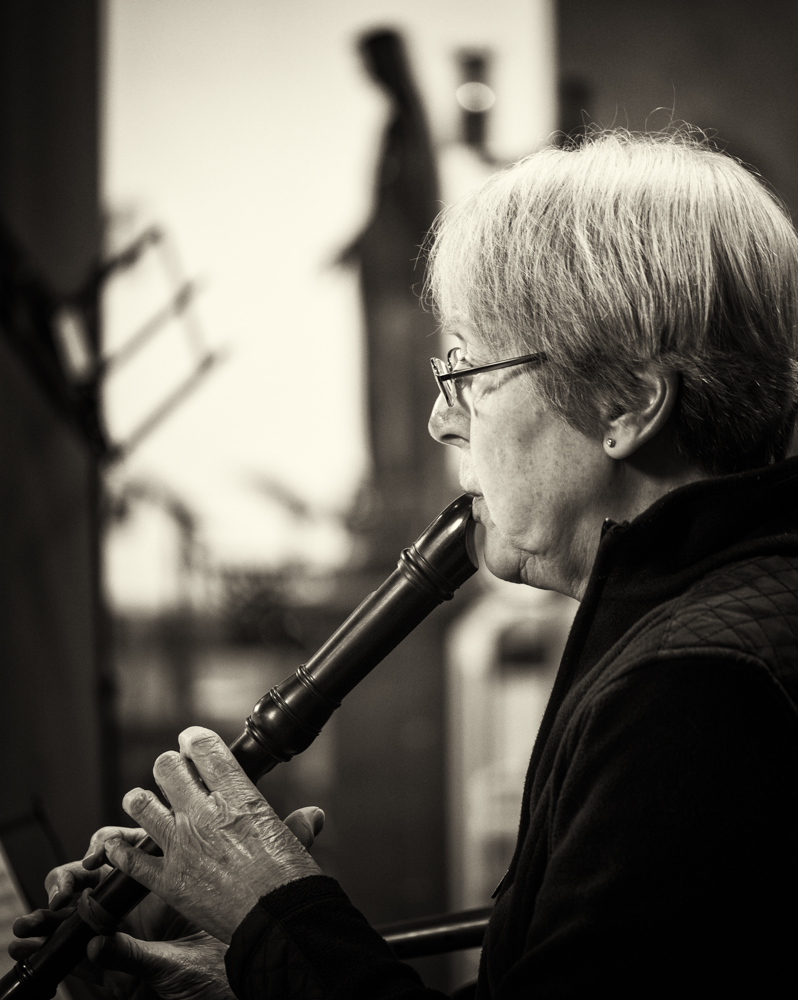


They played music by Gustav Holst, Giovanni Gabrielli, Manning Sherwin, Edvard Greig and other composers. The sound was very special but it was almost impossible to fully appreciate the music and concentrate on taking photographs at the same time.
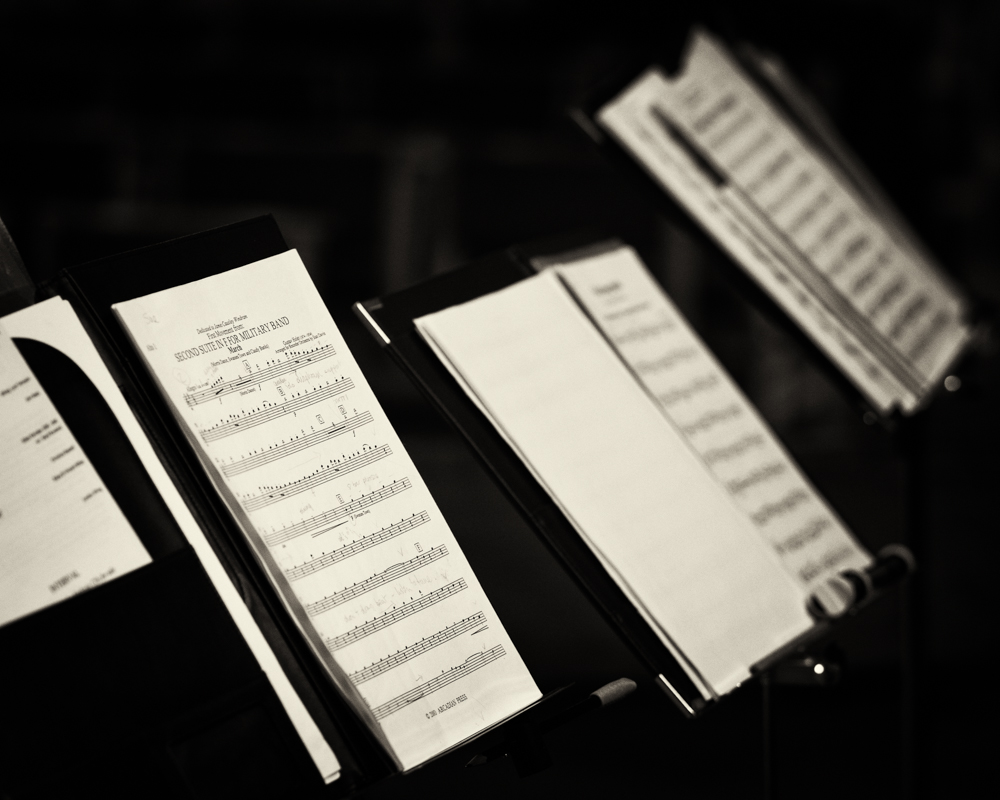


This is just a small selection of the photographs I took that afternoon. I wanted to capture not just the musicians, but also a sense of the place in which the music was being played. I was asked to provide both colour and black and white versions of each image. However for the purposes of this entry I have processed the photographs slightly differently to those I provided. This is my personal interpretation of the concert, whereas the monochrome images they were given had no toning, and were straight black and white conversions.
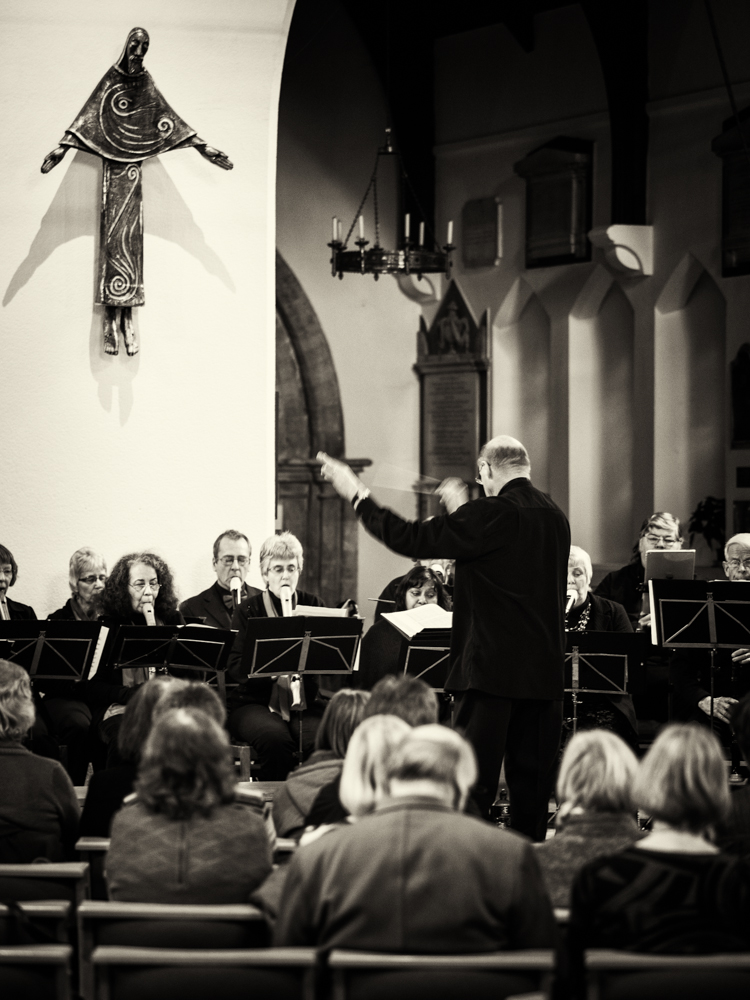


I very much enjoyed the experience and trust I have captured something of the musicians, the venue and the event itself. For more information about the Hampshire Recorder Sinfonia please visit their website by clicking here.
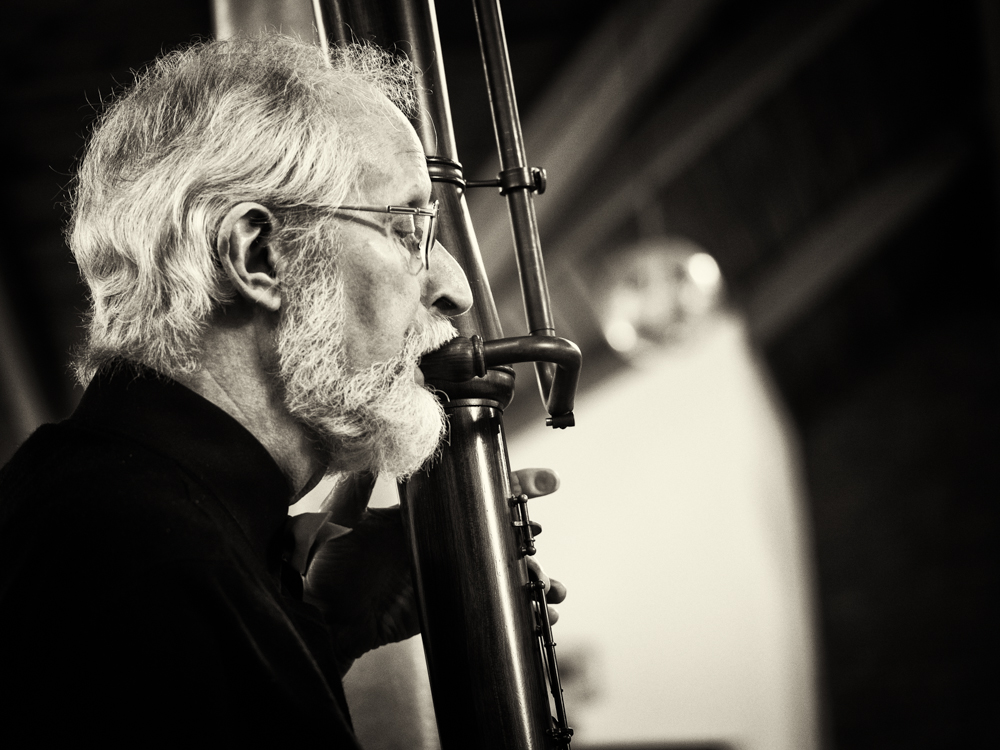


Do click on any of the pictures to see a larger version which will open in a new window.
Bognor Rocks – a departure from black and white

Bognor Rocks


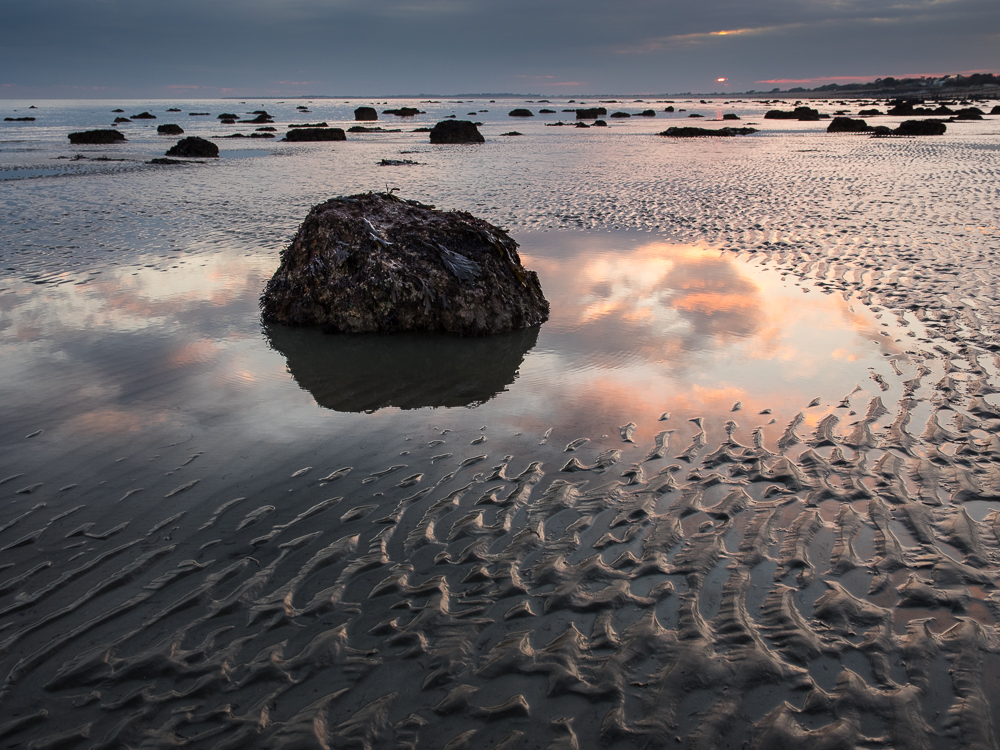
As regular visitors to my blog will know my first love is black and white, but sometimes mono will not suffice and colour is an essential ingredient of the scene being photographed.

I don’t usually head out with the express intention of taking colour images. I normally only reach for for my Olympus EM1 when taking portraits of people who work for my firm. These images will then appear on our website or be used for PR purposes in a printed publication or on social media.

And so it was earlier this week. I had taken a few shots of a new member of staff in the morning, and as I headed home that evening the low tide and beautiful sky combined to provide me with a classical sunset seascape opportunity. I had to pull over, swap work shoes for wellies and walk out towards the shoreline. The light was fading fast so I didn’t have time to search for the best position nor did I have a tripod. A dozen quick fire shots was all I could manage before the best of the light disappeared below the horizon.

Do I want to do more colour work? Probably yes, and I have some ideas for this year which will lend themselves to colour and not black and white – so watch this space!

Thanks as always for dropping by.


Rocks in reflection

An eye for detail – just one reason why I love the Leica Monochrom

I have now been using a Leica M Monochrom for eighteen months or so and there are many reasons why I have grown to love this camera. It was a fairly steep learning curve switching to a camera which has no colour sensor – each pixel only records luminance resulting in a black and white file with any number of shades of grey in between.

The fact it is rangefinder with its split frame manual focusing mechanism was an added hurdle for me to get over. Initially it was difficult enough to focus a still subject let alone a moving one, as is the case here. Even more challenging when using the 50mm Summilux f1.4 nearly wide open. The depth of field is so narrow I would be the first to say that a little bit of lady luck is required to get the main subject of the picture in sharp focus. When it happens though, you can jump for joy because the level of detail captured is quite extraordinary.

I very much doubt this image would win any prizes and I have used it simply to illustrate a particular point; and that is quite simply the level of detail or resolution captured by this camera.

For reference the final image (at the bottom of this post) is a fairly mild square crop of the original RAW file which has been processed in Lightroom 5. There are some adjustments but principally the addition of contrast, clarity and a tone for effect, but no sharpening. I repeat no sharpening.

The original image is shown below with just the processing applied and no crop.


Un-cropped image


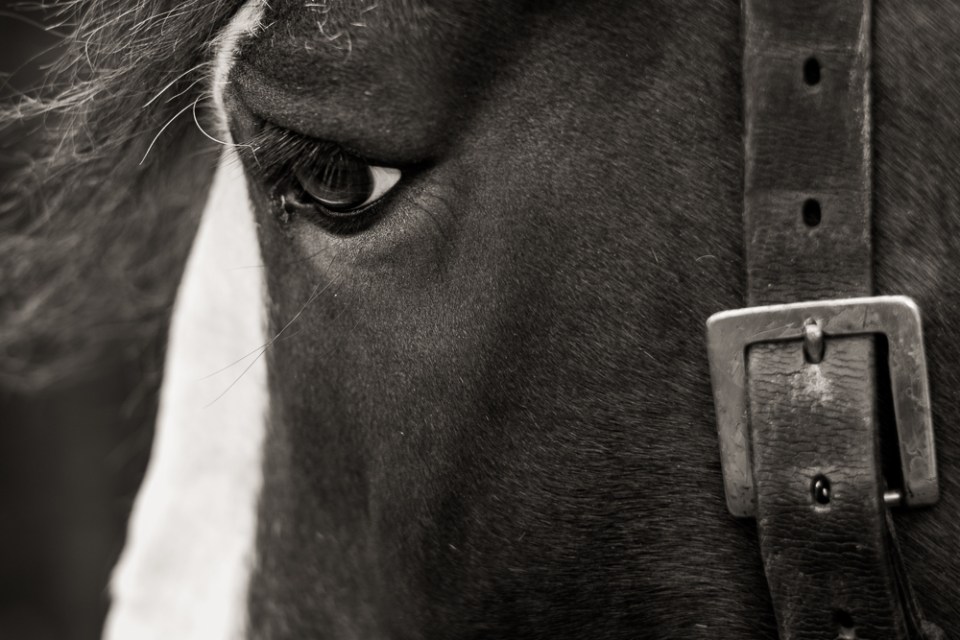
Next is a much more detailed crop. You can now see the exceptional level of detail captured by the Leica Monochrom.


A tight crop


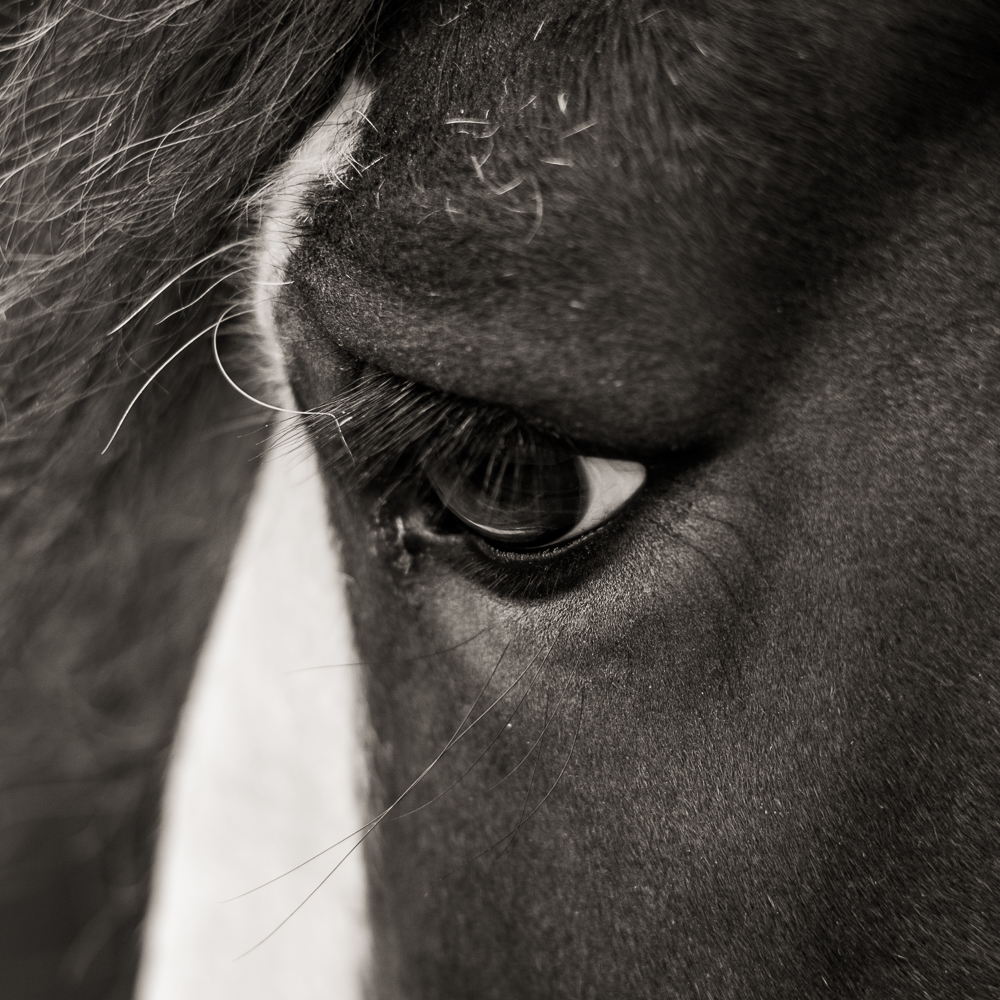
If you are yet to be impressed, below is an even tighter crop. The number of eyelashes can almost be counted and if you look closely veins are visible in the eye itself. If nothing else this image confirms my good fortune when I focused on the eye.


An even tighter crop


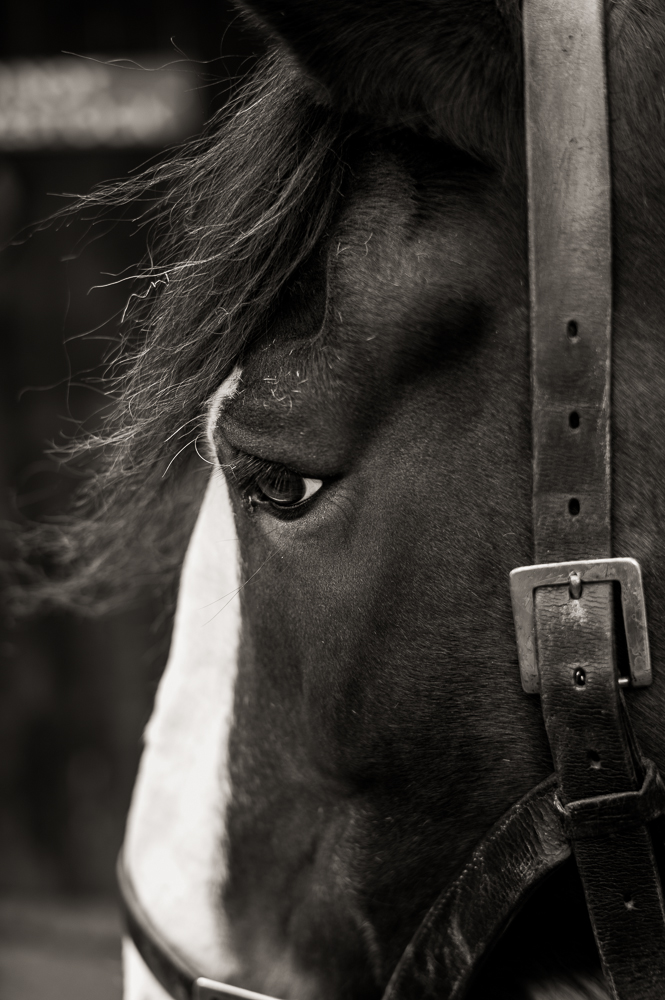
And by way of a reminder the final image which is how I imagined the picture might look when I pressed the shutter. I knew I wanted the eye to be at the centre of the viewers attention, but the photograph also needed to include part of the leather harness to add context and another element of interest. The harness also confirms you are looking at the horse’s head in profile and not straight on.


The finished photograph


As I said at the outset there are many reasons why I love this camera. It can be a frustrating and quirky tool at times, but get to know its ways, and I defy any photographer not to be impressed by the quality of file it can deliver when coupled with an equally exceptional fast Leica lens. It has a purity and a simplicity to its operation which places the photographer in complete control. You need to consider every step, every setting but the rewards are more than worthwhile.

I would strongly urge you to click on each image to view a larger version. This post is all about ‘detail’ and it’s only by looking at a bigger version that you will truly appreciate the output of the Leica Monochrom. 

Land sailor at East Head

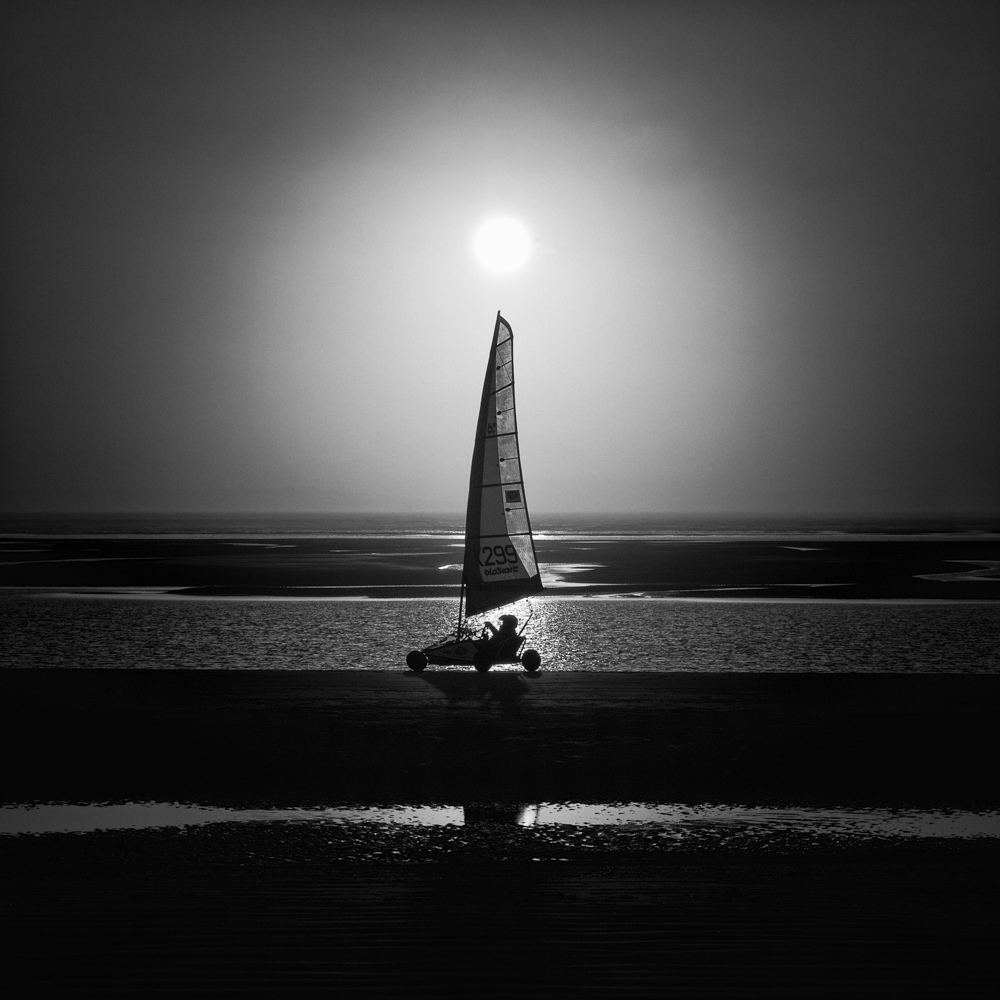
Land sailor


In my last post ‘Low tide at East Head’ I included a variety coastal images – I guess they were the ones I anticipated I might be taking before I left home and set off for the coast. What I didn’t envisage capturing was this shot of a land sailor backlit by the late afternoon sun. The sand flats at East Head provide large areas of beach ideal for this exhilarating sport. There wasn’t much wind, just enough to move the craft from east to west along the shoreline and back again. I had to take a number of shots to make sure that I had the sail  in line with setting sun, throwing the sailor into silhouette.

Do click on the image to view a larger and therefore more detailed version. This will open in a new window.

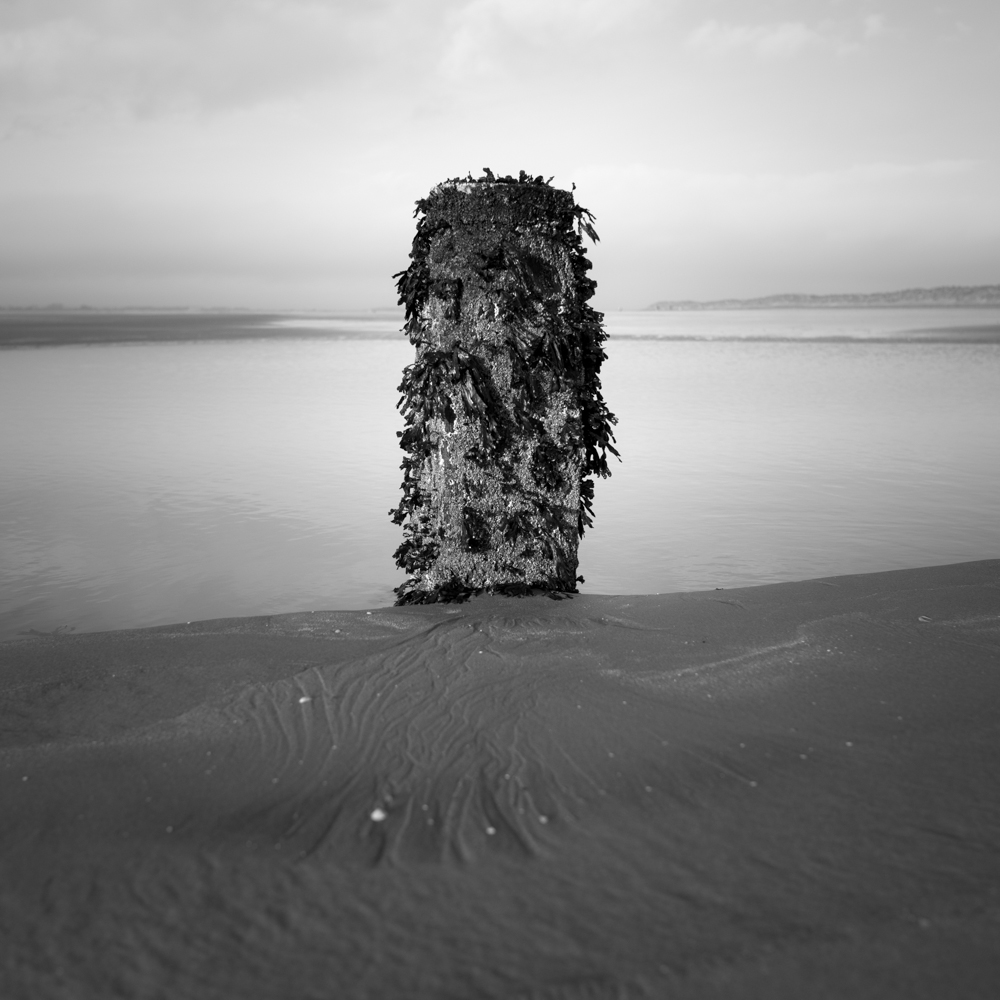
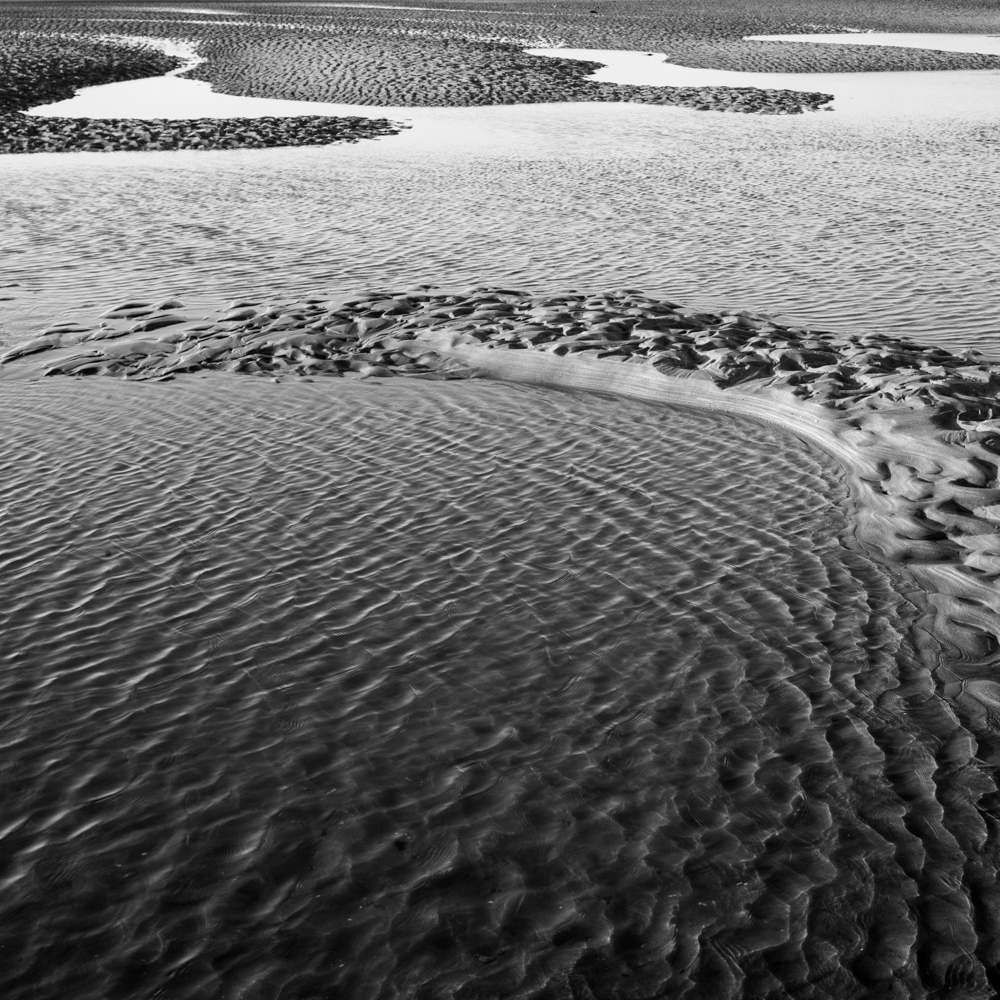
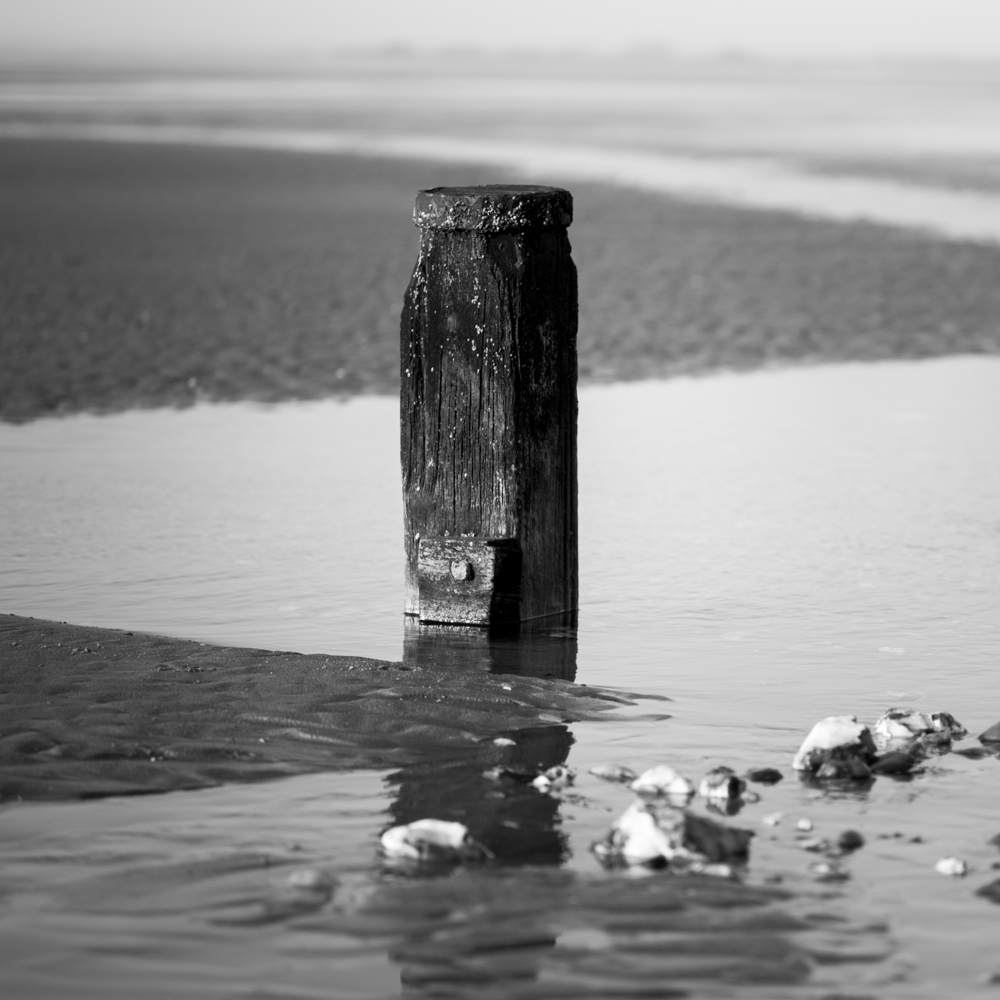
Low tide at East Head

East Head - Low tide-2


A few weeks ago I had the day off work and was watching the weather forecast and the tide times with more than a degree of interest. I knew that the tide was going to be very low in the afternoon and the forecast was indicating that early morning cloud and rain would clear around lunchtime as well.

A trip down to East Head in West Wittering was planned, and being out of season and a normal work day, I did not expect to see many other people. A low tide, improving weather and no people should be good recipe for a few photographs of this wonderful Sussex coastline.

This is a location which is never stays the same, the tide and light constantly changing, revealing endless photographic opportunities to be enjoyed and captured.


East Head - Low tide


East Head - Low tide-5


East Head - Low tide-3


East Head - Low tide-6


East Head - Low tide-4


Do click on any of the images to view a larger version which will open in a new window.

Here are some links to more entries which feature this particular location.

Gathering storm at East Head

‘To flip or not to flip?’ that is the question

Looking through the archives – Dune fence