Posts by alan frost

Churches Project No.23 – Inglesham, an ancient wonder

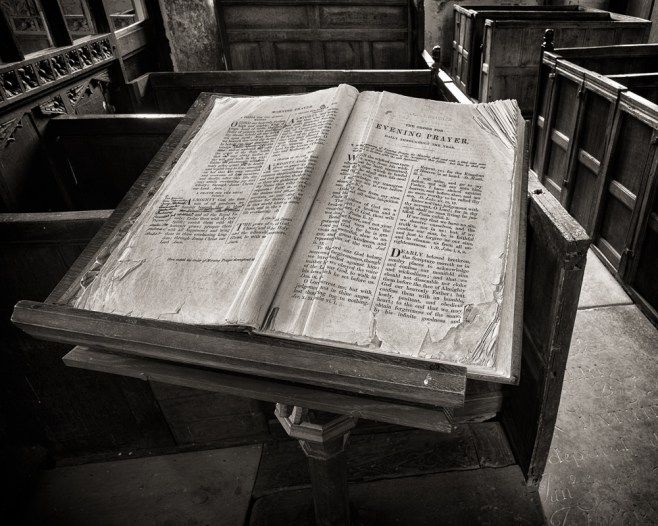
As I entered through the south door of this 13th Century church I felt as if I had been transported back in time. Ancient, peaceful, unspoilt and lacking any discernible recent restoration, the church of St John the Baptist at Inglesham in Wiltshire is an exquisite wonder.

Inglesham-9

In the south wall the carving is thought to date back to Saxon times. It depicts Madonna with the hand of God pointing down to her child.

Inglesham-5

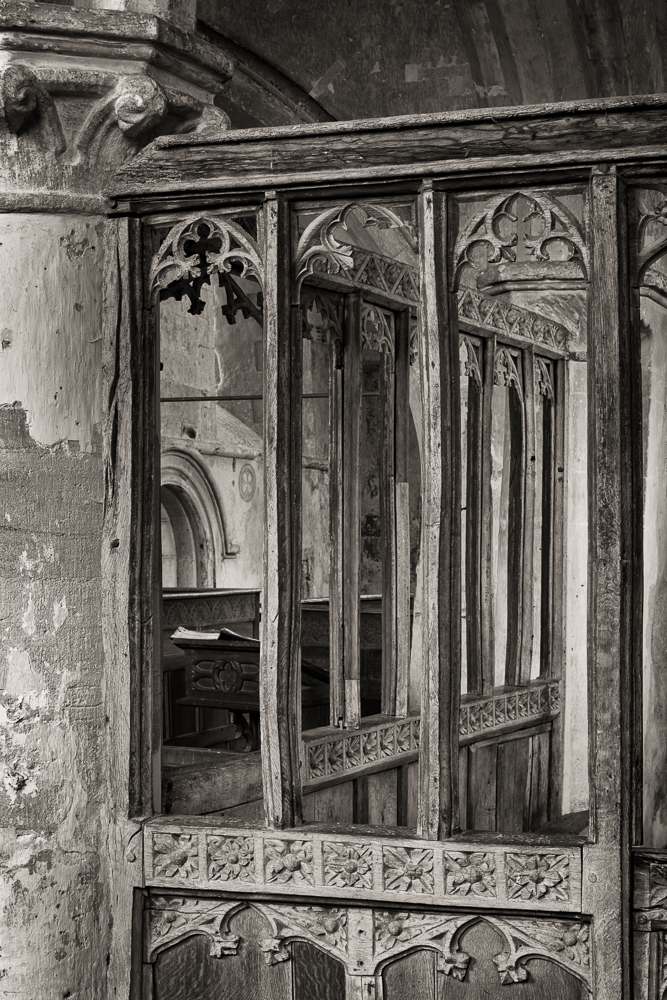
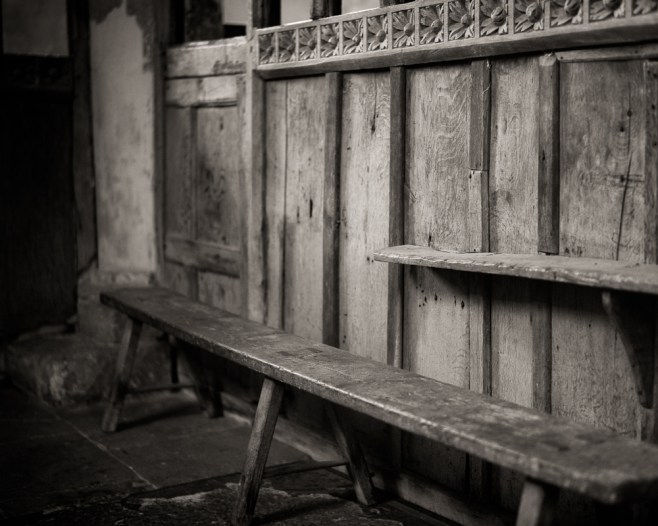
To the right of the main door and lining the south and north aisles are carved timber screens dating from the 15th or early 16th century.

To the left of the entrance is the 15th century font which was originally painted. Between 1589 and 1840 the parish registry records over 500 baptisms.

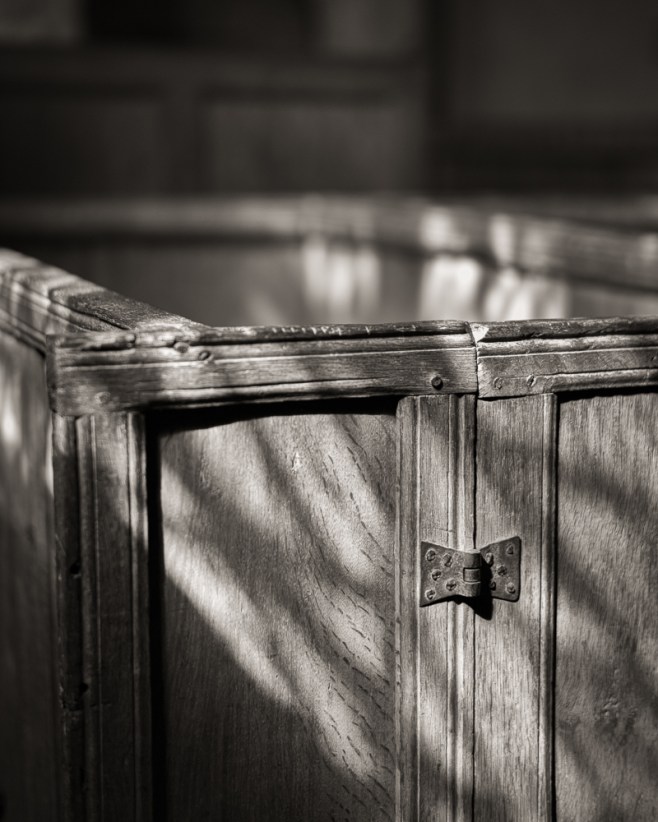
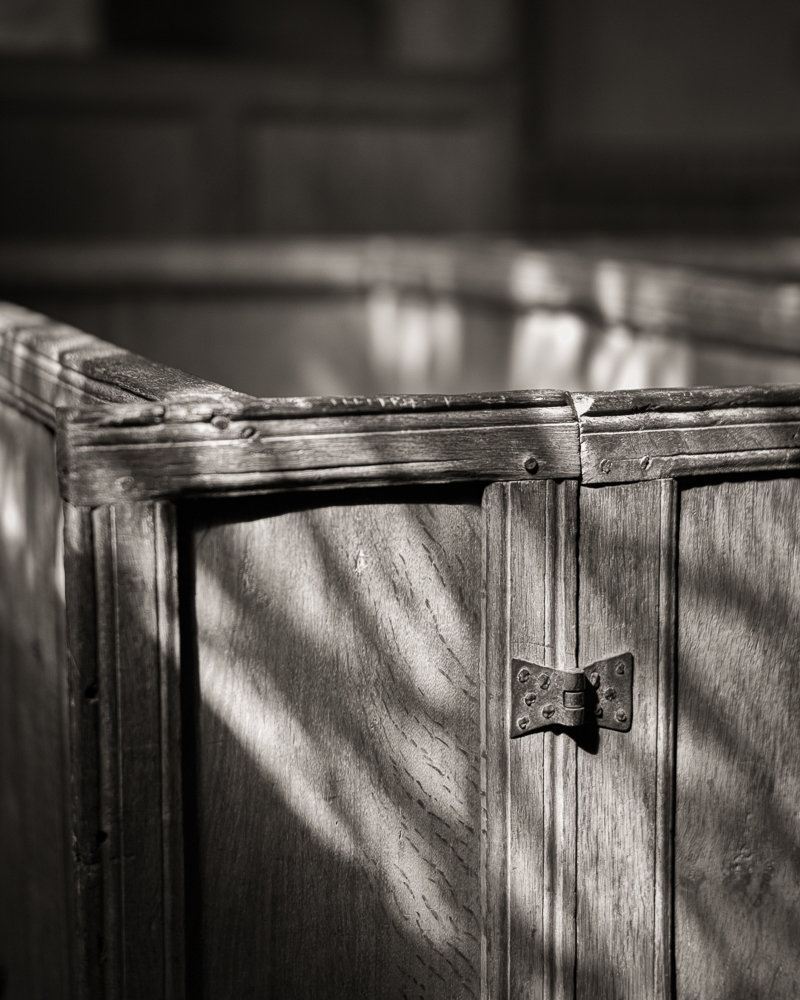
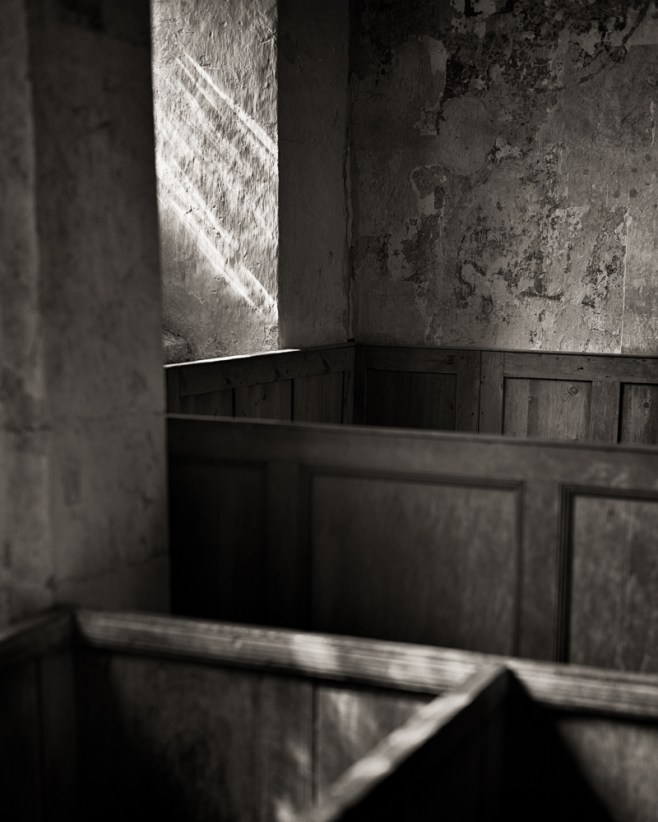
The box pews are from the 17th and 18th century. It was traditional for farming families to occupy their own box pew for services.

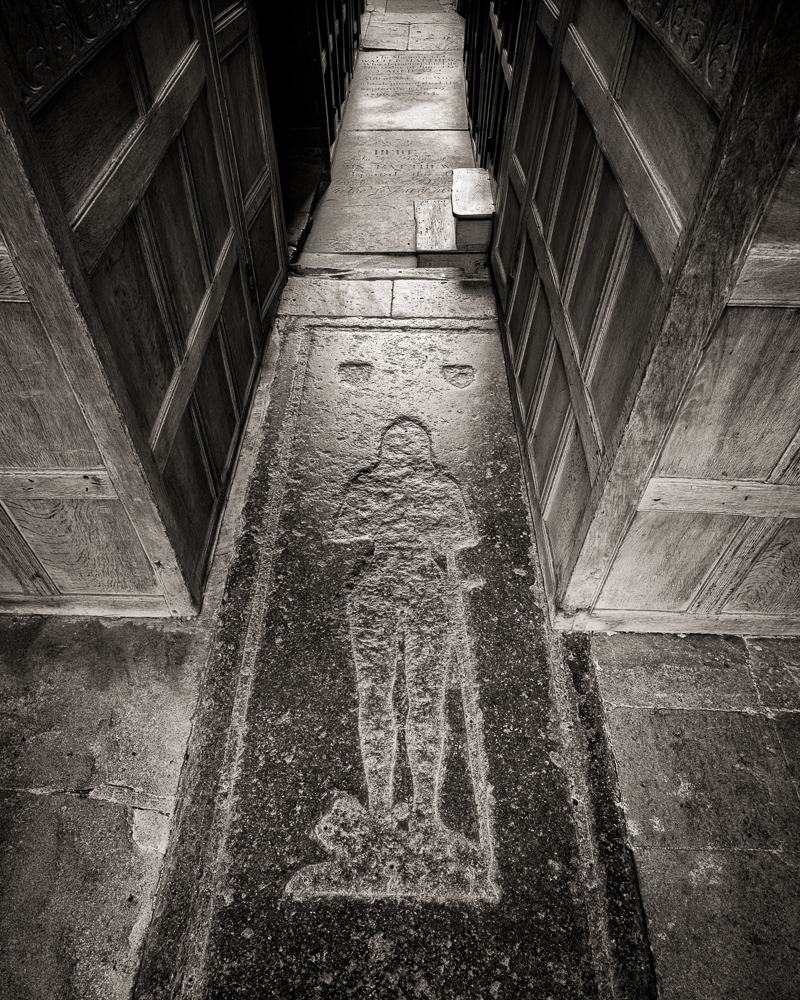
The nave appears to date from the early 13th century. The floor is formed of uneven slabs. At the end of the nave where it joins the chancel there is a huge stone with the indentation of an unknown knight.

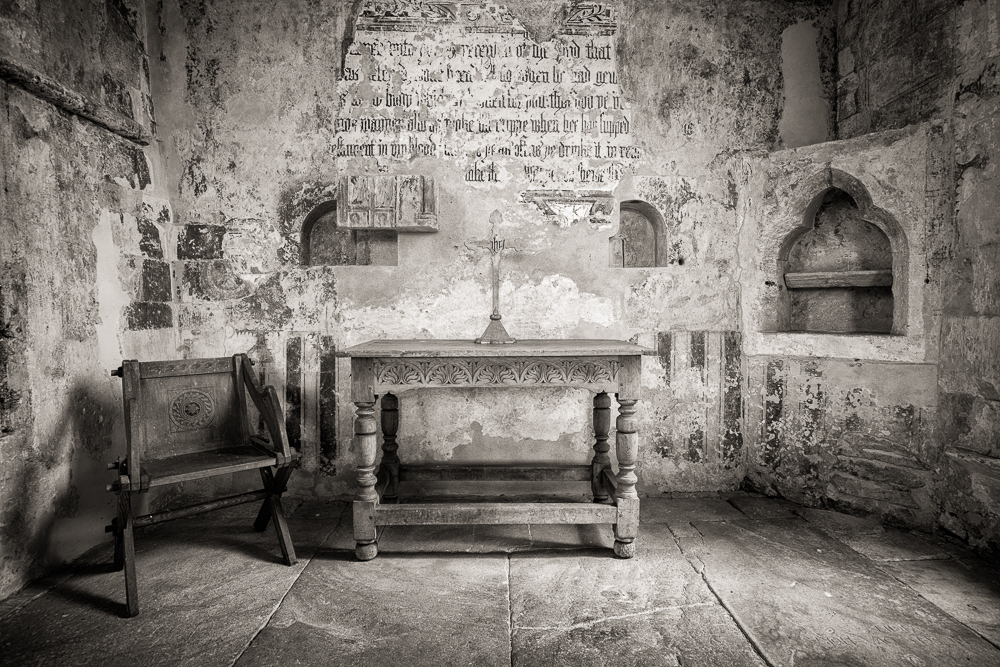
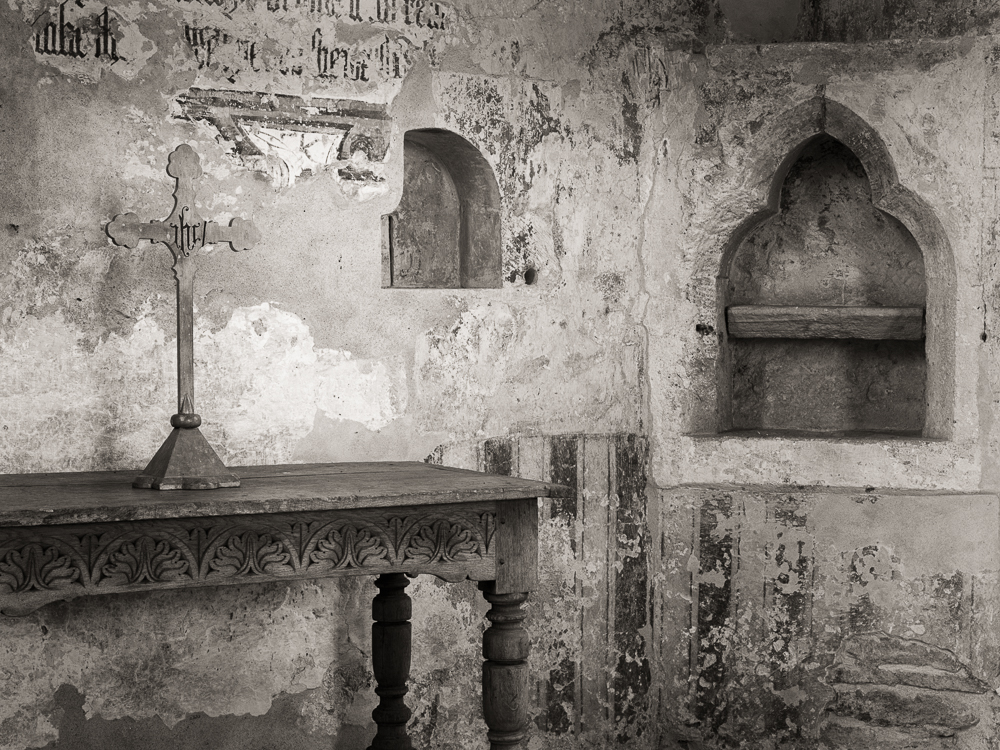
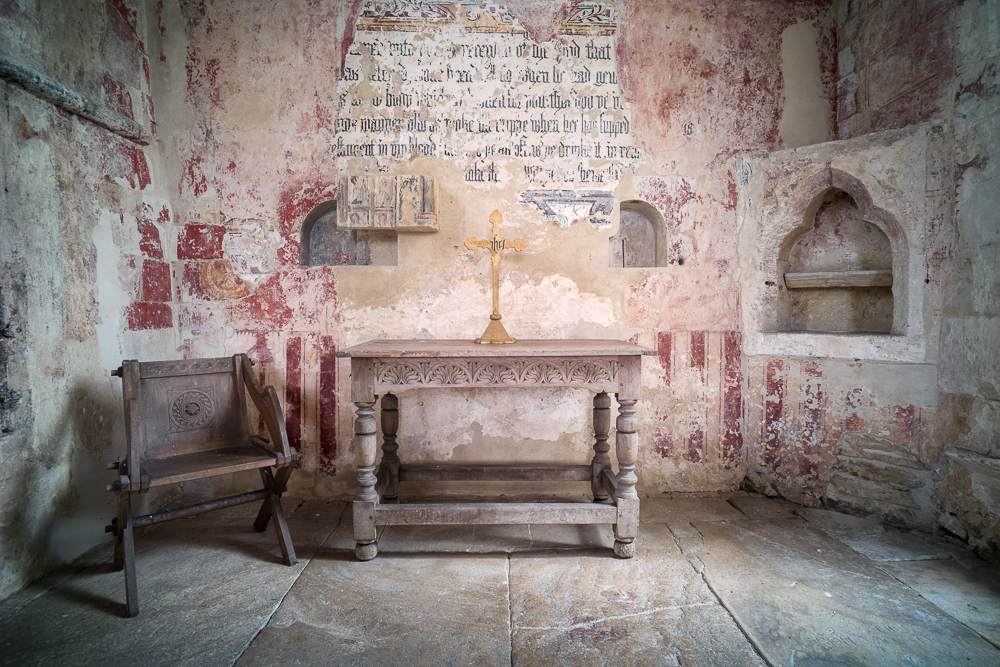
Turn round, face East and you are greeted with the splendid sacristy, arguably the finest feature of the church. The painted walls and inscription which are 7 layers thick in places are an absolute delight.

For a colour version of the above photograph please click here and read my previous post.

As you walk around this medieval building, historic details reveal themselves. For example this round metal holder which after the reformation would have held an hour glass to regulate the length of a sermon. Sermons often lasted 2 or 3 hours in the late 16th and 17th century, so the preacher would ask for ‘one more turn’ of the glass! If the sermon went on for 3 or even 4 hours then it entailed ‘turn after turn’ which may be based on the principle that ‘one good turn deserves another’.

When making images my aim is always to capture the true essence and special atmosphere of the place. I rejoice in the fact that it remains open daily to the public and has been maintained by the Churches Conservation Trust since 1979. In fact we have to thank William Morris, the designer, novelist and conservation campaigner who in 1887 recognised the importance of this church. He successfully raised sufficient funds so that works could be undertaken ensuring that the building did not fall into ruin. This very act secured its survival to the present day.
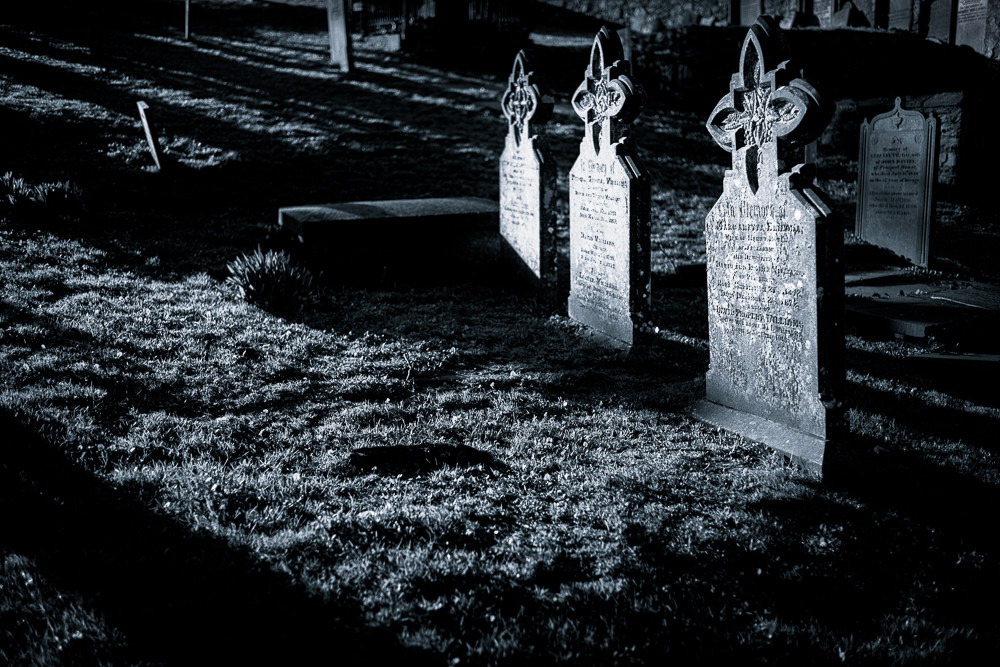
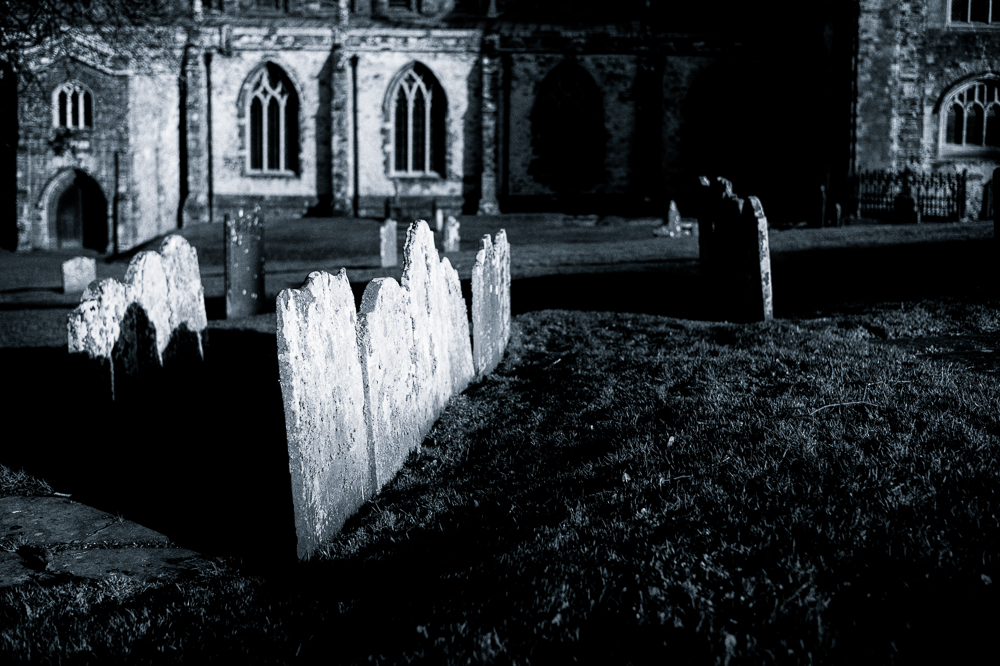
Although it’s the interior that holds the greatest appeal the exterior of the church is well worth photographing too.

With the exception of a few notices and leaflets about the Churches Conservation Trust, St John the Baptist Church is a timeless joy and long may it stay that way. I spent about 4 hours looking around and taking photographs. During my visit 3 small groups of other people came through the door, but they didn’t spend more than 15 minutes inside. A pity, as I doubt they could have truly absorbed and fully appreciated the special atmosphere in such a short period of time. I considered myself fortunate as I virtually had the place to myself. Tranquility, sanctuary and ancient history all rolled together into a delightful experience and most rewarding afternoon.
Churches Project No.22 – The Sacristry at St John The Baptist, Inglesham.

L1010656-Edit-2

Regular visitors to this site will know that one of my passions are medieval churches. The older the better and preferably with little or no restoration; preserving original features and in so doing retaining a true sense of history. I like to enter a church and be transported back time. To feel part of its story and to enjoy the peace and solitude these places bring to a busy and chaotic world.

For some considerable time I have wanted to visit the 13th century church of St John the Baptist in Inglesham, which lies to the north of Swindon in Wiltshire. Earlier this week I spent the best part of 4 hours exploring the church, finding compositions and releasing the shutter. This one photograph of the sacristy fully justfies the 200 mile round trip.  This is the only image I have made so far. In time I will process others and write a more in depth post.

My Instagram (alan_frost_photography) profile states – ‘An eclectic mono photographer with occasional colour lapses.’ This is one such occasion. The wall paintings date from the 14th century and in some places are seven layers deep. Just glorious.

Do click on the image to enjoy and appreciate a larger version which will open in a new window.


A plug for a plug-in – the Nik Collection by DxO

Screen Shot 2018-07-04 at 17.23.15

I rarely if ever review software or camera equipment. Personally I like to think I am more interested in the end result, the final image or print, than I am in the tools I have used to get there. However that doesn’t mean I don’t appreciate the importance or value to me of the products and gear I am fortunate enough to own.

Predominately I am a black and white worker with only occasional colour lapses. Integral to my work flow is a plug in for Photoshop and Lightroom called Silver Efex Pro. I paid for the software a number of years ago when it could be purchsed as a stand alone product (I still have the original CD!) and have enjoyed using the software ever since. I would miss it greatly if it was no longer available.

The vast majority of you will be familiar with this excellent software and may well be using it as part of your post processing. You will also be aware that it now forms part of the Nik Collection by DxO who purchased the software from Google. For quite a while you could download the complete suite of 7 plug- ins for free from Google but concerns were raised when they announced that it would no longer be supported. Subsequently there was a sense of relief when the Nik software was acquired from Google by DxO in October 2017.

Following the acquisition DxO assured the photographic community that they would develop the compatibility of the software so that it would work alongside the current versions of Photoshop and Lightroom as well as the latest operating systems for both Mac and Windows users. They have now relaunched the product and the cost in the UK is £59.

This is excellent news but it is against the backdrop of DxO filing for bankruptcy as recently as April of this year. I don’t know the details, but I have read they restructured the business as well as developing the software. Hopefully these moves will mean the company can survive in the short/medium term and look forward to a bright future.

Silver Efex Pro is essential to my work flow. I have no doubt there are other plug ins but for mono workers I don’t believe there is one as good as Silver Efex. For this reason I would like to see it supported, developed and updated. However no company can survive if they don’t make money. Something worth having is rarely free. Many photographers now pay a licence fee to Adobe for their use of Photoshop and Lightroom, to benefit from regular updates. I do so myself and I am happy to pay a reasonable price for the Nik software which will hopefully secure its longevity.

A few days ago I decided I would pay for a new subscription and download the latest version. I did take advantage of a discounted price which is no longer available but in my opinion even at £59 the suite of plug ins represents excellent value for money. If you are a regular user of Silver Efex or any of the Nik plug ins, you might like to consider whether or not you would like to see the software developed and supported. If so do give consideration to supporting DxO and buy the fully licensed version. The download itself was very straightforward and whilst I haven’t noticed any specific changes the software looks and performs just as well as it did before.

I for one hope that DxO thrives so that I can continue using an excellent product and make images and prints that I like to share with my followers.

If you agree with my sentiments then do share this entry with your readers. Thank you.

The link to the DxO Nik Collection can be found here.


Basic ingredients – another still life.

L1010646-Edit

A few weeks ago I made my first still life image. Whilst I prefer outdoor photography I am really enjoying using things which I can find around the home, arranging them to form a pleasing composition, lighting them in a sympathetic way and then processing the picture mainly in Silver Efex Pro.

These basic ingredients can be found in almost any house. A loaf of bread, an apple, a slice of cheese and a drinking vessel, in this case an old wine goblet. Do we take these things for granted? We probably do. Perhaps this image reminds us that there is a simple beauty in all things, even the most basic of food ingredients.

Other ‘Still Life’ entries can be found by clicking on the links below.

Learning from Still-Life

Three vessels and a tulip

More ‘Still Life’ – further experimentation for the fun of it!

Three Norfolk Churches – a place to return

Happisburgh Church

Happisburgh Church

The county of Norfolk has many attractions not least the sheer number and variety of churches to visit. These three examples were captured whilst on holiday a couple of years ago but only now have I processed them to my liking. I sometimes think a trip to Norfolk specifically to photograph churches would be a great thing to do. I will add it to my ever growing list of places to take my camera!


Potter Heigham Church

Potter Heigham Church


Beeston St Lawrence Church

Beeston St Lawrence Church


Do click on an image to view a larger version which will open in a new window.