Posts tagged ‘travel’

The Isles of Iona and Mull – Part One ….. Iona Abbey

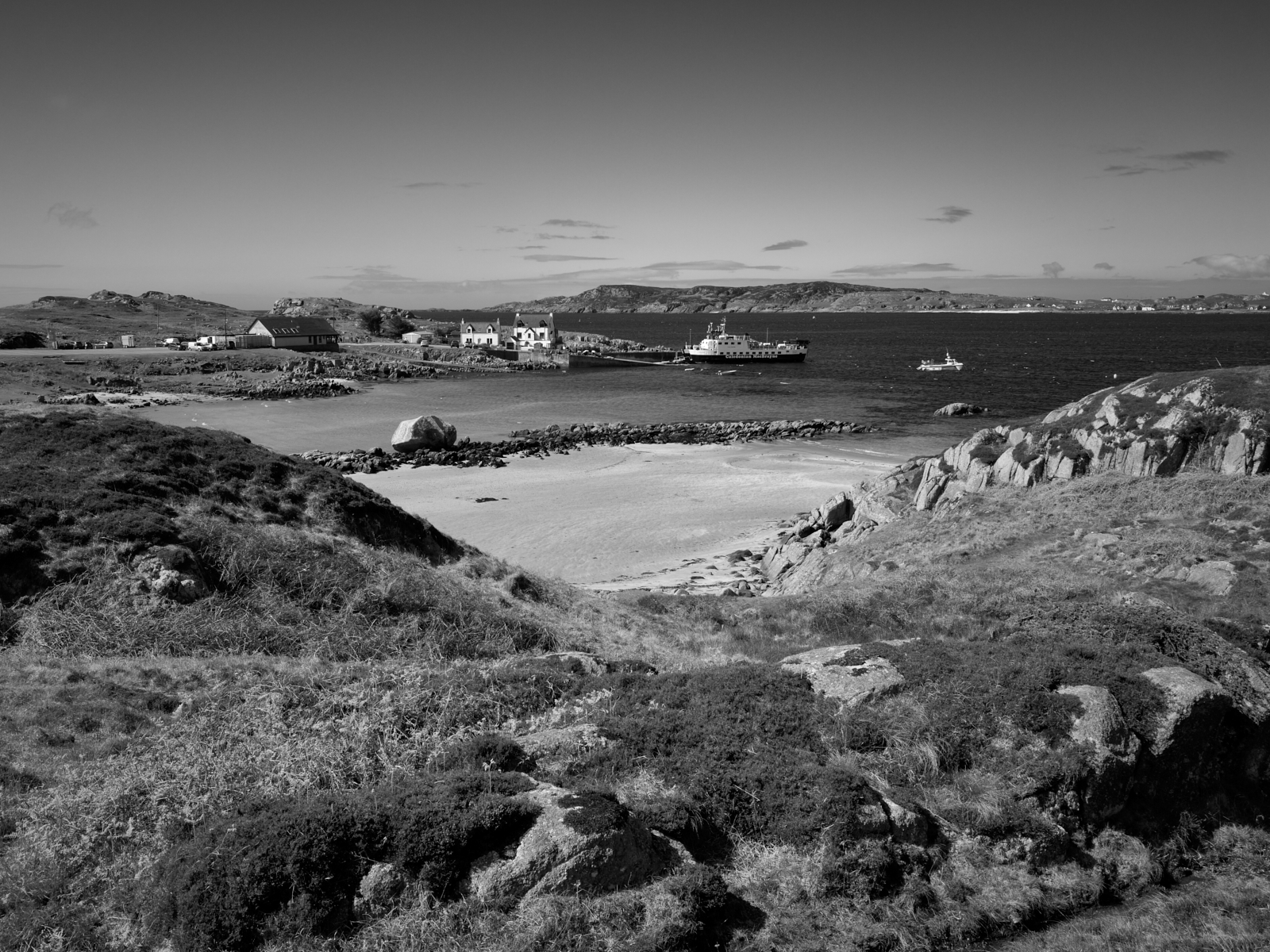
The ferry crossing at Fionnphort at the end of the Ross of Mull

For many centuries The Isle of Iona has been a cherished destination for pilgrims wishing to visit the Benedictine Abbey and experience for themselves the beauty, peace and spiritual nature of the Isle. It was on this isle that St Columba and his disciples first landed in 563AD, having rowed from Ireland in a currach, a small boat with a wooden or wicker frame covered in tarred animal hides. There is much speculation as to why the Irish Saint, then known by his Irish name as Colm Cille, meaning “Dove of the Church”, made what would have been this tortuous journey. But in doing so he spread the word of Christianity in Scotland and further afield.

The Isle of Mull with Iona at the western tip of the Ross of Mull

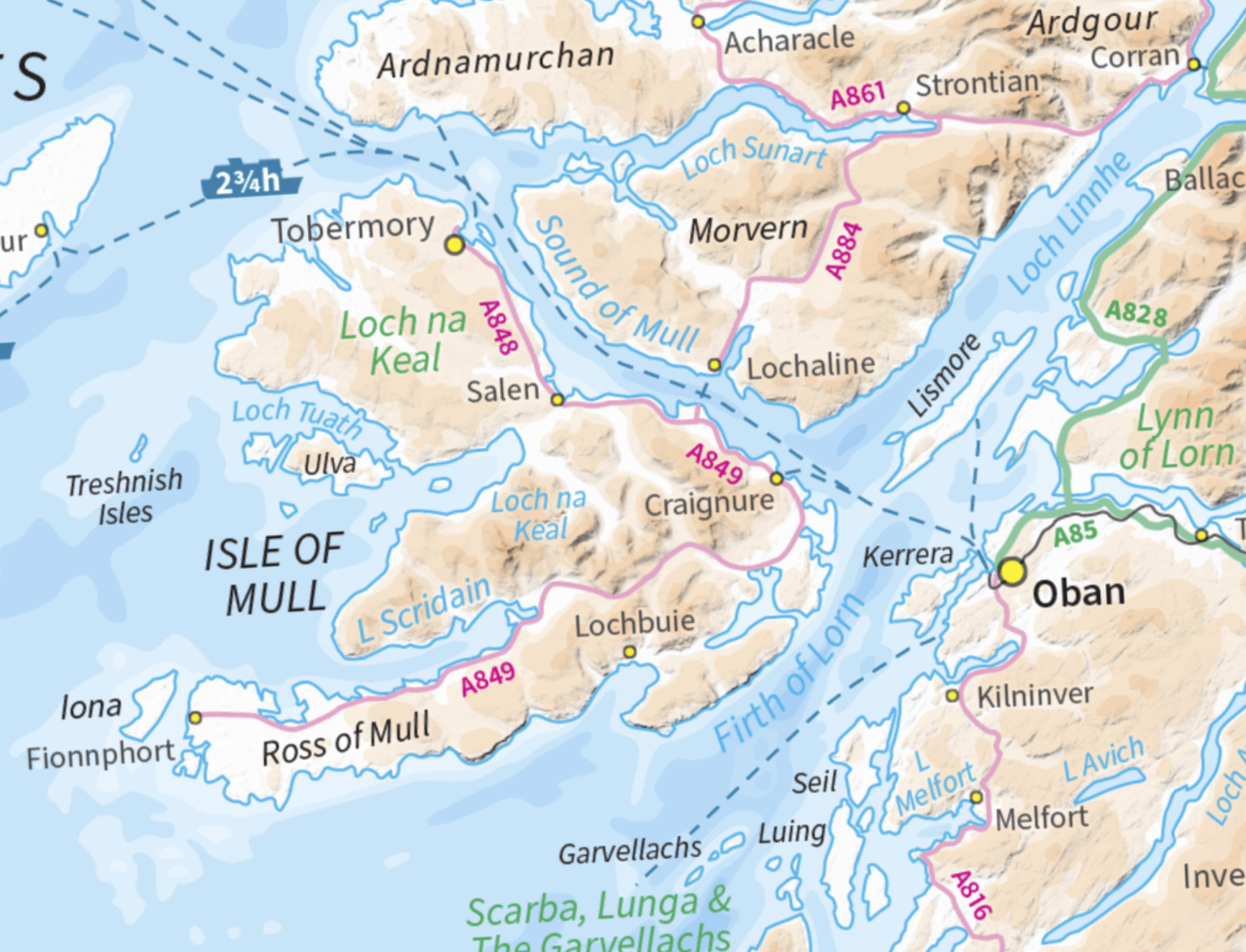
Even today using modern means of transport it requires a fair amount of effort to reach Iona. From Oban on the Scottish mainland a ferry crossing of about an hour docks at Craignure on the Isle of Mull. An hour and a quarter long drive along the A849, albeit a mainly single track road leads to Fionnphort. From there another ferry crosses the Sound of Iona in ten minutes. These ferry crossings are very weather dependent, so once you arrive on the island the feeling of isolation on Iona is tangible. Keep in mind it is only 3 miles long a 1.5 miles wide. When Samuel Johnson and James Boswell famously toured the Western Isles and the Hebrides in 1773, they reached Mull via the Isle of Coll. A significant and challenging adventure given the journey on land would have been horse and carriage.

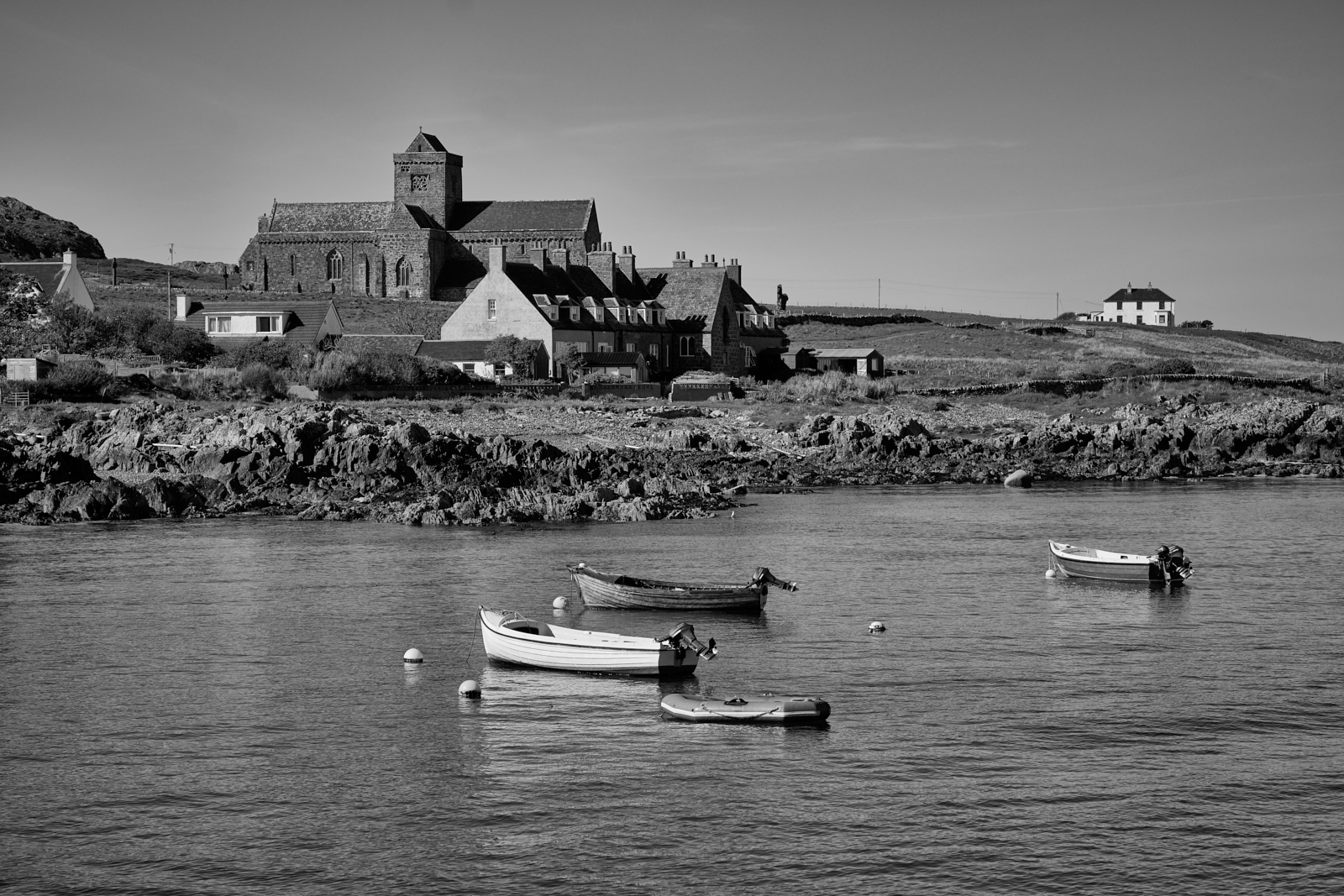
A much photographed view of the Abbey from the Sound of Iona

Earlier this year my wife and I had the good fortune to return to this very special and beautiful place; The Isle of Iona forms part of the Inner Hebrides in Scotland and lies at the western most tip of the Isle of Mull. We stayed in a small property in Fionnphort and overlooked the Sound of Iona. From our accommodation for the week we could see the small ferry port and observe the regular sailing of the Caledonian MacBrayne ferry as it made the 10 minute crossing. We were blessed with lovely weather although that did have the effect of increasing the number of visitors.

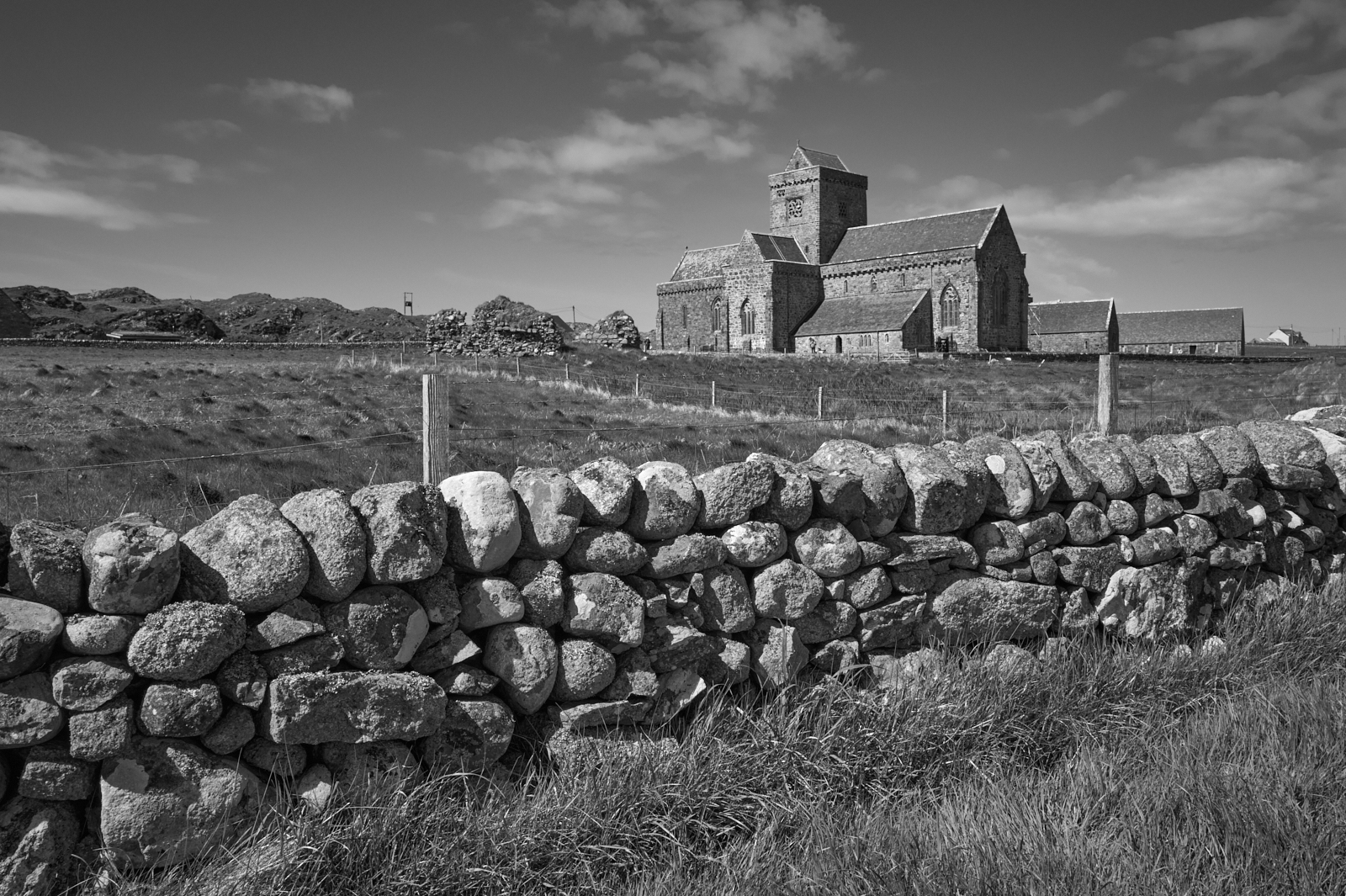
Iona Abbey

As you might imagine there is considerable history attached to the Island and in particular to the Abbey. Too much in fact for me to describe in any detail here, suffice to say that the Sacred Isle became the hub for early Christianity as missionaries spread the word across northern Britain. The original celtic monastery founded by St Columba no longer exists and the current Abbey dates from the 13th Century, although monastic life ended in 1560 with the protestant reformation and the building was left derelict. Restoration only took place in the early part of the 20th Century before final completion in 1965.

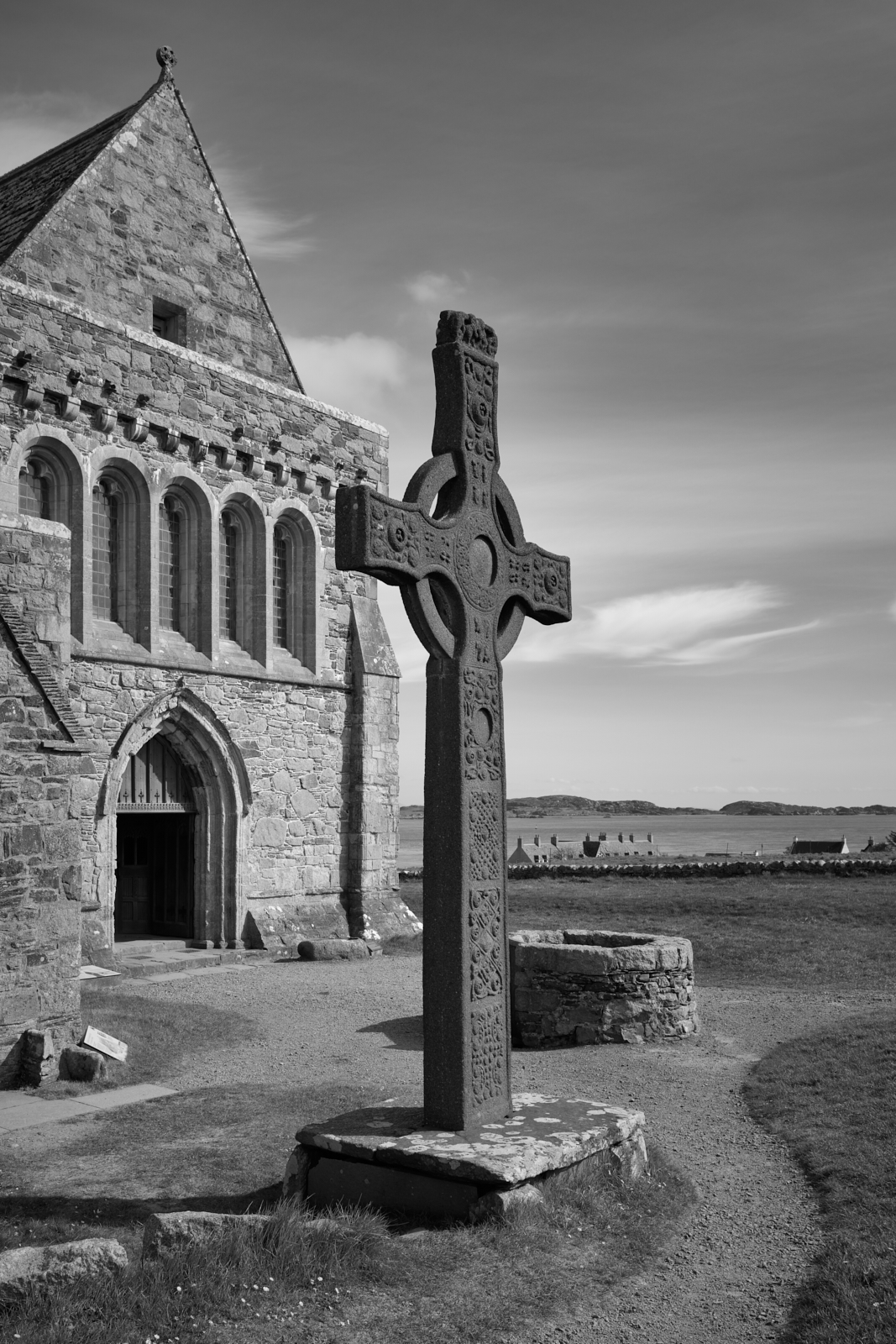
A replica of the 8th Century St John’s Crosswhat remains of the original cross can be seen in the Abbey Museum
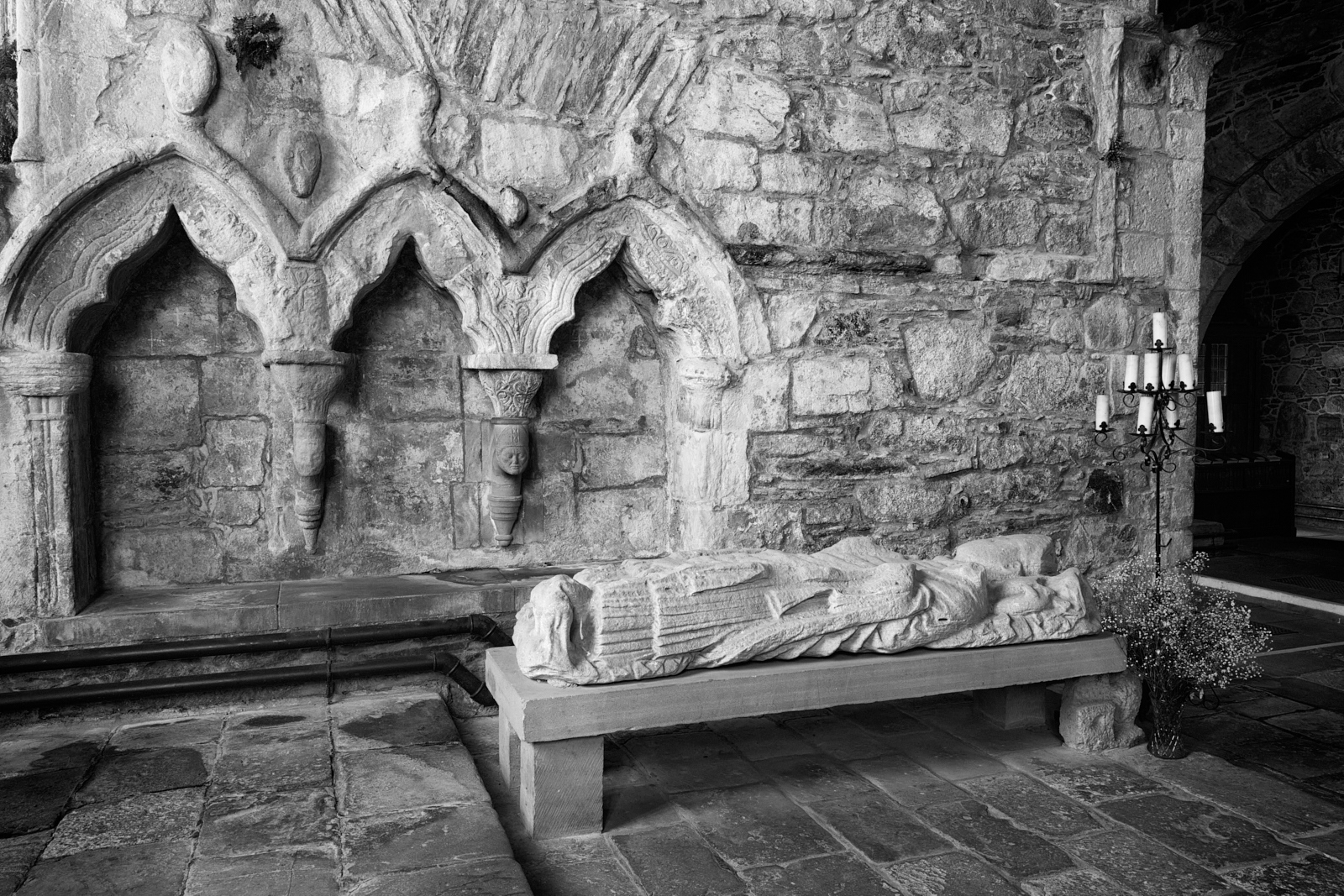
Medieval stonework in the Chancel
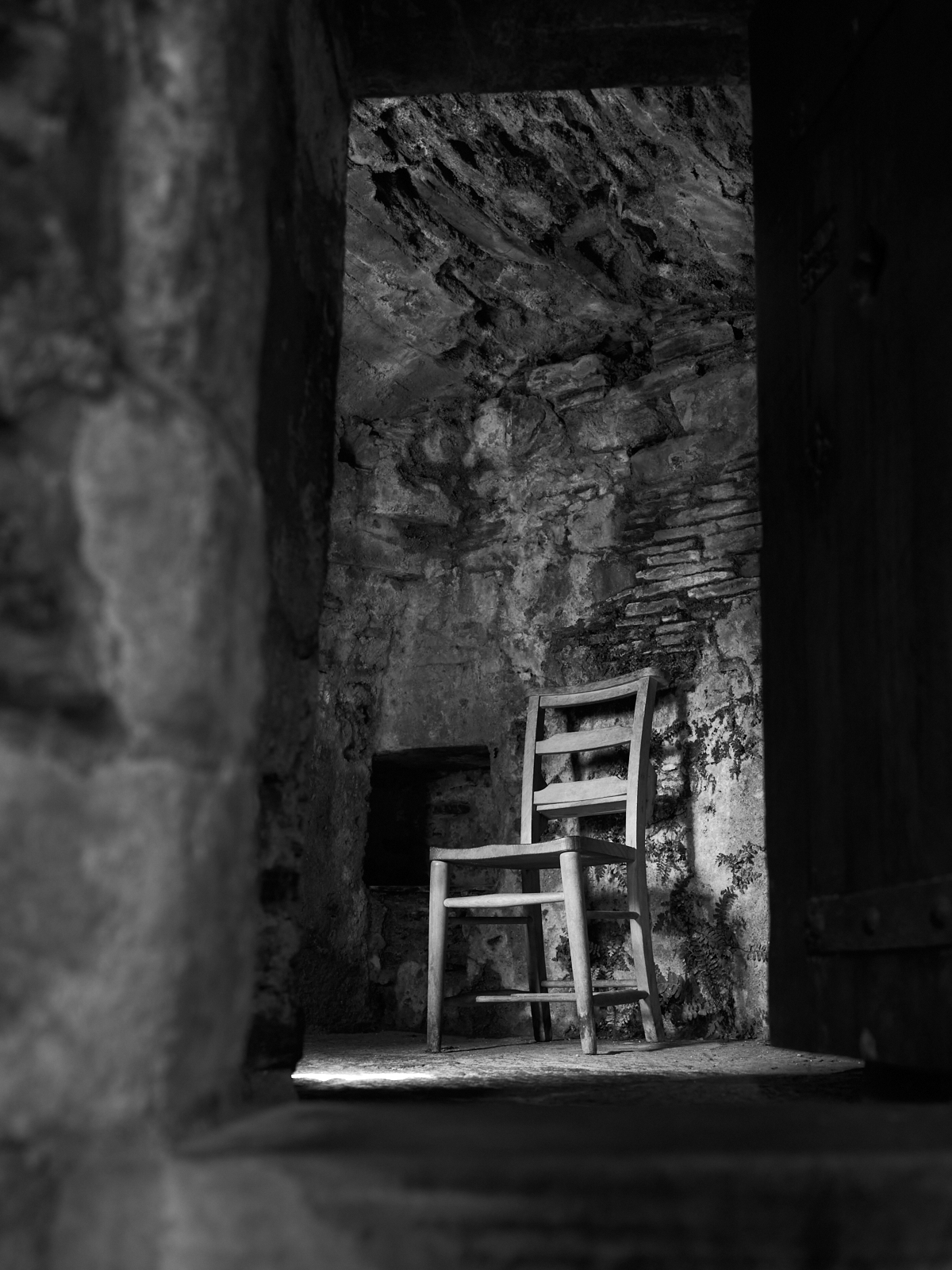
Interior detail – notice the ferns growing out of the wall
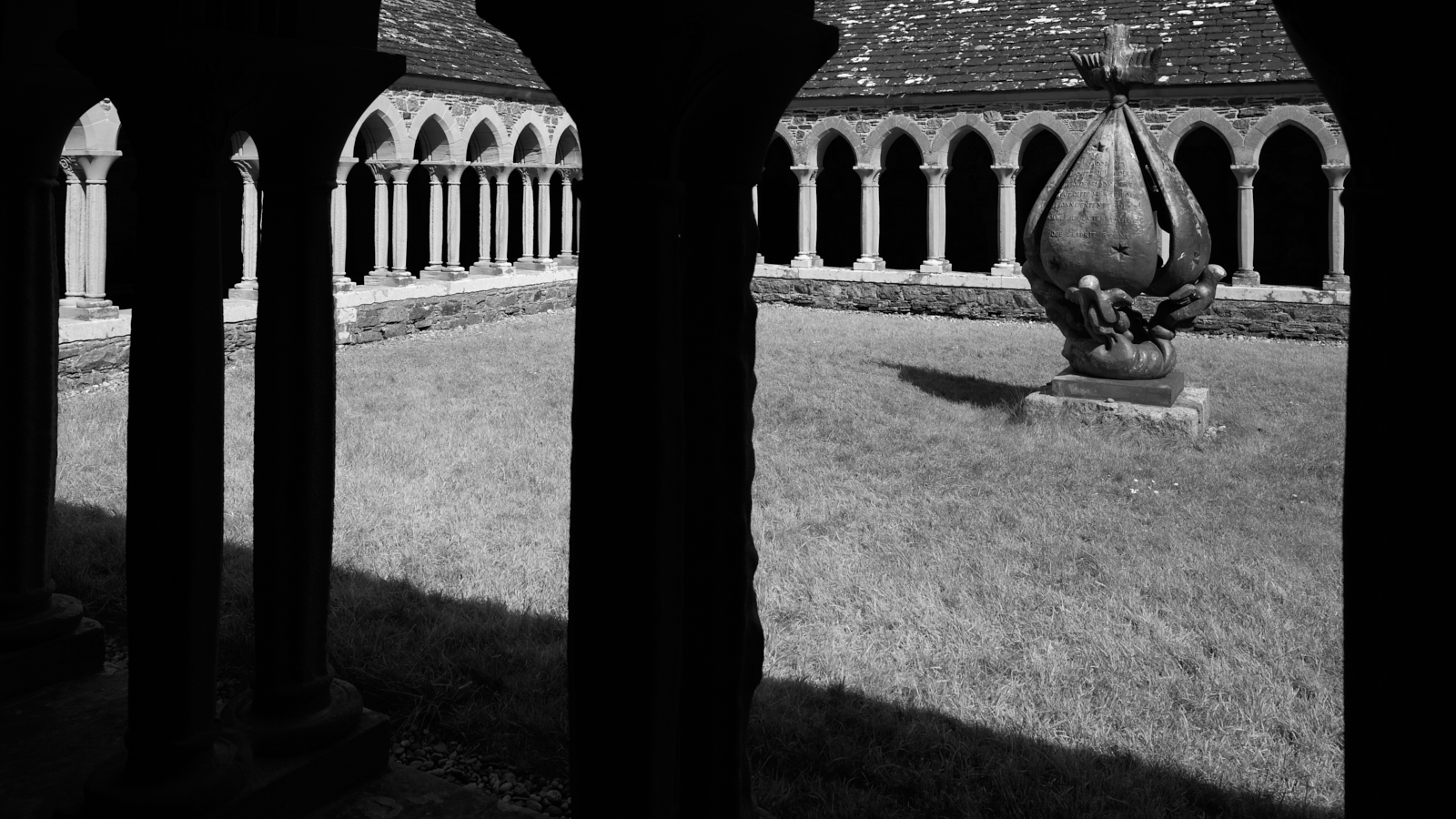
The Abbey Cloisters
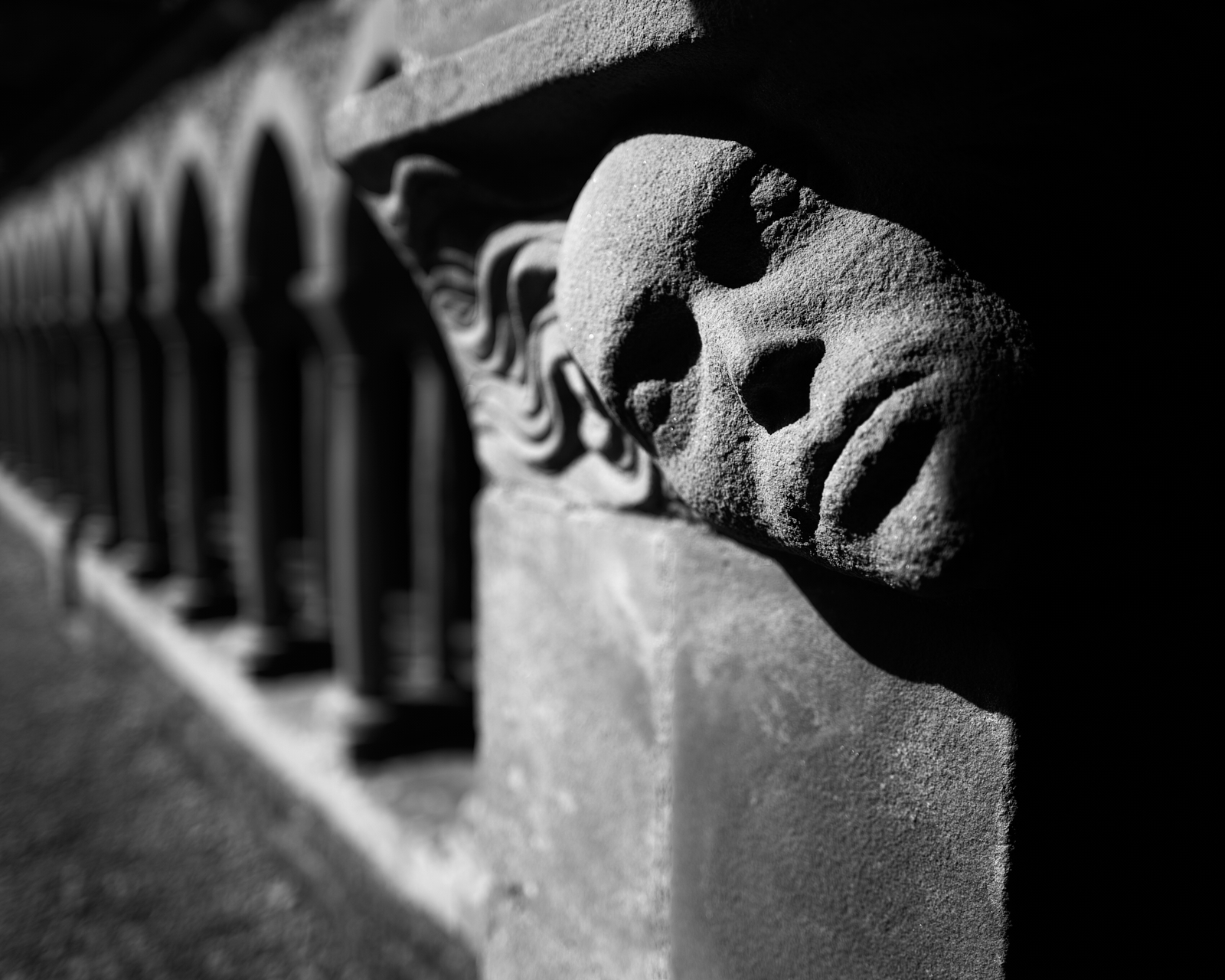
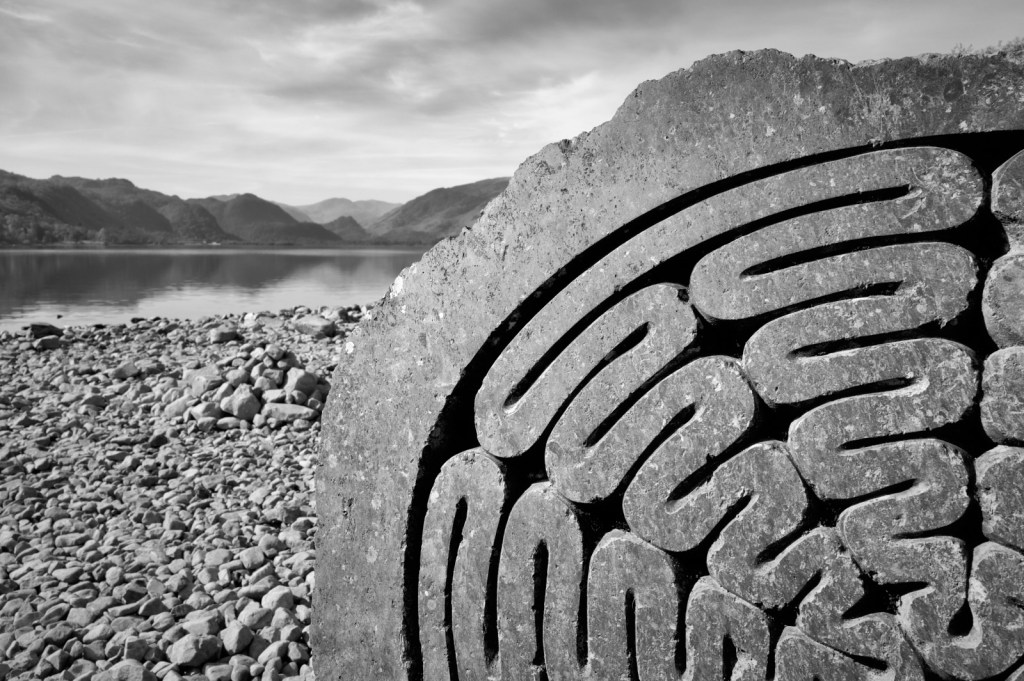
Detail of one of the many stone carvings in the Cloisters – Alpha and Omega
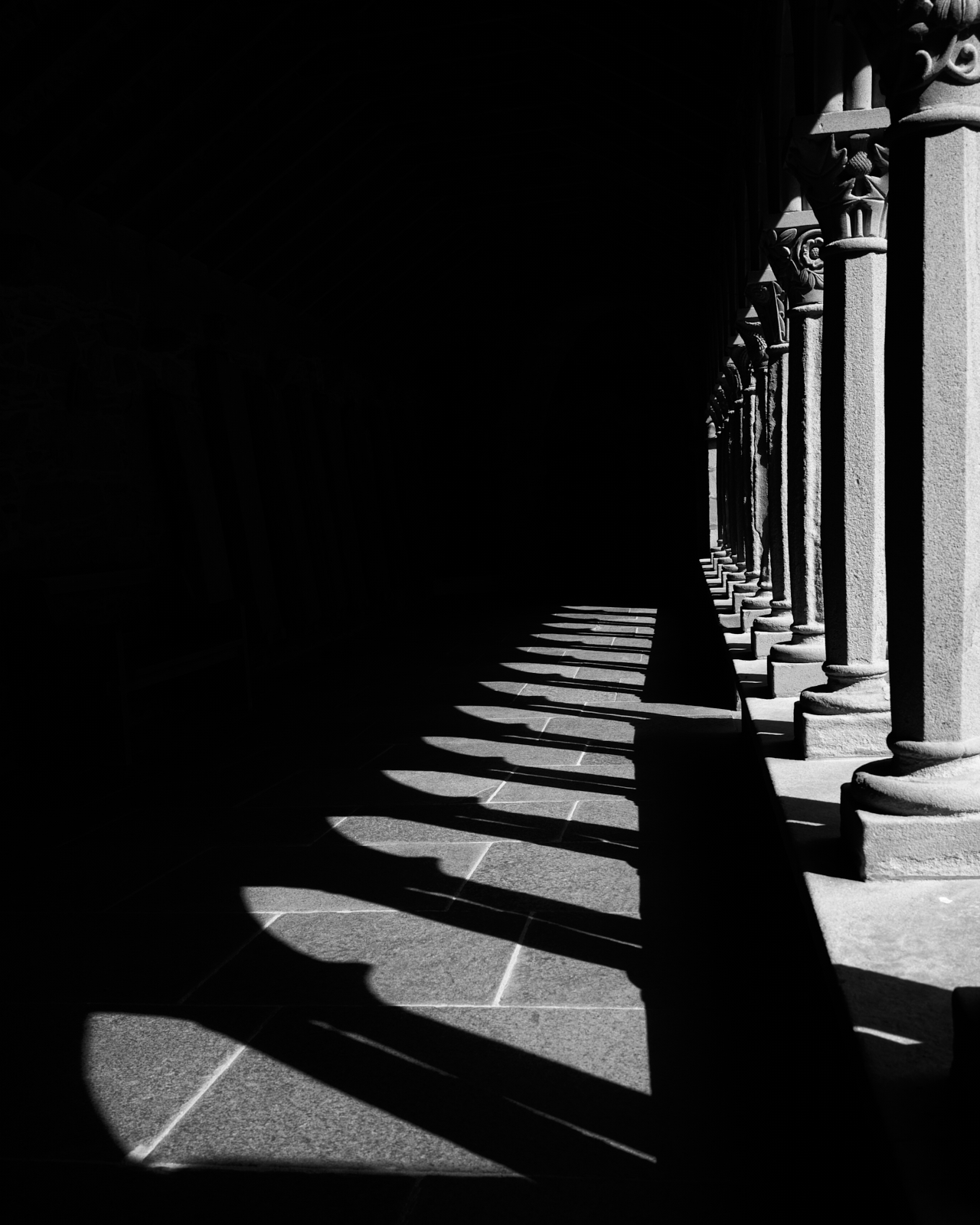
Light and darkness in the Cloisters

During the Dark Ages Iona was the subject of many raids by the Vikings, mainly in the 9th Century and the graveyard of St Oran’s Chapel was used as the final resting place for many local clan chieftains and ‘Kings of the Isles’. During this period the island also became a leading artistic and scholarly centre, known for its carved stone crosses and illuminated manuscripts which included the famous Book of Kells.

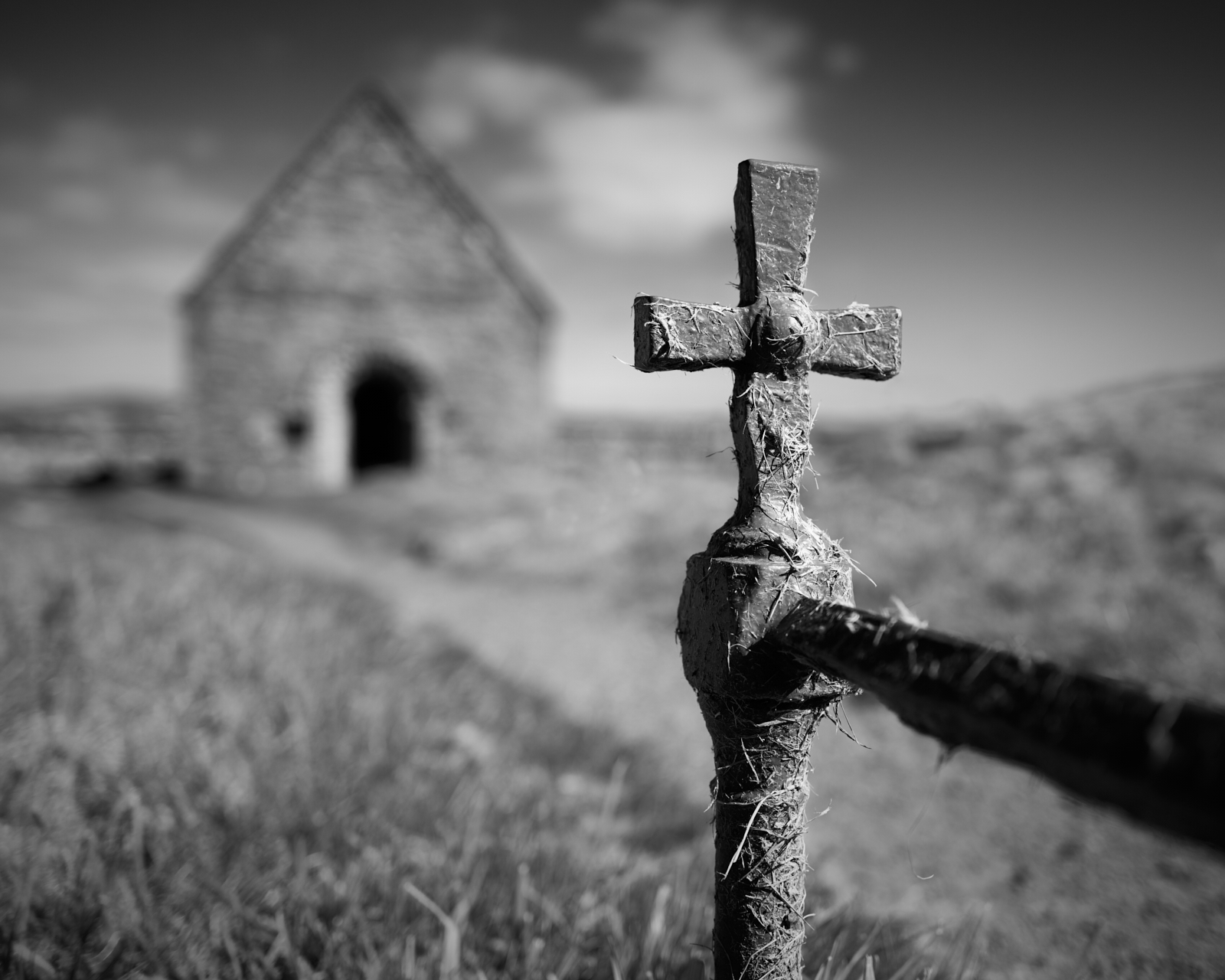
St Oran’s Chapel
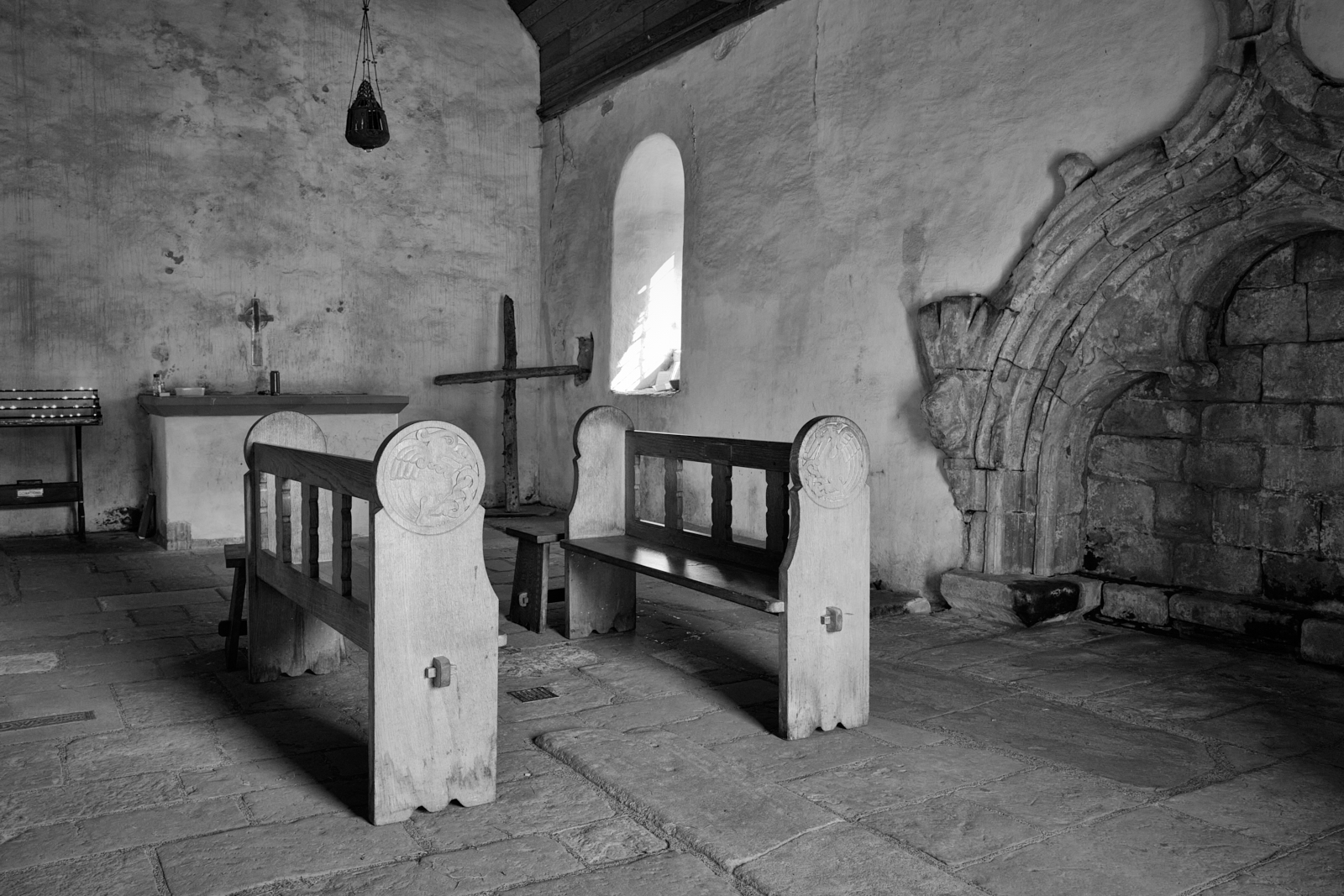
The interior of St Oran’s Chapel

This is Part One of three posts about the Isles of Mull and Iona.

Parts Two and Three can be read here

The Isles of Mull and Iona – Part two ….. Capturing the spirit of place

The Isles of Mull and Iona – Part Three ….. It’s bath time!

Exploring colour landscape photography: a shift from monochrome ….. because variety is the spice of life

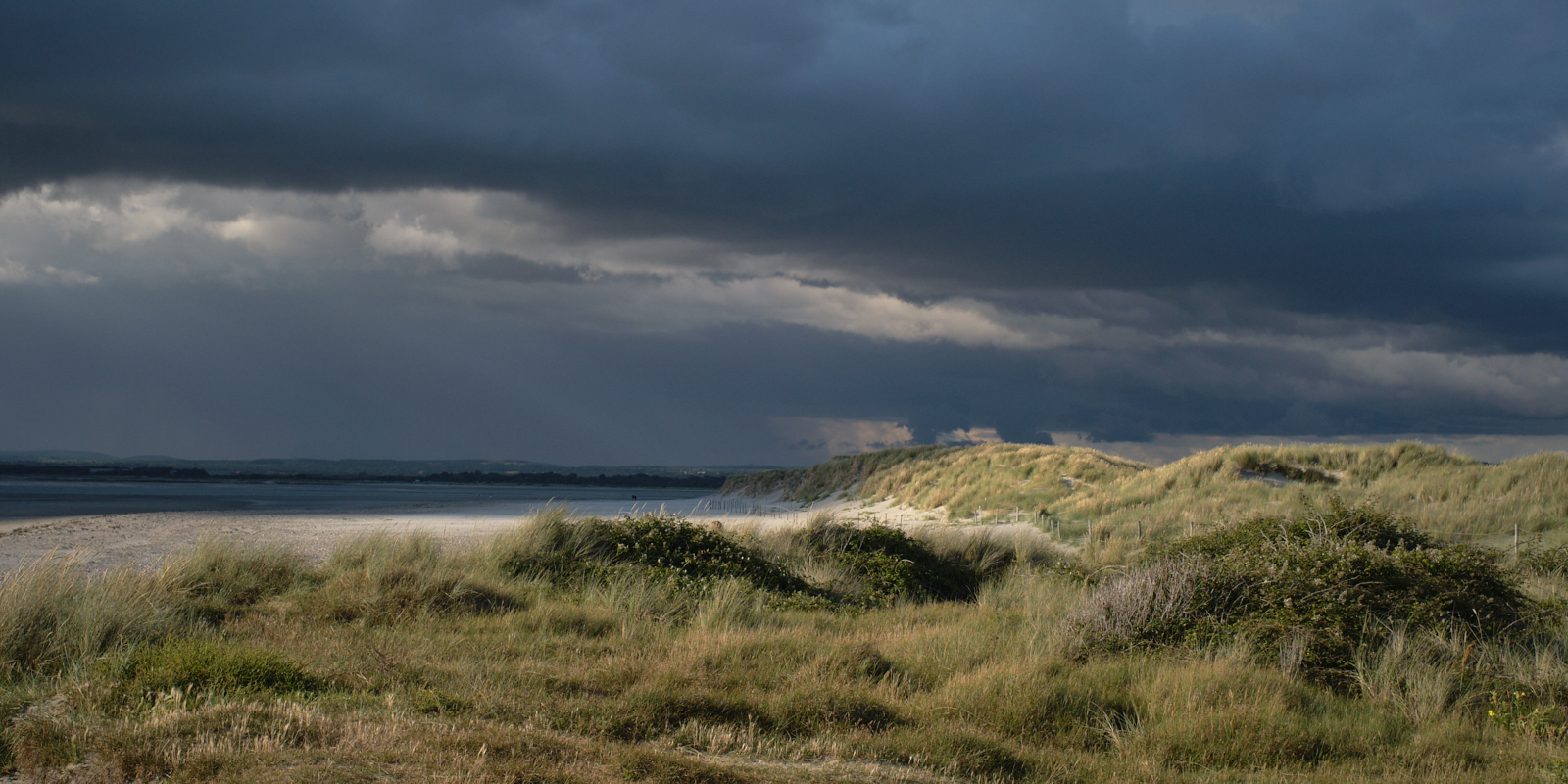
Storm approaching the dunes at East Head, West Sussex

Here on the south coast of England we have experienced a very dry and hot summer. Several months have passed with no rain whatsoever. The ground is bone dry, grass has turned to straw and I fear that some of the plants in our garden will not have survived the drought.

From a photographic point of view summer is never a good time of year for me. The sun is too high in the sky, the contrast is too great and clear blue skies maybe great for a day at the beach but there is no mood and atmosphere to capture. Plus, and being somewhat selfish, there are too many people at the places I wish to photograph.

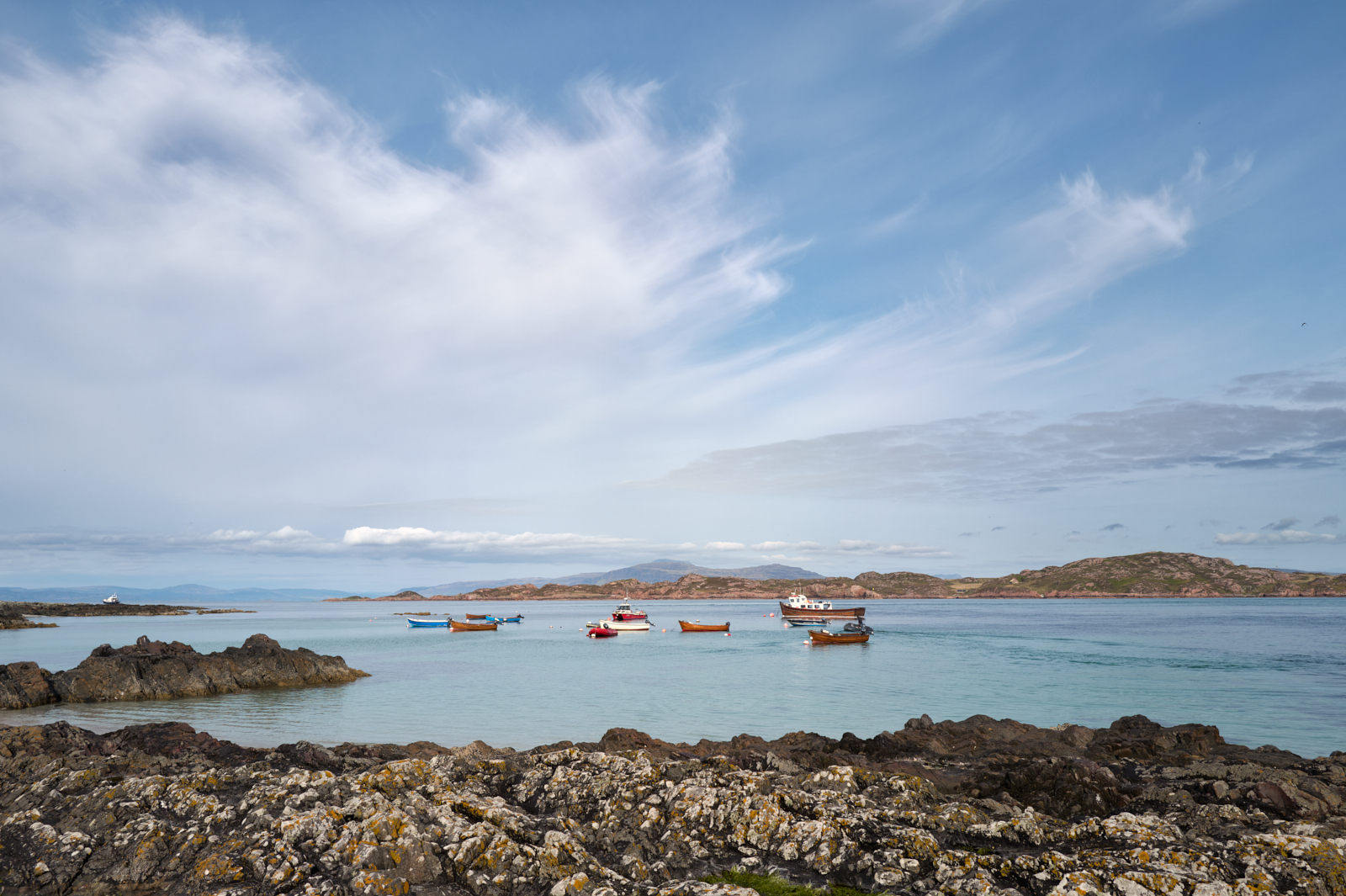
The Sound of Iona, Scotland

So apart from the occasional shoot, I have spent the last few weeks and months giving more time to reflect and think about my photography. Devising plans for when the weather changes, the days become shorter and the light is more favourable. One area of specific consideration has been whether or not I should make more images in colour.

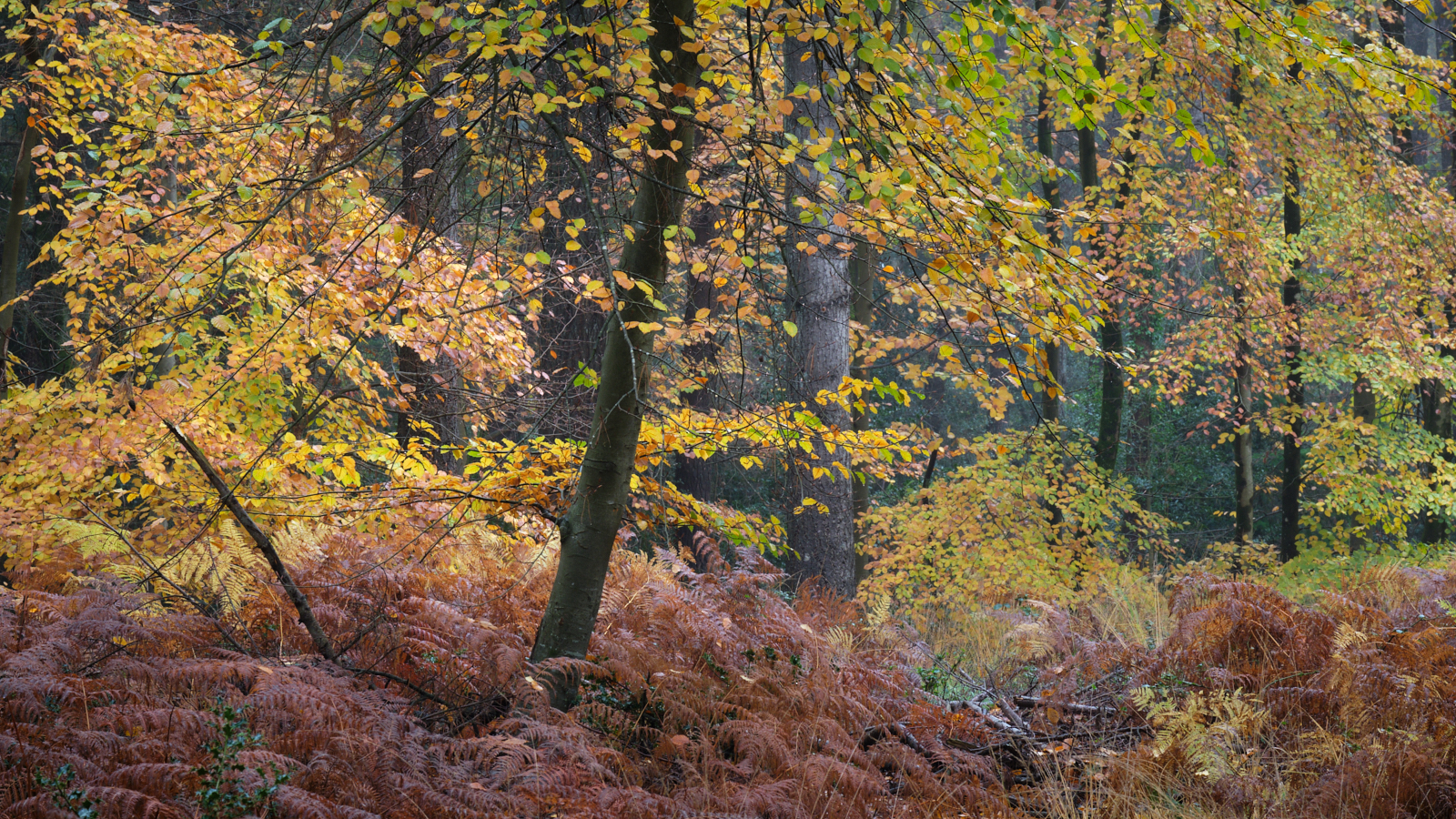
Autumn woodland, Dorset

Ever since 2012 virtually all my work has been in black and white. You only need to look through past entries or any of my galleries (apart from one) to see that black and white is ostensibly what I do. However I make images for my own pleasure. There are no rules which inhibit me from doing anything I like, and that includes switching to colour if I so wish, even if I naturally default to monochrome.

Lifeguard Station, Boscombe, Dorset

As I haven’t been out with my camera I have been trawling through my back catalogue of thousands of images and selecting a few which I have now processed in colour. Some have been captured this year others have lain idle on the hard drive for many years. I have to say that I have thoroughly enjoyed spending my time in this way. I have come across many images which I had largely forgotten. Seeing them afresh as well as opening my eyes to colour has been quite liberating.

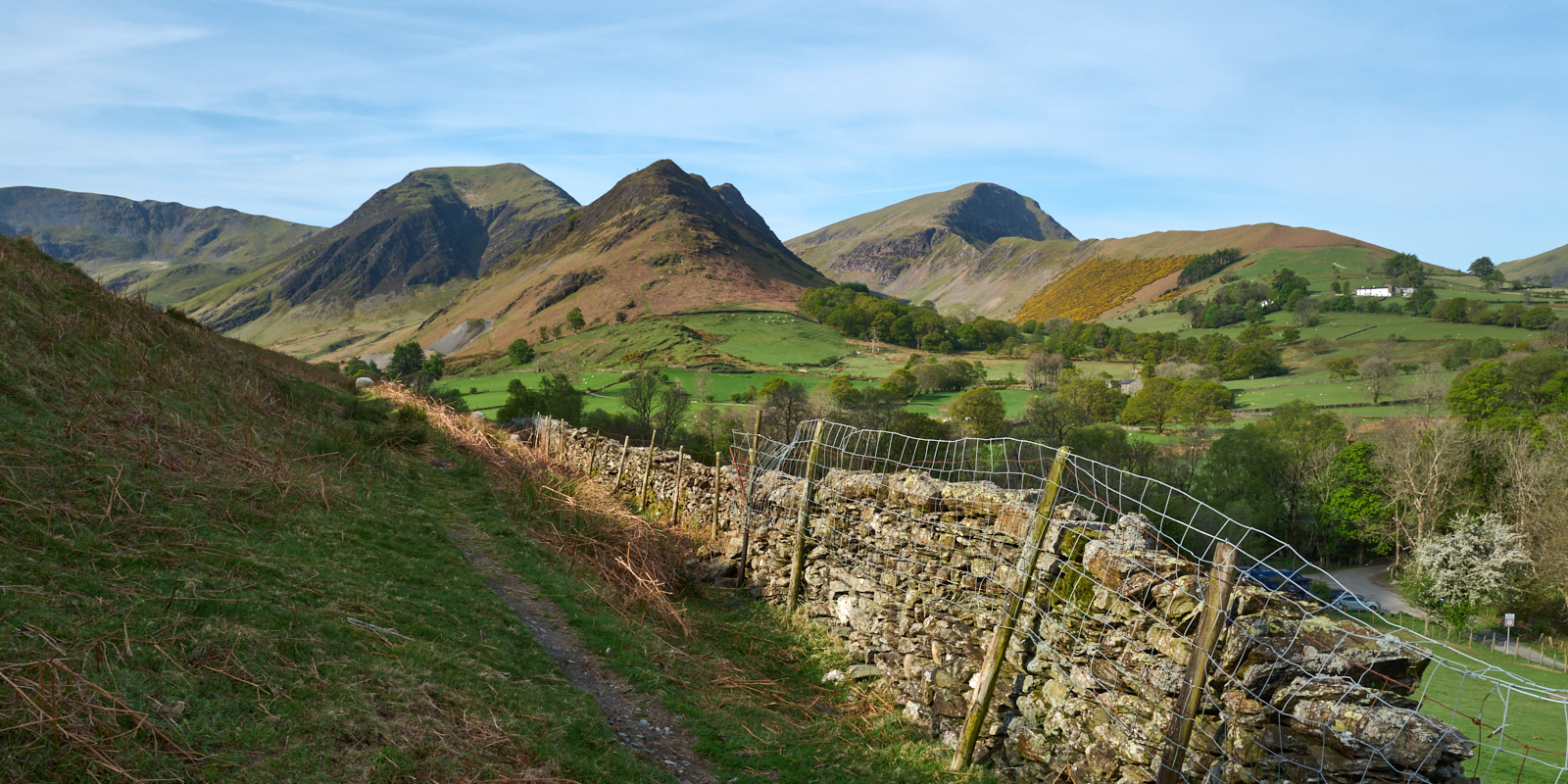
Newlands Valley, Lake District

There is no question in my mind that monochrome and colour are two very different photographic disciplines. Over time my photographic eye has learnt to see the world in black and white, helped of course by being able to preview the image on the rear screen or in the EVF. Photographs that work in mono do not always make a good colour image and vice versa. Perhaps this goes without saying but it does make me think that a fundamental decision needs to be made before the shutter is released. The decision is one of intent – is the end result going to be in black and white or colour? And how might this choice impact on the composition, exposure and any other factors which could be relevant and improve the final outcome.

Portland Harbour, Dorset

In editing this selection of images I have very quickly come to realise there are a whole new set of processing skills I need to learn and hone to make pleasing colour photographs. Well, images that I am happy with anyway. Of course I understand the fundamentals of colour editing but I need to practice much more and develop a better understanding of the tools which are available to me and which I wouldn’t have used previously to make a black and white picture. I fully recognise the workflow is not the same and I will need to make adjustments accordingly. To be frank I am looking forward to the challenge.

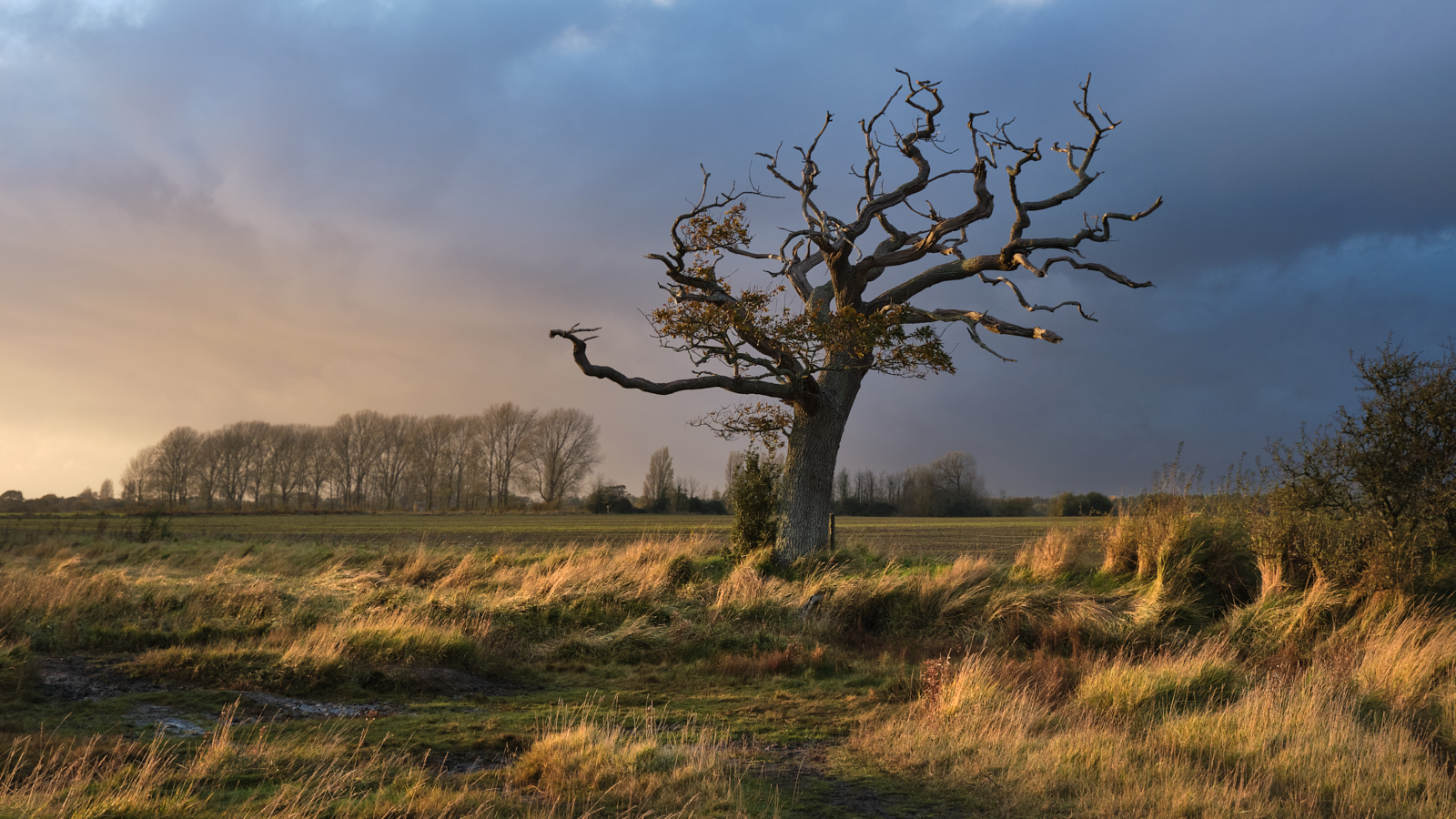
Late afternoon, Fishbourne Meadows, West Sussex

In editing these images I have noticed two things in particular. Firstly my choice of crop or aspect ratio. Originally these were all captured on a full frame or APSC camera with a 3×2 aspect ratio but in many cases I have cropped the image to 16×9 or even 3×1. I don’t think this has anything to do with the fact that they are colour files necessarily, but I really like how this ‘letterbox’ approach changes the overall feel and impact of the image. Fortunately the large sensors offered by most if not all camera manufacturers today provides plenty of latitude when cropping without degrading the image too much.

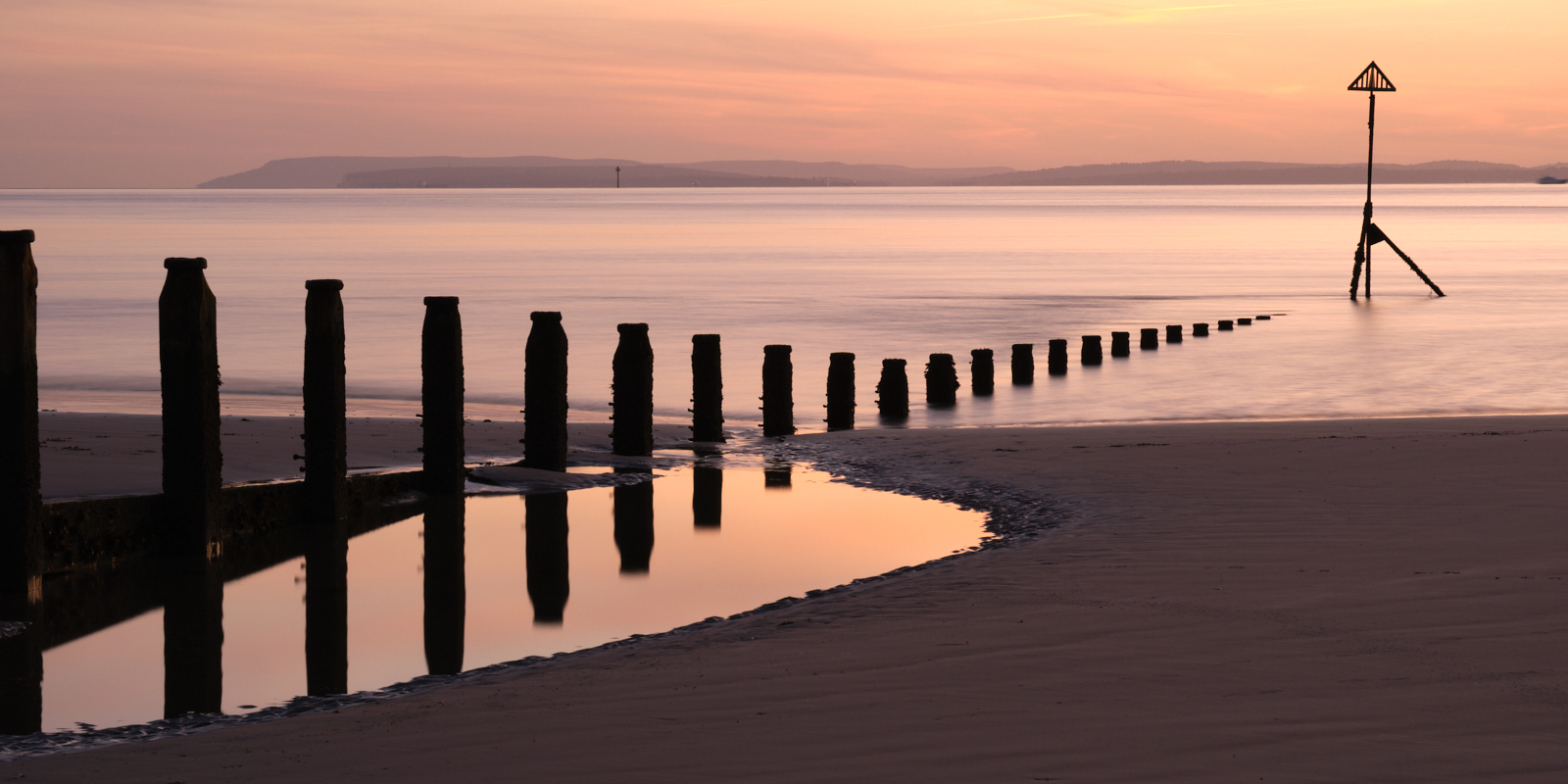
Sunset at West Wittering, West Sussex

Secondly colour balance or colour temperature has a big affect on the feel of the photograph. Should it be cool or warm? Any noticeable colour cast could of course render the picture unrealistic but there are creative choices to be made. I always shoot in RAW so adjusting the white balance is quite straightforward, although I did find myself revisiting this aspect of the editing process as I wasn’t always happy with my first or even my second attempt!

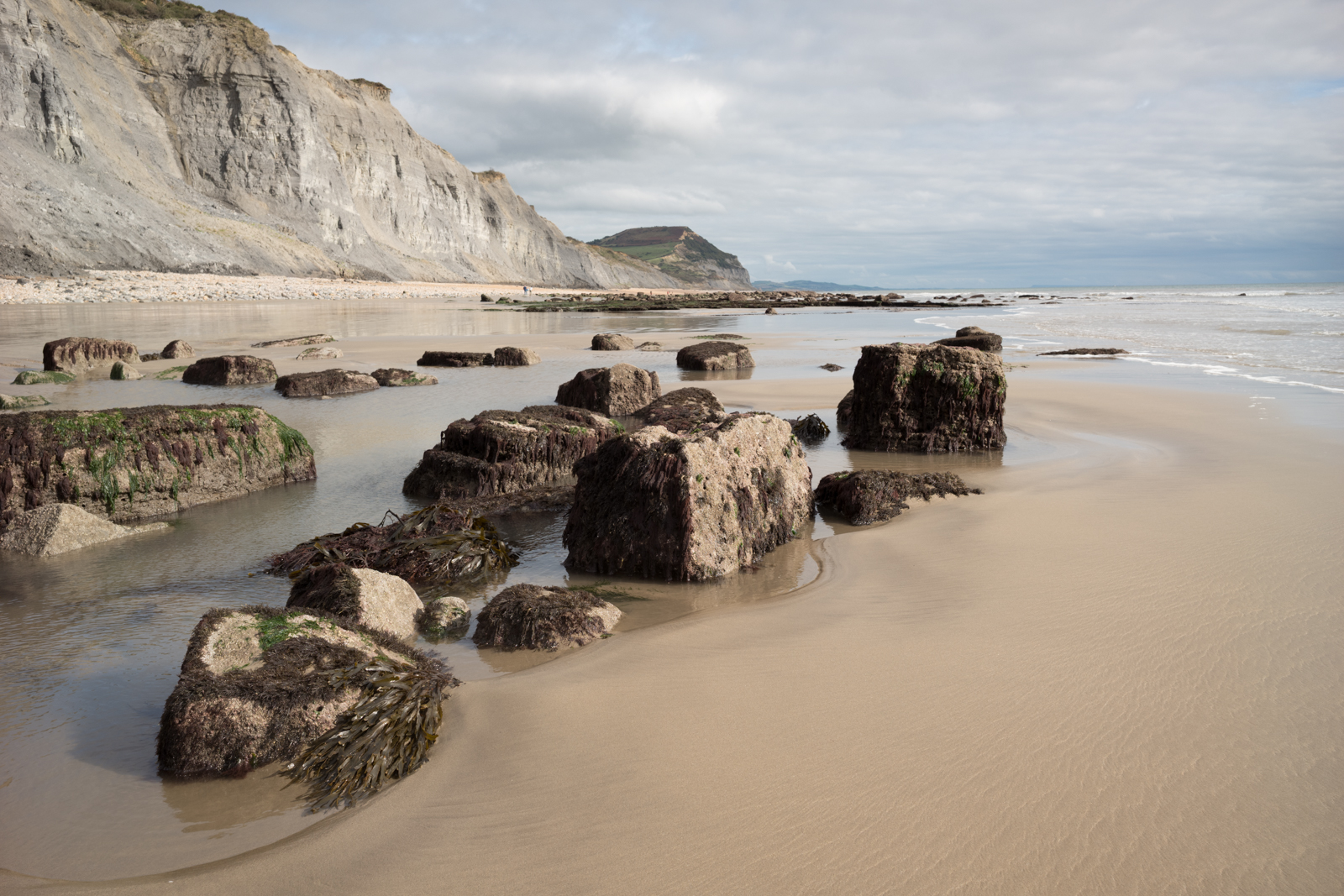
Charmouth Beach, Dorset

Being creative with colour as opposed to black and white is not the same. Black and white is far more flexible in this respect. The lack of colour means a mono image is instantly an abstraction of what we normally see as we go about our daily lives. If you applied the edits in a mono conversion to the same colour file, the result would probably be horrendous so as I said earlier the two disciplines are very different.

Marker Post, West Wittering, West Sussex

Looking forward it is my intention to make many more images in colour although I don’t think I will ever lose my love for black and white. How could I after so many years? But there is a place for both styles of imagery and as the old saying goes – ‘variety is the spice of life’.

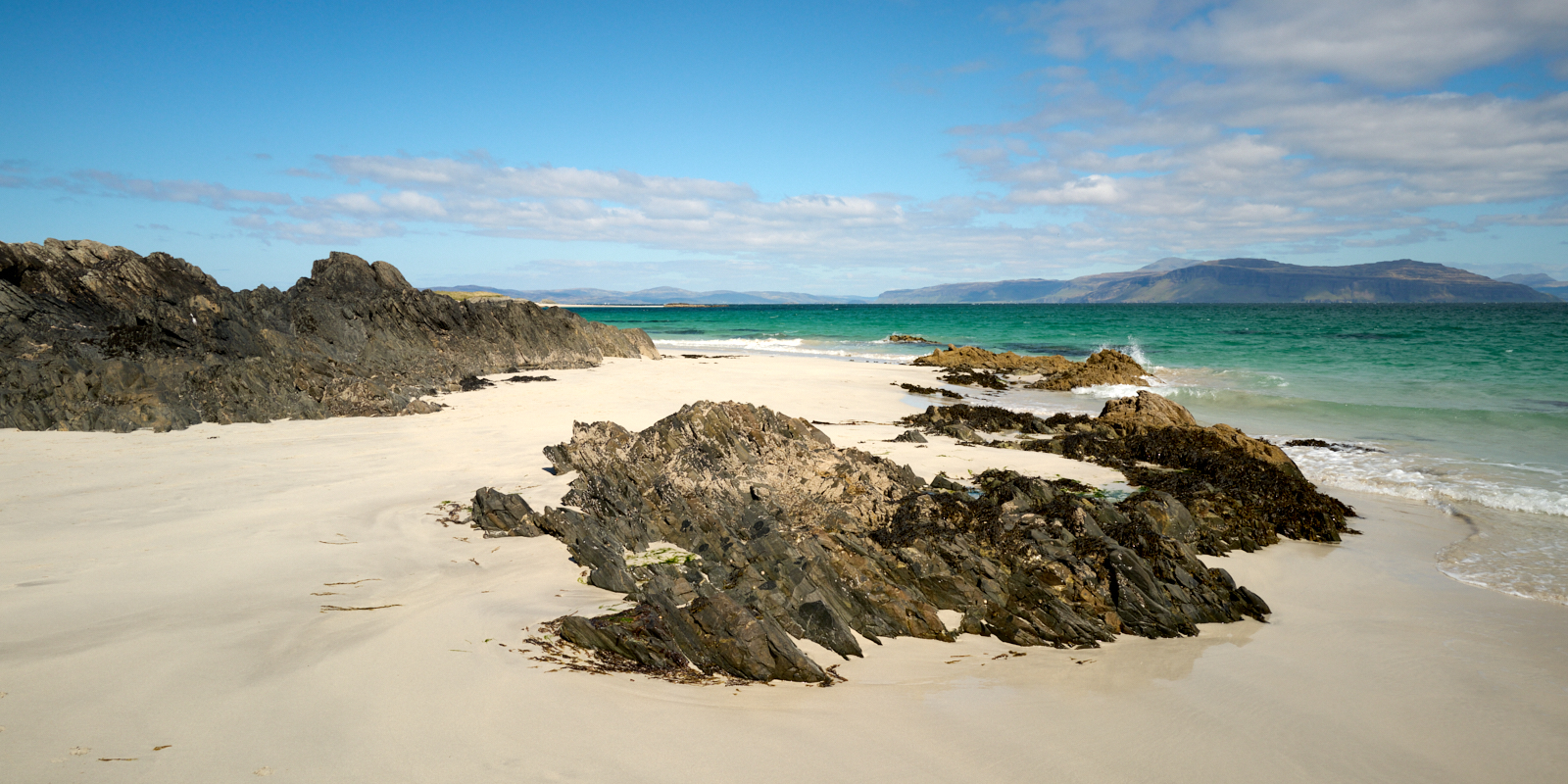
White Strand of the Monks, Isle of Iona, Scotland

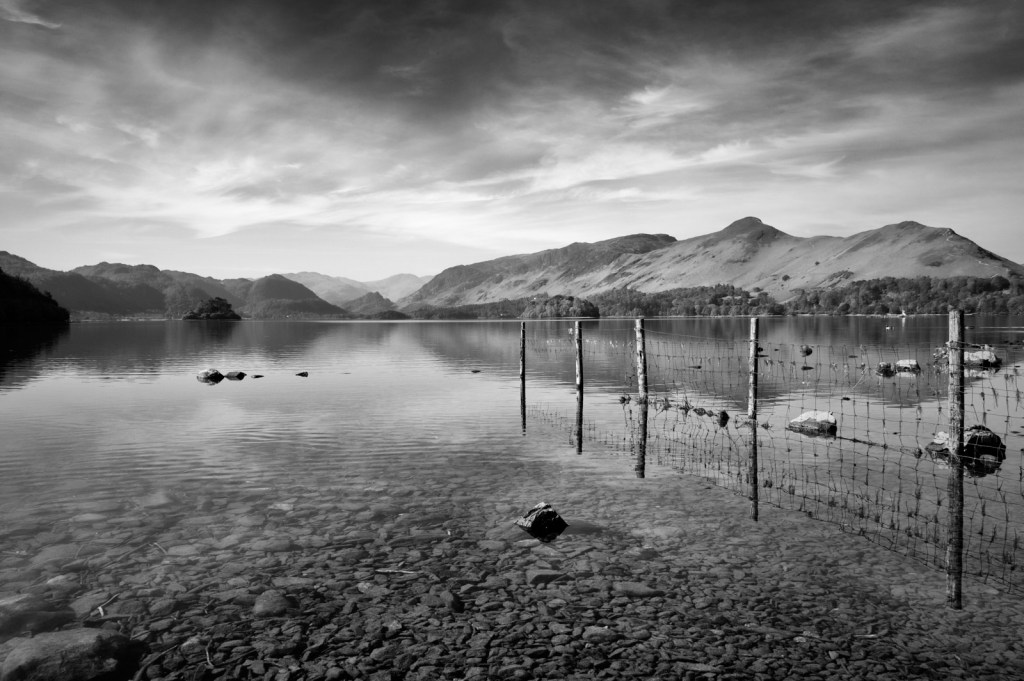
Derwentwater….. arguably the Lake District at its most beautiful

Age and an adversity to risk stop me from venturing very far up into the hills these days. I know if I did such walks would reveal some wonderful vistas of this majestic area. Yes, there are great viewpoints from the high passes which can be reached by car, but somehow it’s not quite the same as a day out fell walking followed by a pint and a pie back in the village pub nestled in the valley below.

Looking back I sometimes wish I had been a little more adventurous when age and fitness were on my side, nevertheless a less challenging walk along the shoreline of Derwentwater still comes with many rewards. There are scenes which are simply beautiful. Some might argue they truly encapsulate what the Lake District is all about. Big skies above the hills which are reflected in a large stretch of water. Assuming of course the air is still and the water calm.

These images taken of Derwentwater a few weeks ago on a rather lovely morning are well known scenes which have inspired many an artist and photographer. Witnessing for yourself the majesty of the landscape and nature at its finest, is very gratifying and good for the soul.

A photographic journey ….. Revisiting Buttermere in the Lake District after 12 Years

I ask myself – what took me so long?

In all the years I have been making photographs, there have been certain locations which are deserving of the comment; ‘one day I hope to return’. The Lake District, and Buttermere in particular, definitely falls into this category and I hope you can understand why from the images you see here.

After a long interlude of twelve years, I am pleased to say that a few weeks ago I was walking along the shoreline of Buttermere once again. It was quite early in the day and although the sky was overcast, there were some bright patches of light reflecting off the surface of the water. In many respects these are ideal conditions for black and white photography.

Who knows but one day I would like to head to The Lake District again. If I do, I’ll try not leave it quite so long. After all none of us get any younger and to reach some of the best locations for photography it can involve quite a trek. Hopefully my legs will still get me there! If not these photographs and others captured during our stay will always serve as a reminder of this very beautiful place. That’s the great thing about photography. The images themselves do not have to be 10 out of 10. If all they do is bring back happy memories about a certain time and location, then pressing the shutter to record these moments is a very worthwhile thing to do.

Incidentally all these images were captured with the Leica Q3 and processed in Capture One and Nik Silver Efex Pro. After a few months in use I can truly vouch for what a great camera it is.

There will be more posts of the Lake District coming soon but in the meantime you might like to look at my Lake District Gallery Page. It shows a number of images from my previous visit to the area back in 2013.

The Jubilee Trail – Cranborne to Pentridge Hill … Walk Number Two

The days seem to go so quickly that I find to hard to believe that a month has passed since I took my first steps along the Jubilee Trail. You can read about Walk One here.

I decided for my second planned walk that I would effectively continue where I left off, albeit that I would be starting in Cranborne, walking out to Pentridge Hill and returning along the Hardy Way back to the village – a distance of 5.2 miles. I am fully aware that in walking terms this isn’t very far but as I mentioned in the first post I want to take time to absorb and appreciate the landscape as well as finding compositions and releasing the shutter to record what I see.

In many ways these posts, and there will be 32 in total, are as much a travelogue and as they are a photographic experience. Given I have only just completed the second walk it may well take me a year or more to finish the 90 mile trail!

I left the village of Cranborne at precisely 10 o’clock just as the church bells chimed on the hour, and for a short time they drowned out the bird song coming from the trees around me. The sun shone which was in stark contrast to the previous day which had been wet. After all the rain, the gravel path made for good walking but I anticipated there would be muddy sections somewhere along the route.

I soon reached Manor Farm and couldn’t help but notice the signage for The Boot and Bucket Cheese Company. I am a big fan of cheese and I had not come across this artisan food-maker before, so I made a mental note to go on their website when I returned home. I knew it wouldn’t be very long before one or two of their products would be on a plate with complementary biscuits and a glass of red wine.

I passed Manor Farm and the gravel track gave way to tarmac. A surprisingly well maintained road given it only served Cranborne Farm ahead. Two people appeared in front of me, grey hair, one stick and the ubiquitous black labrador. I soon overtook them, said good morning as I did so, and continued along the trail. Pasture land lay to my left, a post and wire fence preventing the curious cattle escaping, telegraph poles as far as my eye could see and a flock of maybe seven or eight white wagtails for company.

Heading north west the mid morning sun was directly behind me and my long shadow led the way. I turned to see if I was still being followed but the two dog walkers must have turned around, continued putting the world to rights, as they made there was back to Cranborne.

After 35 minutes and 1.3 miles, I turned right at Cranborne farm, still on the Jubilee Trail, and began a gentle ascent. I had chosen another beautiful, dry autumnal day and the temperature was rising. I had packed a waterproof jacket, but I was convinced it wouldn’t be required. In fact it wasn’t long before my gilet joined the waterproof in my backpack and I was down to a single layer. Neither saw the light of day until the end of the walk. I couldn’t have wished for better conditions.

Leaving the farm behind me, tarmac had been replaced by a typical farm track, with tractor ruts either side of a wet grass central reservation. Lined by hedges which are great for wildlife but they did mean my view of the surrounding countryside was inhibited. Although there were some muddy sections, the ground was surprisingly good given how wet it had been recently. I felt for all arable farmers who must have had a very difficult time bringing in the harvest and would now be struggling to plough and cultivate the land ready for seed drilling and next year’s crop.

Every so often, the sun would give advanced notice of a gap in the hedgerow and the hidden landscape would be revealed. At one point I could see Penbury Knoll, which I had visited in ‘Walk One’ although I wouldn’t be going quite that far today. This route would take me to the lower slopes of Pentridge Hill where I would turn round and head back to Cranborne. The path was nearly all uphill from now on. The good news is that it would be all downhill on the way back.

Although I had yet to see or hear any pheasants, it was evident that sections of the farmland would be used for game shooting. Strips of land had been left for cover and there were many pheasant feeders dotted around the fields. Game shooting divides opinion but for those in favour it does generate another income stream for landowners and gamekeepers.

I arrived at my next turning point. It was marked on the map as Jack’s Hedge Corner. I enjoyed a good view of the countryside and then realised from looking at the map that I was looking down on Toby‘s Bottom. ‘Oooh Matron’ I said to myself, which will only make sense to those of you who are familiar with Kenneth Williams and the ‘Carry On’ films of the 1960’s and 70’s. Joking aside these are names which are surely linked to people from the past, in particular Jack as there were hedges in all directions.

I stopped to take a few pictures and as I made my way up the hill I thought I could hear voices. My hearing isn’t perfect but the voices got louder and it wasn’t long before I knew that my ears hadn’t been deceiving me, as a group of retired ramblers came into view. A few moments earlier I had only been thinking how this had felt like a quiet place of solitude negating any need to go to places like Scotland and the mountains. I could escape people here in my home county. The ramblers had broken the silence of nature and place, and selfishly I hoped they would be continuing their walk along a different path. I pressed on to put some distance between me and them. I make no apology but I prefer to be on my own.

The slopes of Pentridge Hill lay ahead and a buzzard flew over Blackbush Down. As it turned, the underside of its wings were caught in sunlight, revealing the beautiful pattern of its feathers. The distinctive mewing and screeching on the wing echoes the sound of a cat like call. It circled out of view, its cry falling away in volume as it did so.

Apart from the bird of prey calling there were no more voices to be heard; I assumed they must have turned right at Jack’s Hedge Corner and I rambled off in the opposite direction.

After an hour and 35 minutes I had covered 2.9 miles, and had arrived at the point which I had left the Jubilee Trail a few weeks ago. It was time to turn round and retrace my steps taking in the view across Cranborne Chase. Before doing so I reached into my bag for a drink and half a sandwich, something to refresh me. It was only 11.40am so too early for lunch and I envisaged having the rest back in the village followed by a flat white and maybe a slice of cake at the Cranborne Garden Centre by way of a treat.

I soon arrived back at Jack’s Hedge Corner. By then the sun had moved round and was now illuminating the gate post which made for a much better composition.

This was also the junction to continue straight ahead and follow Hardy’s Way back to Cranborne. ‘Jack’ had without question been very active as the path was lined by tall hedges on both sides of the track and for long sections any view was completely obscured. However I was grateful the sun was still shining, but in some respects I was now looking forward to the end of the walk.

As I descended I had rather hoped there might be a view of the village, perhaps even the church tower but it was not be. Thinking the tall hedgerow would be a permanent fixture for the rest of the walk I was pleased when I came across a pair of double gates to my right and the countryside I had been missing for the past half a mile or so suddenly came into view. I stopped, rested my hiking stick against the gate and admired the scenery. I heard the buzzard again but this time it wasn’t visible, but there was no mistaking its call.

It was at this point that I gave some thought to the camera equipment I had in my bag. My Leica SL and 50mm Summilux lens was all I had used. I had three other prime lenses so why was I carrying all of them? I guess there will be times when I will resort to using them but for the majority of images 50mm is all I need. It is though something to consider for future walks.

The bridleway returned to tarmac once again so I knew the village and the end of the walk couldn’t be that far away. I reached a road and on the corner a finger post confirmed what I already knew; the car would be in sight very shortly and lunch would be my reward.

It’s just before 1 o’clock and I’m back where I started; 5.4 miles according to the App on my iPhone. Before heading to the cafe there was one more place to visit – the church of St Mary and St Bartholomew. There were only a few spaces to park outside the church and a ‘no parking’ cone immediately by the church gate reduced the number of options. A small pick up took up another space with its driver sitting behind the wheel.

I approached the church but unfortunately it was closed for the day. A notice on the door informed me that a funeral was due to take place. This made sense of the parking cone and I could only conclude the grave digger was waiting to complete his work after the service had finished.

As I drove to the cafe the vicar was walking to the church with a small black leather case in his hand. There were two mourners in traditional dark attire at the garden centre filling time over a drink and I suspect retelling tales of the dearly departed. A sombre end to the day but a reminder how grateful I am to be alive, to walk, to see and to hear the beauty of God’s creation which I had witnessed that morning.

I left the garden centre at 2pm and heard the church bells chime again.