Posts tagged ‘Photography’

M. O’Donnell & Sons – Yesterday’s superstore today
M. O'Donnell & Sons

M. O’Donnell & Sons

During our recent stay on the west coast of Devon, close to the borders of Cornwall, we visited the village of Hartland. It’s a rather quaint little place and for the most part unspoilt, which I rather liked.

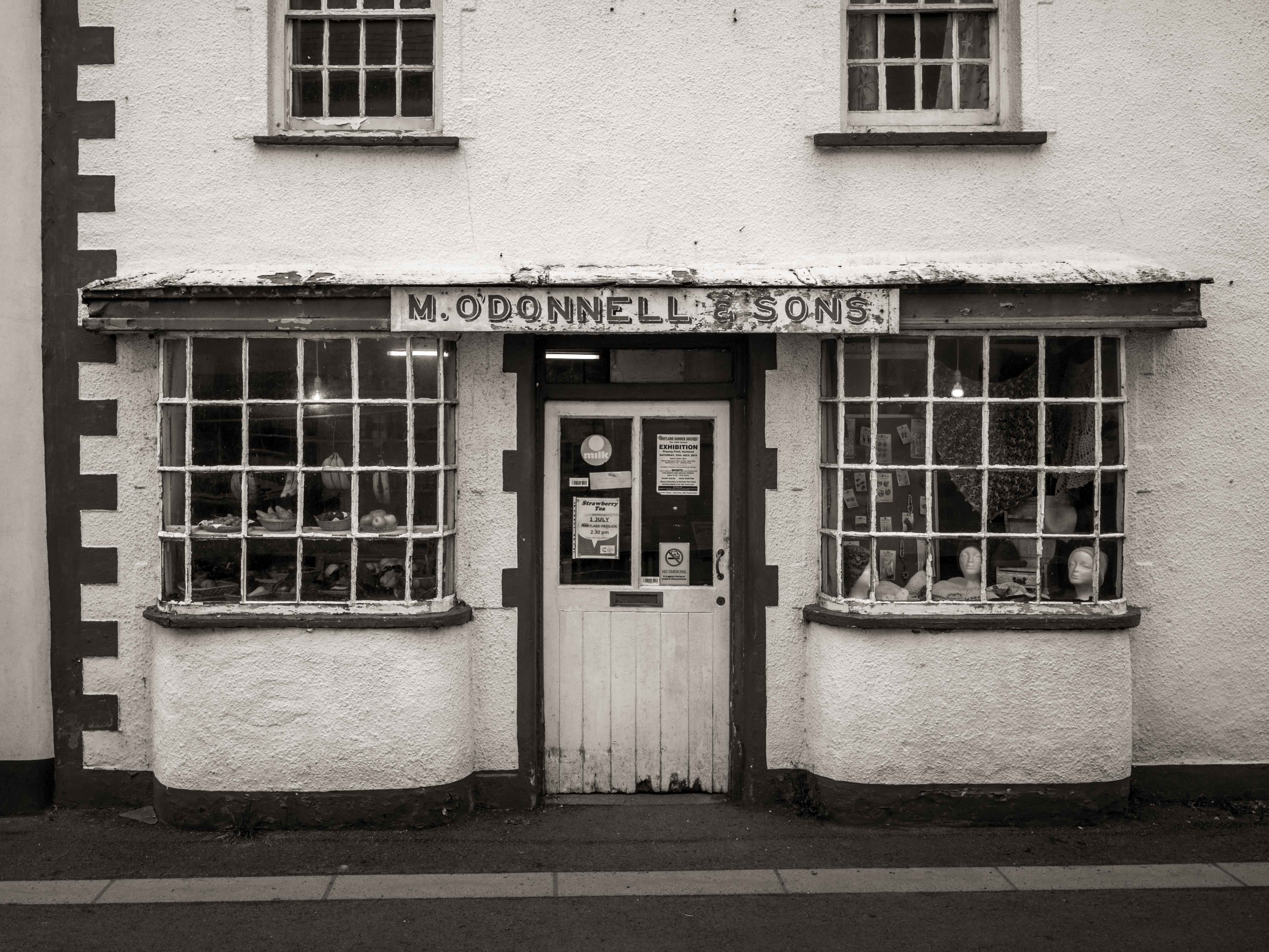
It had very few shops but one which did attract my eye was ‘M. O’Donnell & Sons’. In the left hand window there was a small selection of fruit and veg, whilst to the right there were some woollen hats, a knitted scarf, a few buttons and other items of haberdashery for sale. The notices in the door were up to date – Not to be missed, the ‘Strawberry Tea’ which was coming up on the 1st July. There was no state of the art spotlighting, just a couple of bare light bulbs and a small fluorescent tube to illuminate the interior of this double fronted shop. The bay windows were in a poor state of repair, and everything including the sign above the door needed a fresh lick of paint. Had it been in pristine condition it would not have had the  character or the appeal which enticed me to take a photograph in the first place.

It made me think that in its time it would have been the ‘local superstore’ of its day, selling a variety of things which you probably couldn’t easily buy elsewhere in the village.  Local residents would have been eternally grateful to the O’Donnell family, as this little shop would have prevented a long journey into the nearest main town. I don’t know, but perhaps the present community feel the same way and continue to support the shop, after all it would be rather sad to see it close, wouldn’t it?

Do click on the image to see a larger version, only then will you be able to see some of the items for sale in the windows.


Thwarted by the flower arrangers at Hardham Church

St Botolphs, Hardham

St Botolphs, Hardham


I guess the title of this post requires an explanation.

Quite simply I had visited this small church to the south of Pulborough in West Sussex previously, but not with a camera, nor with the time to take any photographs. Nevertheless this brief encounter was enough to entice me back when the opportunity arose. I returned last Saturday, having already given some thought to the shots I wanted to take, what lens I might use and how the images might be processed afterwards. Call it pre-visualisation if you like, but that sounds rather pretentious. In truth I was just looking forward to spending more time with my camera in a church dating back to C1050 with some of the finest wall paintings in the county.

I opened the door and was warmly greeted by a retired couple. I immediately noticed a tarpaulin on the floor and a few buckets strewn around containing withered flowers. I made polite conversation but this couple were not visiting the church, they had come to arrange the flowers ready for the services scheduled for the following day. I tried to establish how long they might be before completing their task for the day, but it soon became apparent they were going to be some time. There was no way I could concentrate on taking photographs, and even if I could, it was a practical impossibility with so much debris in the aisle.  I had been thwarted by the flower arrangers.

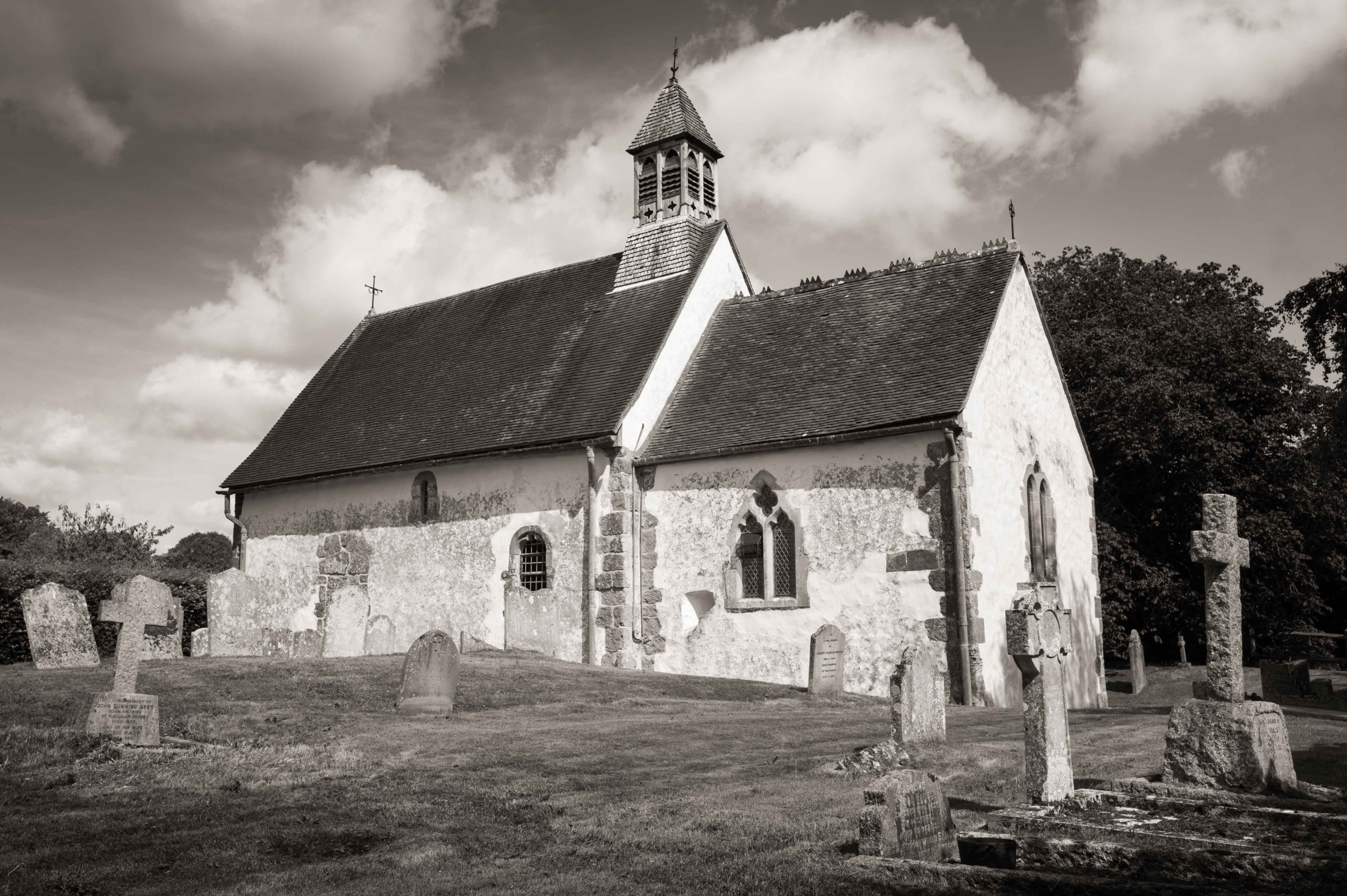
I will return another day, but for now I hope you enjoy the one image I could take……..the pretty exterior of St Botolphs Church in Hardham.


Churches Project no. 3 – St Mary the Virgin, North Stoke, West Sussex

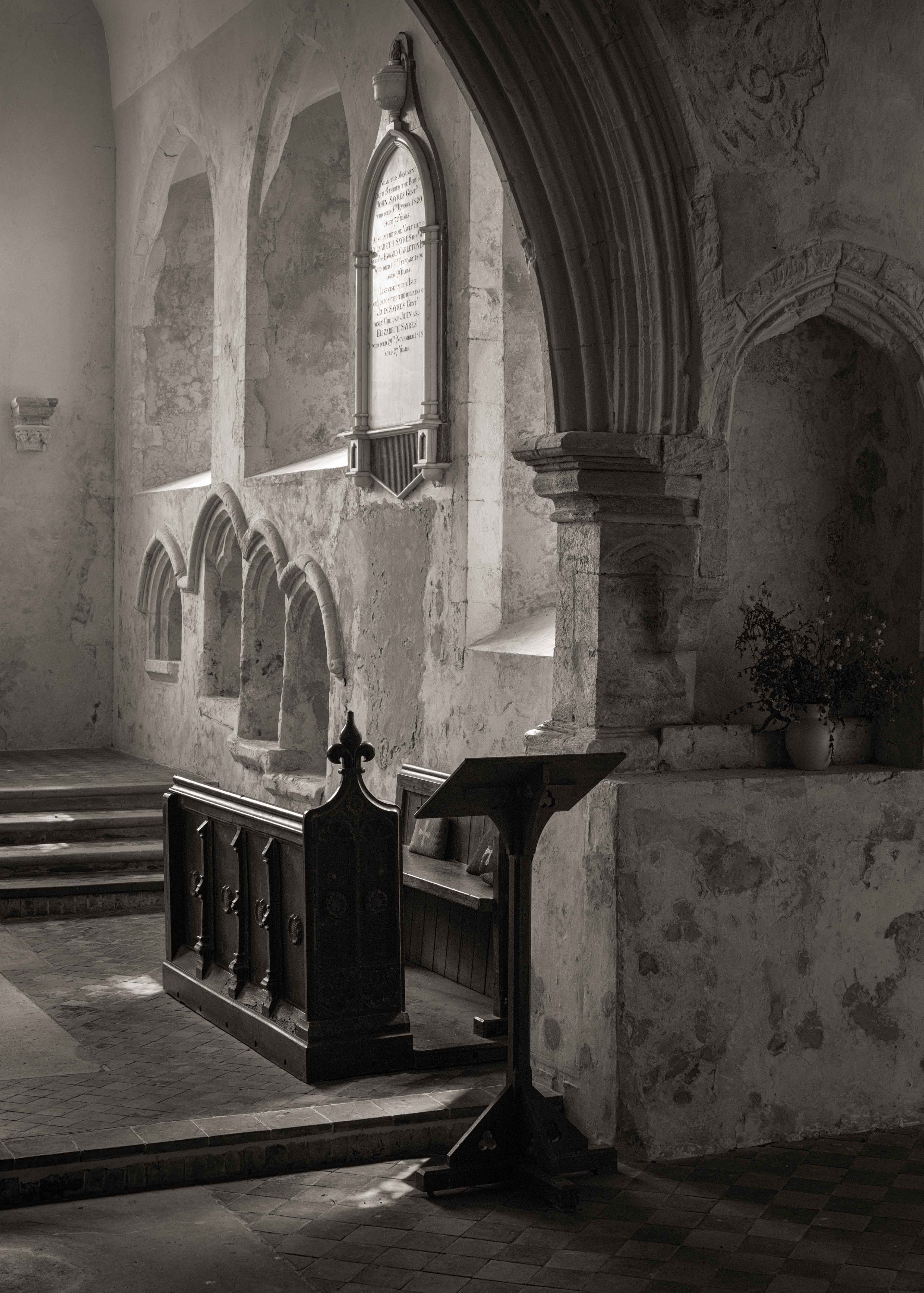
There are some occasions when from the moment I walk through the door, I just know that the interior of a church has something special to offer and will provide me with plenty of photographic opportunities. When I visited the Church of St Mary the Virgin in the tiny remote hamlet of North Stoke, this proved to be one of those occasions.


I have to say I do like simple churches; ones that are timeless and barring a few recent additions are largely unrestored. This particular church nestles in the South Downs about 2 miles to the north of Arundel. Apart from the adjacent farmhouse, together with various farm buildings, the church is isolated and surrounded by the beautiful countryside of the Arun Valley.


L1003241-Edit


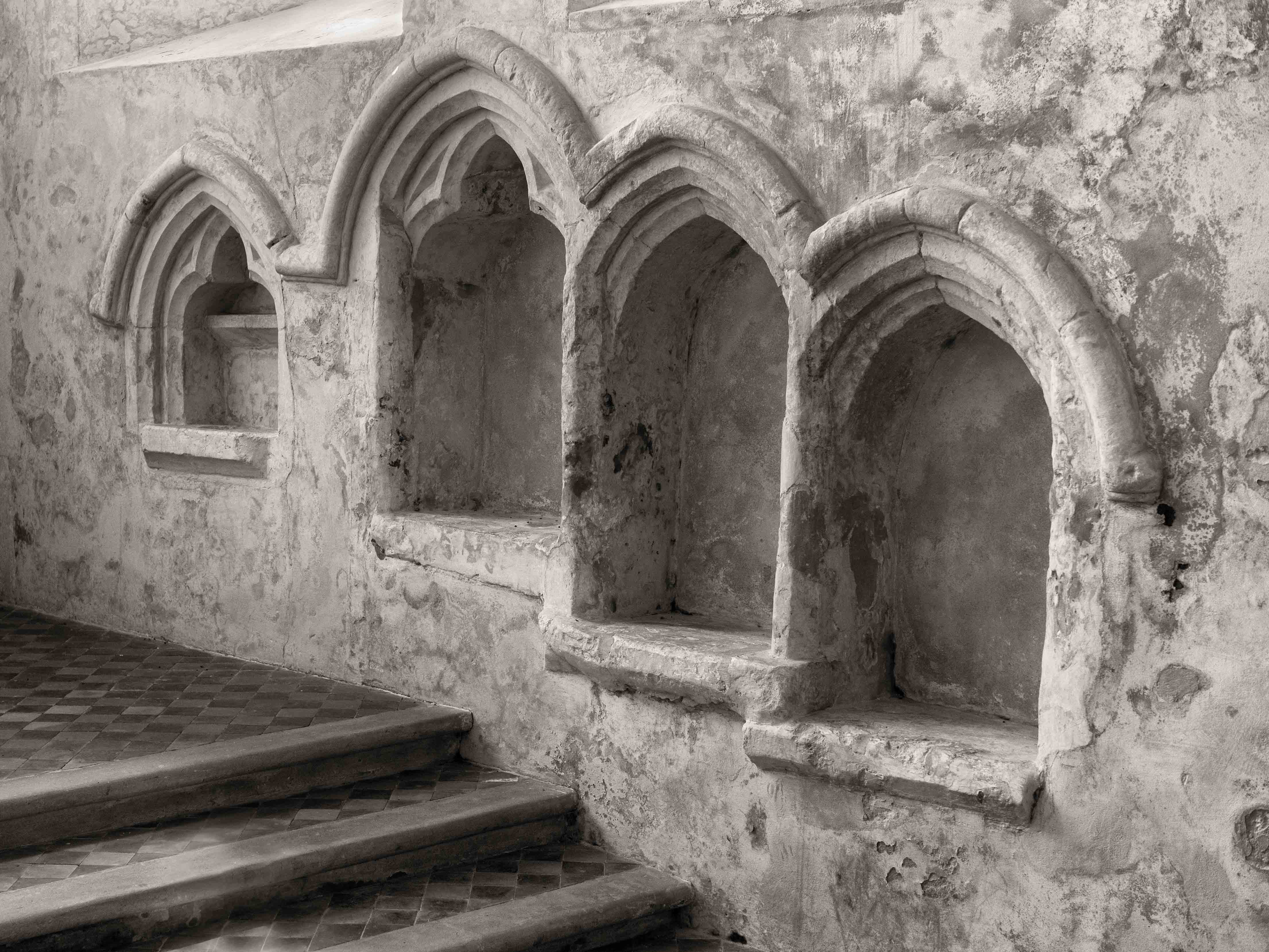
The Church dates back to Medieval times; the nave being 12th Century in origin. It is no longer in regular use but maintained by the Churches Conservation Trust. Its quiet, calm and peaceful atmosphere evokes centuries of prayer.


L1003287-Edit


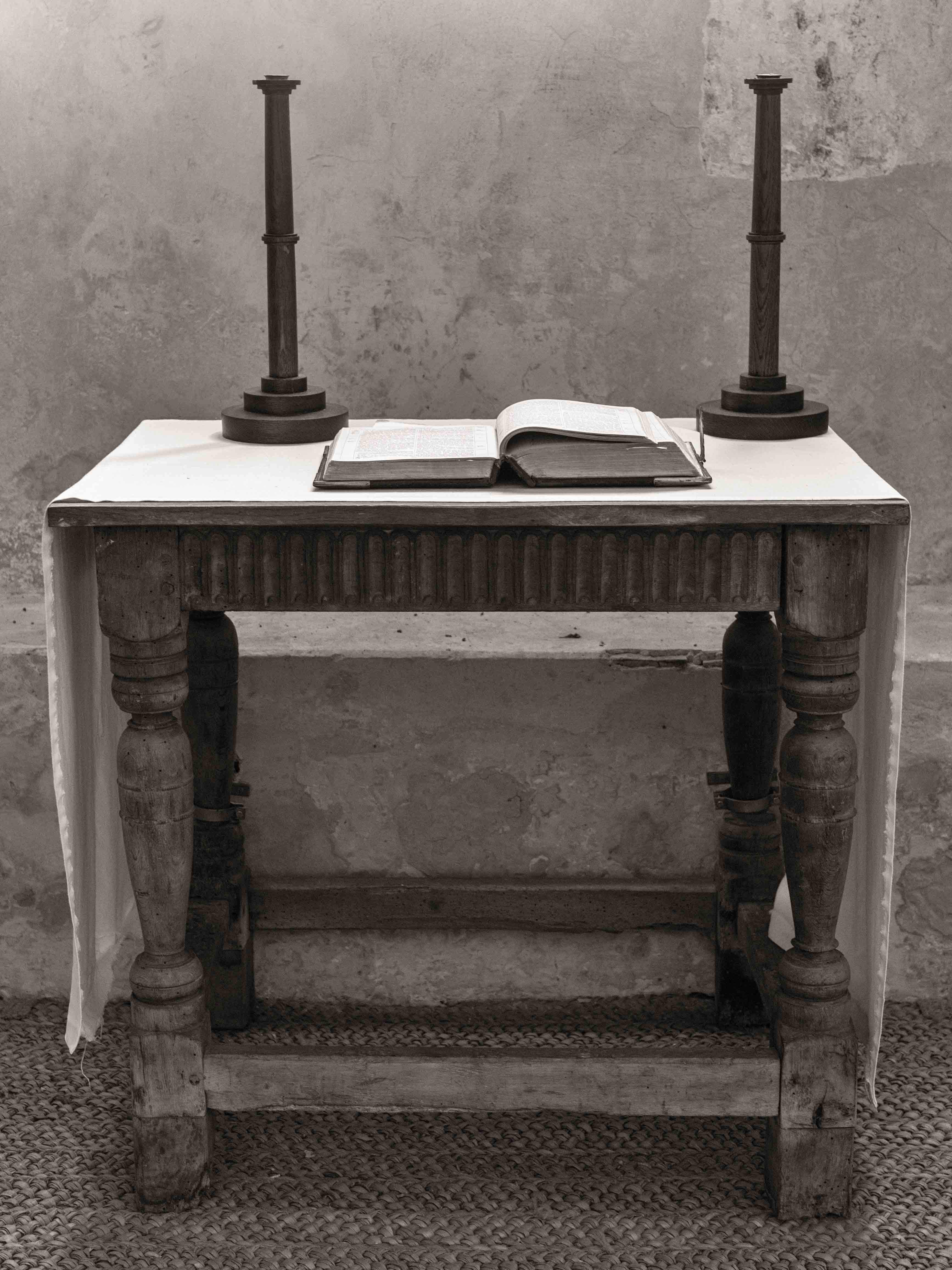
A Bible lies open on a plain white cloth, covering an old table. Simple but evocative.


L1003246-Edit


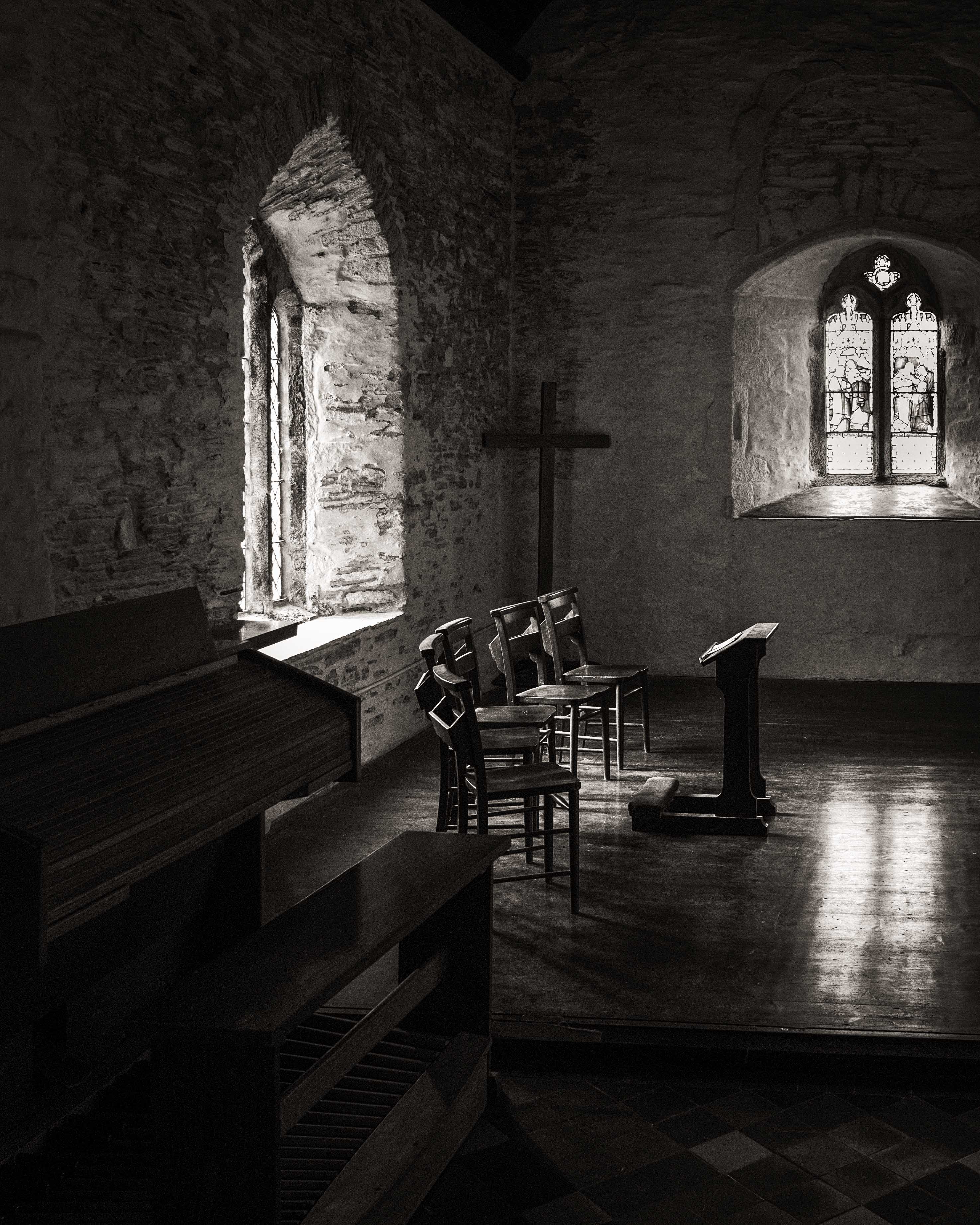
Though not large, its simplicity and elegant proportions give the impression of height and space. Light floods in through the clear glass of the beautiful Medieval windows to illuminate the interior.


L1003279-Edit


The church is largely hidden by trees so taking a photograph of the exterior is not that easy, but the view below does emphasise the simplicity of the church. There is no tower, just a dormer belfry which cannot be seen.


Do click on any image to see a larger version which will open in a new window. Or click on the thumbnail below to view a larger version of the featured image.


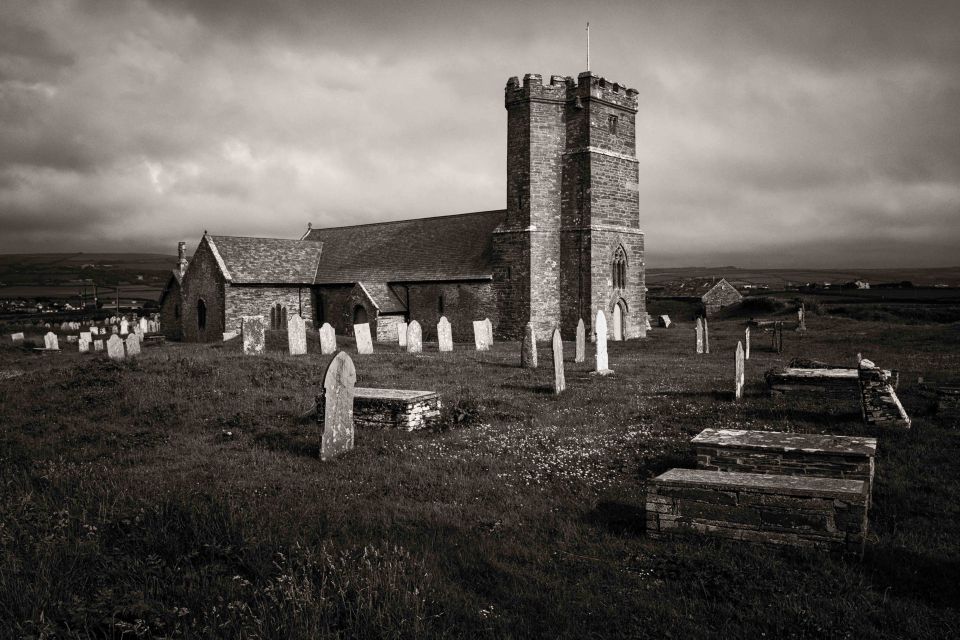
Churches Project no. 2 – St Materiana, Tintagel, Cornwall

I approached the church from Tintagel Castle along cliff tops with spectacular views out towards the Atlantic. The village of Tintagel is clearly visible in the background.

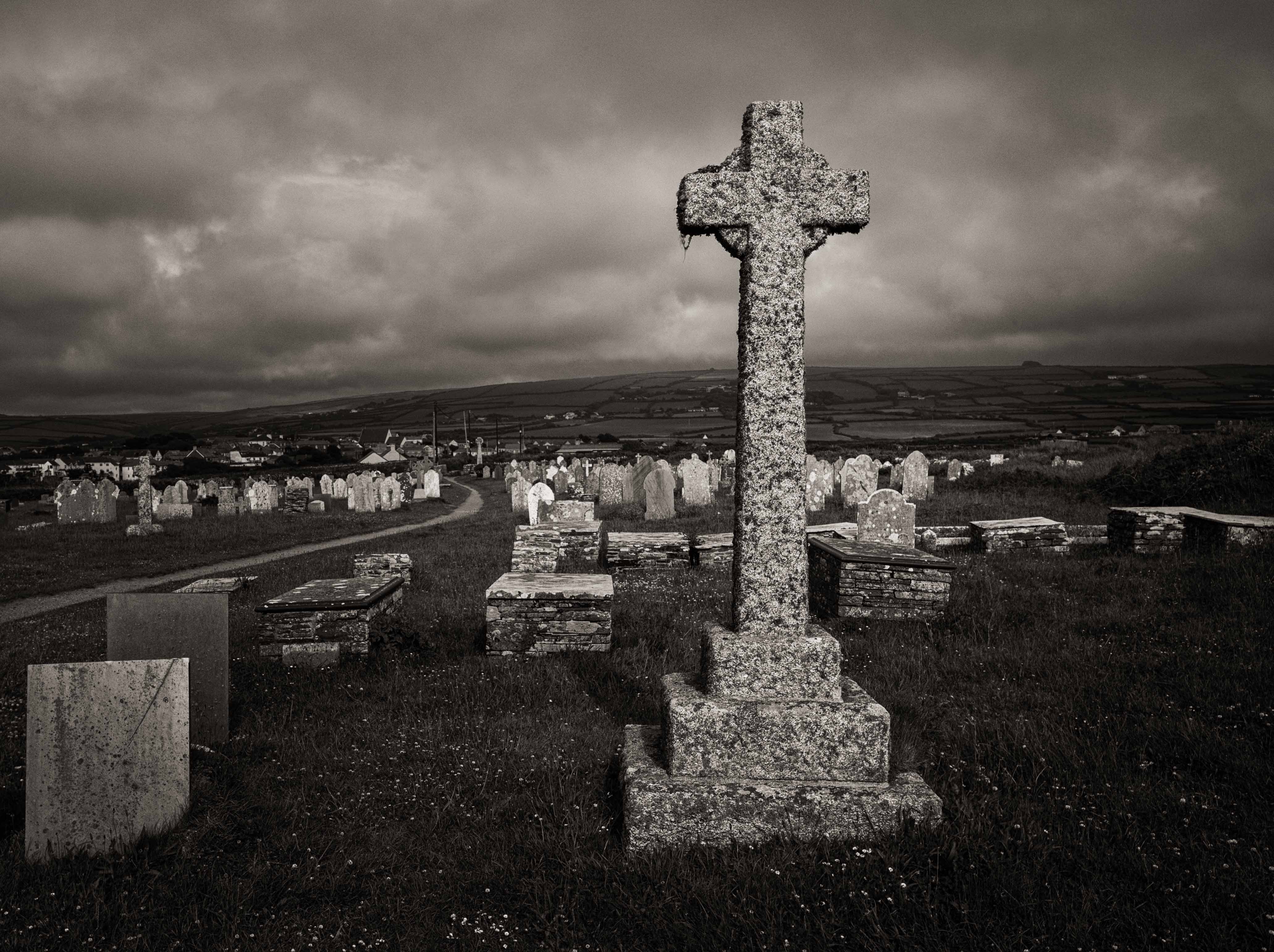
When I first arrived at St Materiana, I was greeted by a notice in the graveyard – ‘Beware Adders’. Needless to say I trod very carefully as I walked around trying to find the best position to photograph the exterior of the building.


The parish church of Tintagel is in the Anglican Diocese of Truro and county of Cornwall England. The Church was built between 1080 and 1150 and stands in an exposed position on Glebe Cliff overlooking the sea. St Materiana has been identified with St Madryn, a princess of Gwent, who, according to tradition, evangelised this area in about 500 AD. It is likely that the Church was built on the site of an oratory served in celtic days by the monks of Minster and later replaced by a Saxon style building. It appears to have been built on the site of intensive early Christian burial during the 5th to 7th centuries and the church today still retains an air of early Christianity.


The very large graveyard slopes away from the church, back towards the nearby village.


Click on any of the images to view a larger version.

To view a larger version of the featured image click on the thumbnail below.

Taken by the wind

20150616-L1002663-Edit


I love the way this tree has been shaped by the prevailing wind.

The branches appear to be reaching out, as if they are trying to grab hold of something, just anything, whilst the invisible roots grow deep and long, clinging to the earth below, preventing the tree from being torn out of the ground when the next wind blows.

To view a larger version, please click on the image which will open in a new window.