Posts tagged ‘Photography’

Exploring colour landscape photography: a shift from monochrome ….. because variety is the spice of life

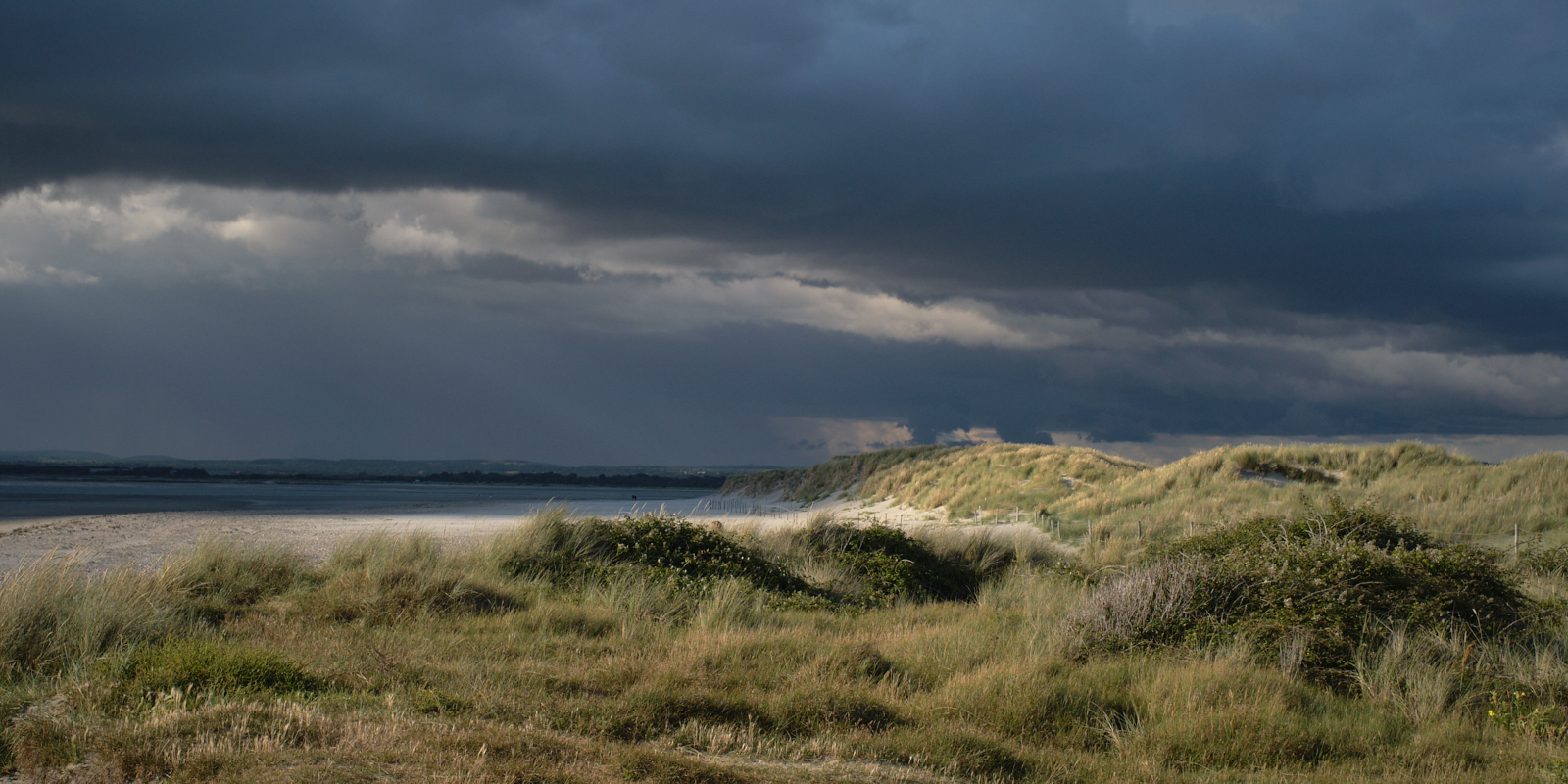
Storm approaching the dunes at East Head, West Sussex

Here on the south coast of England we have experienced a very dry and hot summer. Several months have passed with no rain whatsoever. The ground is bone dry, grass has turned to straw and I fear that some of the plants in our garden will not have survived the drought.

From a photographic point of view summer is never a good time of year for me. The sun is too high in the sky, the contrast is too great and clear blue skies maybe great for a day at the beach but there is no mood and atmosphere to capture. Plus, and being somewhat selfish, there are too many people at the places I wish to photograph.

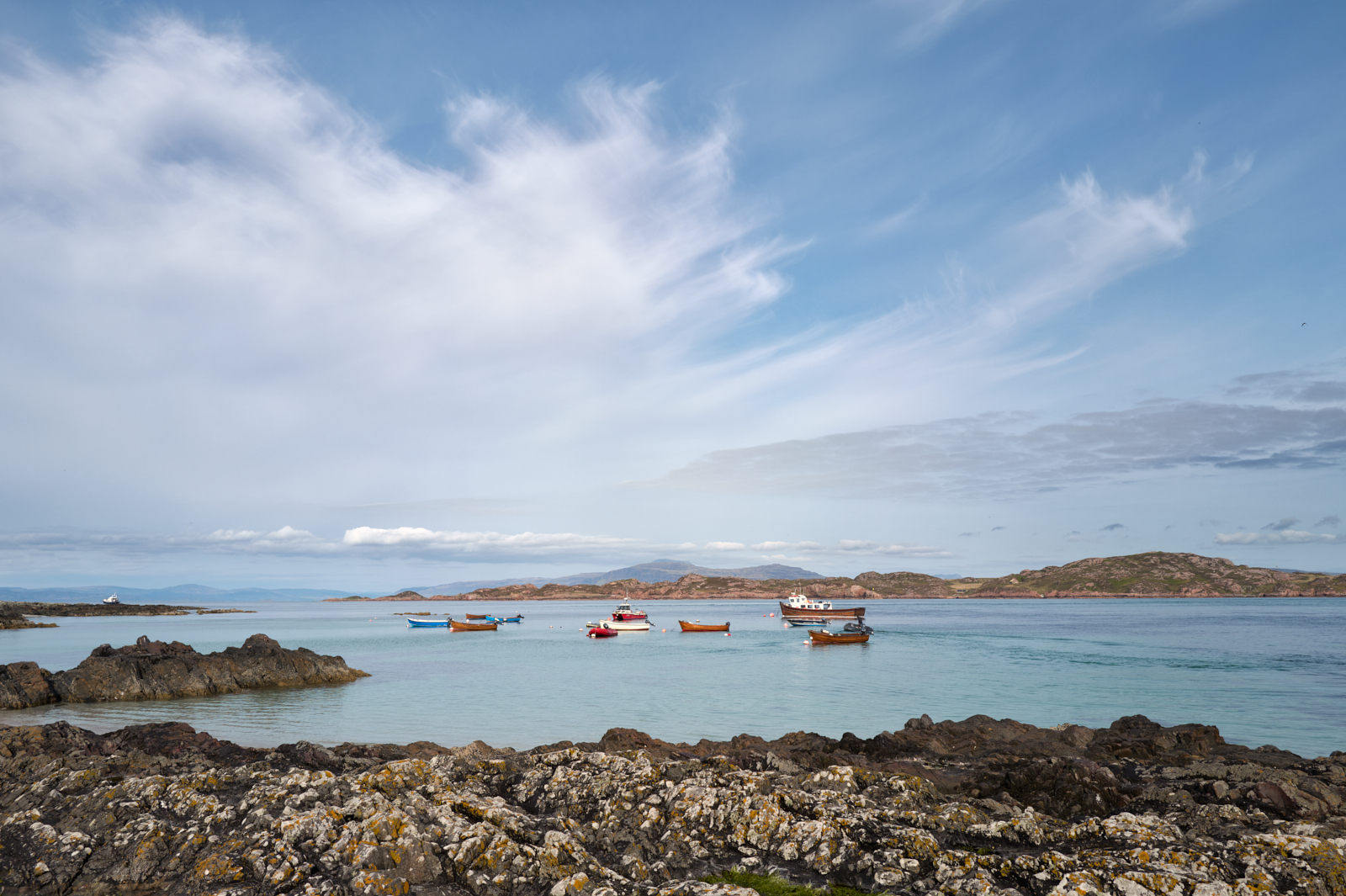
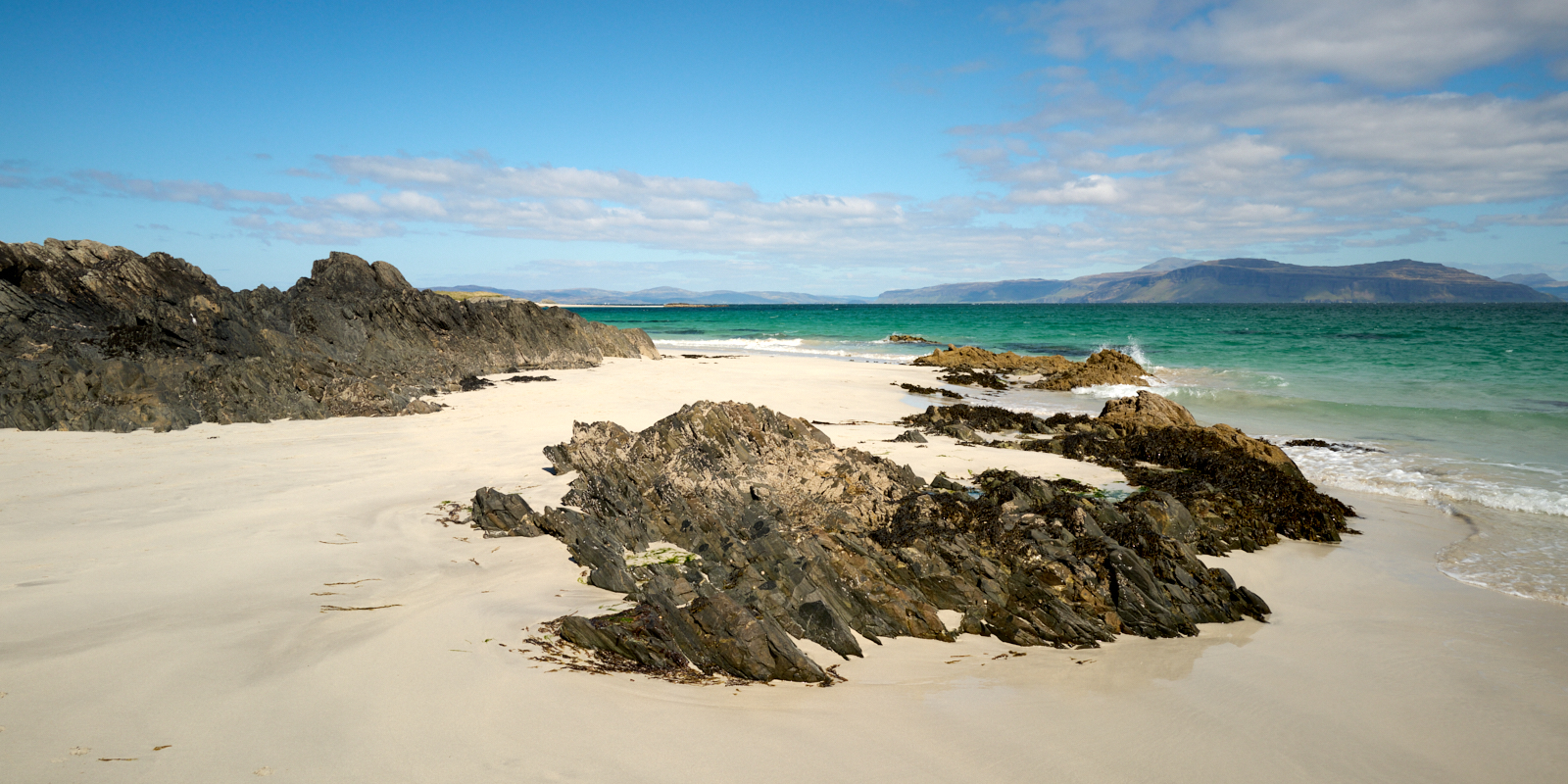
The Sound of Iona, Scotland

So apart from the occasional shoot, I have spent the last few weeks and months giving more time to reflect and think about my photography. Devising plans for when the weather changes, the days become shorter and the light is more favourable. One area of specific consideration has been whether or not I should make more images in colour.

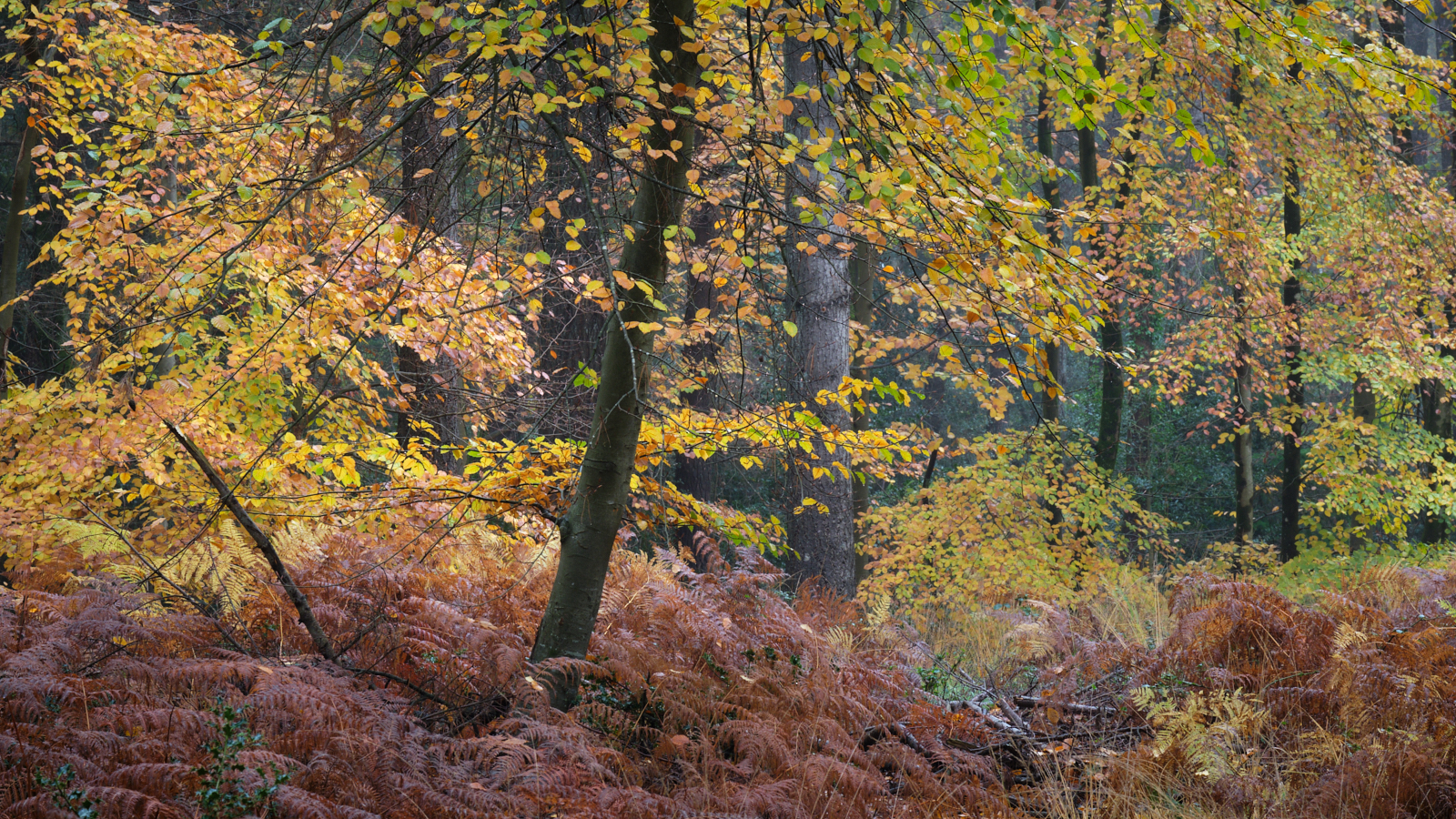
Autumn woodland, Dorset

Ever since 2012 virtually all my work has been in black and white. You only need to look through past entries or any of my galleries (apart from one) to see that black and white is ostensibly what I do. However I make images for my own pleasure. There are no rules which inhibit me from doing anything I like, and that includes switching to colour if I so wish, even if I naturally default to monochrome.

Lifeguard Station, Boscombe, Dorset

As I haven’t been out with my camera I have been trawling through my back catalogue of thousands of images and selecting a few which I have now processed in colour. Some have been captured this year others have lain idle on the hard drive for many years. I have to say that I have thoroughly enjoyed spending my time in this way. I have come across many images which I had largely forgotten. Seeing them afresh as well as opening my eyes to colour has been quite liberating.

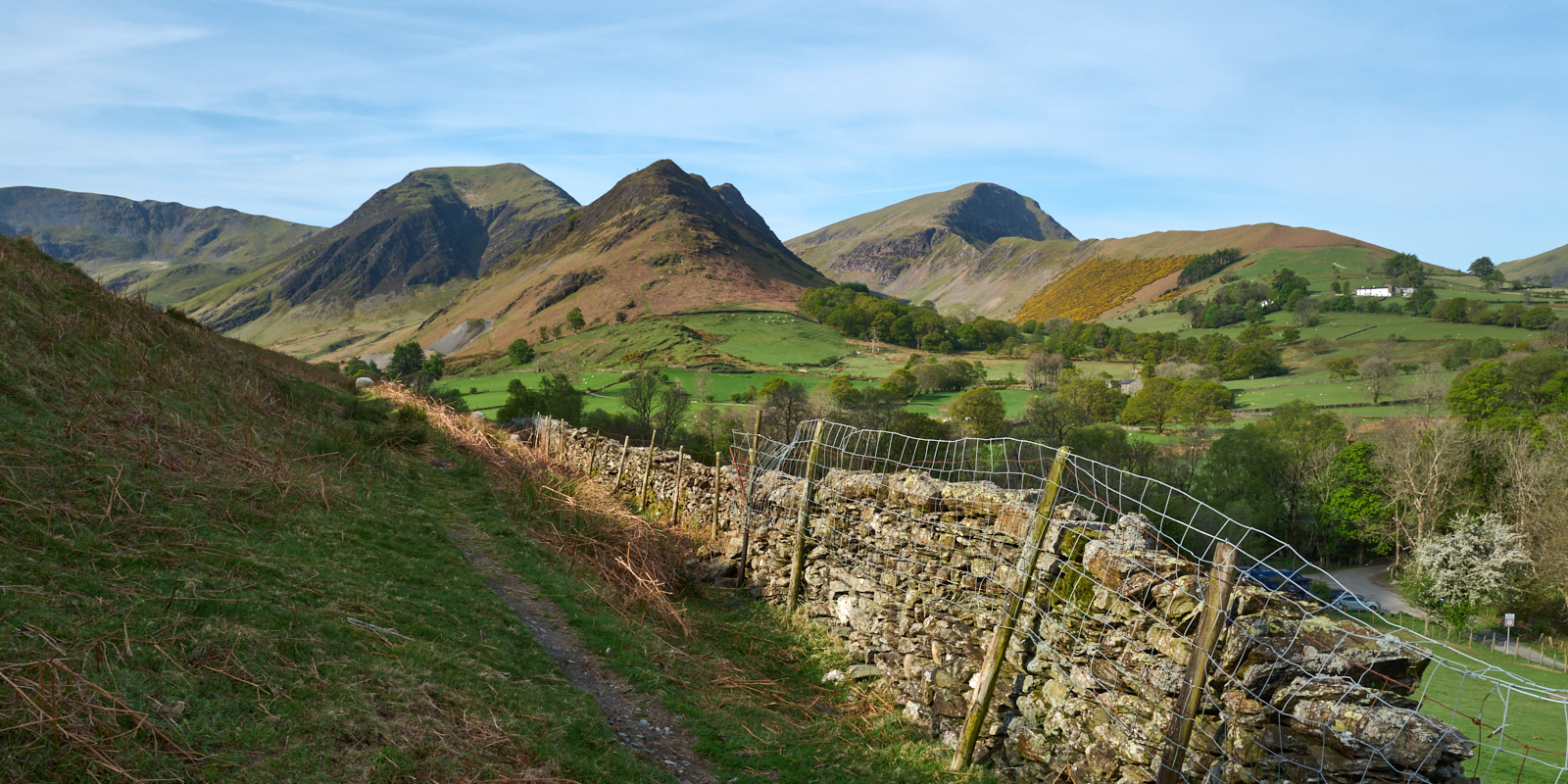
Newlands Valley, Lake District

There is no question in my mind that monochrome and colour are two very different photographic disciplines. Over time my photographic eye has learnt to see the world in black and white, helped of course by being able to preview the image on the rear screen or in the EVF. Photographs that work in mono do not always make a good colour image and vice versa. Perhaps this goes without saying but it does make me think that a fundamental decision needs to be made before the shutter is released. The decision is one of intent – is the end result going to be in black and white or colour? And how might this choice impact on the composition, exposure and any other factors which could be relevant and improve the final outcome.

Portland Harbour, Dorset

In editing this selection of images I have very quickly come to realise there are a whole new set of processing skills I need to learn and hone to make pleasing colour photographs. Well, images that I am happy with anyway. Of course I understand the fundamentals of colour editing but I need to practice much more and develop a better understanding of the tools which are available to me and which I wouldn’t have used previously to make a black and white picture. I fully recognise the workflow is not the same and I will need to make adjustments accordingly. To be frank I am looking forward to the challenge.

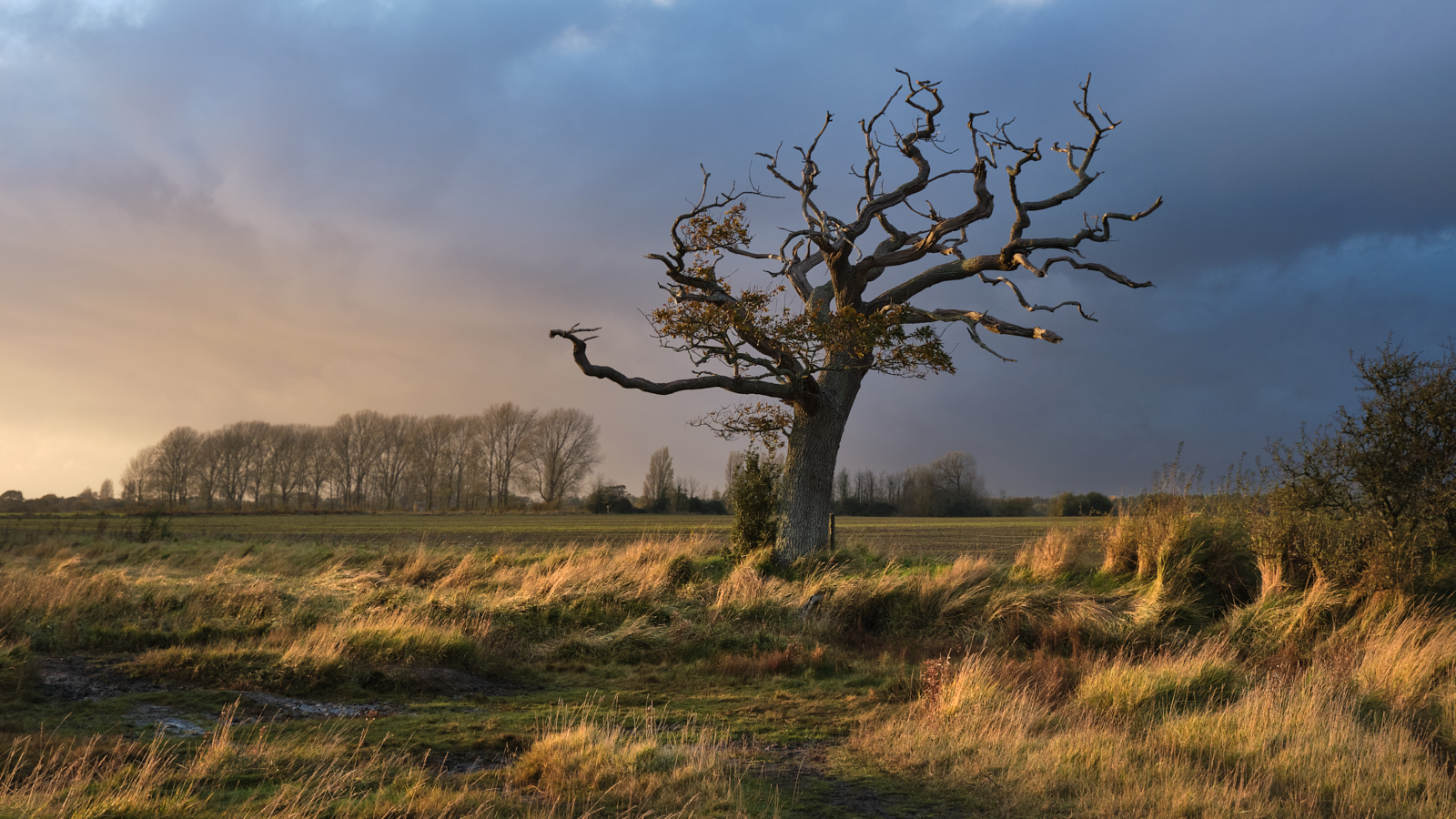
Late afternoon, Fishbourne Meadows, West Sussex

In editing these images I have noticed two things in particular. Firstly my choice of crop or aspect ratio. Originally these were all captured on a full frame or APSC camera with a 3×2 aspect ratio but in many cases I have cropped the image to 16×9 or even 3×1. I don’t think this has anything to do with the fact that they are colour files necessarily, but I really like how this ‘letterbox’ approach changes the overall feel and impact of the image. Fortunately the large sensors offered by most if not all camera manufacturers today provides plenty of latitude when cropping without degrading the image too much.

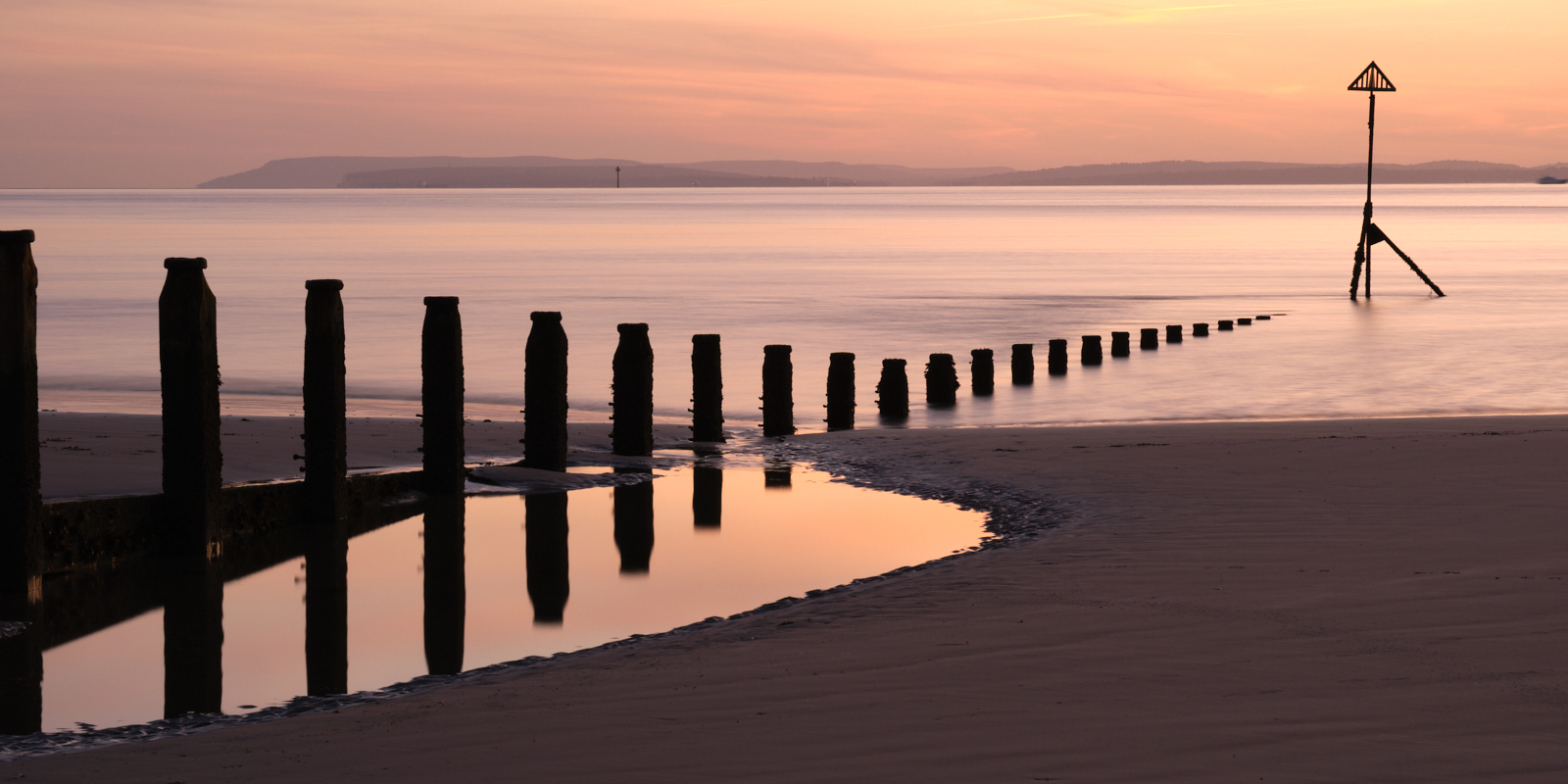
Sunset at West Wittering, West Sussex

Secondly colour balance or colour temperature has a big affect on the feel of the photograph. Should it be cool or warm? Any noticeable colour cast could of course render the picture unrealistic but there are creative choices to be made. I always shoot in RAW so adjusting the white balance is quite straightforward, although I did find myself revisiting this aspect of the editing process as I wasn’t always happy with my first or even my second attempt!

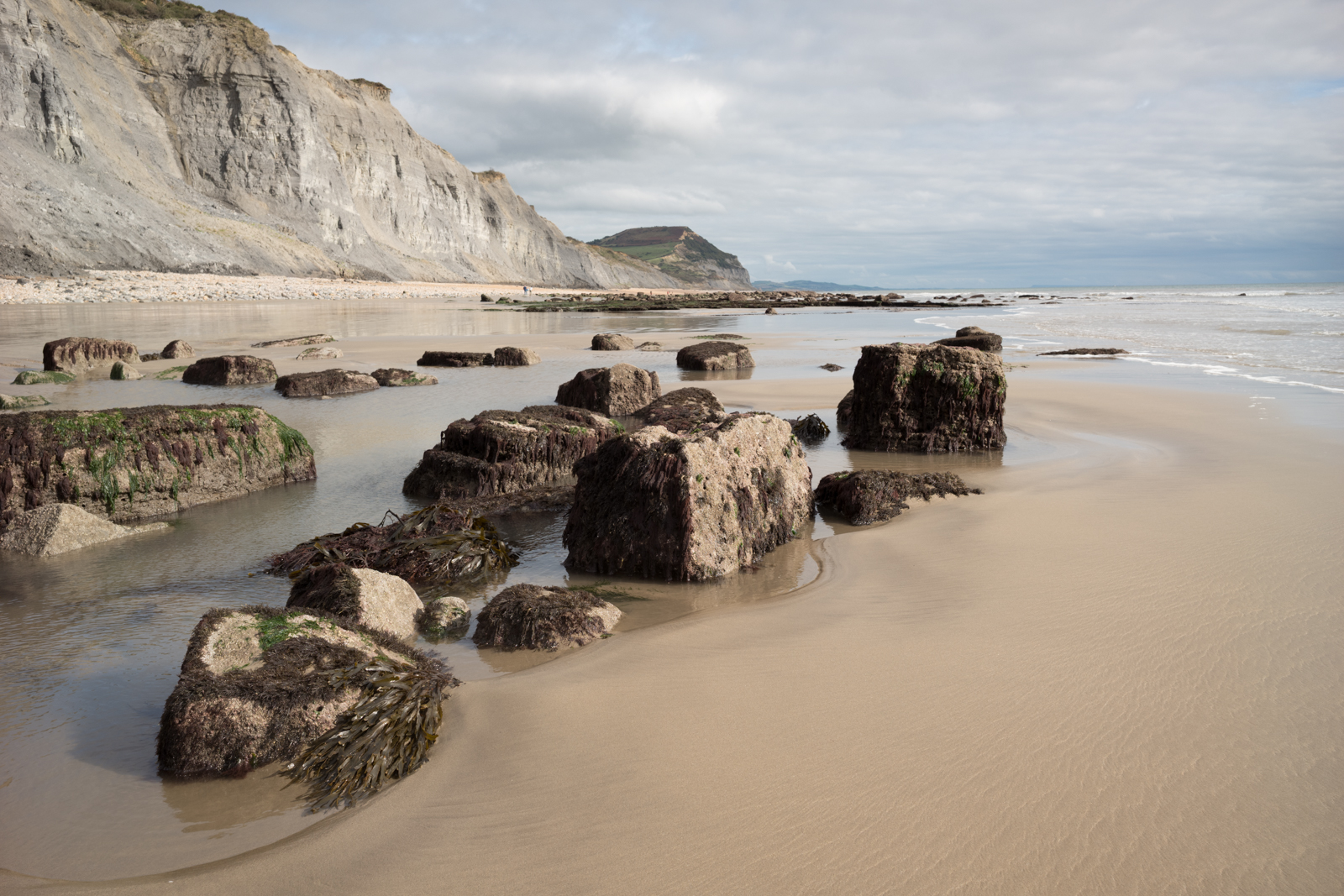
Charmouth Beach, Dorset

Being creative with colour as opposed to black and white is not the same. Black and white is far more flexible in this respect. The lack of colour means a mono image is instantly an abstraction of what we normally see as we go about our daily lives. If you applied the edits in a mono conversion to the same colour file, the result would probably be horrendous so as I said earlier the two disciplines are very different.

Marker Post, West Wittering, West Sussex

Looking forward it is my intention to make many more images in colour although I don’t think I will ever lose my love for black and white. How could I after so many years? But there is a place for both styles of imagery and as the old saying goes – ‘variety is the spice of life’.

White Strand of the Monks, Isle of Iona, Scotland

A photographic journey ….. Revisiting Buttermere in the Lake District after 12 Years

I ask myself – what took me so long?

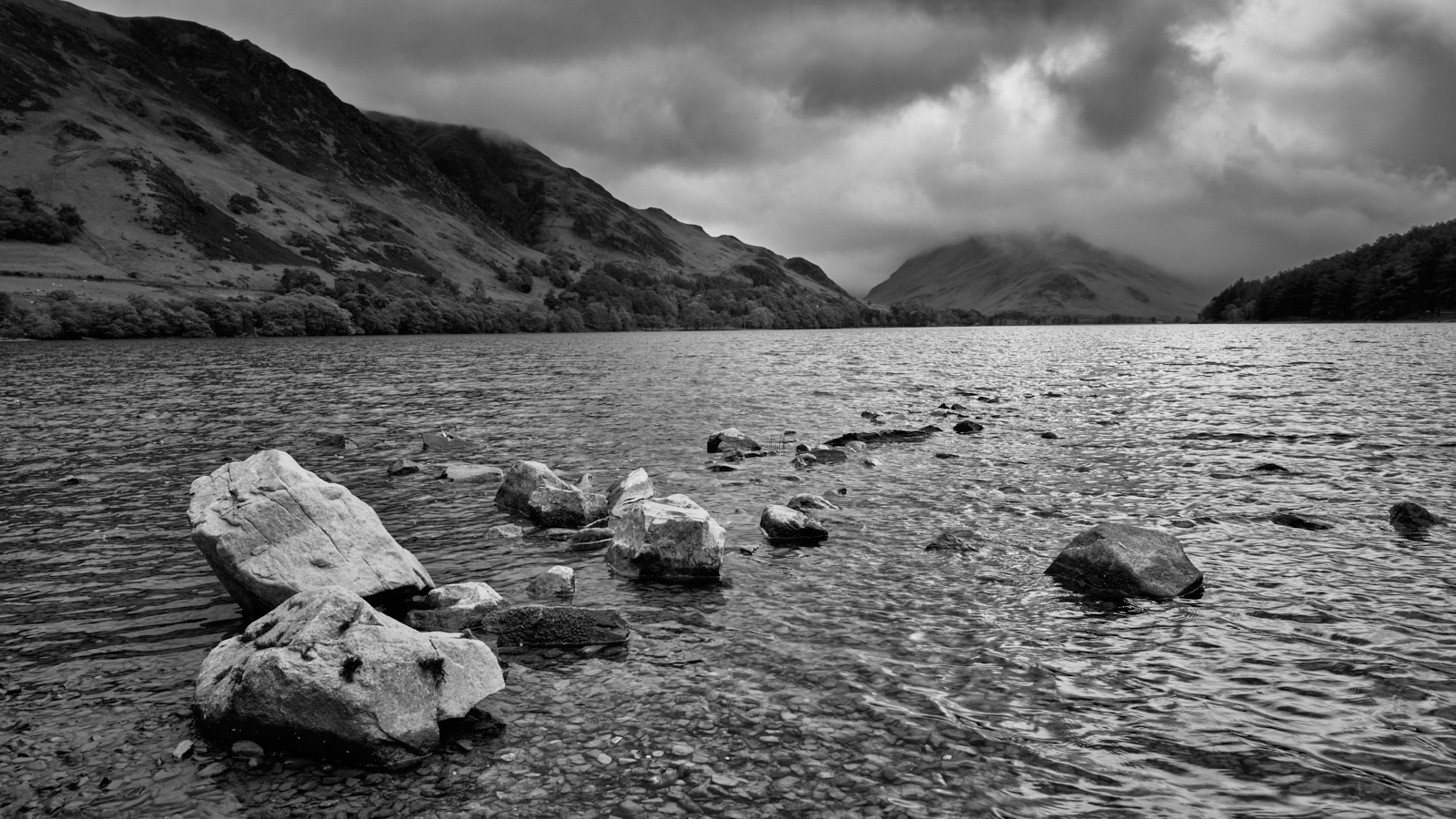
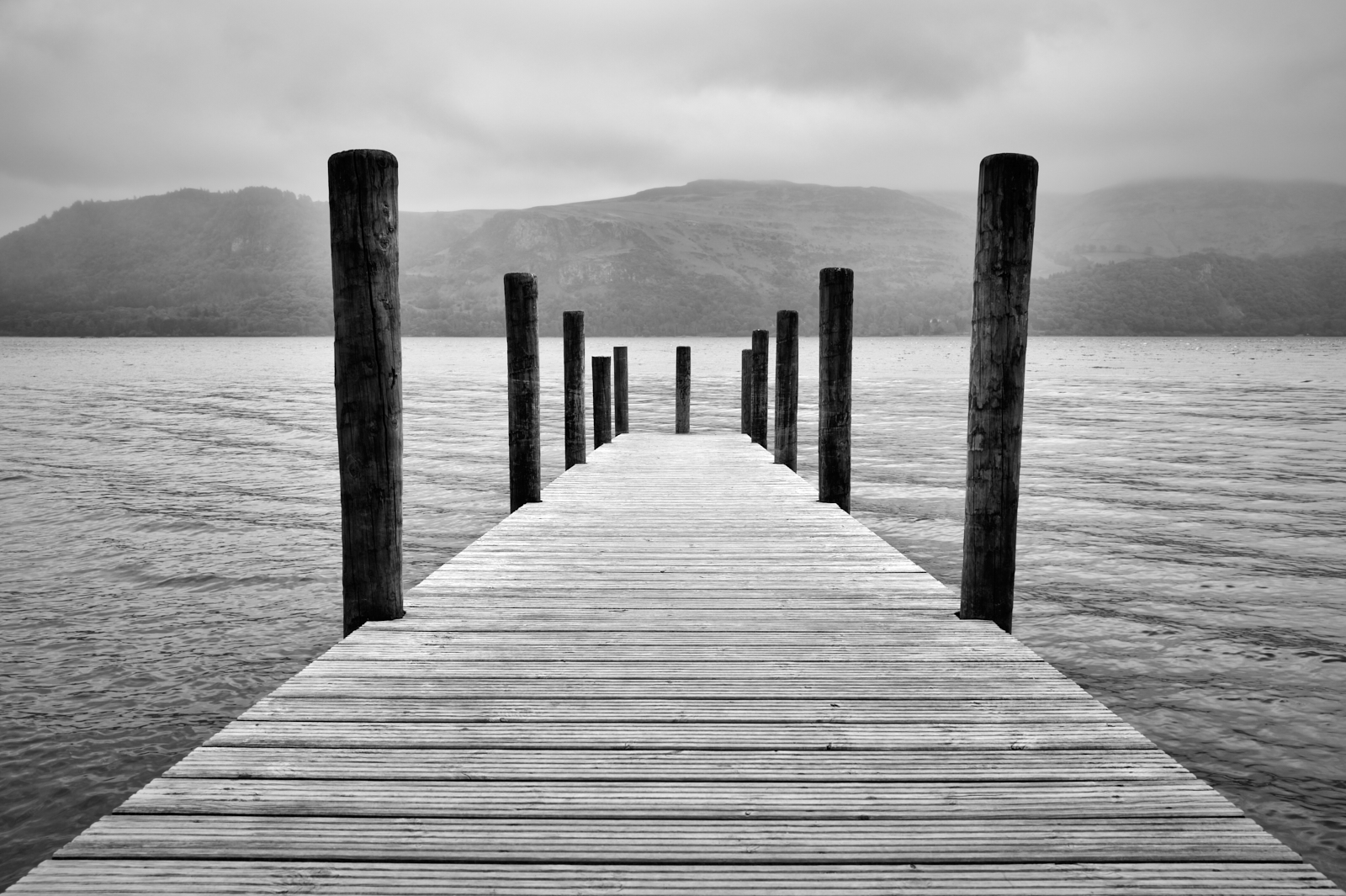
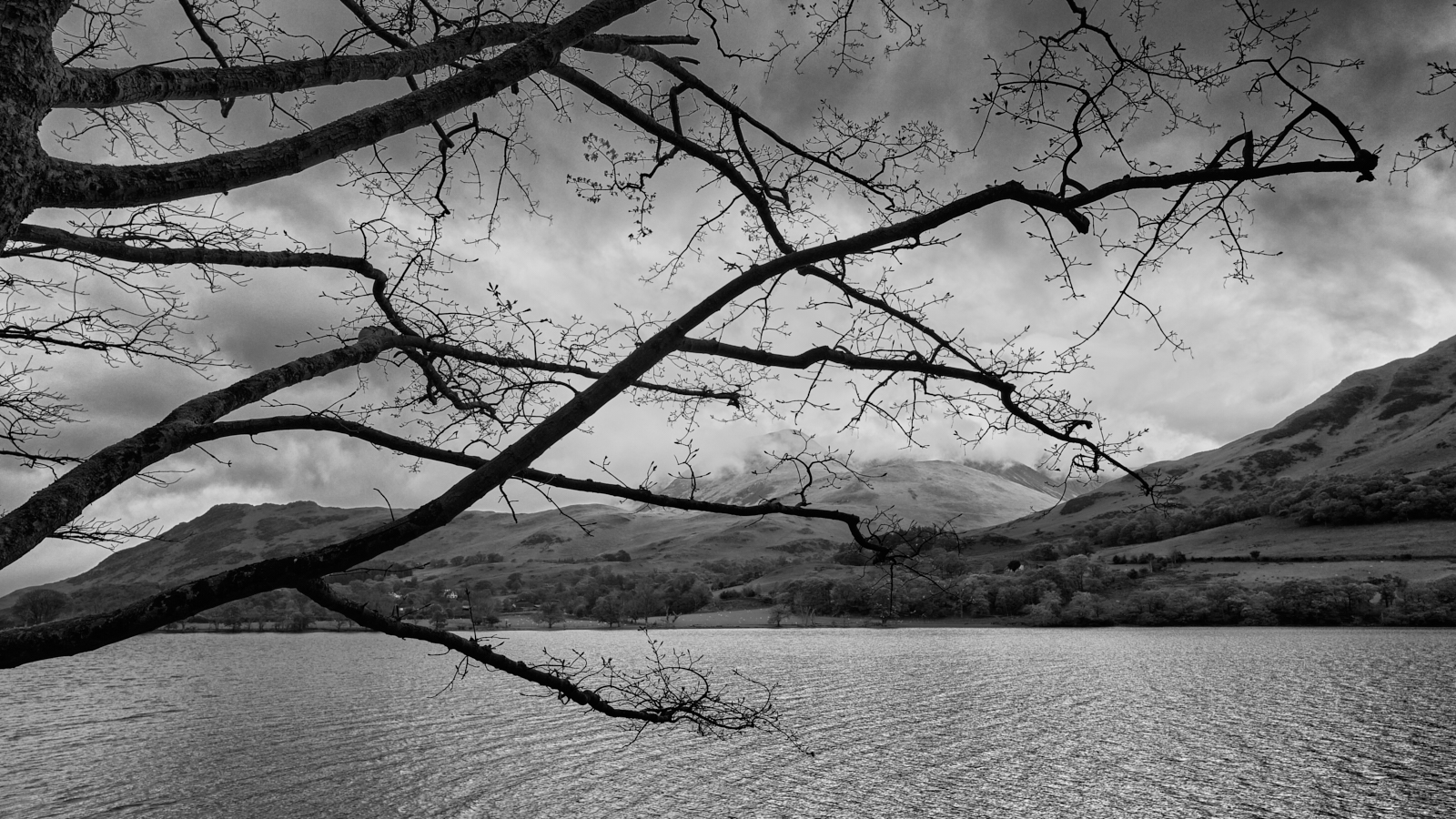
In all the years I have been making photographs, there have been certain locations which are deserving of the comment; ‘one day I hope to return’. The Lake District, and Buttermere in particular, definitely falls into this category and I hope you can understand why from the images you see here.

After a long interlude of twelve years, I am pleased to say that a few weeks ago I was walking along the shoreline of Buttermere once again. It was quite early in the day and although the sky was overcast, there were some bright patches of light reflecting off the surface of the water. In many respects these are ideal conditions for black and white photography.

Who knows but one day I would like to head to The Lake District again. If I do, I’ll try not leave it quite so long. After all none of us get any younger and to reach some of the best locations for photography it can involve quite a trek. Hopefully my legs will still get me there! If not these photographs and others captured during our stay will always serve as a reminder of this very beautiful place. That’s the great thing about photography. The images themselves do not have to be 10 out of 10. If all they do is bring back happy memories about a certain time and location, then pressing the shutter to record these moments is a very worthwhile thing to do.

Incidentally all these images were captured with the Leica Q3 and processed in Capture One and Nik Silver Efex Pro. After a few months in use I can truly vouch for what a great camera it is.

There will be more posts of the Lake District coming soon but in the meantime you might like to look at my Lake District Gallery Page. It shows a number of images from my previous visit to the area back in 2013.

A simple signpost yet a symbol of an ever changing countryside

A few weeks ago I walked along a footpath, a path I had followed many times before. At the junction with another bridleway stood an old signpost. Years of weathering had caused the wood to deform and split. I suspect the post itself was rotten where it emerged from the ground. Layers of lichen and moss had partially covered the names of the nearby villages – Turners Puddle, Throop and Tolpuddle. The fingerpost had character, a patina which would only appear given the passage of time. It complemented the farmland backdrop.

This simple scene spoke to me; a reminder of all the people that had worked on the land and had walked or ridden a horse along the bridleway between these old Dorset settlements. It was more than worthy of a photograph and I am so pleased I did so.

I returned to this same location only yesterday and I was saddened to find the old sign had been removed. It had been replaced with a new post with plastic signage. To my eyes this new sign was bereft of personality. There was no inclusion now of village names. I had the feeling that it was symbolic of the urban environment encroaching on the beauty of the countryside.

I fully accept that the old sign wouldn’t have lasted forever and at some point it would need replacing. However a ‘like for like’ timber sign would in my view have been a more sympathetic choice. If only I had personally witnessed its removal. I think I would have asked the contractor if I could take it home with me and find it a new home in my garden.

This change clearly illustrates and reinforces why I choose to photograph the rural area around me. To record what I see knowing that change is inevitable. It will probably happen very slowly of course and in truth I suspect very little will actually change in my lifetime, but change it will. However given recent Government announcements, which are sure to affect the farming community here in the UK, I feel the pace of change will only accelerate.

A photograph is all about capturing a moment in time, so I need to go out with my camera and document what I see before it’s no longer there.

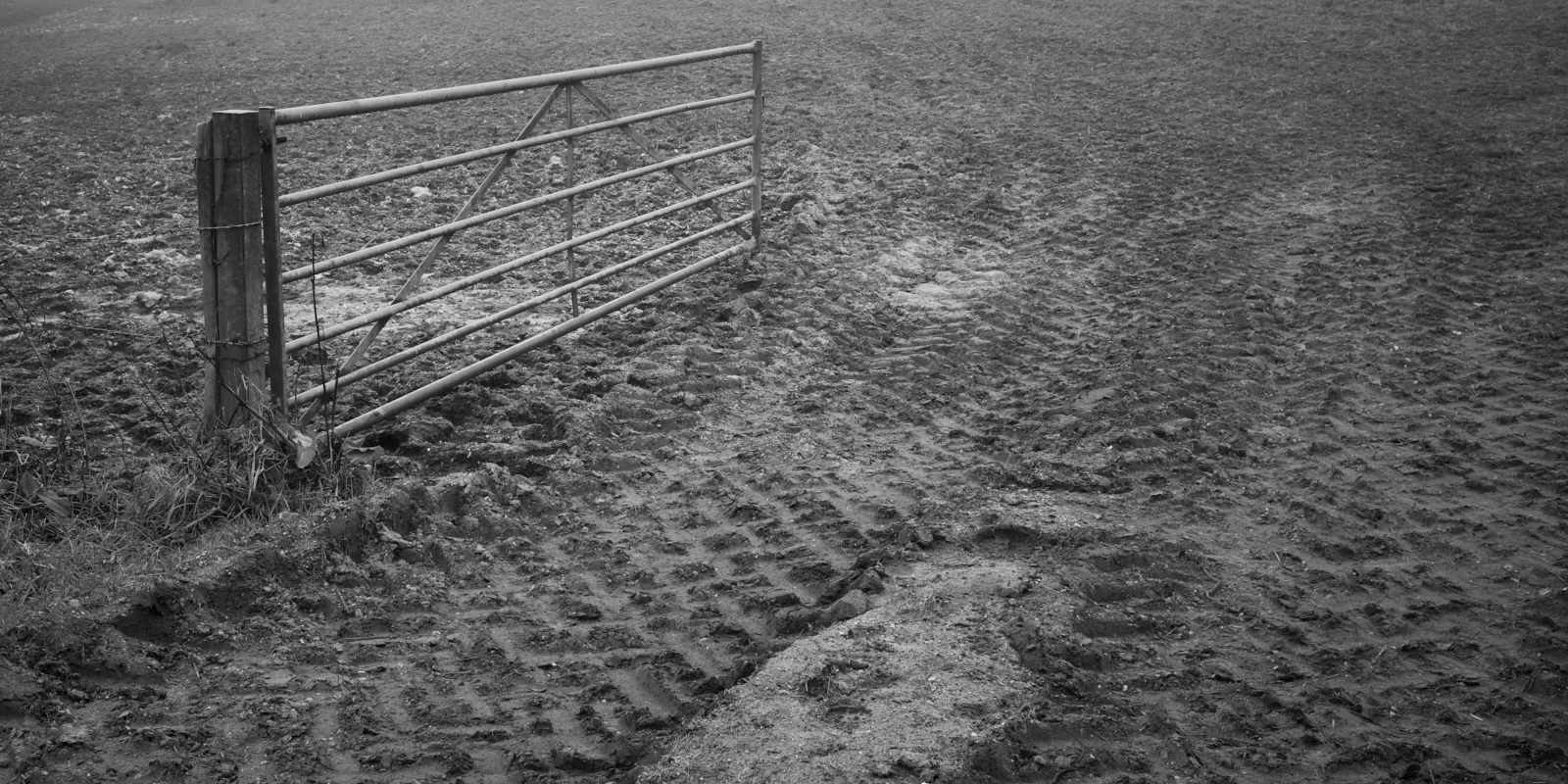
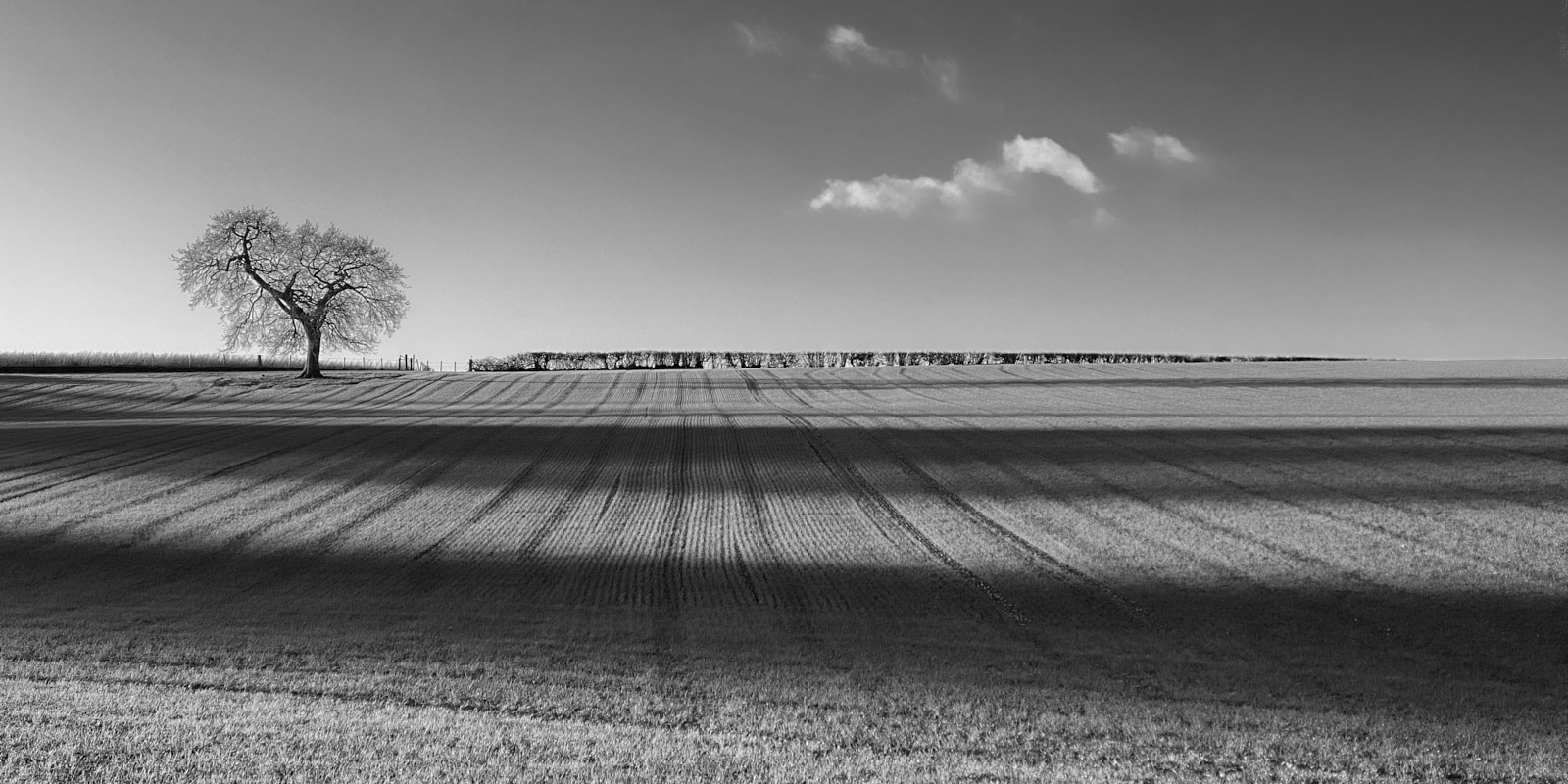
Dorset crops ….. not grain, but 1 x 2.

For many years I have been making images of my home county of Dorset with the intention of including my favourite pictures in a photobook; not necessarily for publication but simply for my own satisfaction and enjoyment. There are about 140 photographs which I have already short-listed and I have now reached the stage where I can begin making my final selection. Part of this process involves reviewing all the images, to ensure I am happy with how they have been edited and whether or not they could be improved in any way.

As I went through the portfolio there were two or three images which I thought would benefit from a ‘letterbox’ crop or to be more precise a 1×2 aspect ratio. As someone who likes to shoot 1×1 or 5×4, a 1×2 crop is well outside my comfort zone. However as I experimented I found more images which I thought were enhanced by selecting this particular crop.

In this post have included a few photographs which have undergone this treatment. As well a changing the overall feel of the image I like the fact they will add variety and interest to the book.

Some of these images were made some years ago and I think this exercise also demonstrates how a critical and constructive review of an edited photograph can bring dividends.

If you have enjoyed this post do please like or leave a comment and subscribe to my blog. Thank you.