Posts tagged ‘monochrome’

Early morning at Dell Quay

early-morning-at-dell-quay-1

Looking back through my last few posts it is evident that I have been doing more colour work recently. This has not been intentional and I am enjoying the variety, but monochrome is still my first love.

This image of Dell Quay, taken early one morning a few days ago, when the tide was very low, reminds me of why black and white photography is favoured not just by me but so many photographers. The artistic interpretation of a scene holds greater possibilities in mono than it would in colour. I enjoy the whole process of increasing or reducing contrast in certain areas of the image; thereby creating mood and atmosphere in the picture,  whilst providing a sense of depth and a focal point of interest.

Like so many images this one really needs to be viewed large as there is in fact a lot of detail in the scene. The masts in the boat yard, the three sailing boats to the right and a lone person standing on the jetty. There are also a few swans in the water and a gull flying into the frame from the right hand side. I have yet to print this photograph but I am looking forward to doing so. Do click on the image to enjoy a larger version.

Dell Quay forms part of Chichester Harbour in West Sussex. Designated an Area of Outstanding Natural Beauty, it is popular with sailors, birdwatchers, walkers and artists; in fact anyone seeking some relaxation in some truly beautiful and unspoilt surroundings.

Churches Project no 18 – St Botolphs, Botolphs, West Sussex

st-botolphs-1-of-6

A gate and pathway lead up to St Botolph’s Church


The Church of St Botolph’s stands in a small hamlet to the south of Steyning, in West Sussex. It lies close to the River Adur and is virtually on the South Downs Way, so many walkers stop to take a rest and enjoy the peace and solitude of this ancient building. It’s a lovely setting with just a few houses for company, although 700 years ago it was at the heart of a bustling port and crossing place of the river. At one time it was known as St. Peter de Vetrie Ponte (St Peter of the Old Bridge). The church has its origins in Saxon times and is believed to date from 950. Large parts of the original church can still be seen today including the tall chancel arch and the south wall of the nave. This is another church maintained and cared for by The Churches Conservation Trust, so whilst still consecrated is rarely used for worship.


st-botolphs-5-of-6

A simple cross in a window in the Saxon south wall of the nave.


st-botolphs-3-of-6

Organ stops


st-botolphs-4-of-6

A large Crucifix hangs on the chancel arch which dates back to Saxon times.


st-botolphs-2-of-6

Looking up at Christ with the ancient Saxon wall as a backdrop.


A note for regular readers – I am very aware that I have not posted an entry relating to my ‘Churches Project’ for at least a couple of months. That doesn’t mean I have lost my enthusiasm; to the contrary, my desire to visit and photograph these historical and remote places of worship is just as great as it has ever been. Time though is limited and the summer months are not necessarily the best time of year to take exterior photographs, as the lighting can be very harsh. I am sure the autumn and winter will rectify the situation and normal service will soon be resumed!

As always do click on any of the images to view a larger version which will open in a new window.


Happisburgh Lighthouse on the Norfolk coast

happisburgh-lighthouse

Happisburgh Lighthouse


Happisburgh Lighthouse (pronounced ‘Haze-bruh’) is the oldest working light in East Anglia and the only one in Great Britain which is independently run and maintained through voluntary contributions. Built in 1790 and originally one of a pair, the lighthouse is 85ft tall and the lantern is 134ft above sea level. It overlooks the dramatic North Sea coastline which is constantly under threat from coastal erosion, and to this day threatens many seaside homes.

Interestingly the lighthouse was painted in bands in 1884 after the second lighthouse was demolished in the previous year. This was to distinguish the Happisburgh lighthouse from the tower at Winterton, a short distance along the coast.

Having enjoyed a good late afternoon walk along the beach, I drove from the car park back towards the centre of the village before turning into the lane which leads to the lighthouse. I was keen to see whether or not there was a good view with setting sun behind me. Standing proud on the hill, with the low angled sun light illuminating the field in the foreground, I was able to capture this image. I couldn’t have been more fortunate with the cloudscape, which provides a lovely backdrop to the main event.

Turf Fen Mill on the Norfolk Broads

turf-fen-mill-1


The Norfolk Broads are a series of rivers and lakes (broads) most of which are navigable and together they form an area which has been called ‘Britain’s Magical Waterland’. The area is renowned for its big skies and windmills.

The drainage mill pictured in this post is Turf Fen Mill on the River Ant in Irstead and was taken from the river path at How Hill. Built in 1875 the mill ceased working in 1920, when cattle no longer grazed the marshes. Since 1976 the mill has been restored and maintained by the Norfolk Windmills Trust.


Car details in mono at The Goodwood Revival

goodwood-revival-car-details-2016-2-of-6


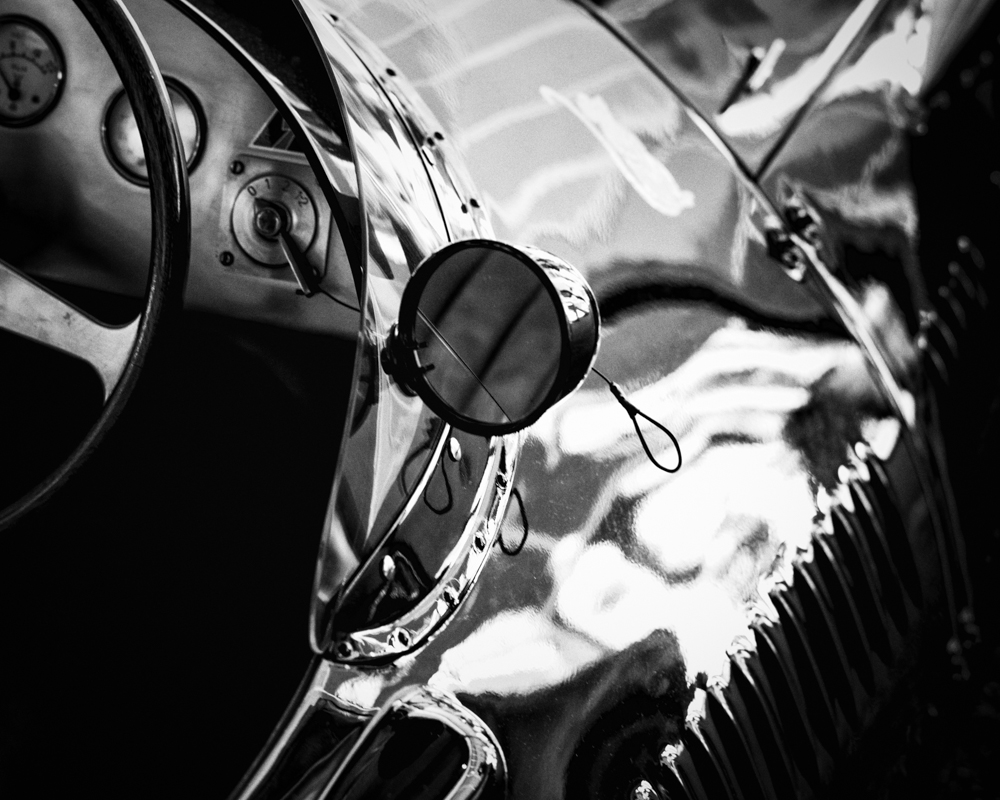
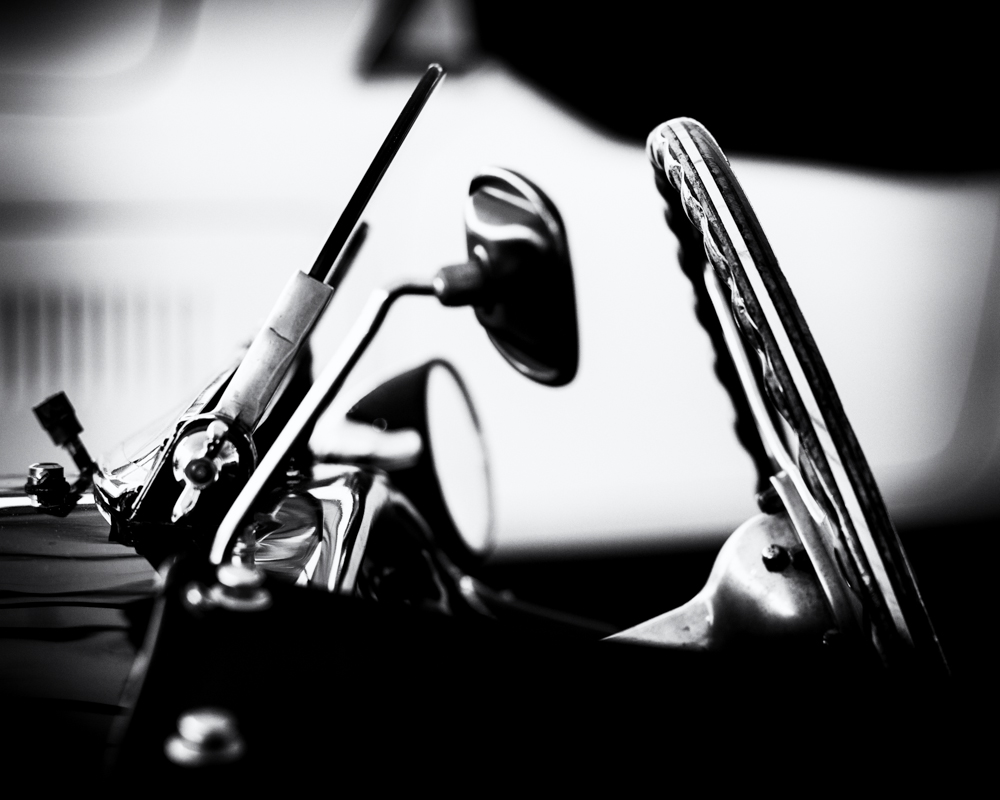
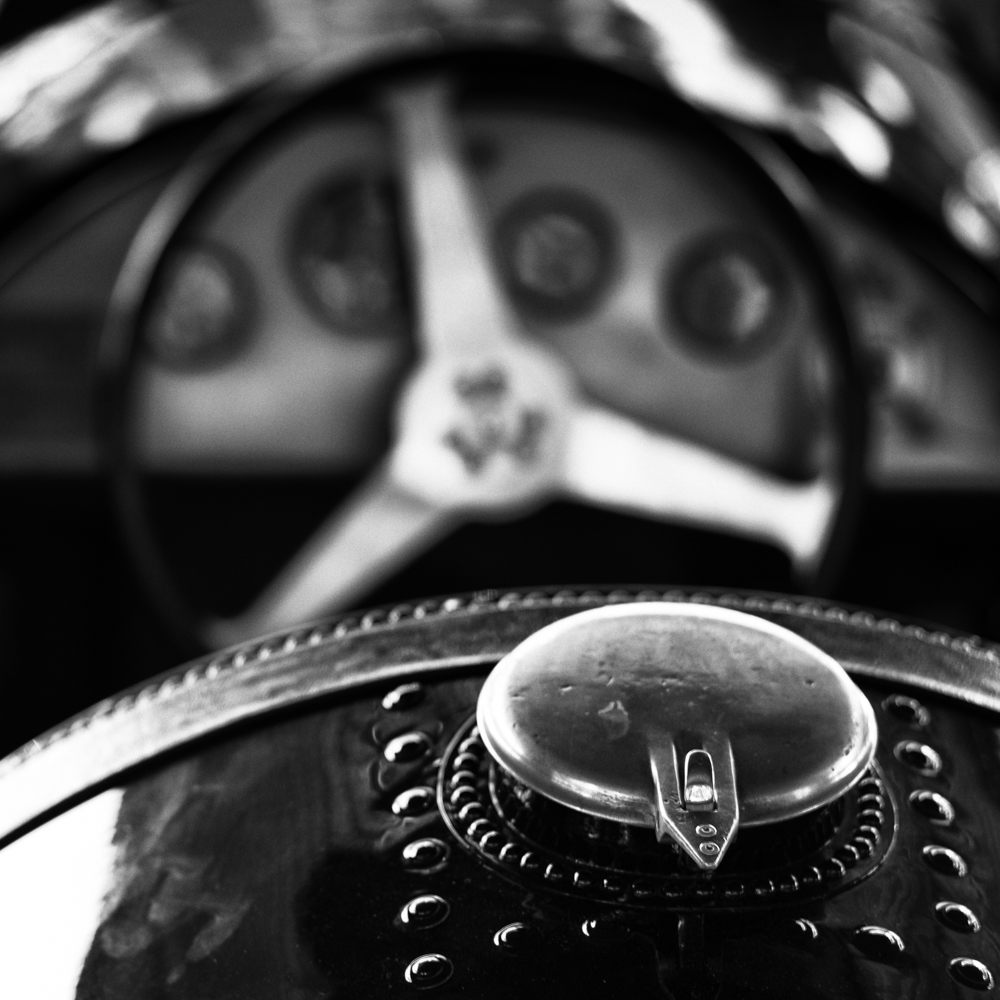
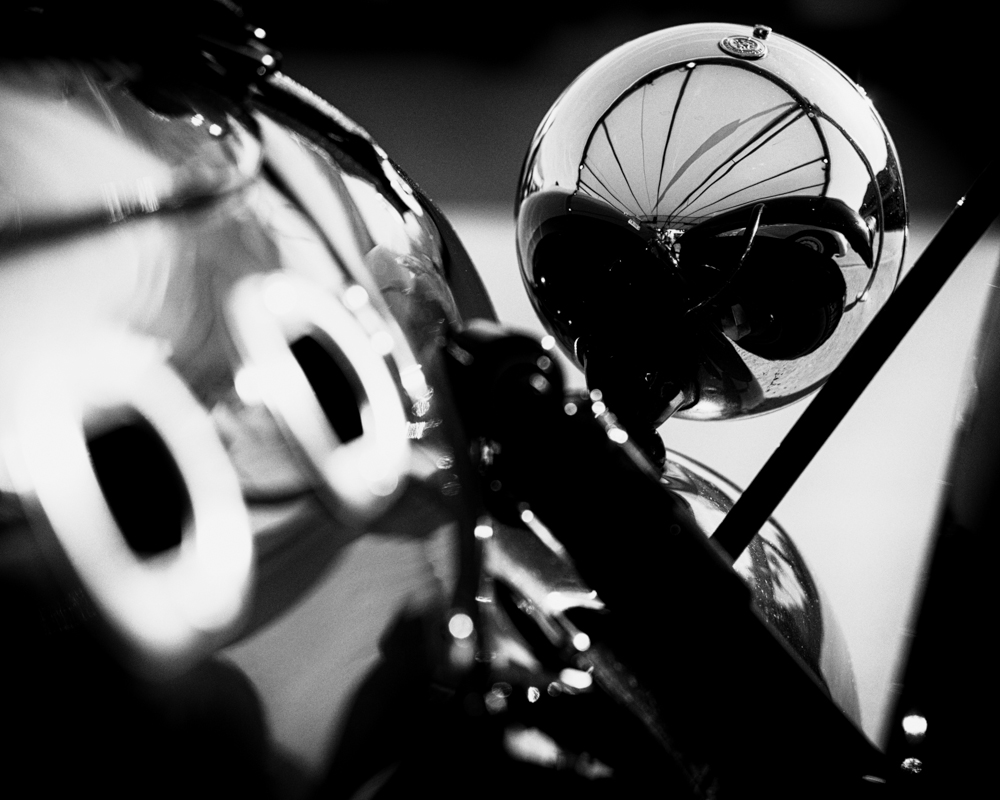
This selection of six images were taken at The Goodwood Revival earlier this month. I am fortunate to have been to this event on numerous occasions, but in the past the photographs I have taken of these stunning racing cars have largely been from a trackside position and panning with a long lens. Countless images of this type must be taken every year and whilst some can make good action shots, I wanted to get much closer, capturing the wonderful detail and craftsmanship of these fine machines.


goodwood-revival-car-details-2016-1-of-6


In all these shots I have used a wide aperture, giving me a shallow depth of field. The eye is drawn to one particular detail, and whilst other elements are out of focus, they are still important to the overall composition. The conversion to monochrome and the use of high contrast impart a graphic feel and I would like to think the outcome is a more artistic approach to the making of the image. After all these great cars are works of art in their own right and need to be appreciated for their flowing lines, hand crafted detailing, all mixed in with a feeling of raw power.


goodwood-revival-car-details-2016-6-of-6


goodwood-revival-car-details-2016-5-of-6


goodwood-revival-car-details-2016-3-of-6


goodwood-revival-car-details-2016-4-of-6


I have done something differently in this entry by using all six thumbnails to create the featured image. Whether this works or not, I don’t know but the idea is to whet the appetite, and encourage readers to view the whole entry. However to really appreciate each shot, you need to click on a picture to see a larger version, which will open in a new window.