Posts tagged ‘monochrome’

Porthgain Harbour – before, during and after Storm Doris

My stay in Pembrokeshire last week coincided with the pending arrival of Storm Doris. The naming of severe storms in the UK has become a convention since 2015. One of the ‘tour’ locations on the itinerary was Porthgain Harbour which lies on the north west coast. A pretty little hamlet, its name translates to Chisel Port, for it was once was used for quarrying. First it was slate, then brick and later granite were all shipped from this place. Now it’s perhaps best known as a tourist attraction with a choice of excellent places to eat and a couple of fine art galleries. In calmer weather there would also be a few fishing boats but I guess these had been removed from the harbour for the winter.

We first visited Porthgain in the afternoon, a couple of days before ‘Storm Doris’ was due to hit our shores. The sea was calm and the sun was setting in the west, so there was no direct light on the old Harbour Master’s Office at the end of the quay.

the-harbour-masters-office

The Harbour Masters Office in Porthgain – ‘The calm before the storm’

A couple of days later we returned for a very stomach satisfying lunch of fish and chips (what else?!) and timed our visit to coincide with the incoming tide and the arrival of the storm. It had been very gusty in the morning so we expected some dramatic seas. However as the wind was blowing more from a south westerly to westerly direction and not from the north west, the harbour was somewhat sheltered from the brunt of ‘Storm Doris’. Nevertheless the waters were very rough and as wave after wave hit the rocks, plumes of sea spray were being blown into the air.

porthgain-harbour

Porthgain Harbour ‘During the storm’

porthgain-harbour-2

Porthgain Harbour – ‘Sea Spray’

Believing the sea would still be quite rough the next day, we returned again in the morning knowing the light would be falling on the Harbour Master’s Office. With clear skies it did, but the sea itself was surprisingly quite calm, so a wide angle view of the harbour was the best shot to be captured in the circumstances. The old brickworks are clearly visible on the left hand side.

porthgain-harbour-3

Porthgain Harbour – ‘The morning after’

As mentioned earlier The Met Office started naming storms in the UK in 2015. The idea to raise people’s awareness of forthcoming bad weather, which might cause damage, flooding or even loss of life. I do understand the need to do this if a severe storm is expected, but to my mind ‘weather warnings’ are now issued all too frequently. In the past heavy rain and high winds would have been accepted as normal and quite regular events during the winter; today though they come with yellow and amber warnings, which may or may not prove accurate anyway.

On this occasion ‘Storm Doris’ was much more severe in other parts of the country than in Pembrokeshire, which only goes to prove how difficult it is to forecast the weather even with all the technology and computer predictions available to the forecasters.
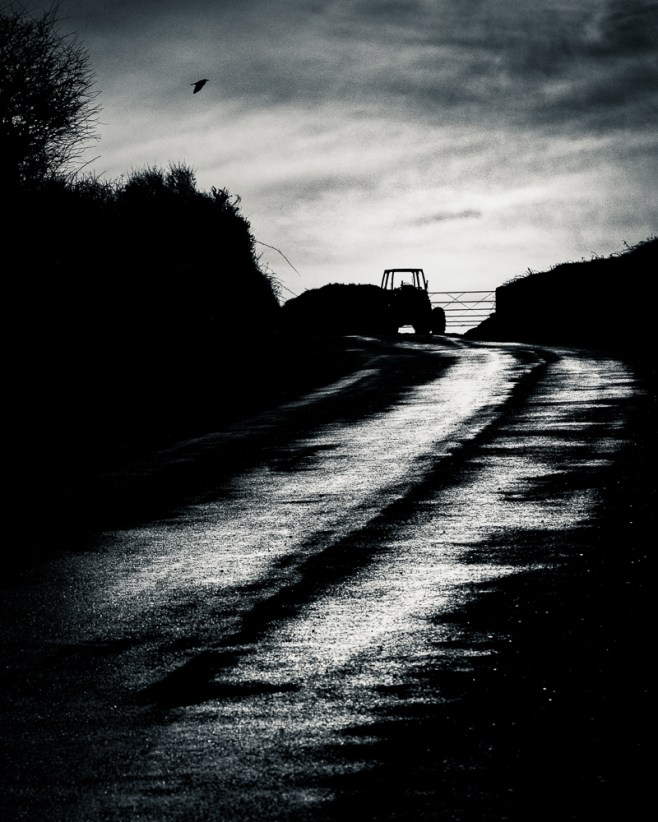
After the shower – Looking behind you in Pembrokeshire

after-the-shower

I have just returned home from an excellent few days in North Pembrokeshire in Wales, as one of four participants on an ‘Andy Beel Black and White Photography Tour’.  You expect mixed weather when visiting Wales at any time of year and the past five days have been no exception.

I have already downloaded over 800 images and now the fun begins as I go through the frames, select those with promise and give some considered thought to how they should be processed for later inclusion on this blog.

Inevitably a handful of images stay in the memory at the time of pressing the shutter, so I thought I would quickly post one such image. By way of some background it was late afternoon and I was driving the group from Abereiddy to Porthgain. A heavy but fleeting shower came down and as I looked in my rear view mirror I saw this scene. Had I not done so the opportunity would have been missed, but as it was, I pulled over and we all got out of the car and took a handful of frames. The late sun reflecting off the wet road, the tractor and the gate silhouetted against the brightening sky, and last but not least, the rook flying into the shot all go together to complete an atmospheric image so typical of this beautiful part of the country,

More images and words about the workshop will follow in time, but for the moment always remember to look behind you!

Portland Bill Lighthouse with the Leica M9-P

portland-bill-lighthouse

Although we are frequent visitors to Dorset we have never visited the Isle of Portland before, well until this week. Portland is approached from the town of Weymouth and strictly speaking it’s not an island, as it can be reached by road over a causeway from Chesil Beach. Only four miles long by one and a half miles wide, Portland juts out into the English channel and is very exposed to the elements.

At its southern most point lies Portland Bill with its prominent lighthouse which is virtually surrounded by old quarry workings of Portland Stone. This famous building material has been mined since Roman times, and from the early 17th Century was shipped to London for the construction of many buildings. St Paul’s Cathedral, Buckingham Palace, The Tower of London and The Bank of England to name but a few.

Portland has three lighthouses but only the one pictured in this post is operational. Built by Trinity House in 1906, it stands 41m tall and was automated in 1996.

As an aside and for those who like reading about cameras and processing etc, this shot was taken with a Leica M9-P and 50mm f1.4 Summilux lens. The M9 was Leica’s first full frame digital rangefinder camera and was introduced back in 2009, so is now some 8 years old. Superceded by the M240 in 2013, which only this week has been replaced by the new Leica M10. A remarkable camera I’m sure and whilst technology has moved on considerably since the M9 first appeared on the scene, it still performs extremely well. Of course it is not as advanced and has its limitations in use, but the image quality is still outstanding. The image was processed in Lightroom and Silver Efex.

Exhibition – my parameters

Although The Image Circle exhibition does not take place until November, preparing a portfolio of images ready for curation at a later date has to begin now. In fact it started some weeks ago when I decided my theme would concentrate on the landscape and environment of Chichester Harbour. Now, whenever I am out walking in the area, my camera is with me. I am very fortunate, as this is an almost daily occurrence, otherwise our dog complains!

Whilst I have never exhibited my work before, I felt it was important to establish some parameters at an early stage, in order to focus my intentions and concentrate the mind. Over the last week or two these guidelines have become well established and are as follows –

  • All photographs will be taken in the clearly defined area of Chichester Harbour.
  • All the images will be taken using just one camera with one prime lens – the Leica M Monochrom and 50mm f1.4 Summilux lens.
  • I envisage the vast majority will be hand held, as this is my preferred way of working, although I will not rule out using a tripod in certain situations.
  • I doubt that I will be using filters, although shooting wide open in bright conditions, it is obligatory to use a 3 stop neutral density filter to manage the light reaching the sensor and exposing correctly.
  • All the images made will be cropped to square format and be in black white. (I have no choice, it’s a black and white only camera!). I have already established a workflow for processing as I need to present a coherent set of printed images.
  • I have yet to make a final decision but they will almost certainly be toned in Lightroom.
  • The photographs will be printed on Canson Platine Fibre Rag. A 310 GSM archival paper. Without question it’s my favourite paper for this type of work.
  • The size of print, mounting and framing considerations are still in the melting pot but I will write about this in a later post, once my thoughts have come together.

So what are my intentions? Chichester Harbour is a beautiful and intriguing place, with a great deal of variety for image making. By walking the many footpaths that cover the area, a more intimate knowledge of the landscape becomes possible. I see the same locations at different times of the day; the weather and the light is constantly changing and in the months ahead Winter will turn to Spring, followed by Summer and Autumn, all of which will give me plenty of opportunity to capture the area as I see it. It will be my personal view of Chichester Harbour; an intimate portrait of a place I know well but will get to know even better as I explore locations which are less familiar.

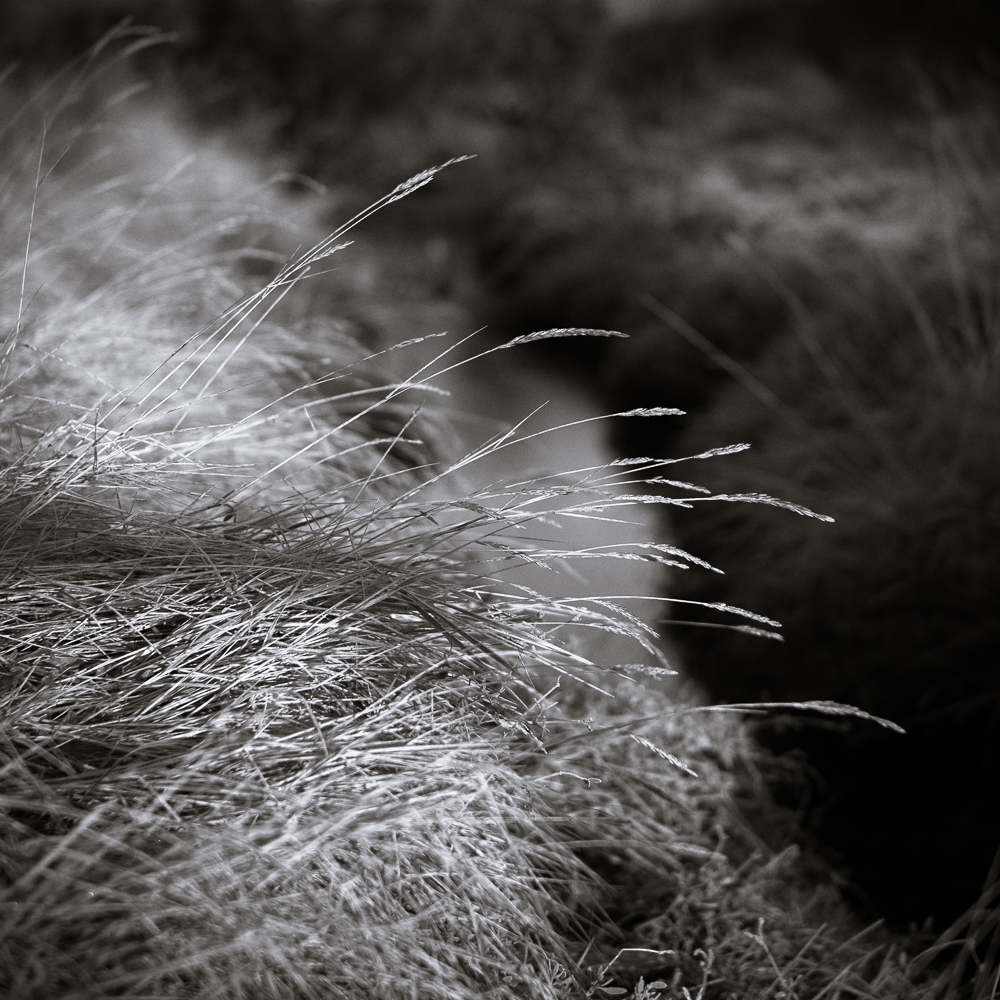
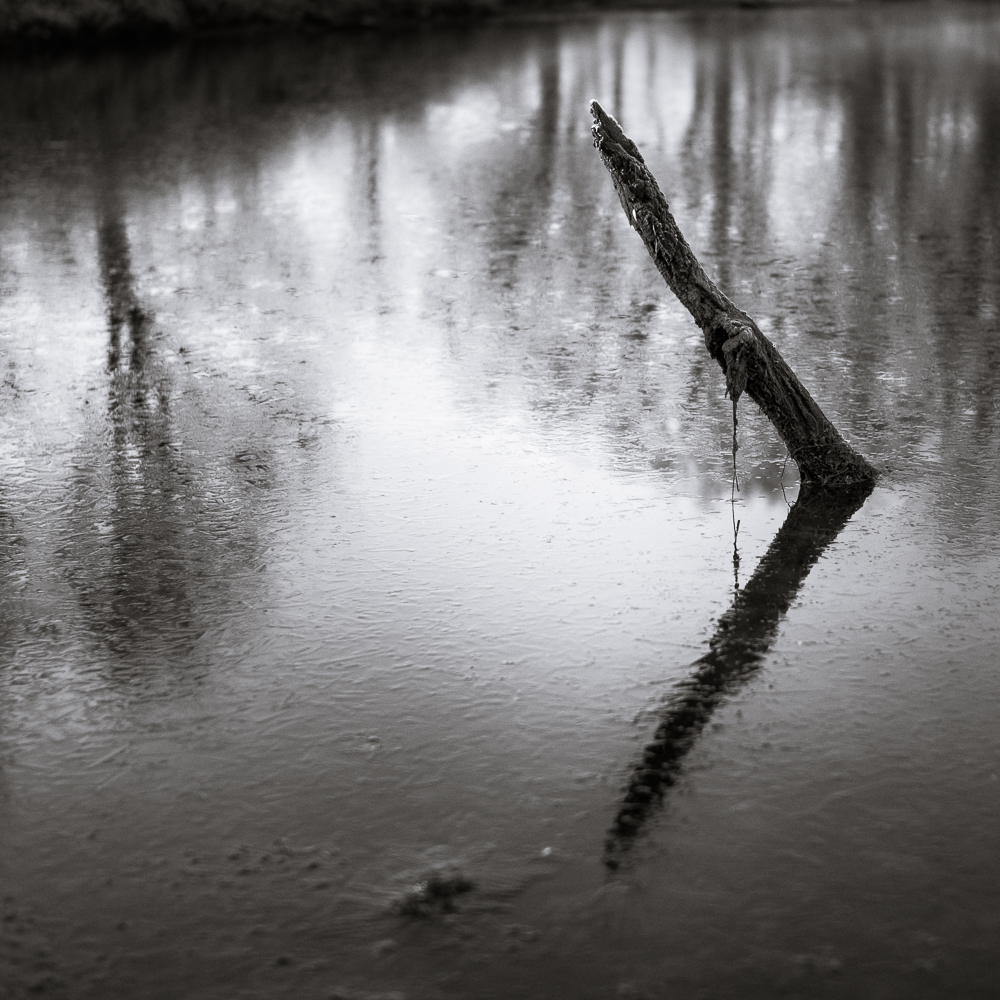
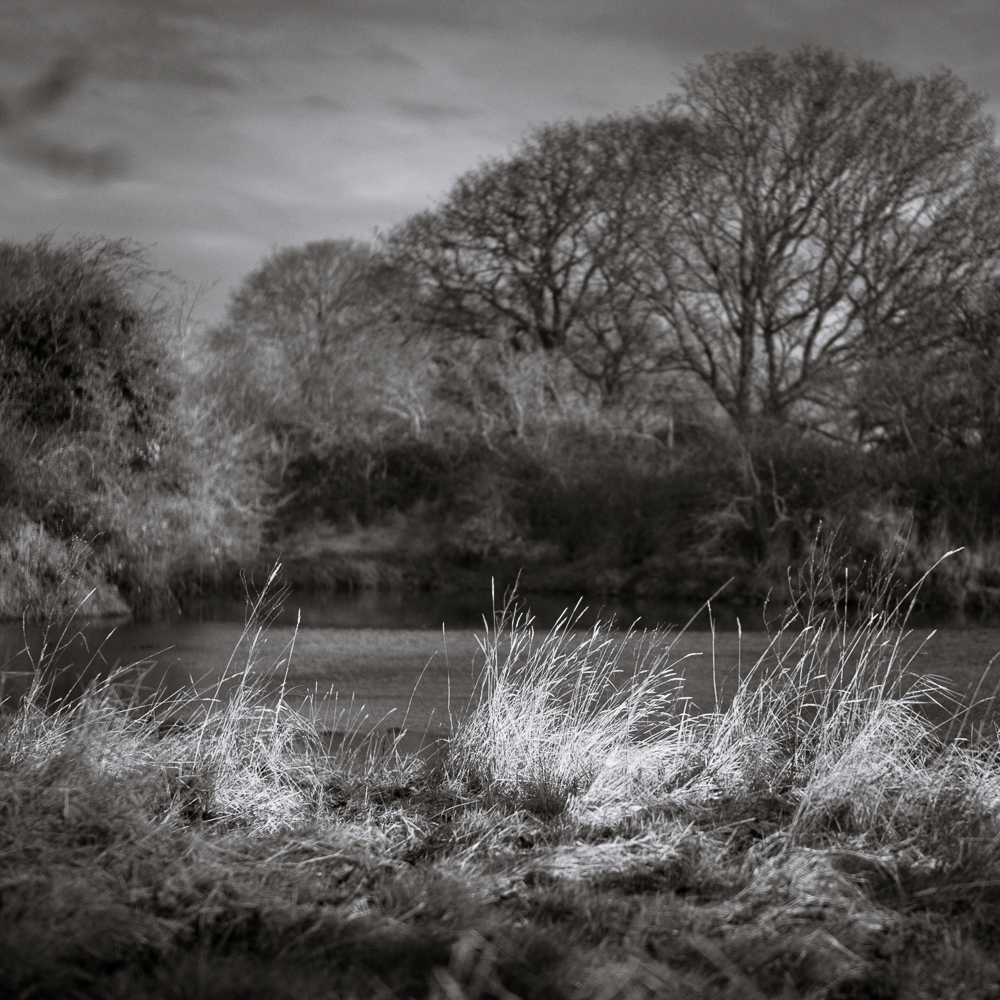
The images which form part of this post were all taken very recently in and around one specific location – a small pond on the western side of Fishbourne Creek. One or more may or may not be included in the exhibition, but these and the many others I have made in recent weeks will start to make up a body of work from which a final selection can be made. Curation is a topic in its own right and I will doubtless be writing about this in the future.


l1002161-edit

l1002194-edit

l1002203-edit

l1002040-edit

l1002235-edit

To see the work of my fellow exhibitors, do visit and follow our website – 

www.theimagecircle.com

Keeping it simple at Langstone Harbour

langstone-skycape

In recent days I have tried to simplify my approach to image taking. Let me explain. I have been out and about walking and exploring the footpaths that surround Chichester Harbour. I have taken with me the following: A Leica Monochrom and just one lens; a Leica 50mm Summilux f1.4. A spare battery just in case. A three stop ND filter should I want to shoot wide open in bright light, a shoulder strap for comfort and finally a microfibre cloth for cleaning the viewfinder – oh, and a 16GB SD card! This limited amount of equipment has been quite liberating and if anything stirs the creative juices as I look for images which work with one prime lens and in black and white of course. There have been times when a wider or longer lens would have been useful but I rather like a more minimalist approach.

In many ways the picture which accompanies this post of Chichester Harbour from Langstone is also very simple. It’s all about the clouds in the sky, a skyscape no less. An uncluttered horizon with a band of sea low in the frame, confirms a waterside location. There is no main point of interest but there is plenty to enjoy in the sky, with the various forms of cloud constantly changing with the light and moving in the breeze. I have kept processing to a minimum as well. A minor crop to place the horizon. An adjustment for levels, whilst adding a little contrast to bring out some detail. Lastly the removal of some dust spots on the sensor.  Job done.