Posts tagged ‘Leica Monochrom’

Thwarted by the flower arrangers at Hardham Church
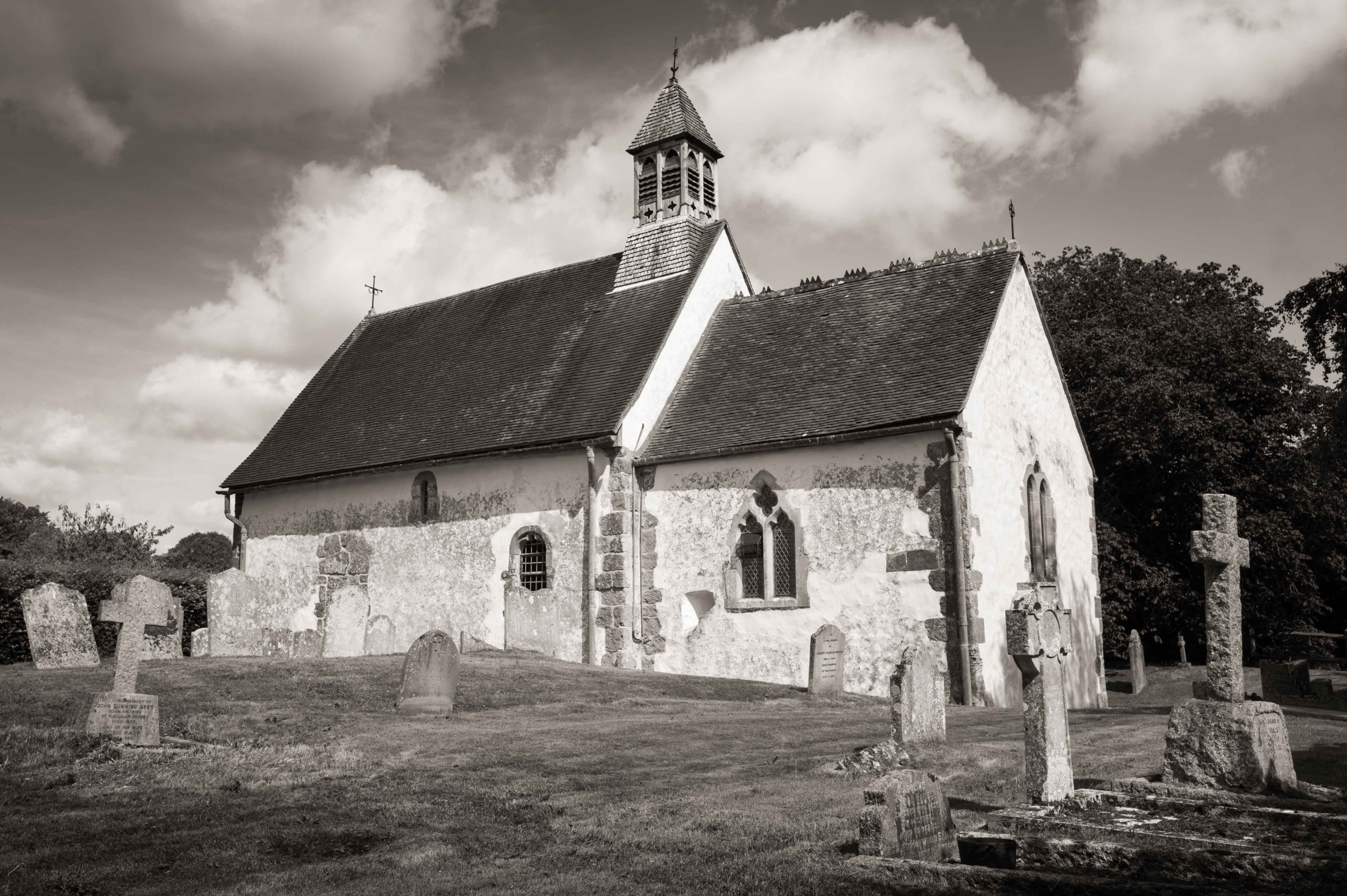
St Botolphs, Hardham

St Botolphs, Hardham


I guess the title of this post requires an explanation.

Quite simply I had visited this small church to the south of Pulborough in West Sussex previously, but not with a camera, nor with the time to take any photographs. Nevertheless this brief encounter was enough to entice me back when the opportunity arose. I returned last Saturday, having already given some thought to the shots I wanted to take, what lens I might use and how the images might be processed afterwards. Call it pre-visualisation if you like, but that sounds rather pretentious. In truth I was just looking forward to spending more time with my camera in a church dating back to C1050 with some of the finest wall paintings in the county.

I opened the door and was warmly greeted by a retired couple. I immediately noticed a tarpaulin on the floor and a few buckets strewn around containing withered flowers. I made polite conversation but this couple were not visiting the church, they had come to arrange the flowers ready for the services scheduled for the following day. I tried to establish how long they might be before completing their task for the day, but it soon became apparent they were going to be some time. There was no way I could concentrate on taking photographs, and even if I could, it was a practical impossibility with so much debris in the aisle.  I had been thwarted by the flower arrangers.

I will return another day, but for now I hope you enjoy the one image I could take……..the pretty exterior of St Botolphs Church in Hardham.
 

Churches Project no. 3 – St Mary the Virgin, North Stoke, West Sussex

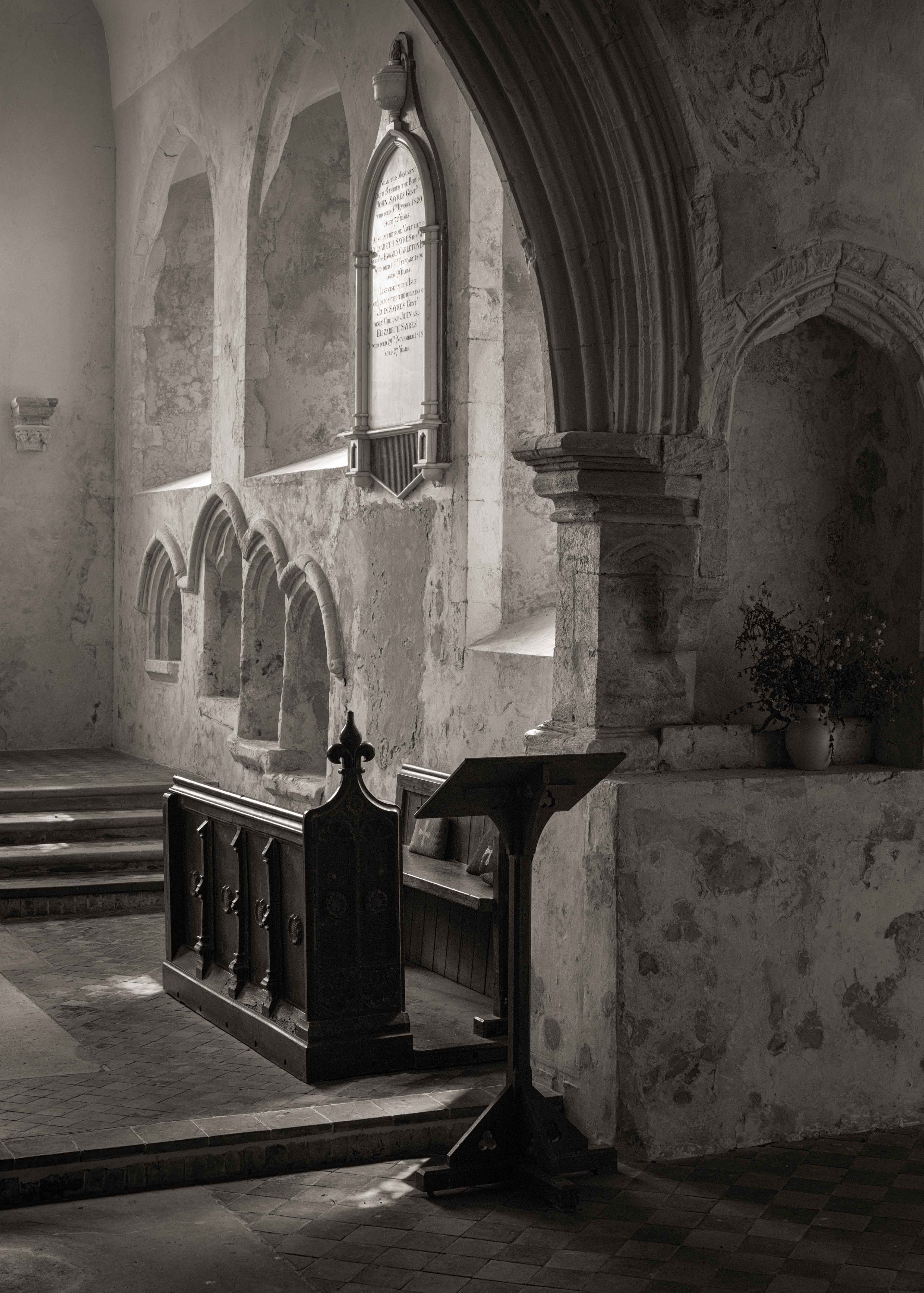
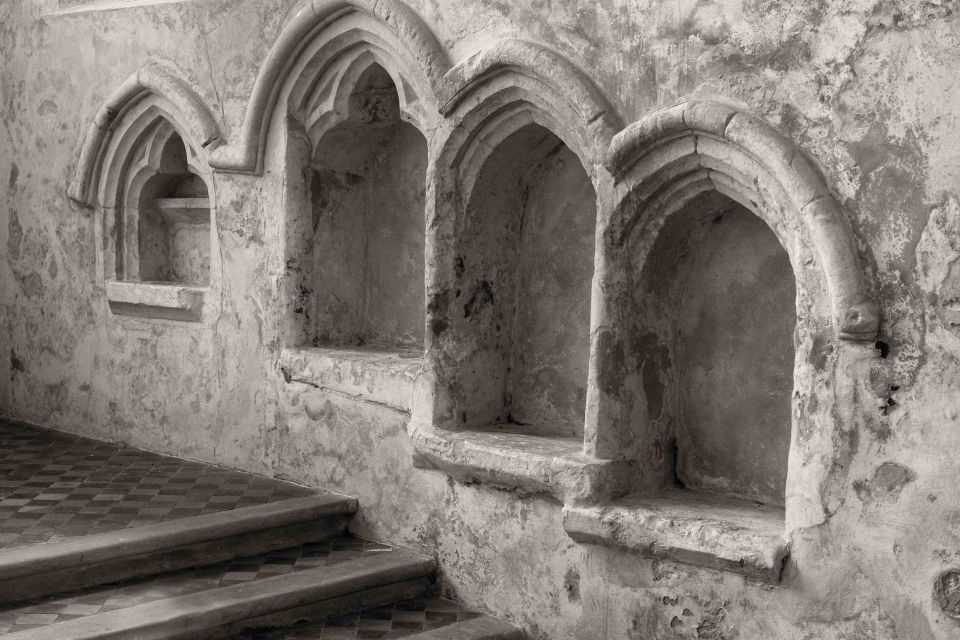
There are some occasions when from the moment I walk through the door, I just know that the interior of a church has something special to offer and will provide me with plenty of photographic opportunities. When I visited the Church of St Mary the Virgin in the tiny remote hamlet of North Stoke, this proved to be one of those occasions.


I have to say I do like simple churches; ones that are timeless and barring a few recent additions are largely unrestored. This particular church nestles in the South Downs about 2 miles to the north of Arundel. Apart from the adjacent farmhouse, together with various farm buildings, the church is isolated and surrounded by the beautiful countryside of the Arun Valley.


L1003241-Edit


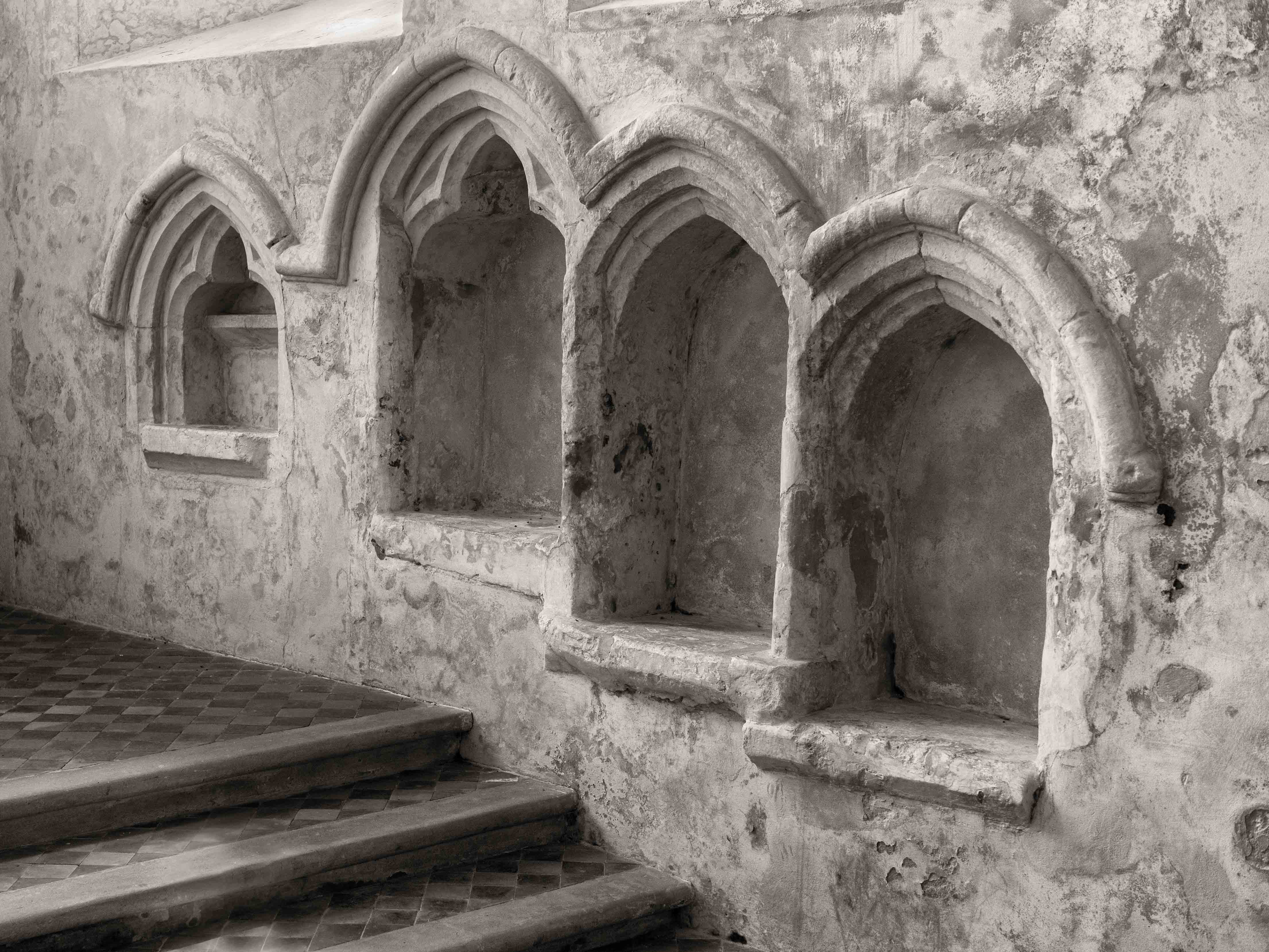
The Church dates back to Medieval times; the nave being 12th Century in origin. It is no longer in regular use but maintained by the Churches Conservation Trust. Its quiet, calm and peaceful atmosphere evokes centuries of prayer.


L1003287-Edit


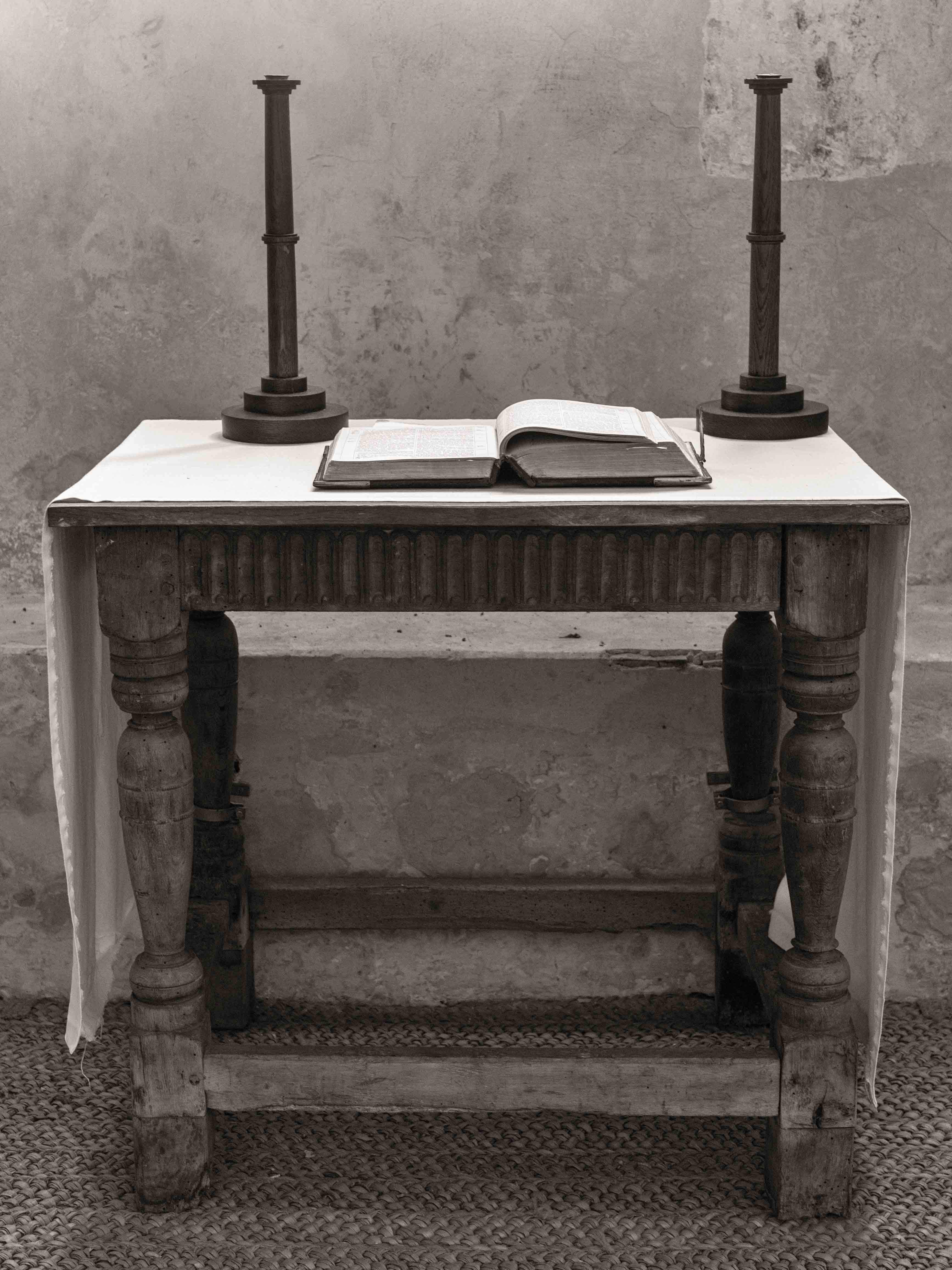
A Bible lies open on a plain white cloth, covering an old table. Simple but evocative.


L1003246-Edit


Though not large, its simplicity and elegant proportions give the impression of height and space. Light floods in through the clear glass of the beautiful Medieval windows to illuminate the interior.


L1003279-Edit


The church is largely hidden by trees so taking a photograph of the exterior is not that easy, but the view below does emphasise the simplicity of the church. There is no tower, just a dormer belfry which cannot be seen.


Do click on any image to see a larger version which will open in a new window. Or click on the thumbnail below to view a larger version of the featured image.


Taken by the wind

20150616-L1002663-Edit


I love the way this tree has been shaped by the prevailing wind.

The branches appear to be reaching out, as if they are trying to grab hold of something, just anything, whilst the invisible roots grow deep and long, clinging to the earth below, preventing the tree from being torn out of the ground when the next wind blows.

To view a larger version, please click on the image which will open in a new window.

Haytor – a chance to reminisce.

Haytor

Haytor

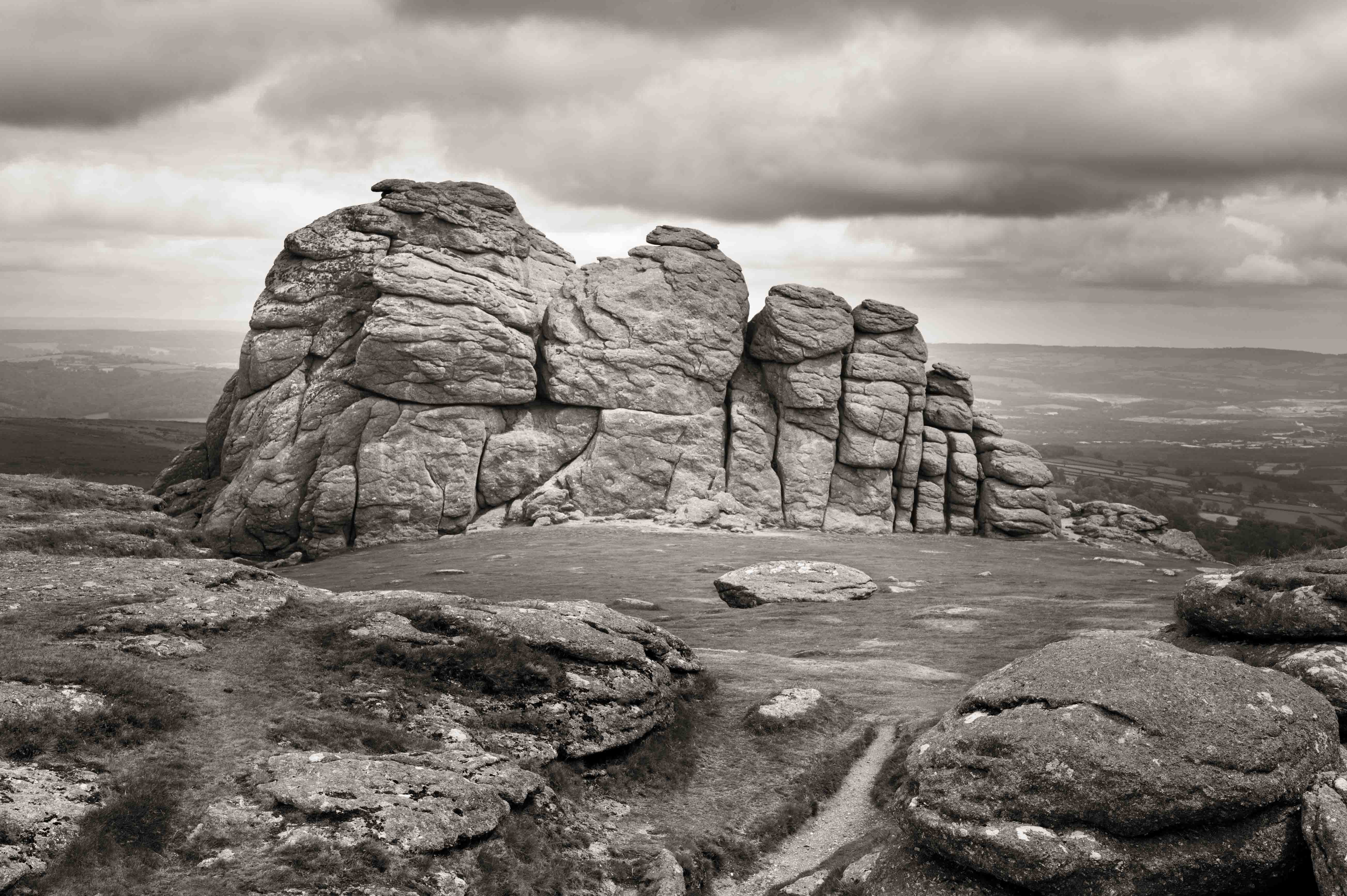
I recently came home from a very enjoyable and relaxing family holiday on the borders of Devon and North Cornwall. On the return journey I wanted to take a small detour and visit the town of Bovey Tracey, which lies on the eastern edge of Dartmoor National Park, and more specifically to go and see the granite outcrop of Haytor. This is perhaps the most recognisable and accessible of all the Dartmoor Tors, so on arrival I was not surprised to find a visitor centre, car and coach park catering for the tourists. Fortunately the weather was inclement and the number of people clambering up the relatively easy hill to reach Haytor were few.

I wanted to return mainly for sentimental reasons. I have fond memories of family holidays in this part of Devon when I was in my mid teens, some forty plus years ago (take large gulp…… and ask how is that possible?) and had not been back since. Life moves on and sadly both my parents and my sister have all passed away in the intervening years. My wife stayed by the car to photograph the very tame Dartmoor ponies and I walked up the hill with my grown up daughter and our dog.

I was pleased that the rocks of Haytor were just as I had remembered them; exposed to the elements but to my eyes nothing had really changed. My memory of Haytor is now as it was when I was a teenager. Still proud and strong, still dramatic and still commanding spectacular views of the surrounding countryside. It felt good to be back experiencing this great location with my own family and for a few moments to stand quietly, touch the stone, and reminisce about past times.

It was also good to be reminded that some things change and some things remain the same, which is just as well, as we all need a ‘rock of stability’ in our lives.

Churches – an exciting new photographic project

St Nectan, Stoke in the Parish of Hartland in Devon

St Nectan, Hartland in Devon

For quite some time I have been considering undertaking a photographic project but have lacked inspiration – until now.

Some months ago I read two very good books; one called ‘On being a photographer’ by David Hurn in conversation with Bill Jay; and another entitled ‘The Essence of Photography’ by Bruce Barnbaum, both of which I can highly recommend. Each publication talked about the benefits to be derived from working on a project, whether small or large, and irrespective of the time it might take to complete.

In ‘On being a photographer’ the author writes – “The subject matter you select must; a) fire your enthusiasm and curiosity at least for the length of time it will take to produce a meaningful body of work; b) lend itself to images, as opposed to words and; c) remain continuously accessible so that you can return time and again to the same topic whenever you wish or have the time.

From the same book it reads – “The more the shooting, the greater the enthusiasm and knowledge for your subject. The greater your knowledge, the more you want to do it justice and this increases the scope and depth of the pictures. So the process feeds on itself”.

Committed to the idea that I would like to start a project, but not knowing what it might be, I was recently inspired by a famous book called ‘Betjemans Best British Churches’ to visit and photograph a number of churches listed during a recent holiday in Devon. I soon realised that I would often photograph these buildings and their locations whenever the opportunity arose, but I had never thought of it as a project.

The penny has finally dropped and whilst this work will not be at the expense of making images of other subjects, it will give me a sense of direction and purpose. There are about 2,500 churches in the guide so I will not be short of material. Some are close to home so easy to visit in a day; others I can research and look forward to visiting as travel and holidays permit. Interiors are just as important as the exterior, so I am not entirely dependent on the weather. Landscapes are my other great love, so visiting a church will take me to new areas as well.

Inspired, excited and full of enthusiasm I have created a new section on this site, not surprisingly called Churches Project . Do read  the introduction and by way of a start I am pleased to show a photograph of one of the churches I visited in Devon in this post.

The Church of St Nectan is in the hamlet of Stoke in the Parish of Hartland. It is often referred to as the Cathedral of North Devon. I like the fact that the tower, which was built as a landmark for mariners, is partially obscured by low cloud and the way the cluster of daisies in the foreground appears to be replicated by the lichen on the gravestones.