Posts tagged ‘Leica’

Driving through time at the Haynes Motor Museum

When photographing any subject it’s all too easy to fall into the trap of framing the picture to capture the whole thing. Nothing is omitted and a ‘bumper to bumper’ picture of a car can in truth be nothing more than a record shot. From a purely visual point of view the composition ends up being far too busy. Add a distracting background can only add to the confusion. This is particularly true in a museum where the four wheeled exhibits are displayed in close proximity to one another. There is little or no separation and the resultant photograph is almost invariably a disappointment. In a phrase it lacks viewer engagement.

Abstraction and knowing what to leave out, can I believe make for a much more interesting and pleasing image.

I recently made a second visit to the Haynes Motor Museum in Somerset, England. My photographic intentions were very clear.

I set out with the specific aim of making photographs which told a story and would in my view capture the essence of both the place and the wide range of cars on display. I wanted to make positive use of the artificial lighting. To work with what could be distracting sources of light and reflections. To embrace out of focus areas, to enhance the image, and adding a further layer of interest whenever possible.

I thoroughly enjoyed combining two of my passions in life – motor cars and photography. There are a huge variety of cars at the museum spanning all eras. With my camera and a selection of lenses I experimented with various settings in the hope of making some interesting black and white compositions.

You can be the judge of whether or not my approach was successful.

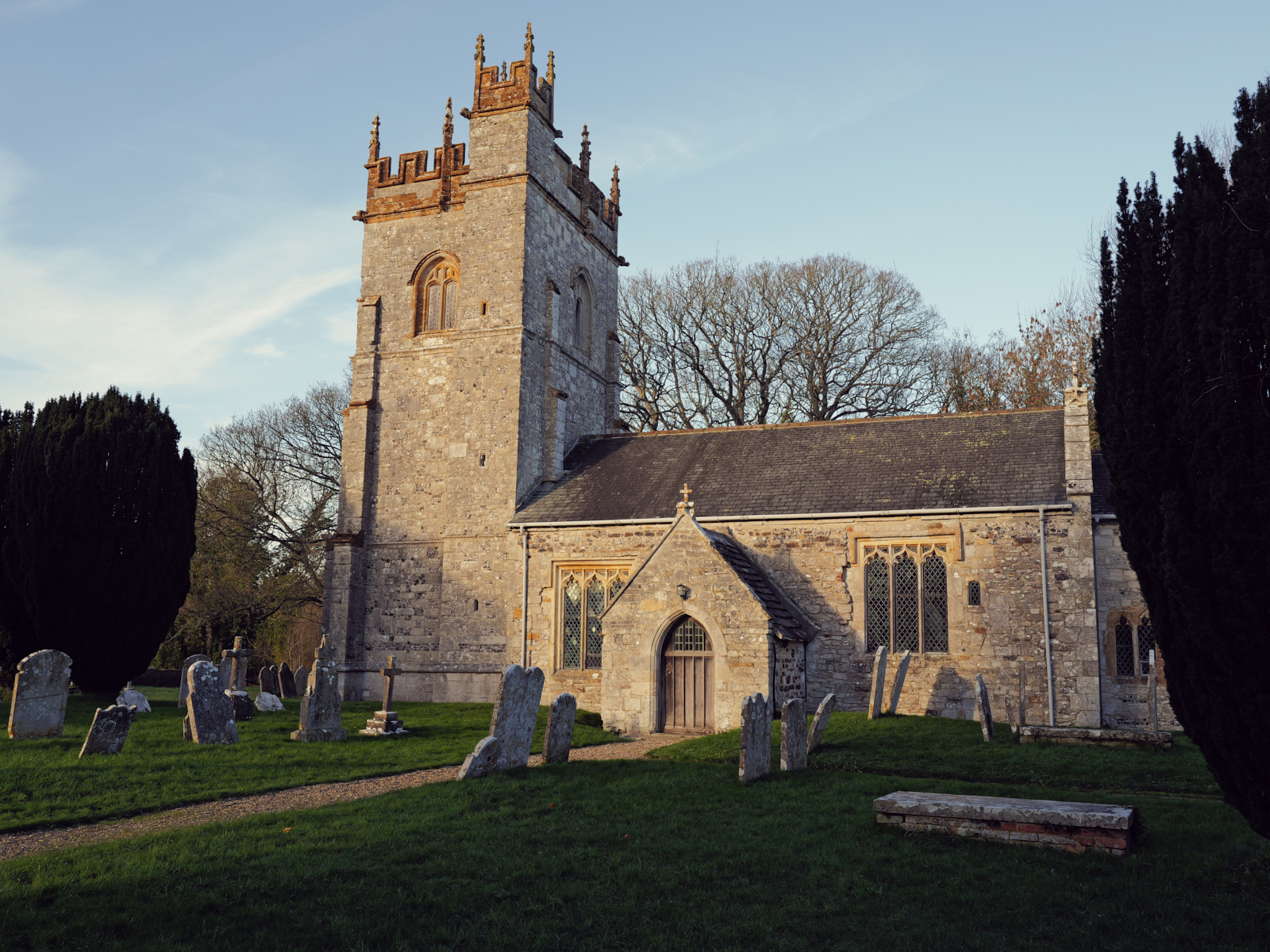
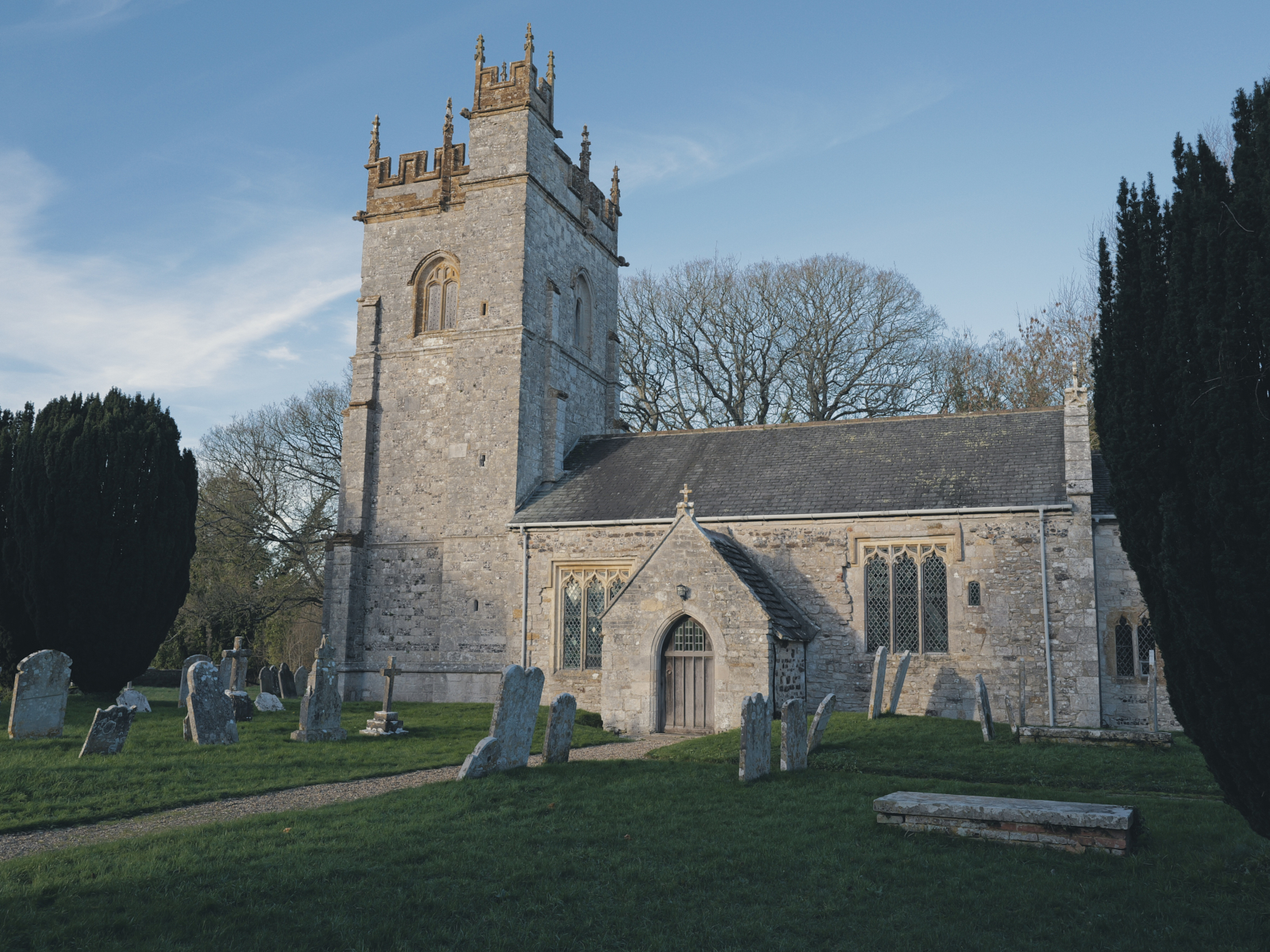
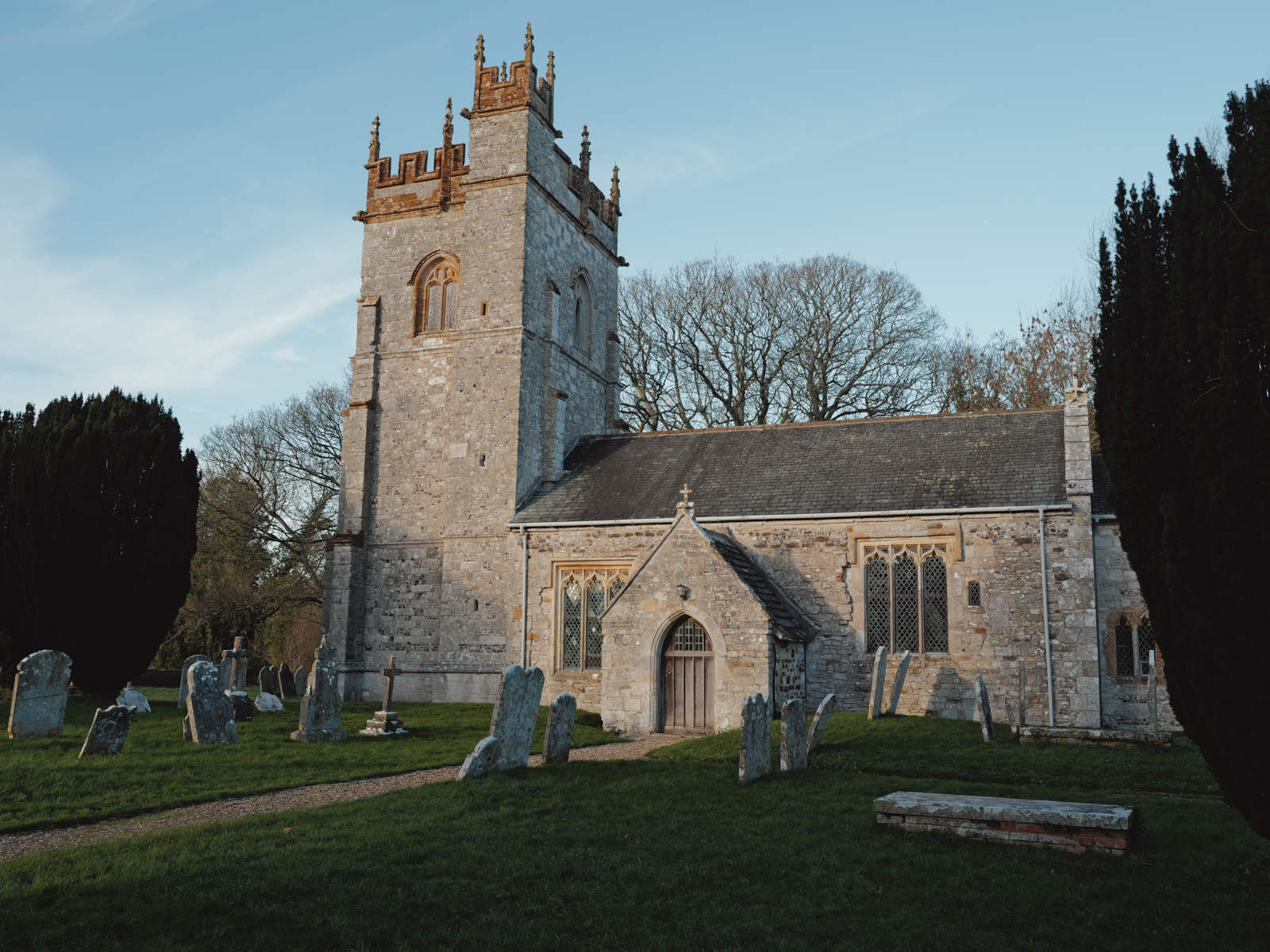
Life and light in the stillness ….. feelings evoked by my local churchyard.

For the past couple of years a large section of my local churchyard has been left to grow wild. Untended, the grasses grow, and will gradually die back, more so in this hot dry summer. They provide a habitat for insects, birds and possibly other wildlife as well. In early autumn the area is cleared and nature’s cycle will continue. Cut back, dormant, only to re-emerge and thrive again next spring.

Churchyards are places of peace and sanctuary which evoke many contrary emotions. They are there for those that have gone before us. The old headstones and crosses mark the lives of the many generations who were once alive and part of village life. In some cases the inscriptions are still visible but these are old stones, so more often than not the words of remembrance and the dates of the dearly departed have been worn away, eroded by the elements. I can only imagine the tales that are buried in the ground beneath my feet.

The other day I dusted off my tripod and gathered together my ND filters, and decided to try and capture how I felt about this place. On the one hand there is stillness. The age-ed gravestones no longer upright but weathered and leaning from the passage of time. Resilient to change, protected and to be respected. The gusting wind and sun would play their part. The grasses waving as the wind ebbed and flowed. Sunlight fleetingly disappearing behind thin cloud only to reappear a few moments later. Essential ingredients which helped me realise the images I had in mind. A mix of life, movement, light and death.

From a photographic point of view I enjoyed being alone for a few hours. Over two sessions I immersed myself in the scene as I discovered new compositions. Moving and adjusting the position of the tripod, swapping lenses and ND filters. Manually focusing and varying the camera’s settings to try and achieve the look I was after. Simply being creative.

I understand that for many people churchyards are sombre and melancholic places. I find it hard not to share these feelings. However there are also feelings of resilience, rebirth, remembrance, respect and ultimately love and hope as we contend with the challenges that are placed before us each and every day.

Photographic workflow – Part 3 ….. Processing in the digital darkroom ….. the before and after

In part two of this short series I wrote about my approach to image capture with a particular reference to my recent purchase of a Leica Q3. Buying a new camera is always an exciting time. I couldn’t wait to begin editing the first shots I had taken and to see for myself just how good the files are from a 60mp sensor when seen through a 28mm f1.7 Summilux fixed prime lens.

Full of eager anticipation I plugged the SD card into my laptop, downloaded the files into Capture One but was very disappointed with the results. Why you ask? Well I have to admit to a schoolboy error. Before buying the Q3 I didn’t check whether or not my version of Capture One would support the Q3 DNG RAW files. It didn’t; the RAW converter wasn’t compatible and I had no choice but to purchase and install the latest version of Capture One. Problem solved but I hadn’t allowed for this additional cost. Lesson learned I could now move on and start editing the files and I was blown away by the quality and detail. Everything I had read in various reviews was there on the screen in front of me.

Read more

Photographic workflow – Part 2 ….. Image Capture ….. and why I chose to buy a Leica Q3

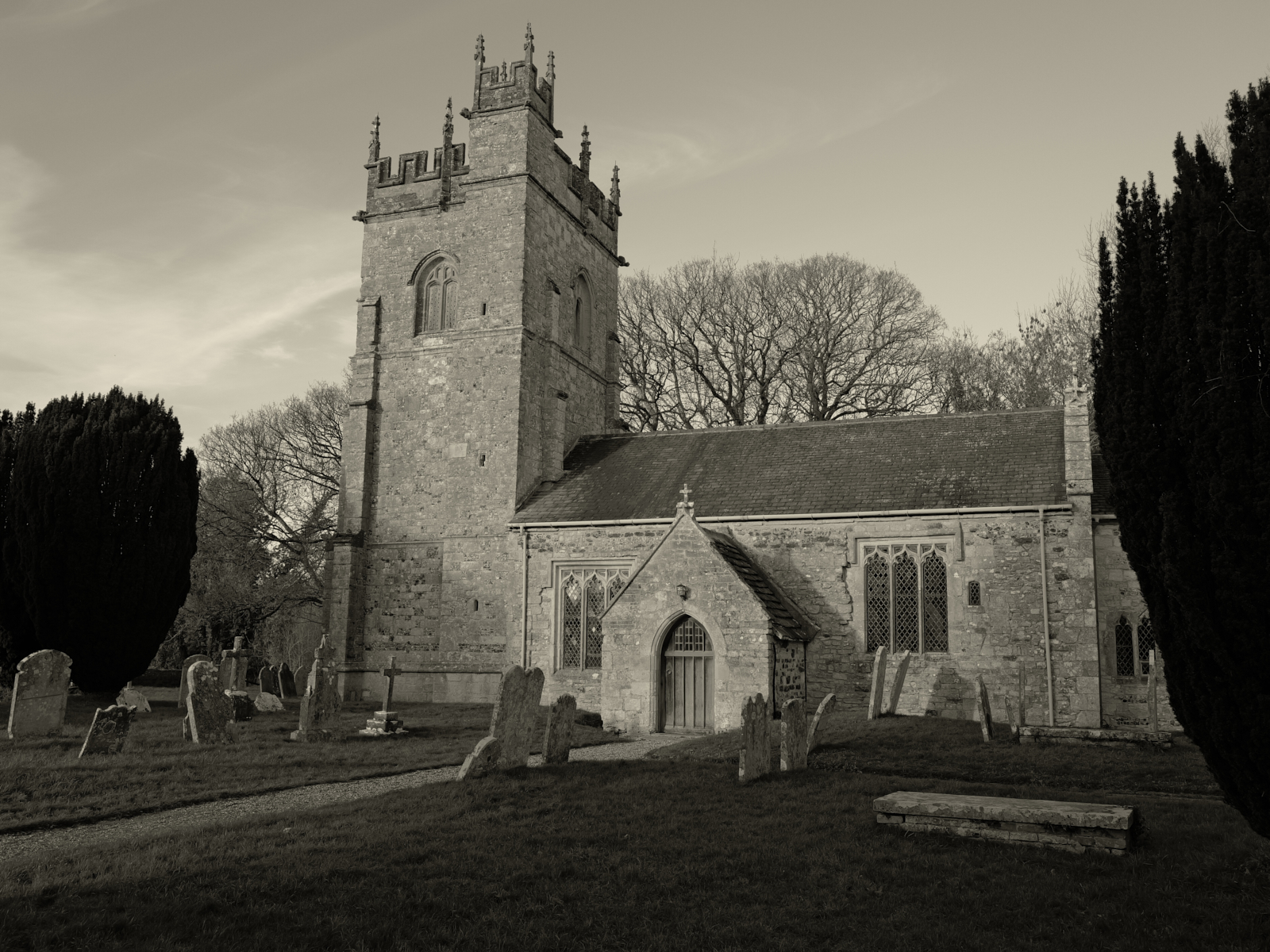
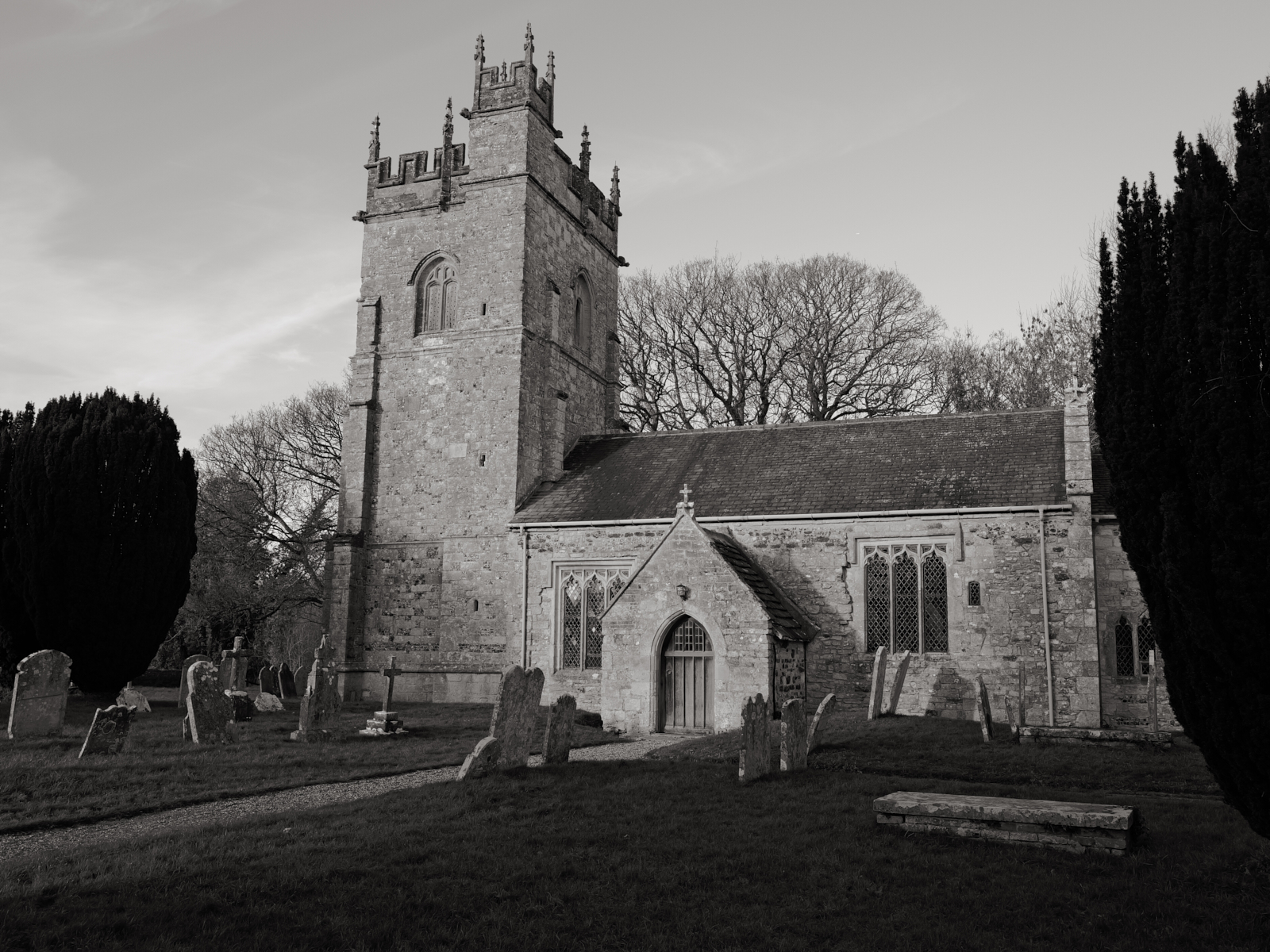
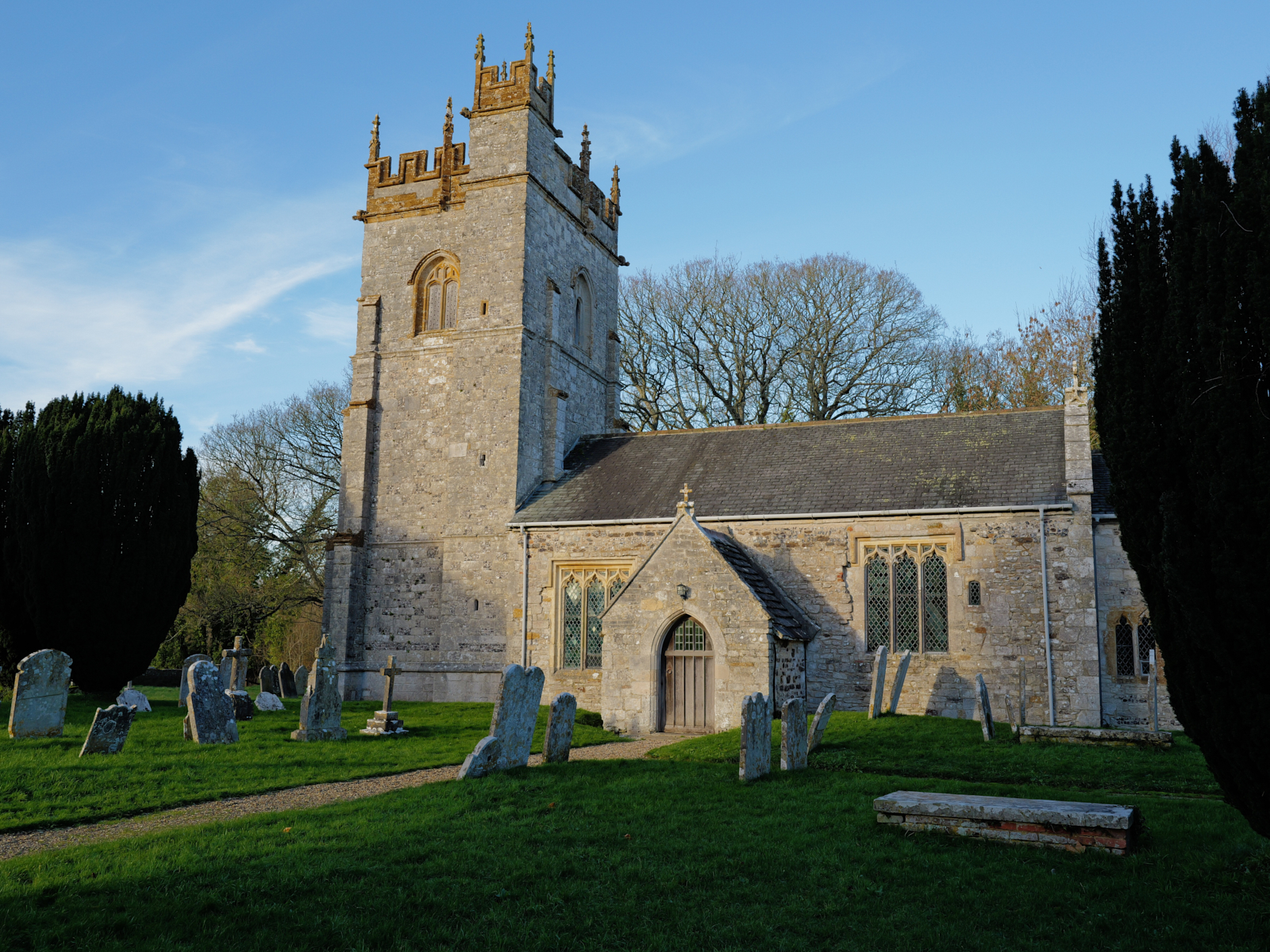
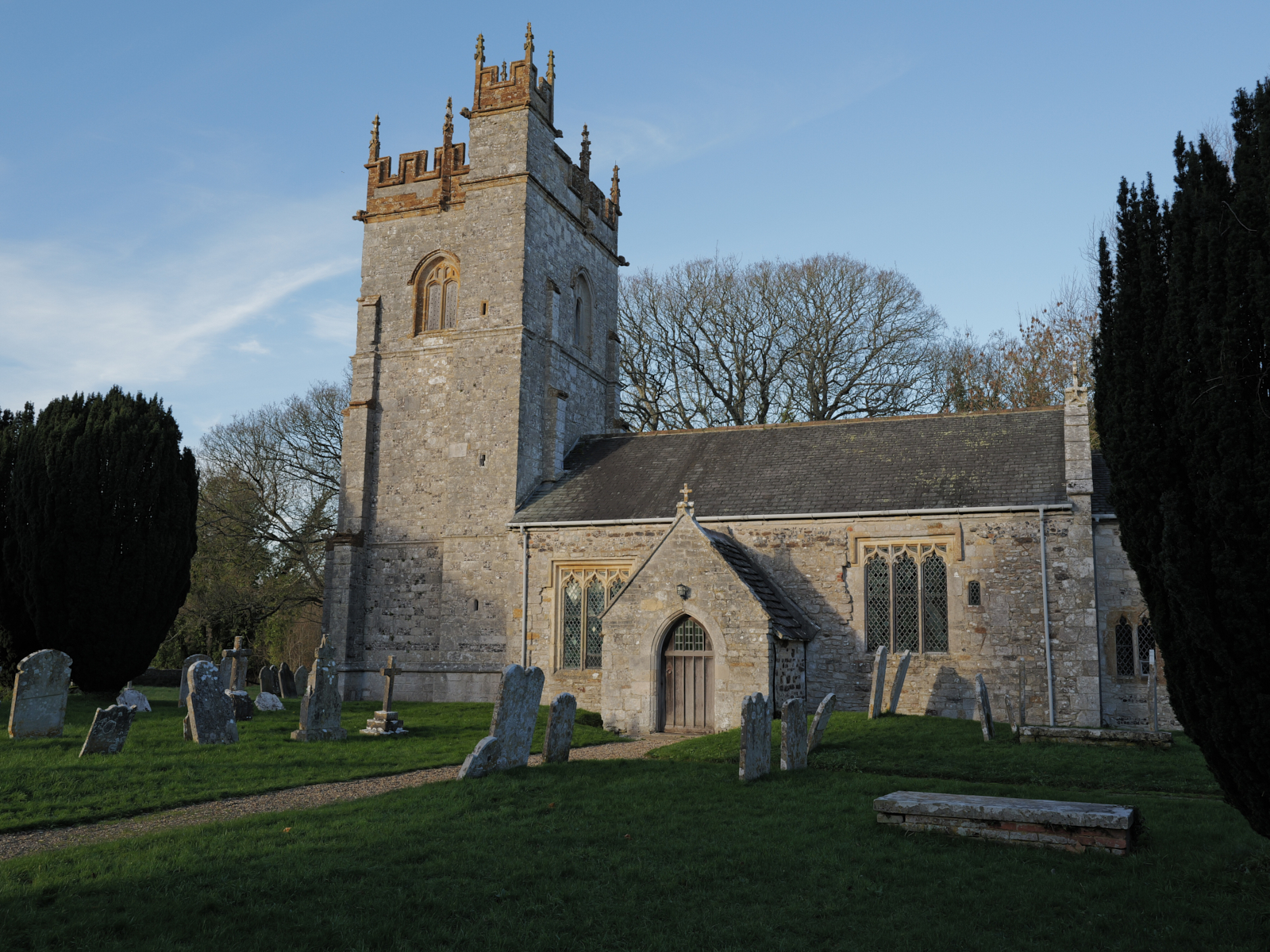
Former church of Holy Trinity at Turner’s Puddle – now redundant

I am sure that anyone reading this could write their own book about image capture, I know I could, so in this second entry which follows Part One – ‘Seeking Inspiration’, I shall briefly address my way of capturing a scene. This will not cover every aspect of my way of working but is more of an overview of the key methods I adopt before releasing the shutter. It might also help explain why I recently decided to buy a Leica Q3.

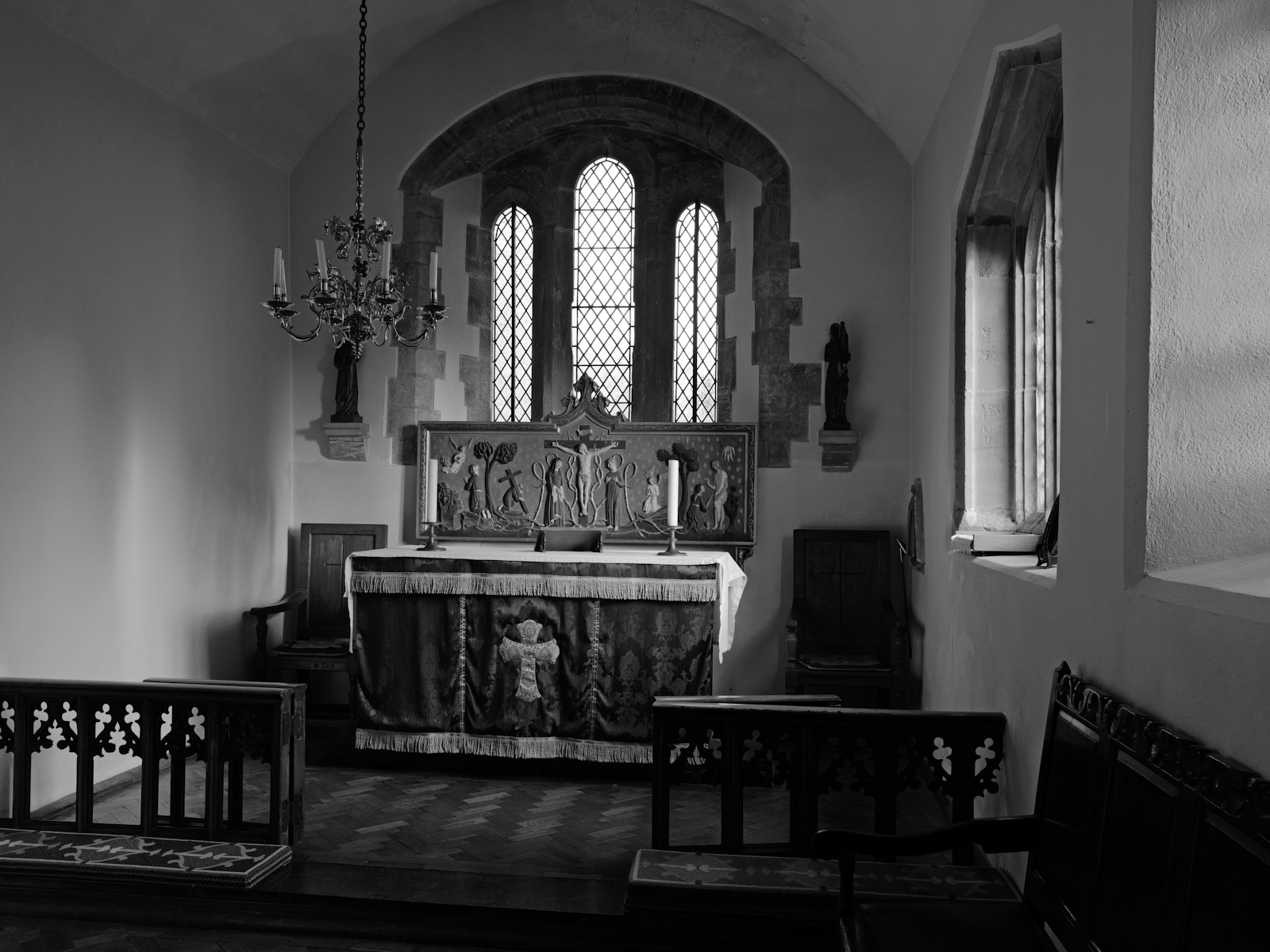
Principally I will be referring to my landscape photography as other genres – church interiors for example – require a different approach which I might cover at a later date.

The River Piddle near Throop

First and foremost I consider myself to be quite a spontaneous photographer. Although I will go out specifically with the intention of making images I don’t often plan to capture a particular view or arrive at a location when the light will be at its most favourable. I would far rather wander around the countryside and respond to a scene, the light or a particular composition which appeals to me and draws my eye. Nor do I get up to be out before the dawn or stay out until well past the blue hour. I am a daytime photographer – which suits my lifestyle and the images I am trying to make. In summary I like to document the rural nature of the places close to my home.

Call me impatient but I won’t stay in one place for very long. In other words I won’t wait for the sun to move round or for clouds to shift in the sky. If the conditions aren’t right then I’ll simply move along and look forward to finding another scene to photograph. I do sometimes criticise myself for not slowing down but it’s how I am and it’s why I like to travel light. Always having a camera with me allows me to capture an image which might be missed.

For this reason I rarely use a tripod. In fact if I am out walking in the landscape it’s the last piece of equipment I will pack – I know it will not get used. I am not a lover of zoom lenses either. I much prefer using prime lenses but choosing which ones to take with me can be tricky. If I can choose only one lens then for years my default and arguably my favourite lens is the 50mm or ‘nifty fifty’, but it does have its limitations. So I then start to think do I need to pack something wider and or longer as well? The added weight plus the inconvenience of repeatedly changing lenses can be frustrating – but perhaps I am just being lazy!

Barn detail

Ever since 2012 when I purchased a second hand Leica Monochrom, I have largely remained loyal to the Leica brand albeit with a more recent foray into the world of Fujifilm with the purchase of a Fujifilm XT3 and Fujifilm X100v. As much as I liked these excellent cameras they have never replaced my love of Leica and in particular their wonderful prime lenses, which I really enjoy shooting wide open for creative effect. Until a few weeks ago my camera of choice was the Leica SL2S.

If you are interested you might like to read these two posts –

Switching from Leica to Fujifilm …… well not exactly

From Leica to Fujifilm and now back to Leica …. Why?

So why Leica and what camera settings do I use? I like to remain in complete control of the exposure and focus. It’s not that I don’t trust being on auto this or auto that, but I would rather take a little more time to adjust the shutter speed, aperture and ISO myself as well as focusing manually. I appreciate that almost any camera will allow me to do this, but the Leica SL2S makes it so easy for me. Perhaps its my familiarity with the camera controls coupled with a degree of muscle memory.

Leica SL2S and 50mm prime lens

The manual focus only prime lenses are a joy to use. They have a dedicated aperture ring and a depth of field scale on the lens. The manual focus ring is not fly by wire and a quarter turn will take the focus from infinity to the closest distance. It’s mechanical and beautifully tactile and it just works. The Leica camera menu is intuitive, straightforward and far from complicated. Sorry Fuji but I have never got my head round all your menu settings.

Private Keep Out

I mentioned earlier that I rarely ever use a tripod. Weight and inconvenience aside I like to compose a shot with complete freedom. Raising or lowering the camera at will, moving my feet to the left or right, or getting closer or further away from the subject to get the view I want. I check my settings, focus and press the shutter. I often shoot wide open so I am usually working with a high shutter speed so camera shake is never really an issue. The SL2S has in-body image stabilisation so shutter speed is rarely an issue to achieve a sharp image. If I do want to shoot in a semi-automatic mode then I will usually choose aperture priority, adjusting the speed or ISO to suit. Controlling the depth of field and the main point of focus is a priority once I have dialled in the exposure. I’ll use the digital zoom to double check my focus if necessary. I can use ‘focus peaking’ but the viewfinder is so sharp and clear I don’t find it’s required.

Filters and do I use them? I have a collection of filters, a polarizor, neutral density and graduated filters (hard and soft) all of which I will very occasionally use but I treat them rather as I do the tripod. They can get in the way of spontaneity. Once again if I slowed down and took more time over capturing each image then I think they would get more use. They definitely have their place in photography but not always in my camera bag. This is true only because modern sensors can now capture a broad dynamic range and the hybrid mechanical/electronic shutter negate the need for ND filters, even when shooting in bright conditions with a fast aperture.

As I am a monochrome worker I will always have the screen set to give me a black and white preview of the picture I am taking so that I can an idea of tones etc. I have to give credit to Fuji with all their in-built film styles, including many excellent options for monochrome, but I shoot RAW and will always process the image and never use the JPEG straight out of camera. I’ll cover this aspect of my workflow in Part three. I always use the histogram to make sure the highlights aren’t blown. The level gauge and something called perspective control are also very helpful if you have converging verticals which you want to correct during processing.

Muddy track and barn

Explaining all of the above brings me onto my recent purchase of a Leica Q3….. the version with a fixed 28mm lens, not the recently announced Q3 43, which has a fixed 43mm lens. I mentioned earlier that I had a Fuji X100v which I bought back in 2020. A highly regarded camera, but I always found the 23mm (35mm in full frame terms) to never be quite wide enough when I didn’t want to use my 50mm lens. Whilst compact and lightweight I almost found it too small to be reassuring to use. The Leica SL2S is quite a hefty beast but being quite large and very solid is to me much more comfortable to use.

So I decided I might sell my X100v and did some research into the Q3 as a replacement. I soon found a number of nearly new examples for sale at a much lower price than brand new. It’s far from being cheap to buy, as with anything made by Leica, so any saving is worthwhile. I didn’t take very long to make up my mind.

I have to say the Q3 is not really that compact, the lens is bulky, particularly when compared to the X100v which will readily fit inside a coat pocket. However it shares most if not all the things I like about the SL2S and has some other benefits which are lacking on the SL. The camera controls are very similar, the lens just feels like any other M mount prime lens. It has a maximum aperture of f1.7 which even on a 28mm lens can give me a very shallow depth of field in certain situations. It also has a macro facility which is quickly enabled by turning another ring on the lens. Like all Leica lenses the quality and sharpness is outstanding. Yes it’s larger and heavier than the X100v but to me it feels more like a scaled down version of the SL2S, so it instantly felt comfortable in the hand. Having made the switch I did add a thumb grip, soft release and I will probably add a hand grip as well, all of which I had on the Fuji.

Various images of my newly acquired Leica Q3

The menu system on the Q3 is very similar to the SL2S, so I can switch between cameras without having to think too much about what I am doing. Just like the X100v it has an articulated screen, which is something I miss on the SL. It has in-body image stabilisation, is weather proof and for the few weeks I have owned the camera it is already proving to be a delight to use.

I am greatly enjoying the challenge of using a 28mm lens as opposed to the 50mm. It’s opening up new creative compositions. Finally I should mention the 60mp sensor which is quite superb and offers the following crop modes of 35mm, 50mm, 75mm and 90mm. Even at 50mm it’s providing me with a 18.9mp file – The Leica SL2S has a 24mp sensor by way of comparison and I have never been disappointed with the images it captures. In fact I have always considered 24mp to be something of a sweet-spot. Turning the clock back my Leica M Monochrom had a 18mp sensor, so for convenience when I only want to carry one camera I feel very at ease using the crop mode on the Q3.

So in conclusion I hope this has given you an insight into my approach to image capture when I’m out in the landscape. My purchase of the Leica Q3 is a great companion for the SL2S. I can take it anywhere and given time may get more use than the SL and the ‘nifty fifty’.

All of the monochrome images in this entry were captured with the Q3, as indeed were the images in the first post in this series. They were all captured during a single walk not far from my home.

Telephone boxes ….. project planning and research gets underway

Outside the Post Office, Cheap Street in Sherborne

It’s a little over a week since I posted my first entry on the topic of photographing telephone boxes. Documenting them, their uses and their place in the environment. I was quite excited then and I am even more excited and motivated today.

I have already spent quite a lot of time giving consideration to how this project might evolve, and whilst I have some parameters in mind, I don’t want to restrict myself too much too soon. I want to maintain flexibility in my approach and just see where this initial concept takes me.

What I have decided is that I would like to share not only the images but also the process with you. Explaining my ideas, and providing answers to some of the questions which are raised. It helps me to write down my thoughts and it may help you if you are also considering embarking on a photographic project. I don’t consider myself to be an expert but I hope you will find it interesting and maybe useful.

Initial Planning and Research

One of the many appealing aspects of this project is the number of boxes in existence in my home county of Dorset in the UK. Not as many as there once where of course, but that’s why I want to tell their story before they all but disappear. In order to find phone boxes to photograph I could jump in my car and aimlessly drive around hoping to stumble across them, but that would be very wasteful of fuel, time and almost certainly lead to considerable frustration.

Fortunately a quick internet search coupled with Google Street View can provide me with a lot of information. Without stepping out of the door I can sit in the warmth and comfort of my home and ‘travel’ around the county, and that’s exactly what I have been doing this past week.

Google Street View of Cheap Street

When I find the site of a box I record it on My Google Maps, placing a coloured pin in the exact location. Changing the colour of the pin I can readily identify which locations I have been to and which ones I still need to visit. When I say the exact location, I mean precisely that. From a photographic perspective I need to know which side of the road the box is sited and establish the likely angle of view so that I can time my visit according to where the sun is will be in the sky . To date I have already identified 56 locations but some have much more photographic appeal than others, so I will select those which I believe have the most promise. I have used My Maps in the past and I like the fact that you can click on a pin and add notes as well as images which serve as a useful source of reference.

My Maps courtesy of Google

Street View is an extraordinary tool, but I use it with caution, as it cannot be relied upon 100% of the time. Whilst searching I found a box near the Sandbanks ferry at Studland. It stood adjacent to the sand dunes. A great subject to photograph but unfortunately when I dug a little deeper I established the box had been removed back in 2020. Arrrghh!…..but it did save me a lengthy round trip. It also served as a reminder that these boxes will not always be part of the landscape and will over time be consigned to the history of this country.

The box near the Studland Ferry prior to its removal in 2020

Two new images

My wife and I visited the town of Sherborne earlier this week so I took the opportunity to make a couple of images of the two boxes outside the Post Office in Cheap Street. The first is at the top of this page. It also appears in the Google Street View of the same location, but without all the pavement works. Although a rather chaotic scene I enjoy all the various street furniture and the disruption caused by the works taking place.

The second image (shown below) depicts the box which now houses a defibrillator. In this picture I like the inclusion of the person carrying her bag with ‘Love Books, Love Reading’. It adds another level of interest.

The second box by the Post Office in Sherborne

These two images are very different to those I included in the first post. Those were rural in nature but they do contrast well with the town locations. I am already quite clear in my mind that I want the project not to be just a collection of photographs of phone boxes – not record shots in other words – but images which incorporate the surrounding environment. If there is to be a story there needs to be context and if this includes a human element to broaden the narrative then all well and good.

I don’t need to put a definitive name to this work at such an early stage but I consider it helps to call it something. The Telephone Box Project is something of a mouthful, so I thought the Phone Box Story had more appeal and I can abbreviate this to PBS which I think has a rather nice ‘ring, ring’ to it! Apologies for this terrible joke but I’ll stick with the ‘Phone Box Story’ and it’s shortened version of ‘PBS’ for the foreseeable future.

There are plenty of thoughts and ideas running through my brain right now so I anticipate posting a further update soon.

Do comment on any aspect of this project, I would welcome your feedback.