The Isles of Iona and Mull – Part One ….. Iona Abbey
For many centuries The Isle of Iona has been a cherished destination for pilgrims wishing to visit the Benedictine Abbey and experience for themselves the beauty, peace and spiritual nature of the Isle. It was on this isle that St Columba and his disciples first landed in 563AD, having rowed from Ireland in a currach, a small boat with a wooden or wicker frame covered in tarred animal hides. There is much speculation as to why the Irish Saint, then known by his Irish name as Colm Cille, meaning “Dove of the Church”, made what would have been this tortuous journey. But in doing so he spread the word of Christianity in Scotland and further afield.
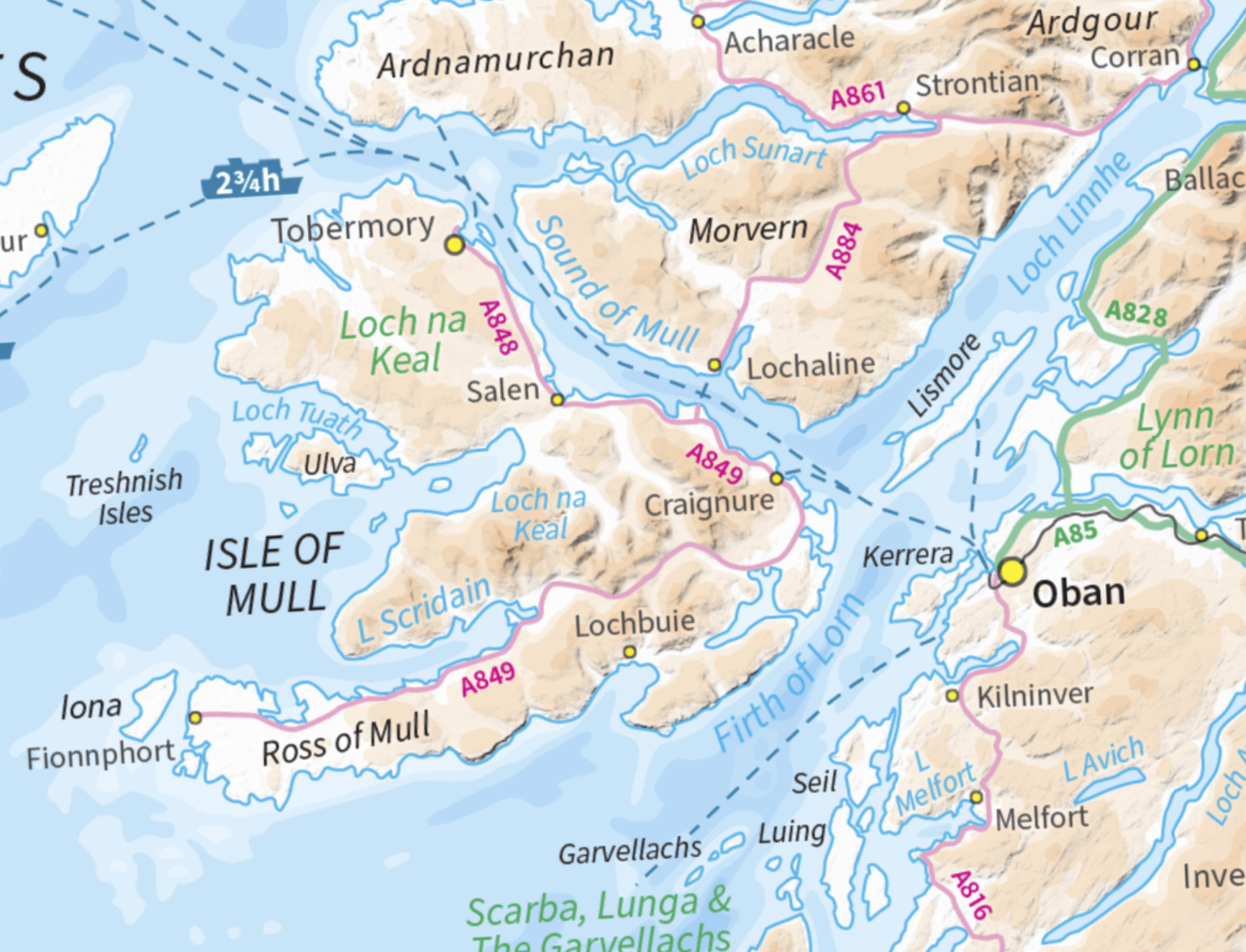
Even today using modern means of transport it requires a fair amount of effort to reach Iona. From Oban on the Scottish mainland a ferry crossing of about an hour docks at Craignure on the Isle of Mull. An hour and a quarter long drive along the A849, albeit a mainly single track road leads to Fionnphort. From there another ferry crosses the Sound of Iona in ten minutes. These ferry crossings are very weather dependent, so once you arrive on the island the feeling of isolation on Iona is tangible. Keep in mind it is only 3 miles long a 1.5 miles wide. When Samuel Johnson and James Boswell famously toured the Western Isles and the Hebrides in 1773, they reached Mull via the Isle of Coll. A significant and challenging adventure given the journey on land would have been horse and carriage.
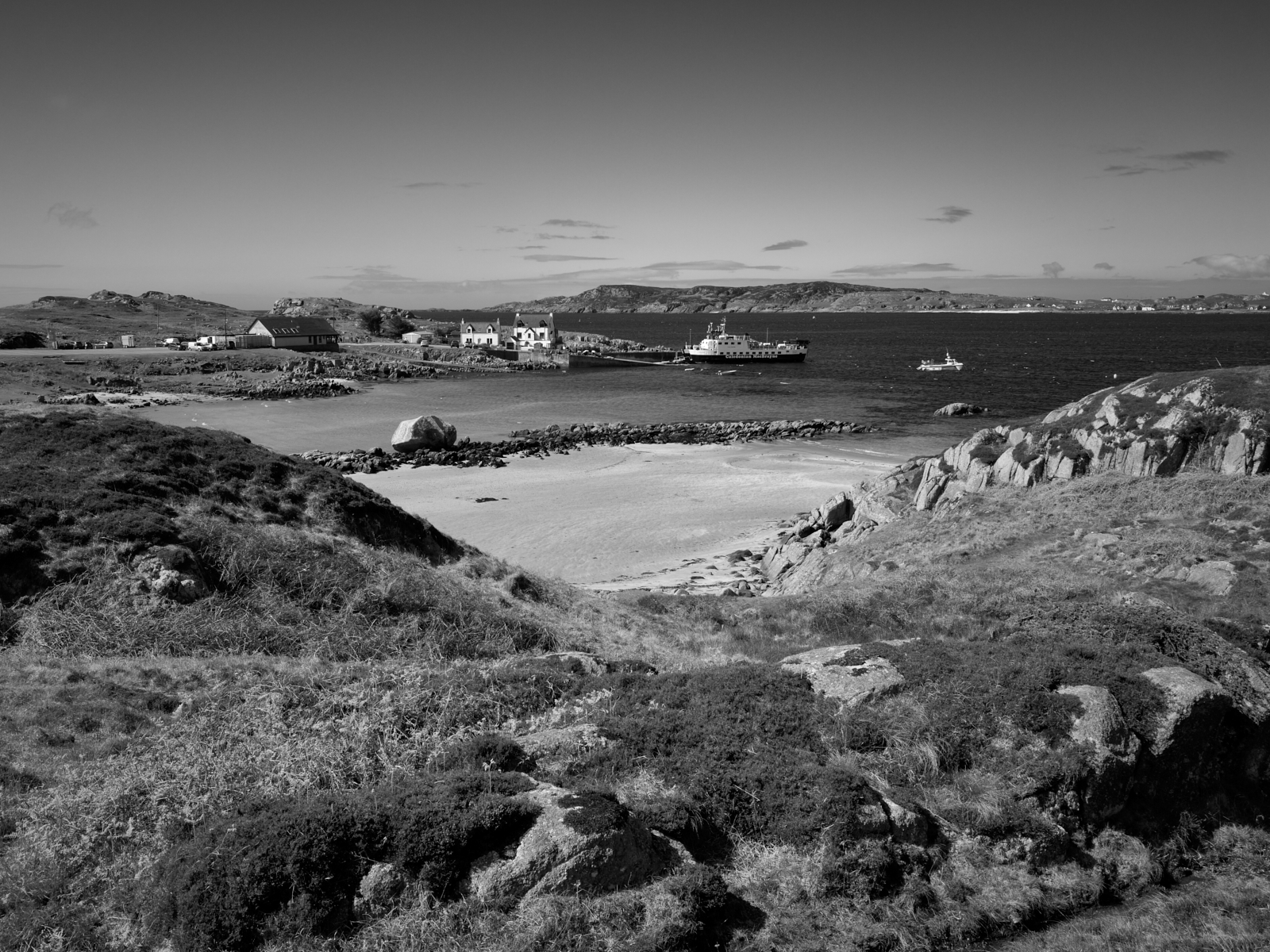
Earlier this year my wife and I had the good fortune to return to this very special and beautiful place; The Isle of Iona forms part of the Inner Hebrides in Scotland and lies at the western most tip of the Isle of Mull. We stayed in a small property in Fionnphort and overlooked the Sound of Iona. From our accommodation for the week we could see the small ferry port and observe the regular sailing of the Caledonian MacBrayne ferry as it made the 10 minute crossing. We were blessed with lovely weather although that did have the effect of increasing the number of visitors.
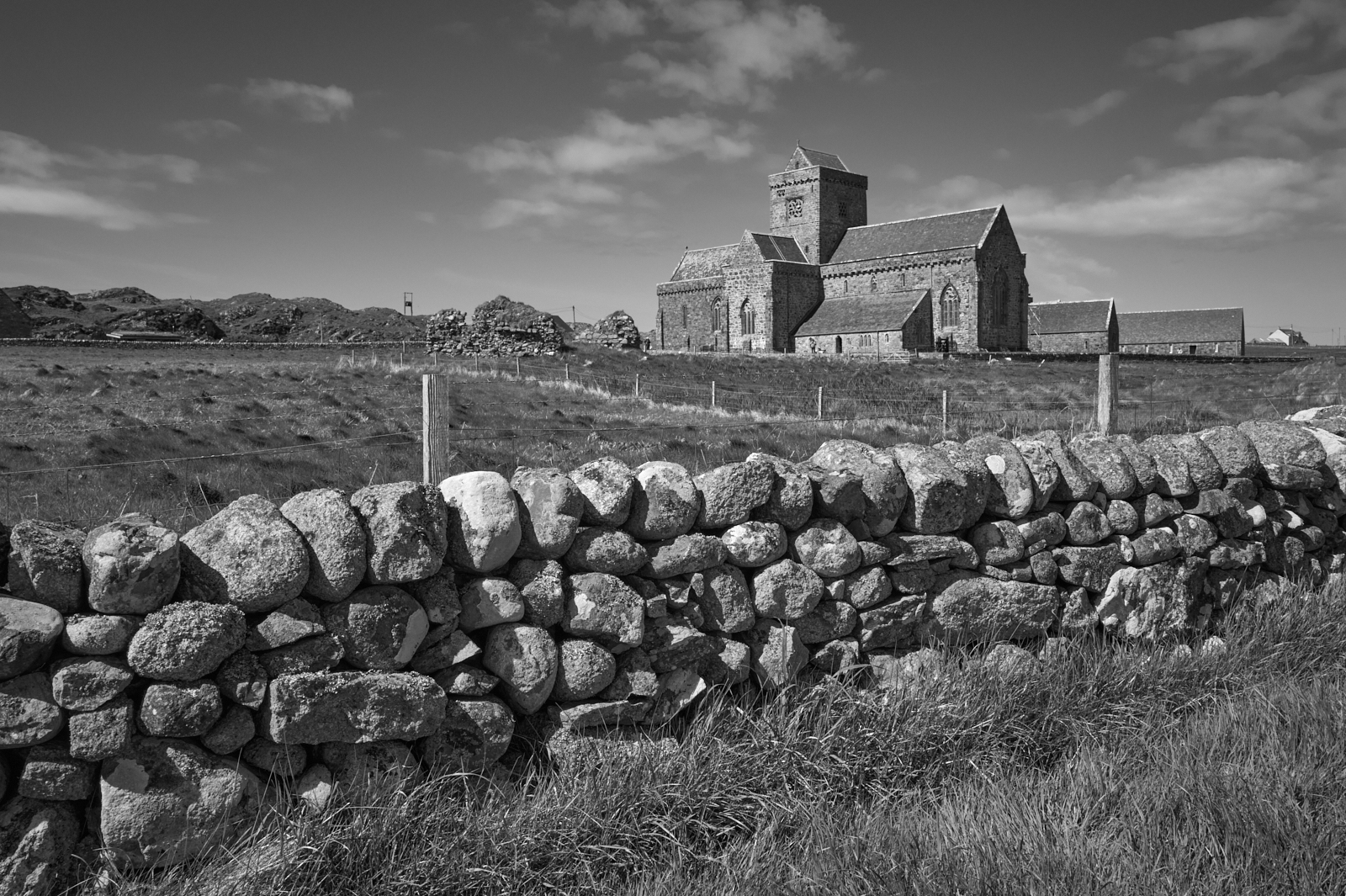
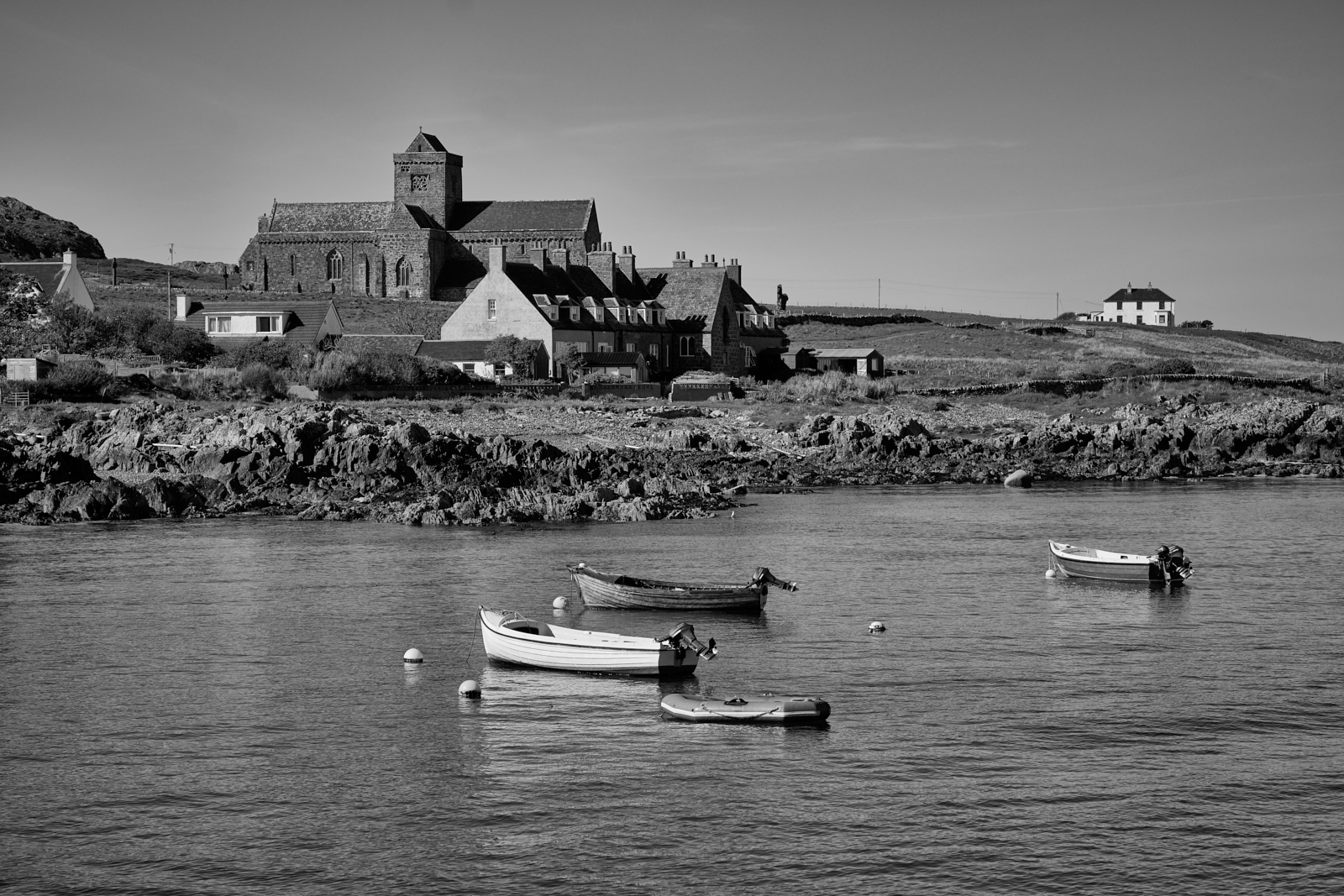
As you might imagine there is considerable history attached to the Island and in particular to the Abbey. Too much in fact for me to describe in any detail here, suffice to say that the Sacred Isle became the hub for early Christianity as missionaries spread the word across northern Britain. The original celtic monastery founded by St Columba no longer exists and the current Abbey dates from the 13th Century, although monastic life ended in 1560 with the protestant reformation and the building was left derelict. Restoration only took place in the early part of the 20th Century before final completion in 1965.
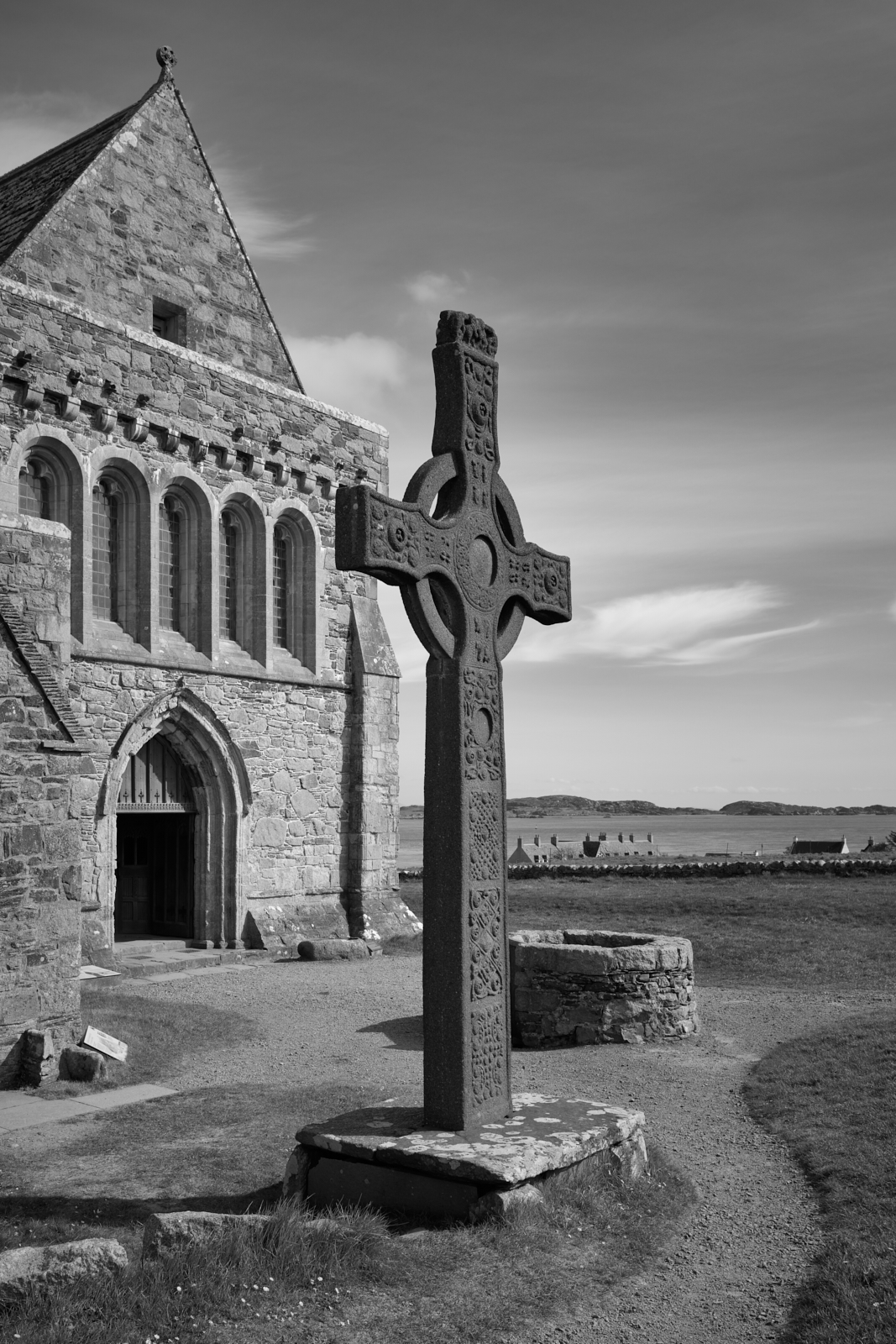
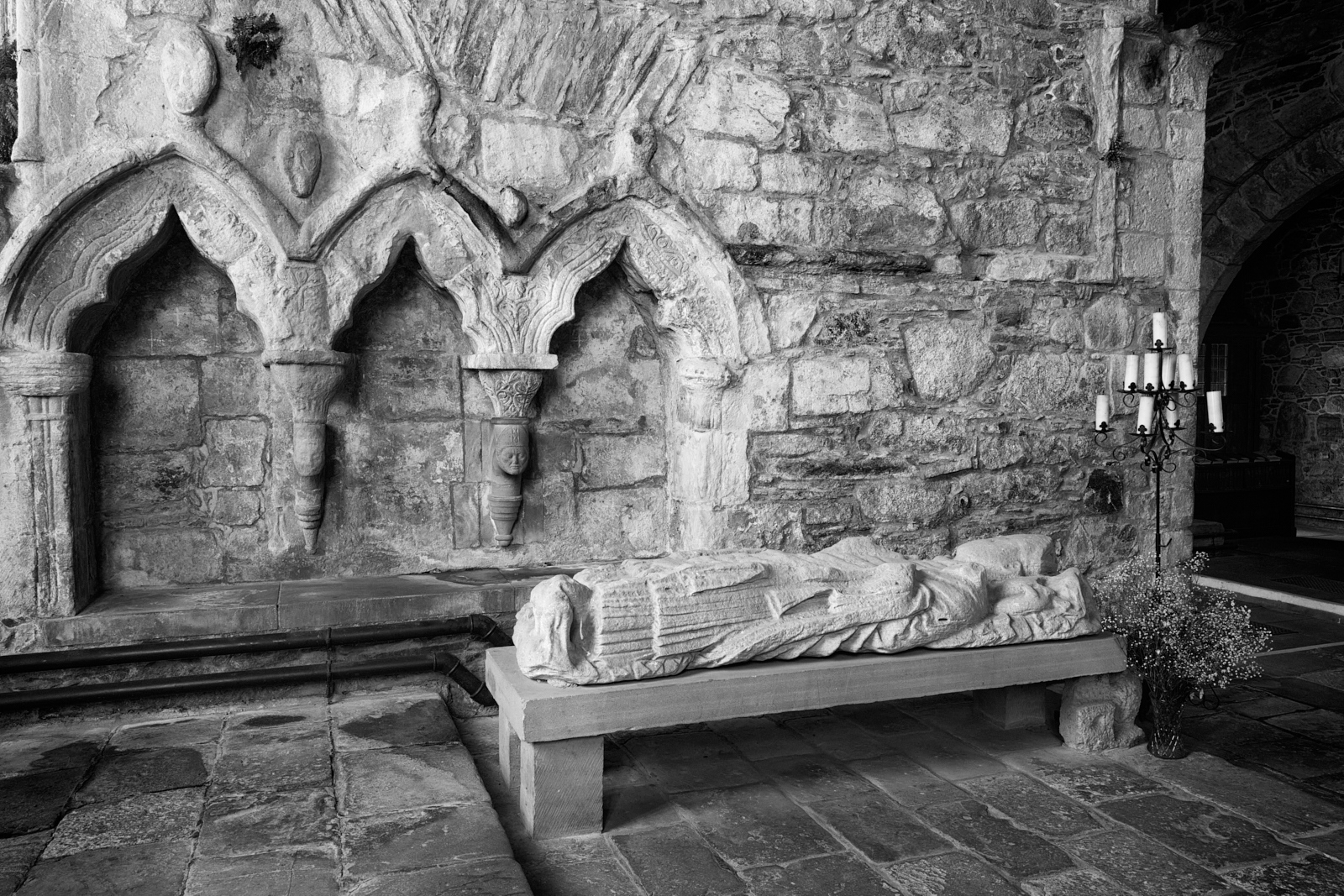
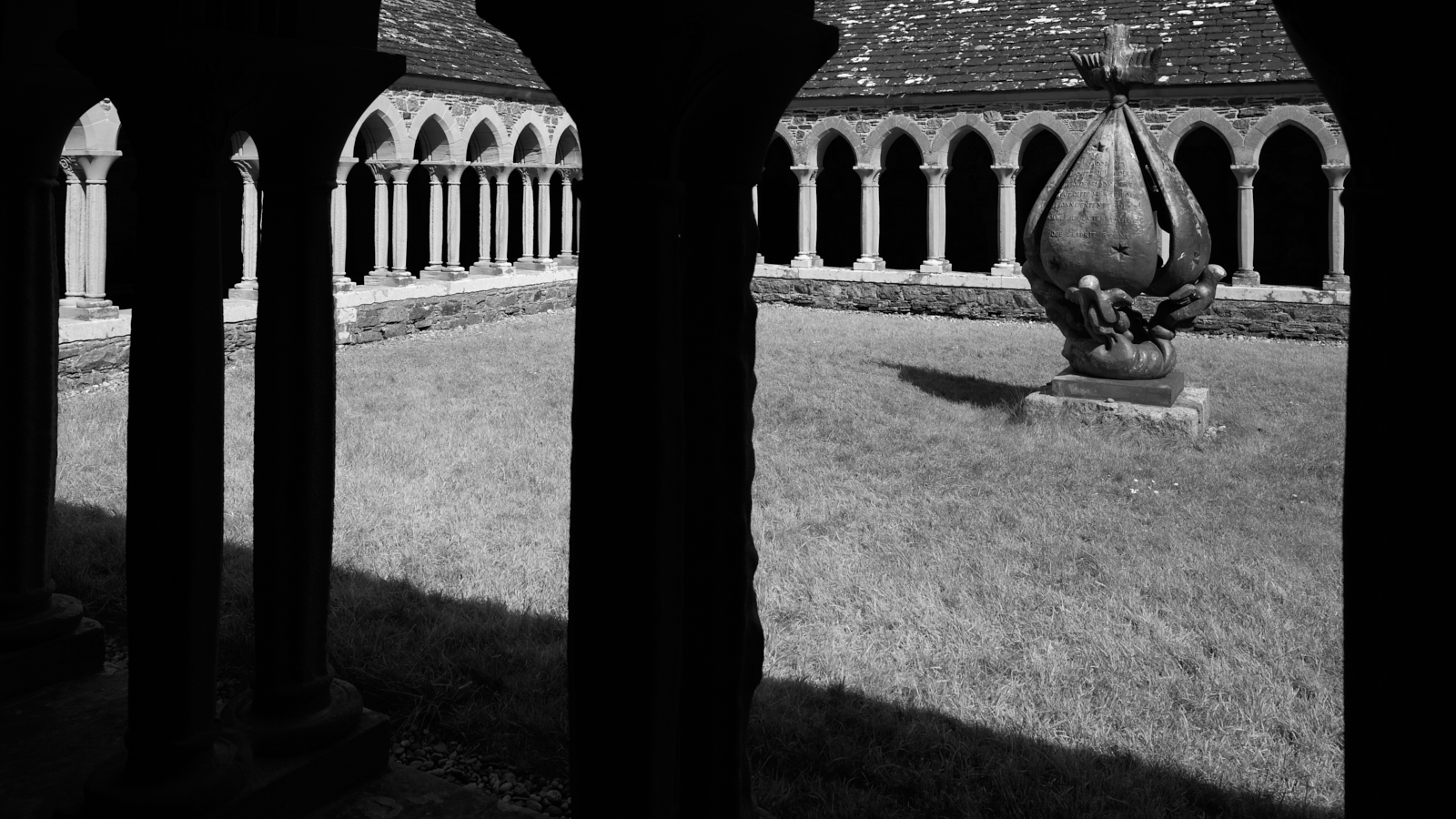
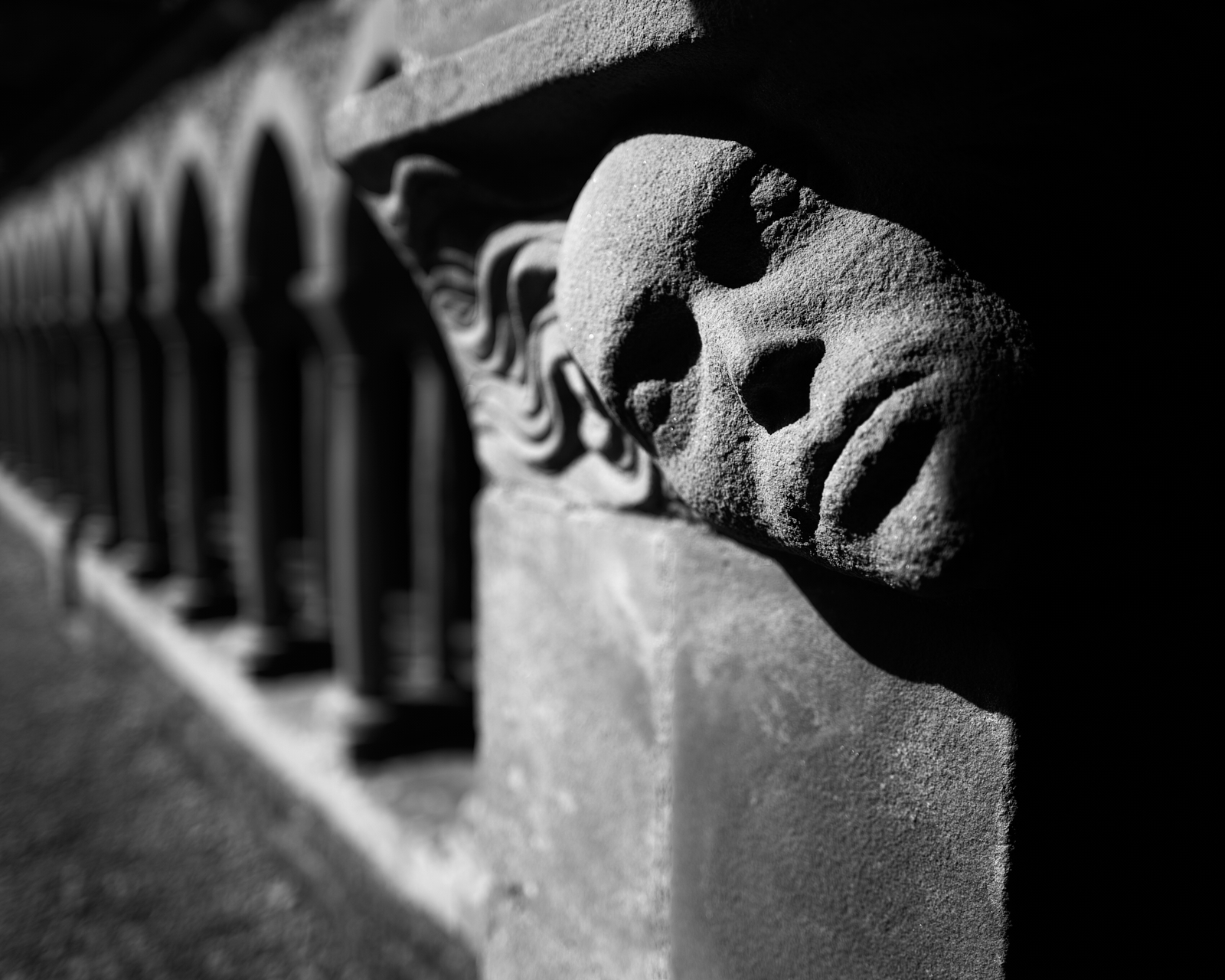
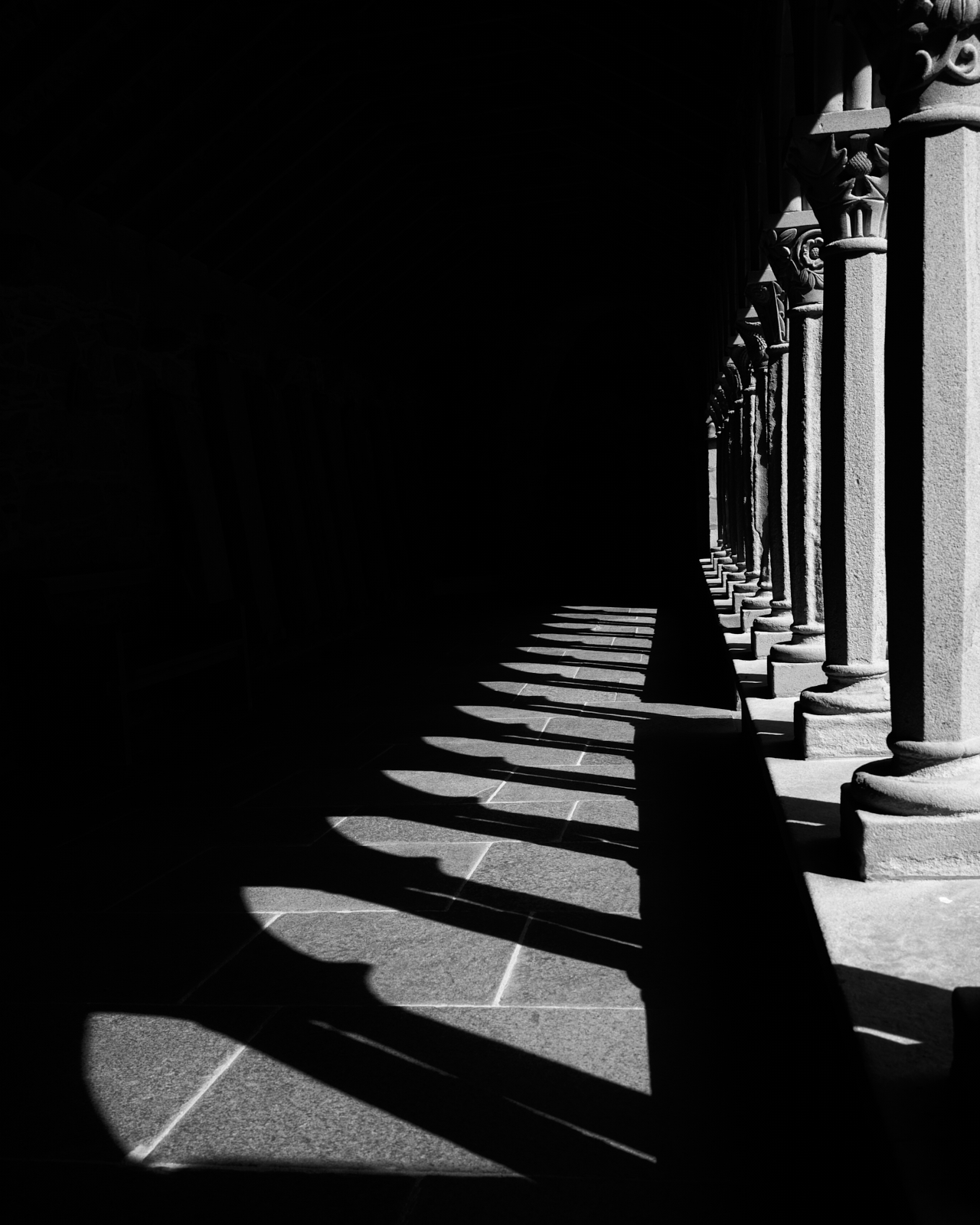
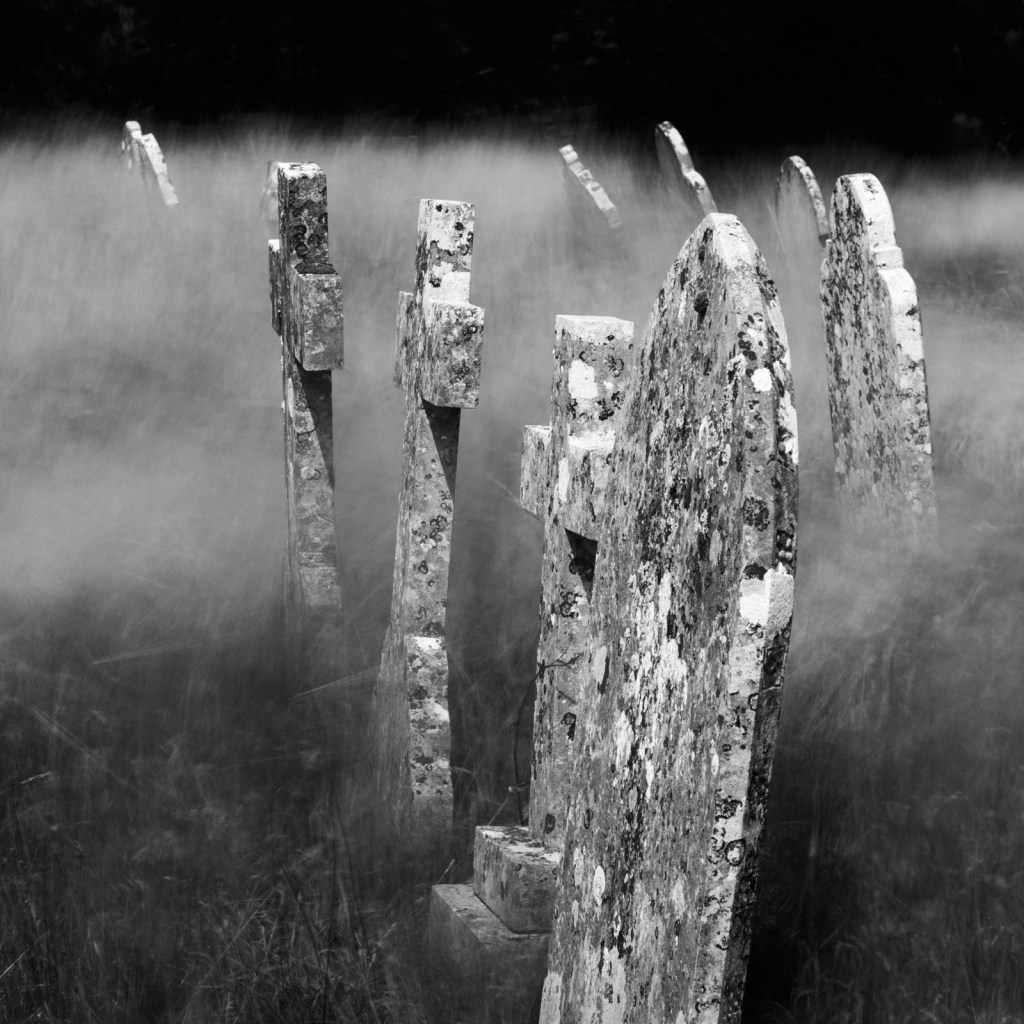
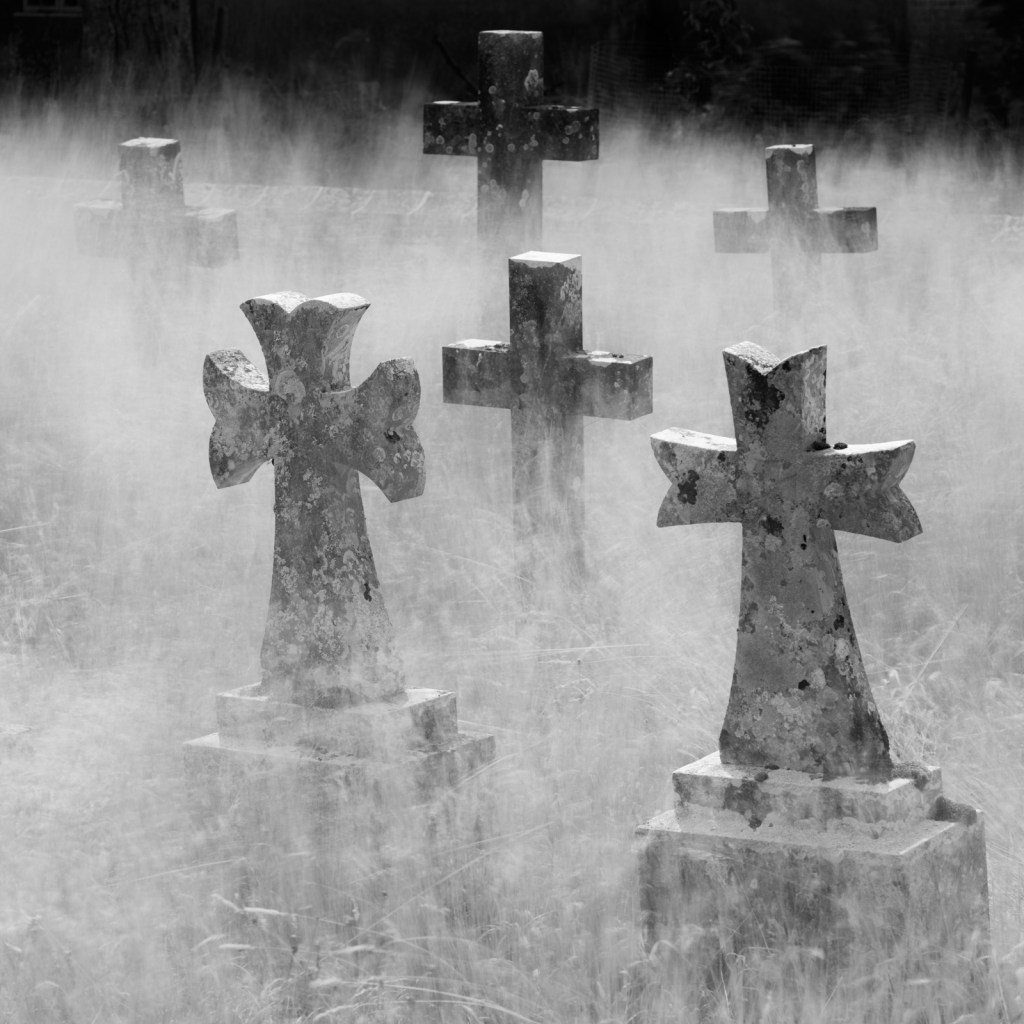
During the Dark Ages Iona was the subject of many raids by the Vikings, mainly in the 9th Century and the graveyard of St Oran’s Chapel was used as the final resting place for many local clan chieftains and ‘Kings of the Isles’. During this period the island also became a leading artistic and scholarly centre, known for its carved stone crosses and illuminated manuscripts which included the famous Book of Kells.
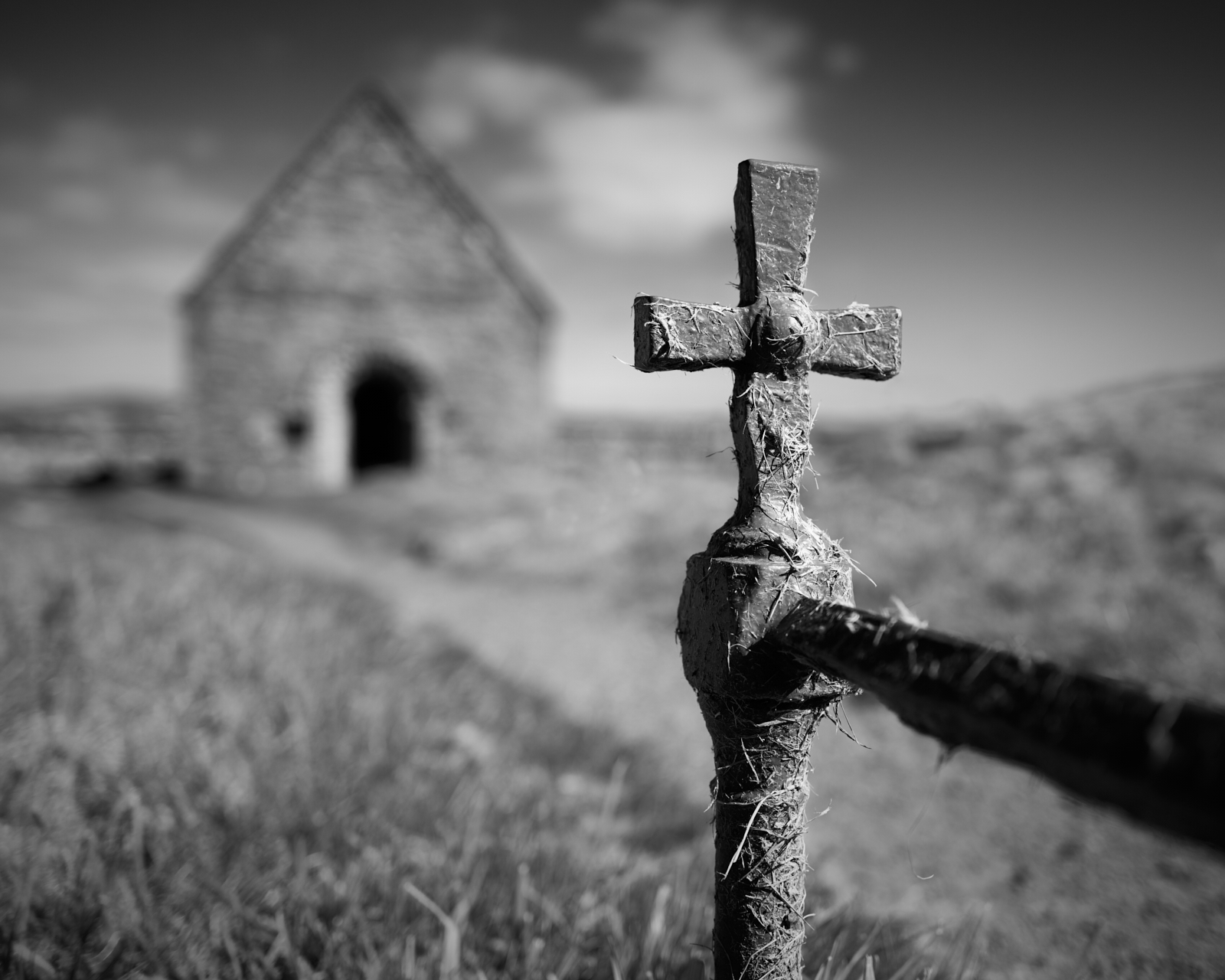
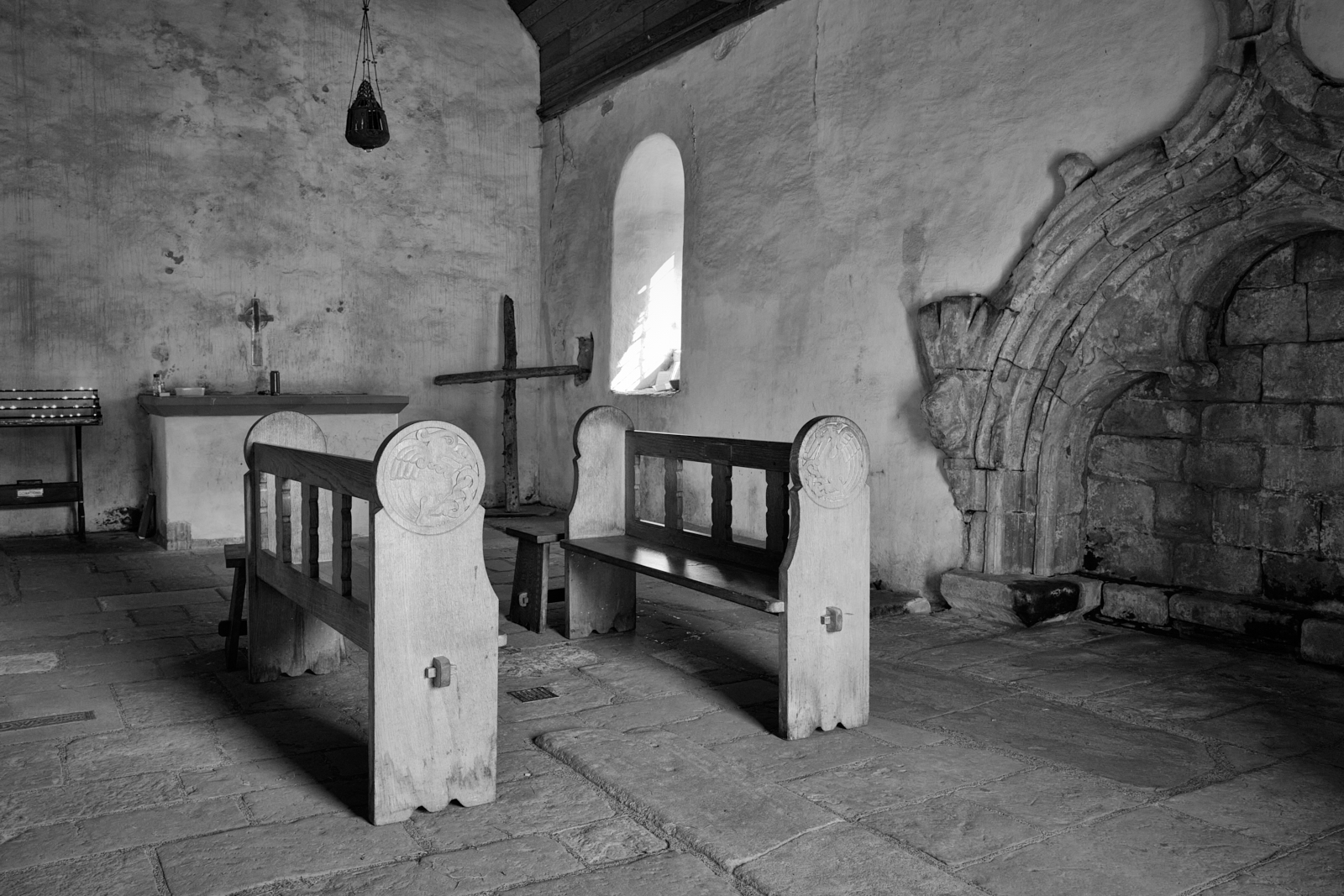
This is Part One of three posts about the Isles of Mull and Iona.
Parts Two and Three can be read here
The Isles of Mull and Iona – Part two ….. Capturing the spirit of place




 alan frost photography