Posts tagged ‘Fujifilm’

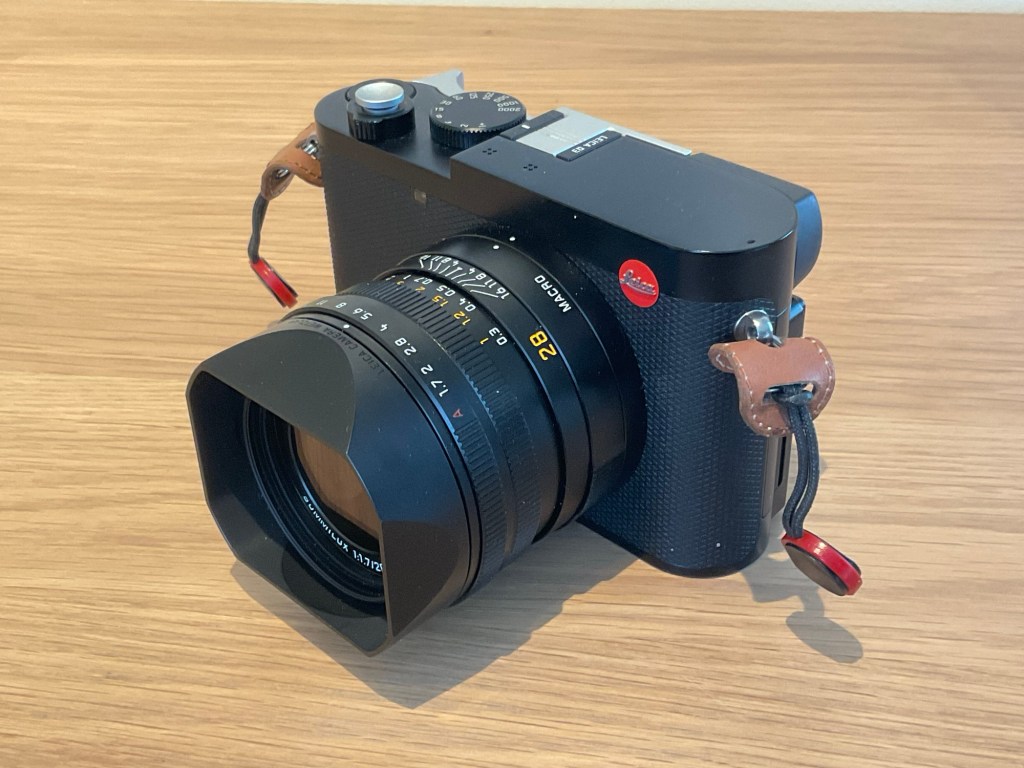
Photographic workflow – Part 2 ….. Image Capture ….. and why I chose to buy a Leica Q3

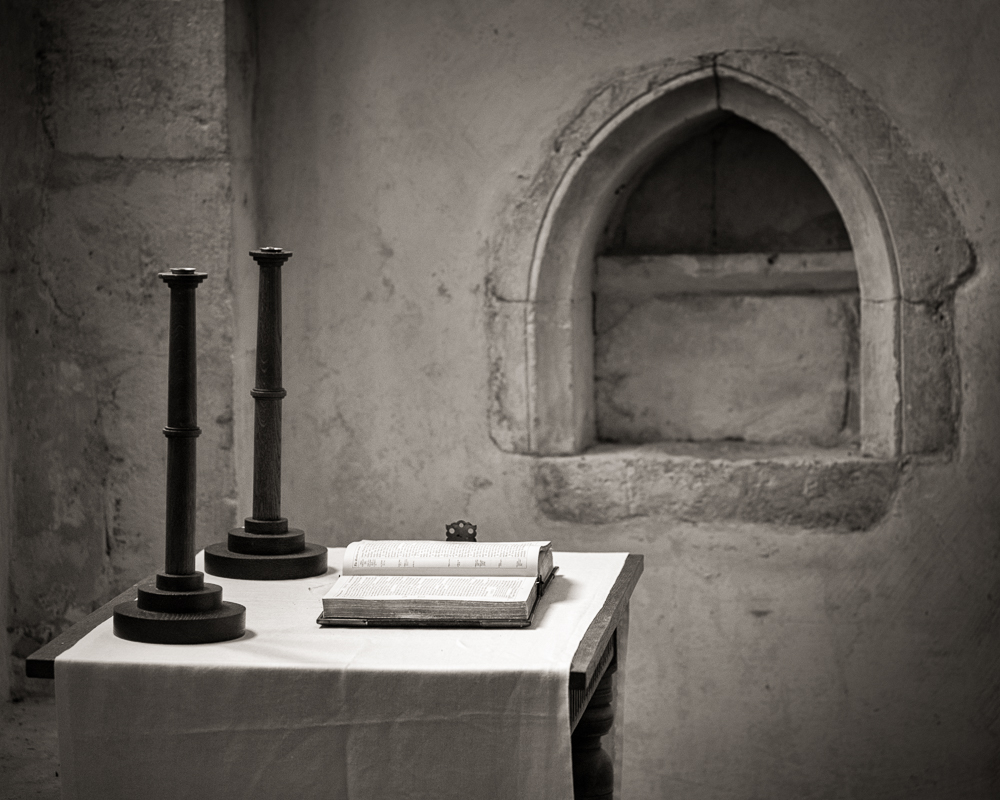
Former church of Holy Trinity at Turner’s Puddle – now redundant

I am sure that anyone reading this could write their own book about image capture, I know I could, so in this second entry which follows Part One – ‘Seeking Inspiration’, I shall briefly address my way of capturing a scene. This will not cover every aspect of my way of working but is more of an overview of the key methods I adopt before releasing the shutter. It might also help explain why I recently decided to buy a Leica Q3.

Principally I will be referring to my landscape photography as other genres – church interiors for example – require a different approach which I might cover at a later date.
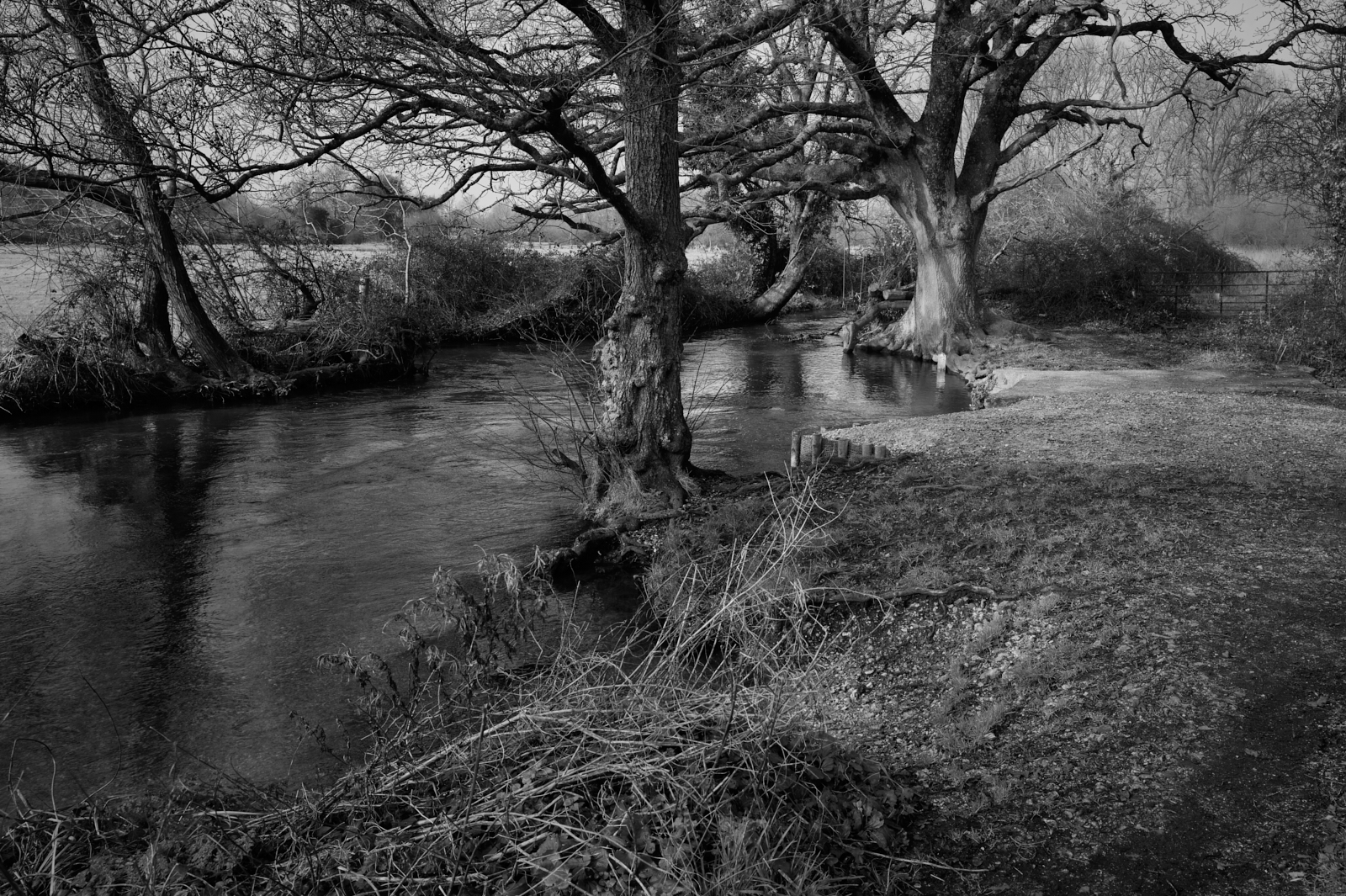
The River Piddle near Throop

First and foremost I consider myself to be quite a spontaneous photographer. Although I will go out specifically with the intention of making images I don’t often plan to capture a particular view or arrive at a location when the light will be at its most favourable. I would far rather wander around the countryside and respond to a scene, the light or a particular composition which appeals to me and draws my eye. Nor do I get up to be out before the dawn or stay out until well past the blue hour. I am a daytime photographer – which suits my lifestyle and the images I am trying to make. In summary I like to document the rural nature of the places close to my home.

Call me impatient but I won’t stay in one place for very long. In other words I won’t wait for the sun to move round or for clouds to shift in the sky. If the conditions aren’t right then I’ll simply move along and look forward to finding another scene to photograph. I do sometimes criticise myself for not slowing down but it’s how I am and it’s why I like to travel light. Always having a camera with me allows me to capture an image which might be missed.

For this reason I rarely use a tripod. In fact if I am out walking in the landscape it’s the last piece of equipment I will pack – I know it will not get used. I am not a lover of zoom lenses either. I much prefer using prime lenses but choosing which ones to take with me can be tricky. If I can choose only one lens then for years my default and arguably my favourite lens is the 50mm or ‘nifty fifty’, but it does have its limitations. So I then start to think do I need to pack something wider and or longer as well? The added weight plus the inconvenience of repeatedly changing lenses can be frustrating – but perhaps I am just being lazy!
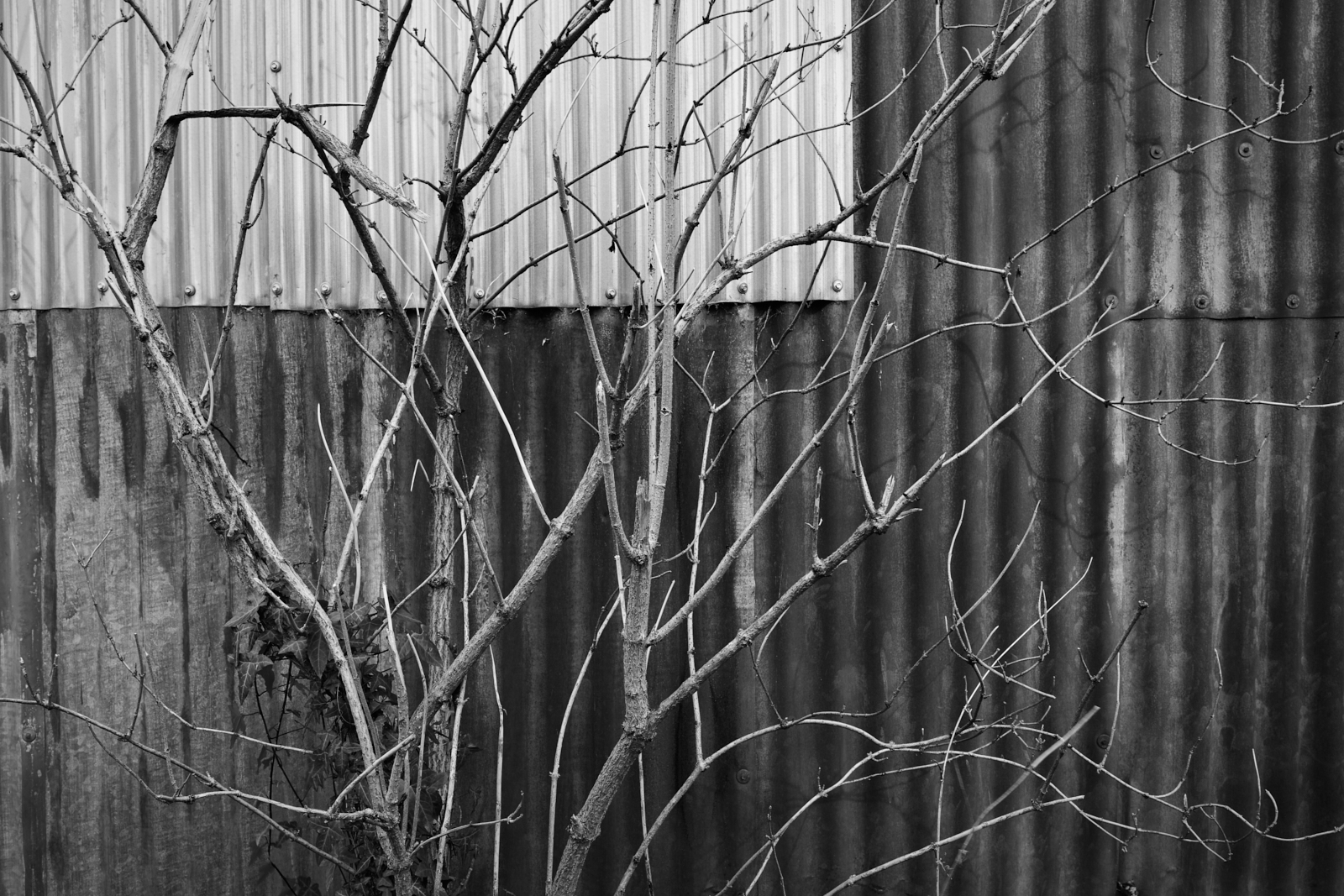
Barn detail

Ever since 2012 when I purchased a second hand Leica Monochrom, I have largely remained loyal to the Leica brand albeit with a more recent foray into the world of Fujifilm with the purchase of a Fujifilm XT3 and Fujifilm X100v. As much as I liked these excellent cameras they have never replaced my love of Leica and in particular their wonderful prime lenses, which I really enjoy shooting wide open for creative effect. Until a few weeks ago my camera of choice was the Leica SL2S.

If you are interested you might like to read these two posts –

Switching from Leica to Fujifilm …… well not exactly

From Leica to Fujifilm and now back to Leica …. Why?

So why Leica and what camera settings do I use? I like to remain in complete control of the exposure and focus. It’s not that I don’t trust being on auto this or auto that, but I would rather take a little more time to adjust the shutter speed, aperture and ISO myself as well as focusing manually. I appreciate that almost any camera will allow me to do this, but the Leica SL2S makes it so easy for me. Perhaps its my familiarity with the camera controls coupled with a degree of muscle memory.

Leica SL2S and 50mm prime lens

The manual focus only prime lenses are a joy to use. They have a dedicated aperture ring and a depth of field scale on the lens. The manual focus ring is not fly by wire and a quarter turn will take the focus from infinity to the closest distance. It’s mechanical and beautifully tactile and it just works. The Leica camera menu is intuitive, straightforward and far from complicated. Sorry Fuji but I have never got my head round all your menu settings.
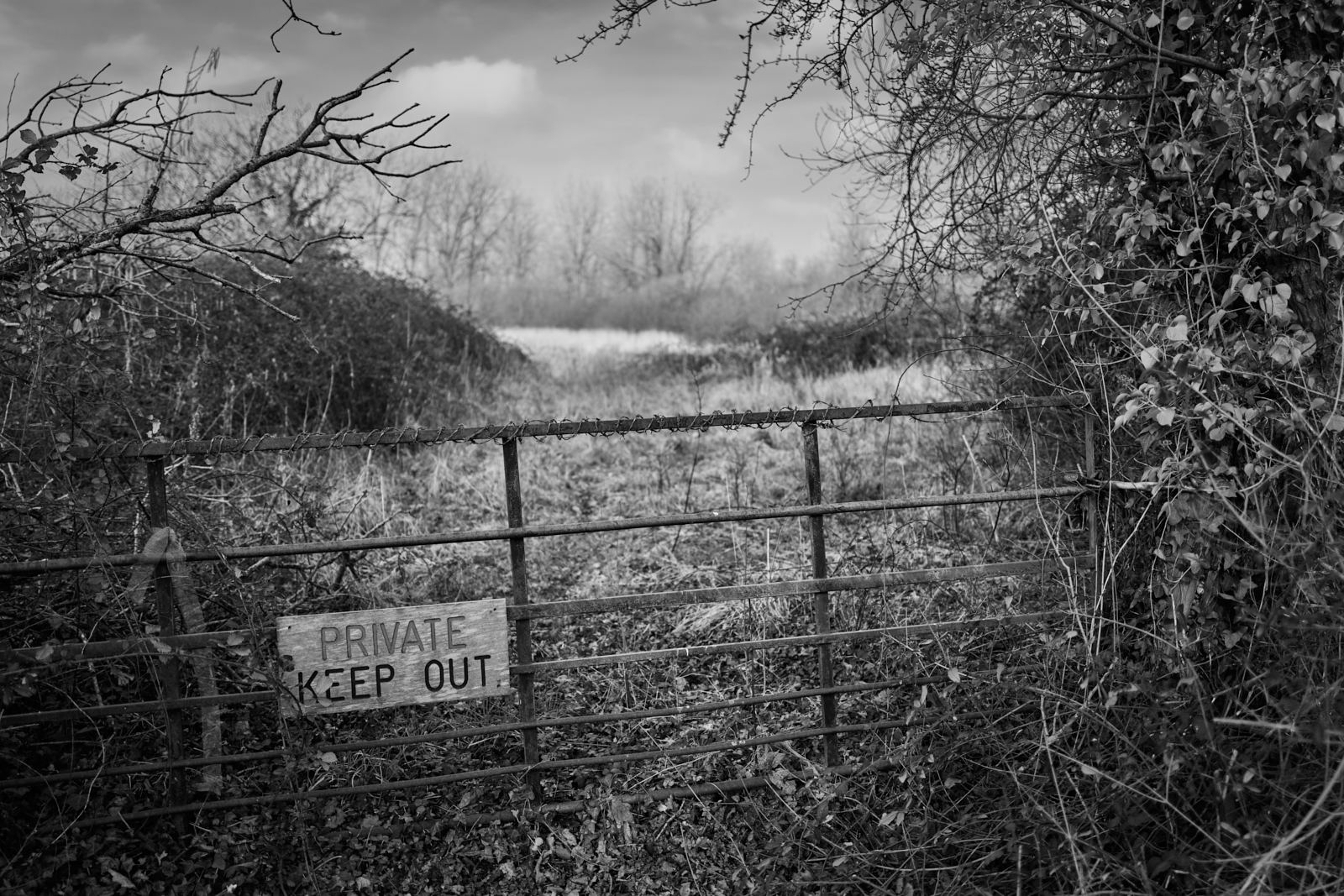
Private Keep Out

I mentioned earlier that I rarely ever use a tripod. Weight and inconvenience aside I like to compose a shot with complete freedom. Raising or lowering the camera at will, moving my feet to the left or right, or getting closer or further away from the subject to get the view I want. I check my settings, focus and press the shutter. I often shoot wide open so I am usually working with a high shutter speed so camera shake is never really an issue. The SL2S has in-body image stabilisation so shutter speed is rarely an issue to achieve a sharp image. If I do want to shoot in a semi-automatic mode then I will usually choose aperture priority, adjusting the speed or ISO to suit. Controlling the depth of field and the main point of focus is a priority once I have dialled in the exposure. I’ll use the digital zoom to double check my focus if necessary. I can use ‘focus peaking’ but the viewfinder is so sharp and clear I don’t find it’s required.

Filters and do I use them? I have a collection of filters, a polarizor, neutral density and graduated filters (hard and soft) all of which I will very occasionally use but I treat them rather as I do the tripod. They can get in the way of spontaneity. Once again if I slowed down and took more time over capturing each image then I think they would get more use. They definitely have their place in photography but not always in my camera bag. This is true only because modern sensors can now capture a broad dynamic range and the hybrid mechanical/electronic shutter negate the need for ND filters, even when shooting in bright conditions with a fast aperture.

As I am a monochrome worker I will always have the screen set to give me a black and white preview of the picture I am taking so that I can an idea of tones etc. I have to give credit to Fuji with all their in-built film styles, including many excellent options for monochrome, but I shoot RAW and will always process the image and never use the JPEG straight out of camera. I’ll cover this aspect of my workflow in Part three. I always use the histogram to make sure the highlights aren’t blown. The level gauge and something called perspective control are also very helpful if you have converging verticals which you want to correct during processing.

Muddy track and barn

Explaining all of the above brings me onto my recent purchase of a Leica Q3….. the version with a fixed 28mm lens, not the recently announced Q3 43, which has a fixed 43mm lens. I mentioned earlier that I had a Fuji X100v which I bought back in 2020. A highly regarded camera, but I always found the 23mm (35mm in full frame terms) to never be quite wide enough when I didn’t want to use my 50mm lens. Whilst compact and lightweight I almost found it too small to be reassuring to use. The Leica SL2S is quite a hefty beast but being quite large and very solid is to me much more comfortable to use.

So I decided I might sell my X100v and did some research into the Q3 as a replacement. I soon found a number of nearly new examples for sale at a much lower price than brand new. It’s far from being cheap to buy, as with anything made by Leica, so any saving is worthwhile. I didn’t take very long to make up my mind.

I have to say the Q3 is not really that compact, the lens is bulky, particularly when compared to the X100v which will readily fit inside a coat pocket. However it shares most if not all the things I like about the SL2S and has some other benefits which are lacking on the SL. The camera controls are very similar, the lens just feels like any other M mount prime lens. It has a maximum aperture of f1.7 which even on a 28mm lens can give me a very shallow depth of field in certain situations. It also has a macro facility which is quickly enabled by turning another ring on the lens. Like all Leica lenses the quality and sharpness is outstanding. Yes it’s larger and heavier than the X100v but to me it feels more like a scaled down version of the SL2S, so it instantly felt comfortable in the hand. Having made the switch I did add a thumb grip, soft release and I will probably add a hand grip as well, all of which I had on the Fuji.

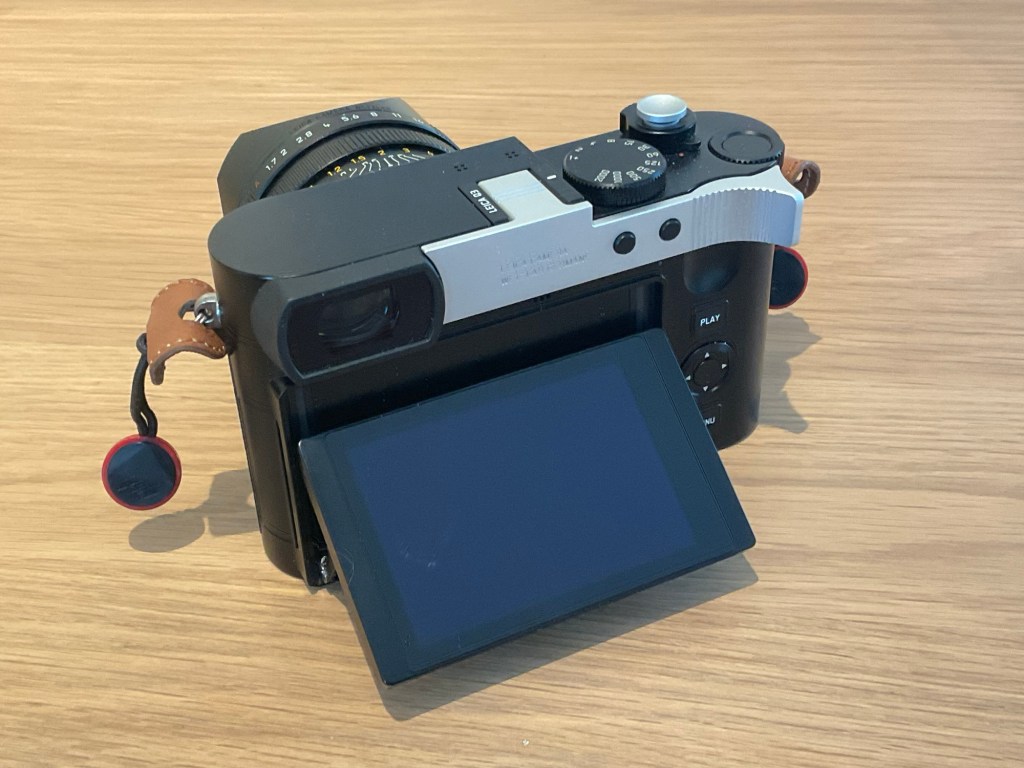
Various images of my newly acquired Leica Q3

The menu system on the Q3 is very similar to the SL2S, so I can switch between cameras without having to think too much about what I am doing. Just like the X100v it has an articulated screen, which is something I miss on the SL. It has in-body image stabilisation, is weather proof and for the few weeks I have owned the camera it is already proving to be a delight to use.

I am greatly enjoying the challenge of using a 28mm lens as opposed to the 50mm. It’s opening up new creative compositions. Finally I should mention the 60mp sensor which is quite superb and offers the following crop modes of 35mm, 50mm, 75mm and 90mm. Even at 50mm it’s providing me with a 18.9mp file – The Leica SL2S has a 24mp sensor by way of comparison and I have never been disappointed with the images it captures. In fact I have always considered 24mp to be something of a sweet-spot. Turning the clock back my Leica M Monochrom had a 18mp sensor, so for convenience when I only want to carry one camera I feel very at ease using the crop mode on the Q3.

So in conclusion I hope this has given you an insight into my approach to image capture when I’m out in the landscape. My purchase of the Leica Q3 is a great companion for the SL2S. I can take it anywhere and given time may get more use than the SL and the ‘nifty fifty’.

All of the monochrome images in this entry were captured with the Q3, as indeed were the images in the first post in this series. They were all captured during a single walk not far from my home.

From Leica to Fujifilm and now back to Leica …. Why?

A couple of years ago I published a post titled ‘Switching from Leica to Fujifilm….well not exactly’. In summary I explained how I had decided to move away from a Leica camera body in favour of Fujifilm, albeit that I retained three Leica M lenses, so that I could continue to use them with a lens adapter on Fujifilm X series cameras. I won’t repeat the content of that post here, but do click on the link above if you would like to understand the background before reading the rest of this entry.

Fujifilm XT3 with 10-24mm wide angle zoom lens

Back to the current day. Why have I reverted back to Leica? What prompted me to do so and what equipment do I now use? I hope my answers to these questions will be of interest to you and may even assist you when you are choosing your own photographic gear.

When I invested in a Fujifilm XT3, I had anticipated that I would be able to enjoy the best of all worlds. I bought some zoom lenses to cover a wide range of focal lengths (10 – 24mm f4, 16 – 80mm f4 and 55 – 200mm f3.5 to f4.8). The Fuji has an APSC cropped sensor, so this gave me the equivalent range of 15mm to 300mm based on a 35mm full frame sensor. It would cover every eventually or so I thought. I still had my Leica M glass of course (35mm f1.4, 50mm f1.4 and 90mm f2.4) which on the XT3 gave me three fast prime lenses with focal lengths of approximately 52mm, 75mm and 135mm (in 35mm terms). What more could I want? Well for starters a very large camera bag and a strong back if I was to carry all of this gear around at the same time, however this was only the beginning of my deliberations.

Knowing I couldn’t practically or physically take everything on a photo outing I had to make certain decisions at home. Zoom lenses, or just the primes, or a combination and if so which ones? The answer would always come back to what I was hoping to see and potentially photograph. Sometimes I would have a good idea which made the selection process easier, but on other occasions the choice was less straightforward.

When I did choose the prime lenses I soon discovered the drawbacks. Firstly I didn’t own a wide angle M lens. I had traded in a Zeiss 18mm M lens in favour of the Fuji 10 – 24. Even if I had kept it the 18mm would only be the equivalent of a 27mm field of view with the crop sensor. Secondly none of the Fuji zoom lenses were that fast for low light conditions nor would they give me a shallow depth of field. Don’t get me wrong they are excellent lenses but like any zoom lens they have their limitations as to how they can used. Thirdly the shallow depth of field on a crop sensor does not behave in the the same way as it would on a full frame sensor. I had also grown accustomed to taking advantage of the depth of field scale on the M lenses. I have always enjoyed manual focusing, they give me a sense of complete control and if I wanted to resort to setting the aperture and lens to cover a certain focal range I could do so very easily and I would rely upon the result. This was no longer true when paired with the XT3 crop sensor. Some of the magic had gone from using the superlative M lenses.

50mm lens showing the depth of field scale.

By now you can probably begin to sense my growing frustration. The final nail in the coffin came when I began considering the true nature of my photography. What are my favoured genres and subjects. More importantly what images am I trying to make? Were these aspects of my photography hindered by my camera equipment and if so what changes were desirable?

The more I thought about this the natural conclusion soon became clear. The answer was of course a resounding yes, I was being held back. I was no longer able to make the images I really wanted. Take for example my church photography. To evoke the feelings I am after in a photograph I often use the lens wide open at say f1.4 to give me a shallow depth of field or soft background. The effect can be quite subtle as in the picture below, but it’s there and an important element of the image as far as I am concerned. Shooting wide open not only gives me the ‘look’ I want but it also allows me the freedom to work hand held without having to ramp up the ISO. I don’t have to rely on a tripod, which can be cumbersome and awkward in the confines of a small church.

North Stoke Church, West Sussex

My other love is the great outdoors whether that be a landscape, old farm buildings or a dramatic scene but I am not one to favour the type of picture captured by an extreme wide angle lens, nor a long telephoto lens for that matter.

The picture below was a spontaneous capture of an atmospheric scene which soon passed as the wind got up and the reflections in the water disappeared.

Isle of Lewis, Outer Hebrides

In summary then, if your camera equipment is hampering your style and you are no longer truly enjoying using the equipment you have, then it may be time to ask yourself a number of questions – What should I do about it? What can I change to improve both process and outcome? Above all what images do I want to make? Affordability will of course be a consideration and I recognise I am fortunate when it comes to setting a budget.

Leica SL2-S with 50mm F1.4 Summilux lens
(I put black tape over the Leica badge – it’s more discreet)

As I said earlier I have now reverted back to Leica as my main camera of choice but which model? Towards the end of last year I purchased a Leica SL2-S along with another Leica M Lens – the Super Elmar 21mm f3.4. I had previously owned the original SL Type 601, but the SL2-S is an altogether better camera not least because it now has in body image stabilisation. It is faster in use and whilst the sensor is still only 24mp (a sweet spot as far as am concerned), noise control at high ISOs is excellent. In some ways I regret parting with the first SL, but I have learnt from the experience. When compared to the Fuji XT3 I prefer the way the SL2-S handles. It fits my hands perfectly. The customisation of the function buttons gives me easy access to make quick changes when necessary and the menu in my opinion is less complicated to use than on the Fuji. Oh and I mustn’t forget to mention the superb EVF which makes manual focusing an absolute breeze. Combined with the Leica M glass the resultant DNG image files are excellent and are very good to post process. All in all it is a joy to use.

From left to right 21mm, 35mm, 50mm and 90mm.

In conclusion my ‘go to’ equipment is now the Leica SL2-S camera body paired with the 21mm, 35mm, 50mm and 90mm primes. I guess I am a purist at heart and trying to mix a Fuji camera body with Leica glass was never going to work, well not for me anyway. I truly love prime lenses and the artistic choices they give me, not to mention the joy I experience every time I use them. They suit my style of photography, they are like old friends. When I tried to change the relationship I had with them they reacted accordingly!

Not only has my passion returned for the equipment I possess, but I no longer have to use a large camera bag. The beauty of the M lenses is their compact size. Yes they are quite heavy (as is the camera itself) but I can easily carry the camera and a lens (normally the nifty fifty) with one or more of the other three lenses and a few accessories in a shoulder bag. On longer walks I will still use a camera back pack, but I now have more room for refreshments, extra clothing etc. It works well and most definitely suits my needs. I don’t have tricky decisions to make concerning which lenses to take out with me.

I accept that with this setup I don’t have access to an extreme wide angle or the reach of a long telephoto but as I have already explained my eye doesn’t see the world in that way. Changing lenses happens more frequently but that is no bad thing, it slows me down and makes me think more about compositional choices. Fortunately these four lenses all share the same filter thread – 46mm – which also makes my life easier when using filters etc.

The chances of me being able to make images that please me have improved and even if I don’t capture anything worthwhile then I will have enjoyed the process anyway.

In a nutshell isn’t that what being a photographer is all about?

A misty rural scene typical of the images I like to make in the countryside

Cornwall ….. in Squares

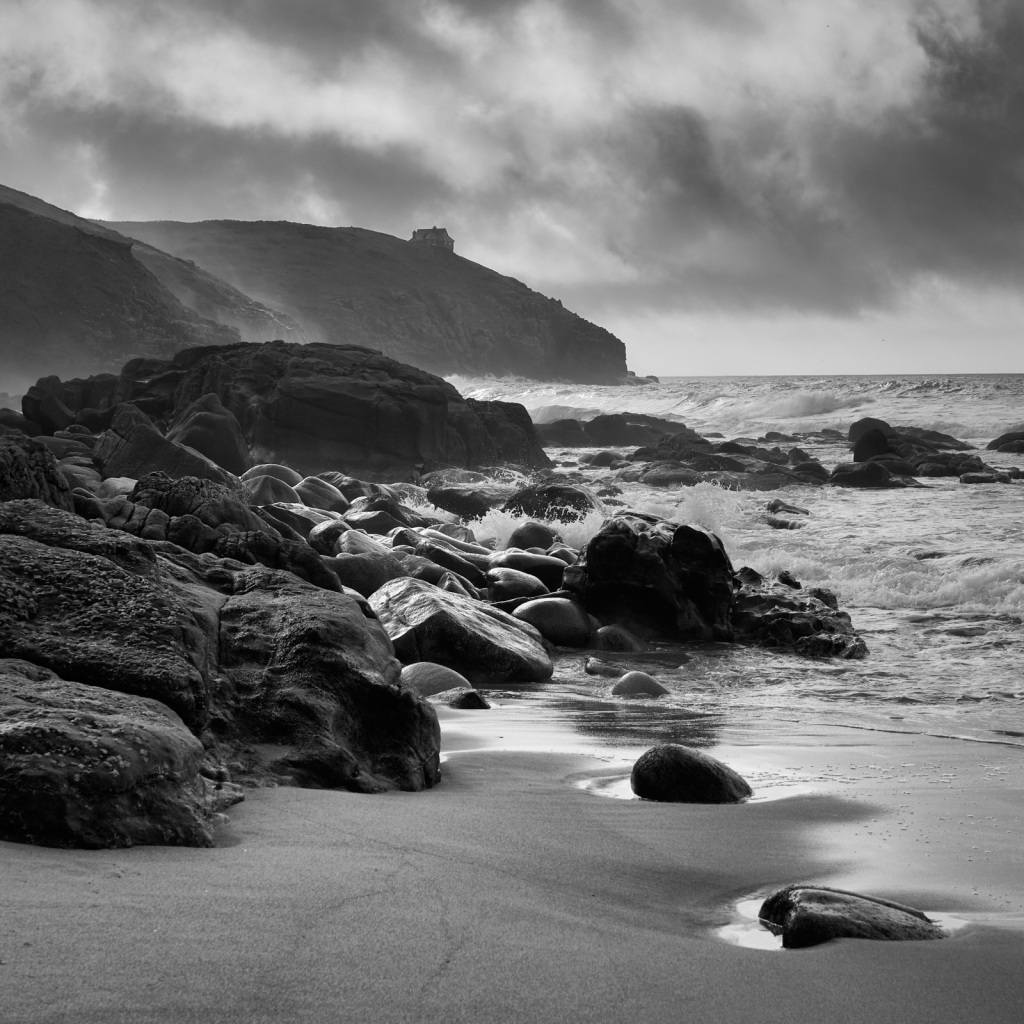
From Praa Sands looking east towards Rinsey Head

It’s many years since I last visited the far west tip of Cornwall, in fact it would have been long before my interest in photography was ignited, so a return to this area back in March was long overdue. Well known for its spectacular coastline, delightful and picturesque fishing villages, all enhanced of course by the wonderful light, which has been the draw of so many artists. It’s a special but very popular location.

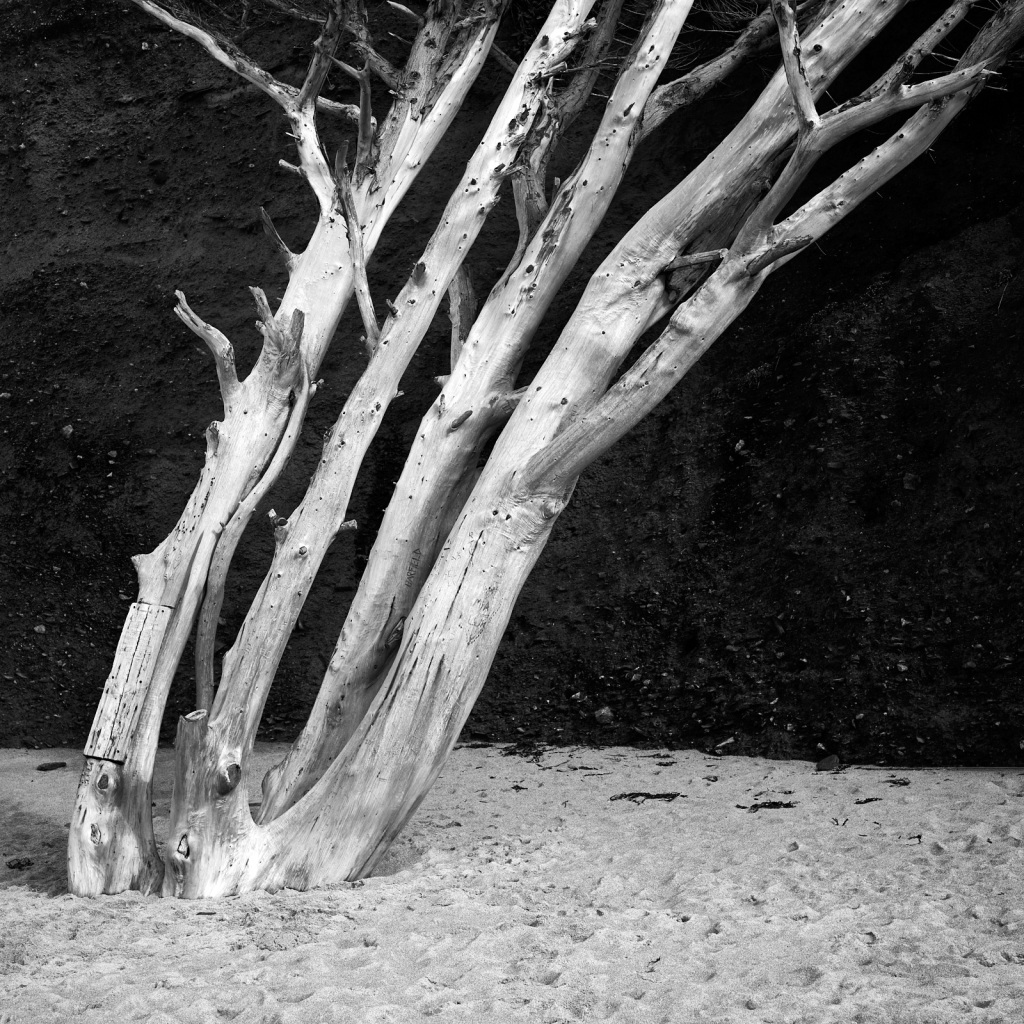
The remains of a dead tree at Praa Sands

If asked to choose my preferred aspect ratio, I would have to say 1:1, or a square crop, so for this entry, I have selected a number of square images, which I think work well as compositions.

Read more

Scotland – Part 2 ….. Ardnamurchan, sadly just passing through

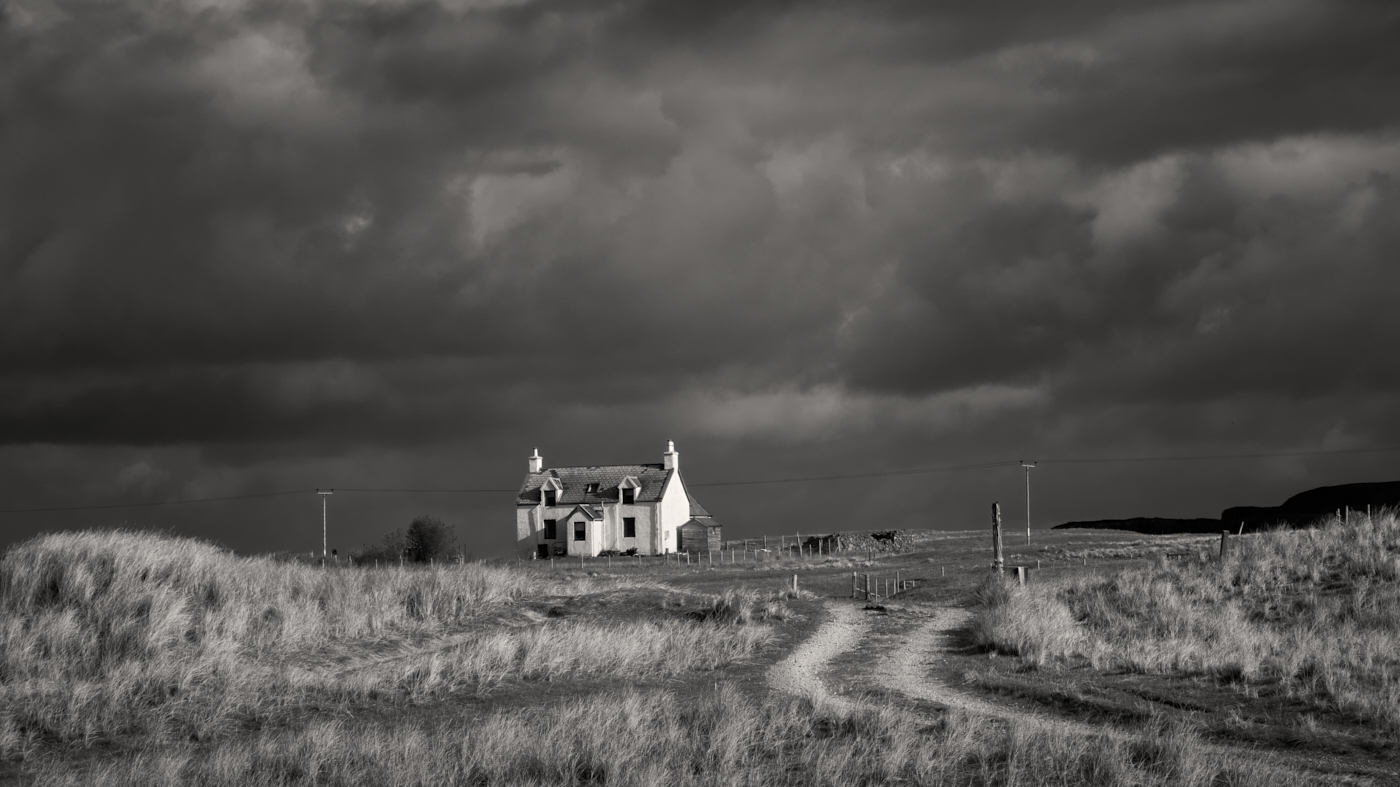
Before the rain – A lone house near Sanna Bay

After a week’s stay on the Isle of Mull we took the CalMac ferry from Tobermory to Kilchoan on the Ardnamurchan peninsular. Arguably one of the most remote peninsulas on the west coast of Scotland. On leaving Kilchoan and before driving to Morar, we decided to head north west and take a relativelyshort detour along a single track road to visit the lovely beaches of Sanna Bay. An absolutely stunning location. The lighthouse at Ardnamurchan Point was our next port of call, as we had to say we had been to the most westerly point of the British mainland.

Sadly we were only passing through Ardnamurchan and we only scratched the surface of this rather special area of Scotland.

The remote peninsular of Ardnamurchan, on the west coast of Scotland.
The view from the ferry looking east in the direction of Loch Sunart
The isolated and beautiful sands of Sanna Bay (above and below)
The most western telephone box on the British mainland near Sanna Bay
Ardnamurchan Point Lighthouse

In Part 3 of this short series on Scotland, I will be sharing some images taken during our stay at Morar, which lies to the south of Mallaig.

The highlight of this second week being the beautiful sands at Camusdarach, famous for being one of the principal locations used in the 1983 film ‘Local Hero’. To whet your appetite here is an image from that location.

The beautiful sands at Camusdarach, near Morar

Scotland….. it has been too long!

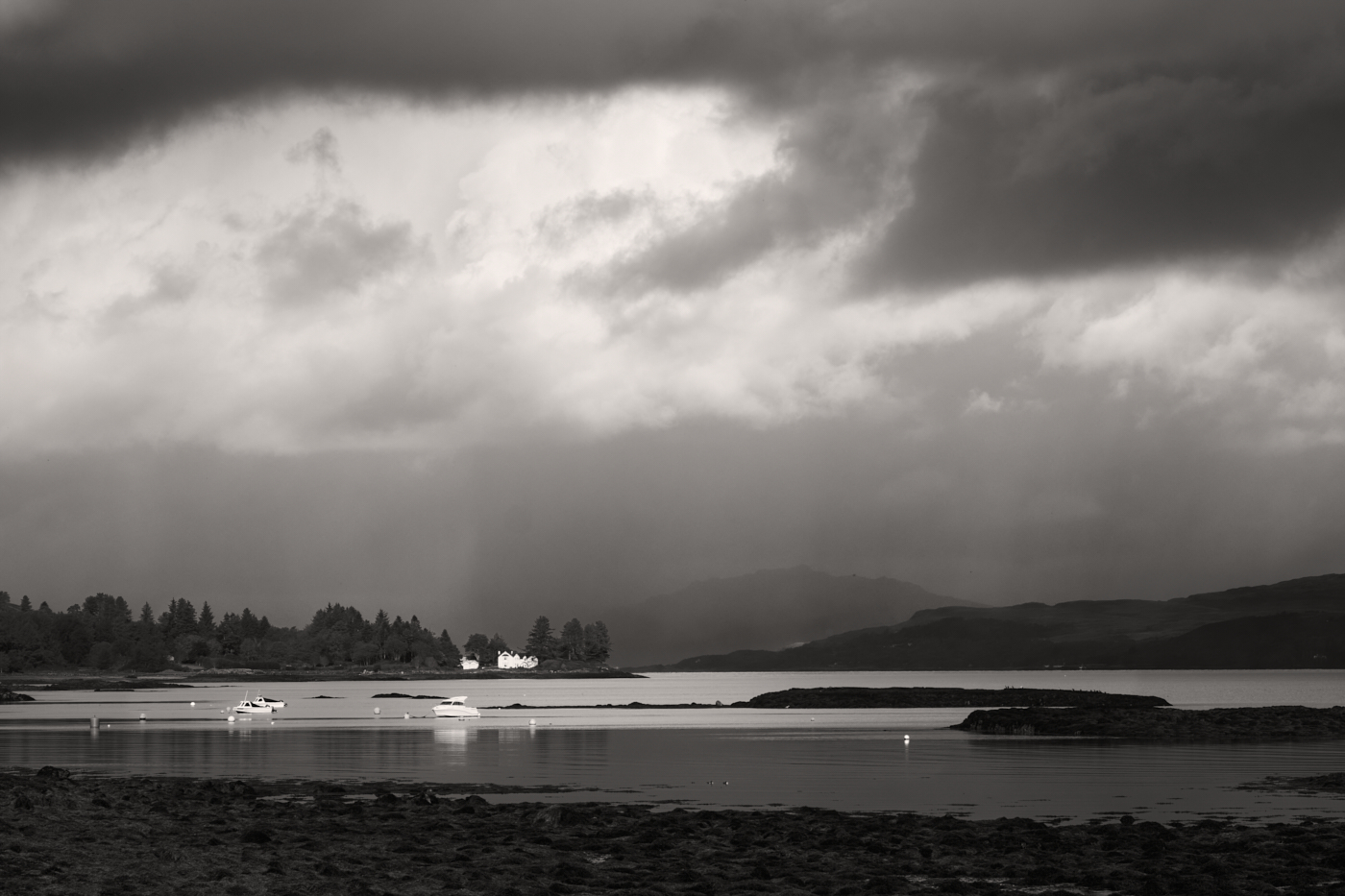
Morning light near Salen on the Isle of Mull

I am not alone when I say that the landscape and light in Scotland can be quite breath taking. My photographic eye cannot fail to be inspired by the scenery and the ever changing weather, whatever the season.

My wife and I last visited Scotland back in the spring of 2019. The Isles of Harris and Lewis was our chosen destination. Because of Covid, Lockdown restrictions and for other personal reasons we have not ventured very far since then, but back in October we finally threw our bags in the car and returned to the Isle of Mull. A favourite place for us to go and one of the islands that form part of the Inner Hebrides. We stayed in two locations on Mull and spent another week on the mainland at Morar which is just south of Mallaig.

It’s has taken a little while but at long last I been through and processed a selection of the many photographs I took during our three week stay, and I would now like to share some of my favourite images with you.

This will be the first of a number of posts from our trip to the west coast of Scotland. I shall include captions about some of the images and their locations etc, but essentially I would like the images themselves to tell the story.

First off …… the Isle of Mull.

Salen Pier
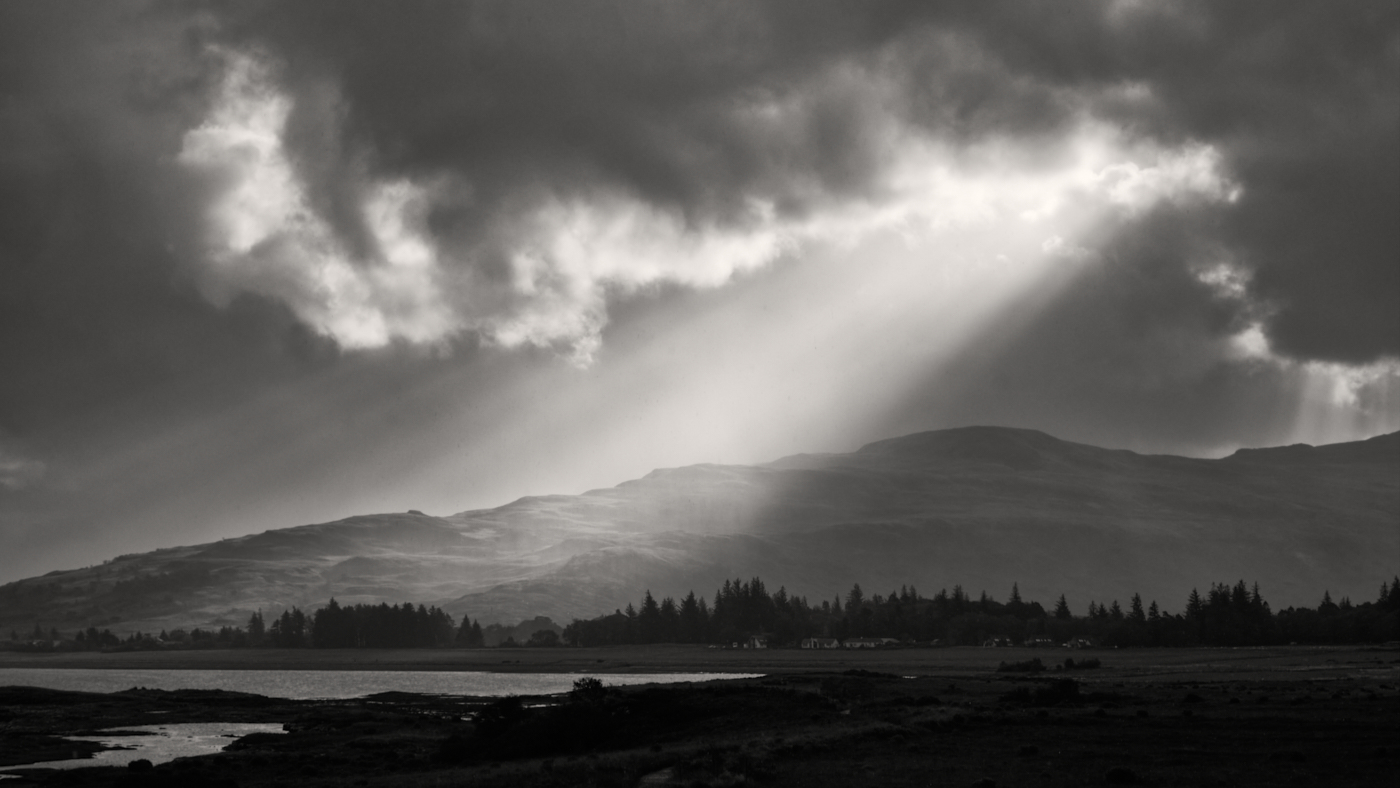
Looking south across Loch Na Keal towards Balnahard
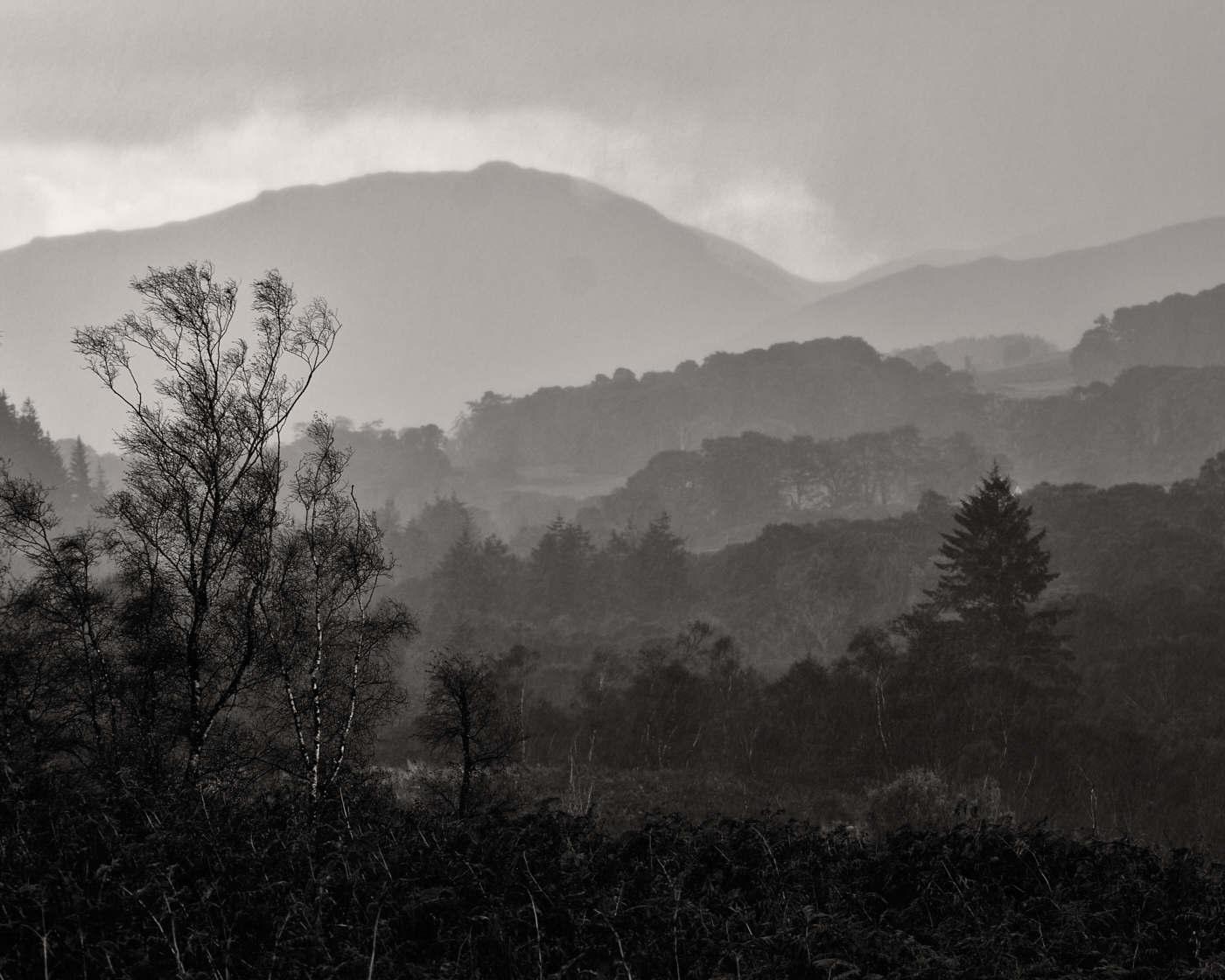
Glen Aros Layers
The White House of Aros to the north of Salen Bay
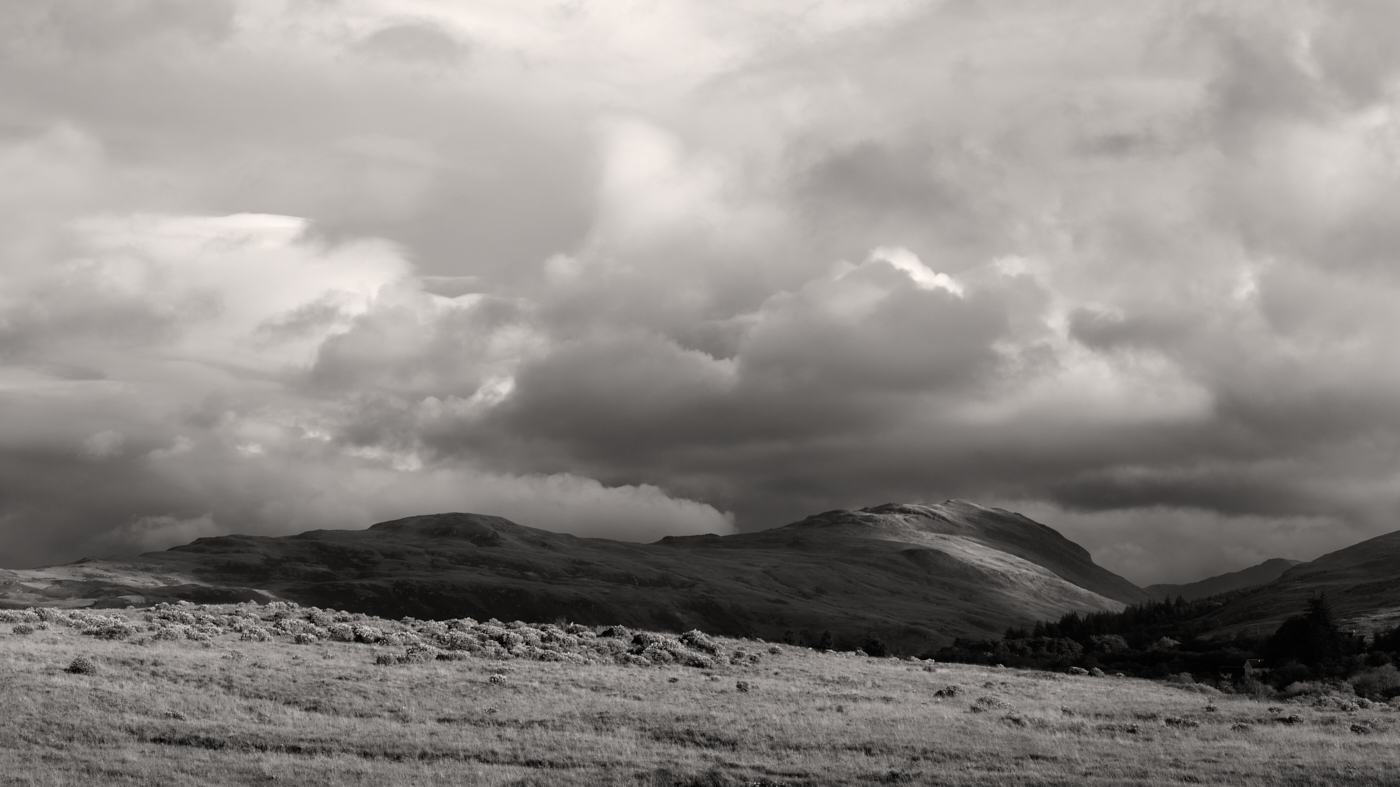
Hills near Salen
Rubha Nan Gall lighthouse (the name means ‘Stranger’s Point) by the Sound of Mull near Tobermory
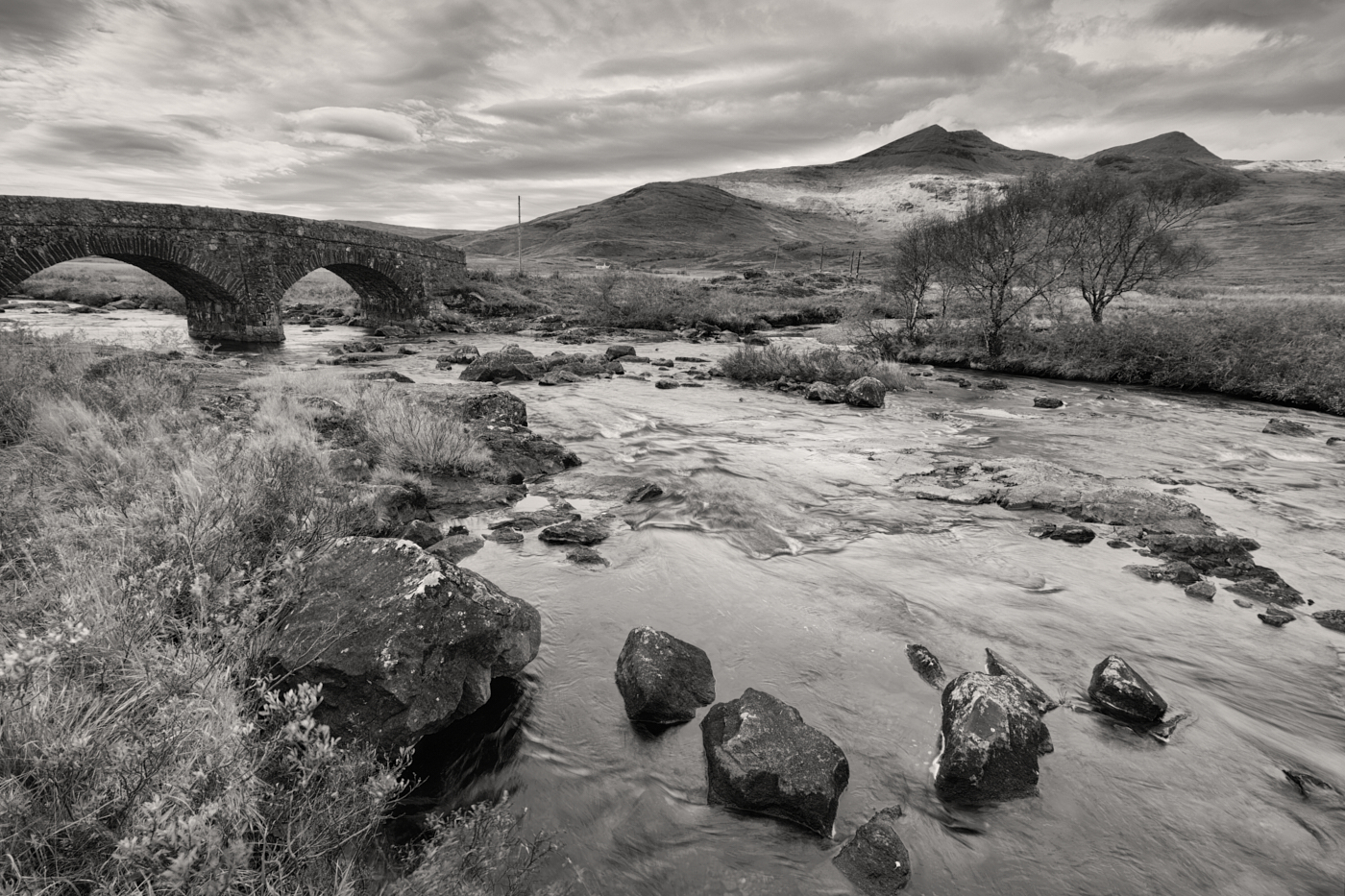
The old bridge which crosses the Coladoir River near to Loch Scridain
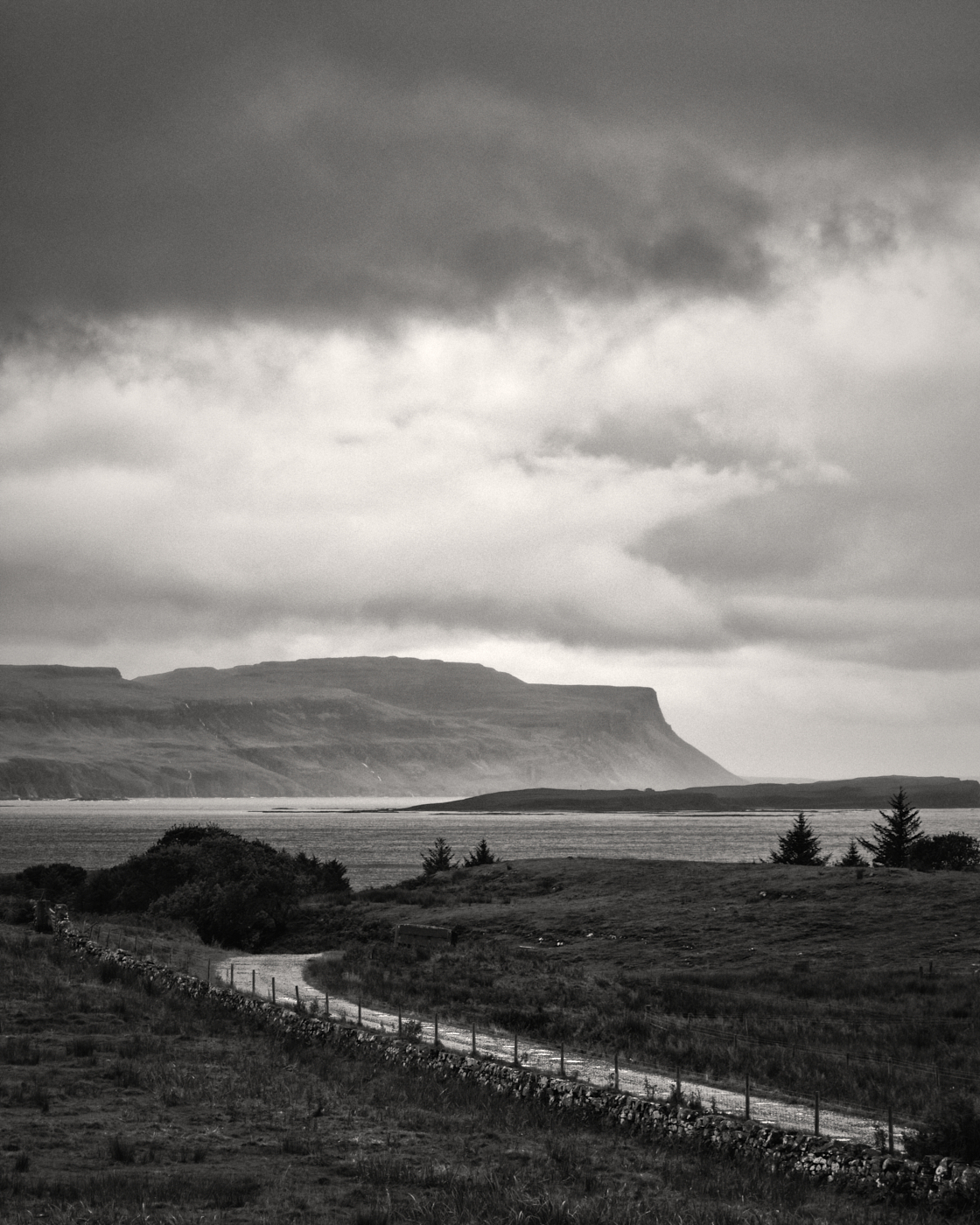
The view across Loch Tuath with Ben More in the distance
A lone tree on the bank of Loch Ba
On the ferry crossing from Tobermory to Kilchoan on the Ardnamurchan peninsular

I shall be posting more images from our Scotland trip in a few days time.