Posts tagged ‘Dorset’

Churches Project no. 15 – St Andrew, Winterborne Tomson, Dorset

Winterborne Tomson Church-2


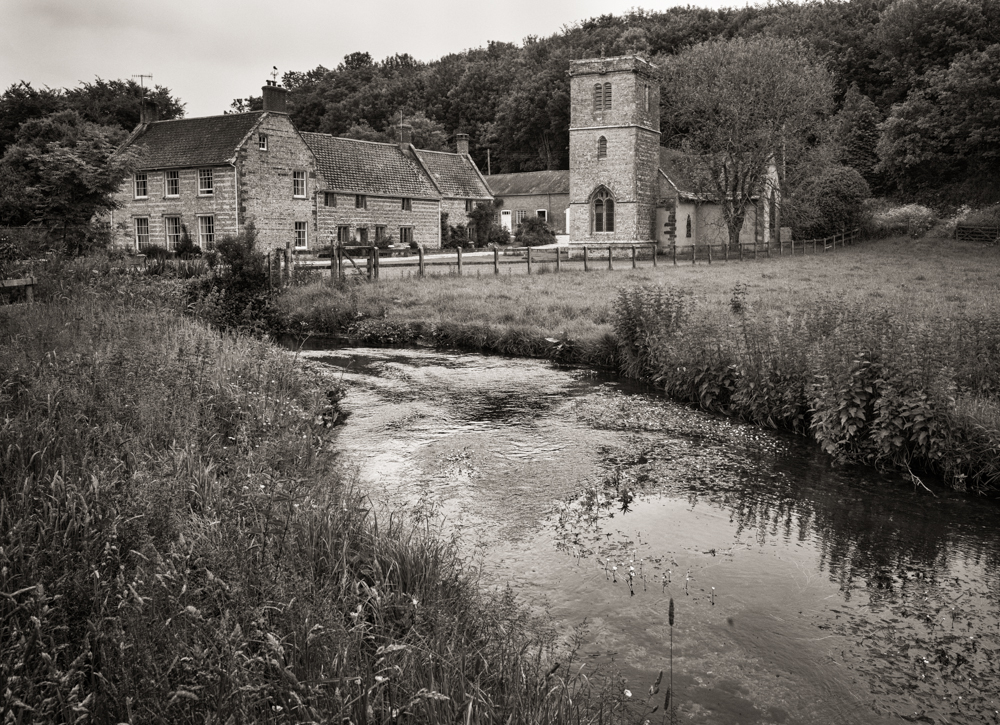
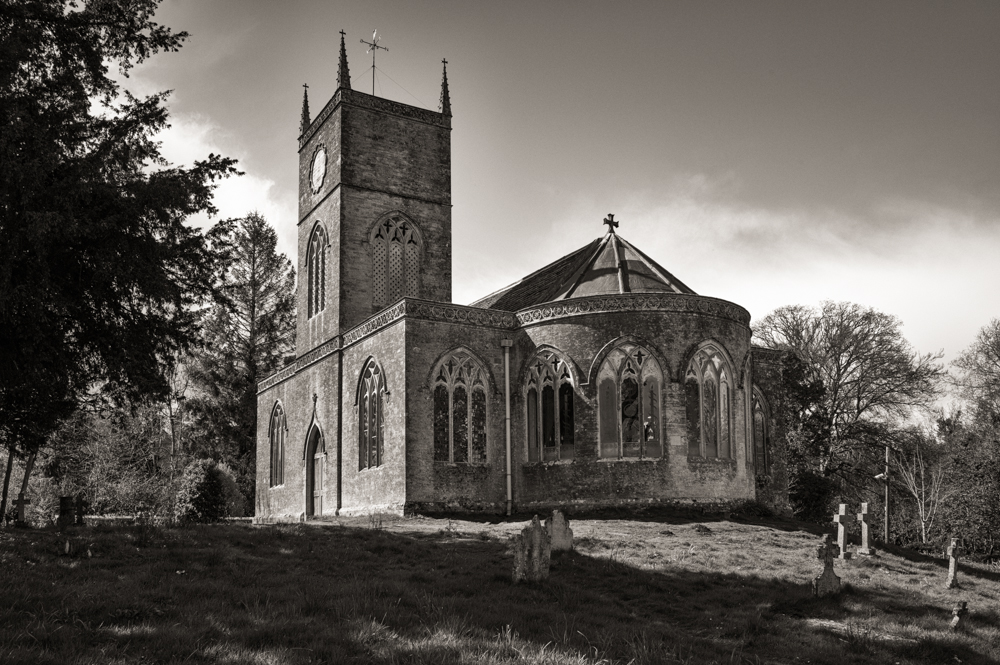
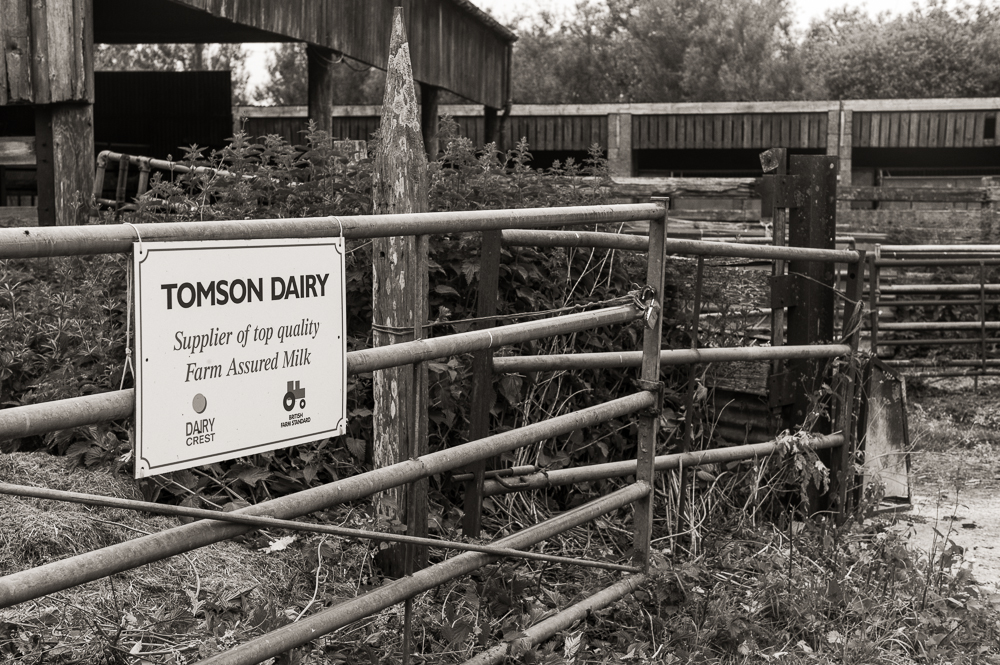
For such a small and simple church, there is so much to admire and enjoy here. For starters the very location of St Andrew in the tiny hamlet of Winterborne Tomson is a delight. Rural and unspoilt, the church backs onto a dairy farm and I like the way the farm building behind the church echoes the shape of the church itself. There is a manor house on the other side of the narrow road which leads down to the church plus a thatched cottage for neighbours.

 

Winterborne Tomson Church-3


Winterborne Tomson Church-4


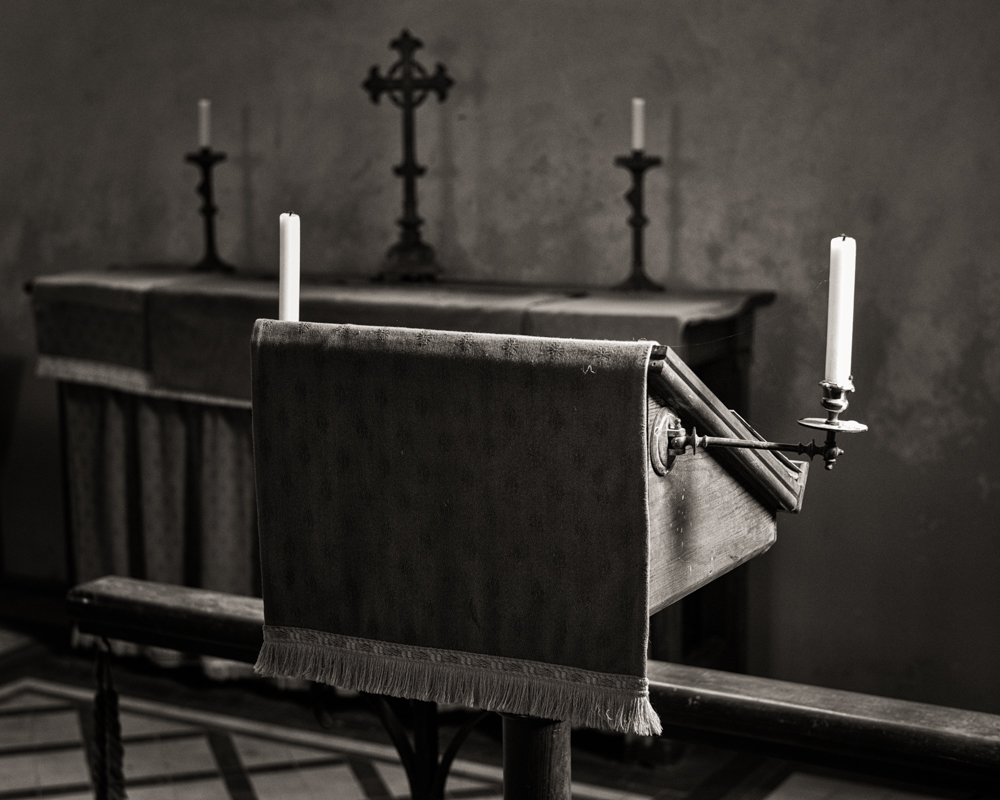
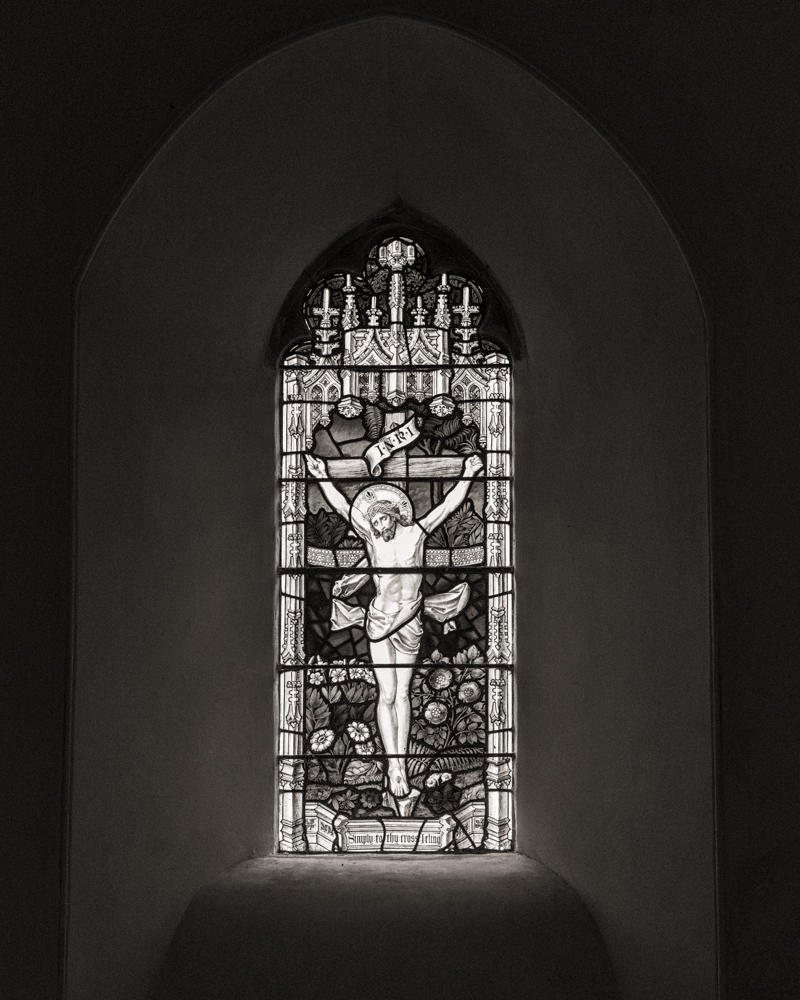
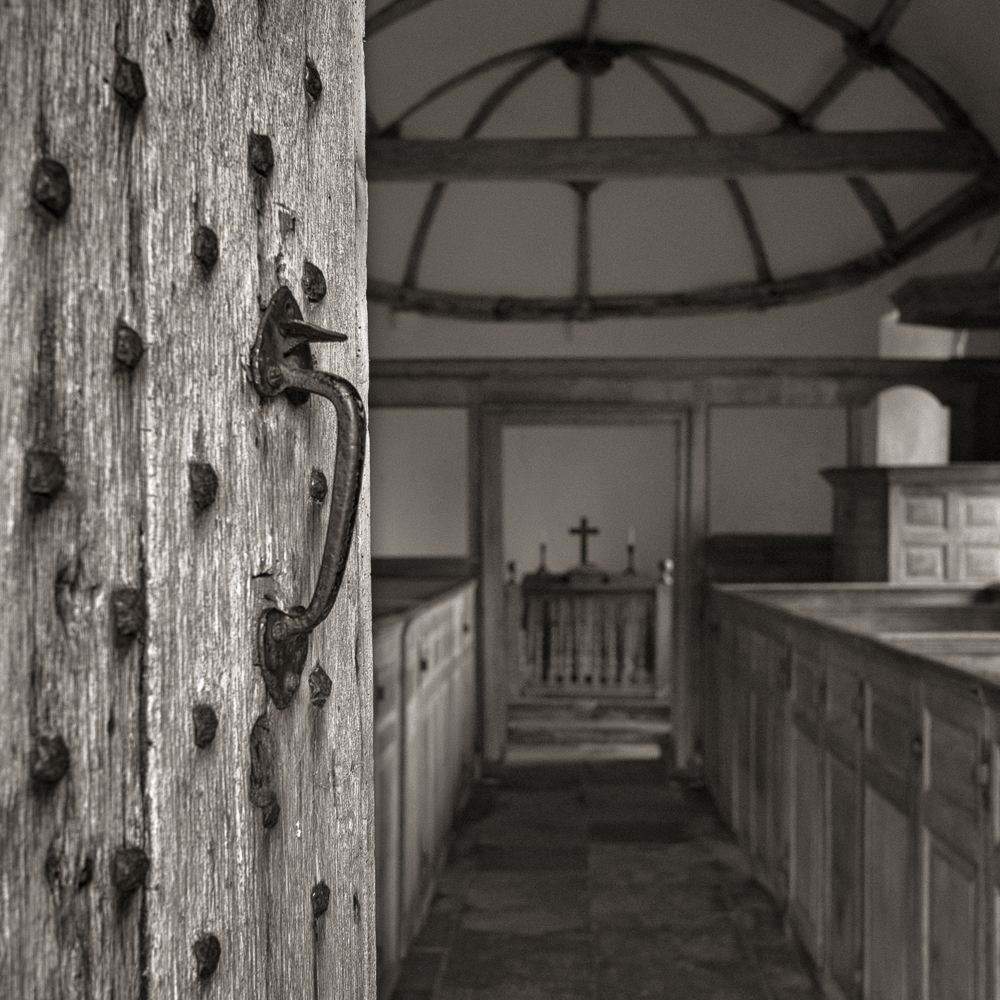
It’s not until you enter through the west door that the simple beauty of this church reveals itself. Built of flint and stone in the 12th Century, this single cell church has a most unusual apsidal east end with a plastered wagon roof of slender beams and decorative bosses. All the bleached oak furnishings which include box pews, the pulpit and sounding board above, the screen and altar rail, have turned silver grey over the years. They date from the 18th Century and were provided by William Wake, the Archbishop of Canterbury from 1716 to 1737. He would worship in this church when staying with his family who lived nearby. Apparently he loved the simplicity of the church compared to the grandeur and opulence of the cathedrals. I can empathise with his feelings and for me this place reminded me of another church in Warminghurst in West Sussex which you can read about here.


Winterborne Tomson Church-5


Winterborne Tomson Church-8


Winterborne Tomson Church-6


Winterborne Tomson Church-7


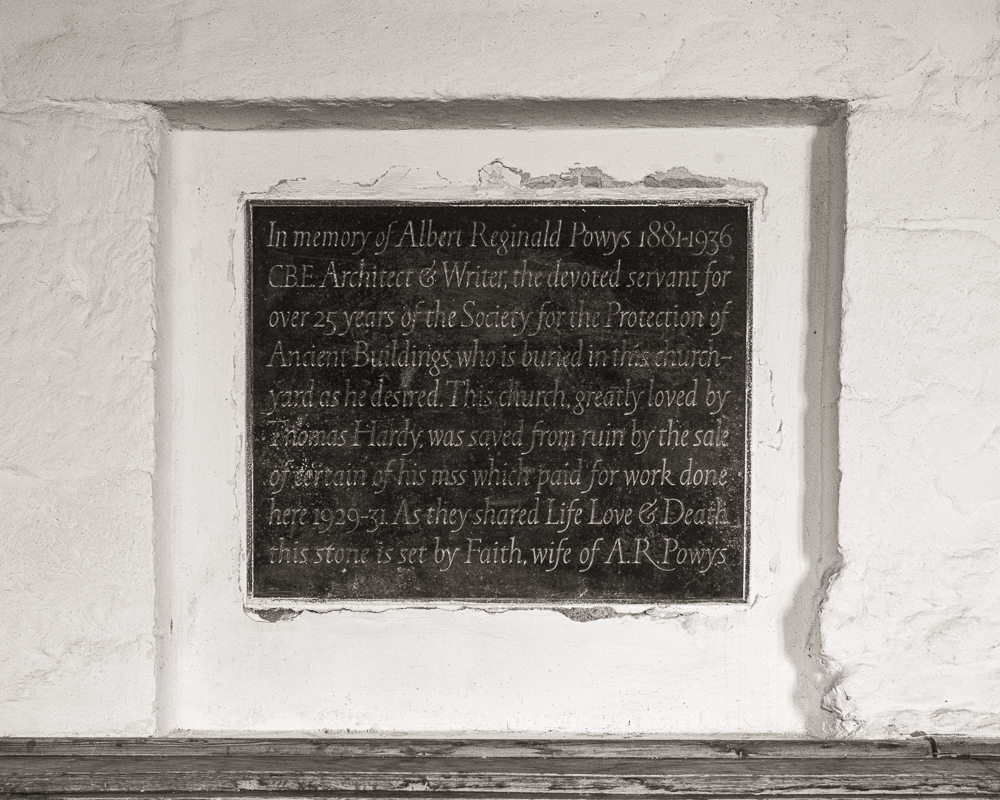
It’s hard to believe that less than 100 years ago the church was used by the local farm for pigs, fowl and other animals, but very fortunately was saved from complete ruin in 1931. Money was raised from the sale of some Thomas Hardy manuscripts by the The Society for the Protection of Ancient Buildings and this was used to pay for much needed repairs. The work was overseen by the architect A R Powys, who was Secretary to the Society. On his death he was buried in the churchyard and a plaque can be seen inside the church, commemorating his work. Given its history it’s perhaps no surprise that this church is now cared for by the Churches Conservation Trust, and whilst still consecrated, is only used on a handful of occasions during the year.
 

Winterborne Tomson Church-10


Winterborne Tomson Church-1


Lastly and to put this church in the context of its setting I have included an image taken just yards form the church itself.
 

Winterborne Tomson Church-9


Dorset is providing a rich source of lovely churches, so I will certainly be back there in the future so that I can add to my ‘Churches Project’ collection.

Do click on any of the images to view a larger version in a new window.

Shelter in Piddle Wood

Woodland shelter

Woodland shelter


When I am out walking in the countryside I always hope to stumble across something which catches my eye and in my view is worth photographing. I always seem to struggle in woodland areas but when I saw this dilapidated woodman’s hut made of corrugated iron it caught my attention.

The scene itself was made more interesting by virtue of the large puddle of water which provided some reflections, not only of the shelter but also the spindly trees. The line of stones gave me a good lead in to the hut and I like the overhanging branch which helps to frame the main subject of interest.

Yes, the hut has seen better days and I would guess has not had a particular purpose in life for quite some time, but photographically speaking this is what makes it all the more interesting – well it does to me anyway.

Churches Project no.14 – All Saints, Nether Cerne, Dorset

Nether Cerne Church-9


This medieval church was mainly built in the late 13th Century of flint and stone; the tower was added in the 15th Century. Sited next to a manor house and just a few steps away from the river Cerne, it really does enjoy a tranquil rural setting in the valley.

The parish was once in the endowment of Cerne Abbey and was served by its Benedictine monks until the dissolution of the monasteries in 1539.  Parish services ceased in 1968 and this charming church was sadly made redundant in 1971. Fortunately two years later it was vested in the Churches Conservation Trust, who still care for the building to this day.


Nether Cerne Church-8


There is both sadness and joy to be felt as I walked around its simple interior. Sadness in the sense it has not been used for regular worship for over 40 years, but joy in the knowledge that it is being preserved. To me it still has an air of solitude, and a peace which cannot always be found in a church which is in regular use. The lack of electric lights, radiators, church notices and all the accessories required in a fully functioning parish church are not present here. These things can be a distraction from the delights to be had in a building which evokes memories of a long and distant past.


Nether Cerne Church-3


Nether Cerne Church-4


Nether Cerne Church-5


Nether Cerne Church-6


Nether Cerne Church-7


Nether Cerne Church-2


Nether Cerne Church-1


Do click on any image to view a larger version which will open in a new window.

Churches Project no.11 – St Nicholas, Moreton in Dorset

St Nicholas - Moreton-10

The church of St Nicholas, Moreton in Dorset


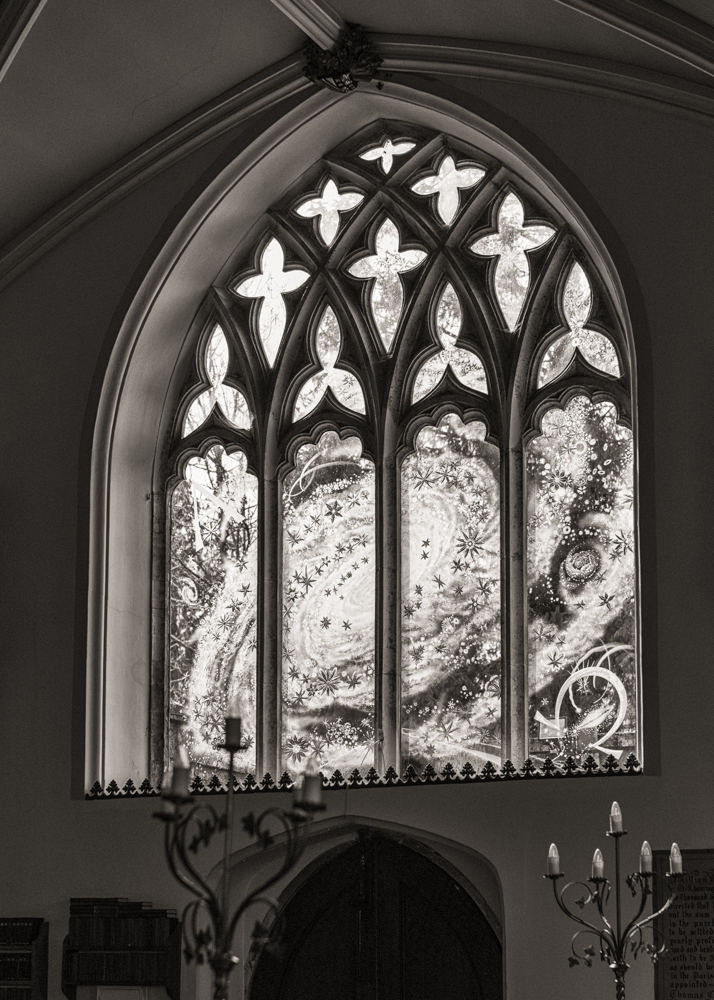
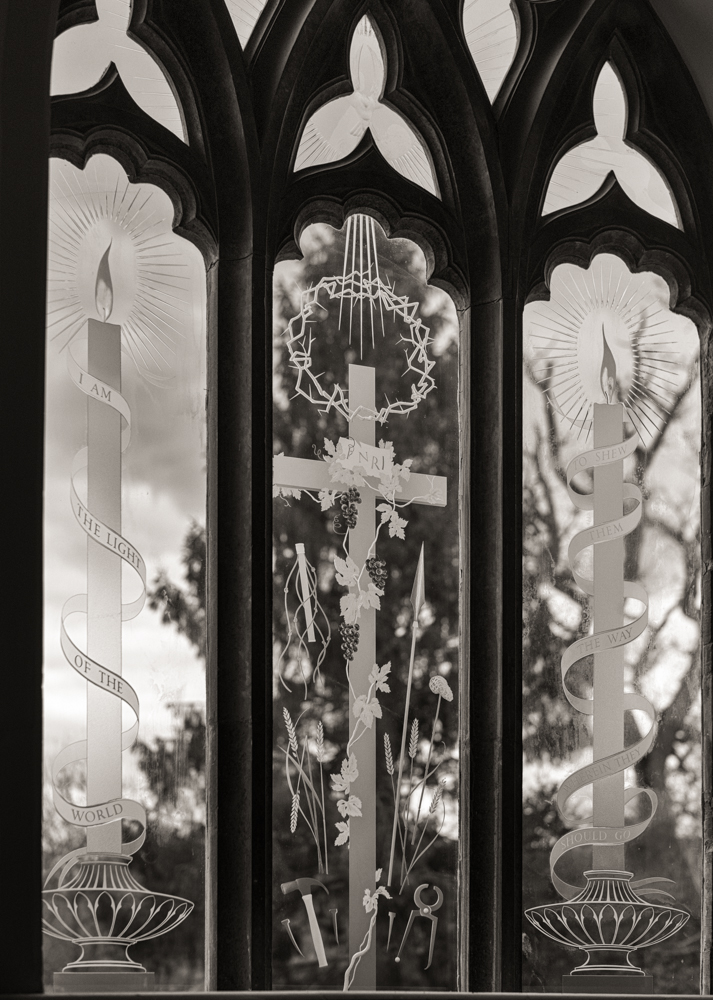
According to Christopher Winn in his book I never knew that about England’s Country Churches’, St Nicholas in Moreton Dorset is the only church in the whole world to have all its windows in engraved glass. I have no reason to doubt this fact but whether it is true or not, this building is a true gem. It also happens to be the burial place of St Lawrence of Arabia, so has quite a claim to fame.


St Nicholas - Moreton-7

The west window


Parts of the church and the original stained glass windows were all destroyed by a German bomber in 1940. It took ten years to rebuild the church and the windows were originally replaced with green glass. The parishioners of this tiny village didn’t warm to this new look and the architect overseeing the work suggested consulting Laurence Whistler, a renowned glass engraver as well as a poet and writer. As a result he was commissioned to redesign the windows.


St Nicholas - Moreton-1

One of the five windows in the curved apse


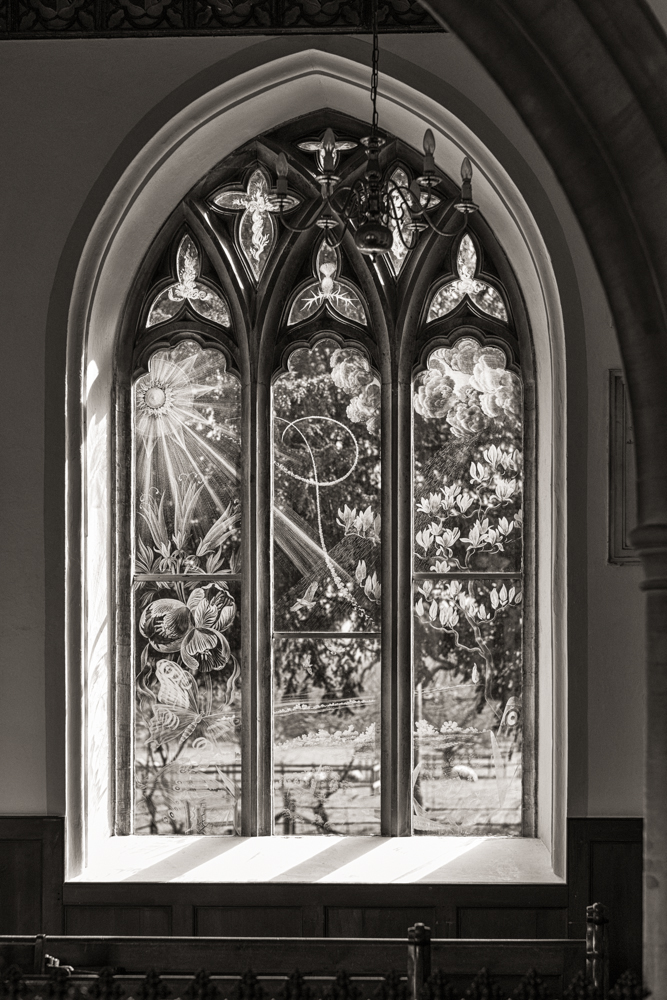
The first five engraved windows to be installed were in the curved apse and this work was carried out in 1958. These were designed by Whistler but produced by a commercial firm. All the remaining windows were personally engraved by Whistler and fitted over a period of 30 years between 1955 and 1985. The commissioned work must have cost the church and its donors an absolute fortune but the results are truly spectacular. Many of the windows are engraved on both sides which gives a 3D effect.

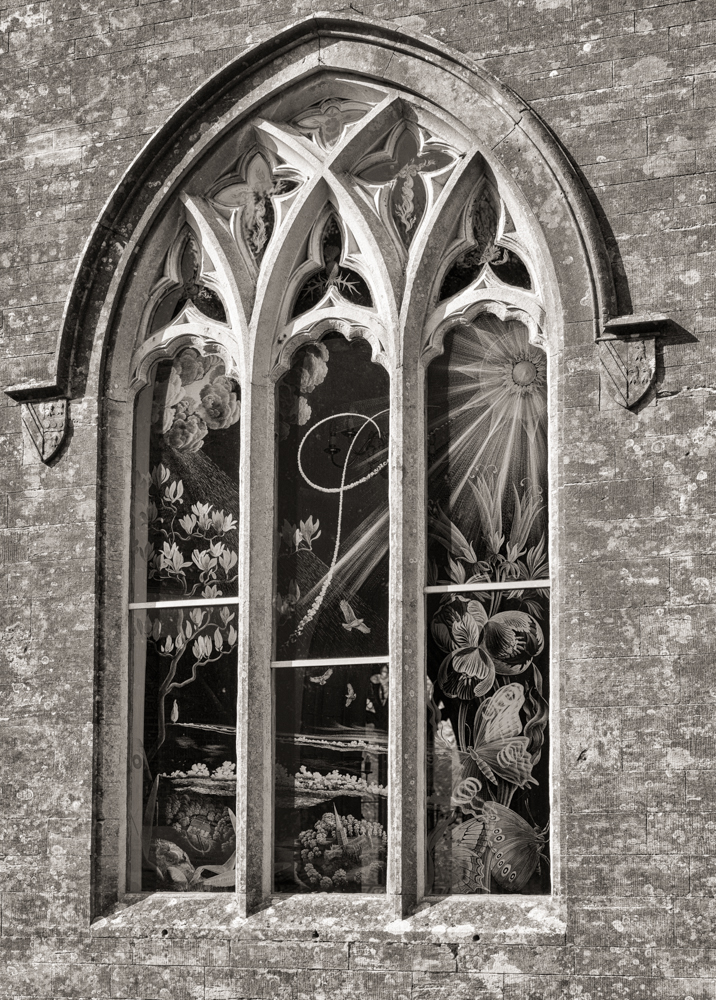
The south facing window shown below, is a thing of great beauty whether viewed internally or externally.


St Nicholas - Moreton-8

A south facing window


St Nicholas - Moreton-4

The same south facing window from the outside


St Nicholas - Moreton-5

Detail from the bottom left hand corner of the south facing window


The most controversial engraving is that of a man hanging from a tree with coins spilling from his hand. It depicts Judas, the betrayer of Christ and is only visible from the outside. This section of the window is obscured from the inside by a wall monument. This engraving was not well received by the parishioners initially and was only installed in 2014, some fourteen years after Whisler’s death in 2000. This particular window was donated to the church by Whistler himself so he must have felt rather betrayed that it was not accepted by the church at the time of its presentation. I can quite understand why its macabre depiction of Judas would have caused a very mixed reaction.


St Nicholas - Moreton-9

Judas – donated by Whistler himself


The church is filled with light and each and every window is full of the most remarkable detail, unlike anything else you will see elsewhere, let alone in a small country church in the lovely county of Dorset.


St Nicholas - Moreton-2

More detail from the south facing window


St Nicholas - Moreton-3

Again more detail from the south window


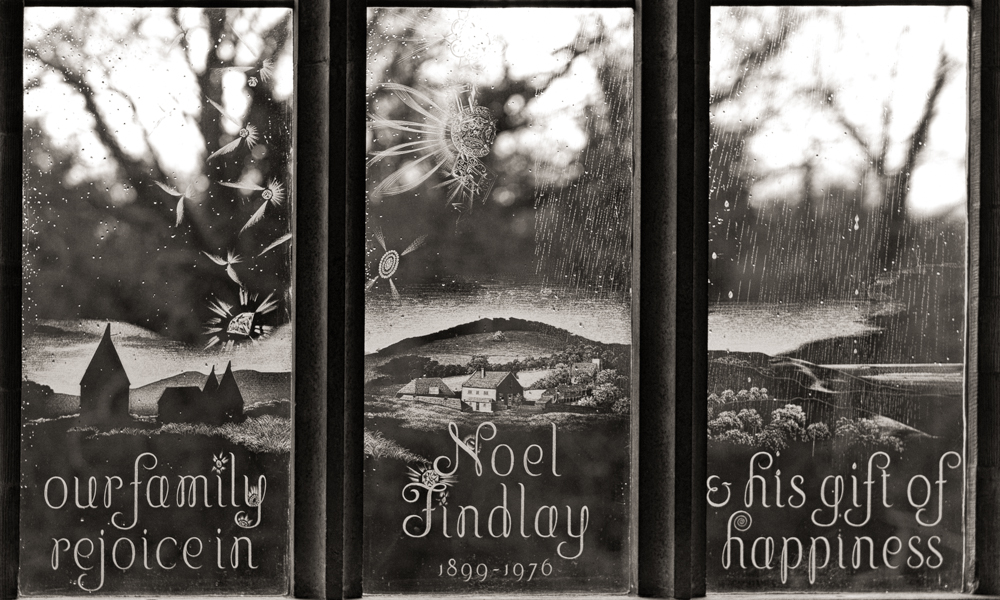
One window is dedicated to Noel Findlay and the words in the right hand pane ‘and his gift of happiness’ have so many meanings in this rather wonderful place of worship.


St Nicholas - Moreton-6

The lower half of a north facing window in memory of Noel Findlay

To fully appreciate the superb glass engravings do click on any image to open a larger version.

Transient light – the best of both worlds perhaps?

Transition blend

Transition (Blending in photoshop)

This is the third and final entry in series which only serves to highlight the array of choices when it comes processing.

The first entry (Transient light – when only colour will do) showed a relatively straight forward colour image. The second entry posted yesterday (Transient light – when mono works as well) was the black and white conversion and today I have posted this image, which is effectively a mix of the colour and black and white versions. I opened both images in Photoshop with the colour image as the background layer. I then created a separate layer using the mono version which had been previously processed in Silver Efex. I then blended the two layers and reduced the opacity to arrive at the image you see here.

Overlaying the more dramatic and contrasty B&W image has given the original colour version a little more punch in my view. The rain shower has been enhanced and there is more detail in the clouds on the horizon which has added depth. The colour which attracted me to take the shot in the first place has not been lost.

So three versions of one image. Which one is best? I don’t think there is a ‘best’ image; photography or any form of art is very subjective so everyone will have their own personal preference. For me it has been an interesting exercise and will make me stop and think a little more about processing options before I even begin.