Posts tagged ‘Devon’

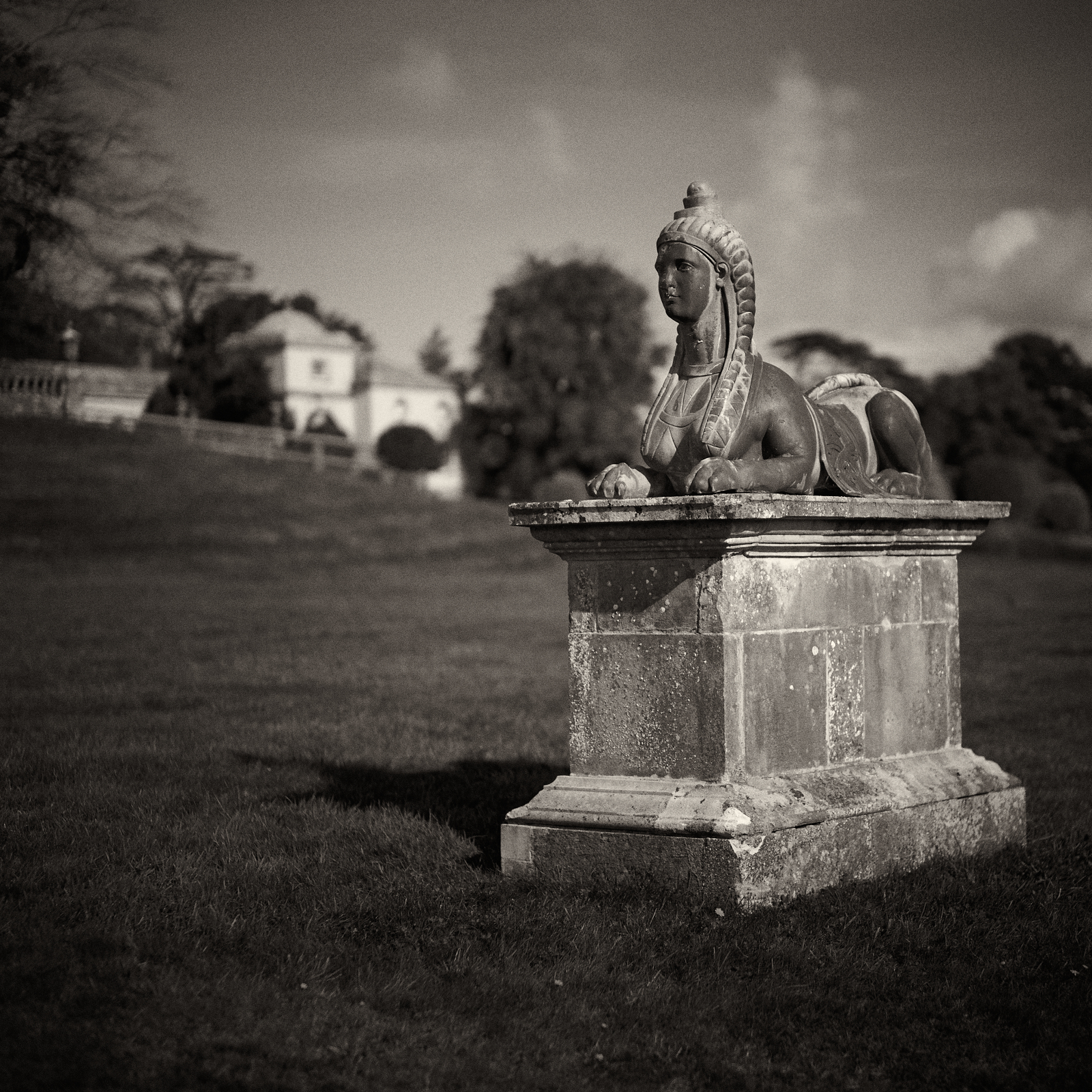
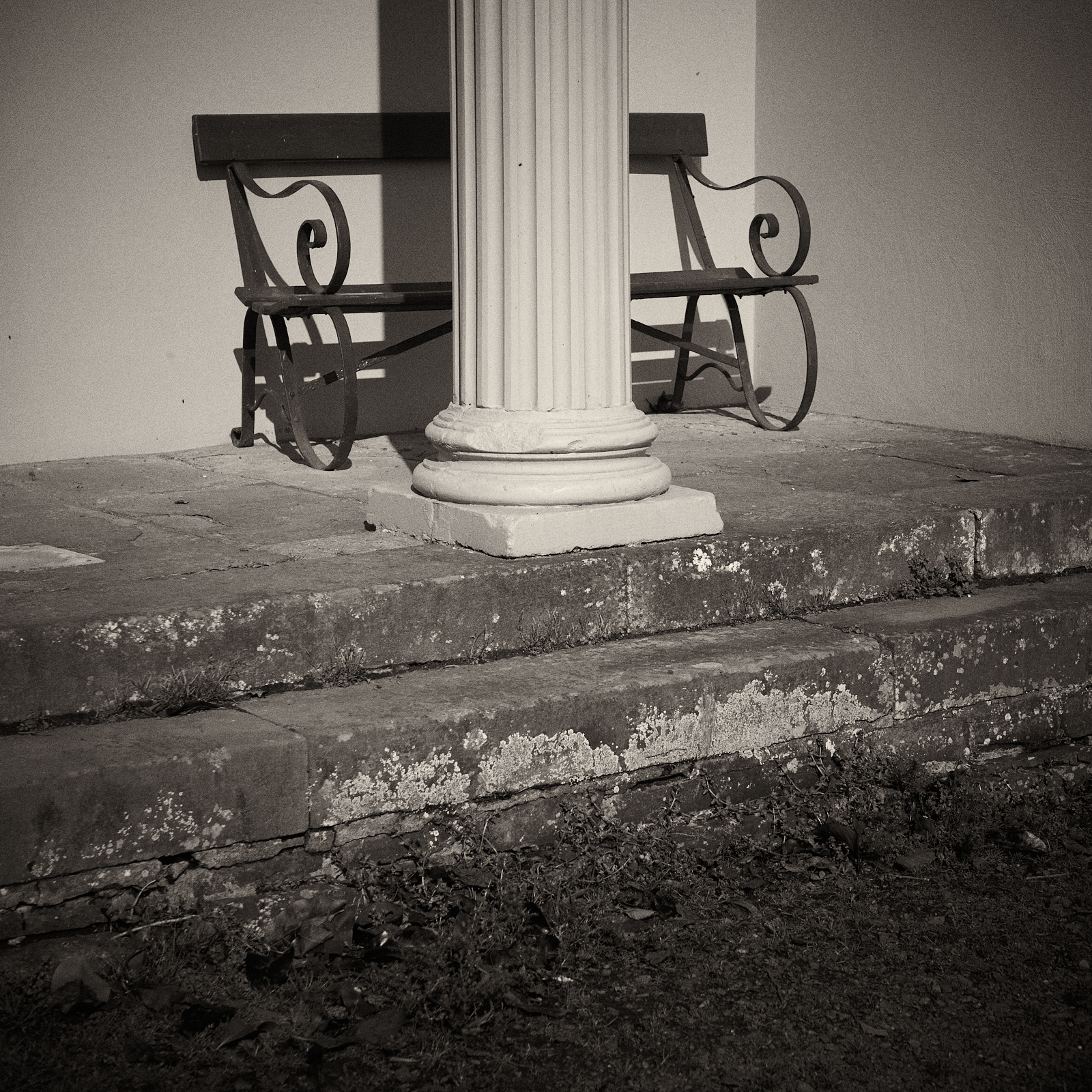
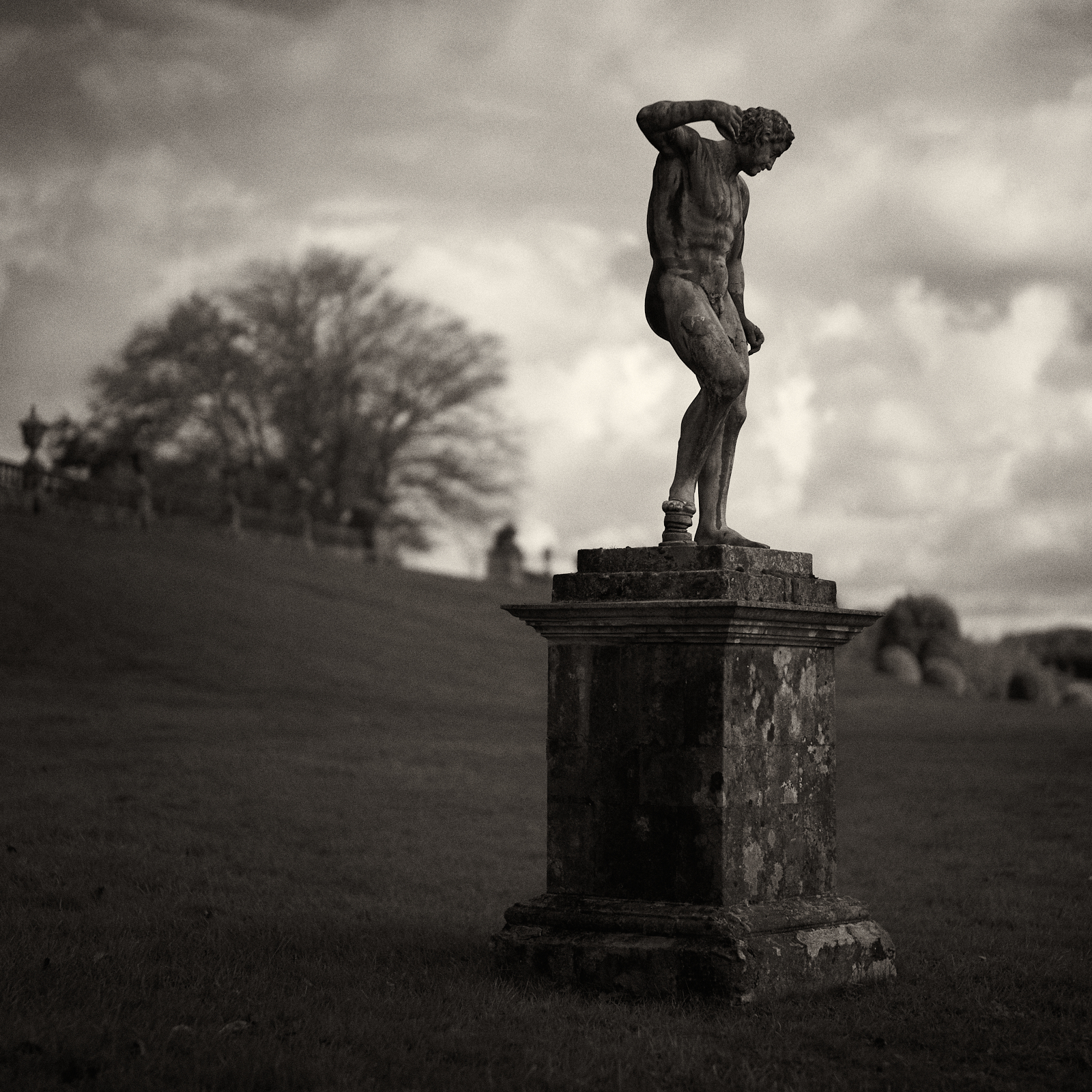
Castle Hill Gardens ….. a nod to Michael Kenna perhaps?
I always remember a famous photographer (unfortunately I can’t remember who it was) saying –

‘Don’t buy more gear, buy more books by other photographers’.

I only have to look at my shelves and I clearly took this this advice to heart as I have quite a collection of photobooks, mainly by black and white photographers, and I very much enjoy leafing through them from cover to cover, looking and learning from the images on the pages.

Whether consciously or subconsciously it is my view that all photographers and artists are influenced by the work of others. To be in bubble and to develop your own personal style without ever have been affected by their art or imagery is nigh on an impossibility. If you are a creator then it is only natural that should be interested in the work of other creators. Whether you admire their work or not, the very act of looking at the photographs of well known photographers helps define the direction of your own style, and furthers your understanding and enjoyment of this art form.

In the early days of my photography I was akin to a sponge, soaking up ideas, techniques and learning for myself what I did and didn’t like about other photographer’s work. I have written before about the very distinctive imagery of Michael Kenna, who I have always admired although I haven’t looked through my books of his photographs for quite a long time.

Which brings me to this set of photographs all captured at Castle Hill Gardens on a recent stay in Devon. My wife and I stumbled by chance on this wonderful home and superb parkland gardens. From the moment I got out of the car, and I saw the grounds, in particular the statuary, it instantly reminded me of some photographs by Michael Kenna which I had seen in the past. I knew immediately the approach I would take to the composition and how I would process the images I wanted to make.

The square format, the shallow depth of field, the split tone sepia like tint and the addition of a little film like grain would all feature. We walked around the gardens and I regularly dived off in a different direction to seek out some compositions. Before processing the files I made a deliberate choice not to reach for the Kenna books, so that the results would be my own even though I fully admit to being heavily influenced by the memory of Michael Kenna’s interpretation of similar subjects.

Photographer or not Castle Hill Gardens are well worth a visit. We were there in September, loved the walk around the gardens and we were told that Spring is a particularly special time of year to visit. The Palladian style Castle Hill house has been the home of the Fortescue family since 1684 and the current custodians are the 17th generation to live on the estate. The estate extends to 5,100 acres, including the 50 acres of gardens surrounded by Grade 1 Listed Parkland.
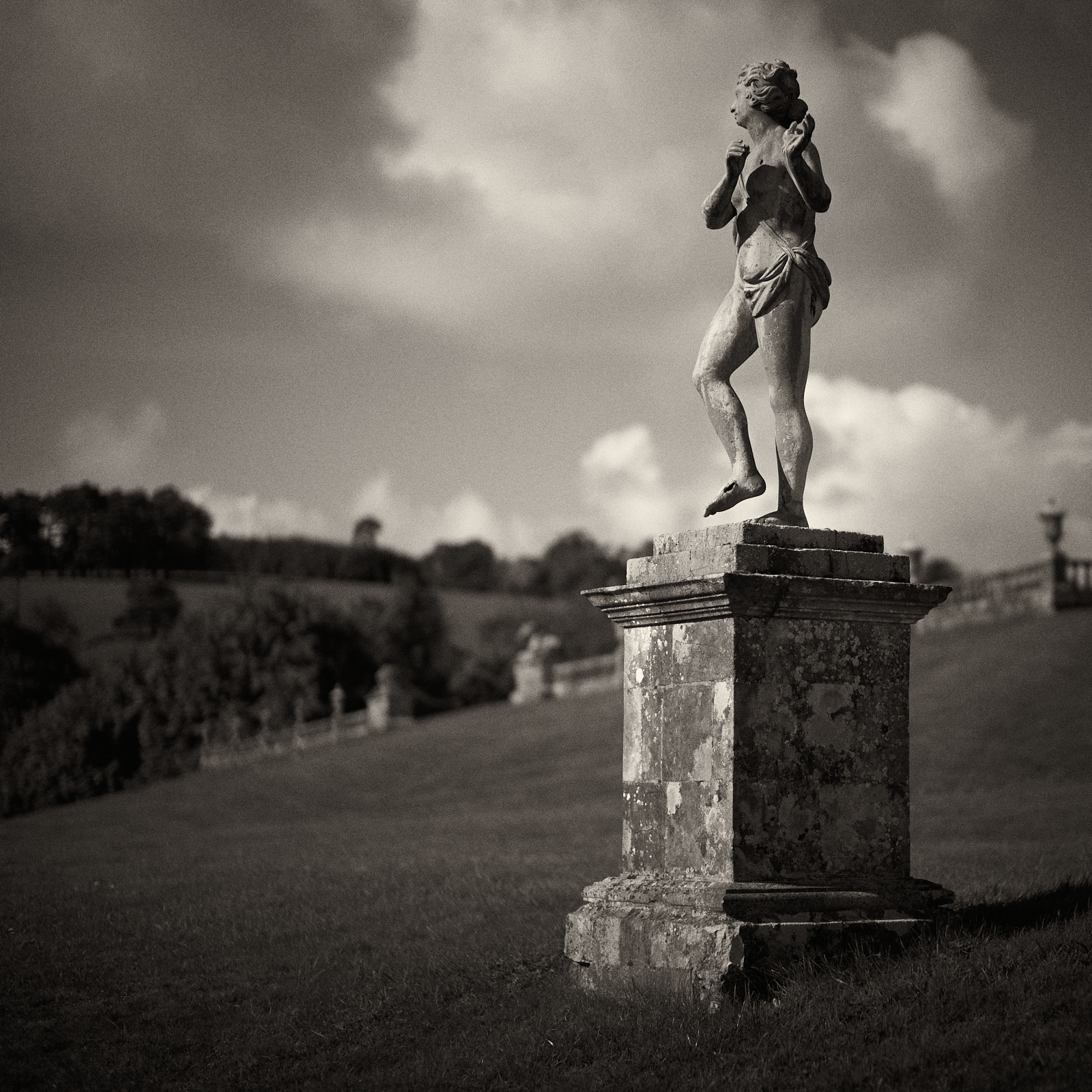
I hope you enjoyed this collection of photographs even if they do bear a passing resemblance to the work of Michael Kenna – to be honest I would be very flattered if you thought this was the case.

You might also be interested to read this entry about an interview with Michael Kenna which I posted back in 2018.
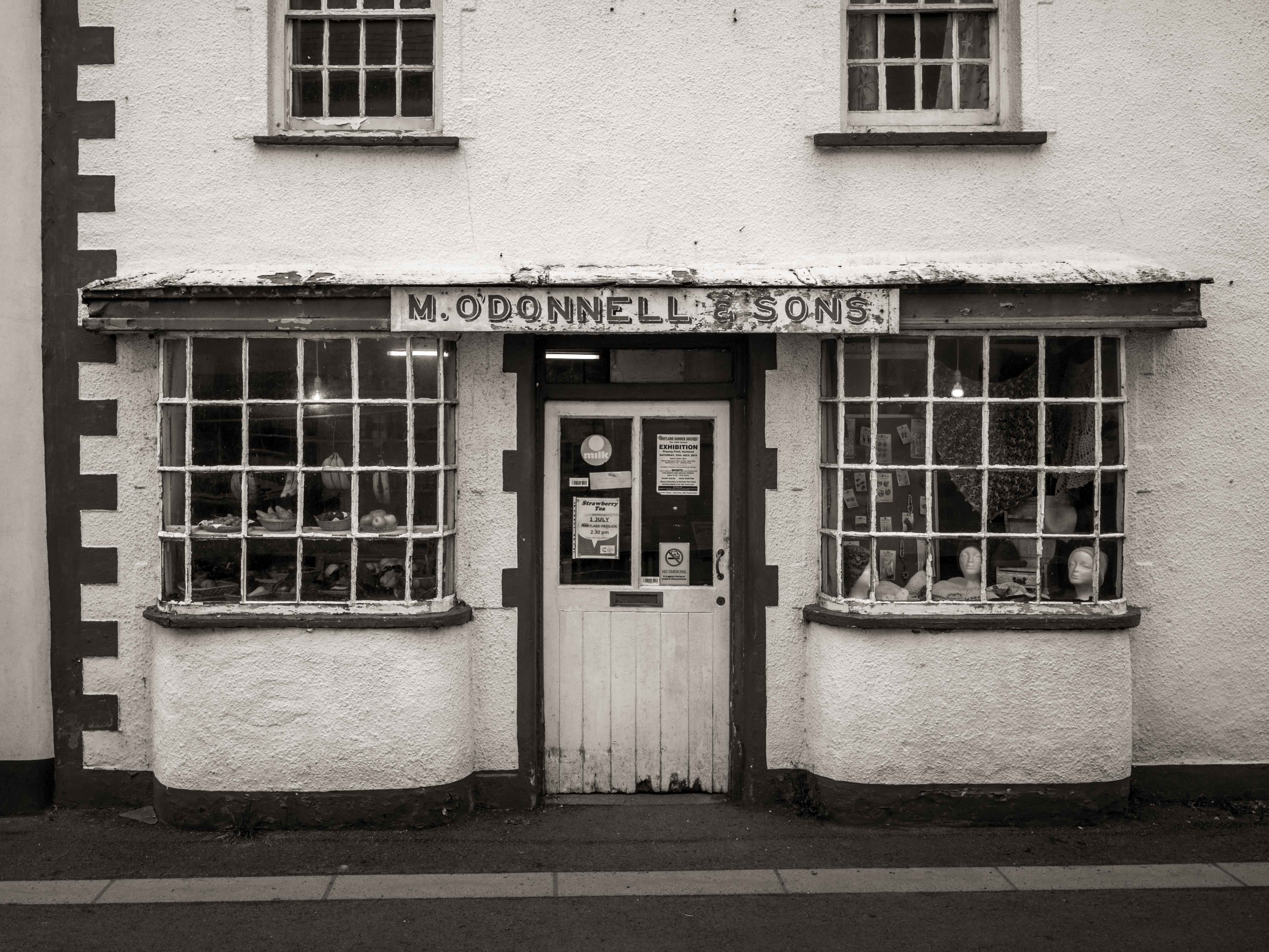
M. O’Donnell & Sons – Yesterday’s superstore today

M. O'Donnell & Sons

M. O’Donnell & Sons

During our recent stay on the west coast of Devon, close to the borders of Cornwall, we visited the village of Hartland. It’s a rather quaint little place and for the most part unspoilt, which I rather liked.

It had very few shops but one which did attract my eye was ‘M. O’Donnell & Sons’. In the left hand window there was a small selection of fruit and veg, whilst to the right there were some woollen hats, a knitted scarf, a few buttons and other items of haberdashery for sale. The notices in the door were up to date – Not to be missed, the ‘Strawberry Tea’ which was coming up on the 1st July. There was no state of the art spotlighting, just a couple of bare light bulbs and a small fluorescent tube to illuminate the interior of this double fronted shop. The bay windows were in a poor state of repair, and everything including the sign above the door needed a fresh lick of paint. Had it been in pristine condition it would not have had the  character or the appeal which enticed me to take a photograph in the first place.

It made me think that in its time it would have been the ‘local superstore’ of its day, selling a variety of things which you probably couldn’t easily buy elsewhere in the village.  Local residents would have been eternally grateful to the O’Donnell family, as this little shop would have prevented a long journey into the nearest main town. I don’t know, but perhaps the present community feel the same way and continue to support the shop, after all it would be rather sad to see it close, wouldn’t it?

Do click on the image to see a larger version, only then will you be able to see some of the items for sale in the windows.


Taken by the wind

20150616-L1002663-Edit


I love the way this tree has been shaped by the prevailing wind.

The branches appear to be reaching out, as if they are trying to grab hold of something, just anything, whilst the invisible roots grow deep and long, clinging to the earth below, preventing the tree from being torn out of the ground when the next wind blows.

To view a larger version, please click on the image which will open in a new window.

The Nave

Churches Project no. 1 – St Andrew, Sutcombe, Devon

This is the very first entry of my new ‘Churches Project’ and the honour goes to The Church of St Andrew, Sutcombe in Devon. It has Norman origins but is principally a 15th Century granite structure which was restored in 1876. It forms part of a small and quite remote village about 5.5 miles north of the town of Holsworthy.

For me the church interior offers greater appeal than its exterior. As you enter the south facing entrance porch, look up and you will see the medieval wagon roof; the age and character of the building becomes immediately apparent.


Porch roof

Porch roof


Inside the church itself, one of the first things you notice are the superbly carved bench ends dating back to the early 16th Century, many of which depict heraldic devices of local families. These complement the rood screen which separates the nave and the chancel and can be seen in the first image at the top of this post. Is it any wonder St Andrew’s has a Grade II* listing.


Carved bench end

Carved bench end


In contrast to the carved bench ends, there are a collection of more modern pew chairs with a cross back, which from a photographic point of view are just as appealing.


Pew chair

Pew chair


This is certainly true when some rays of sunshine highlight one of the chairs hidden in the rear corner of the church which has a broken rear leg and woodworm is also evident.


Broken chair

Broken chair


The exterior shot of the church was captured using a 28mm lens. I could only just get far enough away to include all of the building which has made me think a wider angle, perhaps a 21mm would be useful  in the future.


Church of St Andrew, Sutcombe

Church of St Andrew, Sutcombe


To see a larger version of the featured image click on the thumbnail below, or click on any of the images and they will open in a new window.

The Nave

The Nave

More information about my ‘Churches Project’ can be found here.

Haytor – a chance to reminisce.

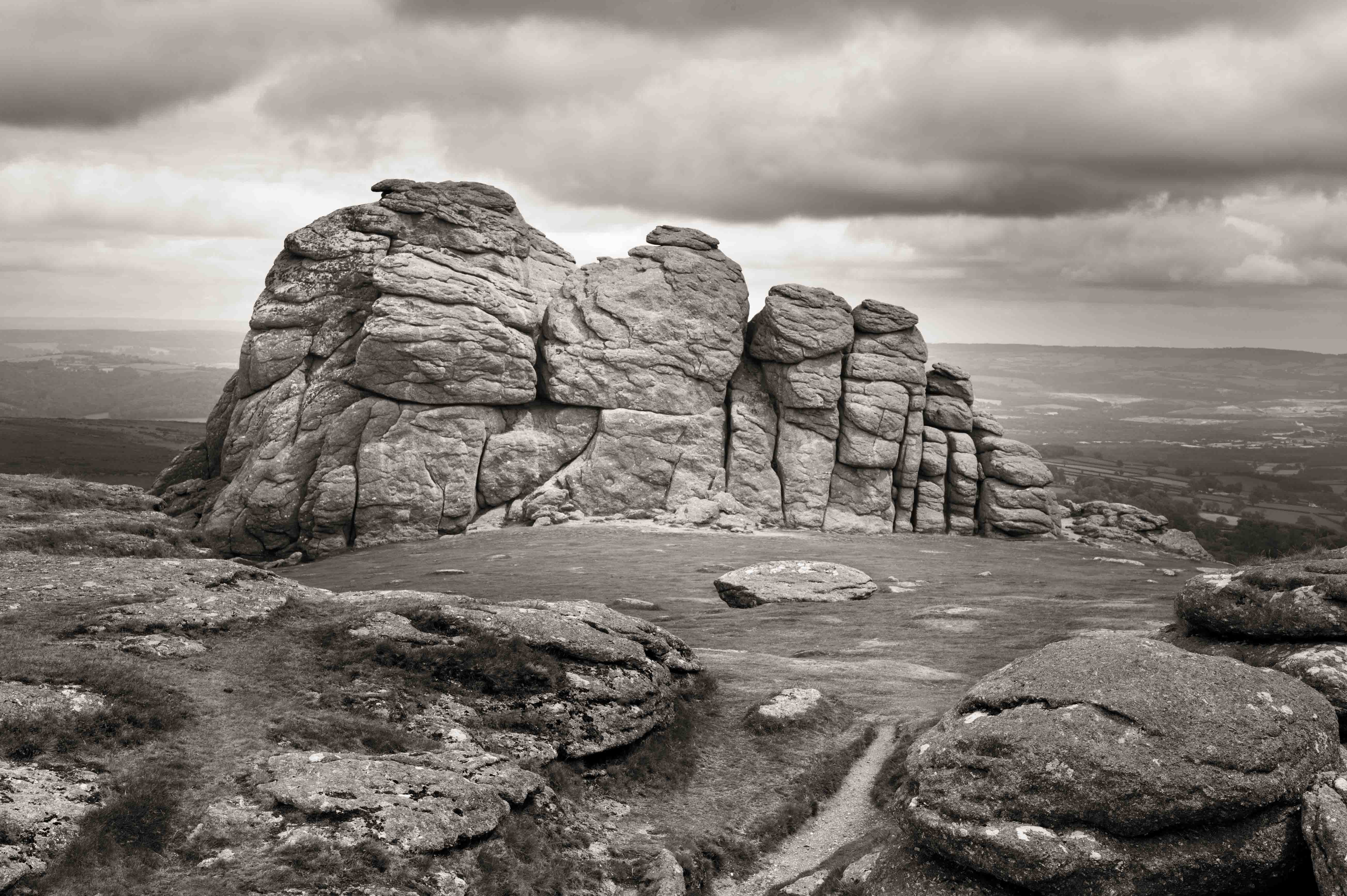
Haytor

Haytor

I recently came home from a very enjoyable and relaxing family holiday on the borders of Devon and North Cornwall. On the return journey I wanted to take a small detour and visit the town of Bovey Tracey, which lies on the eastern edge of Dartmoor National Park, and more specifically to go and see the granite outcrop of Haytor. This is perhaps the most recognisable and accessible of all the Dartmoor Tors, so on arrival I was not surprised to find a visitor centre, car and coach park catering for the tourists. Fortunately the weather was inclement and the number of people clambering up the relatively easy hill to reach Haytor were few.

I wanted to return mainly for sentimental reasons. I have fond memories of family holidays in this part of Devon when I was in my mid teens, some forty plus years ago (take large gulp…… and ask how is that possible?) and had not been back since. Life moves on and sadly both my parents and my sister have all passed away in the intervening years. My wife stayed by the car to photograph the very tame Dartmoor ponies and I walked up the hill with my grown up daughter and our dog.

I was pleased that the rocks of Haytor were just as I had remembered them; exposed to the elements but to my eyes nothing had really changed. My memory of Haytor is now as it was when I was a teenager. Still proud and strong, still dramatic and still commanding spectacular views of the surrounding countryside. It felt good to be back experiencing this great location with my own family and for a few moments to stand quietly, touch the stone, and reminisce about past times.

It was also good to be reminded that some things change and some things remain the same, which is just as well, as we all need a ‘rock of stability’ in our lives.