Posts tagged ‘church’

My successful Associate Distinction of the Royal Photographic Society
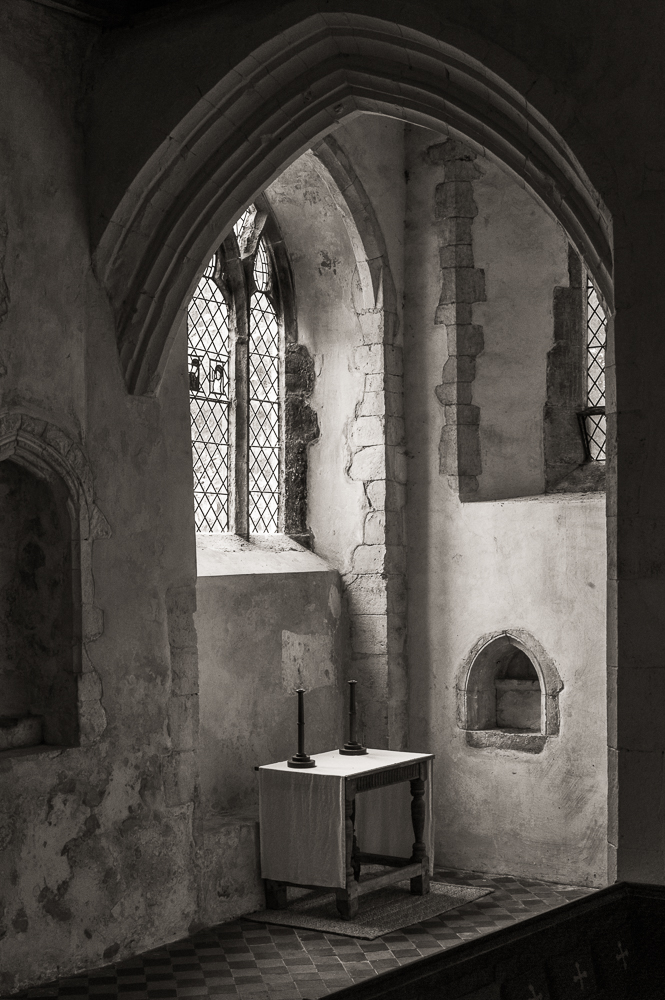
I have to admit that yesterday was a rather special day. I received formal confirmation from The Royal Photographic Society that I had been awarded an Associate Distinction in the Conceptual and Contemporary category for my panel of fifteen images and statement of intent. I had previously been awarded a Licentiate Distinction back in 2012.

My submission was recommended for the distinction by a panel of judges on the 19th April when I took my images to the Headquarters of the RPS in Bath for the assessment. It then takes up to 10 days for this recommendation to be ratified by the Distinctions Advisory Board before the actual certificate is awarded.

I am of course absolutely delighted to have achieved this distinction by The RPS, which was formed in 1853 and is recognized as one of the leading Photographic Societies in the world.

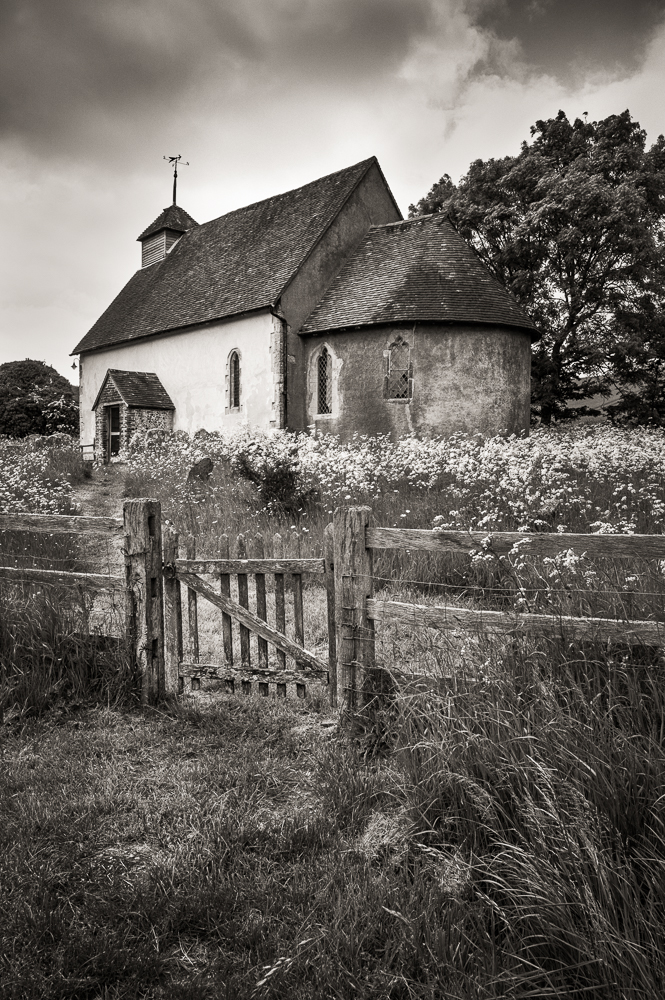
I have selected a few of the images in the panel for this entry but if you would like to see all the pictures then I have created a new gallery – simply click here.
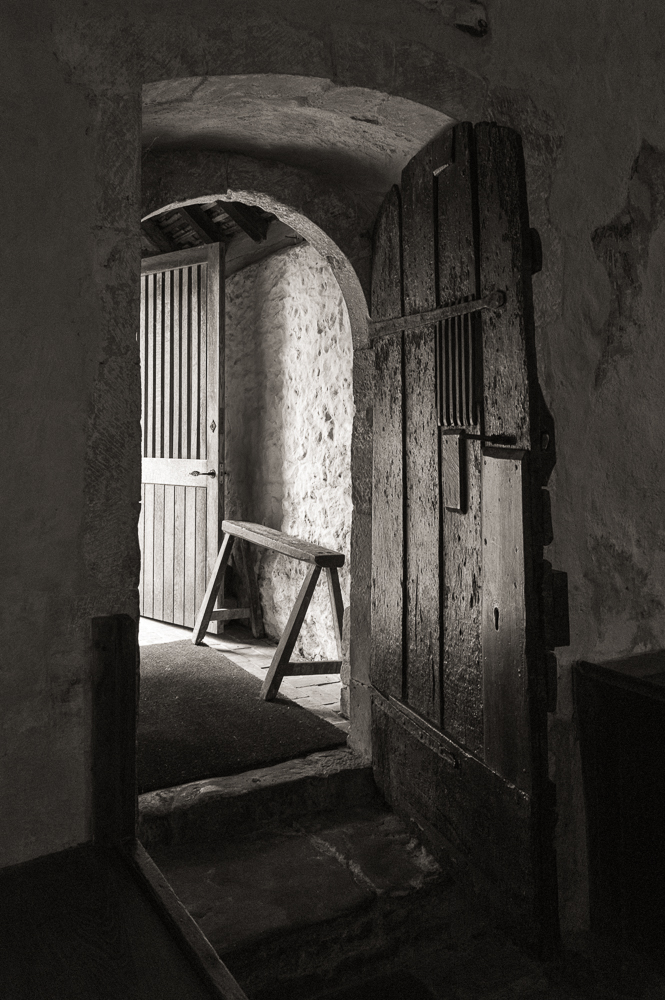
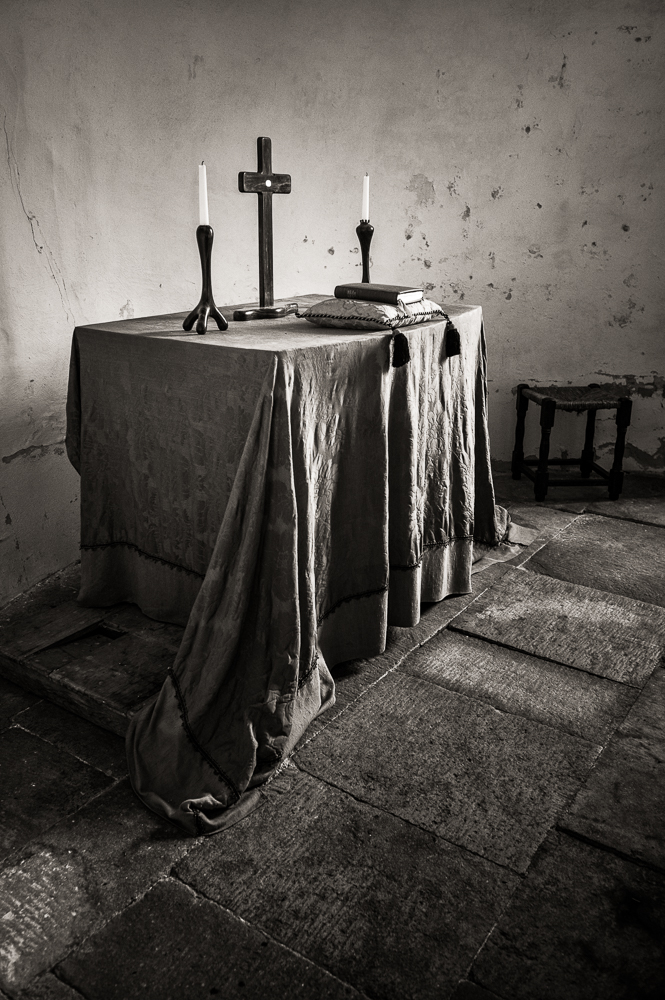
As well as the images themselves, a written statement of intent is required for the submission and I have included the text below:-

Countryside Churches

As a child growing up in London in the 1960’s, our family holidays were largely spent in Sussex or the West Country. My late parents would often take me to remote churches in the countryside for reasons I didn’t really understand.

Fifty years later and now living in West Sussex, I have come to appreciate the importance of these places of worship; partly for their historical interest and splendid rural locations, but mainly for the simple and beautiful charm of their interiors. Here I can share the same experience of peace and tranquility with the many generations that have gone before me.

Sadly many of these churches are under threat from a general decline in religious observation. Fortunately some in my selection have been saved and are being preserved by The Churches Conservation Trust. Mainly Saxon or Norman in origin, they are still consecrated but rarely used for regular worship. They are devoid of the adornments and distractions of a fully functioning parish church, apart perhaps from an old Bible or prayer book. I am rarely disturbed by other people when I visit to contemplate and to photograph, which only heightens the feelings these rural churches evoke.

My panel is made up from a number of churches in the West Sussex and Dorset countryside. Using only the natural light available, the monochrome images depict a sense of timelessness; quiet places where solitude and sanctuary can still be found amidst our increasingly busy lives.

(244 words)

And finally here is the hanging plan of all the images.

To view the individual images in my ARPS Panel do click here.
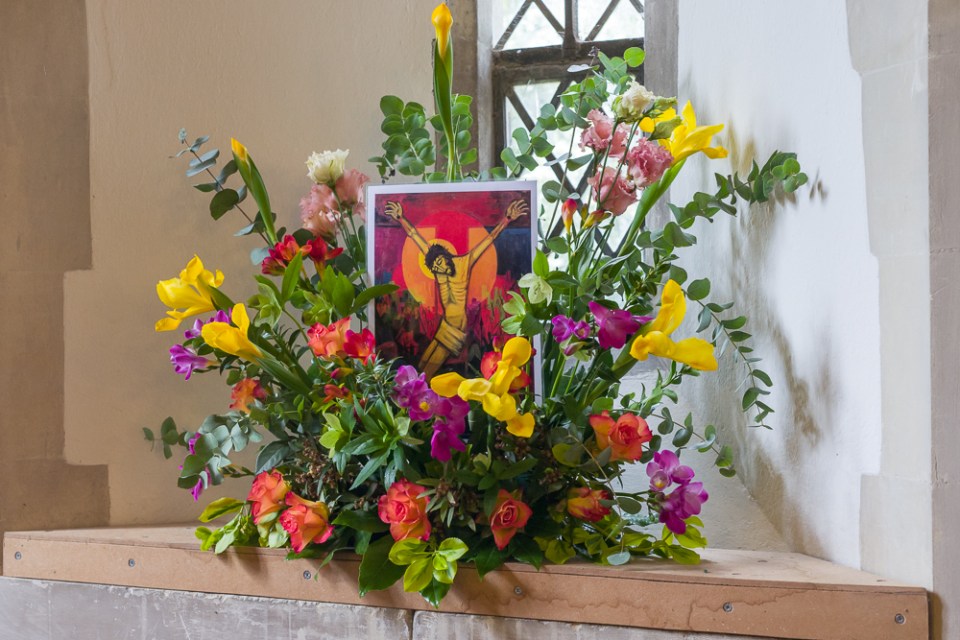
The beauty of Easter flowers in Fishbourne Church

Irrespective of whether or not you are a regular church goer, the flowers arrangements on display this Easter at Fishbourne Church, near Chichester, were simply quite beautiful. The way in which flowers have been chosen to complement the images depicting ‘The Stations of The Cross’ is thoughtful and artistic. The hard work by a handful of people has to be admired.

Do click on one of the images to view a larger version, and then scroll through all the photographs in the lightbox.

Bosham harbour at dusk

Bosham at Dusk


Bosham is a very pretty village forming part of Chichester Harbour, not far from the City of Chichester along the South Coast in West Sussex.

As you can probably imagine its picturesque appearance attracts numerous visitors throughout the year, as well as many a photographer. It’s a location that when the weather, light and the tide are all right, you may not find you are on your own with a camera. This is one of those scenes which has to be part of your photo library but I am all too aware that thousands of people before me will have been there and taken pictures of the setting sun; however it is too beautiful to dismiss just because of its popularity.  In fact if it wasn’t for the tide then the tripod holes where I was standing to take this image would be very evident! Despite all of these comments it’s a scene that is hard to resist even if it lacks originality.

This was one of those rare occasions when my Leica M9-P and 90mm lens were attached to a tripod. The exposure time was several seconds long, as the there was little or no light to speak of and I wanted a slow exposure to smooth the water in the foreground and introduce a little movement in the veil of clouds over the church spire. The fact that lights in the houses fronting the water were just being switched on adds another element of interest to the shot.

For those of you who are not familiar with this area, you might like to know that Bosham is in fact pronounced ‘Bozam’ and not ‘Bosh-ham’.


Do click on the image to view a larger version which will open in a new window.

Frosty morning looking towards Bosham

OLYMPUS DIGITAL CAMERA

Although I am often awake early, I have to profess that getting up and heading out with the specific intention of taking photographs is not one of my strong points. Probably because up until recently I would either have to get ready and go to work or walk the dog, neither of which are conducive to taking pictures. Now my circumstances have changed; I took early retirement in April, there are more opportunities to venture out, particularly at this time of year when it doesn’t get light until nearly 8 o’clock.

Earlier this week the weather forecast predicted cold nights and a harsh frost. That was enough to persuade me to put on some warm clothes and enjoy a crisp cold morning with my camera.

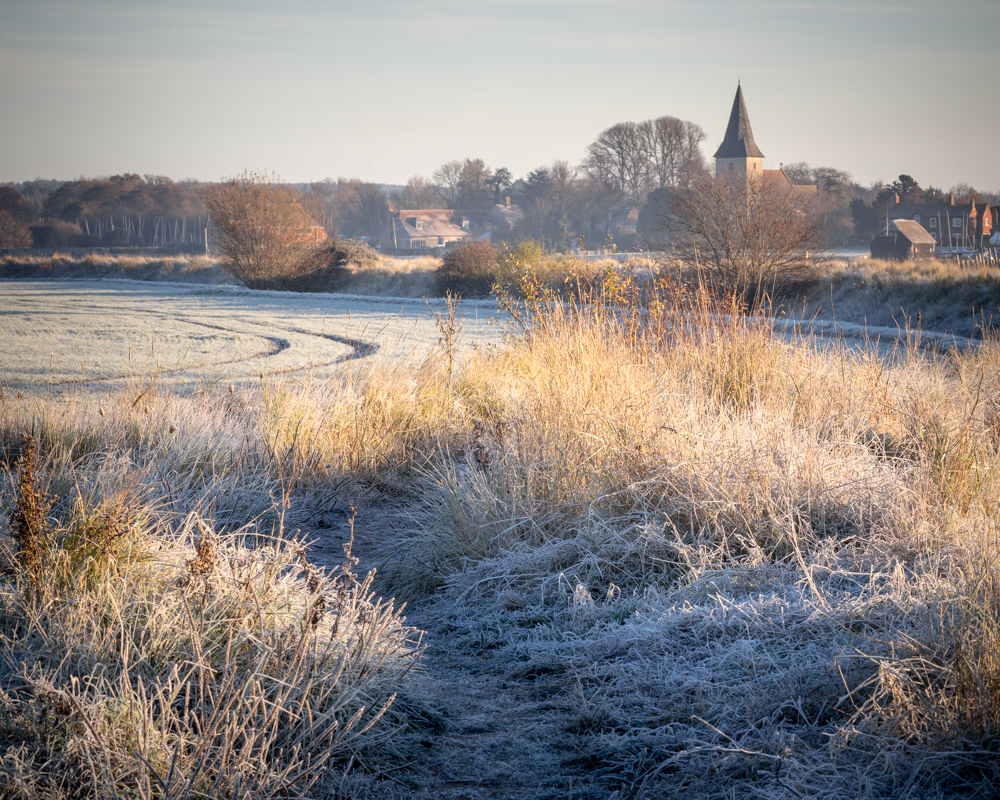
This is just one of a number of images from that outing. A view towards Bosham Church from the foopath at Chidham. The sun had just risen and it wouldn’t be long before the heat of the sun would melt the frost. After about an hour in glorious surroundings it was time to return home, but it did convince me that I need to get up and get out with my camera more often!


A favourite image and a favourite camera – is that possible?

st-botolphs-hardham-1-of-1


I was asked recently if I had a favourite image which I had made? In all honesty I don’t think I do, although there are a number which I could name in a top ten. I do though remember reading that someone else when asked the same question replied – ‘The next one I am going to take.’ I rather like this response as it suggests a desire to constantly improve, believing that your next photograph will be better than the last and all those in your back catalogue. It also infers that the last image taken must be a favourite for at least it’s tangible and not a figment of the imagination – or is it? I’ll come back to this question later, as it’s relevant to the photograph in this post.

As far as a ‘favourite camera’ is concerned, well that’s easy for me to answer. It’s my Leica M Monochrom which I have been using for the last couple of years. It’s built like a tank, feels so good in the hand and the simplicity of its controls put me in complete control. It doesn’t have a multitude of programmable buttons, nor pages and pages of menus, which only serve to confuse, and nor does it come with a manual which might take the best part of a week to read, let alone understand. More importantly though the Monochrom together with the exceptional Leica lenses produces the images I am seeking to achieve with post processing and careful printing. The next incarnation of the Leica M Rangefinder must be just round the corner but I think its unlikely I will want to upgrade. The Monochrom has many idiosyncrasies, but I love it and the cost of upgrading is quite likely to be prohibitive anyway.

Given my feelings towards the Leica Monochrom, I am not that interested in the latest camera technology although to digress for a moment I was intrigued to learn about a new camera being developed by a company called Light. The camera is called the L16 and has the appearance of a large mobile phone, but instead of one lens and sensor there are 16. On pressing the shutter the camera software combines all the exposures from each of the sensors to produce one image. According to their website this can be up to 52 megapixels in size, with low noise and covering a focal range equivalent of 28mm to 150mm. The depth of field and other adjustments can be manipulated in post processing. Is this the future of camera technology, I don’t know, but nothing stays the same, so it will be interesting to see what happens when it actually hits the streets.

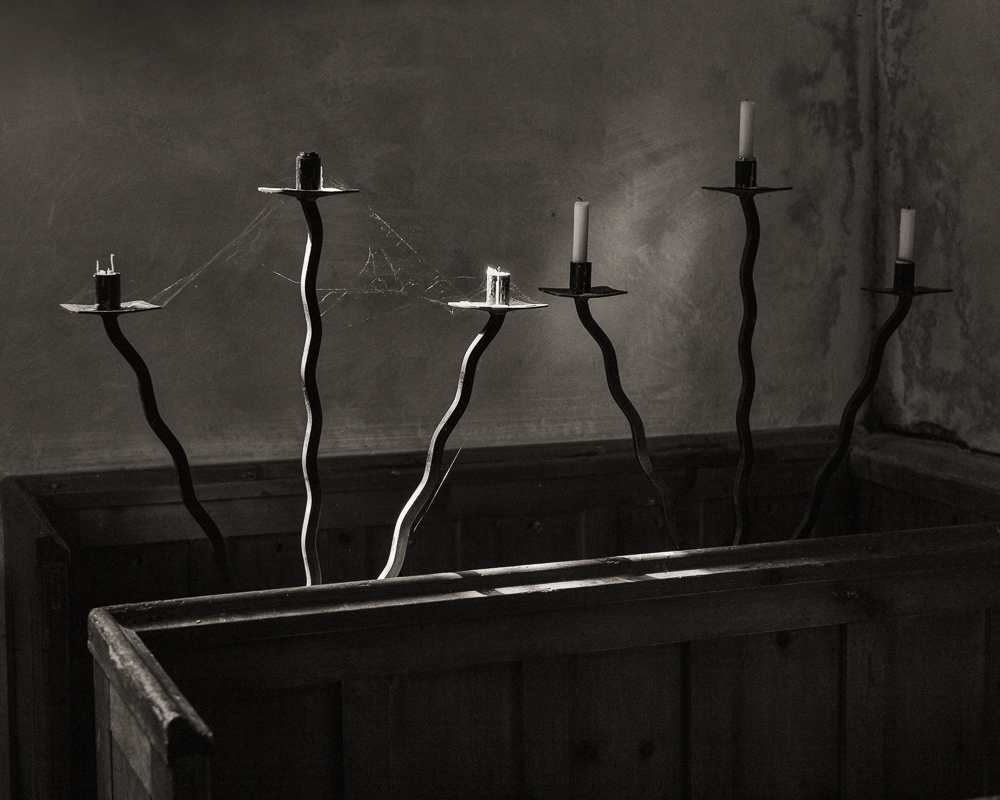
Back to the question I posed at the end of the first paragraph and indeed to the photograph in this post. It was taken a few days ago at St Botolph’s Church in Hardham, West Sussex. I had visited the church previously and noticed how the light was falling on the altar. I had taken some shots that day, only to find that my composition was not quite right, nor had I used the correct exposure settings. There were too many blown highlights. I decided to return, knowing in my mind the image I wanted to make. I knew which lens would give me the composition I wanted (28mm) and the likely exposure settings required to produce a malleable and workable file for post processing. I knew the time of day when the light would be in the right position, so I arrived at the church in plenty of time to get ready. The sun wasn’t as bright as it had been a day or two earlier but this proved to be a good thing. As it turned out I only had a couple of minutes to take the shot before the sun moved round and no longer illuminated the scene as I wanted it.

A favourite image or not, I like this photograph, as it will always remind me that it can be worth revisiting a location to take a particular shot that you have already pictured in your own mind.

Here are two more entries about St Botolph’s Church at Hardham.

Churches Project no.4 – St Botolph’s, Hardham, West Sussex

Thwarted by the flower arrangers at Hardham Church