Posts tagged ‘black and white photography’

Churches Project no. 3 – St Mary the Virgin, North Stoke, West Sussex

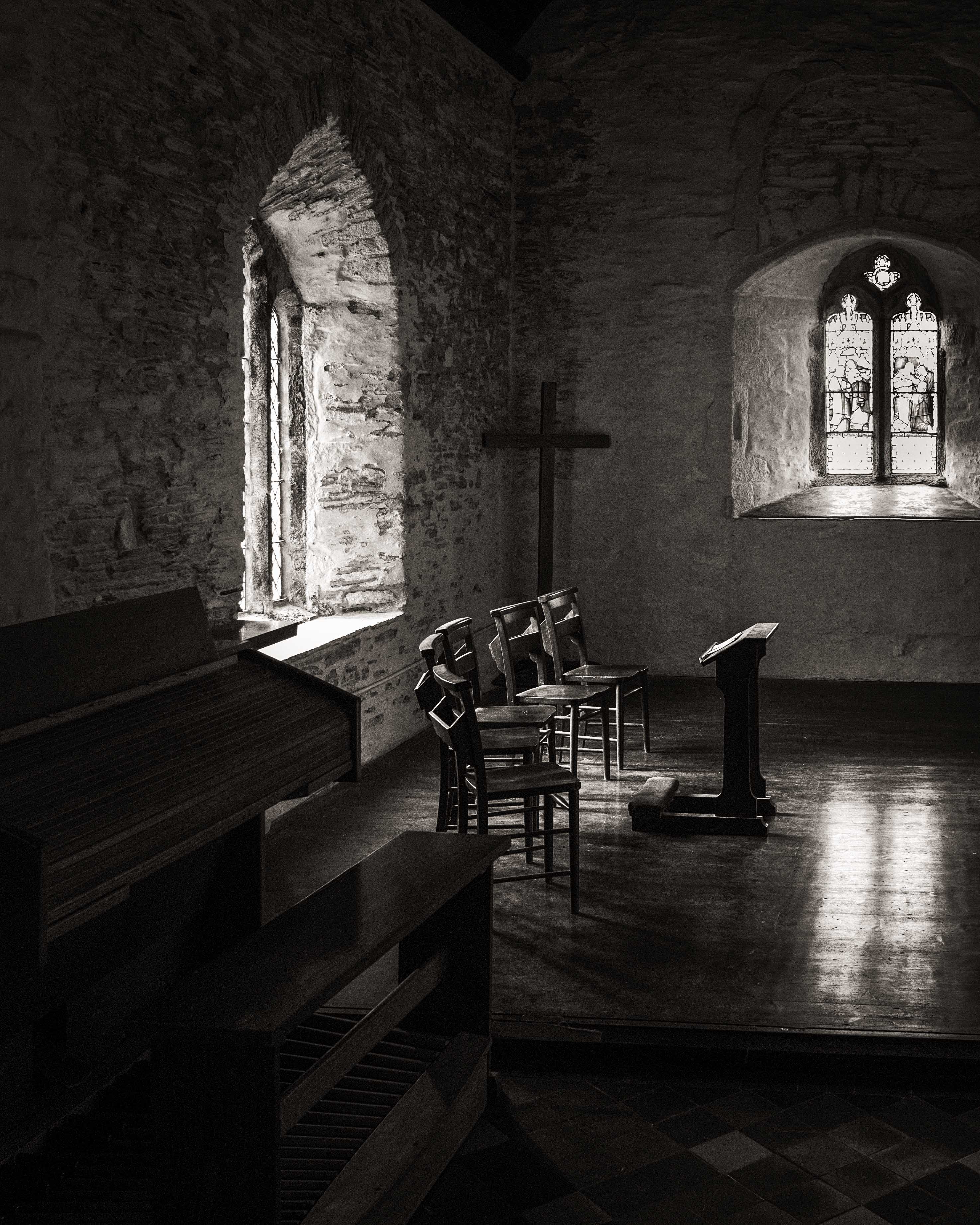
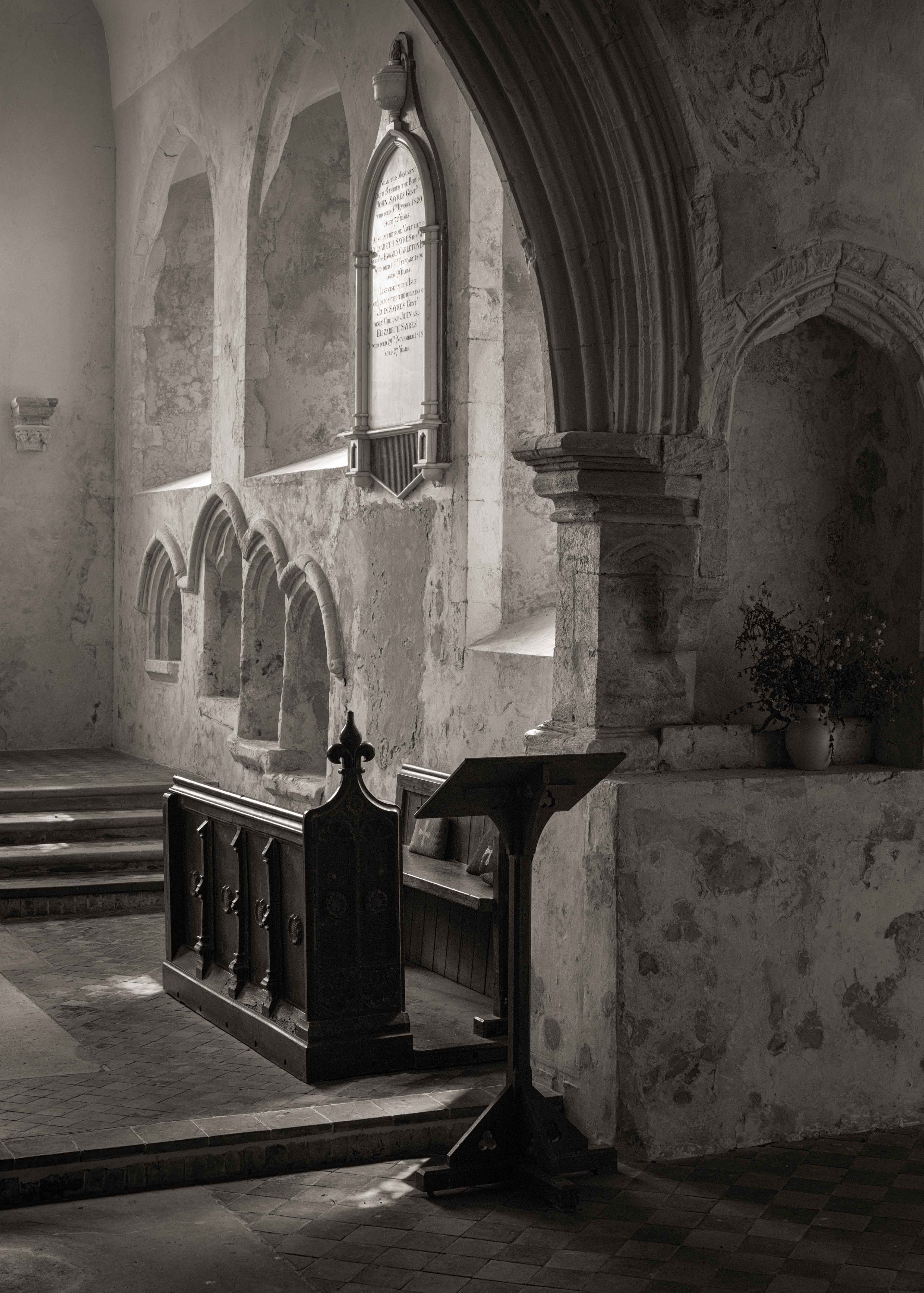
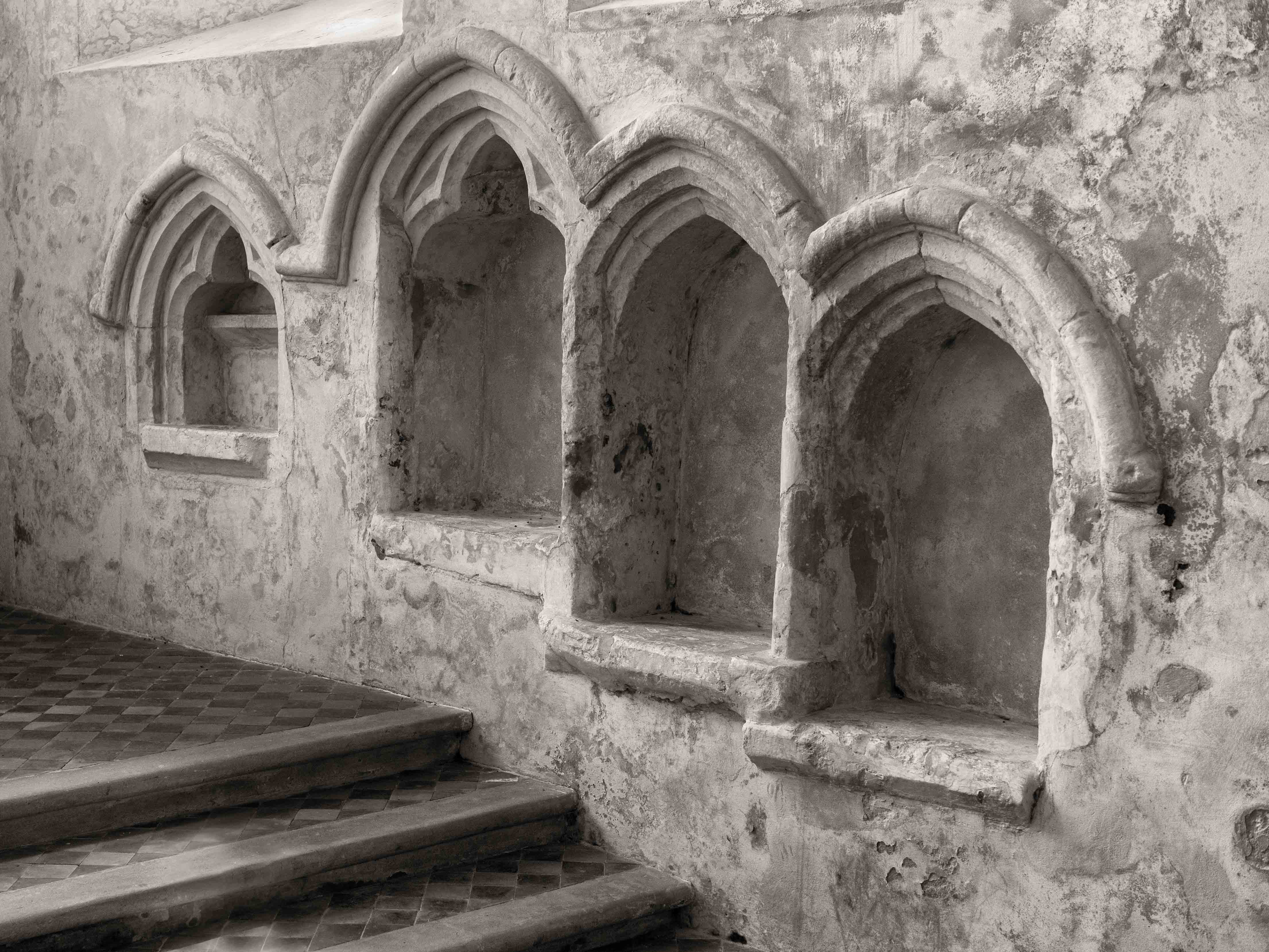
There are some occasions when from the moment I walk through the door, I just know that the interior of a church has something special to offer and will provide me with plenty of photographic opportunities. When I visited the Church of St Mary the Virgin in the tiny remote hamlet of North Stoke, this proved to be one of those occasions.


I have to say I do like simple churches; ones that are timeless and barring a few recent additions are largely unrestored. This particular church nestles in the South Downs about 2 miles to the north of Arundel. Apart from the adjacent farmhouse, together with various farm buildings, the church is isolated and surrounded by the beautiful countryside of the Arun Valley.
 

L1003241-Edit


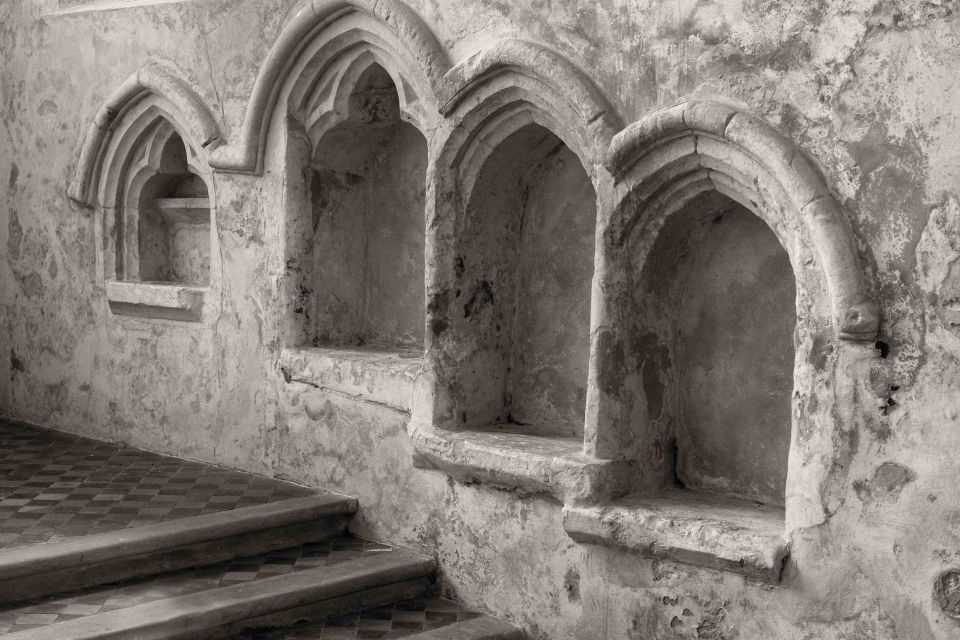
The Church dates back to Medieval times; the nave being 12th Century in origin. It is no longer in regular use but maintained by the Churches Conservation Trust. Its quiet, calm and peaceful atmosphere evokes centuries of prayer.
 

L1003287-Edit


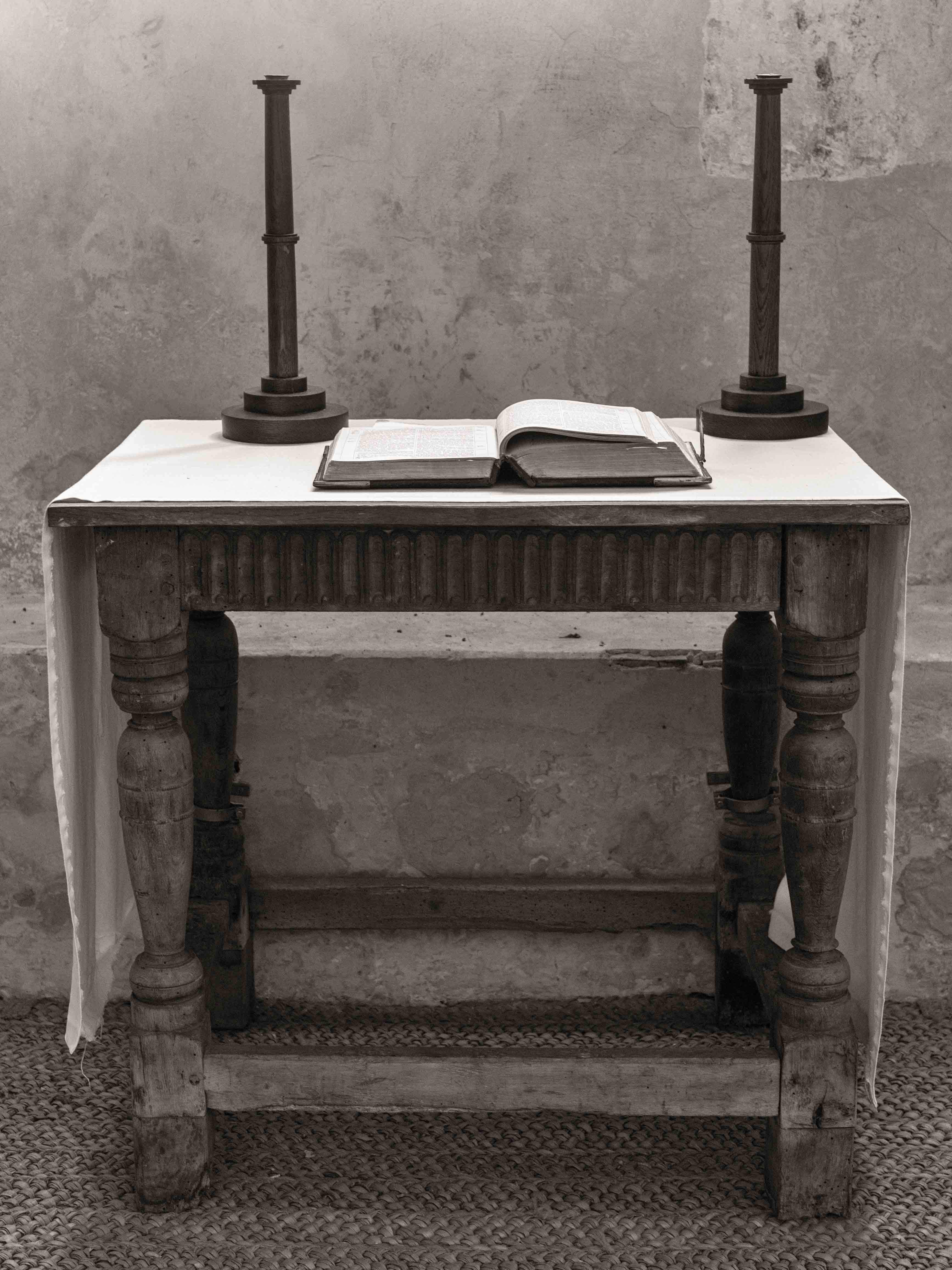
A Bible lies open on a plain white cloth, covering an old table. Simple but evocative.


L1003246-Edit


Though not large, its simplicity and elegant proportions give the impression of height and space. Light floods in through the clear glass of the beautiful Medieval windows to illuminate the interior.


L1003279-Edit


The church is largely hidden by trees so taking a photograph of the exterior is not that easy, but the view below does emphasise the simplicity of the church. There is no tower, just a dormer belfry which cannot be seen.


Do click on any image to see a larger version which will open in a new window. Or click on the thumbnail below to view a larger version of the featured image.
 

Churches Project no. 2 – St Materiana, Tintagel, Cornwall

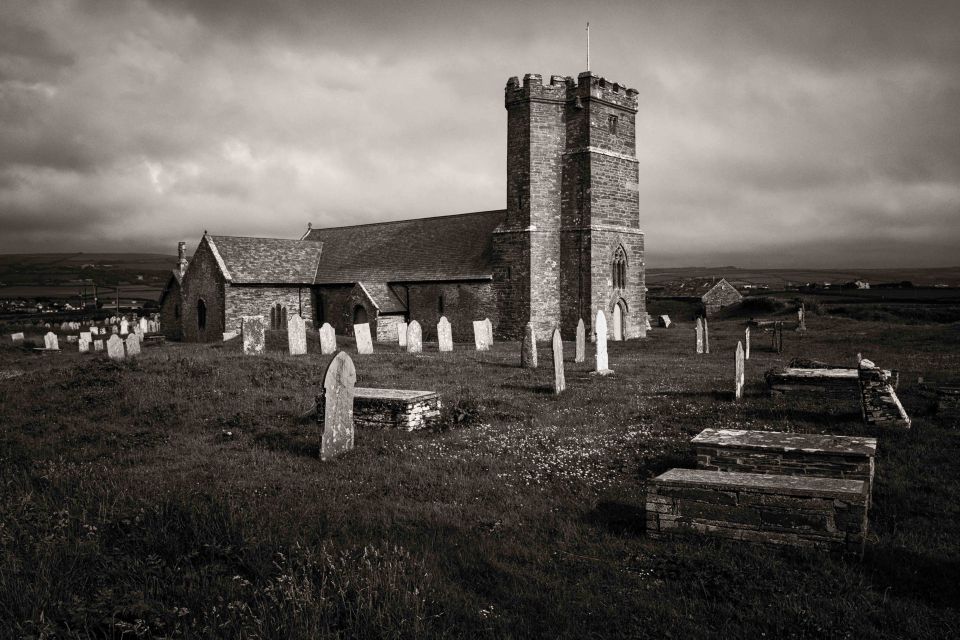
I approached the church from Tintagel Castle along cliff tops with spectacular views out towards the Atlantic. The village of Tintagel is clearly visible in the background.

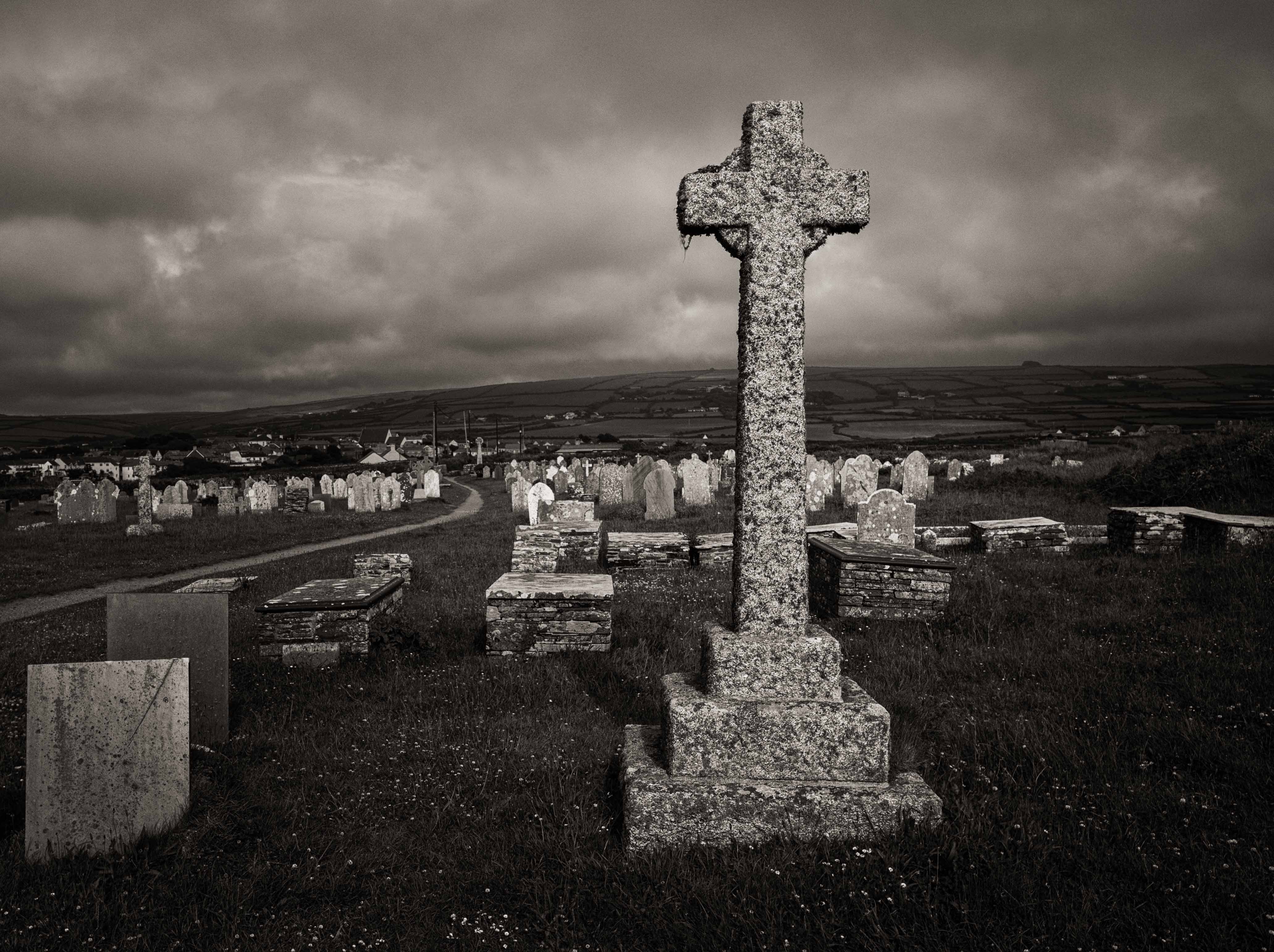
When I first arrived at St Materiana, I was greeted by a notice in the graveyard – ‘Beware Adders’. Needless to say I trod very carefully as I walked around trying to find the best position to photograph the exterior of the building.


The parish church of Tintagel is in the Anglican Diocese of Truro and county of Cornwall England. The Church was built between 1080 and 1150 and stands in an exposed position on Glebe Cliff overlooking the sea. St Materiana has been identified with St Madryn, a princess of Gwent, who, according to tradition, evangelised this area in about 500 AD. It is likely that the Church was built on the site of an oratory served in celtic days by the monks of Minster and later replaced by a Saxon style building. It appears to have been built on the site of intensive early Christian burial during the 5th to 7th centuries and the church today still retains an air of early Christianity.


The very large graveyard slopes away from the church, back towards the nearby village.


Click on any of the images to view a larger version.

To view a larger version of the featured image click on the thumbnail below.

Taken by the wind

20150616-L1002663-Edit


I love the way this tree has been shaped by the prevailing wind.

The branches appear to be reaching out, as if they are trying to grab hold of something, just anything, whilst the invisible roots grow deep and long, clinging to the earth below, preventing the tree from being torn out of the ground when the next wind blows.

To view a larger version, please click on the image which will open in a new window.

The Nave

Churches Project no. 1 – St Andrew, Sutcombe, Devon

This is the very first entry of my new ‘Churches Project’ and the honour goes to The Church of St Andrew, Sutcombe in Devon. It has Norman origins but is principally a 15th Century granite structure which was restored in 1876. It forms part of a small and quite remote village about 5.5 miles north of the town of Holsworthy.

For me the church interior offers greater appeal than its exterior. As you enter the south facing entrance porch, look up and you will see the medieval wagon roof; the age and character of the building becomes immediately apparent.


Porch roof

Porch roof


Inside the church itself, one of the first things you notice are the superbly carved bench ends dating back to the early 16th Century, many of which depict heraldic devices of local families. These complement the rood screen which separates the nave and the chancel and can be seen in the first image at the top of this post. Is it any wonder St Andrew’s has a Grade II* listing.


Carved bench end

Carved bench end


In contrast to the carved bench ends, there are a collection of more modern pew chairs with a cross back, which from a photographic point of view are just as appealing.


Pew chair

Pew chair


This is certainly true when some rays of sunshine highlight one of the chairs hidden in the rear corner of the church which has a broken rear leg and woodworm is also evident.


Broken chair

Broken chair


The exterior shot of the church was captured using a 28mm lens. I could only just get far enough away to include all of the building which has made me think a wider angle, perhaps a 21mm would be useful  in the future.


Church of St Andrew, Sutcombe

Church of St Andrew, Sutcombe


To see a larger version of the featured image click on the thumbnail below, or click on any of the images and they will open in a new window.

The Nave

The Nave

More information about my ‘Churches Project’ can be found here.

Haytor – a chance to reminisce.

Haytor

Haytor

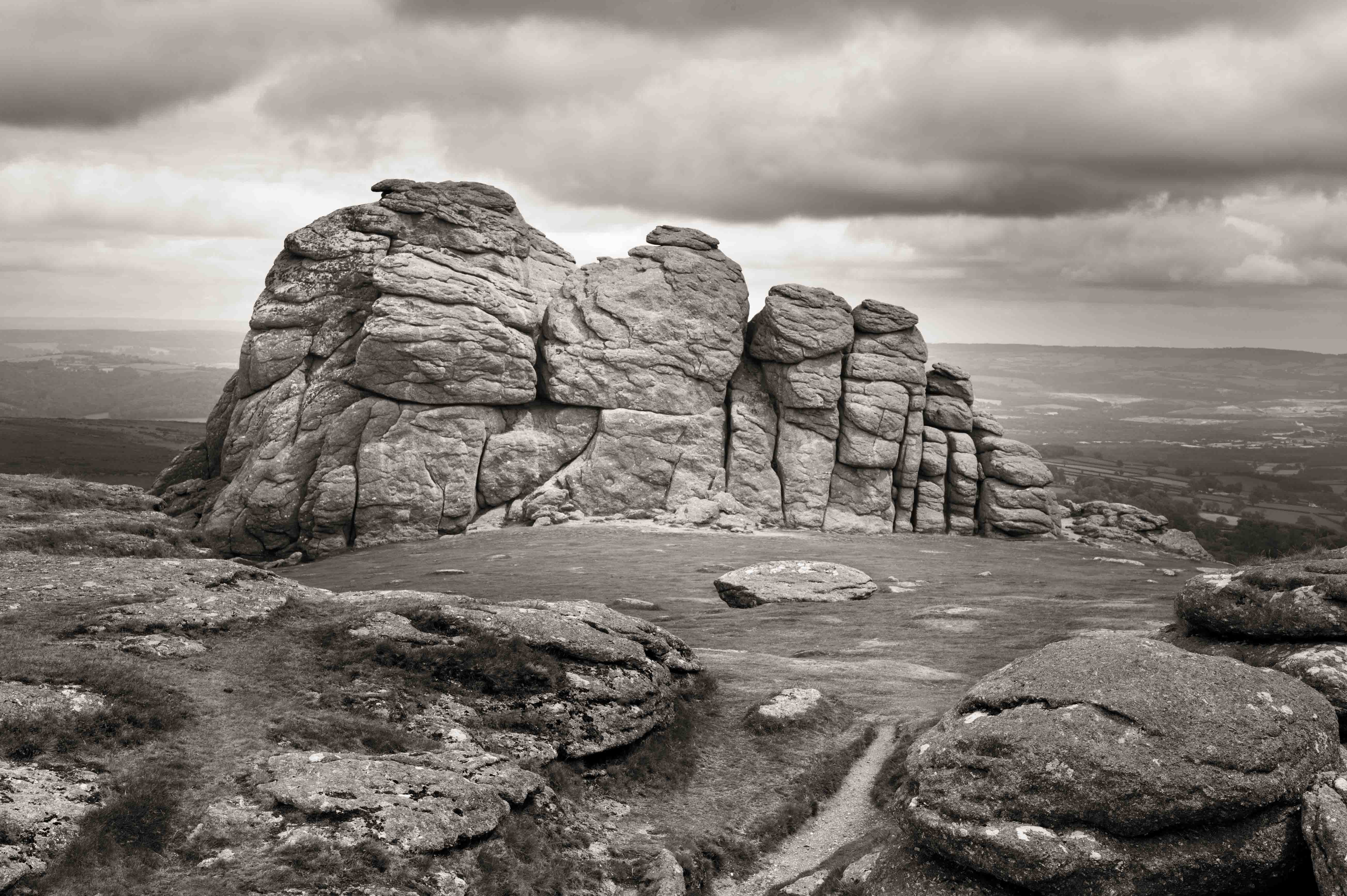
I recently came home from a very enjoyable and relaxing family holiday on the borders of Devon and North Cornwall. On the return journey I wanted to take a small detour and visit the town of Bovey Tracey, which lies on the eastern edge of Dartmoor National Park, and more specifically to go and see the granite outcrop of Haytor. This is perhaps the most recognisable and accessible of all the Dartmoor Tors, so on arrival I was not surprised to find a visitor centre, car and coach park catering for the tourists. Fortunately the weather was inclement and the number of people clambering up the relatively easy hill to reach Haytor were few.

I wanted to return mainly for sentimental reasons. I have fond memories of family holidays in this part of Devon when I was in my mid teens, some forty plus years ago (take large gulp…… and ask how is that possible?) and had not been back since. Life moves on and sadly both my parents and my sister have all passed away in the intervening years. My wife stayed by the car to photograph the very tame Dartmoor ponies and I walked up the hill with my grown up daughter and our dog.

I was pleased that the rocks of Haytor were just as I had remembered them; exposed to the elements but to my eyes nothing had really changed. My memory of Haytor is now as it was when I was a teenager. Still proud and strong, still dramatic and still commanding spectacular views of the surrounding countryside. It felt good to be back experiencing this great location with my own family and for a few moments to stand quietly, touch the stone, and reminisce about past times.

It was also good to be reminded that some things change and some things remain the same, which is just as well, as we all need a ‘rock of stability’ in our lives.