Posts tagged ‘black and white photography’

The Isles of Iona and Mull – Part One ….. Iona Abbey
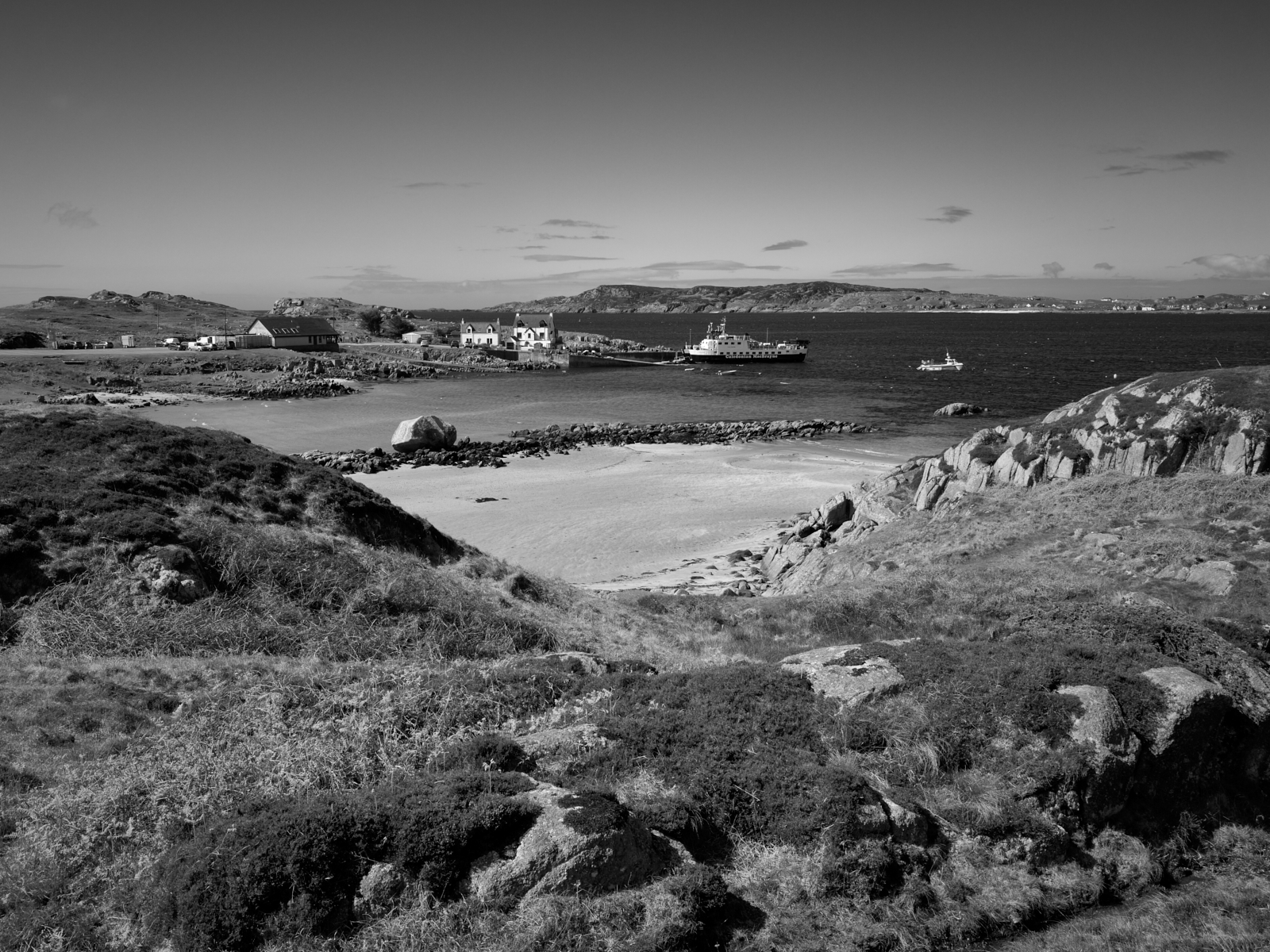
The ferry crossing at Fionnphort at the end of the Ross of Mull

For many centuries The Isle of Iona has been a cherished destination for pilgrims wishing to visit the Benedictine Abbey and experience for themselves the beauty, peace and spiritual nature of the Isle. It was on this isle that St Columba and his disciples first landed in 563AD, having rowed from Ireland in a currach, a small boat with a wooden or wicker frame covered in tarred animal hides. There is much speculation as to why the Irish Saint, then known by his Irish name as Colm Cille, meaning “Dove of the Church”, made what would have been this tortuous journey. But in doing so he spread the word of Christianity in Scotland and further afield.
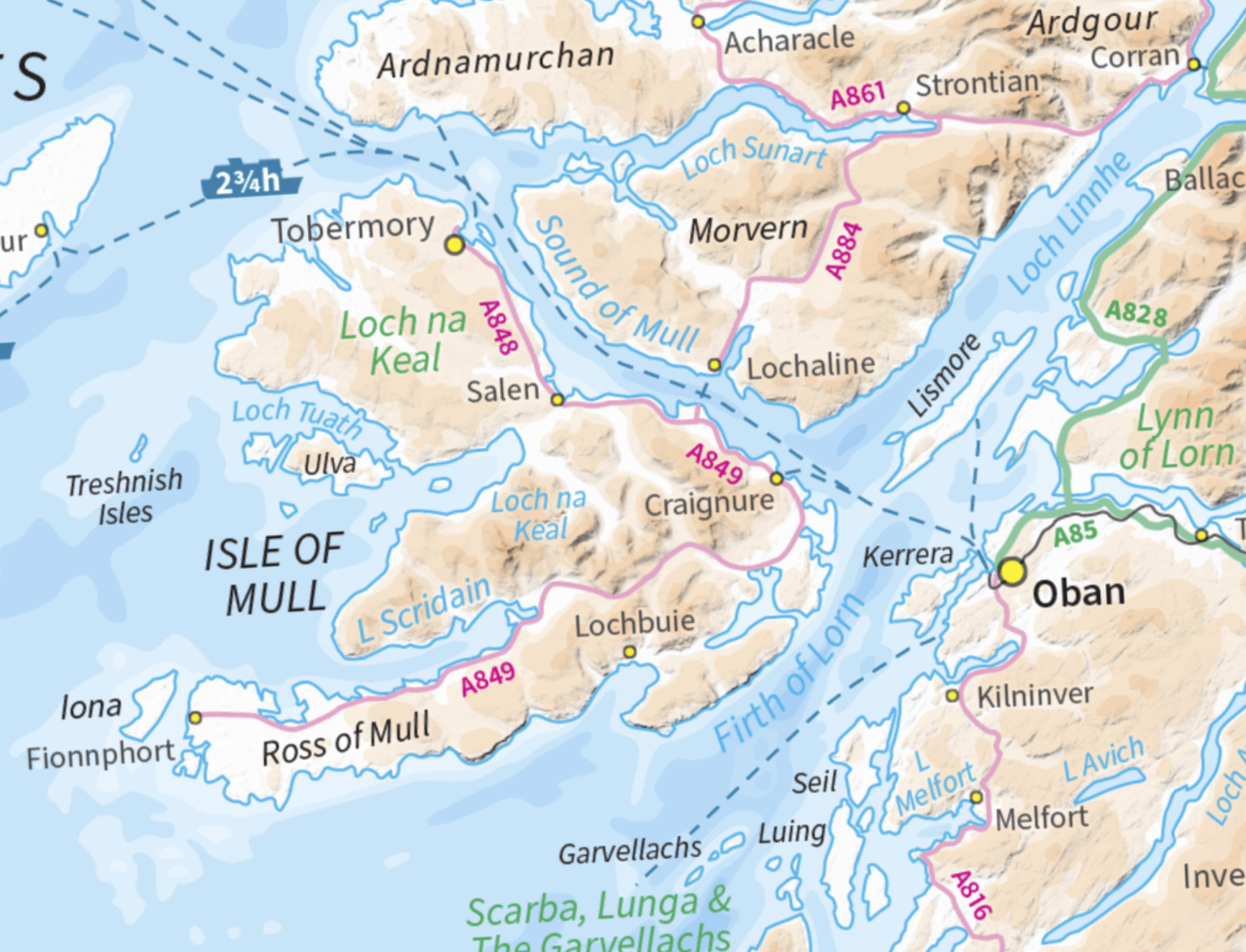
The Isle of Mull with Iona at the western tip of the Ross of Mull

Even today using modern means of transport it requires a fair amount of effort to reach Iona. From Oban on the Scottish mainland a ferry crossing of about an hour docks at Craignure on the Isle of Mull. An hour and a quarter long drive along the A849, albeit a mainly single track road leads to Fionnphort. From there another ferry crosses the Sound of Iona in ten minutes. These ferry crossings are very weather dependent, so once you arrive on the island the feeling of isolation on Iona is tangible. Keep in mind it is only 3 miles long a 1.5 miles wide. When Samuel Johnson and James Boswell famously toured the Western Isles and the Hebrides in 1773, they reached Mull via the Isle of Coll. A significant and challenging adventure given the journey on land would have been horse and carriage.
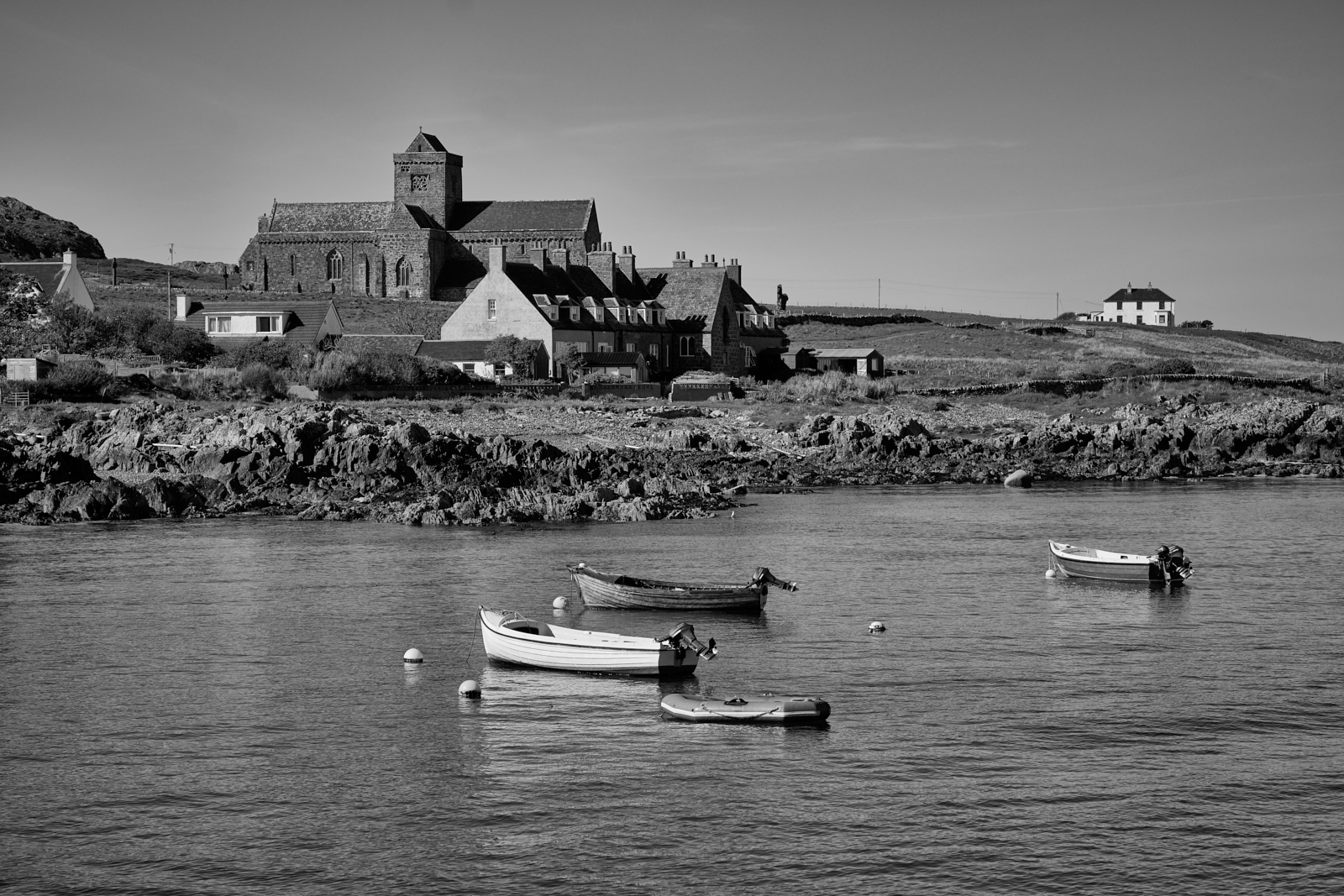
A much photographed view of the Abbey from the Sound of Iona

Earlier this year my wife and I had the good fortune to return to this very special and beautiful place; The Isle of Iona forms part of the Inner Hebrides in Scotland and lies at the western most tip of the Isle of Mull. We stayed in a small property in Fionnphort and overlooked the Sound of Iona. From our accommodation for the week we could see the small ferry port and observe the regular sailing of the Caledonian MacBrayne ferry as it made the 10 minute crossing. We were blessed with lovely weather although that did have the effect of increasing the number of visitors.
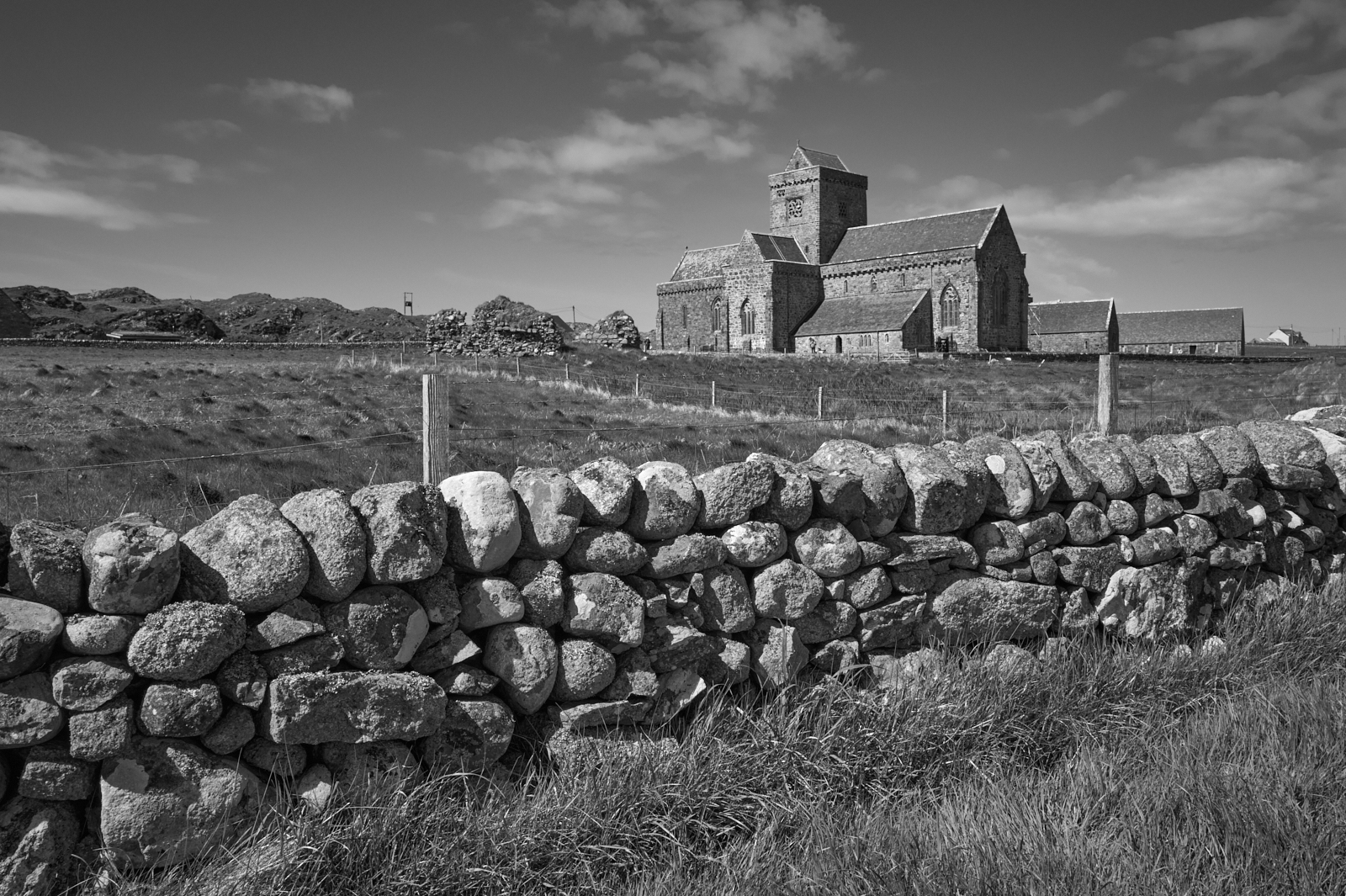
Iona Abbey

As you might imagine there is considerable history attached to the Island and in particular to the Abbey. Too much in fact for me to describe in any detail here, suffice to say that the Sacred Isle became the hub for early Christianity as missionaries spread the word across northern Britain. The original celtic monastery founded by St Columba no longer exists and the current Abbey dates from the 13th Century, although monastic life ended in 1560 with the protestant reformation and the building was left derelict. Restoration only took place in the early part of the 20th Century before final completion in 1965.
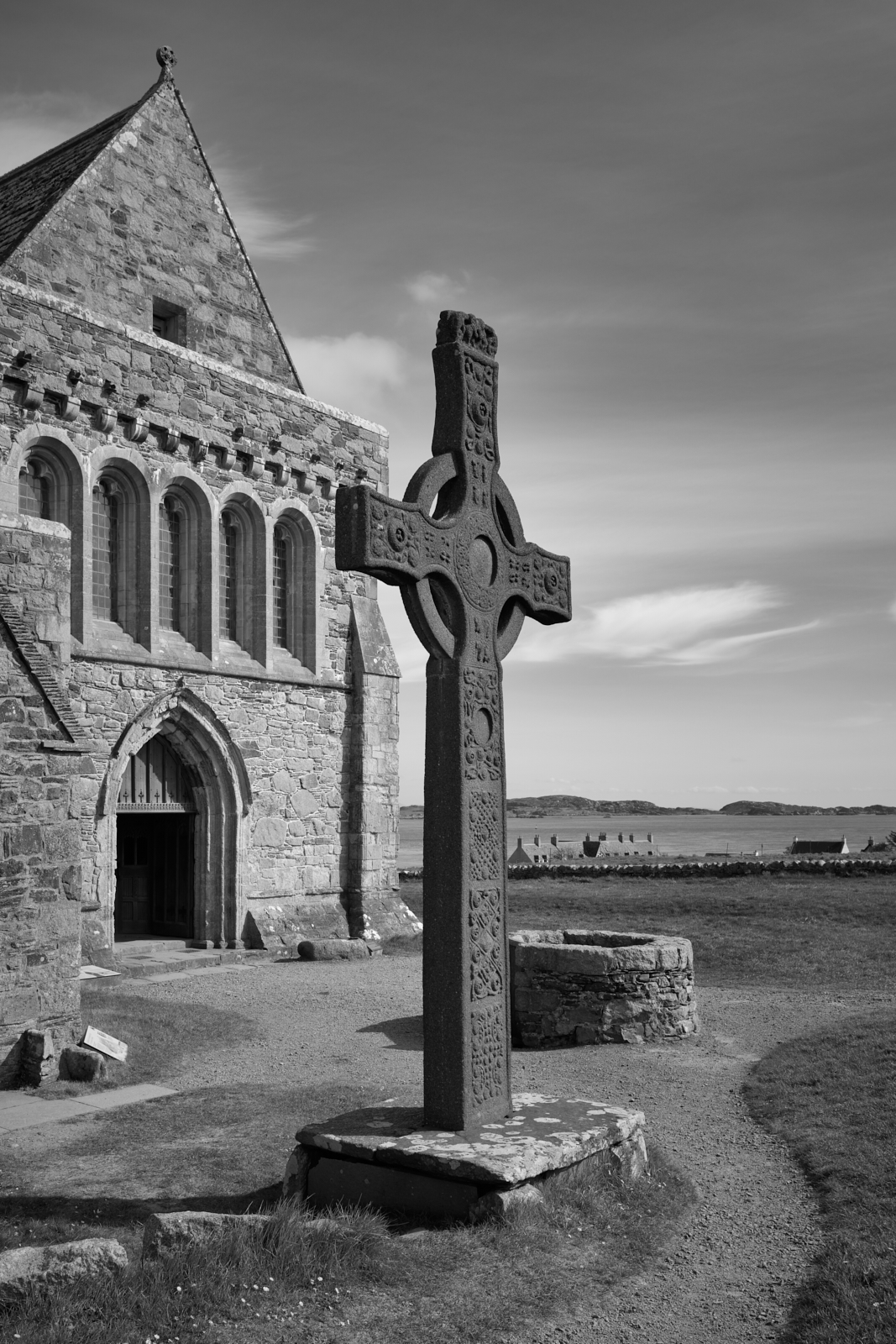
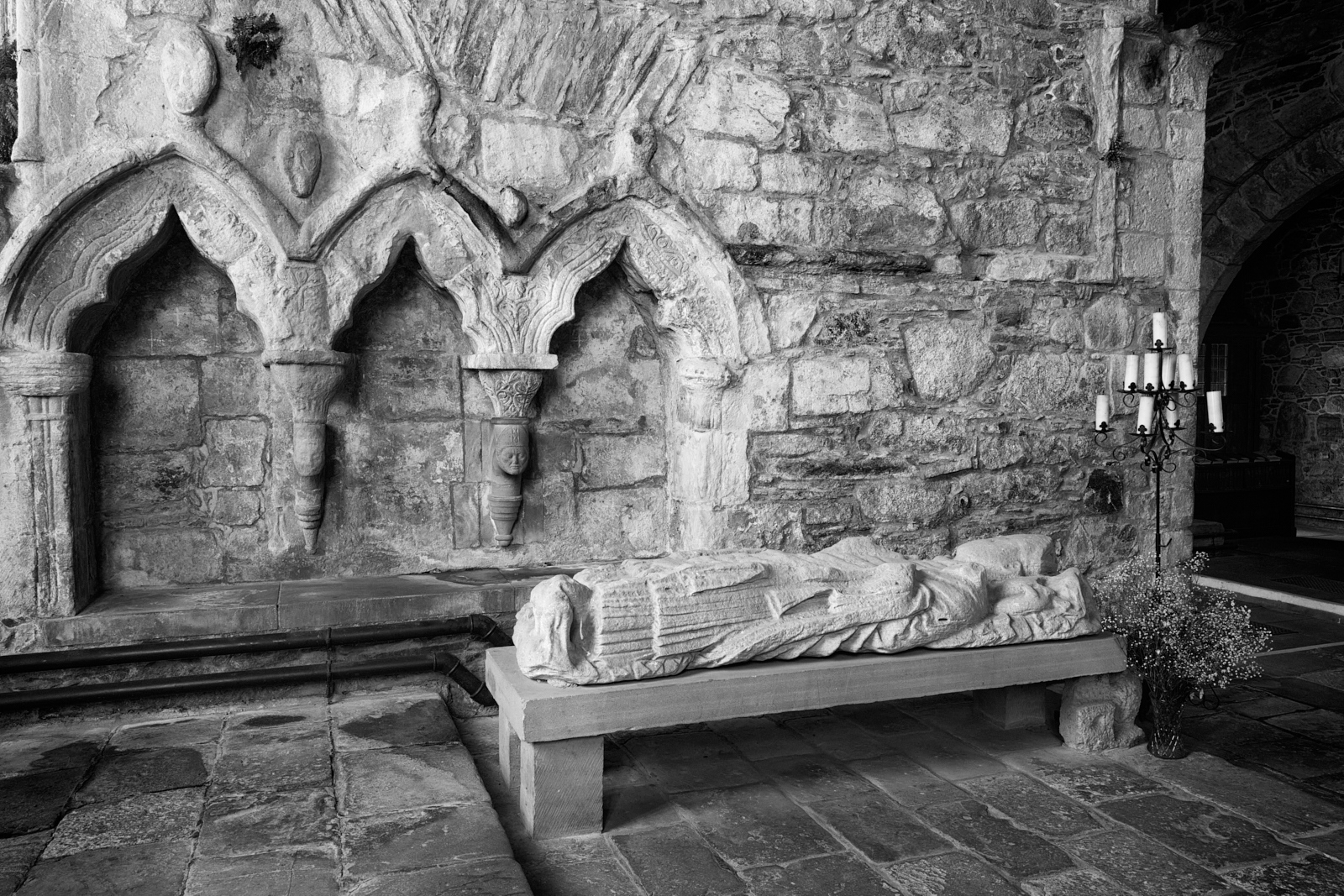
A replica of the 8th Century St John’s Crosswhat remains of the original cross can be seen in the Abbey Museum
Medieval stonework in the Chancel
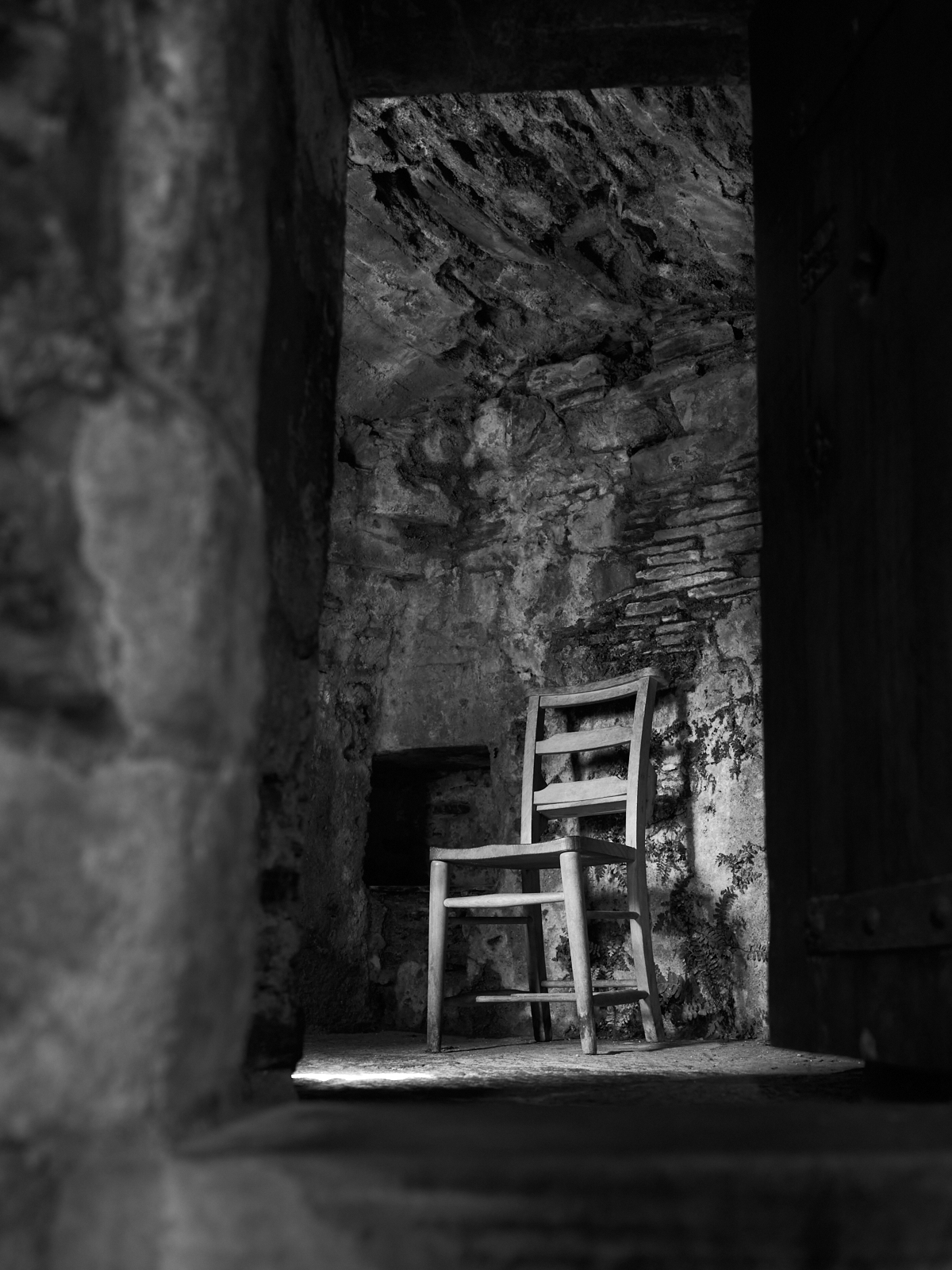
Interior detail – notice the ferns growing out of the wall
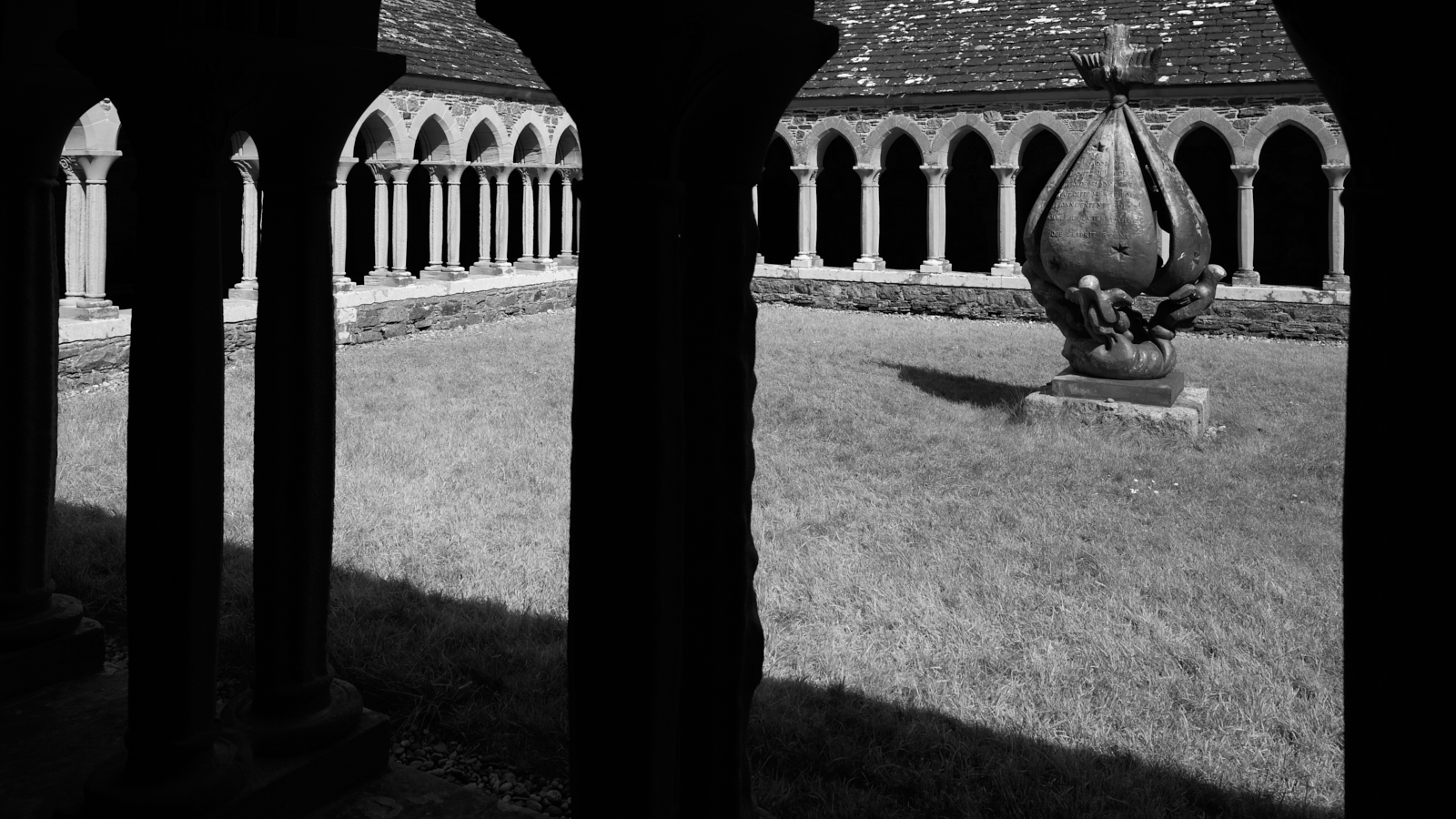
The Abbey Cloisters
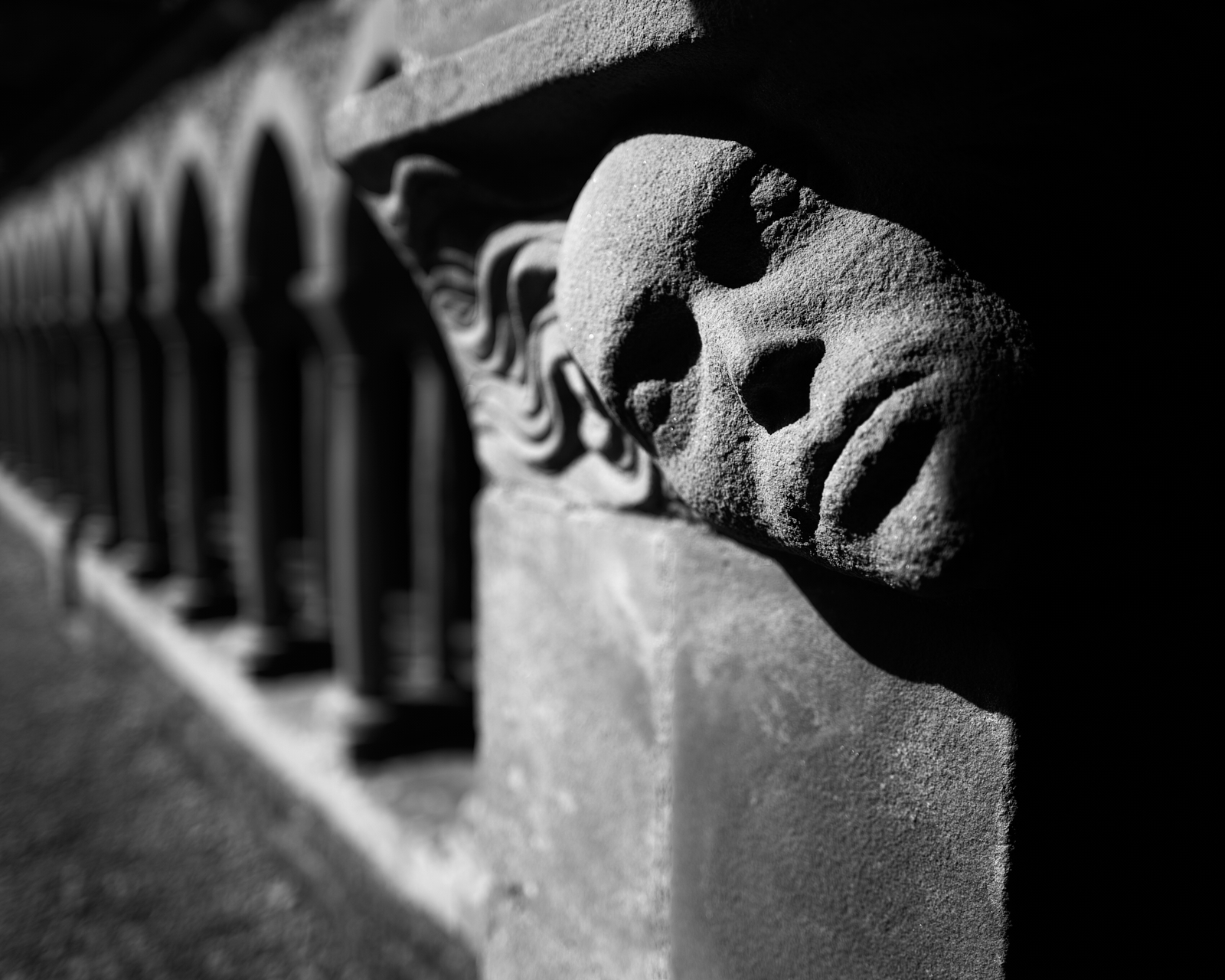
Detail of one of the many stone carvings in the Cloisters – Alpha and Omega
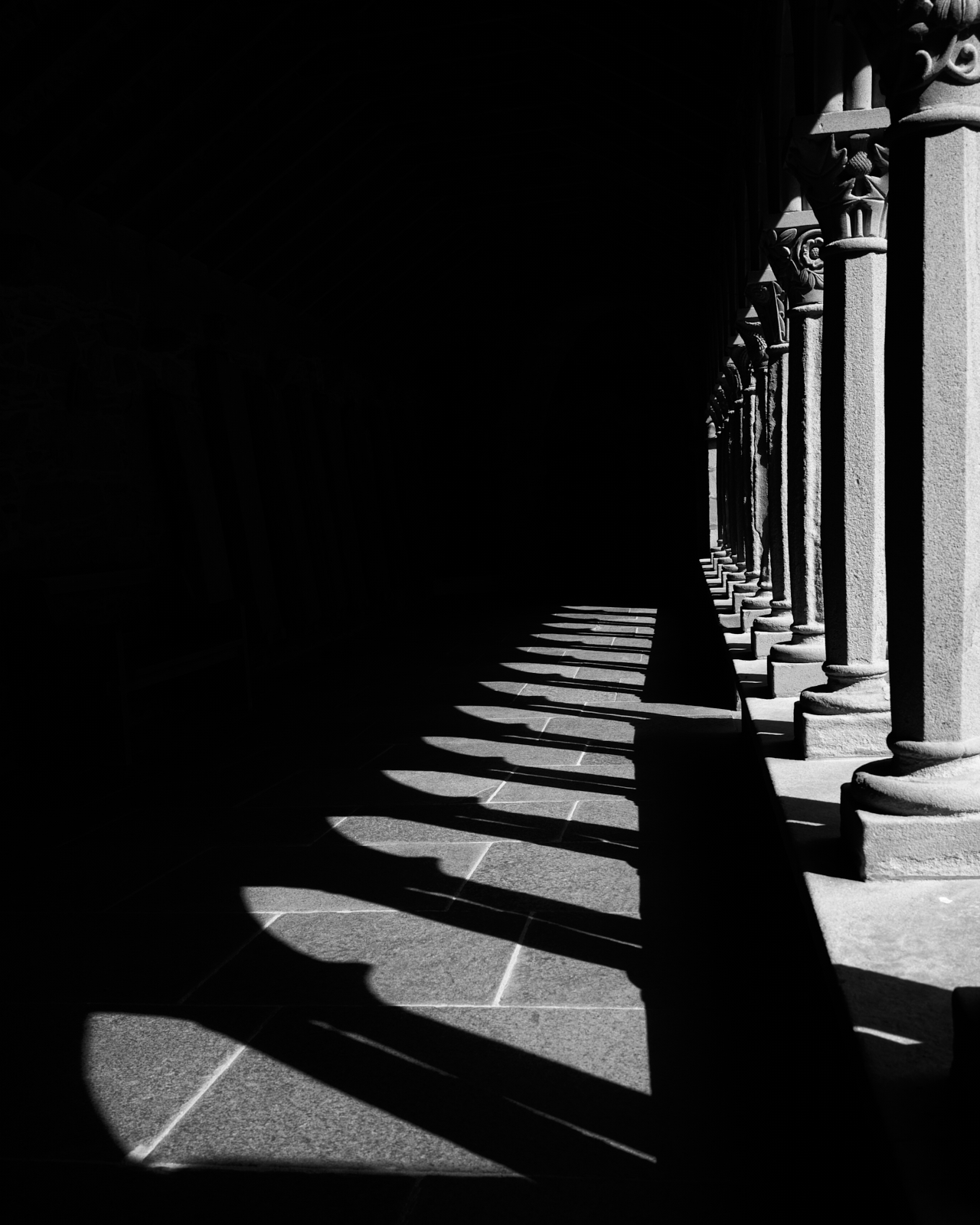
Light and darkness in the Cloisters

During the Dark Ages Iona was the subject of many raids by the Vikings, mainly in the 9th Century and the graveyard of St Oran’s Chapel was used as the final resting place for many local clan chieftains and ‘Kings of the Isles’. During this period the island also became a leading artistic and scholarly centre, known for its carved stone crosses and illuminated manuscripts which included the famous Book of Kells.
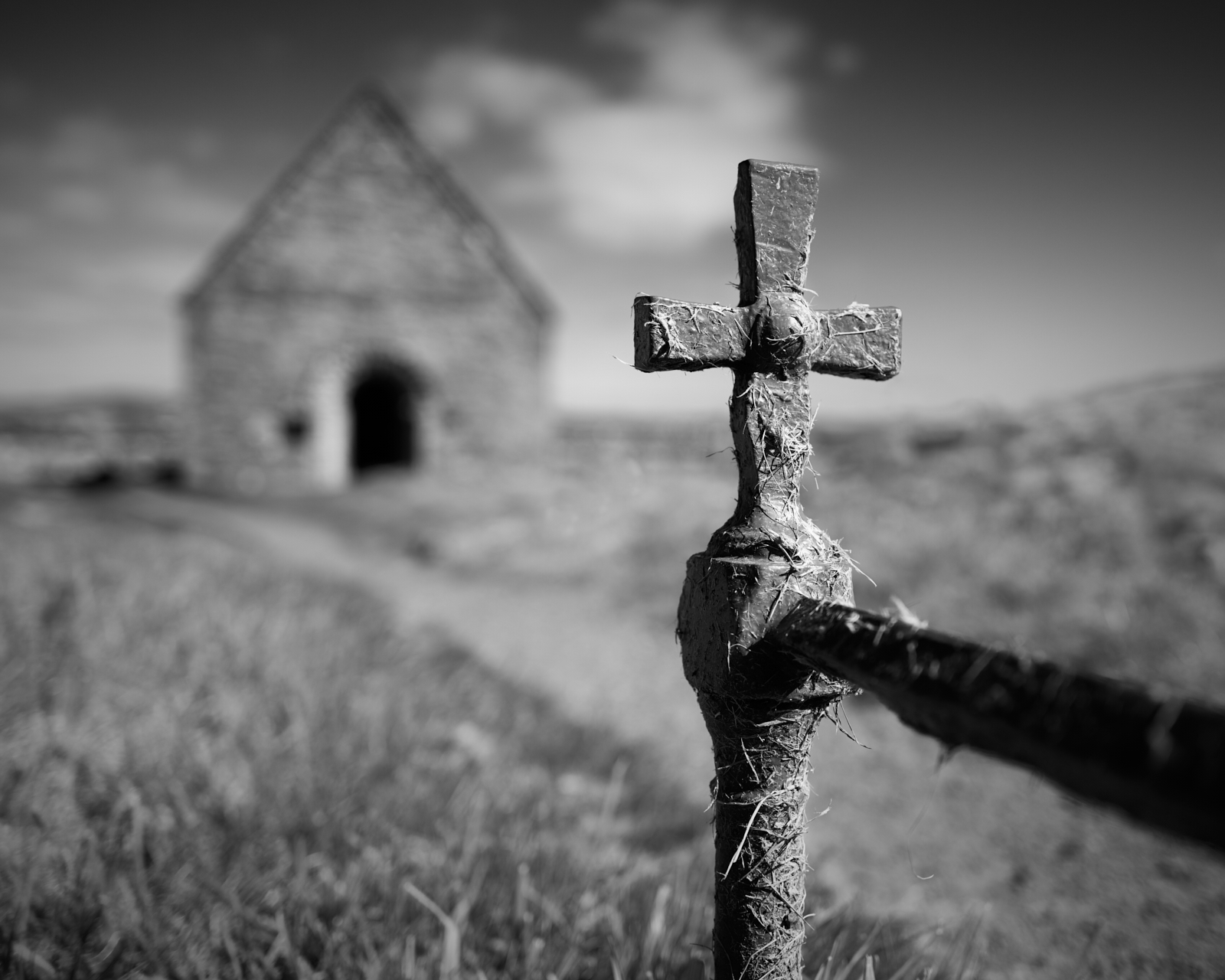
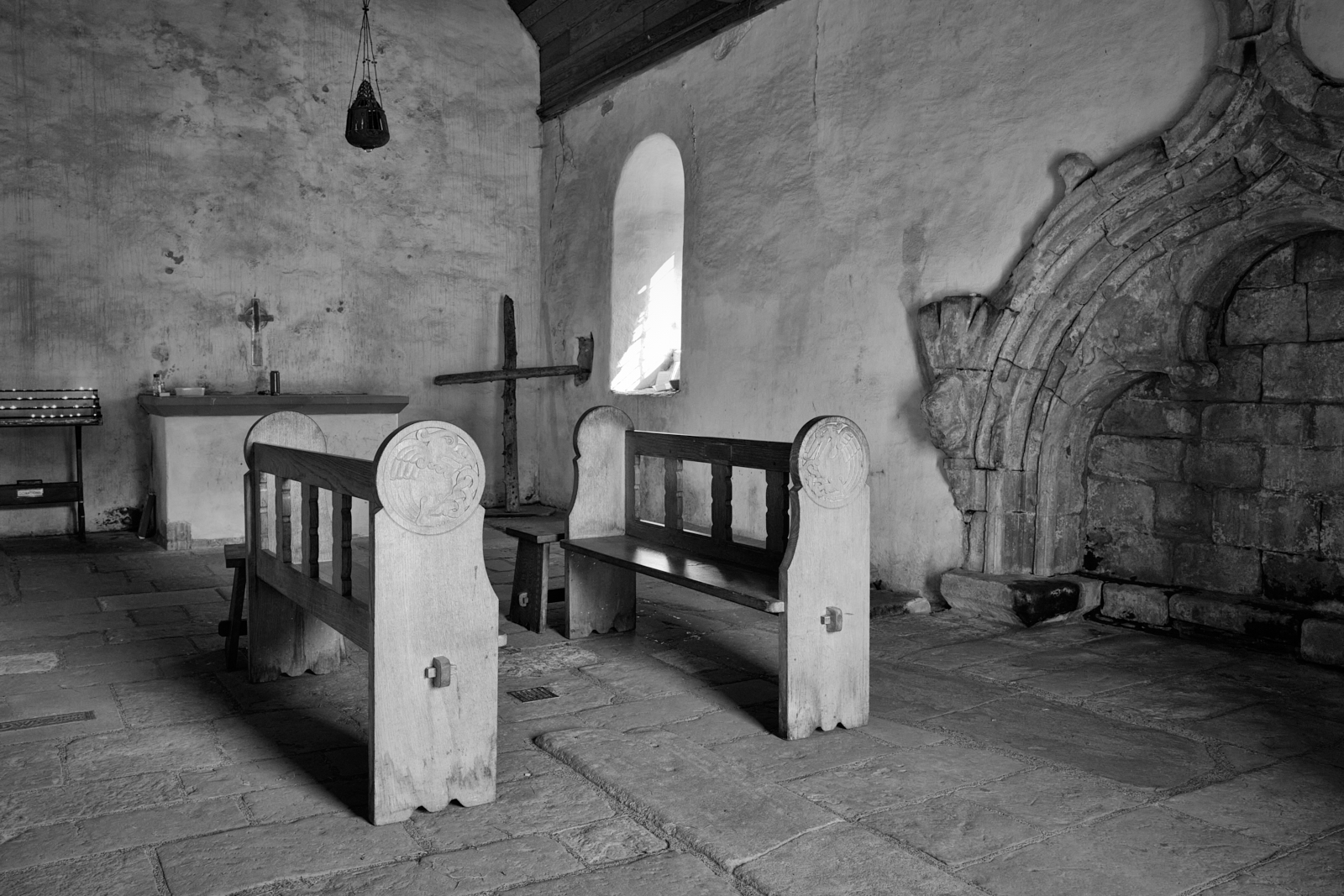
St Oran’s Chapel
The interior of St Oran’s Chapel

This is Part One of three posts about the Isles of Mull and Iona.

Parts Two and Three can be read here

The Isles of Mull and Iona – Part two ….. Capturing the spirit of place
The Isles of Mull and Iona – Part Three ….. It’s bath time!

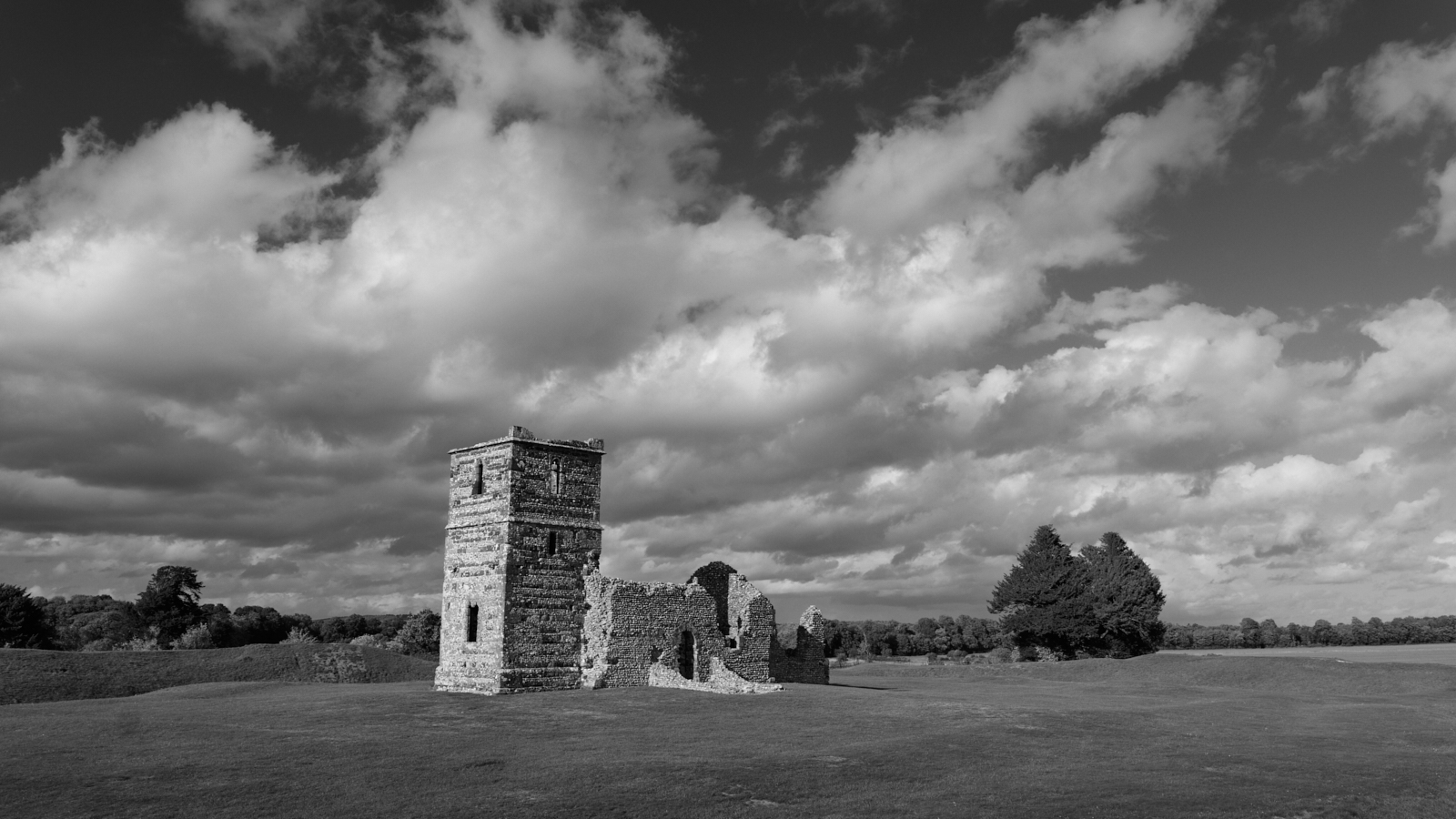
Knowlton Church ….. when expectations and the results don’t match

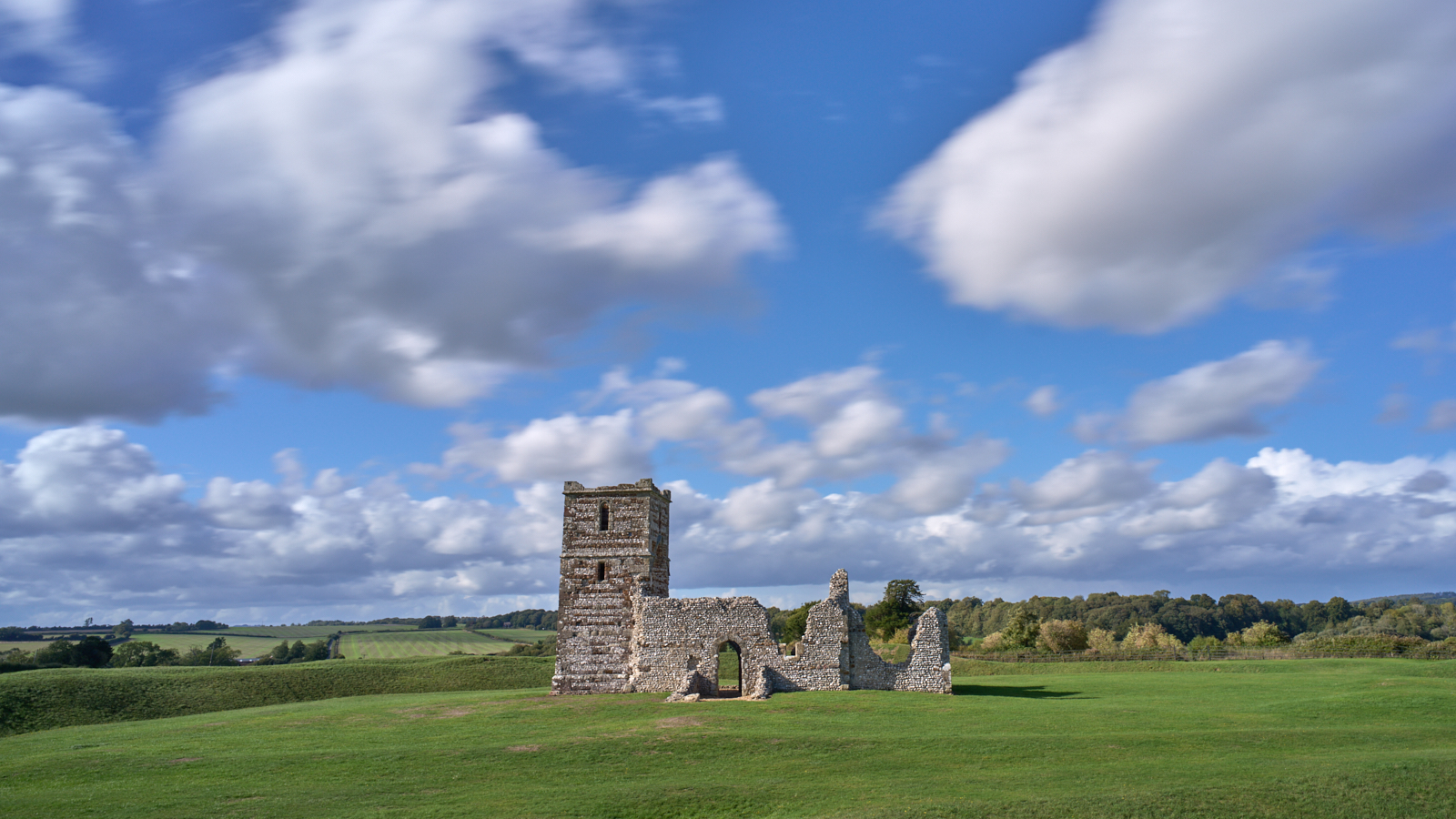
I have wanted to make an image of the derelict remains of Knowlton Church in Dorset for sometime now. I have seen plenty of images online, many taken at dawn or dusk but this wasn’t what I had in mind.

After a long dry summer the past few days have seen a return of sunshine mixed with some dark clouds and heavy showers. I had the idea of capturing the church ruin bathed in sunlight with passing storm clouds as a backdrop. I even thought a long exposure might add to the drama. The forecast looked promising so I got in my car and set off.

On arrival clear blue skies prevailed. I looked around me and the shower clouds I was hoping for were nowhere in sight. While waiting I wandered around looking for what I thought would be the best angle and composition. An hour or so later and the prospect of the conditions improving or worsening, depending upon your point of view, were dwindling fast. Don’t get me wrong it was a lovely late summer’s afternoon, but there was little drama, no atmosphere and I felt rather let down, somewhat deflated.

I did of course take a few images and the picture above is I think the best of the bunch. Perfectly acceptable but the result just didn’t match with my expectations. Had I gone out with a more open mind I would have returned home grateful that the light and clouds had been so favourable.

It’s one of the pitfalls of landscape photography. Although we can pre-visualize the image we want to make, invariably the weather and light don’t play ball. Far better not to build up your hopes for a particular photograph and simply accept the the conditions as you find them. Make the best use of the prevailing light and weather and simply enjoy the experience of being out with your camera in a glorious location.

In my last post I said that I would make the effort to make some more colour images. This picture doesn’t excite me at all but does serve to illustrate what a stunning location this is.

One day I will return to Knowlton Church and capture the image which I still have in my mind, and in the meantime I shall try and improve my ability to read the weather forecast!

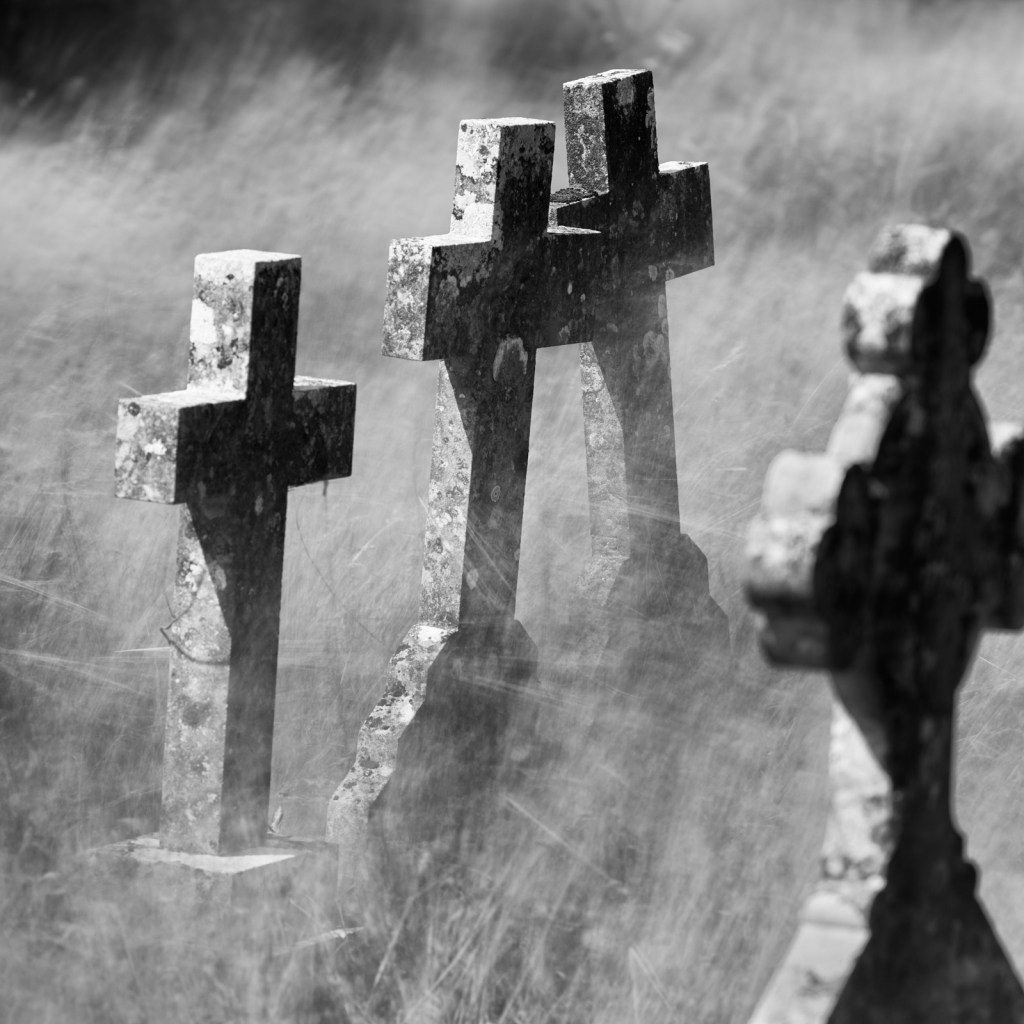
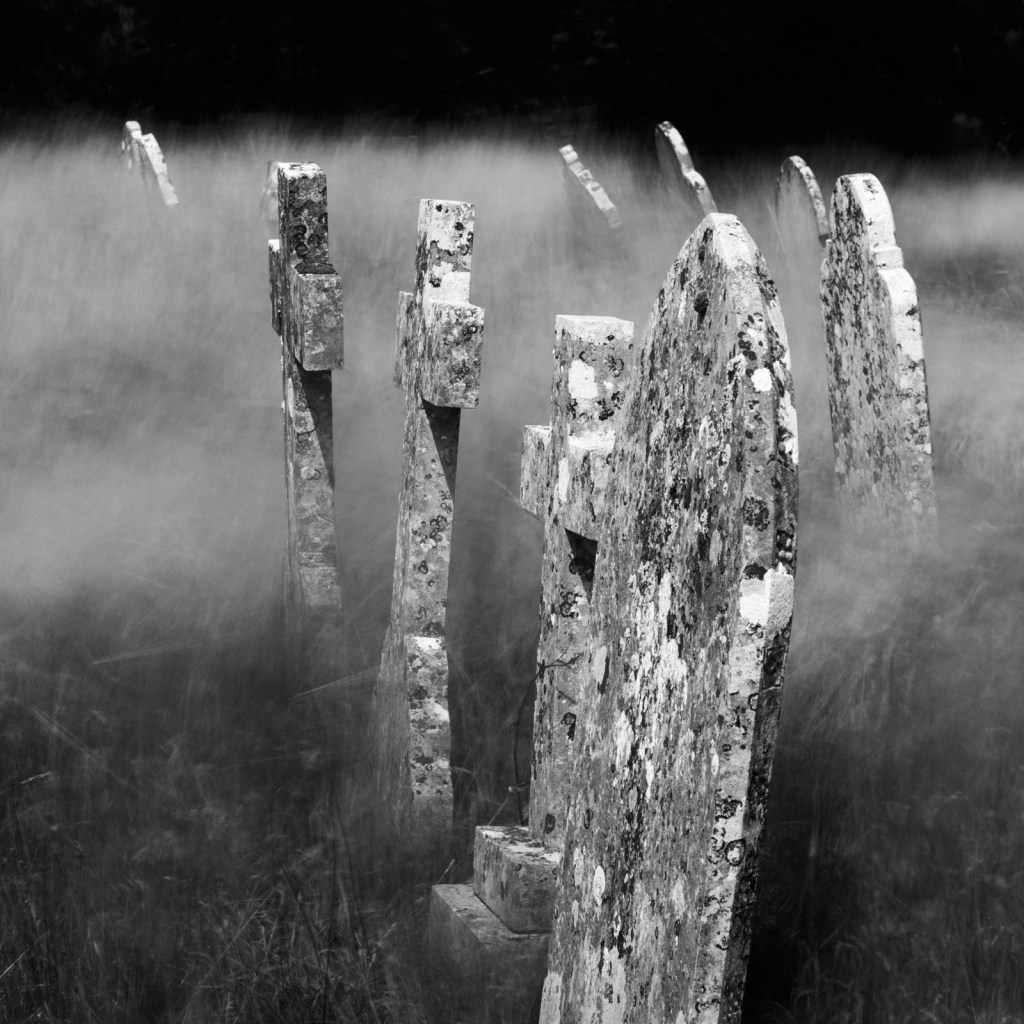
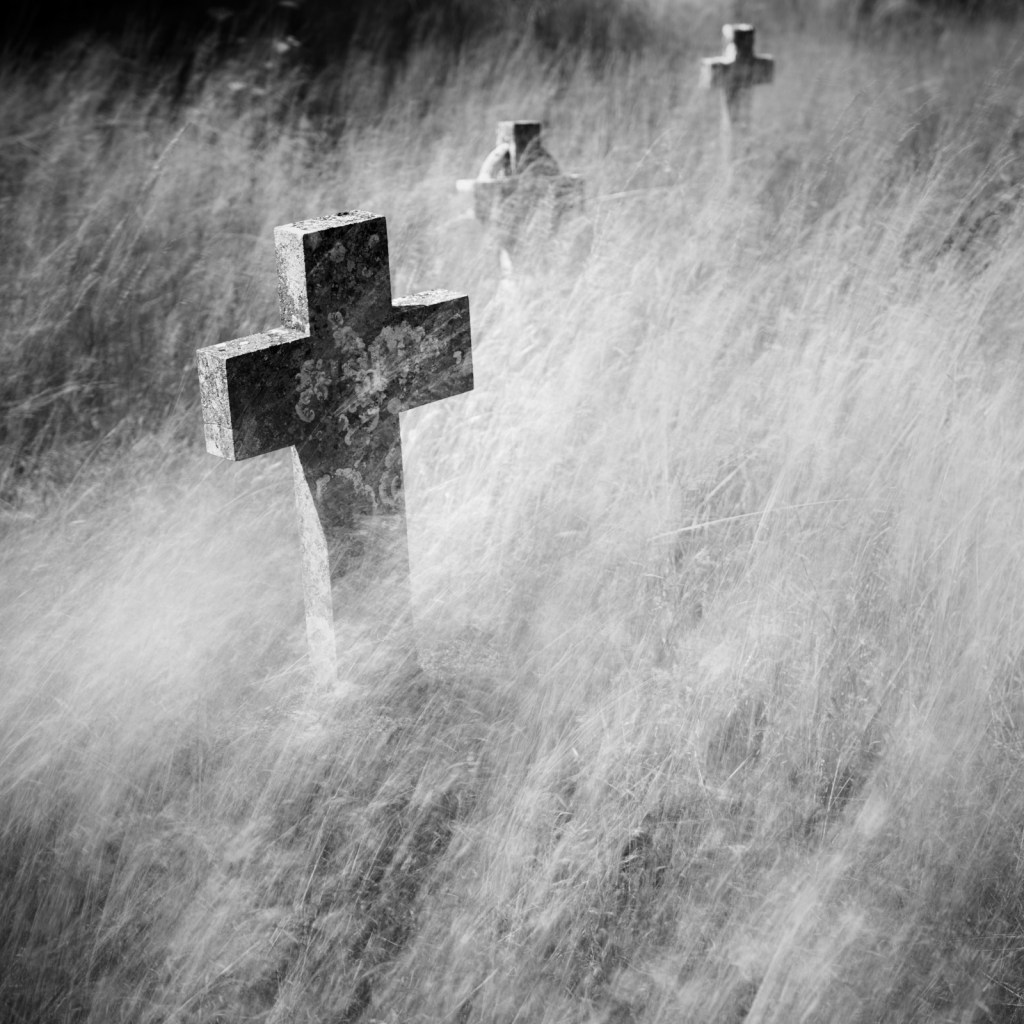
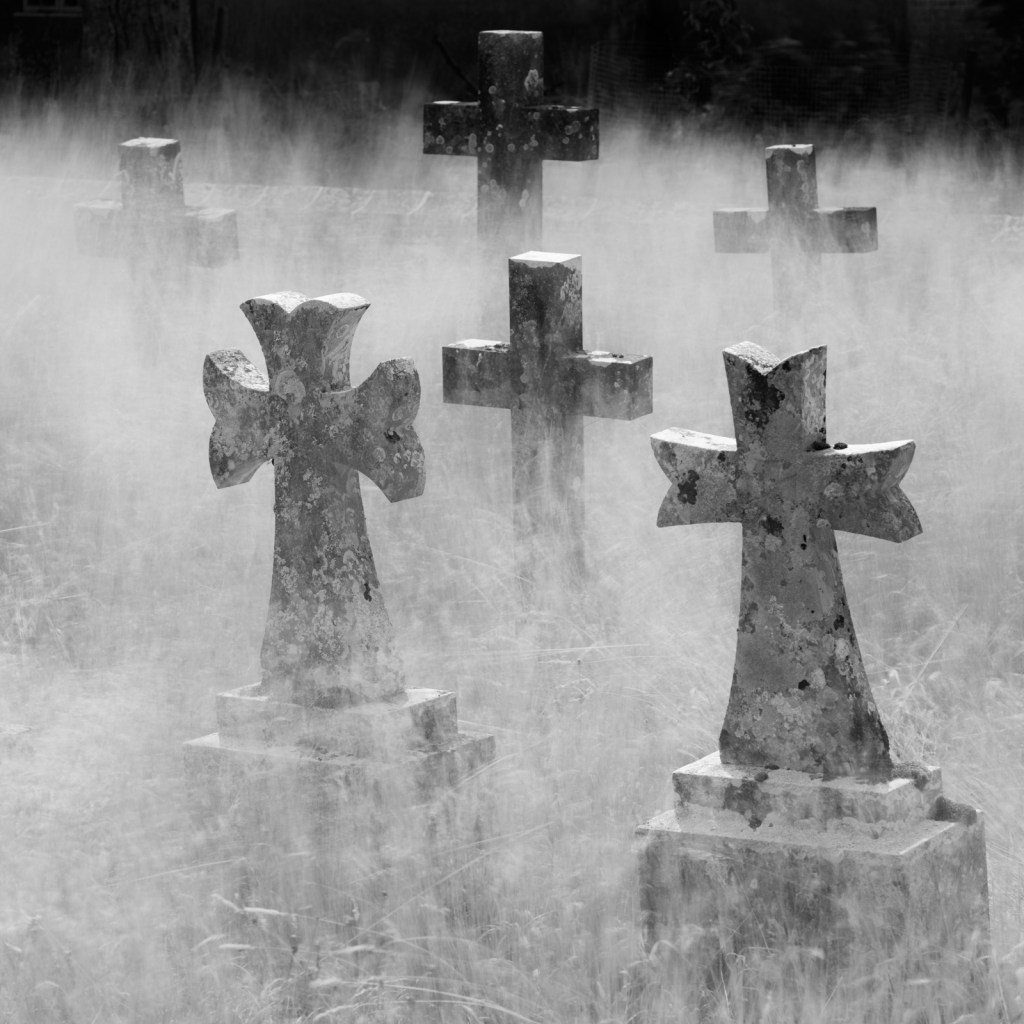
Life and light in the stillness ….. feelings evoked by my local churchyard.

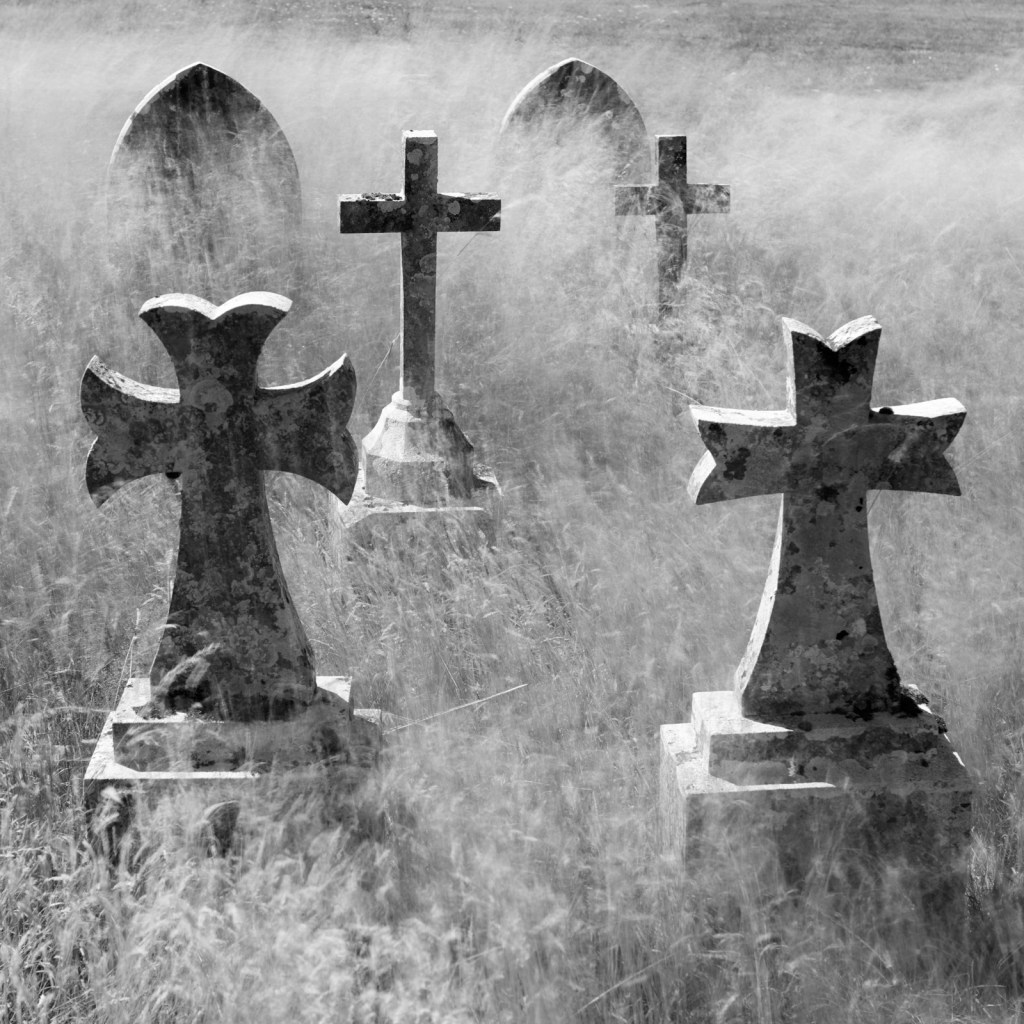
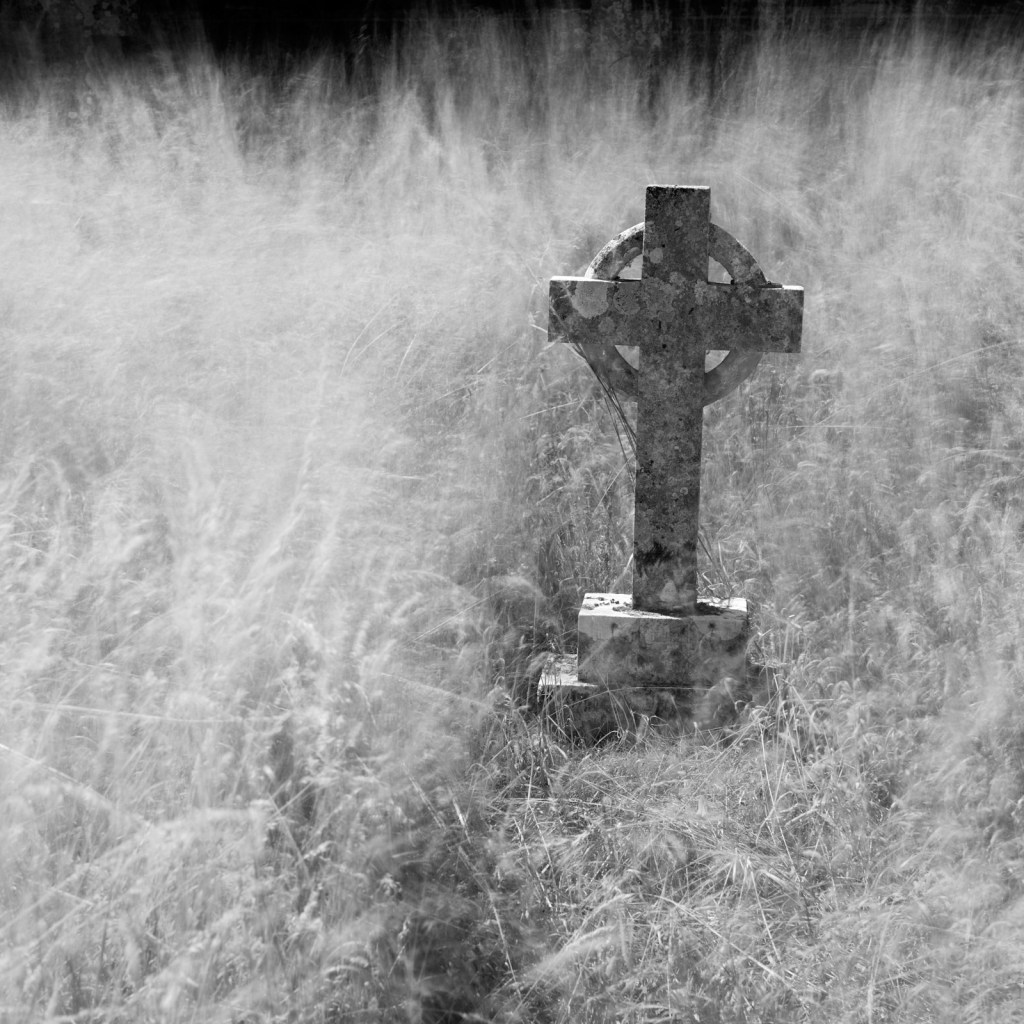
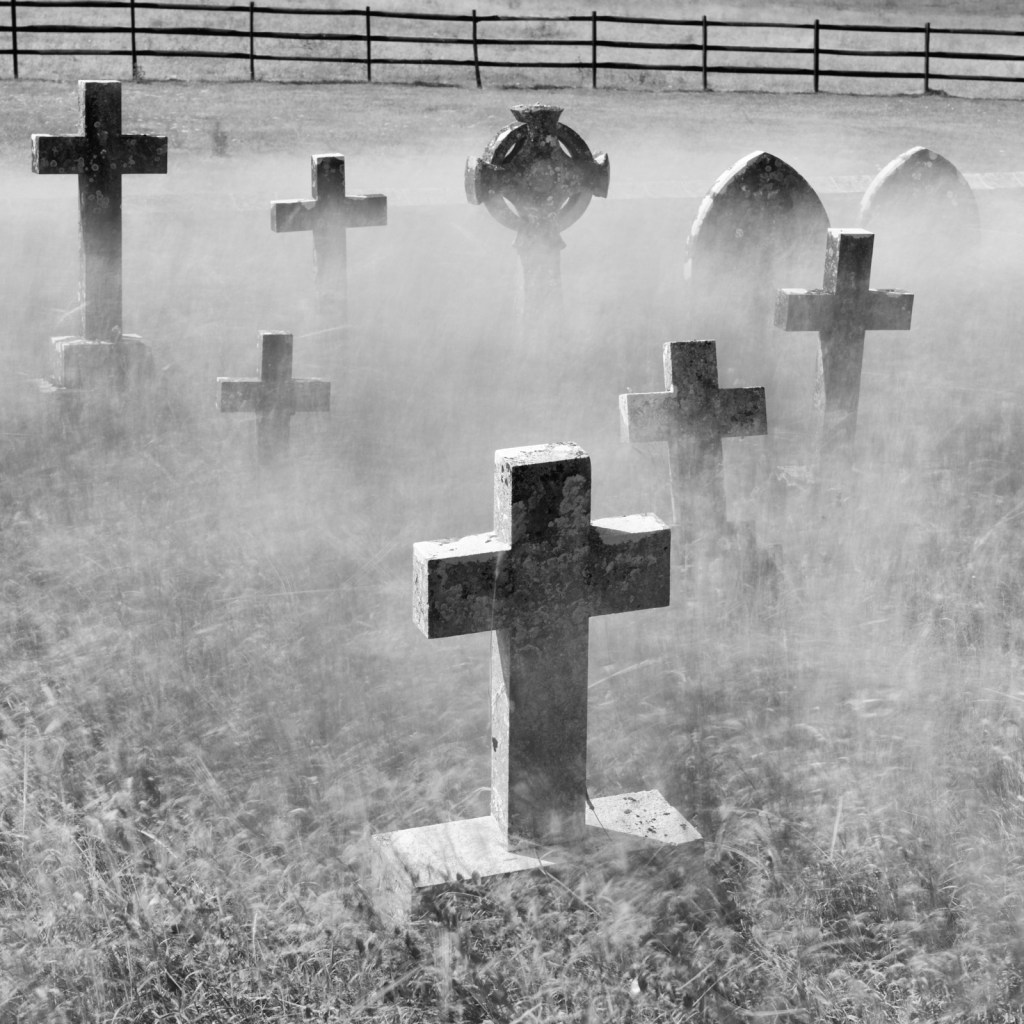
For the past couple of years a large section of my local churchyard has been left to grow wild. Untended, the grasses grow, and will gradually die back, more so in this hot dry summer. They provide a habitat for insects, birds and possibly other wildlife as well. In early autumn the area is cleared and nature’s cycle will continue. Cut back, dormant, only to re-emerge and thrive again next spring.

Churchyards are places of peace and sanctuary which evoke many contrary emotions. They are there for those that have gone before us. The old headstones and crosses mark the lives of the many generations who were once alive and part of village life. In some cases the inscriptions are still visible but these are old stones, so more often than not the words of remembrance and the dates of the dearly departed have been worn away, eroded by the elements. I can only imagine the tales that are buried in the ground beneath my feet.

The other day I dusted off my tripod and gathered together my ND filters, and decided to try and capture how I felt about this place. On the one hand there is stillness. The age-ed gravestones no longer upright but weathered and leaning from the passage of time. Resilient to change, protected and to be respected. The gusting wind and sun would play their part. The grasses waving as the wind ebbed and flowed. Sunlight fleetingly disappearing behind thin cloud only to reappear a few moments later. Essential ingredients which helped me realise the images I had in mind. A mix of life, movement, light and death.

From a photographic point of view I enjoyed being alone for a few hours. Over two sessions I immersed myself in the scene as I discovered new compositions. Moving and adjusting the position of the tripod, swapping lenses and ND filters. Manually focusing and varying the camera’s settings to try and achieve the look I was after. Simply being creative.

I understand that for many people churchyards are sombre and melancholic places. I find it hard not to share these feelings. However there are also feelings of resilience, rebirth, remembrance, respect and ultimately love and hope as we contend with the challenges that are placed before us each and every day.

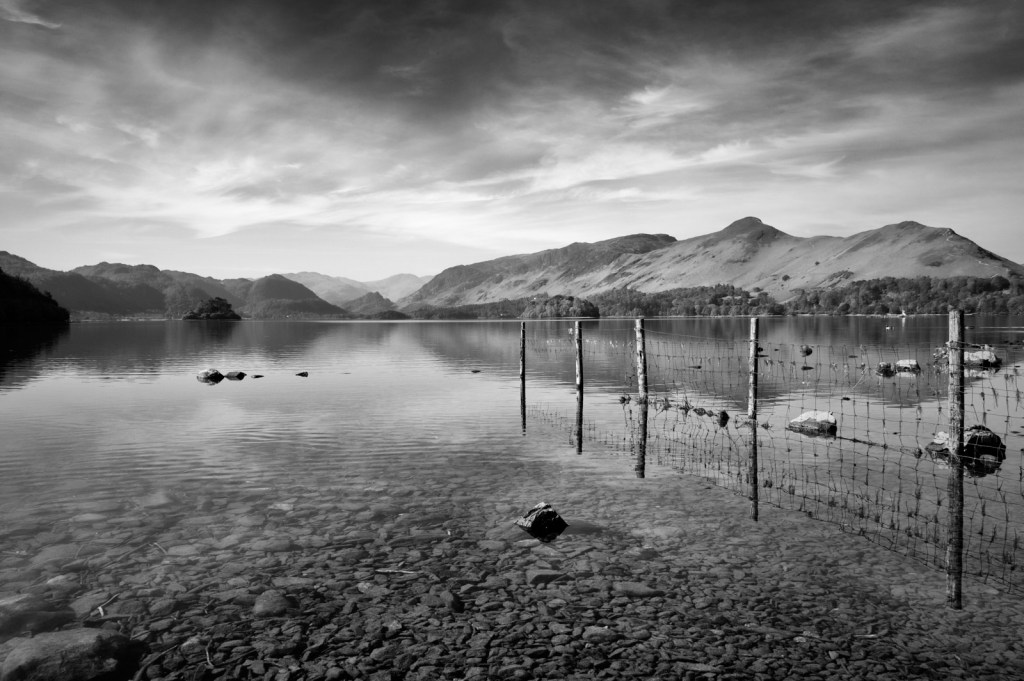
Derwentwater….. arguably the Lake District at its most beautiful

Age and an adversity to risk stop me from venturing very far up into the hills these days. I know if I did such walks would reveal some wonderful vistas of this majestic area. Yes, there are great viewpoints from the high passes which can be reached by car, but somehow it’s not quite the same as a day out fell walking followed by a pint and a pie back in the village pub nestled in the valley below.

Looking back I sometimes wish I had been a little more adventurous when age and fitness were on my side, nevertheless a less challenging walk along the shoreline of Derwentwater still comes with many rewards. There are scenes which are simply beautiful. Some might argue they truly encapsulate what the Lake District is all about. Big skies above the hills which are reflected in a large stretch of water. Assuming of course the air is still and the water calm.

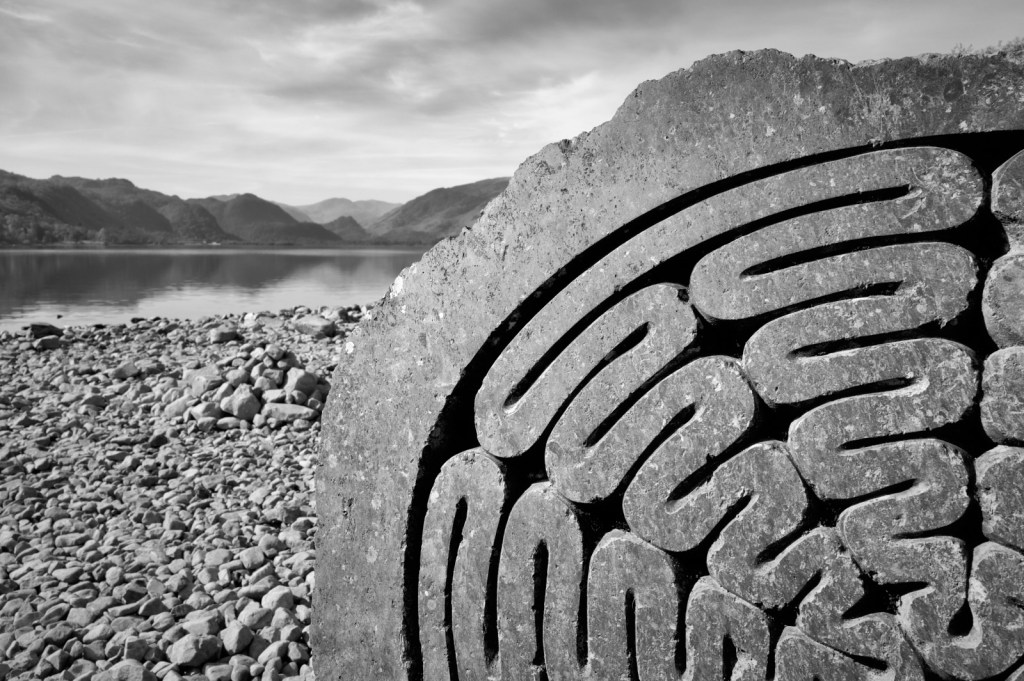
These images taken of Derwentwater a few weeks ago on a rather lovely morning are well known scenes which have inspired many an artist and photographer. Witnessing for yourself the majesty of the landscape and nature at its finest, is very gratifying and good for the soul.

Chiaroscuro – the light and the dark ….. inspired by Ansel Adams

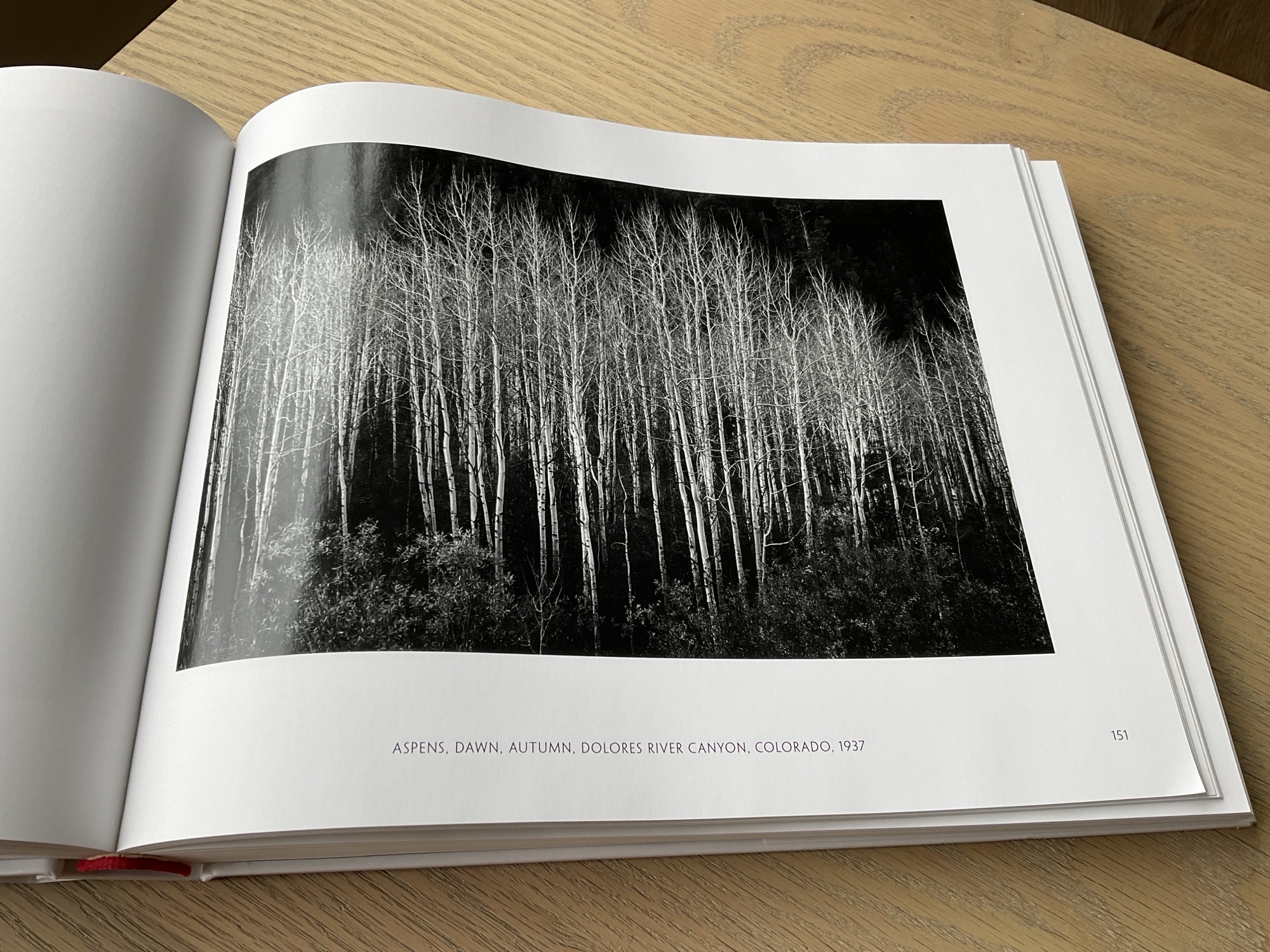
I would think that most photographers have been inspired by the work of Ansel Adams. I know I have. Ansel Adams was a great exponent of chiaroscuro. The art of using strong contrast in a picture where light subjects are set against a dark background or conversely dark subjects are set against a light background. When used creatively it can work so well in monochrome photography. As well as adding depth to an image, it can be used in a very impactful and dramatic way.

Over the years I think I have learned to see in black and white. To understand how a scene or particular subject will translate to monochrome. To seek out compositions which when processed make an interesting and pleasing image. I am helped of course by the camera having a black and white preview but I need to spot the potential image first, long before I reach for the shutter button.

It’s not very often that I only post a single photograph, let alone provide an explanation as to why I enjoy the result. On this occasion I considered this picture of a dead tree in its skeletal form worthy of doing so. My reasoning – well for me it’s a good example of why I love black and white photography.

The horizon line virtually splits the image in half. Light adjoins dark. The uppermost branches stand out against the bright clouds. I have used the dark areas in the sky to prevent the eye wandering outside the frame. The lower part of the tree is bathed in light, enhancing their shape, texture and form. They contrast so well with the dark background of nearby trees and hills in the distance. I like the inclusion of a building, just to the left of the trunk. This adds scale and depth to the image without it being a distraction to the main subject.

At the time of taking, I ask myself how can I process the image to best effect. Will I need to darken parts of the sky and in the case of this image, where do I place the branches of the tree to make the most pleasing composition. I would like to think the answers to all these questions have resulted in an image which you can enjoy.

I have many photography books which I probably don’t look at as often as I should. One of these books is ‘Ansel Adams – 400 Photographs’. A truly wonderful collection of his work spanning many decades. His use of light and dark, form and texture, all of which he brings together to enhance the composition. Every page is a lesson in the art of great photography and includes many examples of how chiaroscuro is used to excellent effect. A book for every photographer’s shelf.