The early evening sun finds a gap in the hedgerow and casts it light on the kissing gate.
A simple physical interruption to a country path, but one which entices you to pass through and discover what lies on the other side.
If you click on the image to view a larger version you may see that someone has written ‘Jesus’ in chalk on the top right hand rail. Is the gate symbolic of a different journey perhaps?
Approached by a narrow country lane, Holy Sepulchre, Warminghurst, lies between the villages of Thakeham and Ashington. With only a farmhouse as a neighbour this is the second church I have visited which is maintained by The Churches Conservation Trust (CCT). Described on the CCT website as a ‘Country gem from a gentler era’ you only have to step inside this sandstone church to know the description is very appropriate. It is quite lovely and well worth finding the time to visit.
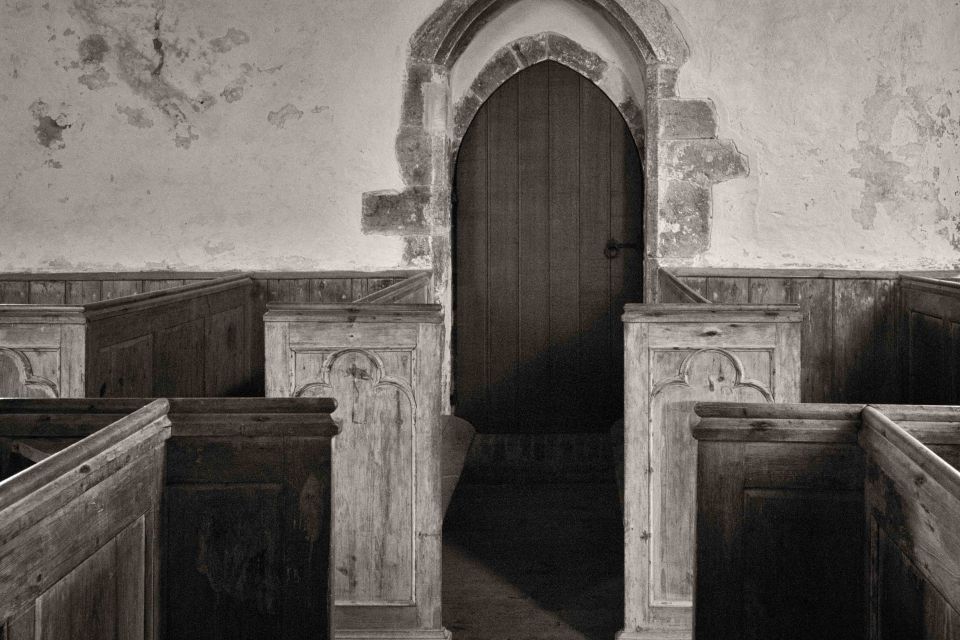
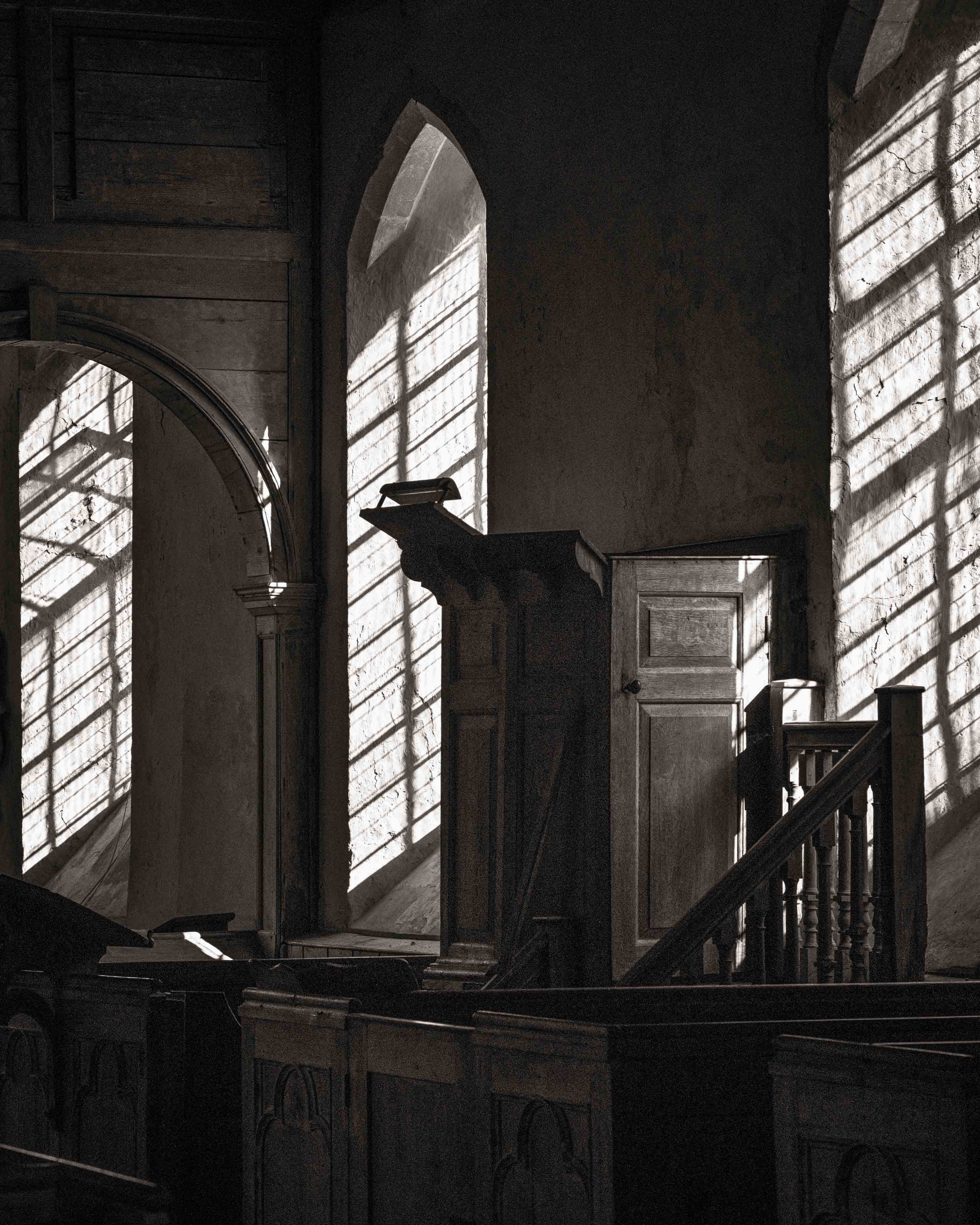
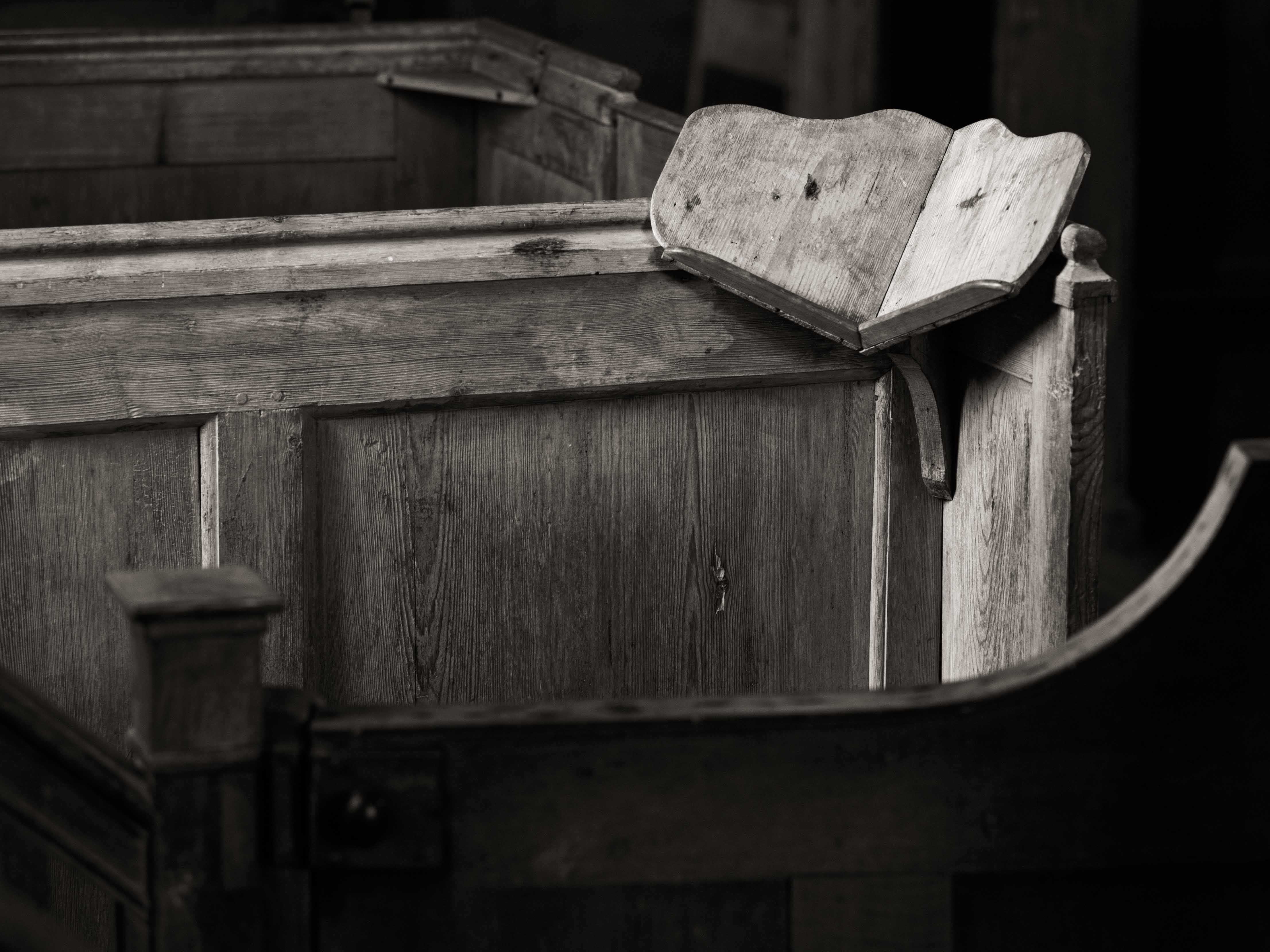
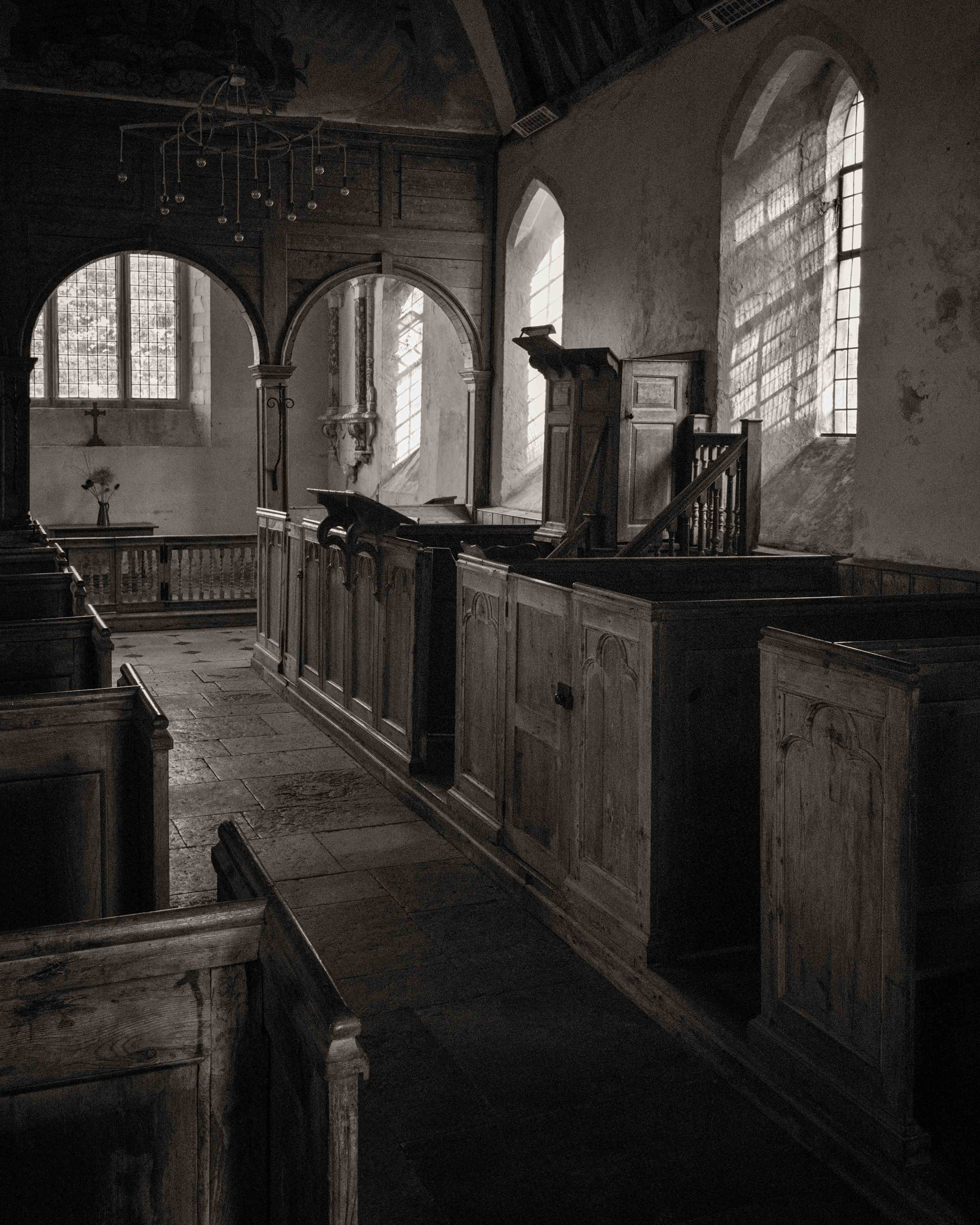
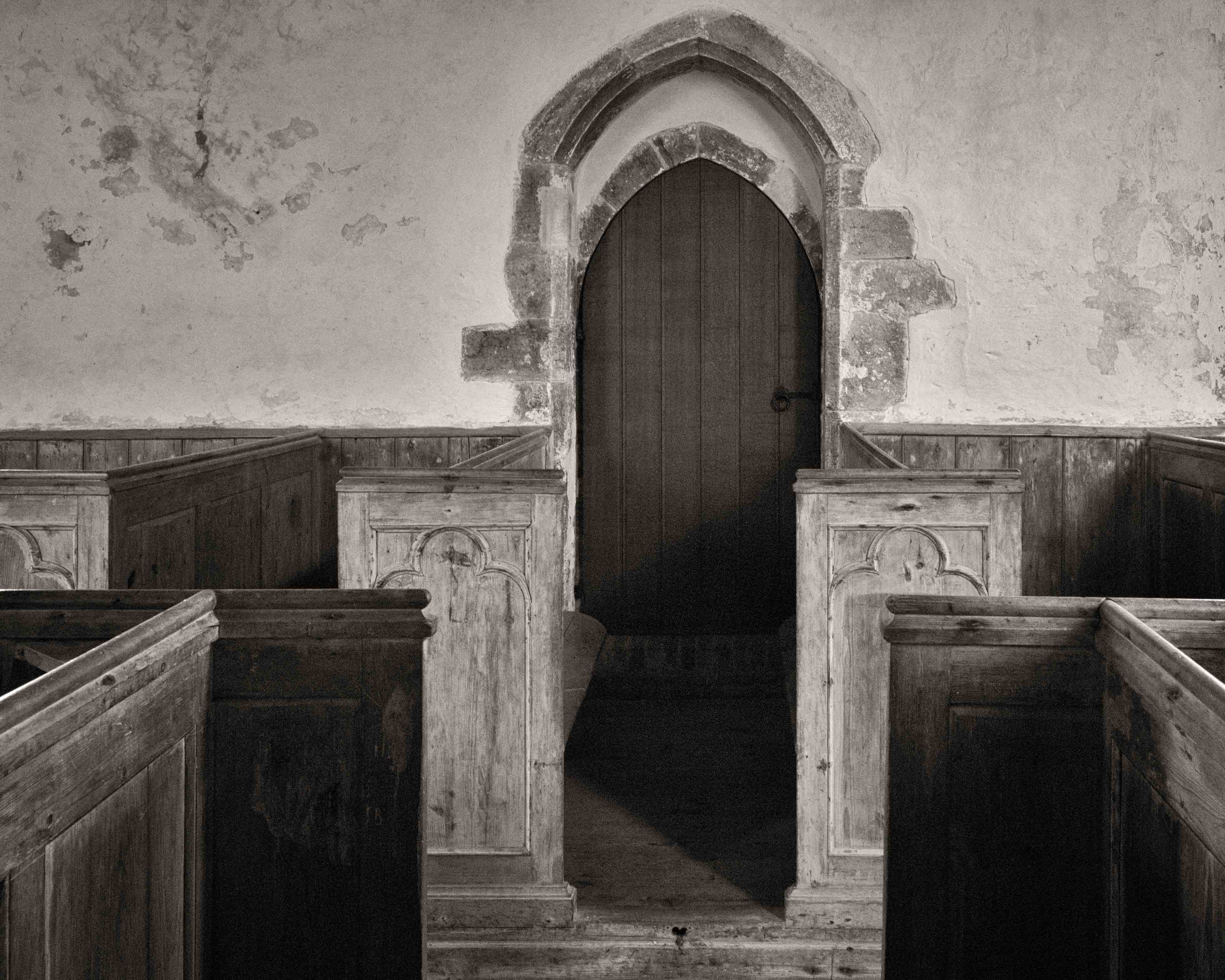
On raised ground above the lane itself, the churchyard has views across farmland to the Iron Age fort of Chanctonbury Ring in the distance, but it’s inside the church when the true beauty of this building reveals itself. Thought to date back to the late 13th century there is evidence to suggest the timbers in the bell frame are from 1158. The interior furnishings are from the 1700’s and the silvery oak pews, triple decker pulpit and three arched screen are all rather special and in part make this church such a wonderful place to visit. Clear glass leaded windows ensure the interior is well lit, and when the sun shines, splendid shadows are cast in the window reveals.
Churches which are maintained by The CCT depend on donations but also the knowledge that the church attracts regular visitors. I was there for over two hours taking photographs and a good number of people came and went in that time. I am pleased to say that some just came to sit and pray quietly and I respected their visit and stopped what I was doing, so they could be find peace in this charming unspoilt country place of worship.
Historians might find it interesting to know that Warminghurst Park was owned by the Quaker, William Penn. Purchased by James Butler he later demolished it, as he was determined to remove all trace of the old Quaker, who as a Trustee of West Jersey gave his name to what later became known as Pennsylvania.
Shadows in arches
Altar table
The Nave and flagstone floor
18th Century furnishings
North doorway
The Nave and pulpit
West door
Doorway to South porch
Holy Sepulchre, Warminghurst
Do click on any of the images to view a larger version or visit the West Sussex Gallery page for other churches in the same county.
For more information about my ongoing Churches Project do click here.
It’s very rare that I post anything other than black and white images on this blog. However sometimes it’s fun to play with a photograph, particularly if it’s one captured on a smartphone – in this case an iPhone5. Using a combination of Lightroom and Colour Efex, I made this rather moody, almost painterly picture of light falling on the sailing boats at Dell Quay in Chichester Harbour. Nothing is really sharp and the soft, desaturated appearance have worked together to produce a rather interesting and to my eyes at least, a pleasing result. It makes me think I should take more colour images and be a little more experimental with my work, but monochrome is still my first love. Nevertheless from time to time it’s good to play and just see what happens.
St Michael’s in Up Marden is a small, beautiful and unspoilt country church dating back to the 13th Century. Within the South Downs National Park it lies to the north west of Chichester and to the south of the Hampshire town of Petersfield. Invisible from the road behind farm buildings and surrounded by trees and farmland it would be easy to pass it by. Even if you happened to find yourself along this very quiet country lane in this remote backwater of West Sussex, you still might miss the small sign which leads you up an unmade track to the church.
When I visited the church it was quite a dull day and on entry the nave was dark and it took a while for my eyes to adjust to the light. I rely totally on natural light for my work, I don’t even possess a flash but even if I did, I wouldn’t use it as I like to work with the light I am given and not create an artificial look to my photographs. I did though wonder how I was going to cope with such poor light, but the combination of a high ISO setting (1600 or 3200), a monopod, and some careful post processing, I was able to achieve the results you can see in this post.
I spent over two hours on my own, observing and taking in the atmosphere of this lovely building, working out the best way to capture the almost rustic simplicity of this church. After all it is still lit by candles, so there are no ‘modern’ wires or bulbs to take away the fact that this is a very old place of worship for country folk.
The Chancel
The Lord’s Supper
Light through the door way into the bell tower
Candelabra
Cobwebs and cow parsley
St Michael’s Church, Up Marden
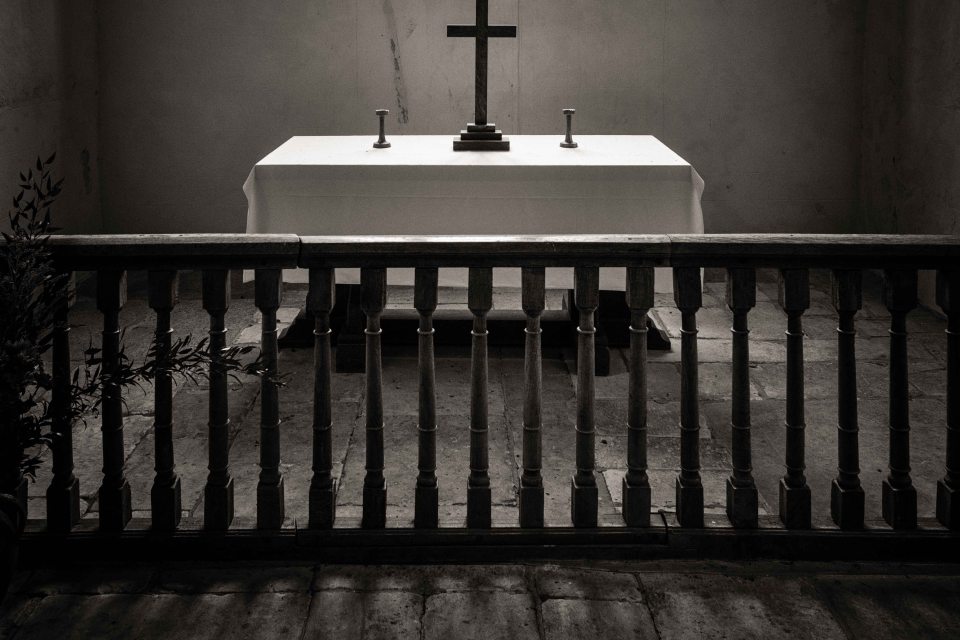
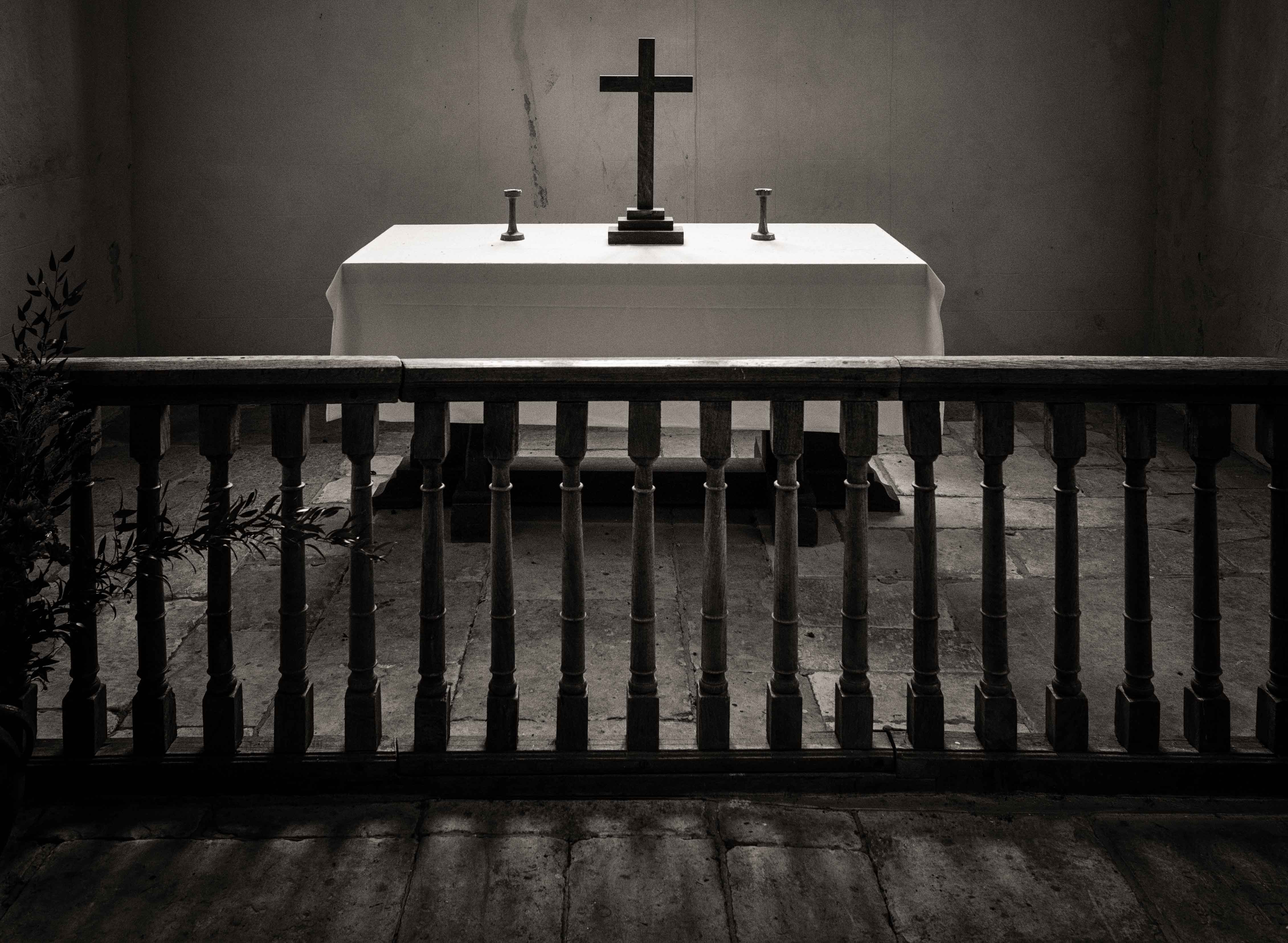
The Altar
Within the same area there are churches at East Marden, West Marden and North Marden, but they will all have to wait for another day.
Do click on any of the images to view a larger version in a new window or visit the West Sussex Gallery page for other churches in the county.
For more information about my ongoing Churches Project do click here.
I rather like this quote by Sherlock Holmes taken from the novel – ‘A Scandal in Bohemia’. It is just as relevant to Holmes as he tries to decipher the clues to a crime, as it is to a photographer trying to decide what to photograph and why.
We so often arrive at a destination and in haste the camera comes out of the bag, a lens is chosen and a moment later the shutter has been released and we move on to the next shot. Or at least that’s what I am inclined to do, particularly when time is limited. Have I just seen and not observed? If I gave myself more time and slowed the whole process down, would I start to observe and not just see. There is an important difference. Would it just be better to leave the camera in the bag and resist the temptation to take the first photograph until your eyes have truly observed what it is your mind wants to capture?
Do you appreciate something more if it has been observed, experienced and enjoyed as opposed to just seen and captured?
This question brings me rather nicely onto something I heard on Radio Four earlier this month. As I was getting myself ready for work I listened to ‘Thought for the Day’ by The Rev. Dr. Sam Wells.
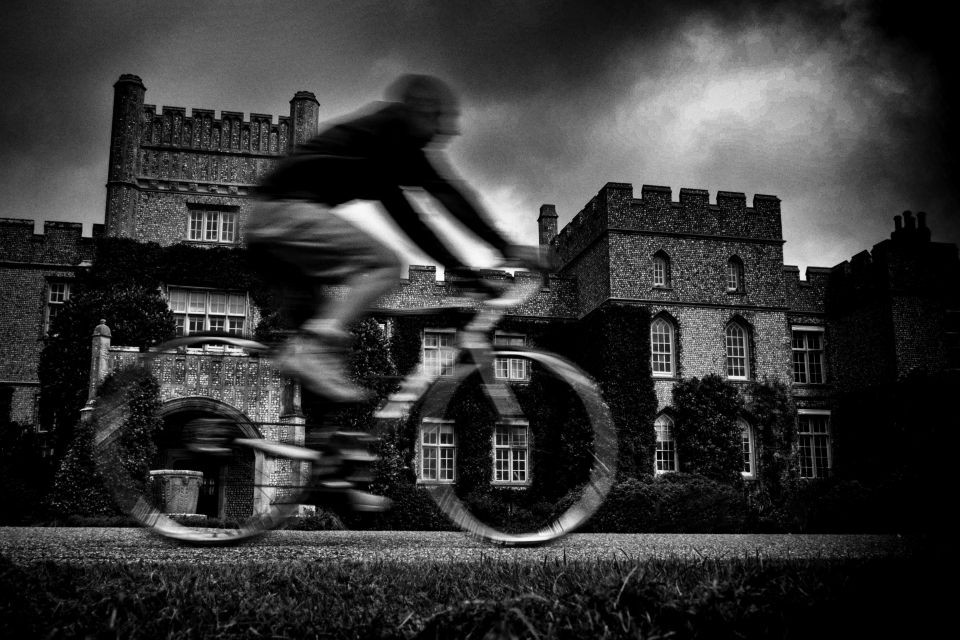
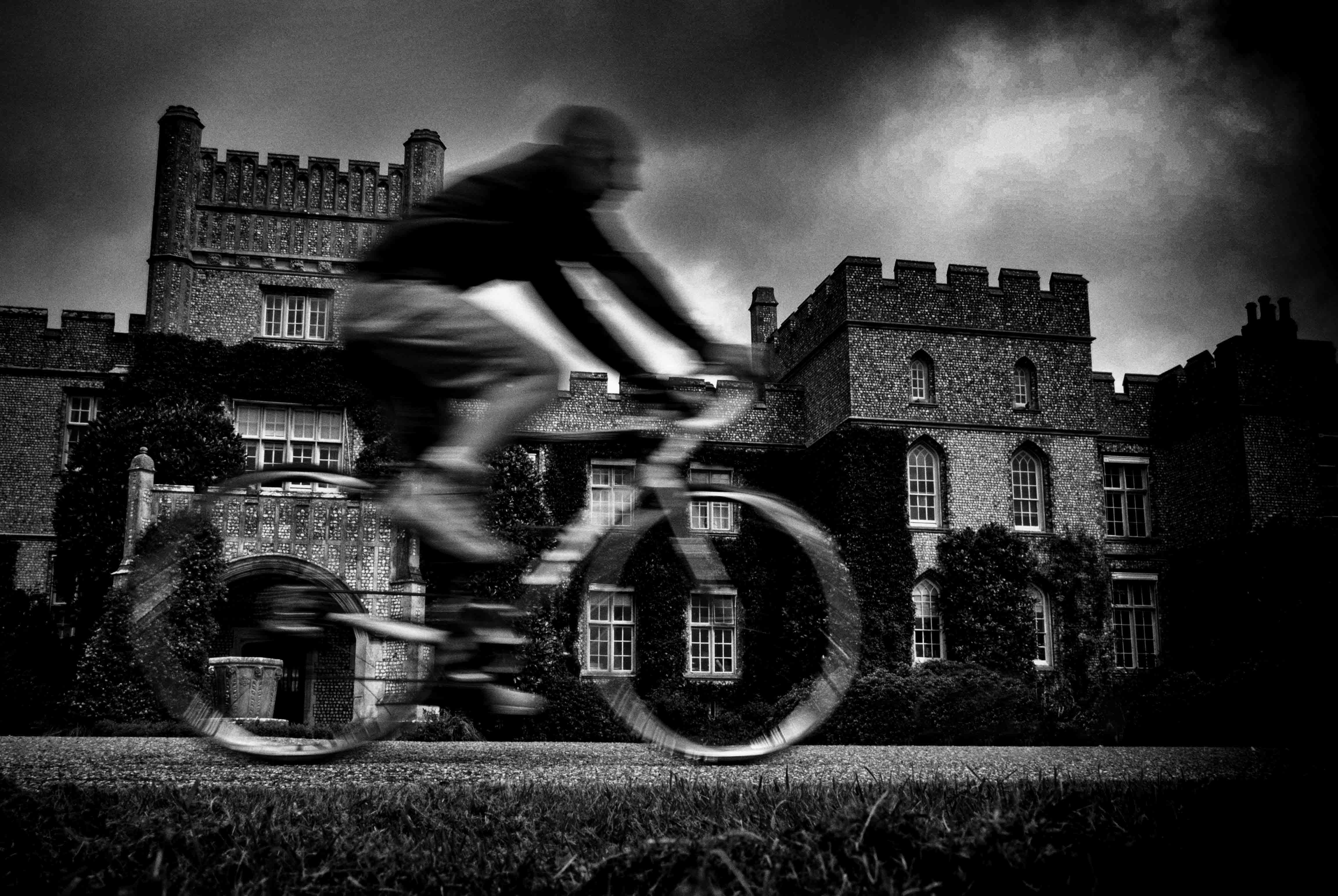
In the broadcast he recites the story of being in The Alps waiting for the cyclists in the Tour de France to pass him by. He deliberated as to whether or not to take a photograph on his smartphone and capture the moment as they raced by, or simply watch as they came towards him, cycle past, then away into the distance and out of sight. He chose to take the photograph but he admits he missed the race. He goes on to say that Benedict Cumberbatch is playing Hamlet at The Barbican in London and coincidentally the same actor also plays Sherlock Holmes in the recent BBC TV series. In Hamlet his adoring fans are trying to capture him on their smartphones, but are they missing the play, the superb acting and the wonderful words of Shakespeare?
Benedict Cumberbatch as Sherlock Holmes in the BBC series Sherlock. Photograph: Robert Viglasky/PA
(I urge you to listen to the short broadcast – it lasts under three minutes and in my view, is well worth hearing.)
Thought for the Day on Radio 4 by Rev. Dr. Sam Wells, the Vicar of St Martin in the Fields. First broadcast on 12th August 2015.
As a photographer I often wonder if I am missing the experience of just being in a certain location, enjoying the surroundings in which I find myself, as opposed to concentrating on the point of focus, composition and exposure settings. Or in other words ‘living the moment’.
Perhaps by keeping the camera switched off for a little longer, not only will we enjoy the experience even more but it will also teach us to observe and not just see. It may enhance our lives and through closer observation and appreciation of the subject, improve our photography as well.
Thanks as always for looking, reading and perhaps listening as well.










 alan frost photography