Posts from the ‘Photography’ category

Slow down ….. it’s time to stop, think and enjoy the journey

There is a familiar saying which states – “Appreciate the journey, not the destination.” I have been giving some thought to this phrase recently and in particular how it might relate to photography.

The journey could be a very short one. A photo taken on a smartphone and instantly shared on Instagram or some other form of social media, might take no more than a few seconds from capture to publication. The image itself could be a very good one but has the photographic ‘journey’ been one of pleasure and satisfaction? I somehow doubt it and I suspect the endorphin rush is more likely to come from the number of likes attained from followers, who may only have observed the image for a second or two before scrolling and liking the next upload. It’s not exactly life enhancing is it?

I have been a serious hobbyist photographer for over 15 years, almost exclusively making images in black and white. The end result, i.e. the finished image or destination, is of course important to me but increasingly it’s the process or the journey which gives me the most enjoyment and satisfaction.

To maximise the pleasure of the journey it’s essential to slow down and give more consideration to the subject being photographed and the method of capture. The American photographer Minor White once said;

“When you approach something to photograph it, first be still with yourself until the object of your attention affirms your presence. Then don’t leave until you have captured its essence”.

If this is true, and I believe it is, a quick snap posted on social media doesn’t qualify does it? In other words, the time taken, and the consideration and deliberation given, all need to be part of the process. The camera might even stay in the bag until the composition has been visualised and the story behind the image has been thought about. The journey can then continue as the camera and chosen lens are positioned and set. Quite recently I have started using a tripod which definitely slows me down. I always considered a tripod to be a hindrance and now I think in certain situations it’s a valuable tool which helps to enhance the journey.

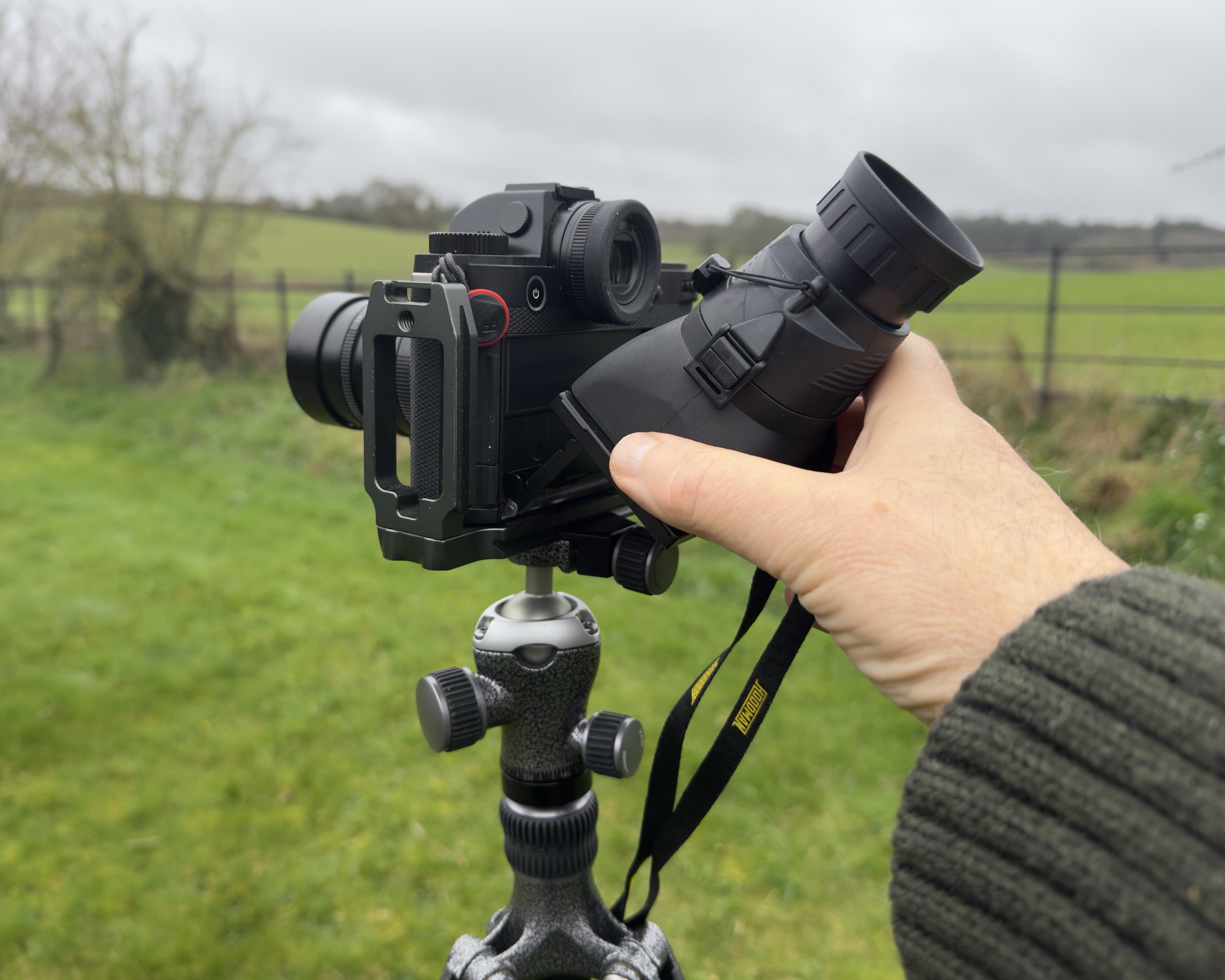
The other piece of equipment I bought recently is a Hoodman Hoodloupe. It’s quite a simple thing, well made and designed to shield the light and all unwanted reflections. You can look at the LCD in bright conditions to check focus and composition. It has glass optics and a diopter giving a very clear view although the image can be a little less well defined around the edges and in the corners. The very action of reviewing an image in playback mode using this loupe has, like the tripod, slowed me down. I have to say the whole process is more immersive and enjoyable as a result.

Using this method might mean that I take several minutes capturing a single frame. It could even be as long as 5 or 10 minutes from seeing to final capture. Longer of course if I have to wait for the right light. With digital I instantly know whether or not the result is any good as I can review the image on the LCD screen. I could turn this function off but why would I? I might wish to retake the photograph having made minor adjustments to the settings on the camera or the composition.

However I am now asking myself a question which might have serious implications – Would I enjoy the process even more if it took considerably longer? And I am talking days not minutes or hours. You can probably guess where this is heading.

I have always been inclined to shoot fully manual. Selecting all my settings and focussing manually is my preferred way of working. I feel more in control. I’m not a fan of ‘auto this’ and ‘auto that’. In this sense I am quite analogue in my approach. I still work digitally though and have never used film, apart from in the 70’s and 80’s, when digital cameras didn’t exist of course.

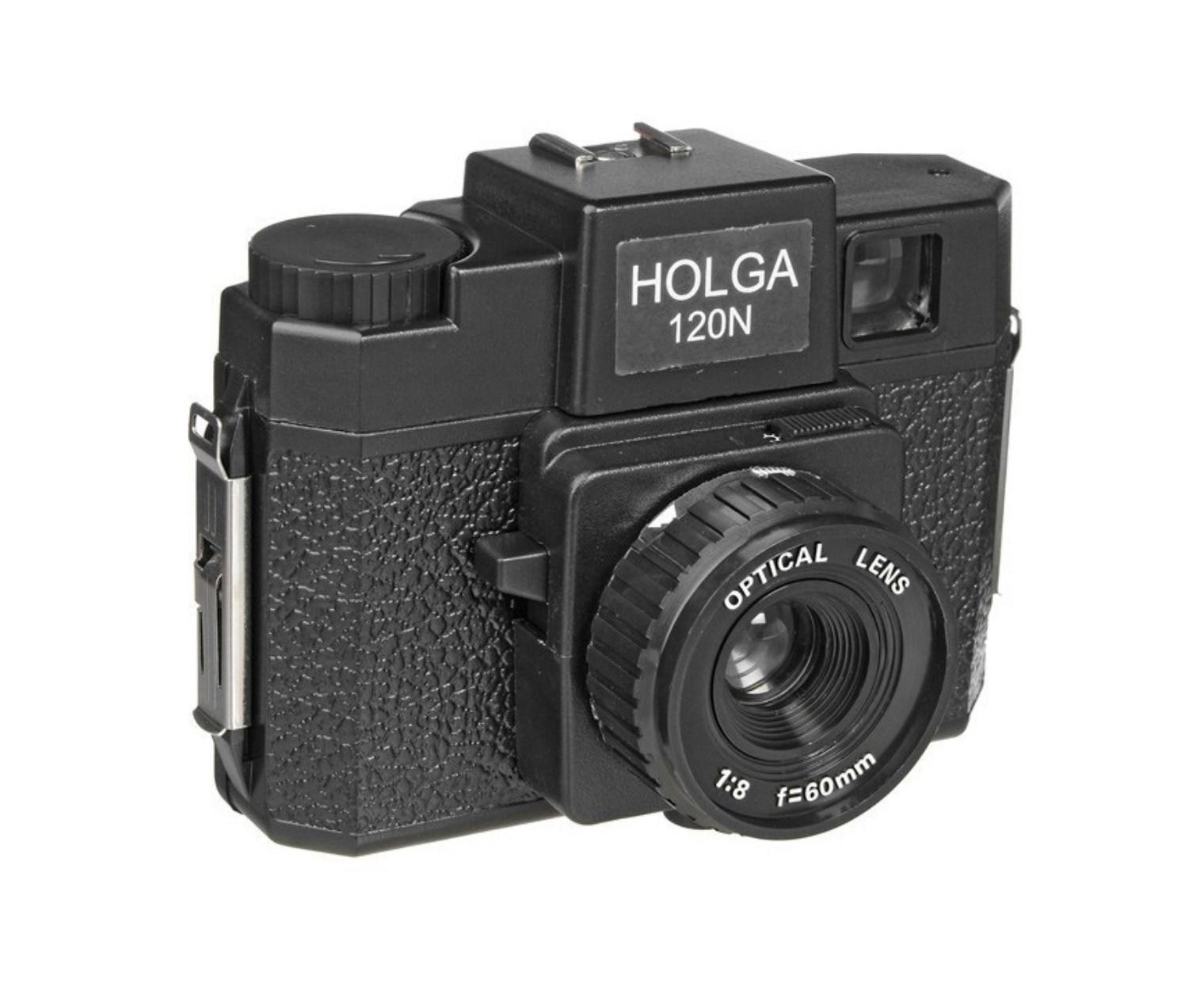
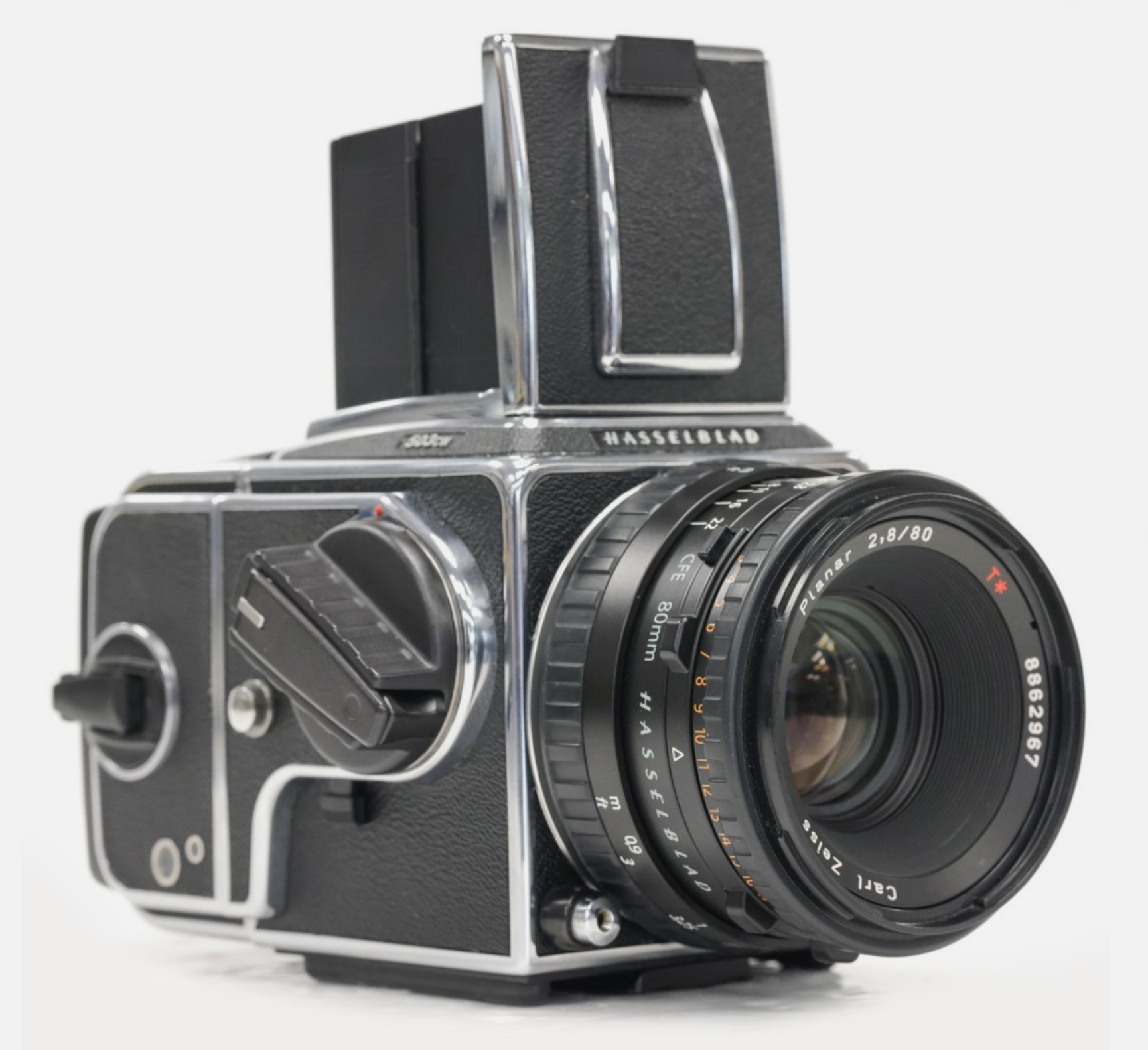
So what if I acquired a film camera, possibly medium format and one prime lens to get me started? The cost of film and developing would have to be taken into account. I would probably need a light meter to help me get the correct exposure. The waiting game of a week or more would kick in before I would get to see the first glimpse of the results from a photo shoot. No more reviewing the results on the back of the camera immediately after the shutter is pressed. Even with the negatives in my hand they would need to be scanned as I would have no intention of printing my work in a darkroom using noxious chemicals etc. I would scan them myself, but it’s another step, another delay before the final image or print can be seen. However isn’t that the whole point of this discussion which is to enjoy the journey and not just the destination. After all patience is a virtue.

Would in fact a mediocre image made using film still give me as much pleasure as a showstopper made digitally because the immersive analogue journey could be so satisfying, challenging and enjoyable? There are downsides aplenty of course but I will never know if I don’t give it a try.

As yet I don’t have all the answers but in the meantime anything which slows me down and enhances the image making process is in my view a very positive thing.

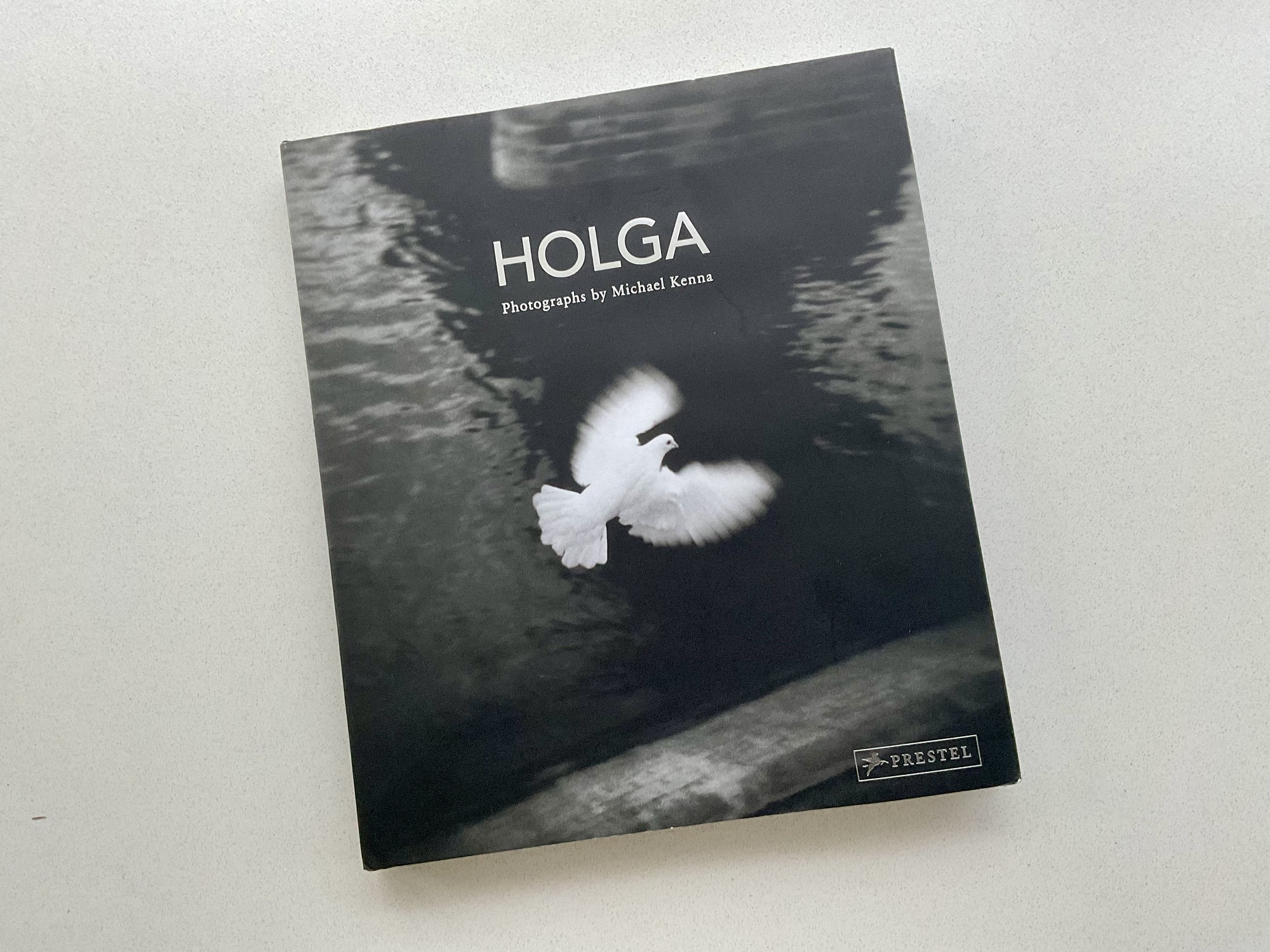
Lastly I am reminded of an interview with Michael Kenna (a photographer I hugely admire) when in 2016 he was asked what he did when taking very long exposures.

In his reply he said –

I’m often asked what I do during long exposures, which can go on up to 12 hours. Apart from the obvious answer – sleep – I return the question: “Why do we need to do anything?”

It reminds me of that lovely saying, “Don’t just do something – sit there.” It is a rare luxury to have the time to appreciate the present, to watch the stars trace through the sky as our planet moves, to witness a full moon slowly rising or setting…

Doing nothing, just observing nature and the passage of time sums things up rather nicely. It’s all part of learning to appreciate the journey and not the destination.

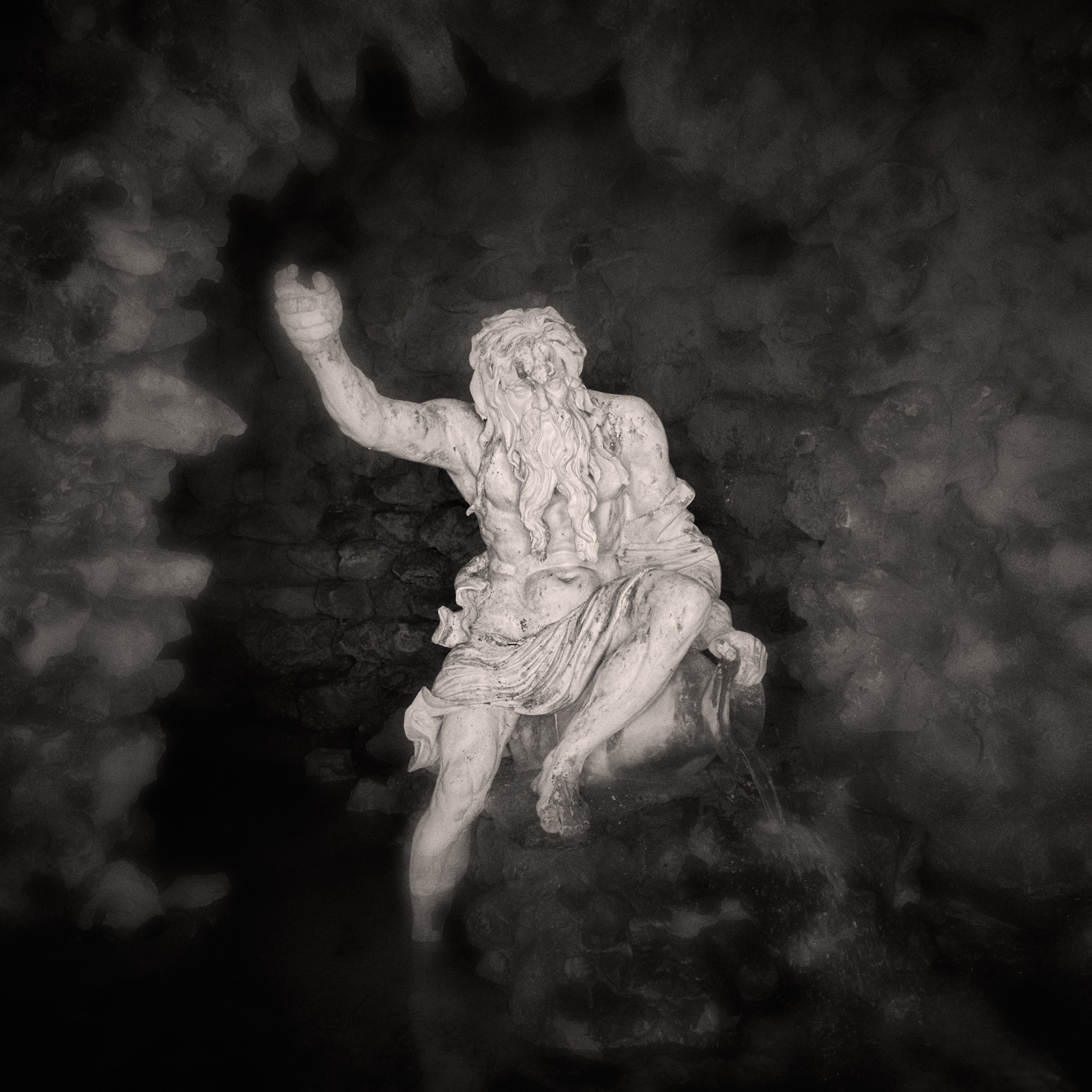
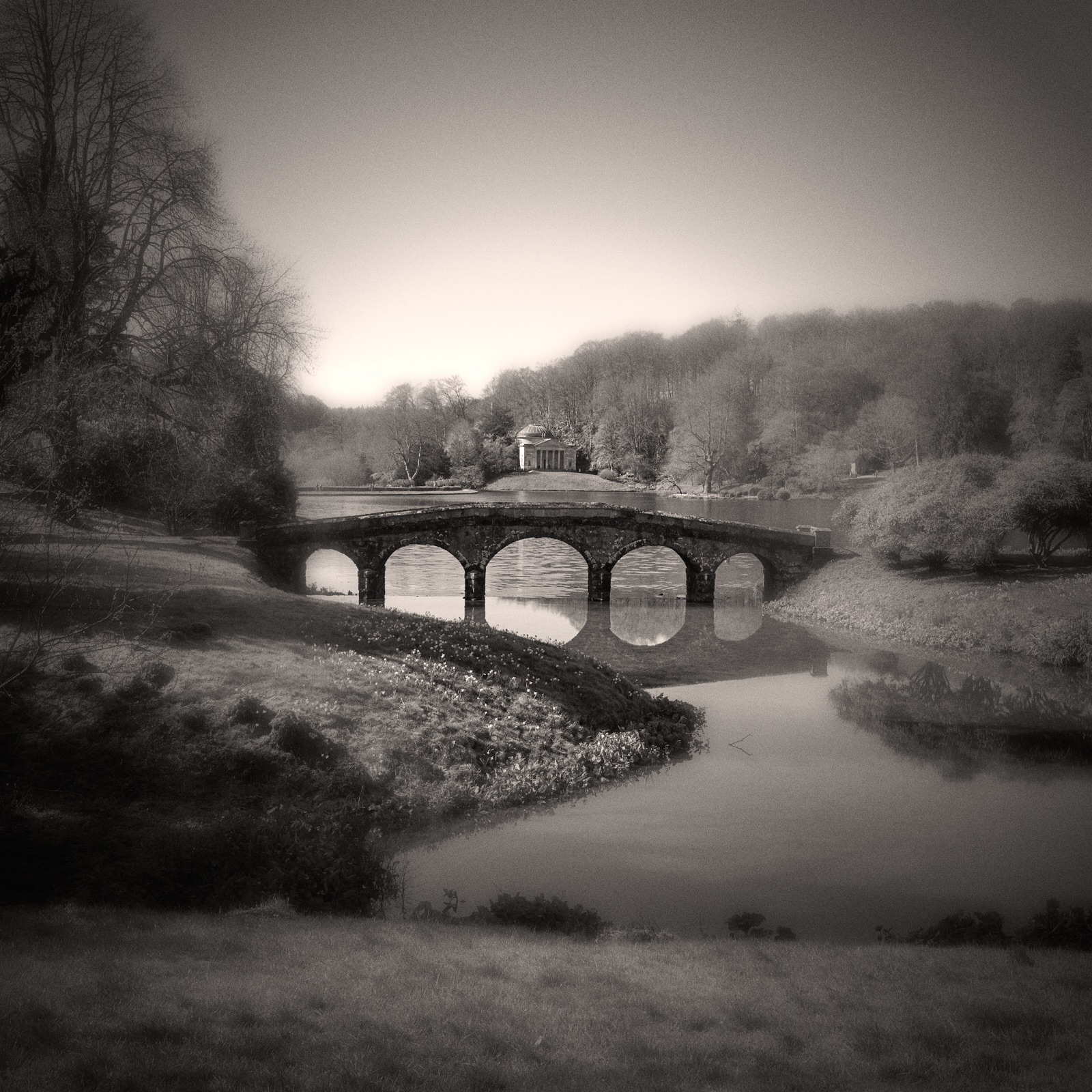
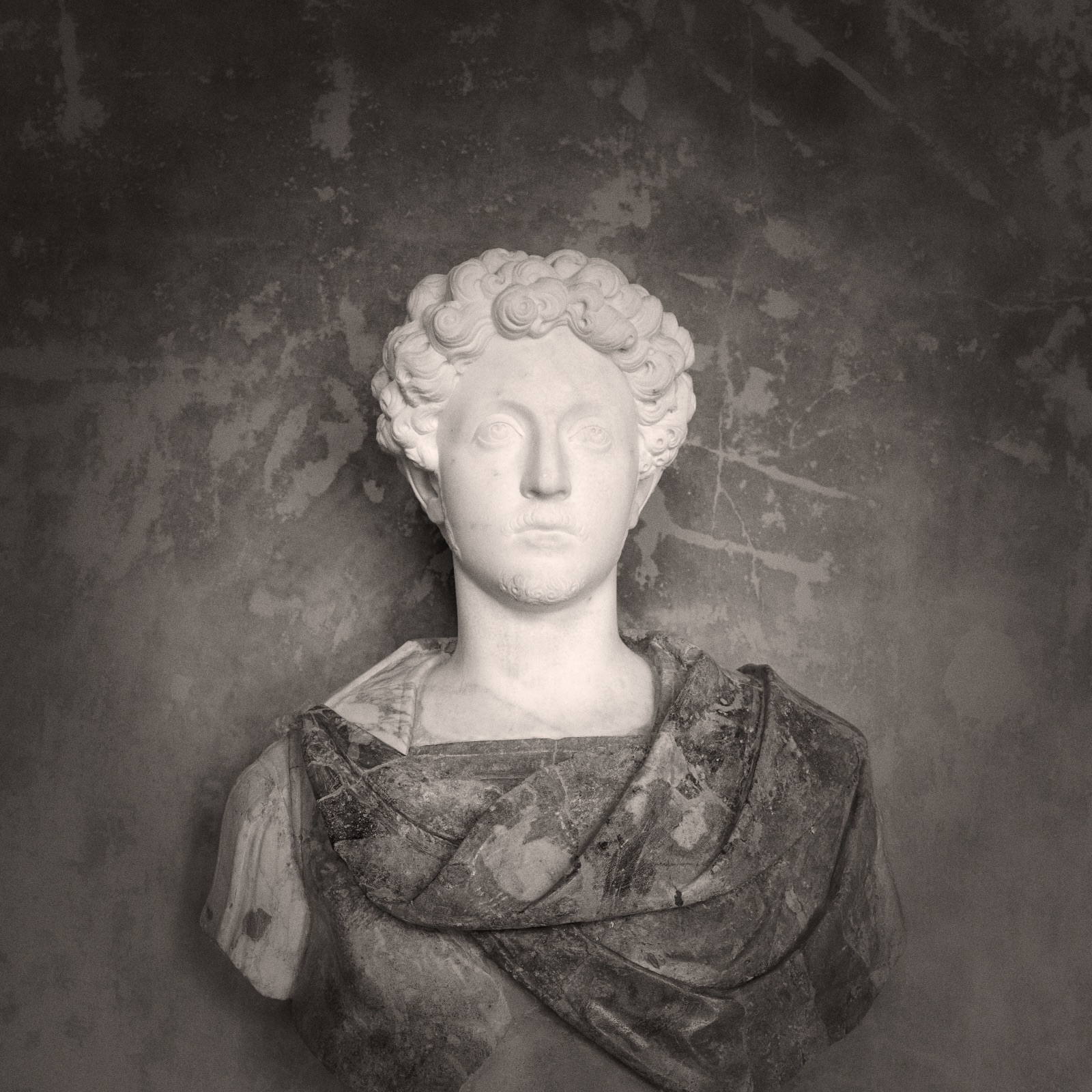
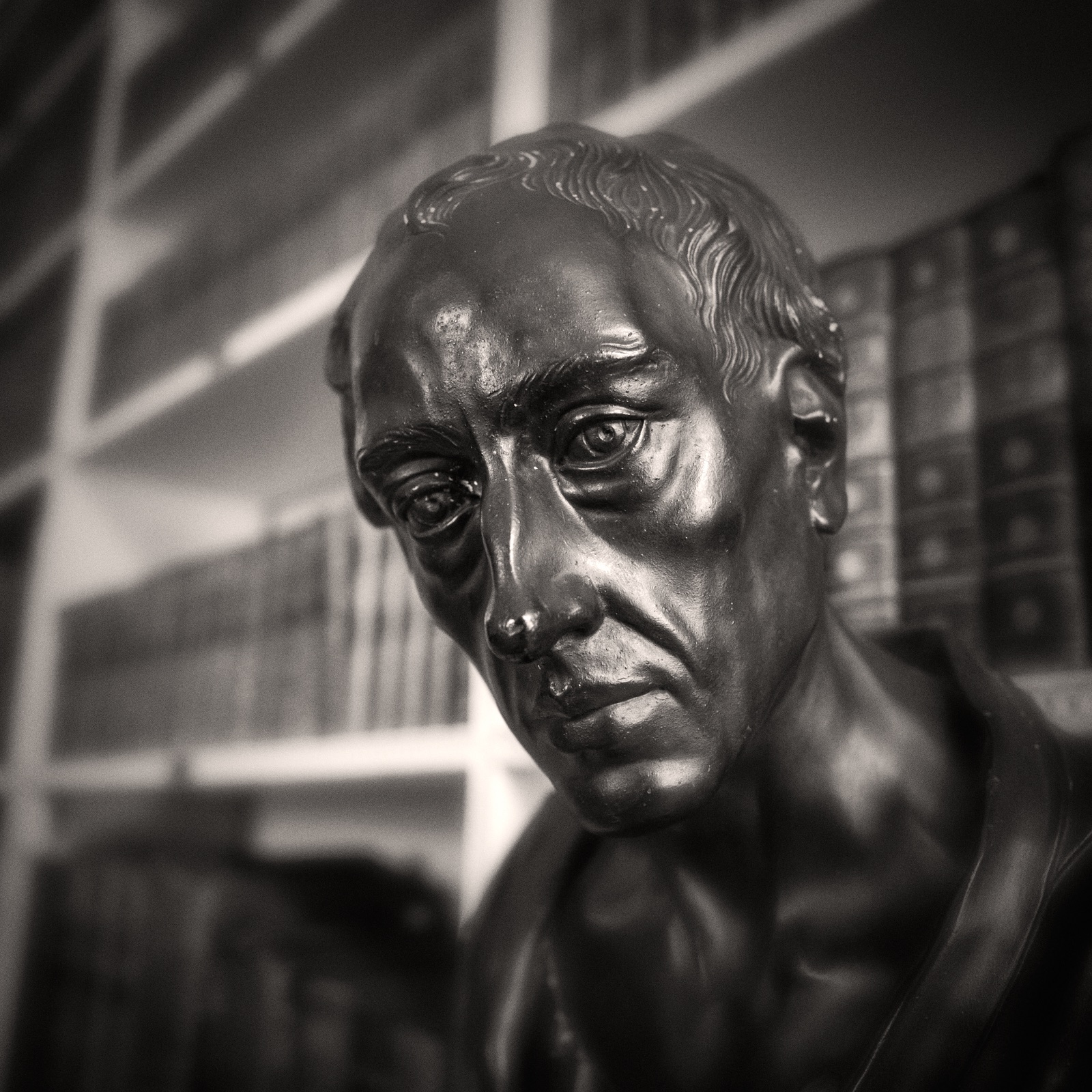
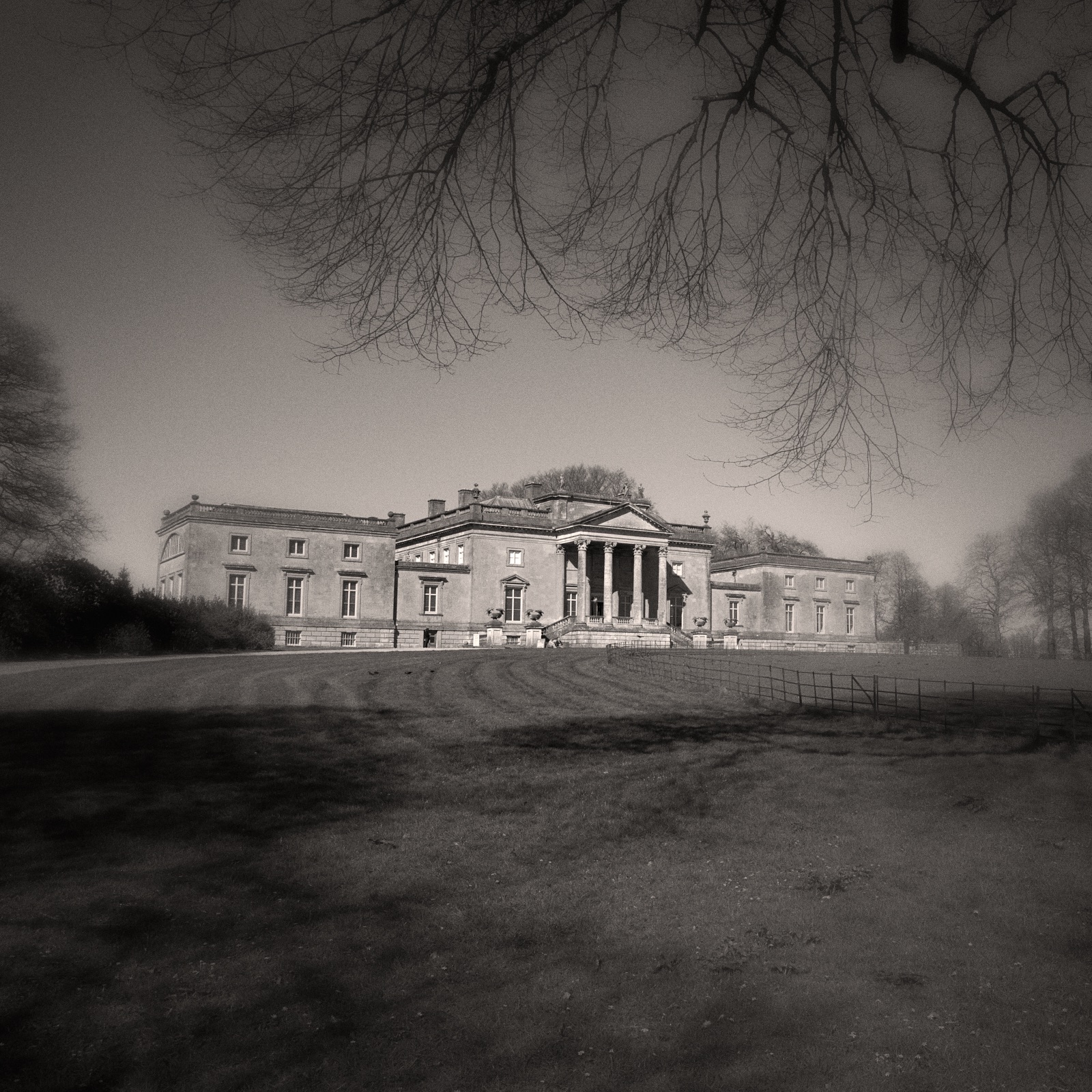
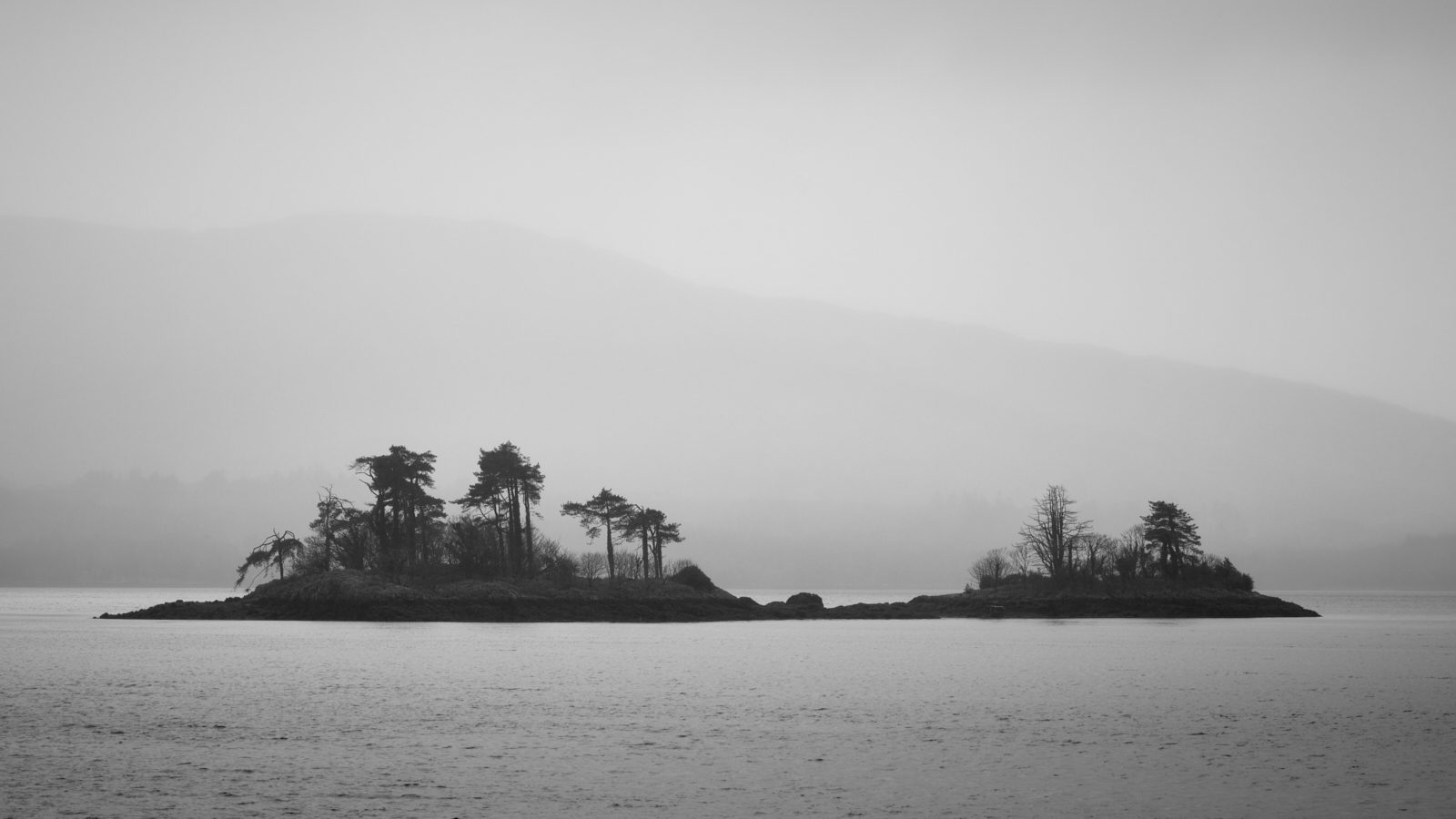
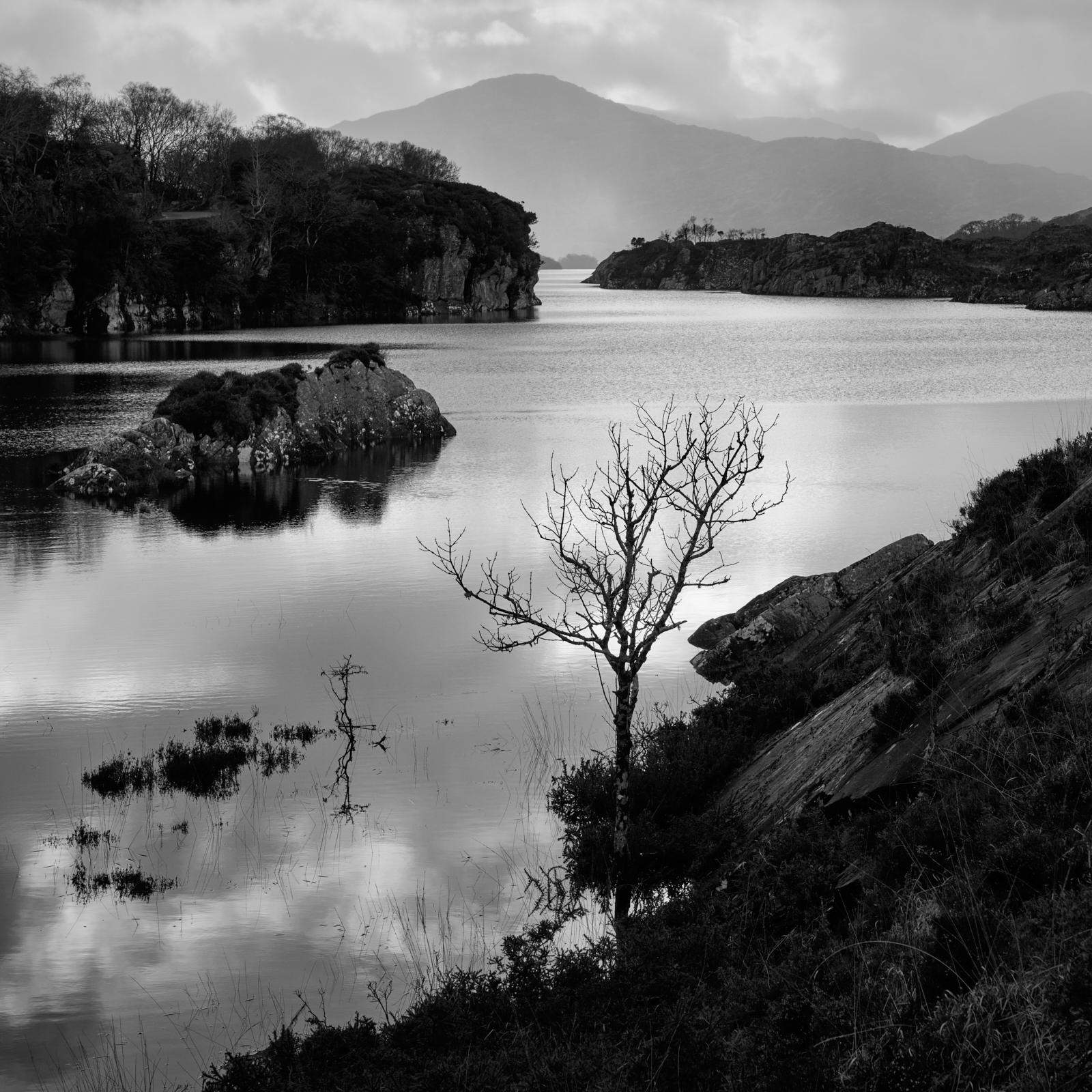
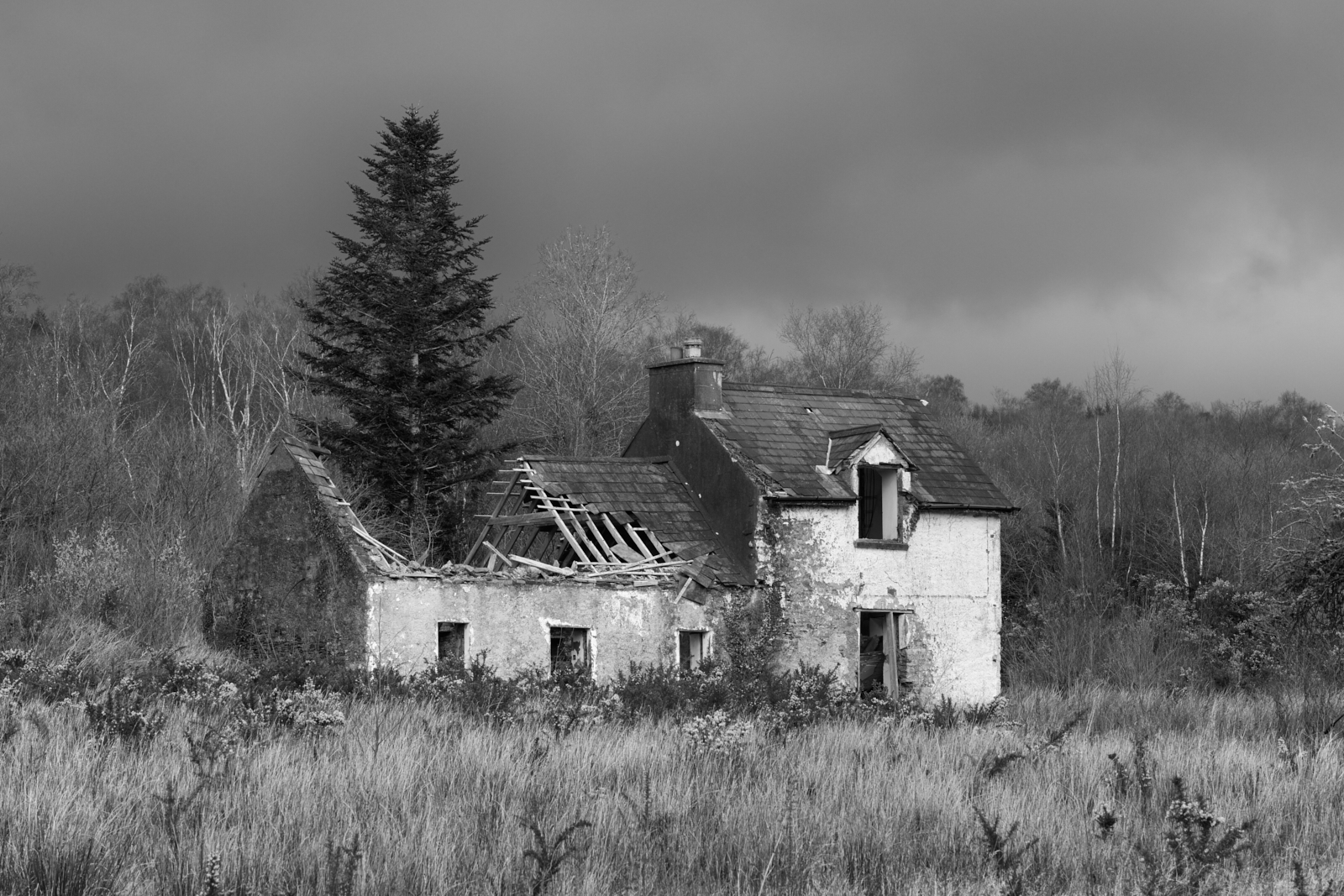
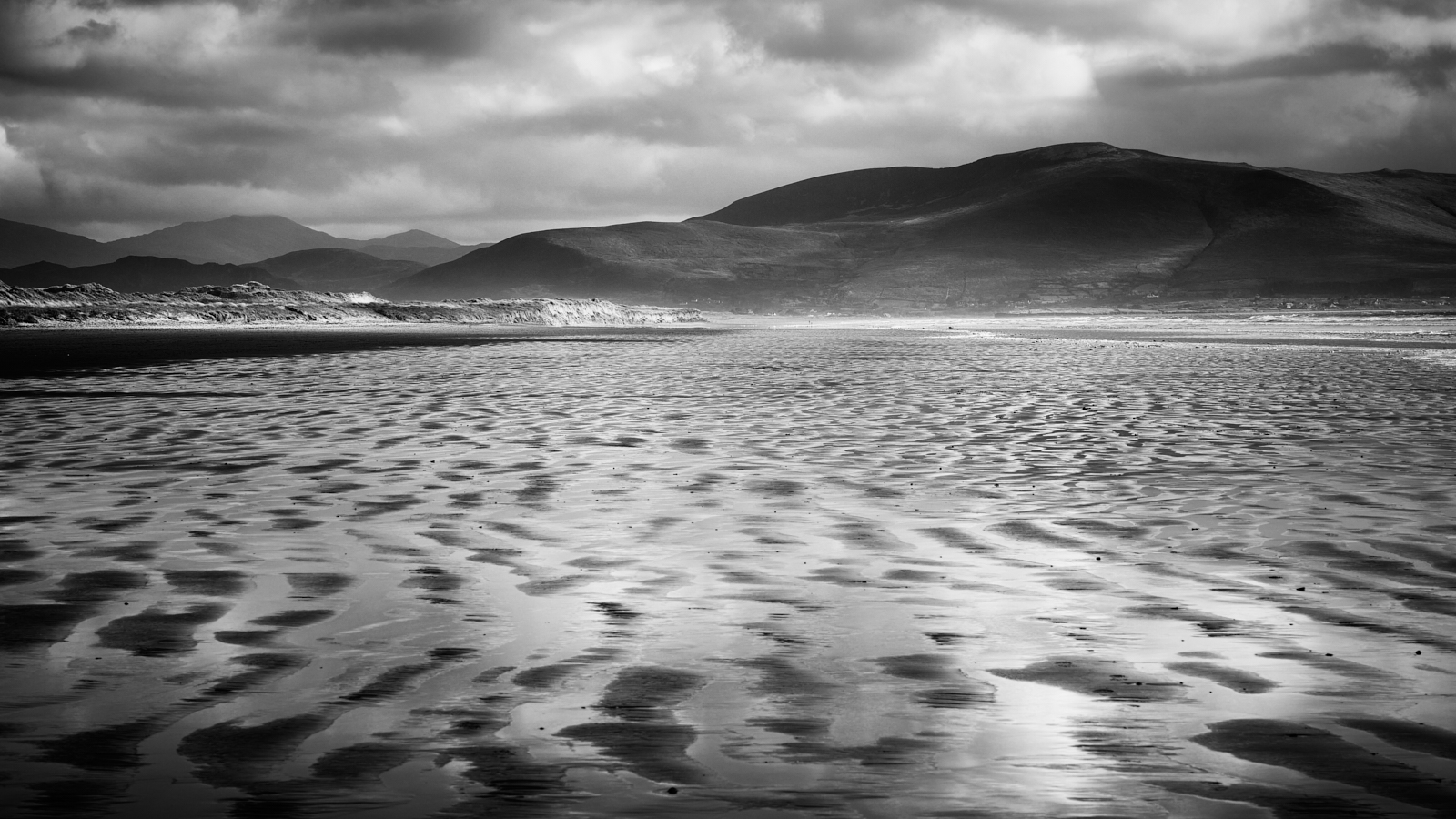
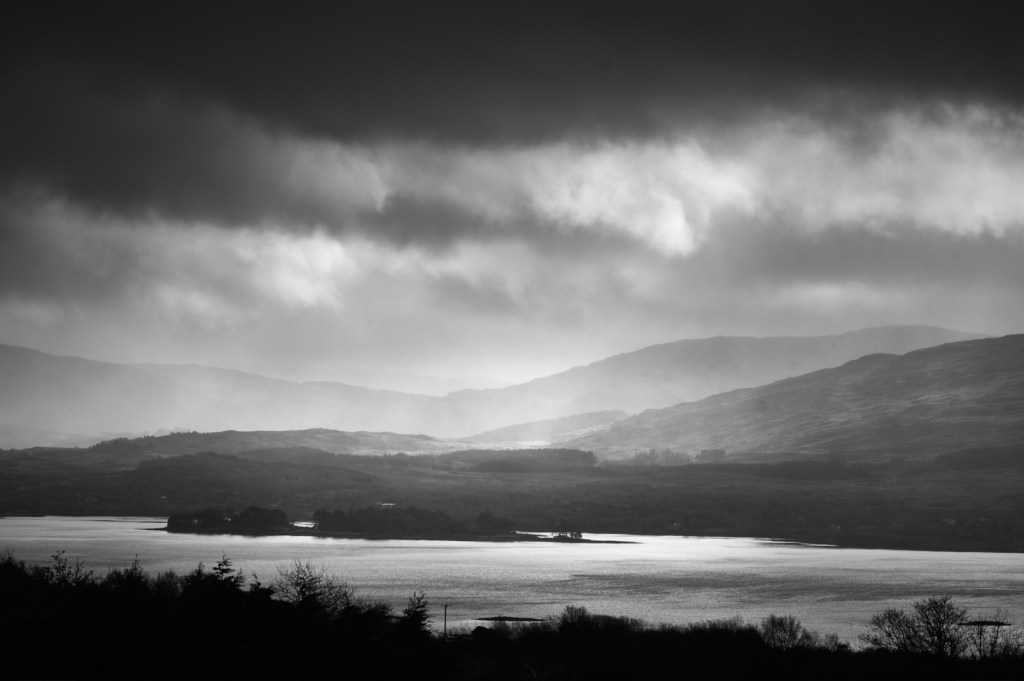
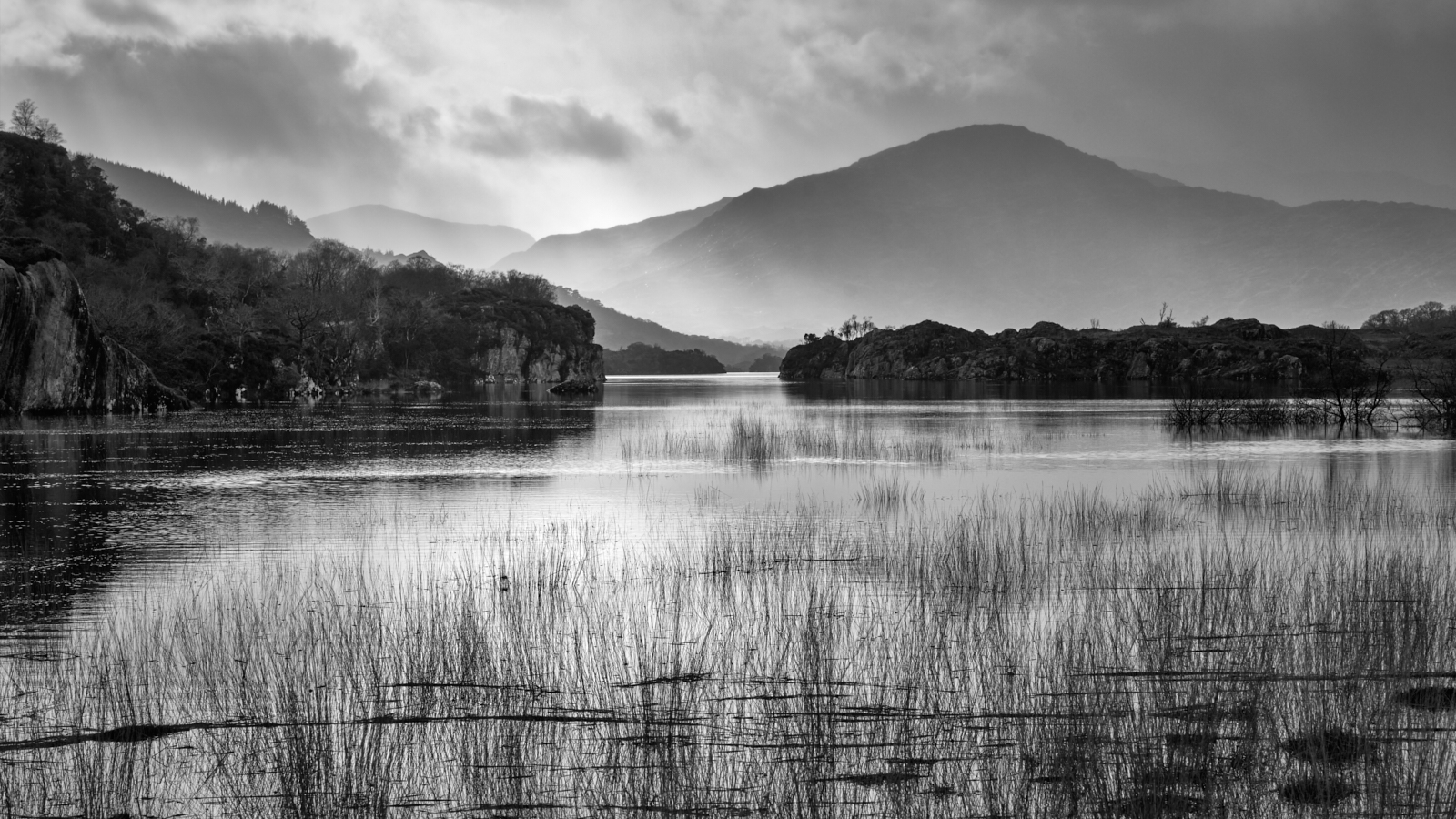
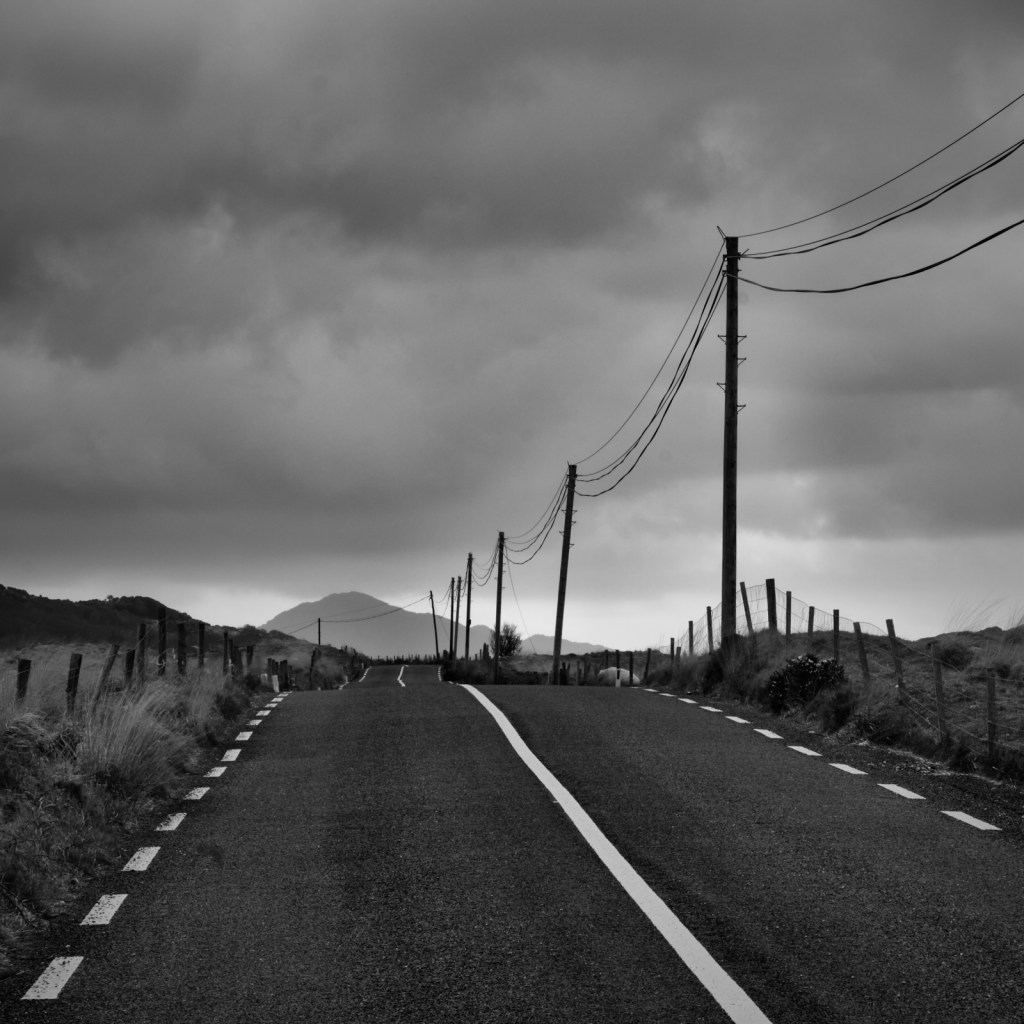
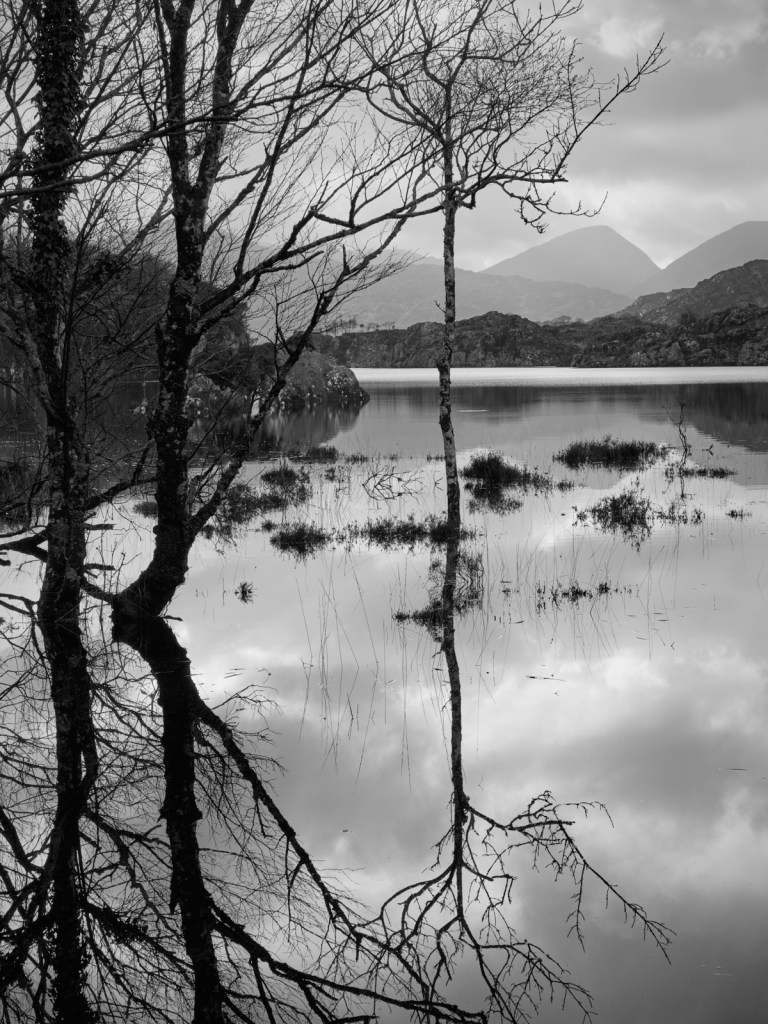
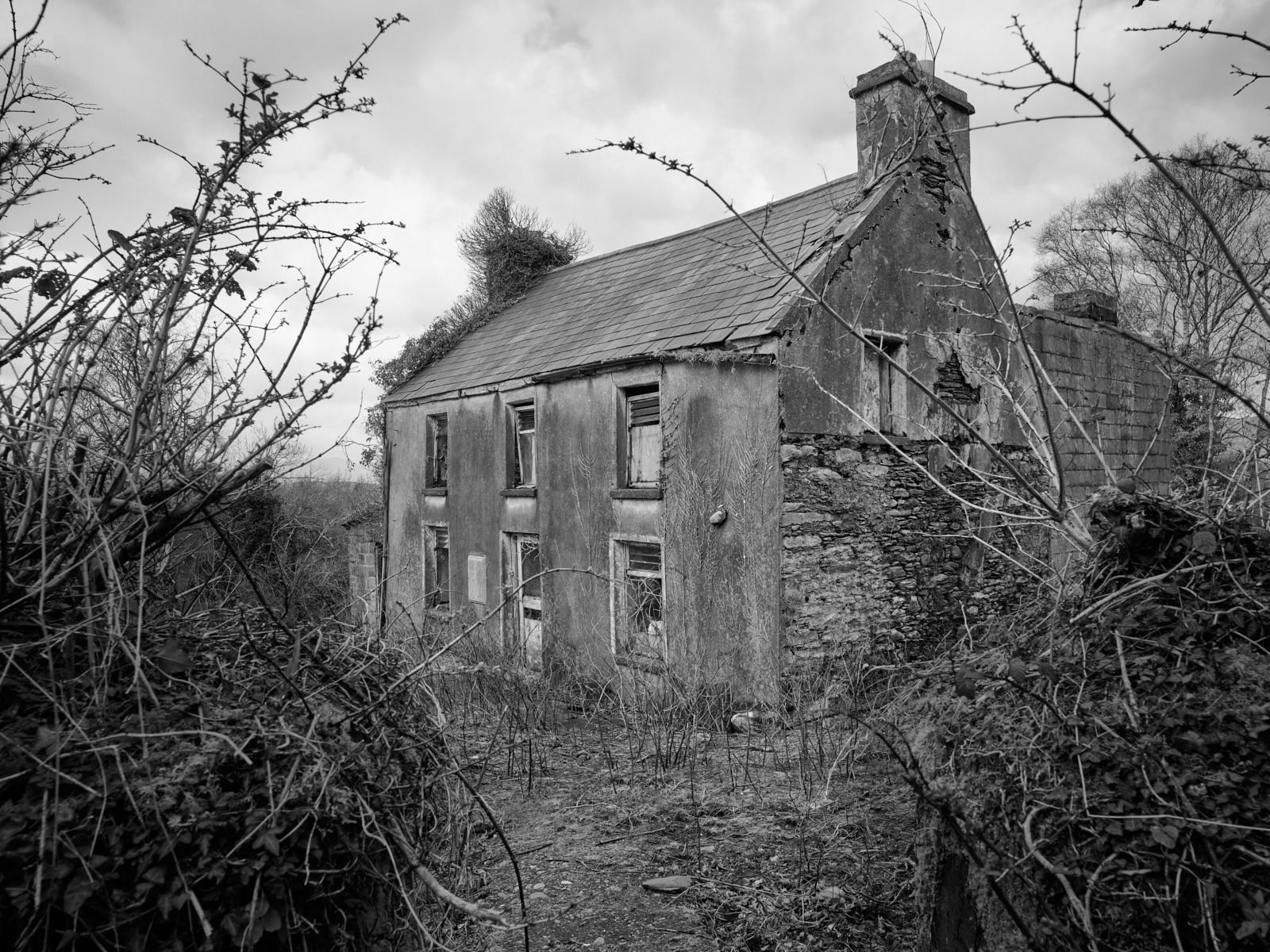
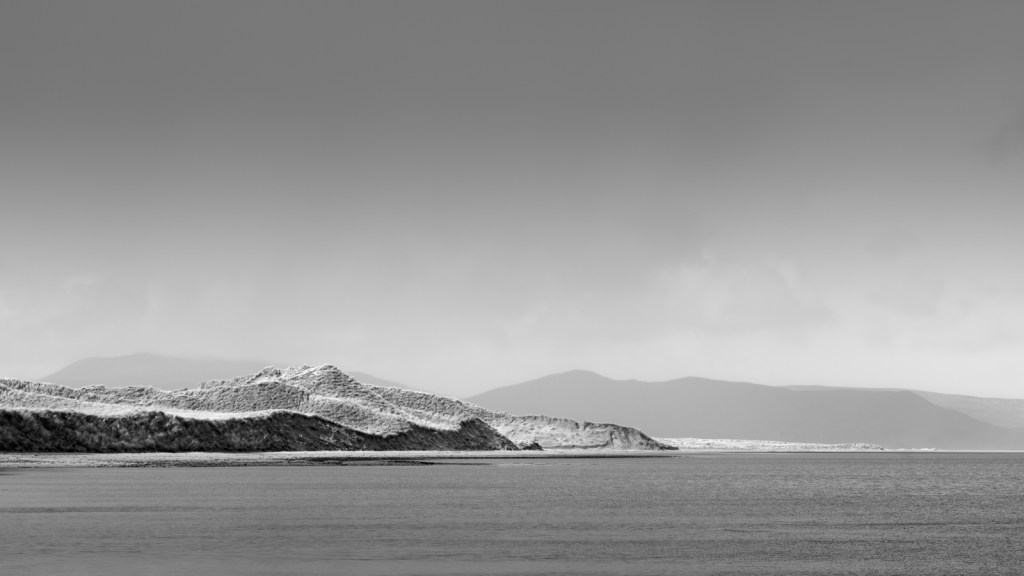
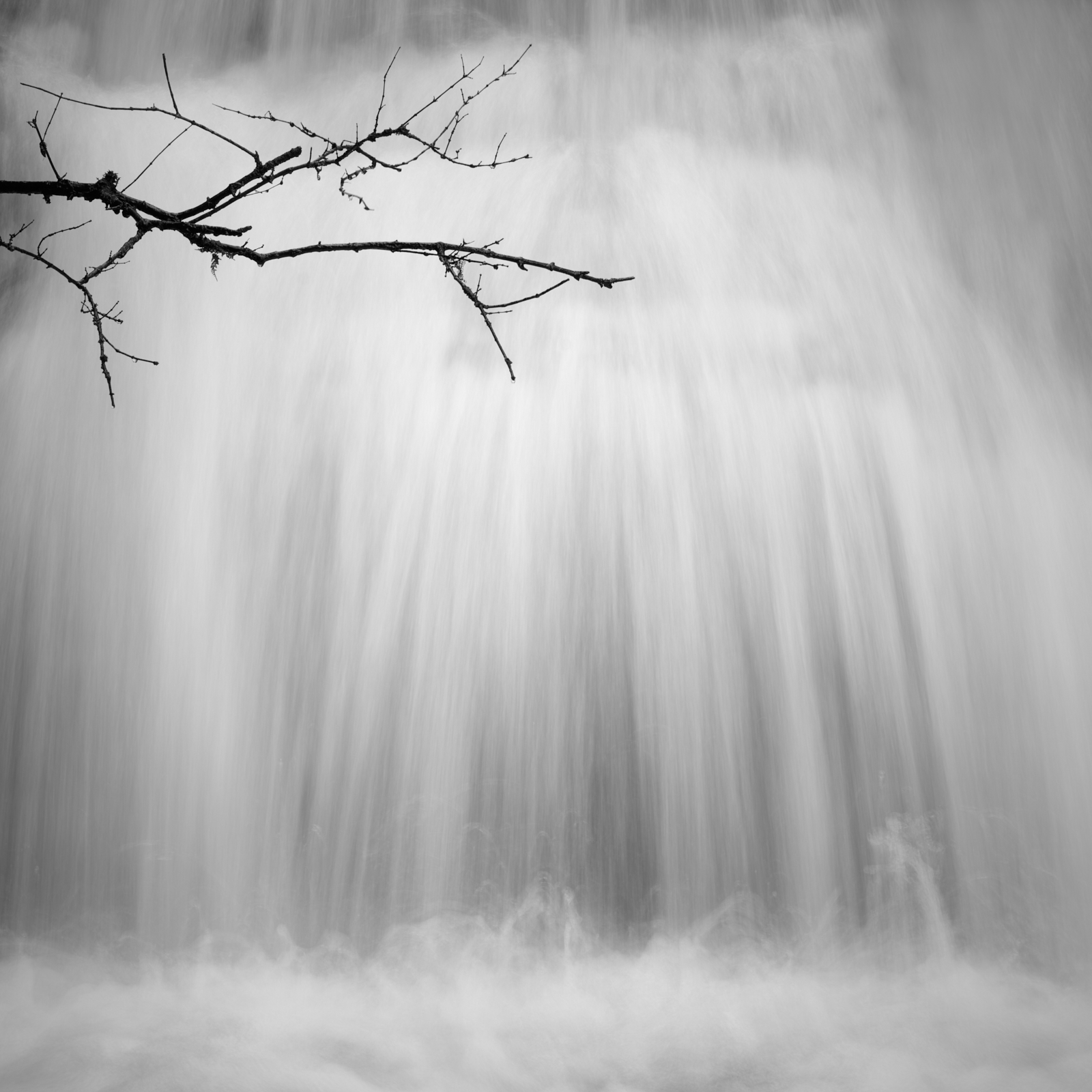
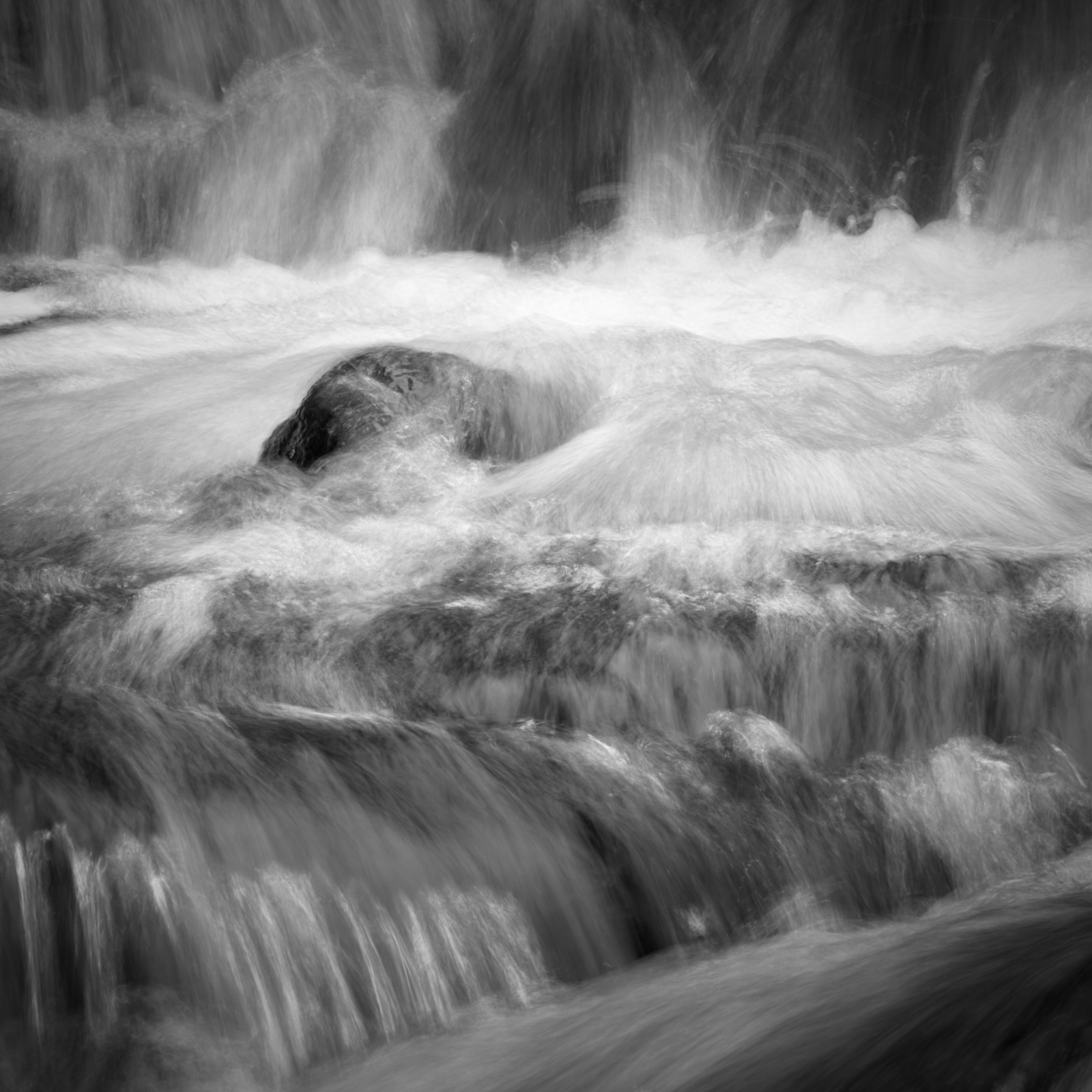
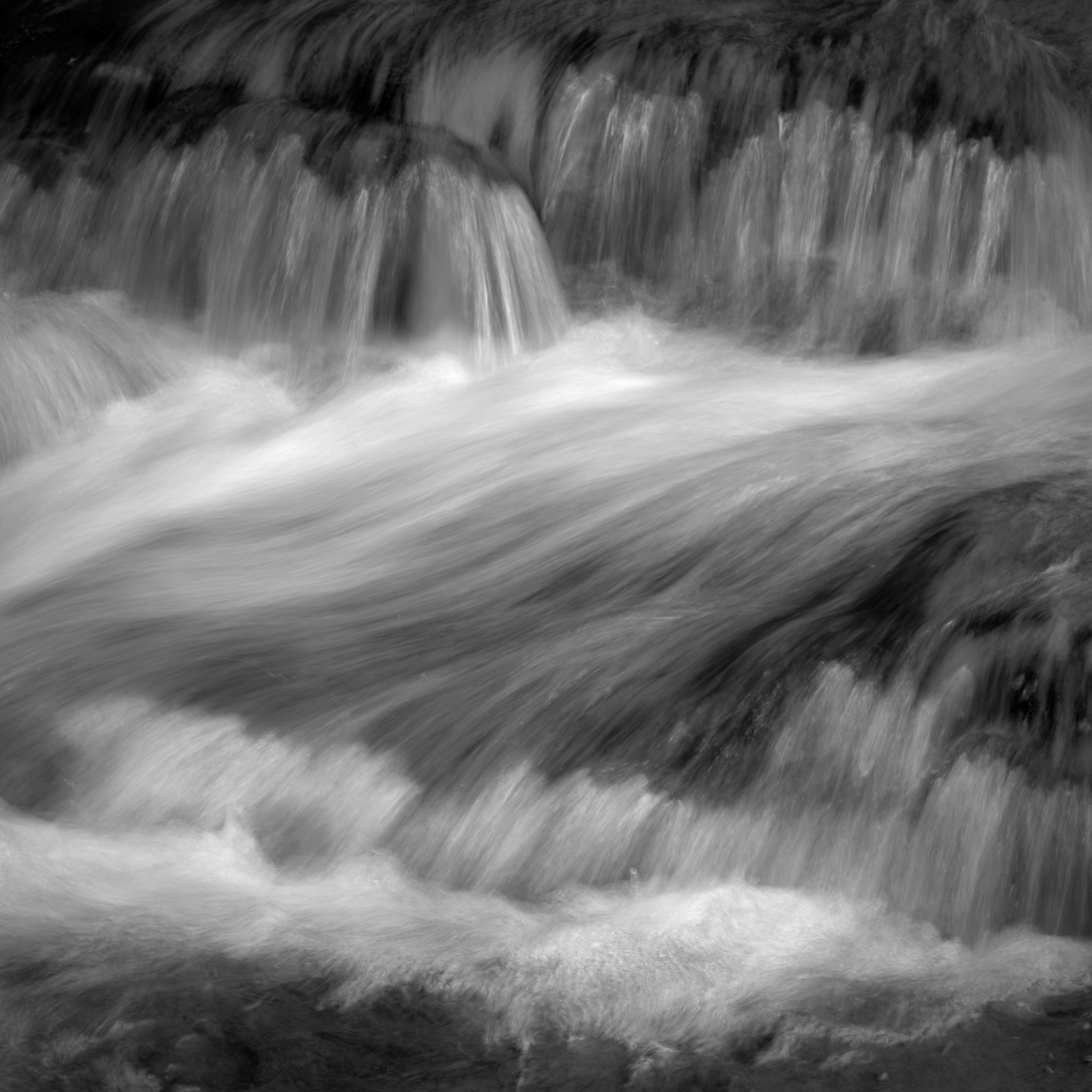
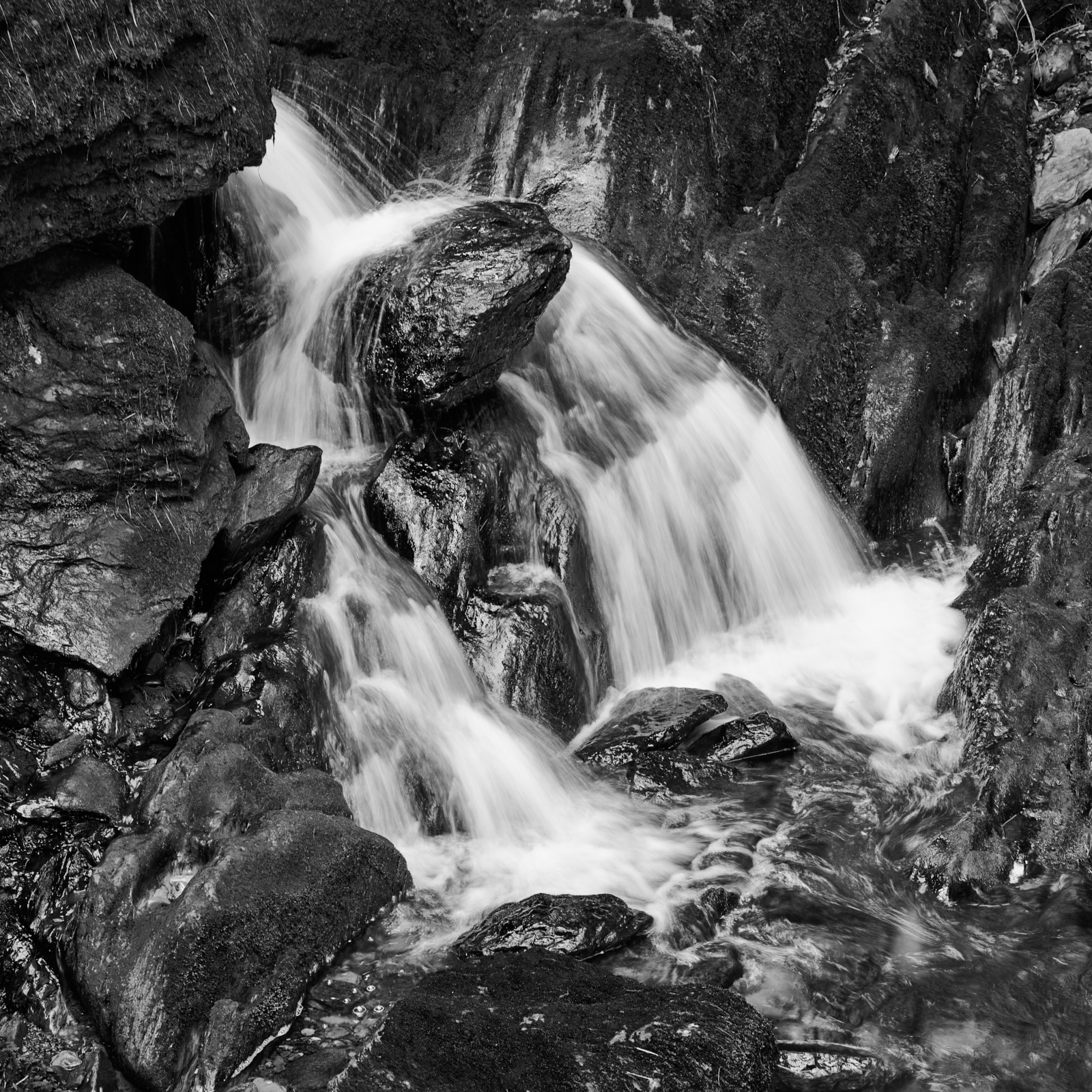
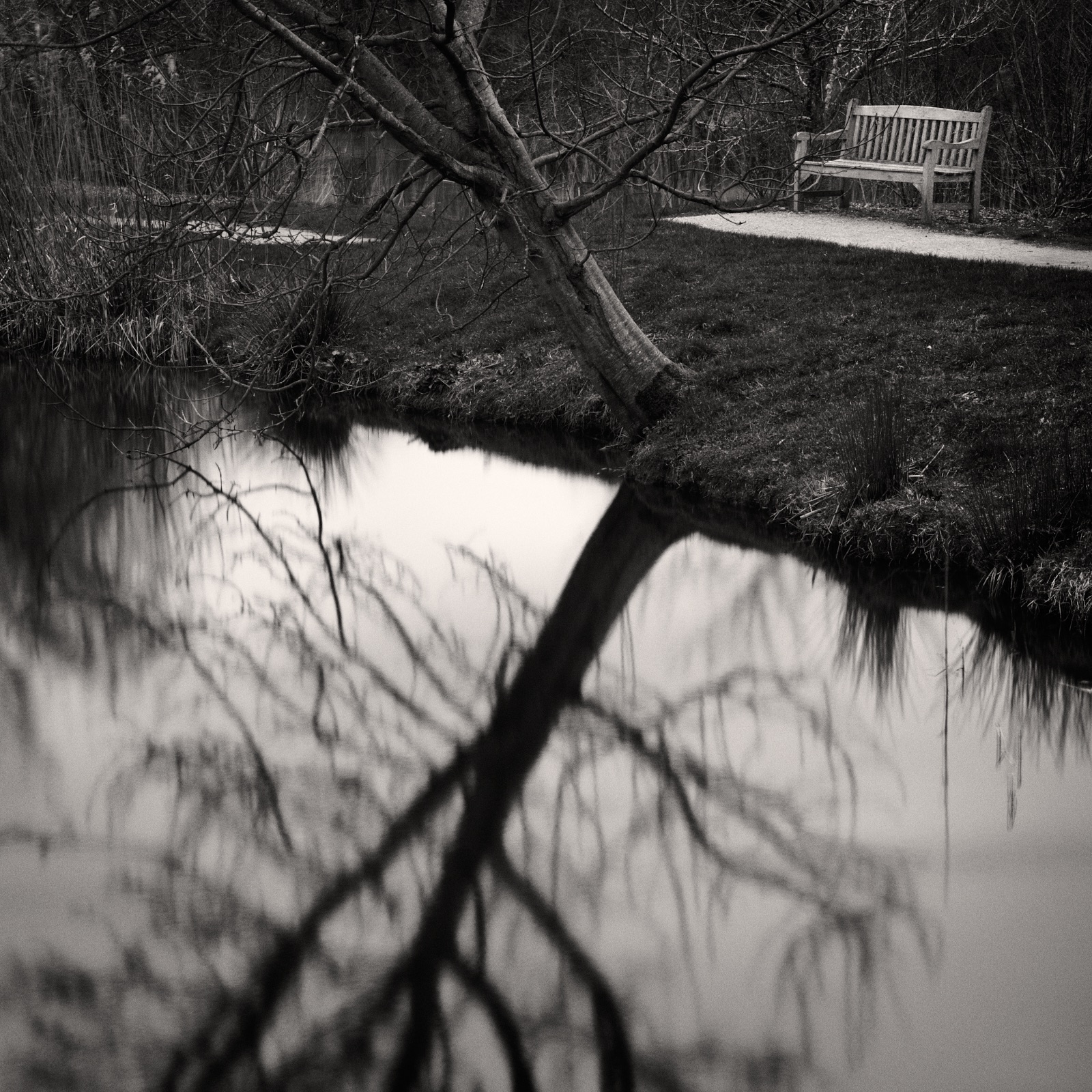
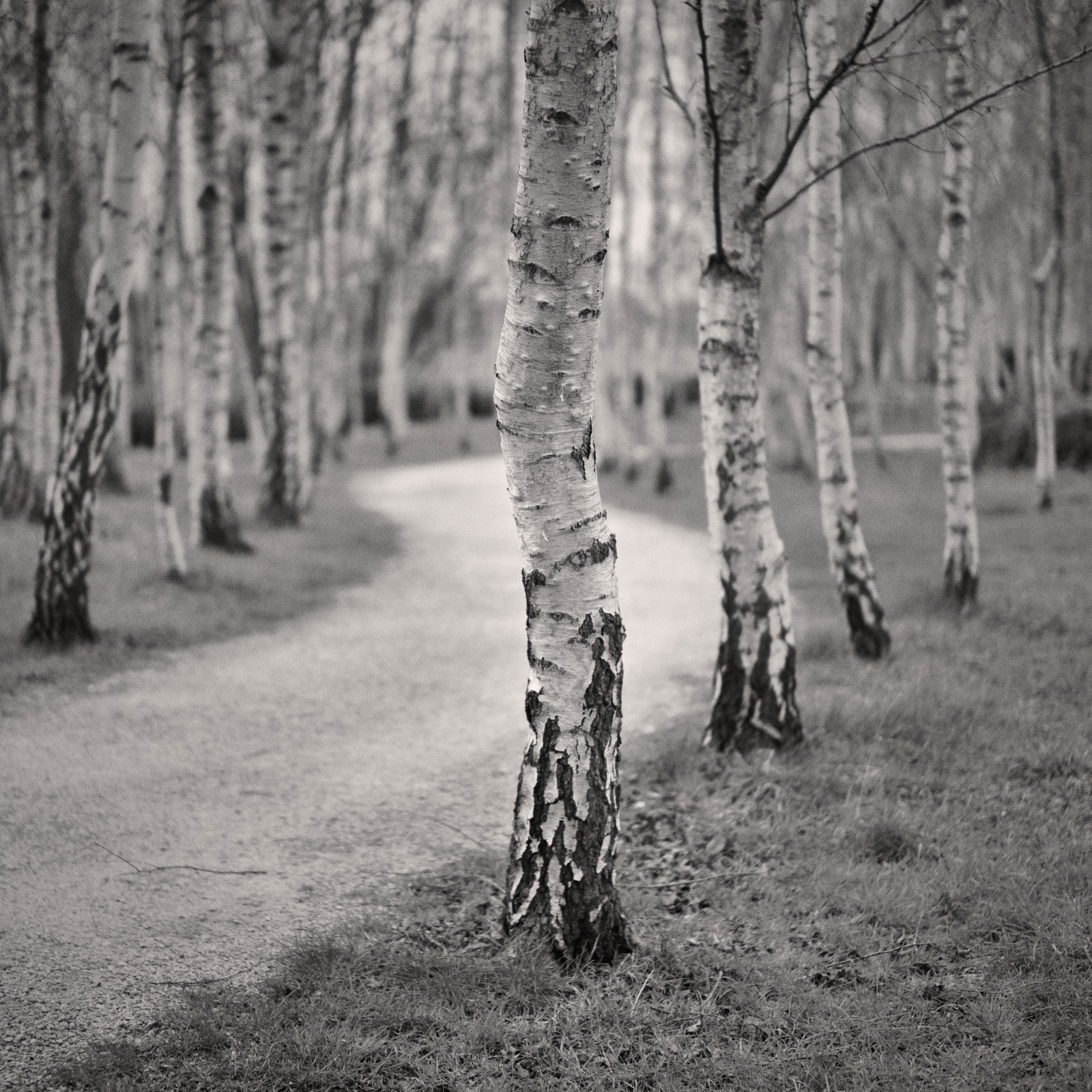
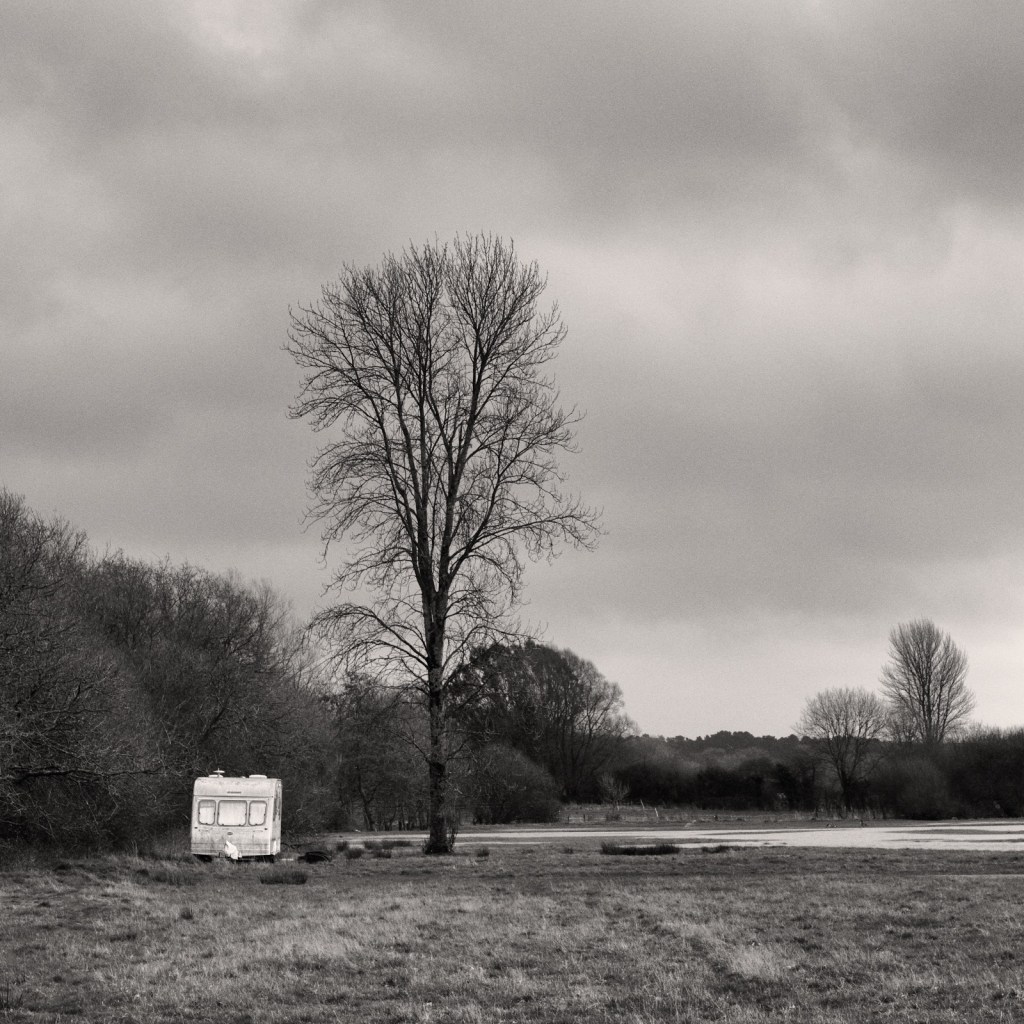
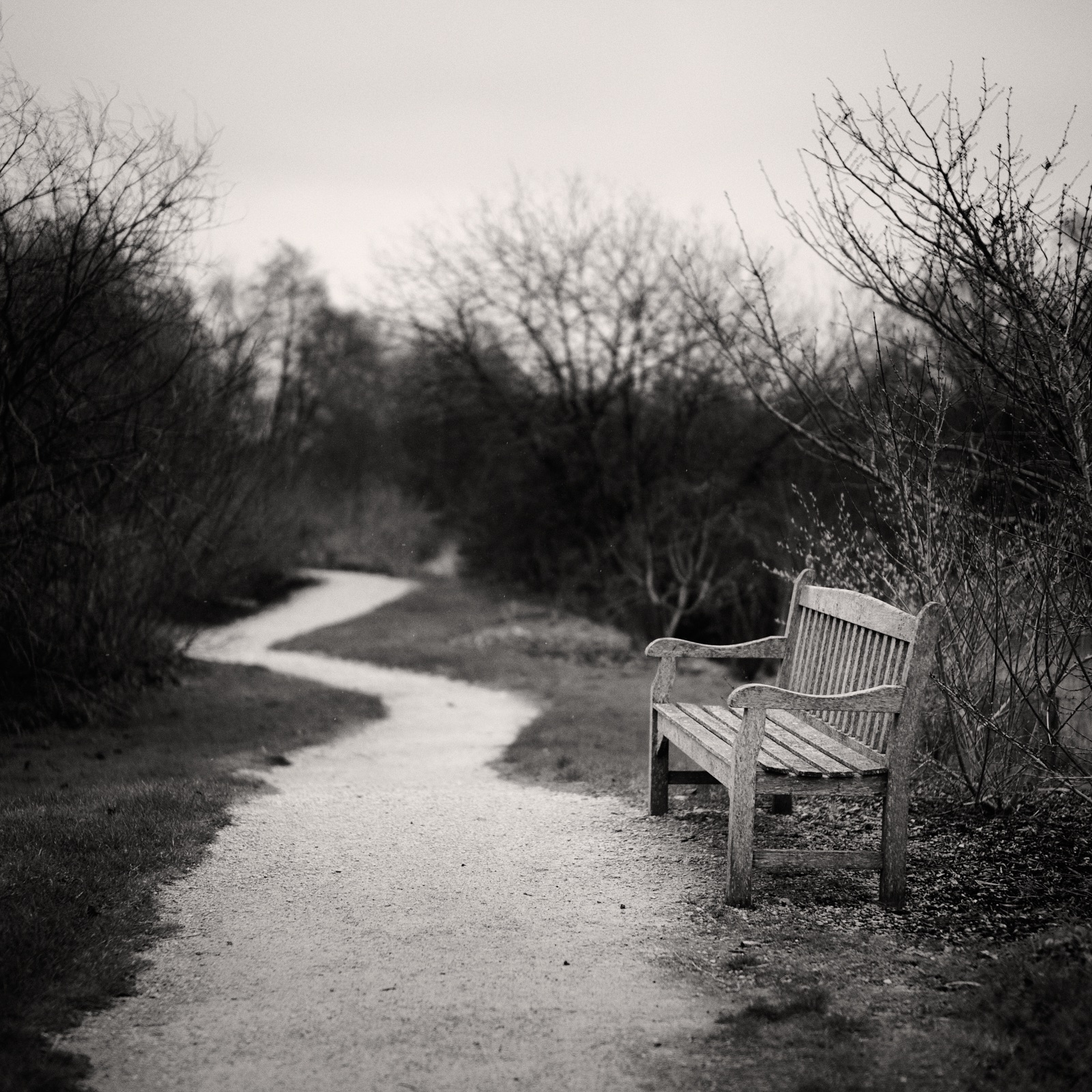
(All the photos in this post were captured in the past week using a tripod and reviewing the images with the Hoodman Loupe. The journey definitely gave me time to ponder and ask myself where my photography might take me in the future ……. to be continued!)

“What are you photographing?”….. the stranger asked inquisitively.

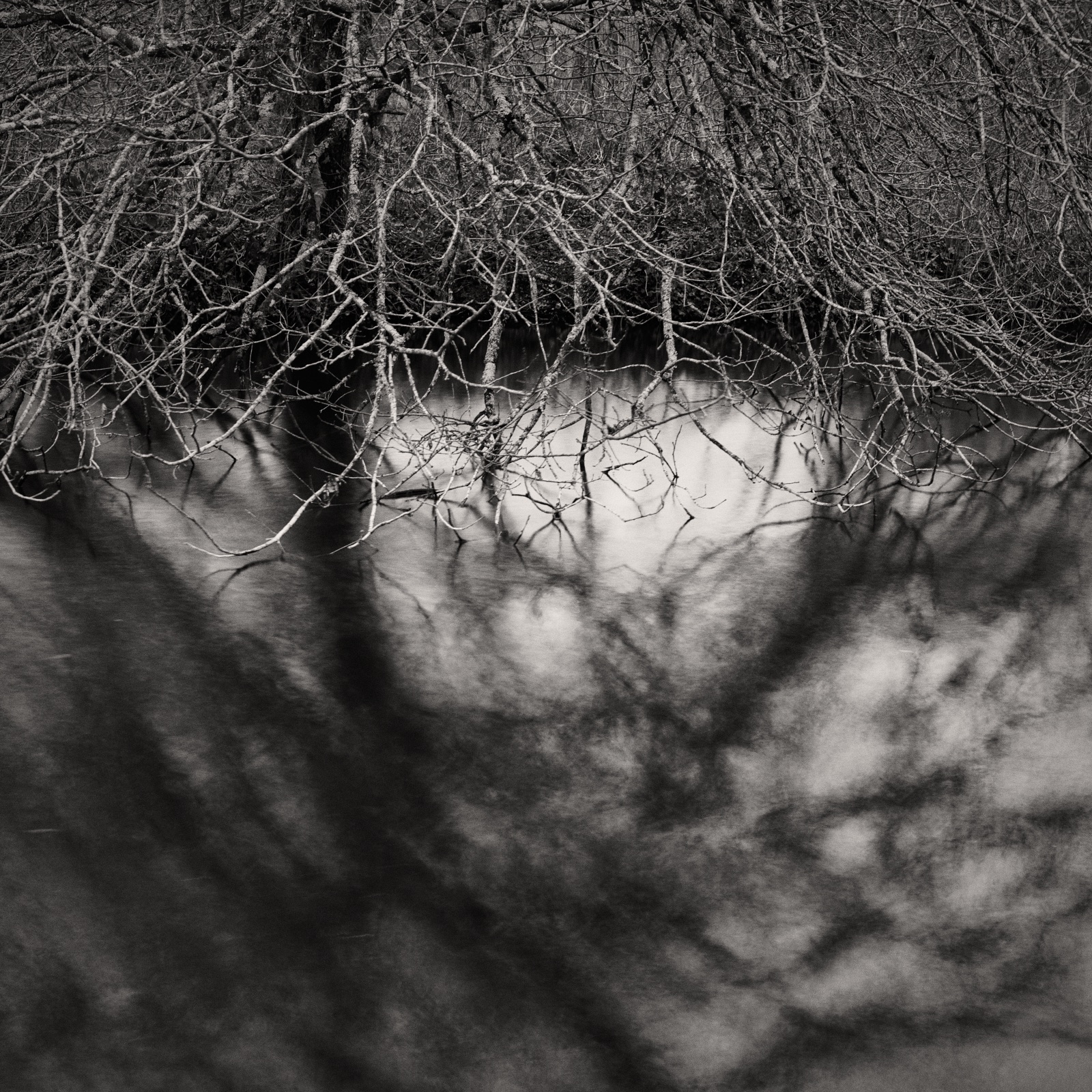
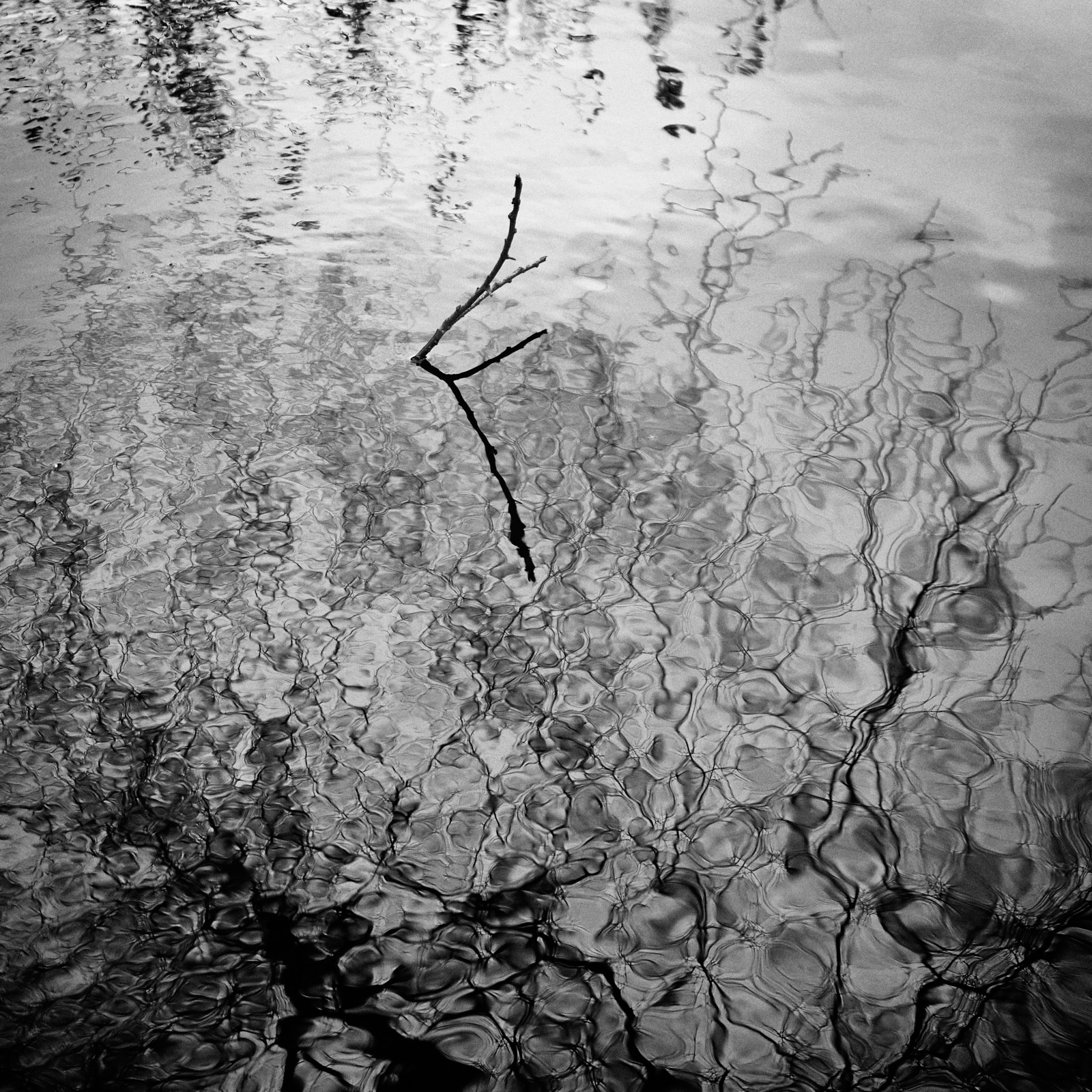
Crouching down with my camera and staring into the rather murky water of a small pond….a man approached me and asked me what was I photographing? He could have simply asked what on earth I was doing. Instead, he chose to be more tactful and polite with his questioning. Had I been in his shoes I may well have posed the same question. After all there was nothing obvious to be seen, let alone photograph…or was there?

And that’s the great thing about being a photographer. The eye is honed to see something which others may not notice. And the more you look and observe the more you see.

In this case I had been drawn to the stillness of a small twig which appeared to be rising out of the water. The reflections of the surrounding trees were being moved by a gentle breeze. The combination of stillness and movement appealed to me.

What I guess wouldn’t have been seen by the passerby was how these reflections would be frozen and captured by the use of a fast shutter. I focused on the twig and used a wide aperture intending to isolate the main subject.

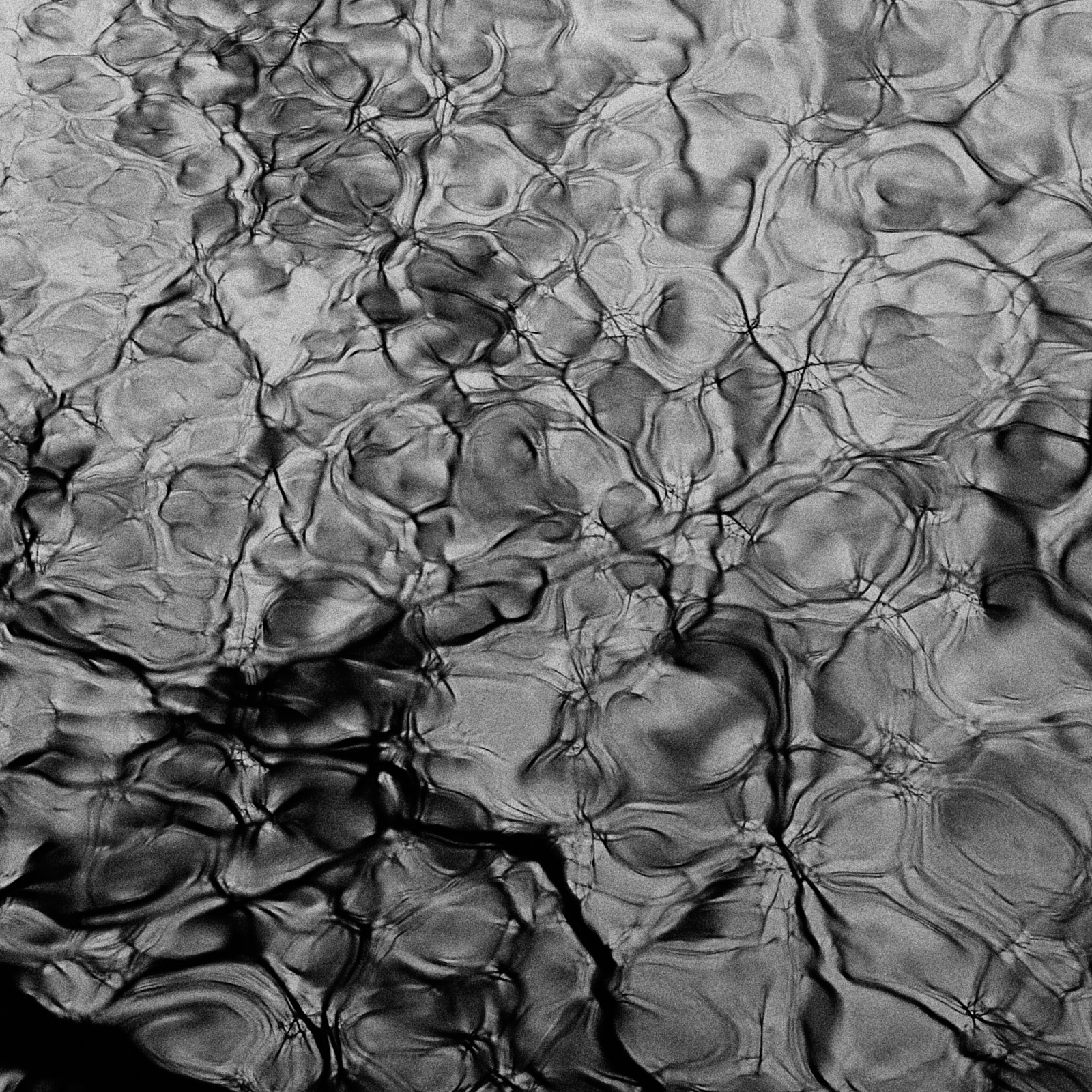
If you are viewing this image on a small screen, you may find it difficult to appreciate the abstract quality of the reflections. So I have included a crop of one part of the picture.

Of course the answer to the question ‘what are you photographing?’ is in the eye of the photographer and is only concluded when the image has been captured and processed. At this moment the photographer’s vision comes together and makes sense – hopefully!

There is something about this photograph which really appeals to me. It’s something out of nothing, being both simple and complex in its makeup. To my eyes it’s the hidden beauty of nature which is very special. All too easily missed, but once seen, never forgotten.

Flooded Meadows ….. from the other side, with a tripod to slow me down

A few days ago I posted a set of images of the flooded water meadows close to where I live. You can read that post and see the images here.

I knew there was the possibility of some different views if I accessed the meadows from the other side of the river. In particular I wanted to capture some trees which I thought would be ideal subjects providing I could pick a still day to make the most of their reflections.

When conditions were favourable I selected what camera gear I would need and put on my wellies. I took a tripod, not because I would be taking any long exposures but to slow me down. I tend to work quite quickly and the one advantage of a tripod is that I take greater care over the composition and the camera’s settings. I find the process of being in the field more immersive as a consequence.

The water levels have receded but any more rain will only fall on saturated ground, so I fully expect these scenes will persist for some time to come. I may travel a little further afield to find other areas where I know local rivers have burst their banks. I have not known flooding on this scale before so I want to make the most of these conditions while I can.

Flooded Meadows from regular storms and excessive rainfall

Continuing the theme of capturing scenes from my local area, or as I have written before; ‘Close to my back door’, an opportunity arose this week to photograph the water meadows adjoining the River Piddle in Dorset.

Whilst flooding is a regular occurrence at this time of year I have never seen the water levels reach this height before. With the ground well and truly saturated, more rainfall in the coming days and weeks will only bring about further flooding to the area.

I was particularly pleased to capture the last image in this set – a photograph of the church and its reflection. I am grateful to the farmer who allowed me access to his land to make these photographs possible.

Oh and by the way welly boots are an essential item for this type of photography!

Photography without limits…..welcome to 2026

At the start of a new year our thoughts inevitably turn to what we might like to achieve in the coming 12 months. Resolutions are often made but soon broken…or they are if you are anything like me. Sometimes we set ourselves targets or specific goals. All too often these are unrealistic and consequently never realised. This leads to a feeling of disappointment which is why I don’t set any for myself in the first place.

Whilst this is not a resolution I do wish to continue to document my local surroundings. I am fortunate to live in a rural part of the lovely county of Dorset. There are many honeypot locations nearby which most photographers will have visited at one time or another. Durdle Door, Corfe Castle and Kimmeridge Bay to name a few. They may be seeking ‘likes’ of course, even though the subject has been seen and captured thousands, if not millions of times before. But should that be the motivation? I think not. For me the images I wish to make are far from the atypical landscape shot from a location of this nature.

From my perspective no subject should be off limits. The composition or scene may be neither obviously beautiful or instantly recognisable but that shouldn’t deter me or any photographer from making an image. If the picture has something to say or forms part of a wider narrative then the camera should be turned on, lens selected and focused, settings chosen and shutter pressed.

The image shown in this post neatly sums up what I am trying to say. In fact it inspired me to make this entry. The subject is a de-restricted road sign, which at some time or another has been knocked over and left in a roadside verge diminishing its effectiveness and meaning. The out of focus old farm building in the background offers some context about its surroundings. But the principal subject is the road sign.

Strictly speaking the Highway Code states that this sign denotes that the National Speed Limit applies, although why anyone would want to drive at up to 60mph along a twisty narrow country lane I do not know.

The point of this entry is simply to encourage all photographers to make images of subjects that appeal to the individual behind the camera, and not be swayed by what they think is likely to appeal to an unknown audience.

My view is that we all need to de-restrict our minds and try not to define what does or doesn’t make a good image. It’s all about being honest and true to yourself. Making images which work and appeal to you. In the process these images will serve to define who you are as a photographer. In other words photography can and should be without limits.

And finally may I wish anyone who has read this far a very happy and healthy 2026.