Posts from the ‘Dorset’ category

Colour of light on The Jurassic Coast
jurassic-coast-4-of-6

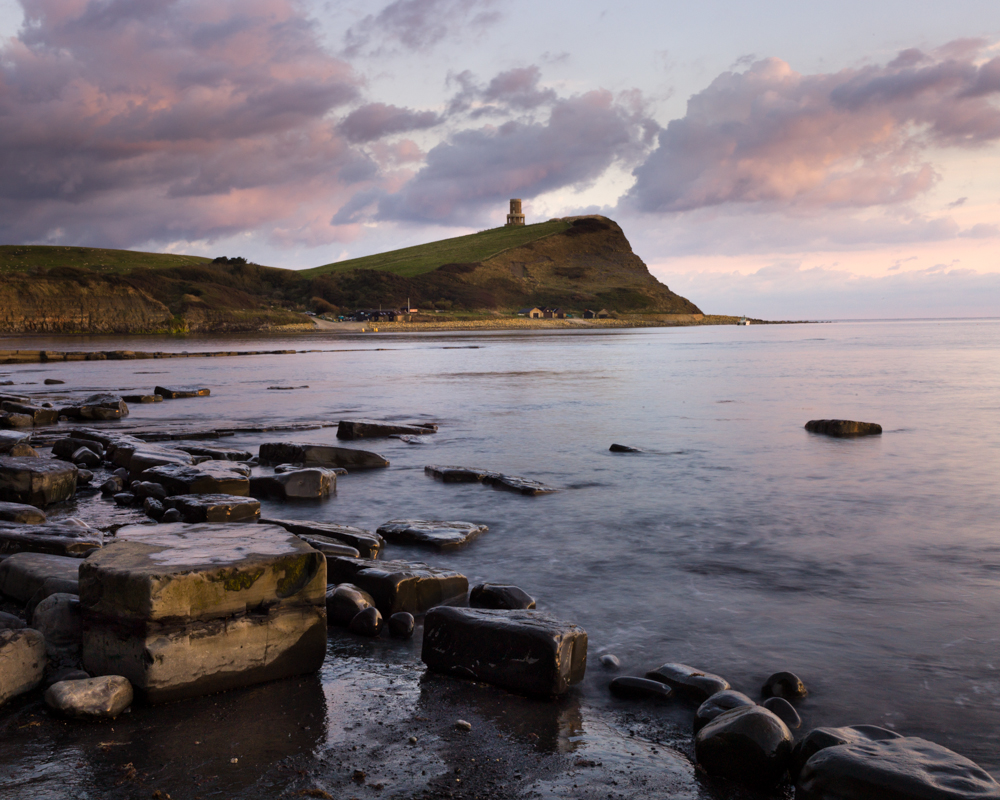
Clavell Tower at Kimmeridge Bay at the end of the day


The Jurassic Coast in Dorset is a World Heritage site, famous for its cliffs, beaches and fossils. Together they reveal the history of the earth over a period of 185 million years. Just jaw dropping.  The area is also a rich source of photographic subjects and whilst it’s a challenge to take anything that hasn’t already been taken many times before, it’s no less appealing simply because of its popularity, particularly when the colour of the light is at its most favourable.

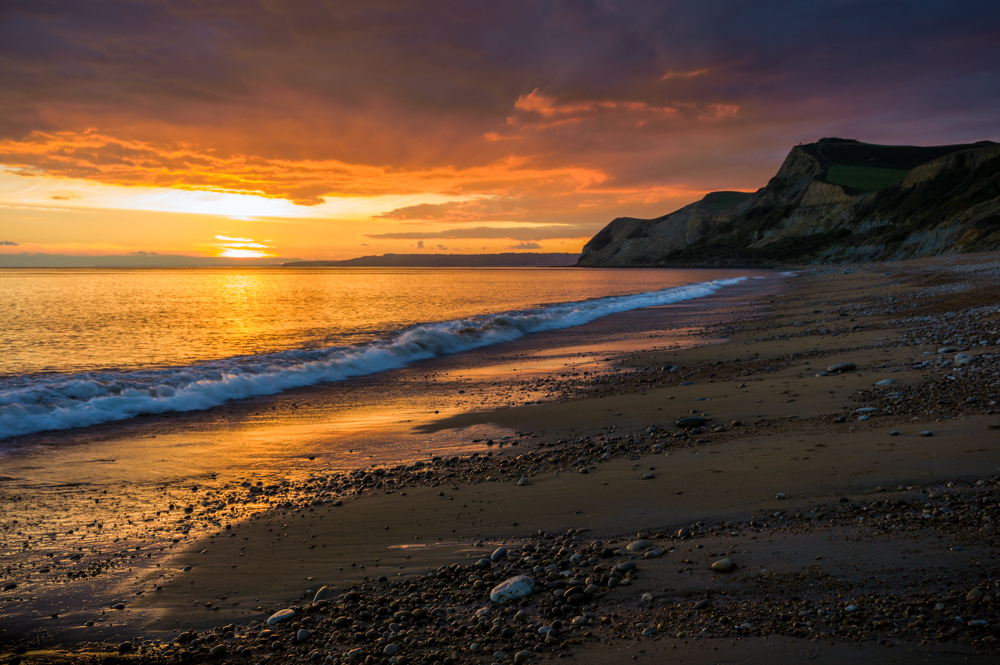
My wife and I have just returned from a short break in the area, staying at West Lane Cottage in Piddlehinton which is about 20 to 25 minutes drive from various parts of the coast. We chose to visit a number of different locations, mainly towards the end of the day and we were blessed with some fine weather and on one day in particular, a superb sunset.

By way of a change from my usual monochrome work, here are a selection of photographs captured on our trips to the coast.

Perhaps, just perhaps, maybe I should do a little more colour work in the future? Only time will tell.
 

jurassic-coast-5-of-6

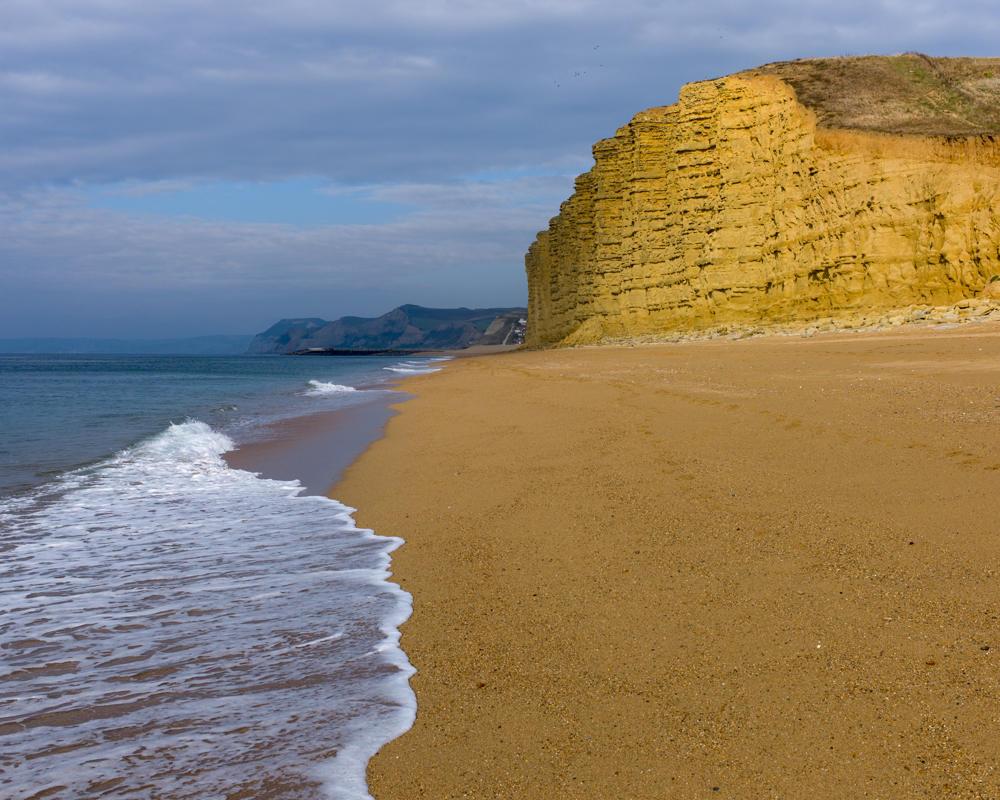
Morning light on East Cliff near West Bay


jurassic-coast-6-of-6

Towards Golden Cap from West Bay


jurassic-coast-1-of-6

The cliffs at Hive Beach near Burton Bradstock


jurassic-coast-2-of-6

Looking east from Swyre as the sun starts to set
 

jurassic-coast-3-of-6

Sunset at Swyre – looking towards Golden Cap


Churches Project no. 15 – St Andrew, Winterborne Tomson, Dorset

Winterborne Tomson Church-2


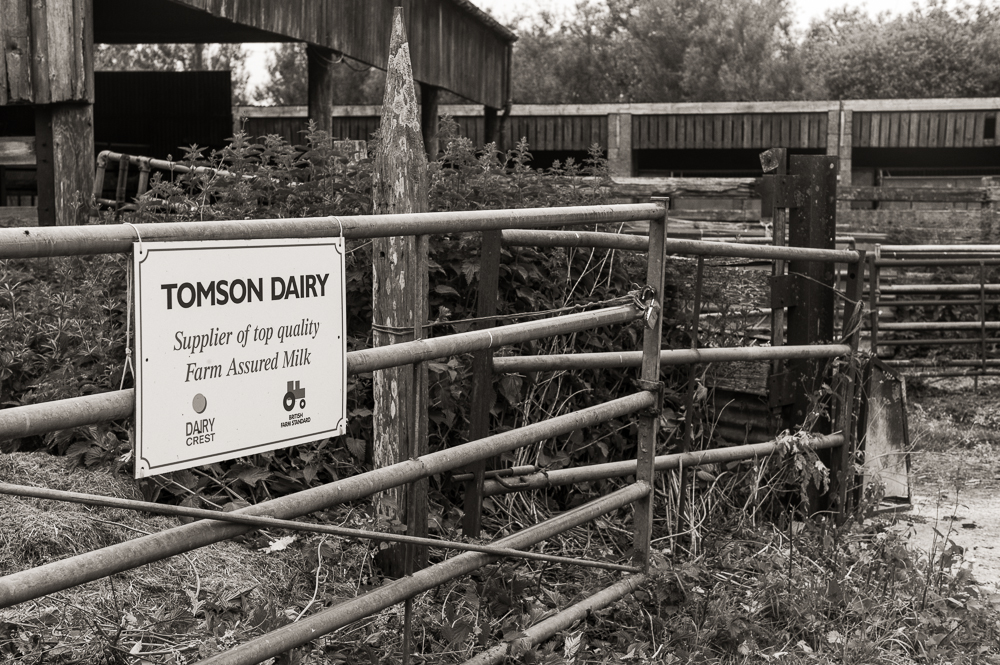
For such a small and simple church, there is so much to admire and enjoy here. For starters the very location of St Andrew in the tiny hamlet of Winterborne Tomson is a delight. Rural and unspoilt, the church backs onto a dairy farm and I like the way the farm building behind the church echoes the shape of the church itself. There is a manor house on the other side of the narrow road which leads down to the church plus a thatched cottage for neighbours.


Winterborne Tomson Church-3


Winterborne Tomson Church-4


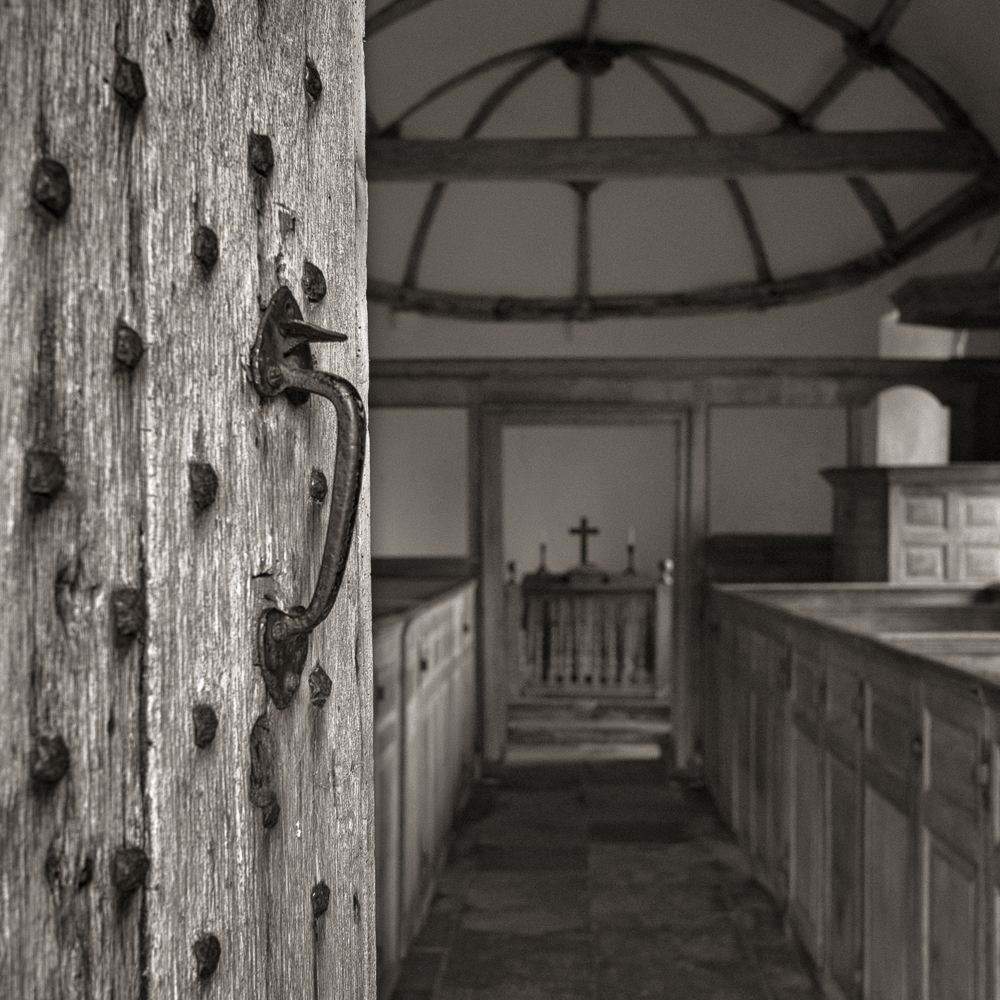
It’s not until you enter through the west door that the simple beauty of this church reveals itself. Built of flint and stone in the 12th Century, this single cell church has a most unusual apsidal east end with a plastered wagon roof of slender beams and decorative bosses. All the bleached oak furnishings which include box pews, the pulpit and sounding board above, the screen and altar rail, have turned silver grey over the years. They date from the 18th Century and were provided by William Wake, the Archbishop of Canterbury from 1716 to 1737. He would worship in this church when staying with his family who lived nearby. Apparently he loved the simplicity of the church compared to the grandeur and opulence of the cathedrals. I can empathise with his feelings and for me this place reminded me of another church in Warminghurst in West Sussex which you can read about here.


Winterborne Tomson Church-5


Winterborne Tomson Church-8


Winterborne Tomson Church-6


Winterborne Tomson Church-7


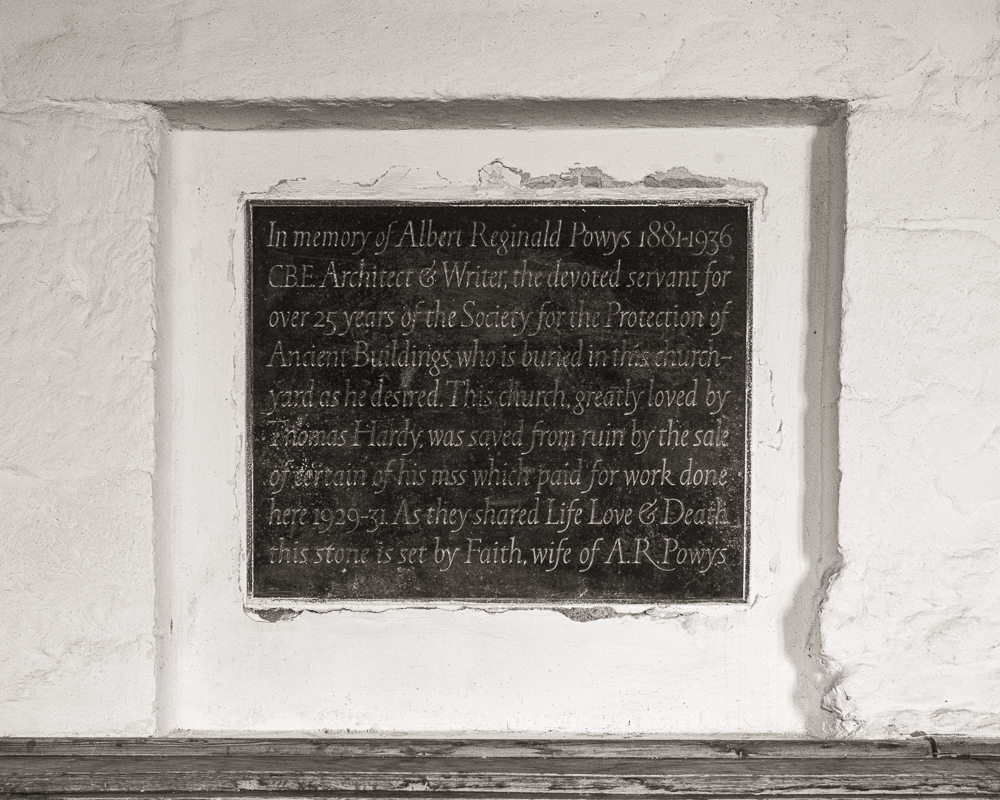
It’s hard to believe that less than 100 years ago the church was used by the local farm for pigs, fowl and other animals, but very fortunately was saved from complete ruin in 1931. Money was raised from the sale of some Thomas Hardy manuscripts by the The Society for the Protection of Ancient Buildings and this was used to pay for much needed repairs. The work was overseen by the architect A R Powys, who was Secretary to the Society. On his death he was buried in the churchyard and a plaque can be seen inside the church, commemorating his work. Given its history it’s perhaps no surprise that this church is now cared for by the Churches Conservation Trust, and whilst still consecrated, is only used on a handful of occasions during the year.


Winterborne Tomson Church-10


Winterborne Tomson Church-1


Lastly and to put this church in the context of its setting I have included an image taken just yards form the church itself.


Winterborne Tomson Church-9


Dorset is providing a rich source of lovely churches, so I will certainly be back there in the future so that I can add to my ‘Churches Project’ collection.

Do click on any of the images to view a larger version in a new window.

West Bay – A Dorset fishing harbour

Harbour wall

Harbour wall
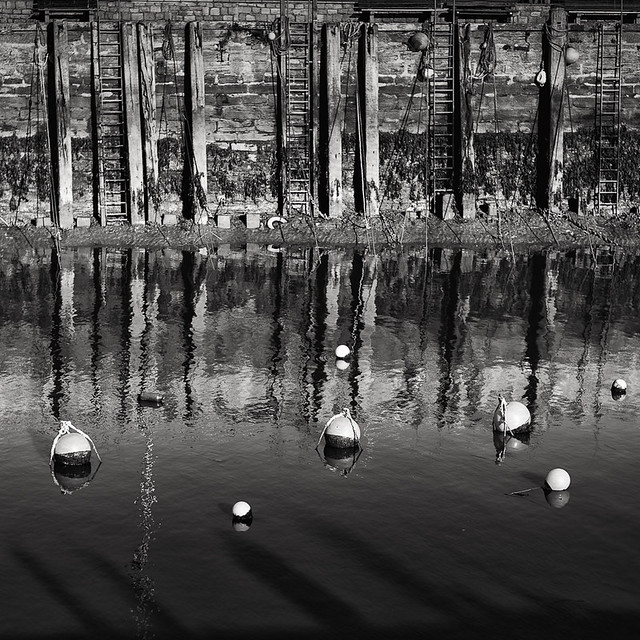
It was low tide so the full height of the harbour wall was visible. I don’t know how old the harbour wall would be, but for many, many years, the water has risen and fallen with the tide, covering the old ladders, wooden posts and exposed brick and stonework. The buoys and reflections of the wall in the water, together with the wall itself I think make an interesting image.


Fishing harbours are wonderful photographic subjects, where the eye is inevitably is drawn to the fishing boats, clusters of old rope, endless rusty chains, small mountains of lobster pots, and piles of decaying painted wood – the list goes on and on.

Back in December when I visited the fishing village of West Bay on the Dorset coast (now famous as the back drop to the crime series ‘Broadchurch’),  I tried as hard as I could to avoid the obvious, which in this type of environment is a rather challenging thing to do. Whether or not I have succeeded is hard for me to judge but whatever the results, I spent a very happy hour or two walking around this most attractive location in relatively warm winter sunshine, with a camera in my hand looking for things to photographic. What could be better?!


Read more

‘Broadchurch’ – 100 steps + 180 degrees = 2 very different images

'Broadchurch' cliffs

‘Broadchurch’ cliffs
In truth the spectacular Jurassic coastline at West Bay in Dorset.


The fishing village of West Bay to the south of Bridport in Dorset was the ‘film set’ for one of the best television crime dramas for many years. With Olivia Colman and David Tennant in the leading roles, the series was called ‘Broadchurch’ after the fictional town in the story. In the opening episode the body of a young boy was found on a beach at the foot of some spectacular cliffs.

Read more

Looking through the archives – Trees in the crop

From time to time I like to look back through the folders in my Lightroom catalogue and find photographs which have either not been processed, or even if they have, have yet to appear on my blog.


Trees in the crop

Trees in the crop


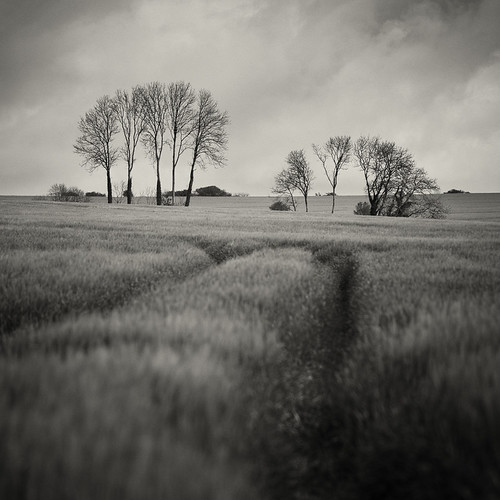
One such picture is this photograph of a small group of trees which were surrounded by a growing crop. Taken back in May in the lovely county of Dorset, I stood in the field and with a telephoto lens used the widest aperture opening available to me (f2.8) to throw the foreground out of focus. I wanted the viewers eye to be drawn to the trees and not have the distraction of the everything being in focus. I know that many landscape photographers will use a very small aperture (f16 or more) so that everything is sharp front to back, but the look I was looking for on this occasion, I think warranted a different approach.

Once converted to monochrome, I applied a ‘cream’ tone in Silver Efex Pro to give the image a little more warmth. A treatment I rather like for this type of shot. I hope you agree.

I shall keep looking through the archives as I never know what images I will find!