‘Shadows of the Wanderer’ in Chichester Cathedral

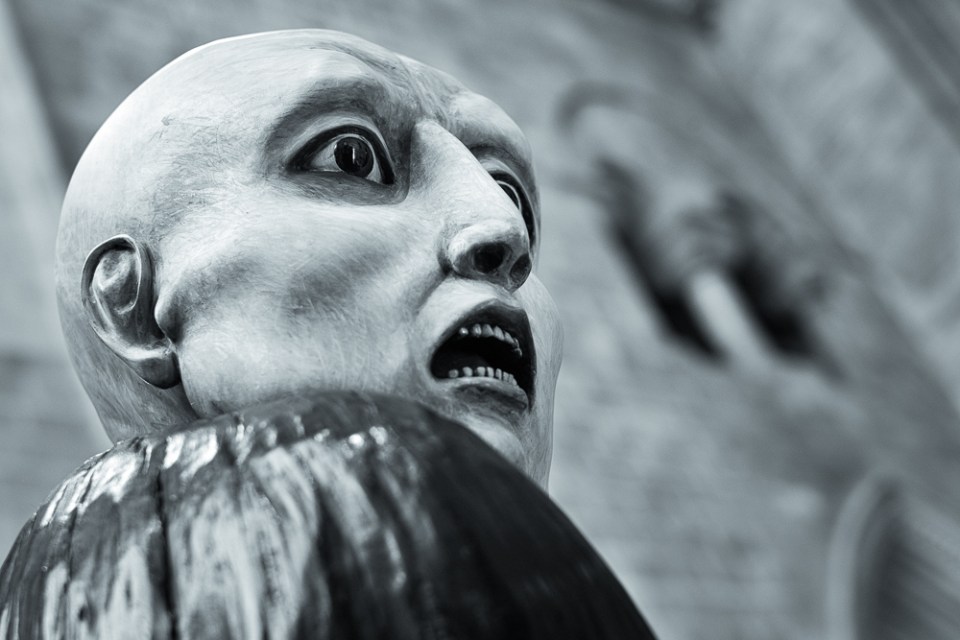
This is a truly wonderful and thought provoking exhibition by the artist Ana Maria Pacheco, which is currently on display in the North Transept of Chichester Cathedral in West Sussex, and runs until the 14th November.
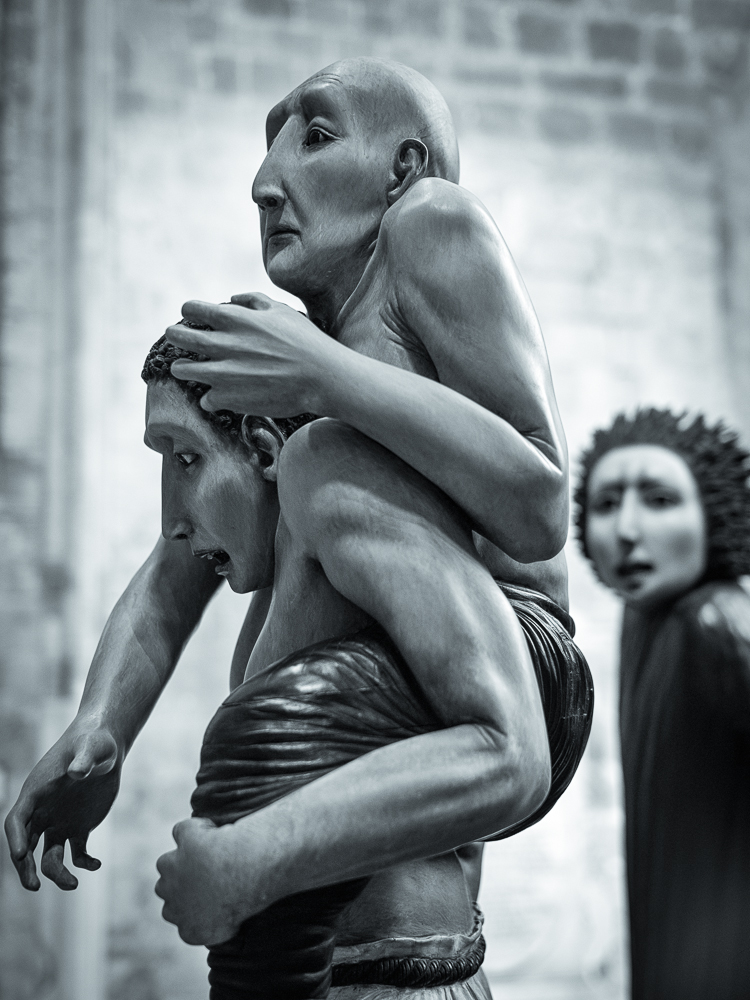
 

Shadows of the Wanderer (6 of 10)


There are ten figures all wearing dark robes, each one carved from a single lime tree, with eyes made of onyx.  The two central figures, again carved from a single piece of wood, depict a man carrying an elderly person. Based on Virgil’s Aeneid from 29BC, Aeneas carries his lame father on his back to escape the burning ruins of Troy. The other figures in the shadows have very differing expressions and postures, which provoke a wide range of emotions in the viewer. As you take in the scene it is impossible to escape the synergy with todays issues of migration and people fleeing from their homes in a stricken country, all seeking refuge in another place.


Shadows of the Wanderer (3 of 10)


I rarely photograph art installations or exhibitions, as they can turn out to be nothing more than record shots. However I felt this was different, as the sculptures gave themselves to a form of portraiture, which also allowed me to make a set of images which I hope does justice to the artist’s work.

I was very fortunate to find myself in the Cathedral at a time when a single shaft of light from a high window moved through the ‘shadows’ to illuminate just one figure in the scene, almost as if the light of God was showing them the way.


Shadows of the Wanderer (10 of 10)


Shadows of the Wanderer (8 of 10)


Shadows of the Wanderer (2 of 10)


Shadows of the Wanderer (5 of 10)


Shadows of the Wanderer (7 of 10)


Shadows of the Wanderer (9 of 10)


Shadows of the Wanderer (4 of 10)


Shadows of the Wanderer (1 of 10)


For further information and to read more about ‘Shadows of the Wanderer’ please click here.

Do click on any of the images to view a larger version which will open in a new window.

The Dunes – East Head, West Sussex

East Head-1

I have said it before, and I’ll say it again, but East Head on the West Sussex coast must be one of my favourite places. I am so fortunate to live nearby and I try not to take it for granted, which would be a very easy thing to do.

Strangely I rarely visit this location specifically to take photographs, as it is really dog walking territory. As a result most of my images taken here are opportunistic, and are often captured on my iPhone. This shot is just such an example. The clouds were wonderful and the sun lit the dunes in the foreground. The sands were rippled from the wind and luckily were pure; not a paw print in sight! The grasses too were bending in the wind and a lone figure below the patch of blue sky completes the scene. How lucky I am to have such a beautiful place on my doorstep.

Churches Project no.16 – A return to North Stoke, West Sussex

North Stoke-9


There is something to be said for returning to a location or indeed a church which I have previously visited. The benefit of familiarity and the knowledge of the images taken before, help me to see things with a fresh pair of eyes, to explore new angles and find fresh compositions. The light can of course be different even in the interior of a church building, so a return visit can hopefully yield some new images.

This was certainly the case when I went back to St Mary the Virgin in North Stoke last week. It’s a particular favourite of mine so whether or not I was able to make some more images didn’t really matter, as I was more than happy to be in this historic and rather timeless place of peace and solitude. I hope the four images in this post help to convey this feeling.

Cared for by The Churches Conservation Trust, the church is no longer used for regular worship but is still consecrated.

If you would like to read the original entry about North Stoke Church and see more photographs then please click here.


North Stoke-10


North Stoke-11


North Stoke-8


As always do click on any of the images to view a larger version which will open in a new window.

Churches Project no. 15 – St Andrew, Winterborne Tomson, Dorset

Winterborne Tomson Church-2


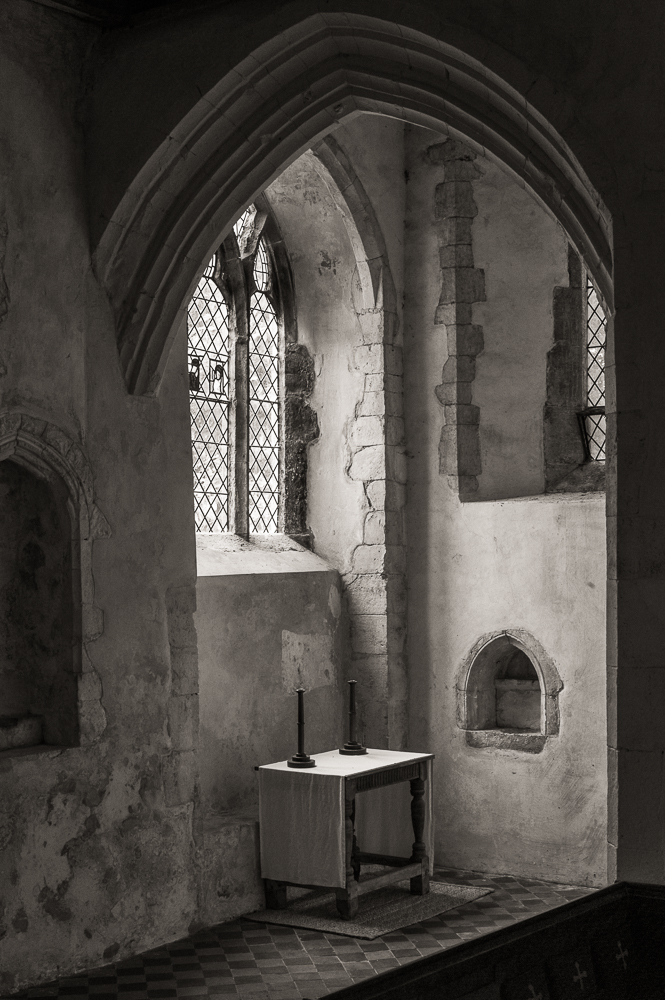
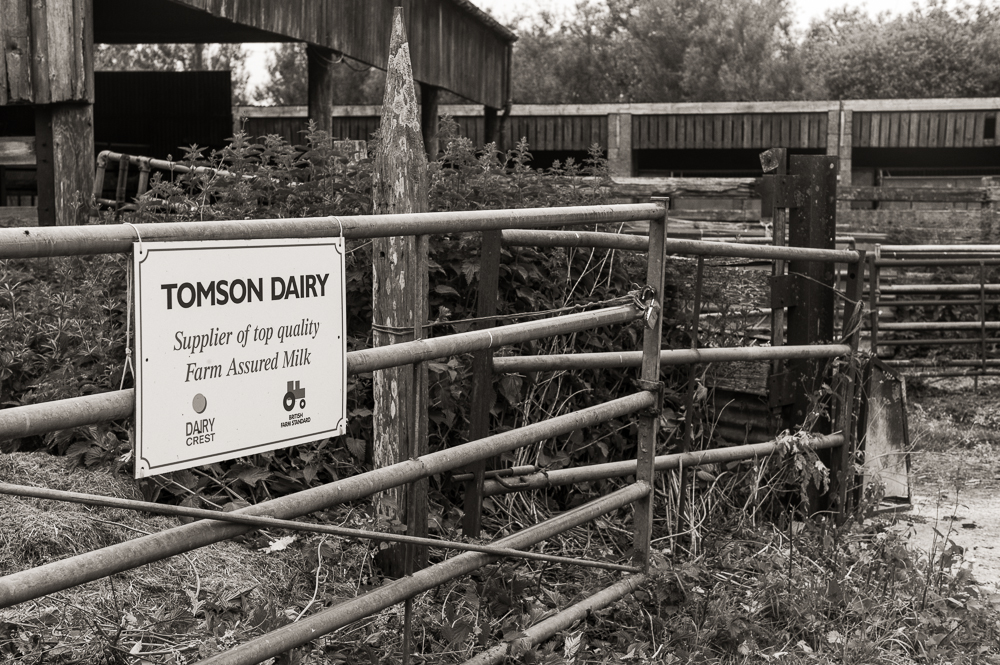
For such a small and simple church, there is so much to admire and enjoy here. For starters the very location of St Andrew in the tiny hamlet of Winterborne Tomson is a delight. Rural and unspoilt, the church backs onto a dairy farm and I like the way the farm building behind the church echoes the shape of the church itself. There is a manor house on the other side of the narrow road which leads down to the church plus a thatched cottage for neighbours.


Winterborne Tomson Church-3


Winterborne Tomson Church-4


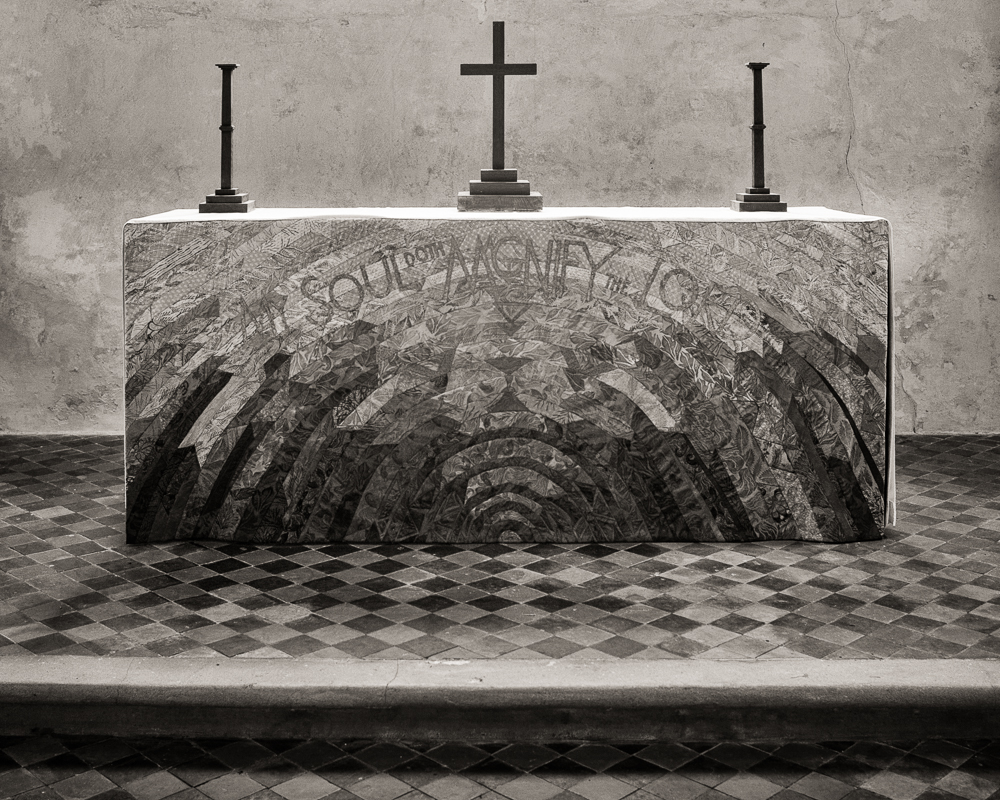
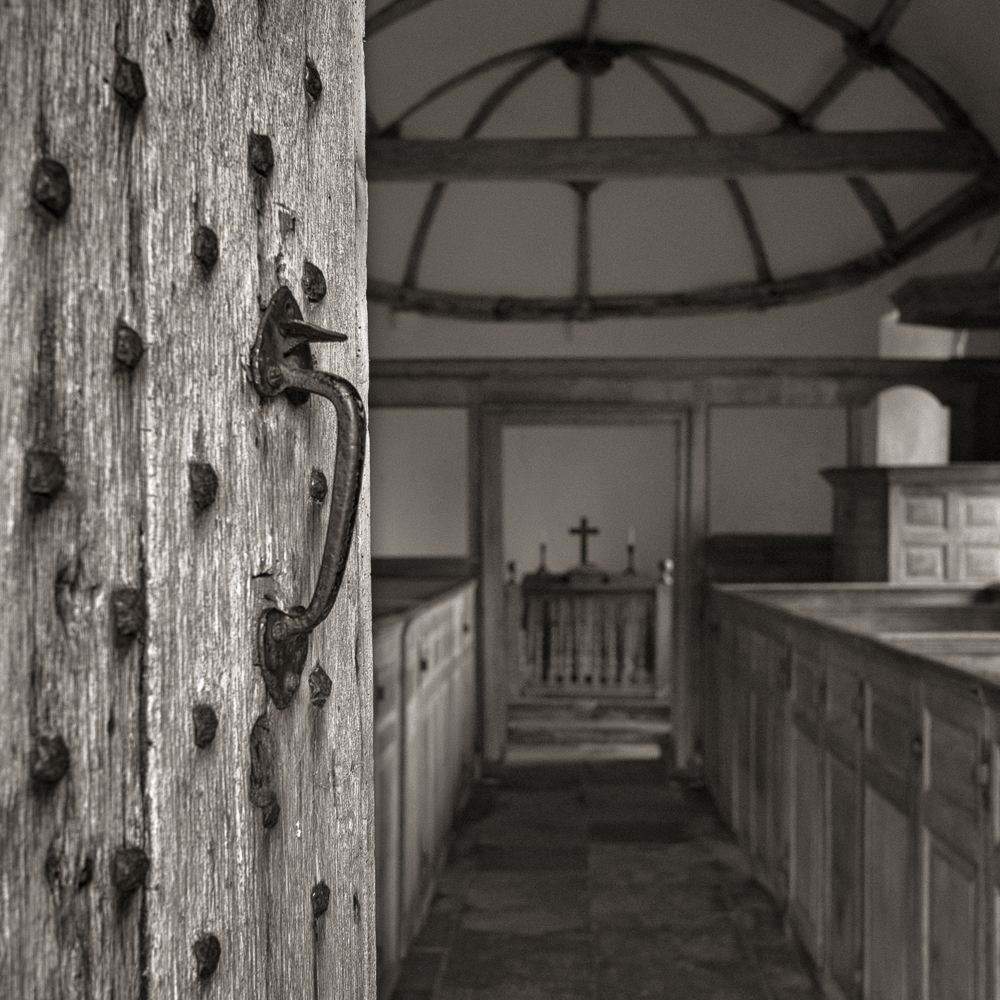
It’s not until you enter through the west door that the simple beauty of this church reveals itself. Built of flint and stone in the 12th Century, this single cell church has a most unusual apsidal east end with a plastered wagon roof of slender beams and decorative bosses. All the bleached oak furnishings which include box pews, the pulpit and sounding board above, the screen and altar rail, have turned silver grey over the years. They date from the 18th Century and were provided by William Wake, the Archbishop of Canterbury from 1716 to 1737. He would worship in this church when staying with his family who lived nearby. Apparently he loved the simplicity of the church compared to the grandeur and opulence of the cathedrals. I can empathise with his feelings and for me this place reminded me of another church in Warminghurst in West Sussex which you can read about here.


Winterborne Tomson Church-5


Winterborne Tomson Church-8


Winterborne Tomson Church-6


Winterborne Tomson Church-7


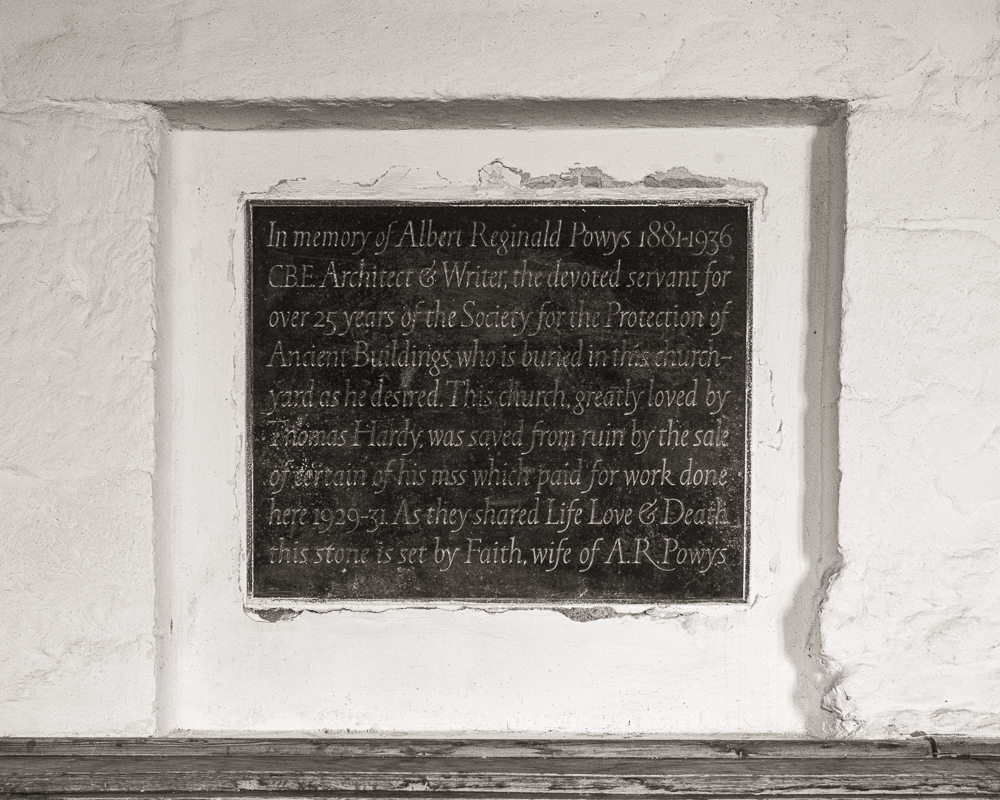
It’s hard to believe that less than 100 years ago the church was used by the local farm for pigs, fowl and other animals, but very fortunately was saved from complete ruin in 1931. Money was raised from the sale of some Thomas Hardy manuscripts by the The Society for the Protection of Ancient Buildings and this was used to pay for much needed repairs. The work was overseen by the architect A R Powys, who was Secretary to the Society. On his death he was buried in the churchyard and a plaque can be seen inside the church, commemorating his work. Given its history it’s perhaps no surprise that this church is now cared for by the Churches Conservation Trust, and whilst still consecrated, is only used on a handful of occasions during the year.


Winterborne Tomson Church-10


Winterborne Tomson Church-1


Lastly and to put this church in the context of its setting I have included an image taken just yards form the church itself.


Winterborne Tomson Church-9


Dorset is providing a rich source of lovely churches, so I will certainly be back there in the future so that I can add to my ‘Churches Project’ collection.

Do click on any of the images to view a larger version in a new window.

Shelter in Piddle Wood

Woodland shelter

Woodland shelter


When I am out walking in the countryside I always hope to stumble across something which catches my eye and in my view is worth photographing. I always seem to struggle in woodland areas but when I saw this dilapidated woodman’s hut made of corrugated iron it caught my attention.

The scene itself was made more interesting by virtue of the large puddle of water which provided some reflections, not only of the shelter but also the spindly trees. The line of stones gave me a good lead in to the hut and I like the overhanging branch which helps to frame the main subject of interest.

Yes, the hut has seen better days and I would guess has not had a particular purpose in life for quite some time, but photographically speaking this is what makes it all the more interesting – well it does to me anyway.