Colour of light on The Jurassic Coast

jurassic-coast-4-of-6

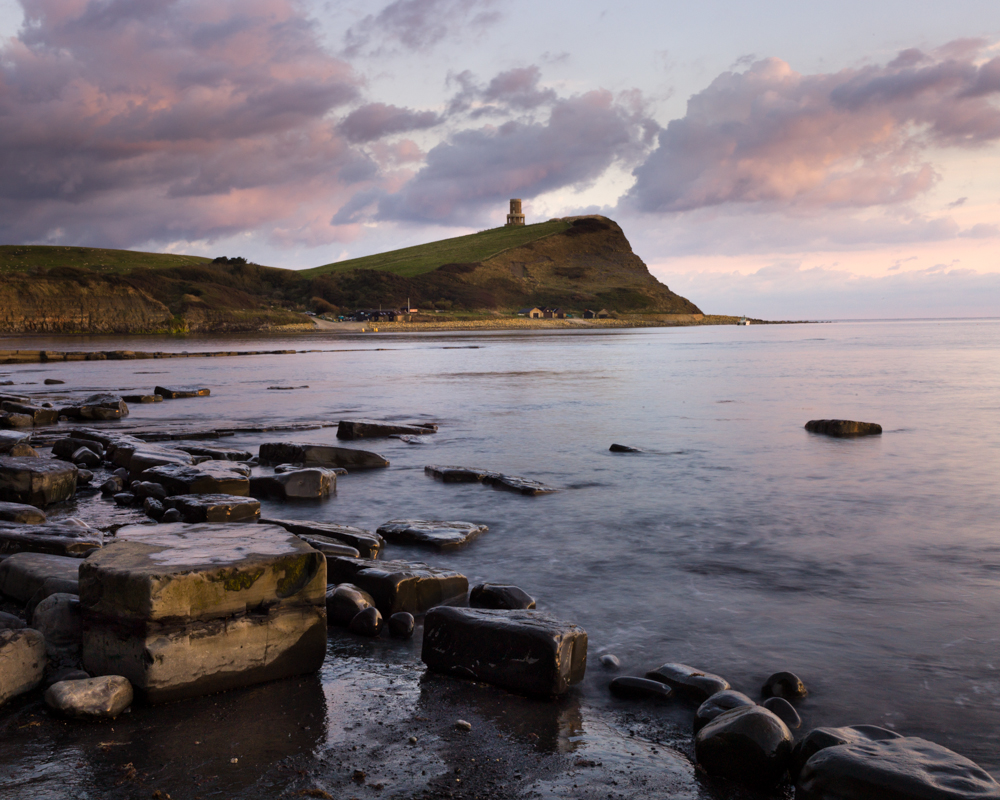
Clavell Tower at Kimmeridge Bay at the end of the day


The Jurassic Coast in Dorset is a World Heritage site, famous for its cliffs, beaches and fossils. Together they reveal the history of the earth over a period of 185 million years. Just jaw dropping.  The area is also a rich source of photographic subjects and whilst it’s a challenge to take anything that hasn’t already been taken many times before, it’s no less appealing simply because of its popularity, particularly when the colour of the light is at its most favourable.

My wife and I have just returned from a short break in the area, staying at West Lane Cottage in Piddlehinton which is about 20 to 25 minutes drive from various parts of the coast. We chose to visit a number of different locations, mainly towards the end of the day and we were blessed with some fine weather and on one day in particular, a superb sunset.

By way of a change from my usual monochrome work, here are a selection of photographs captured on our trips to the coast.

Perhaps, just perhaps, maybe I should do a little more colour work in the future? Only time will tell.


jurassic-coast-5-of-6

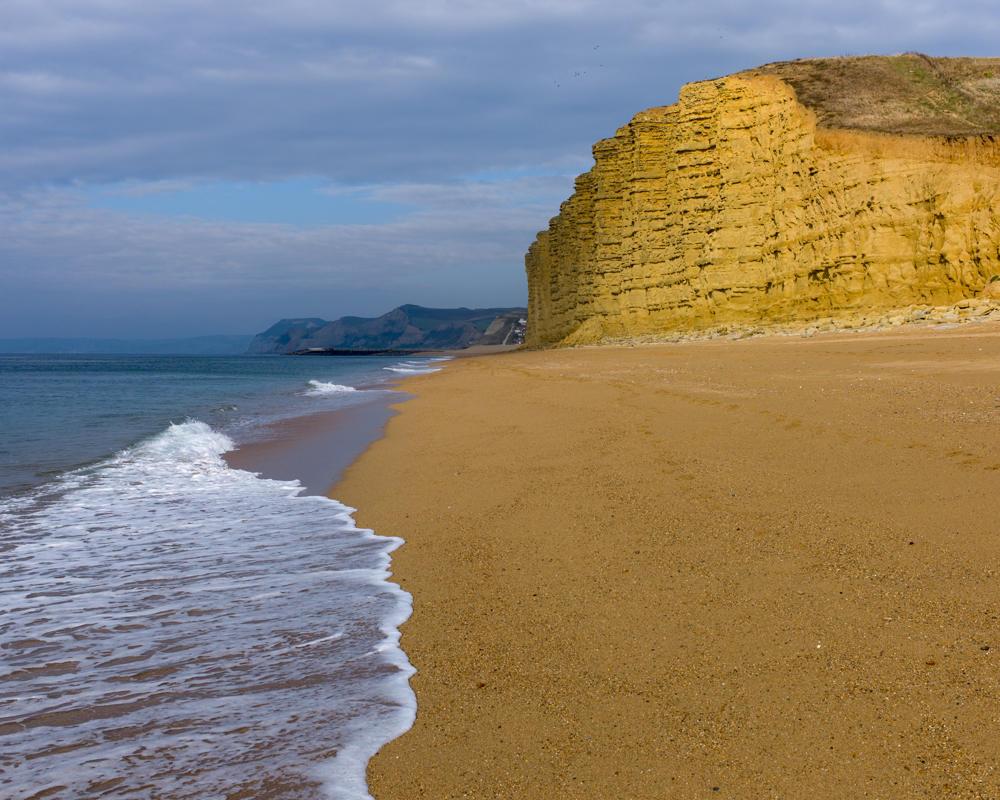
Morning light on East Cliff near West Bay


jurassic-coast-6-of-6

Towards Golden Cap from West Bay


jurassic-coast-1-of-6

The cliffs at Hive Beach near Burton Bradstock


jurassic-coast-2-of-6

Looking east from Swyre as the sun starts to set


jurassic-coast-3-of-6

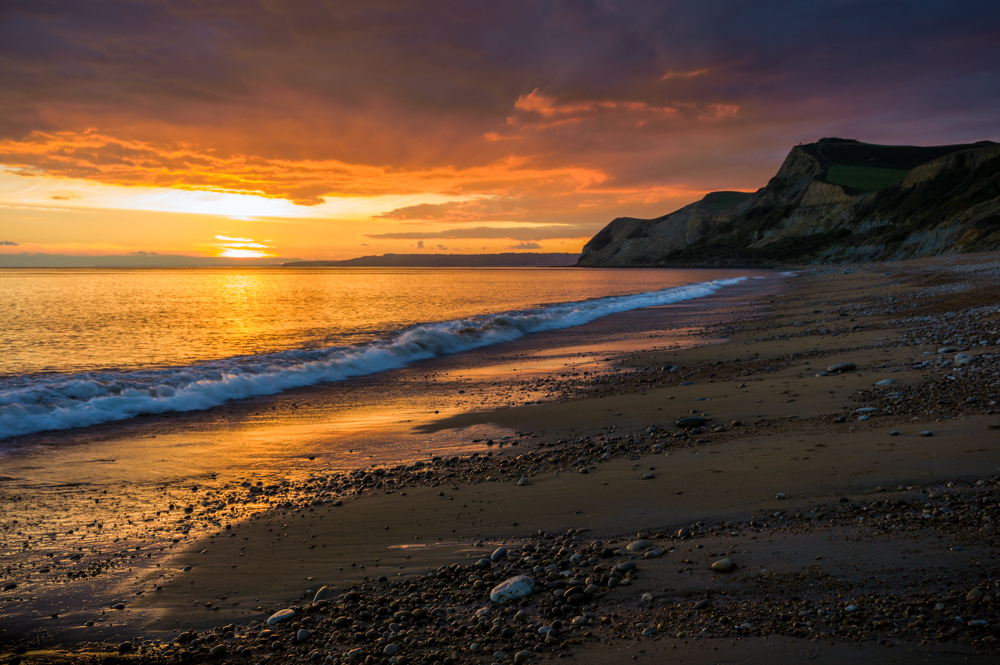
Sunset at Swyre – looking towards Golden Cap


Attending an Advisory Day with The Royal Photographic Society


Ever since I gained a Licentiateship (LRPS) with The Royal Photographic Society back in 2012 I have had the desire to work towards the next distinction; an Associateship. For the past year or so I have been putting together a panel of prints which I hope might achieve the required standard. My proposed panel includes the above image.

As part of this process The RPS strongly advise attending an Advisory Day, where your panel of 15 images together with a Statement of Intent can be presented to Panel Members of The RPS. They give advice on whether or not your work is ready for submission or if more work is required. If the latter, they will give an indication in their opinion as to what needs to be addressed. This can vary from major changes or just a few minor tweaks.

On Sunday I attended an Advisory Day at the headquarters of The RPS in the lovely city of Bath and presented my panel, with I have to say, a certain amount of trepidation. There are a number of other photographers in the same room and the RPS panel members can quite rightly be constructively critical of a person’s work; after all that’s the very reason for attending. Nobody likes criticism in front of others but there is little point going for an Assessment only to fail by some margin, and many do apparently.

My panel is based around my ‘Churches Project’ and was entered in the Conceptual and Contemporary Category. I am pleased to say that it was well received and considered to be a strong panel worthy of submission, subject to changing three out of the fifteen photographs. It was considered these three were slightly weaker images when compared to the others and I agreed. One picture was changed at the Advisory Day from a selection of other prints I had taken with me, so that just leaves me with the task of sourcing two other prints, which hopefully shouldn’t be too difficult. I believe the Statement of Intent, the technical quality, printing and presentation are likely to meet the required standard but you can never be sure. I have to say I was very relieved and pleased with the feedback.

I have already booked a place for my Assessment in April next year, so I have a little while to wait to find out whether or not my panel will qualify me for an Associateship. There can be no guarantees but my fingers are crossed and I will of course report on the outcome in roughly six months time.

In the meantime here is a quote taken from the RPS website regarding the standard required for an Associateship –

“ARPS (Associateship) – images of exceptional standard and a written Statement of Intent (what you hoped to achieve). This is a significant step up from the LRPS.  At this stage creative ability and personal style (what makes your work unique to you), along with complete control of the technical aspects of photography must be evident.  It is at this level that you can first choose to submit your work to a particular specialist category.”

You can see a Gallery of my LRPS Panel by clicking here.


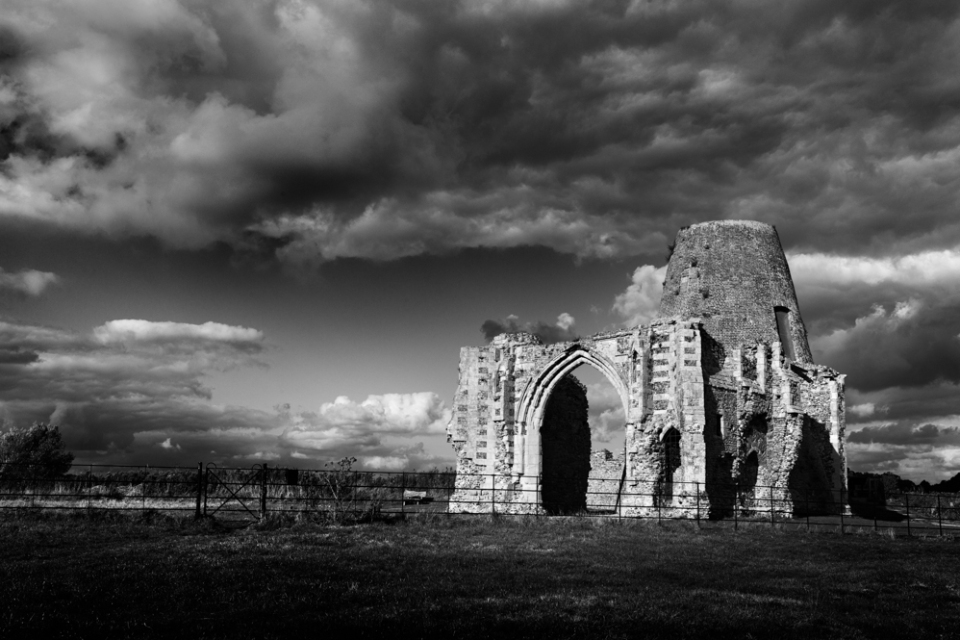
The ruins of St Benet’s Abbey in Norfolk

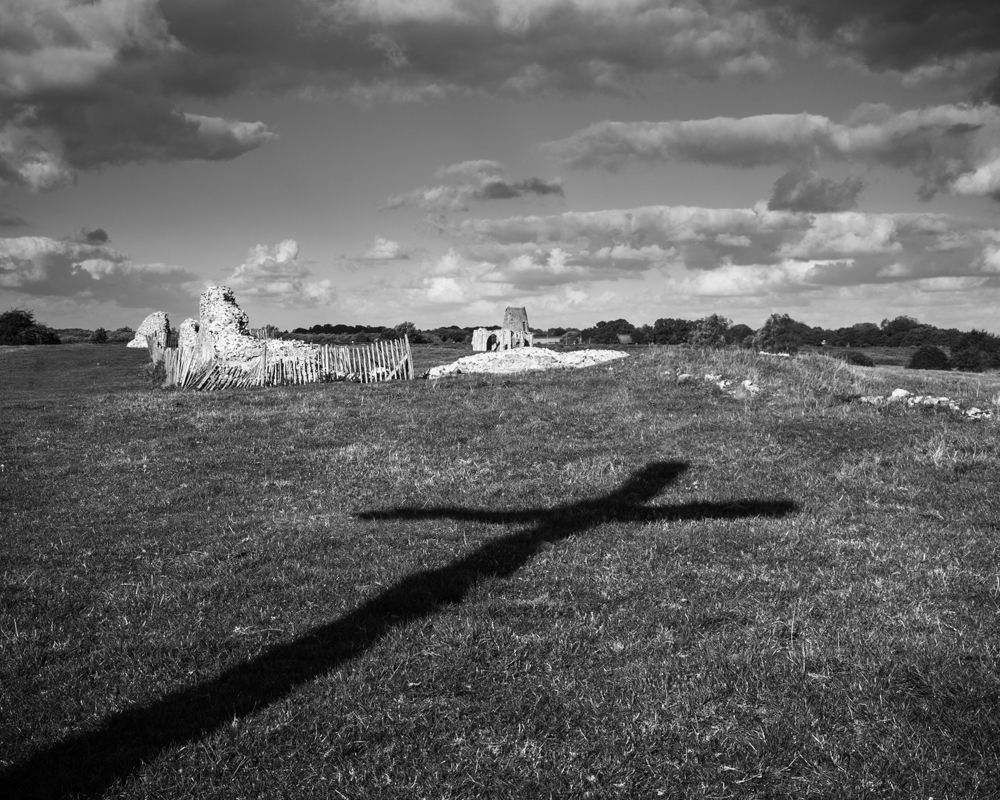
The ruins of St Benet’s Abbey on the banks of the River Bure within the Norfolk Broads are the best part of 1,000 years old. In 1020 King Cnut who ruled both England and Denmark, granted land and property to the hermits at St Benet’s and so the Benedictine Monastery was formed. It changed and expanded over the centuries and in the second half of the 18th Century a farmer built a windmill inside the abbey gatehouse. Some time later it was converted to a windpump but this ceased operating and now forms part of the abbey ruins.


st-benets-abbey-3-of-3


Little remains of the monastery but in 1987 a tall cross was erected on the position of the High Alter. It was made from oak from the Royal Estate at Sandringham and can be seen from miles around.


st-benets-abbey-2-of-3


st-benets-abbey-1-of-3


Happisburgh Lighthouse on the Norfolk coast

happisburgh-lighthouse

Happisburgh Lighthouse


Happisburgh Lighthouse (pronounced ‘Haze-bruh’) is the oldest working light in East Anglia and the only one in Great Britain which is independently run and maintained through voluntary contributions. Built in 1790 and originally one of a pair, the lighthouse is 85ft tall and the lantern is 134ft above sea level. It overlooks the dramatic North Sea coastline which is constantly under threat from coastal erosion, and to this day threatens many seaside homes.

Interestingly the lighthouse was painted in bands in 1884 after the second lighthouse was demolished in the previous year. This was to distinguish the Happisburgh lighthouse from the tower at Winterton, a short distance along the coast.

Having enjoyed a good late afternoon walk along the beach, I drove from the car park back towards the centre of the village before turning into the lane which leads to the lighthouse. I was keen to see whether or not there was a good view with setting sun behind me. Standing proud on the hill, with the low angled sun light illuminating the field in the foreground, I was able to capture this image. I couldn’t have been more fortunate with the cloudscape, which provides a lovely backdrop to the main event.

Turf Fen Mill on the Norfolk Broads

turf-fen-mill-1


The Norfolk Broads are a series of rivers and lakes (broads) most of which are navigable and together they form an area which has been called ‘Britain’s Magical Waterland’. The area is renowned for its big skies and windmills.

The drainage mill pictured in this post is Turf Fen Mill on the River Ant in Irstead and was taken from the river path at How Hill. Built in 1875 the mill ceased working in 1920, when cattle no longer grazed the marshes. Since 1976 the mill has been restored and maintained by the Norfolk Windmills Trust.