Question – How simple can it be?

Answer – Not as simple as the title of this post would suggest.

When composing an image I have often read: ‘It’s not what you include, it’s what you choose to leave out’. Just think about that for a moment. It’s certainly worth having that thought in mind when you are framing your next shot.

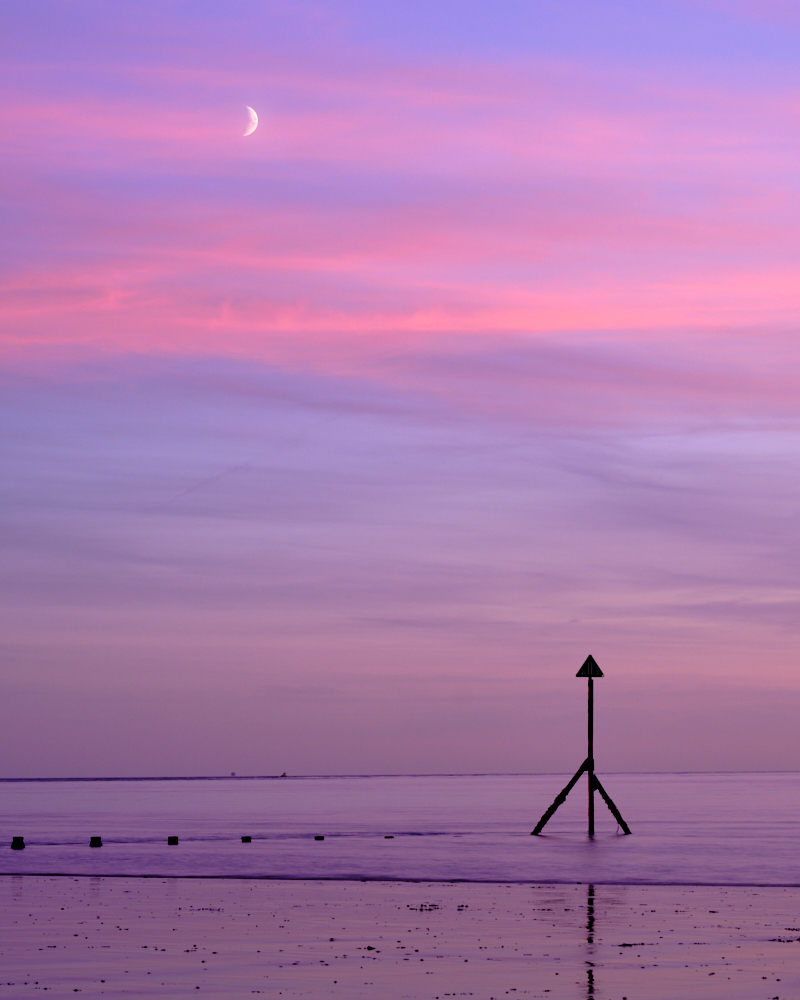
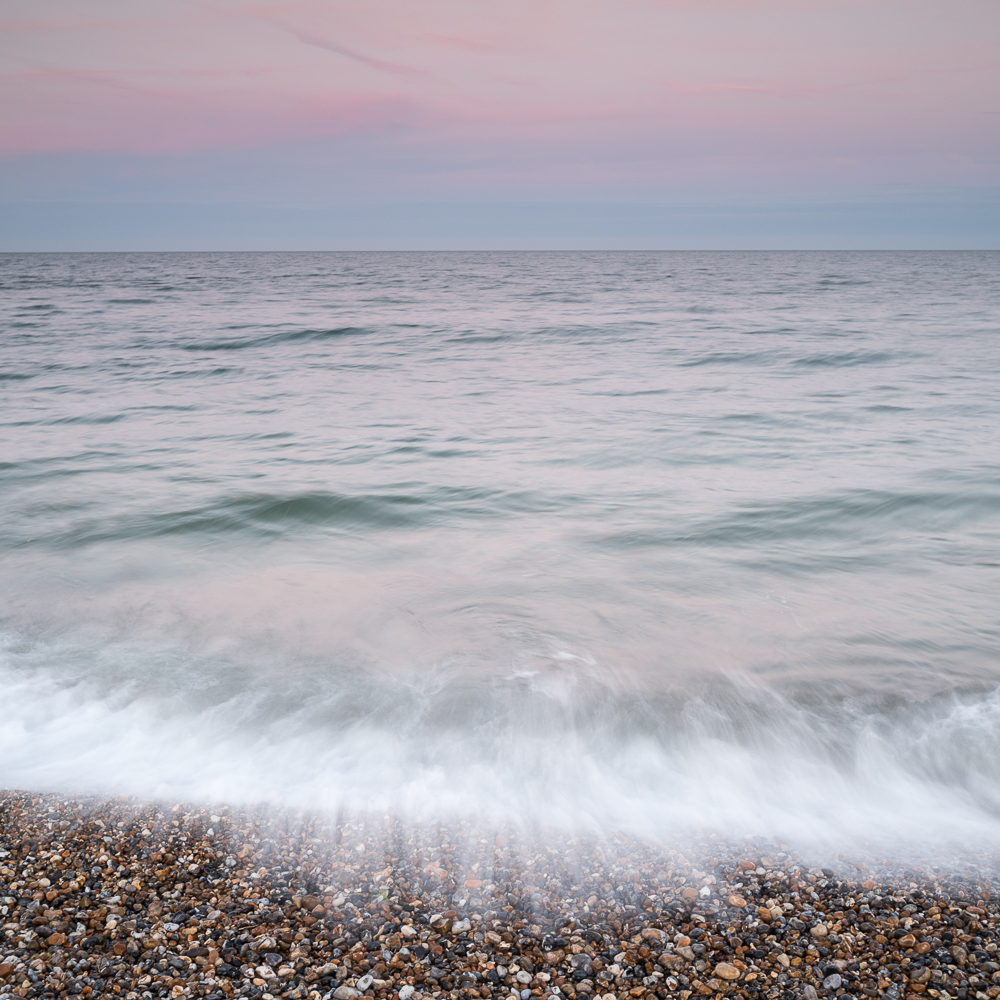
I have always been drawn to simple compositions. A complicated image with many elements can be a challenge to appreciate, there can be just too much going on. The emotional reaction to a busy image can be one of excitement or tension, whereas an image with simplicity at its heart can be quite the reverse, being both quiet and restful. But even with a ‘simple’ image there are still choices to be made, so I thought it would be interesting to analyse the four photographs in this post. They all share the same viewpoint and were taken during the blue hour after the sun had set.

The composition of first image which is shown below is split into three broadly equal parts. The upper third being the sky, the middle third the sea, and the lower third the movement of the lapping tide where it meets the shingle shoreline. In essence a very starightforward composition.
In the second image I have stepped back from the shoreline so the bottom section has less detail. The horizon now intersects the midde of the frame revealing more of the sky. And lastly the exposure time was longer than the first image, which has resulted in less texture in the water. In my view this is now a simplified version of an already fairly simple image.

The third image shares much in common with the second. The horizon still splits the frame in two, the exposure time was about the same, but crucially the shoreline has been left out. Instead of three main elements there are now just two; the sky and the sea. A further simplification but as a consequnce you might now ask yourself the question whether this was taken from dry land or out at sea. Not only is this third image simpler than the previous two versions, it evokes a very different feeling.

In the third image you might have also noticed that I did adjust the colour balance, but what happens if all colour is removed and the photograph becomes monochrome? Again it’s a further simplification of the scene. There is little or no detail in the sky and the juxtaposition of warm and cool tones (above) has also been lost.
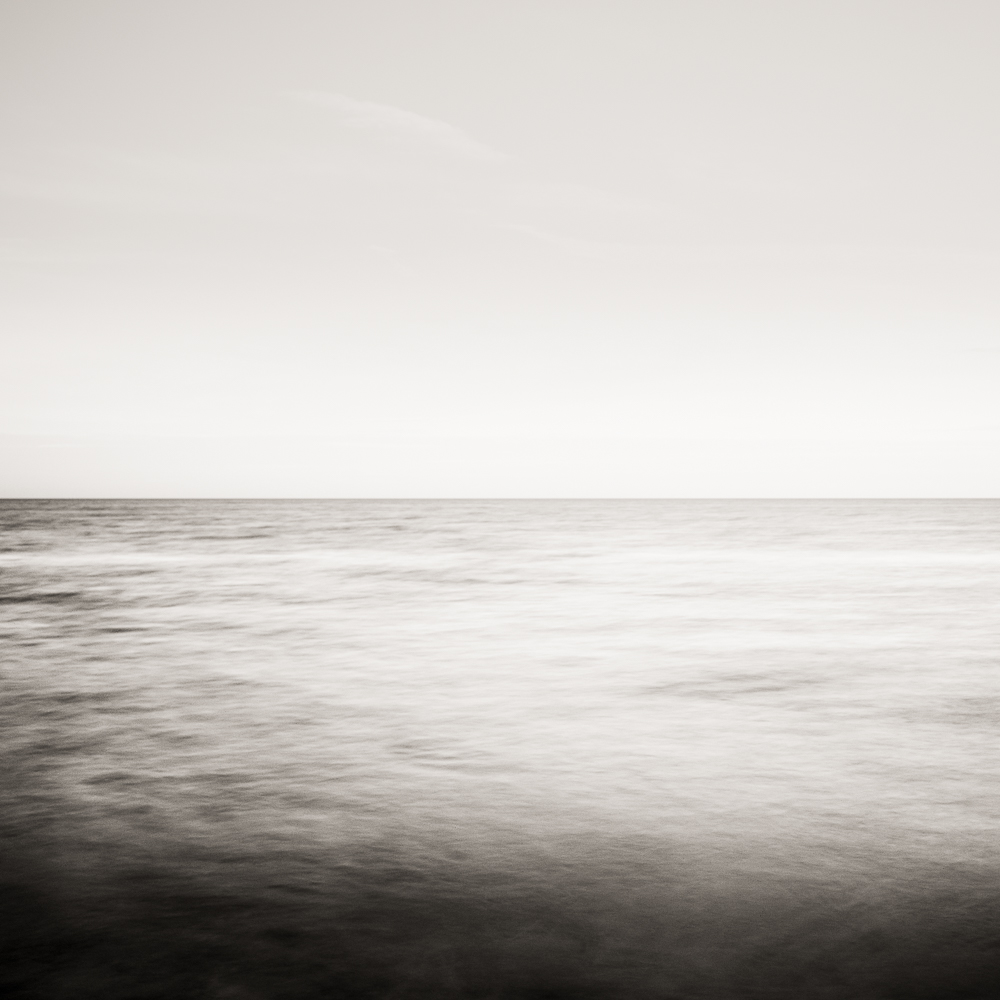
It is not for me to say which is best or which one I like best, they all have their merits in my opinion. However I hope they illustrate the point I wanted to make in this post. What might at first glance appear to be a simple scene, the photographer is still required to make a number of decisions. What to leave in and what to leave out. How fast or slow should the shutter speed be. Where does the horizon line sit in the frame. What colour balance should be used or should all colour be removed. Some of these choices can be made in post production, others must be made before the shutter is pressed. Undeniably though each of these choices will have an impact on the final image; how it feels and the emotional impact it has on the viewer.

As an aside the last photograph in the series was inspired by the work of the Japanese photographer Hiroshi Sugimoto. It also just happens to be my most ‘liked’ photograph on my Instagram account.

Arguably it is the most simple composition I have ever posted – so is simple, simply the best?
Autumn mist (Part 2)……… a further selection

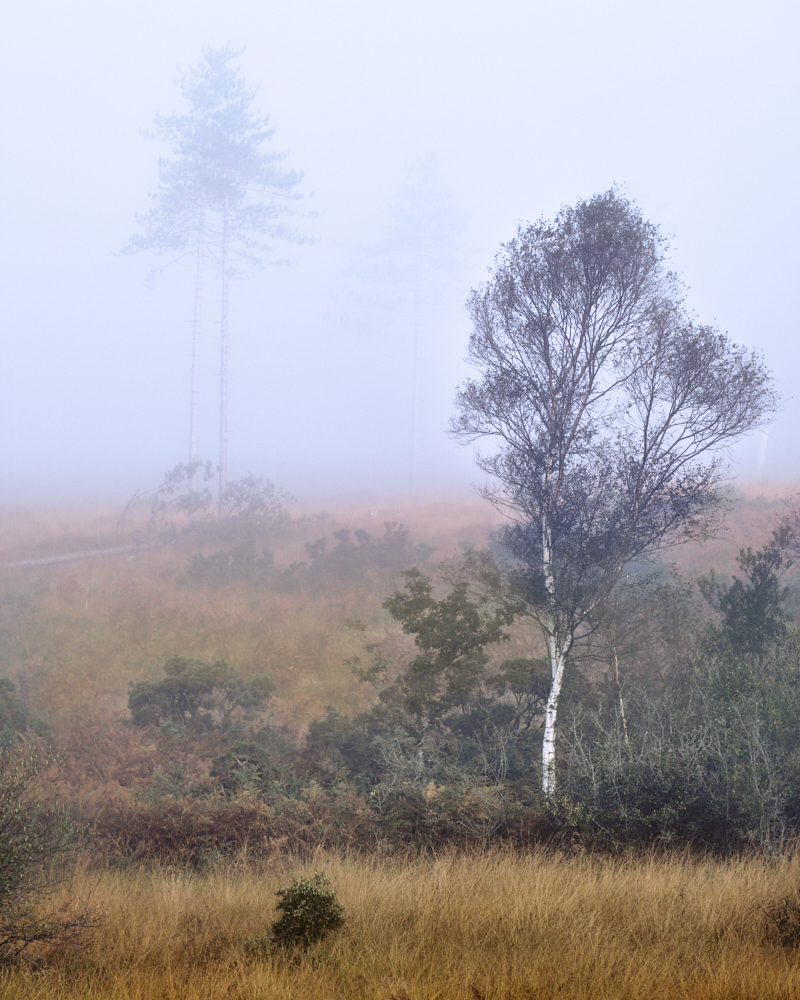
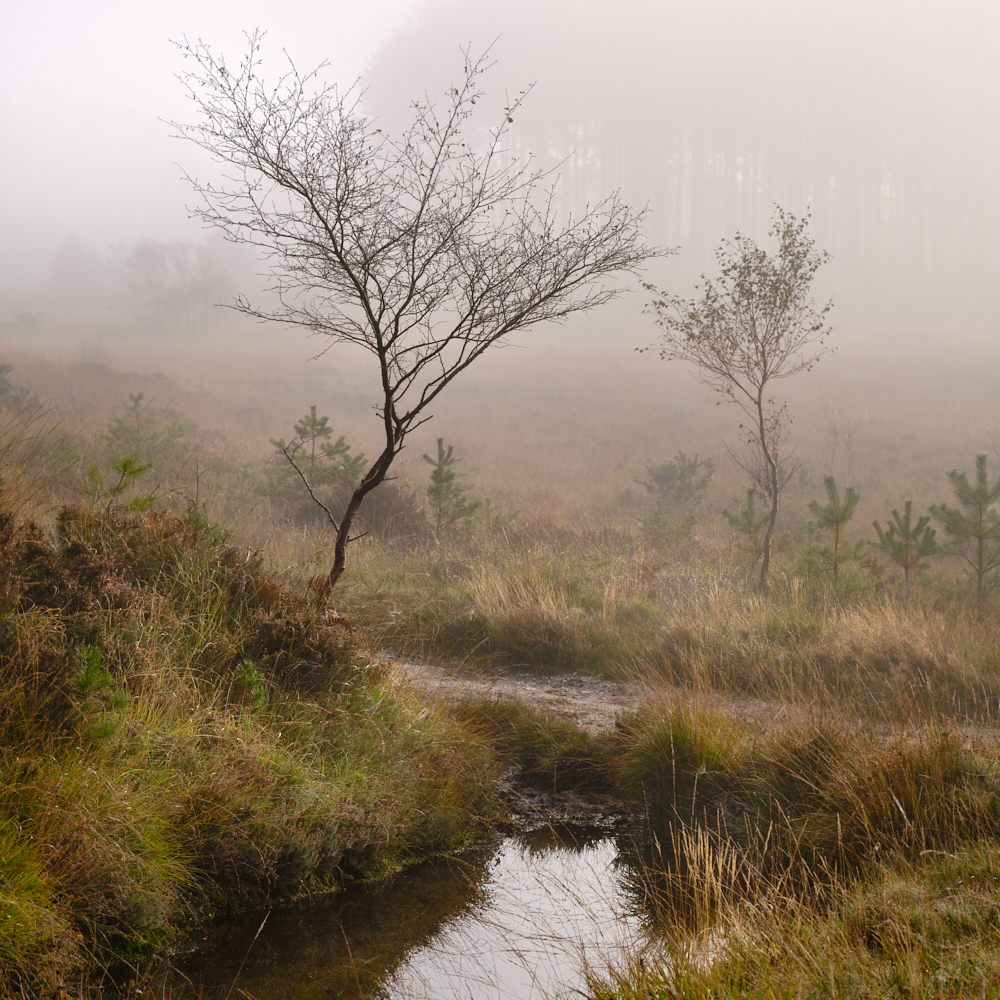
This is Part 2 of a short series of posts in which I have tried to capture the light and mood of the landscape when seen through autumn mist. Part 1 can be viewed here.

Mist has the power to simplify a scene and when back lit by the morning sun trying to break through, the light which is cast is really rather special.

Like the first post all three of these images were taken when out walking our dog early in the morning. I never know in these situations what I will see. Sometimes nothing at all, but on other occasions there is a photo opportunity around every corner. It’s a much used cliche……but always carry a camera!

Autumn mist (Part 1)……when warm and cool tones typify this time of year.

I don’t know of any outdoor photographer who doesn’t love shooting at this time of year. The cooler mornings when mist is so often present, coupled with warm autumnal tones, is such a wonderful combination.

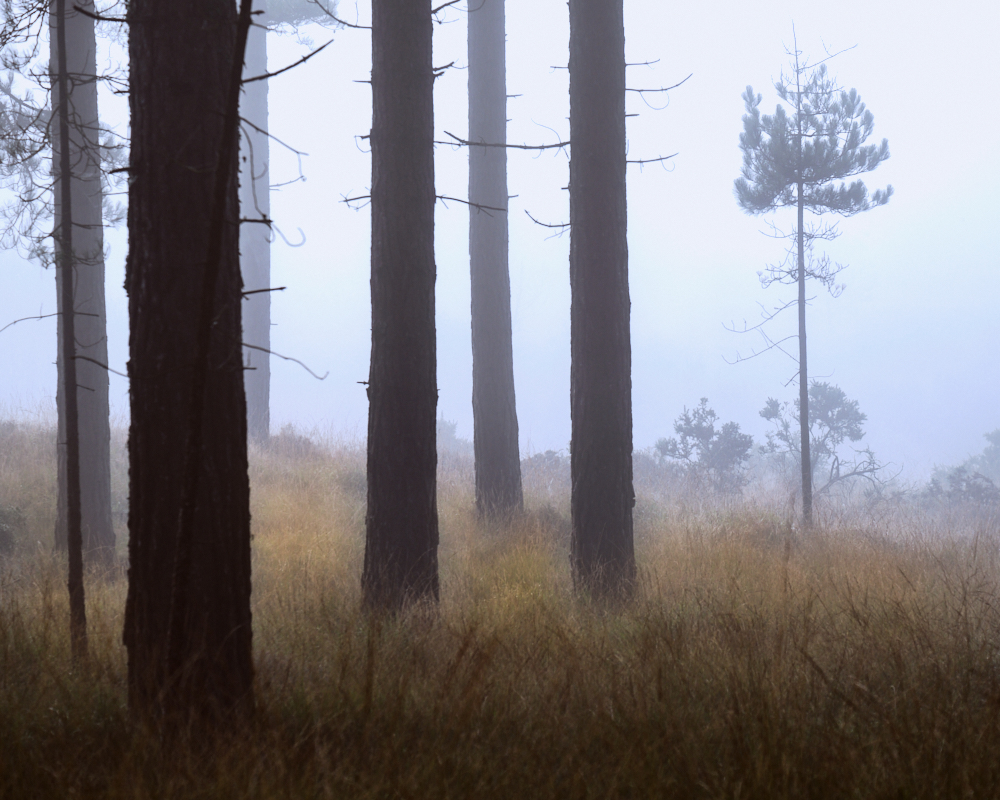
In my last post I went out with the deliberate intention of taking photographs. The selection you can see here were all taken a couple of weeks back on an early morning dog walk in a woodland area near my home. A spontanous photographic session which is more my style. If the light and weather are favourable I like to take advantage.

My recently acquired Fuji XT3 and 55-200mm f3.5 to f4.8 lens compressed the field of view which suits this type of subject rather well. Until recently my longest focal length was 90mm in 35mm full frame terms, but given the APSC crop factor of the Fuji, this new set up gives me a range of 83mm to 300mm. A vast difference and I am enjoying being able to compose my landscape images in a very different way. It’s not the fastest lens on the planet, but it does have built in Optical Image Stabalisation (OIS) which for these shots negated the need for a tripod.

Slowly but surely I am becoming more comfortable with colour photography. It provides me with another creative dimension. Another form of expression. It’s very satisfying and rewarding to be persuing a different path and I am particularly looking forward to the weeks ahead as autumn turns to winter. Shorter days but given the right conditions so much potential.

This is the first entry in a short series as I have other similar images which I would like to share with you.

Thanks as always for taking the time to look at my work. It is very much appreciated.

Autumn mist (Part 3)…… the final selection plus a wildlife bonus!

The third and final post on this topic. Well at least for now as I am hoping for more mist and wintry scenes in the weeks and months ahead.

Once again these images were captured during an early morning walk. All are very local to where I live so when the conditions are right I may well return.

Here are the links to Part 1 and Part 2 of the series if you haven’t seen them already.

The scene below was quite extraordinary but wouldn’t last long. The dead stalks in the meadows were covered with spider’s webs which in turn were clothed in the early morning dew.

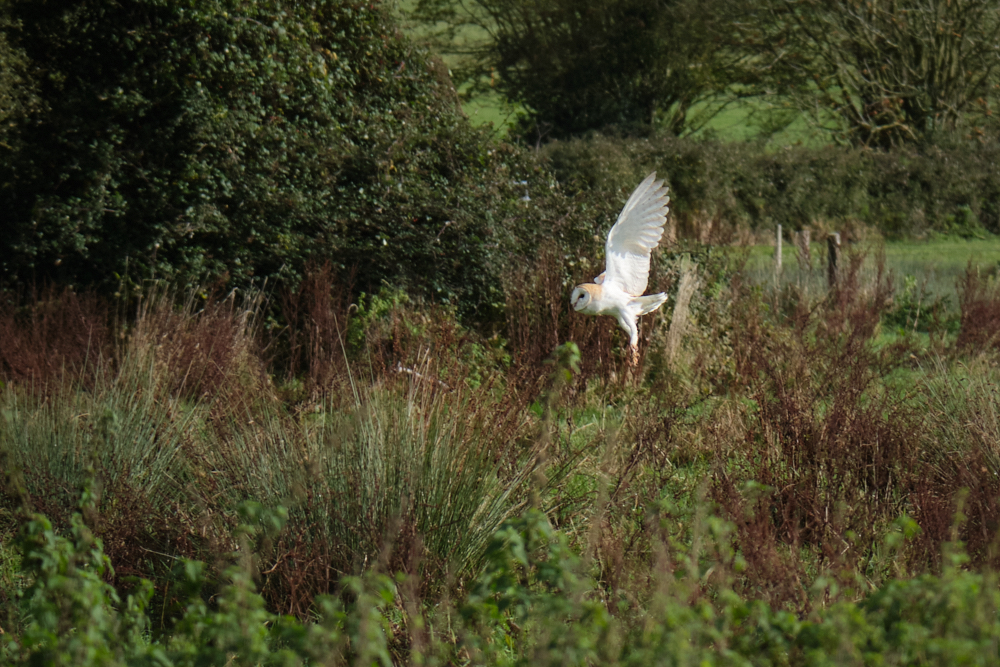
This was a circular walk and on our way back we were delighted but surprised to see a barn owl flying around the meadows. Partly because they are so rarely seen and secondly it was already mid-morning and they are mostly active at dawn and dusk. The shot below is quite a severe crop but I was just pleased to capture a record of the moment.

A return to a favourite location – to find a feeling of calm and stillness.

Much has been written in recent times about how the combination of photography and mindfulness can be beneficial to your mental wellbeing. Simply being out in the open, experiencing nature and witnessing the marvel of the created world has to be good for the soul. Most people worry and are anxious from time to time without actually suffering from a mental illness, myself included.

As well as taking regular exercise for your physical fitness, I recognise that doing things which specifically help your mental wellbeing are just as important, perhaps even more so given the world in which we live right now. So whilst stress and anxiety are not really a big issue for me, we can all benefit from being creative in a beautiful location and in so doing capturing a few special moments with a camera.

A few weeks ago I returned to one of my favourite places. East Head at West Wittering on the West Sussex coast. Probably one of the finest stretches of sand along the south coast and often listed in ‘Britain’s Best Beaches’. More often than not I am there with my wife and our dog early in the morning. On this occasion I went there on my own for a couple of hours not to walk but to photograph. I chose one particular spot, and then observed the tide receding and captured the setting sun. Because of the fading light and a desire to smooth the water all of the images you see here were long exposures which of course required the use of a tripod. This in itself forced me to slow down.

With no pressure on my time I could relax and concentrate on what I was doing. Whilst waiting for the light to change I simply stopped and watched the sun work its magic in the sky. Any worrying thoughts I had were lifted; as there was no space in my mind for anything other than photography and the scenery around me. Just ‘being in the moment’ to coin a phrase. Photographing sunsets is something of a cliche, but does that matter? Not in my opinion when the benefits are so tangible.

It has been a while since I last updated this blog and I am pleased to have another three or four entries to compose and publish soon. All of which will feature colour photographs as this seems to be the path I am following for now. I am also aware that I need to spend some time updating this website generally to reflect this change of direction. There are also a number of camera and processing techniques which I have yet to try – for example, focus stacking and exposure blending. Nothing new or original, just something I have never done before, so when I do I will endeavour to write about my experiences and share some images.

For now though I will simply leave you with this summary. If you are a creative (it doesn’t have to be photography), then put aside some time in your diary, head out to a favourite location and turn off your phone. Try and relax and take a few deep breaths, whilst you experience and appreciate the beauty that surrounds you, And perhaps for the time you are there some of your worries will ease, as a feeling of calm and stillness prevails.