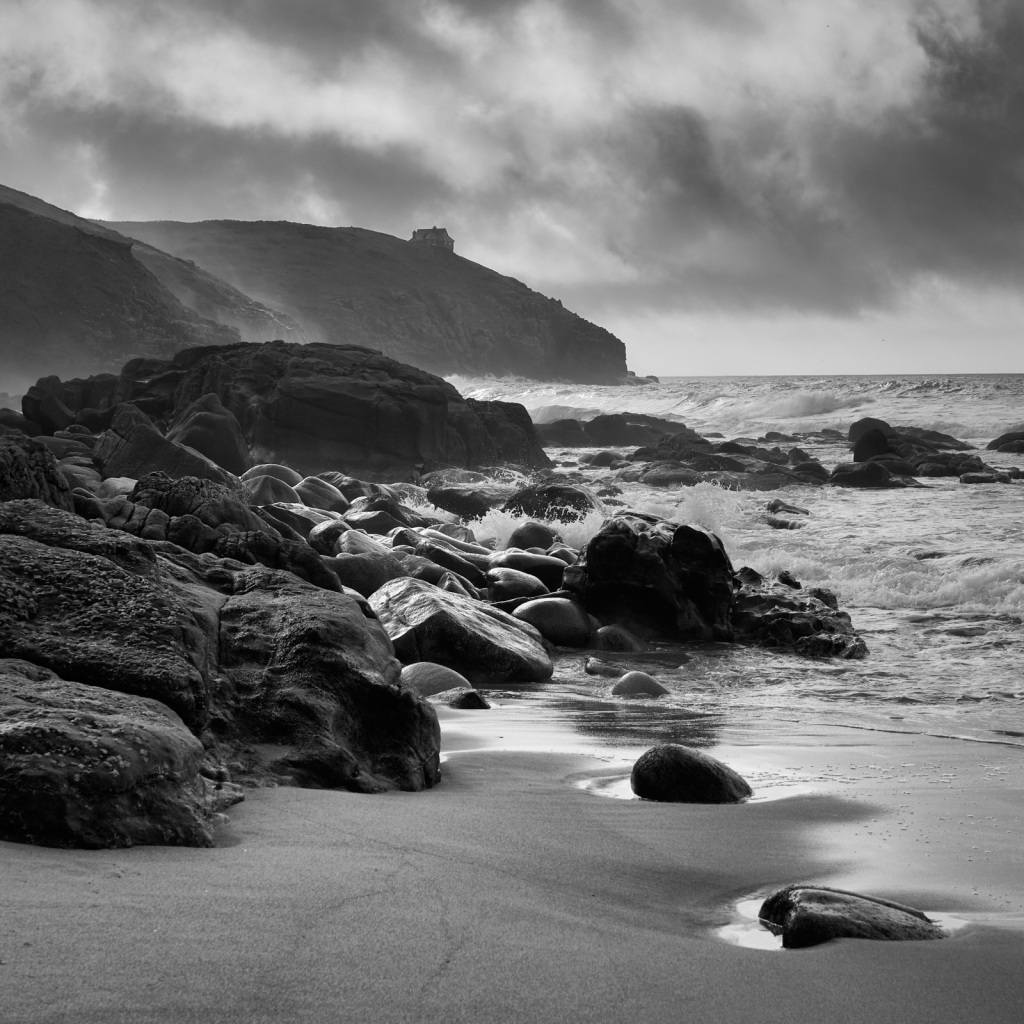
It’s many years since I last visited the far west tip of Cornwall, in fact it would have been long before my interest in photography was ignited, so a return to this area back in March was long overdue. Well known for its spectacular coastline, delightful and picturesque fishing villages, all enhanced of course by the wonderful light, which has been the draw of so many artists. It’s a special but very popular location.
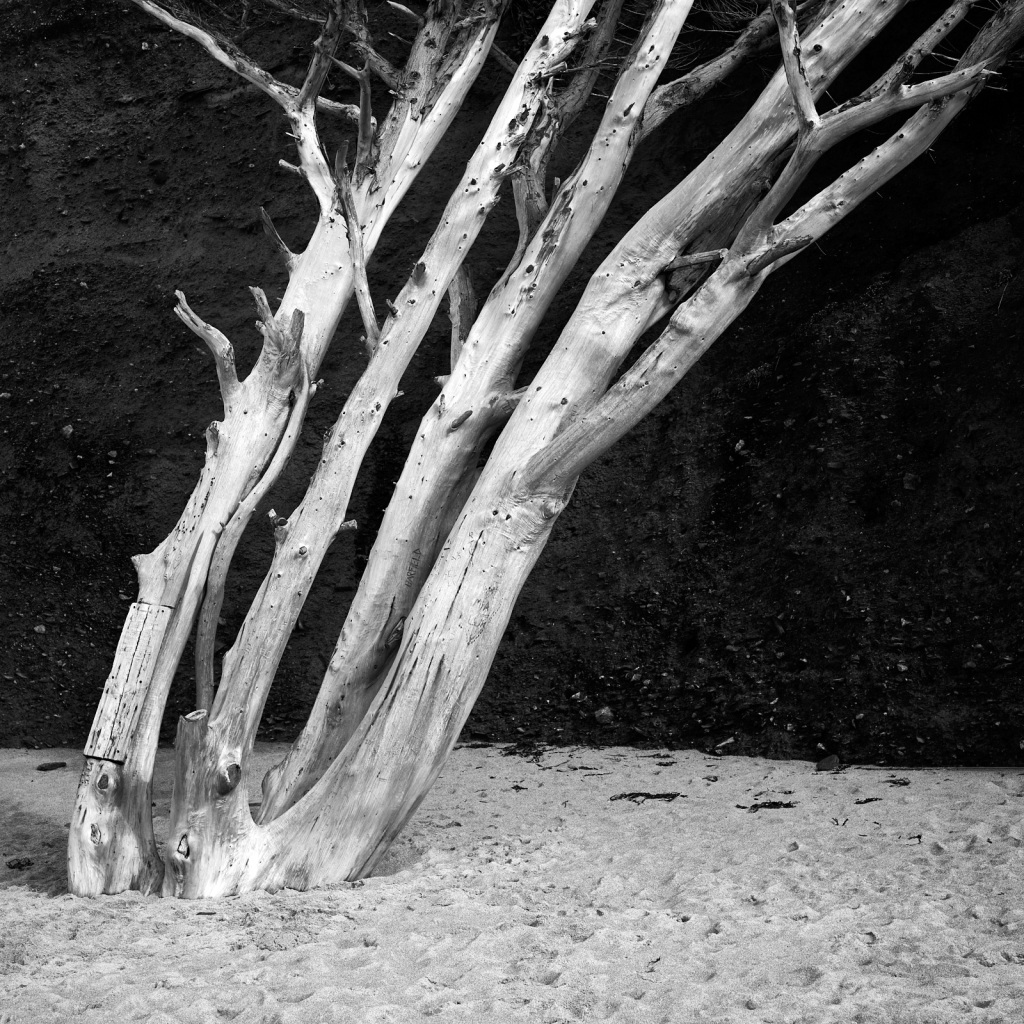
The remains of a dead tree at Praa Sands
If asked to choose my preferred aspect ratio, I would have to say 1:1, or a square crop, so for this entry, I have selected a number of square images, which I think work well as compositions.
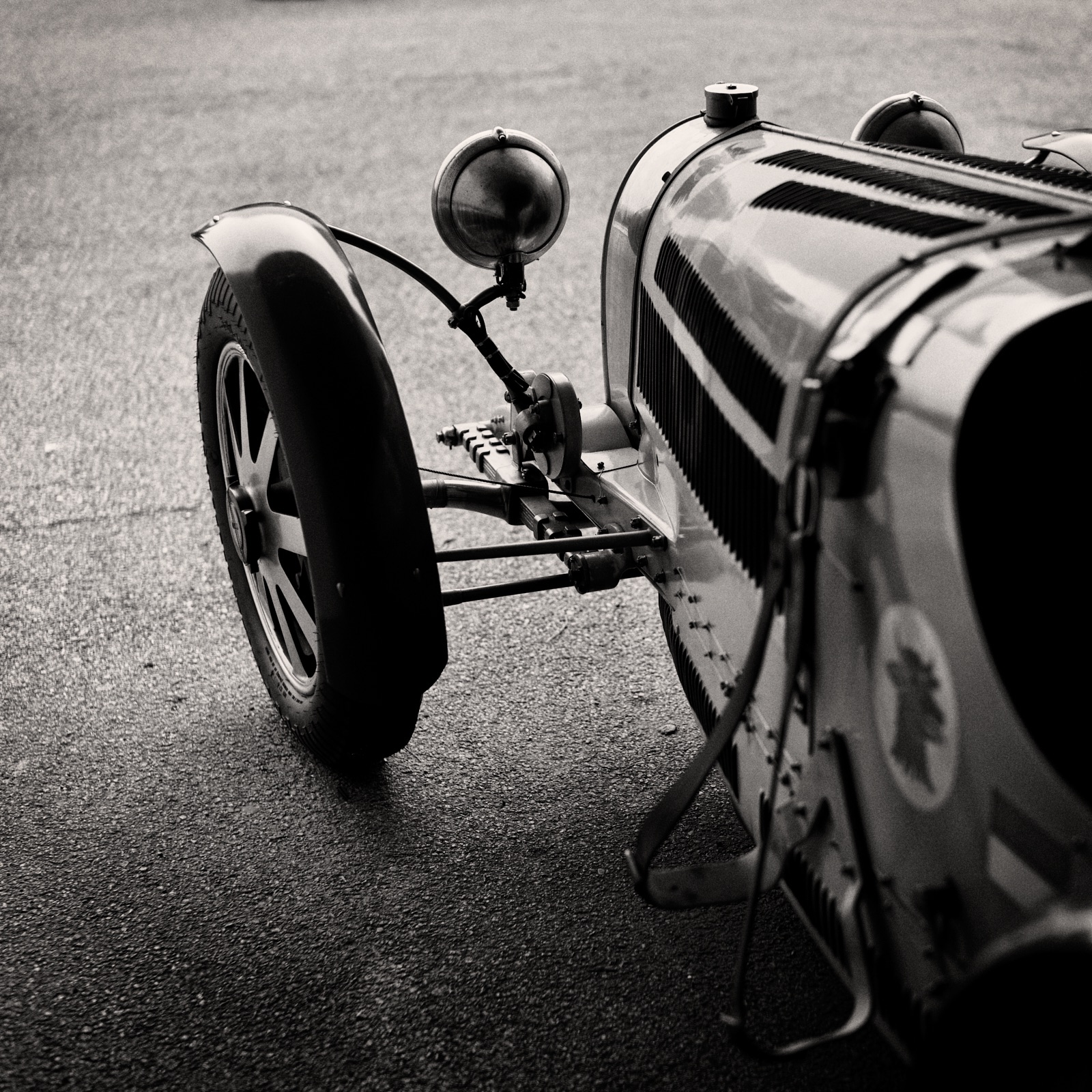
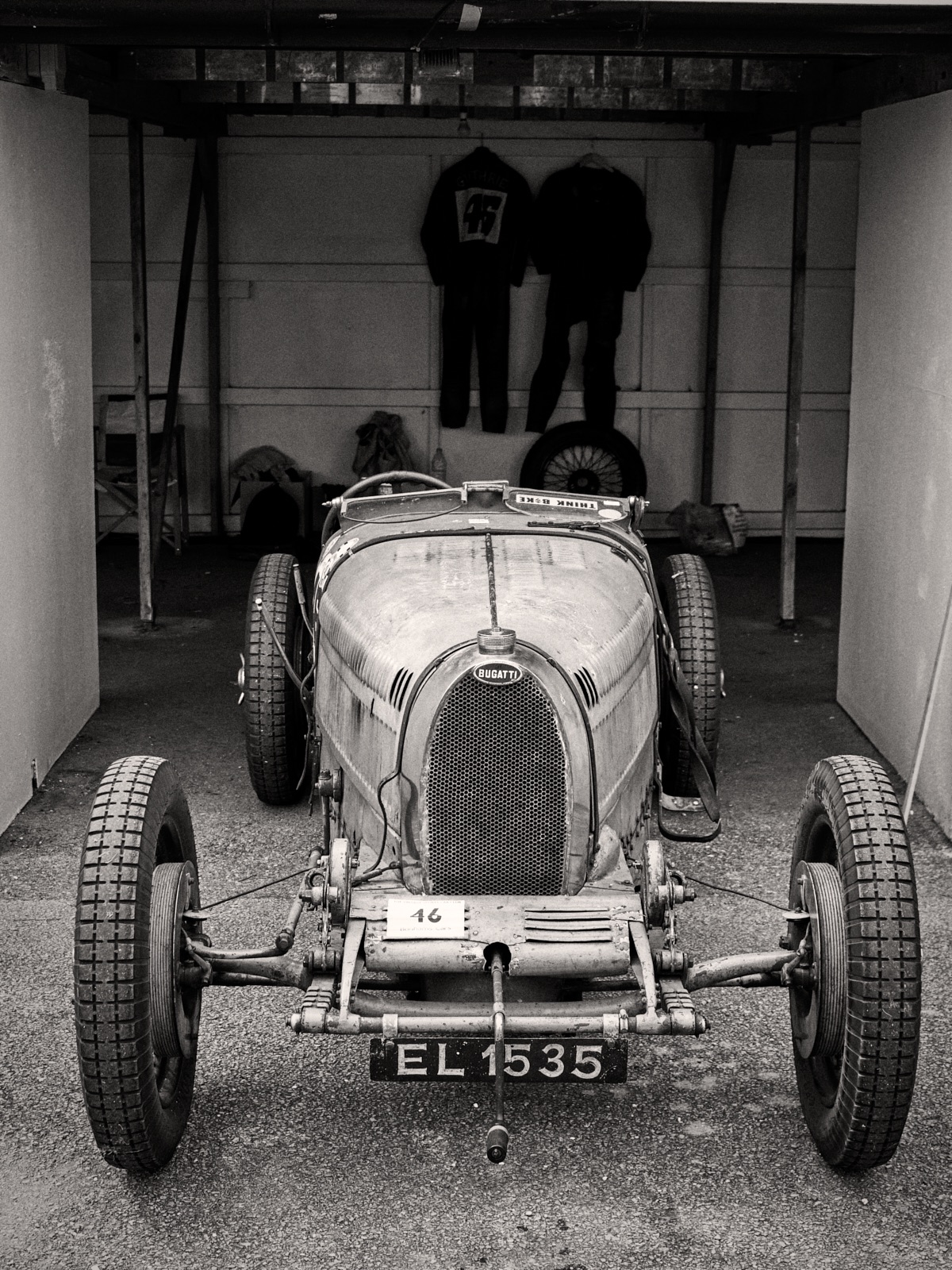
Goodwood Motor Circuit was the setting for The 81st Members Meeting which took place over the weekend of the 13th and 14th April 2024. I arrived early, partly to avoid the queues for the car park but principally to capture some scenes without too many people around. There is so much to see and photograph at any Goodwood Motorsport event but the first area I wanted to check out was the paddock. I was soon drawn to one particular area where there was a very fine collection of Bugatti Type 35s on display to celebrate the car’s 100th Anniversary.
The Type 35 which was launched in 1924, was designed by Ettore Bugatti. It was built for racing and was significantly ahead of its rivals at the time. So much so that it became arguably the most successful race car of all time with 2,500 victories and podium finishes over more than 10 years of competition.
Bugatti adopted a lightweight and agile design in the car with a 1,991cc engine which was later enlarged to 2,262cc. Many of its competitors where considerably larger and heavier cars, powered by huge engines.
To any car enthusiast or petrol-head its shape and design are instantly recognizable. From the iconic grill and Bugatti badge, to the distinctive wheels and open cockpit, it would be hard to mistake the car for any other.
I spent a good deal of time looking around, observing the fine details and finding different angles from which to take these images. In total there were 18 Type 35s which later in the day competed in the Grover Williams Trophy. At the bottom of this page there is a link to the race itself on YouTube.
For more information about the history of the Type 35 there are two excellent articles on The Bugatti website.
I have almost certainly said this before, but a visit to a small church in the countryside is good for the soul whether or not you are religious or have a faith. I can happily spend a couple of hours in a relatively confined space taking some images whilst allowing the quiet solitude and timeless quality of the interior to have an enriching affect on me. More often than not it is helped by the fact that rarely I am interrupted by other visitors. To have the place to myself is rather special and only enhances the peaceful experience.
All Saints’ in Little Somborne is another church in the care of the Churches Conservation Trust. Historically important, it was mentioned in the Domesday Book and its origins are half Saxon and half Norman. It is still consecrated but no longer used for regular worship. I suppose this adds to a feeling of melancholy…..time and circumstance has long passed it by, and with church attendance falling in this country, more and more parish churches will inevitably close as they cease to be financially viable. They can’t all be saved so those that are should be treasured, not just because of the building’s significance but as a reminder of times past and how the church played such a vital role in village life in days gone by.
For the record Sir Thomas Sopwith, a British aircraft designer whose company was responsible for the Sopwith Camel and other military aircraft which fought if the First World War was buried here in 1989.
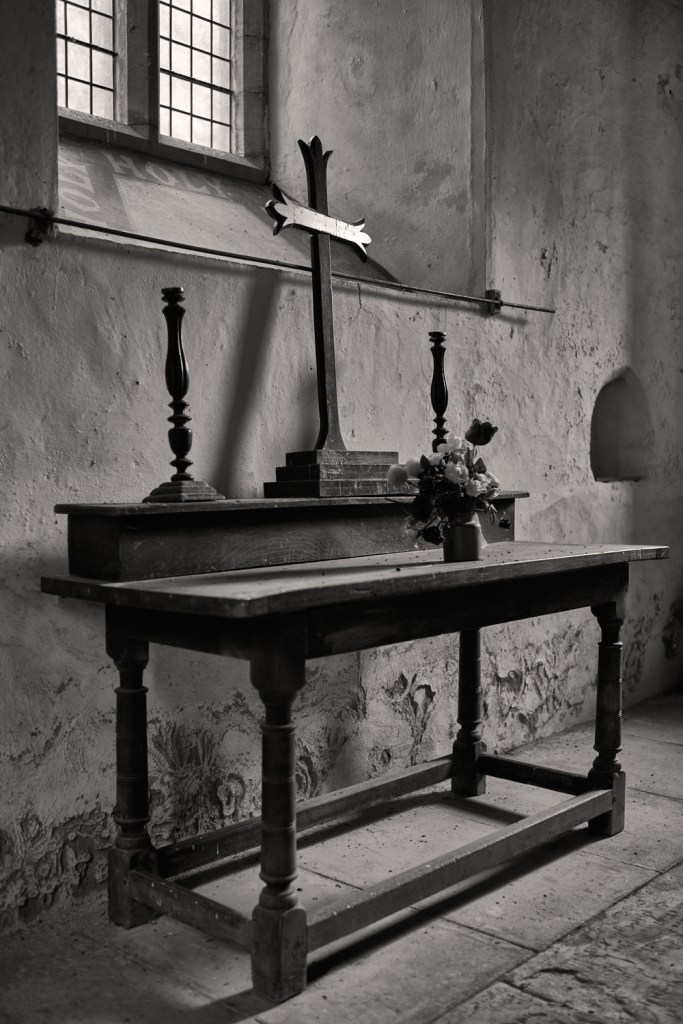
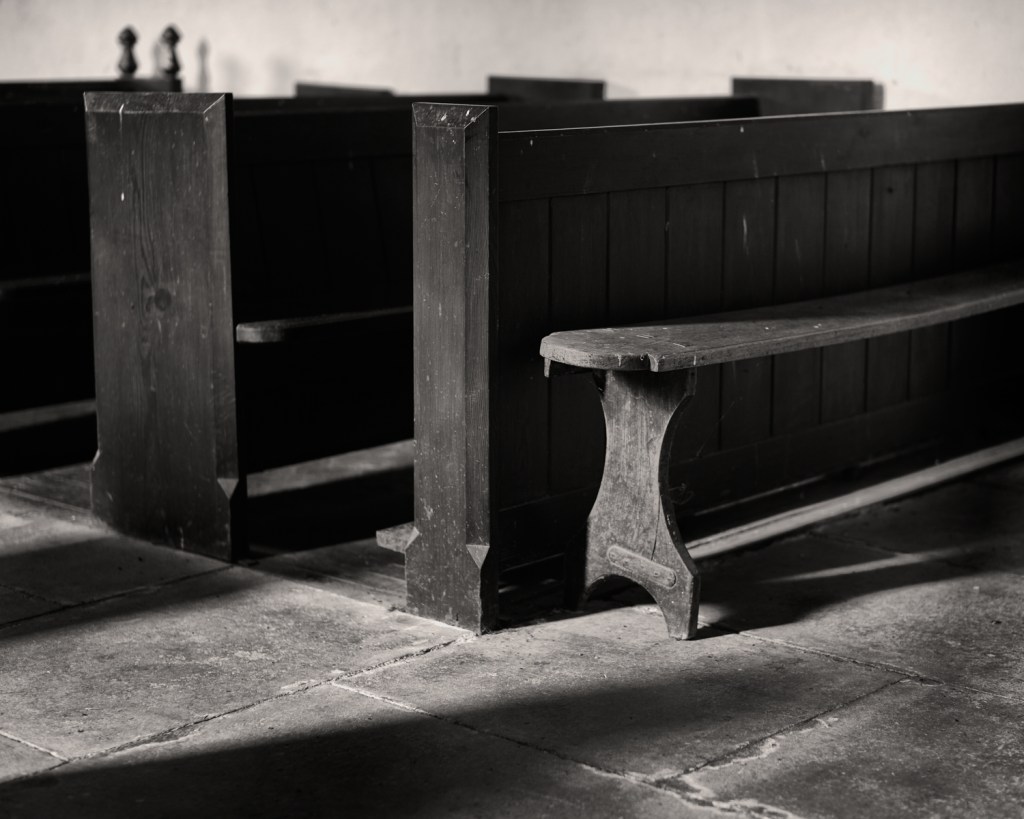
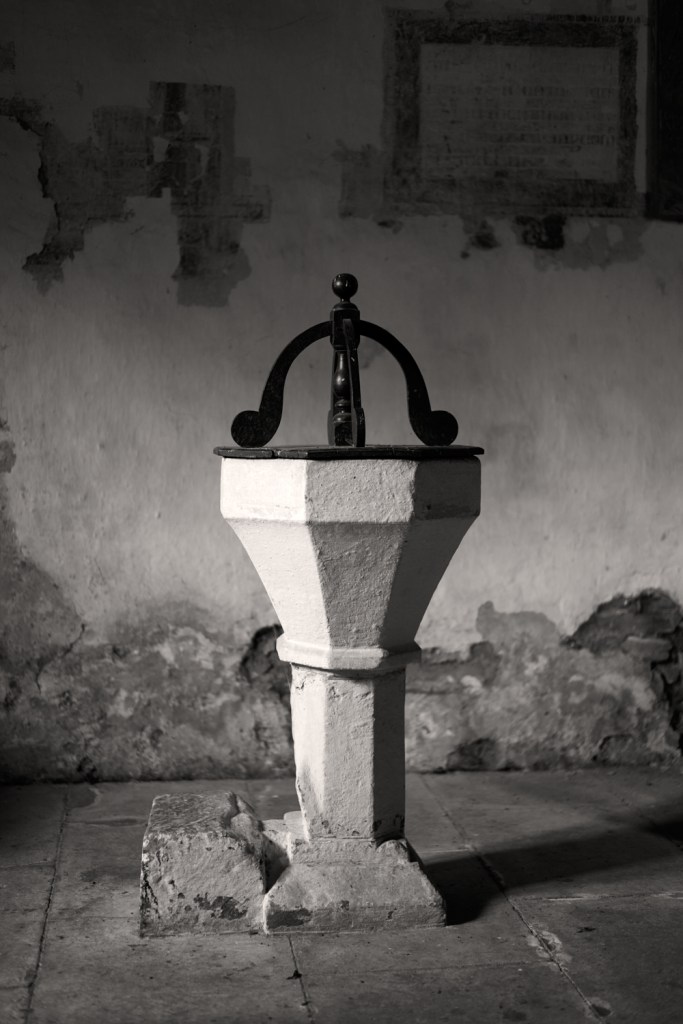
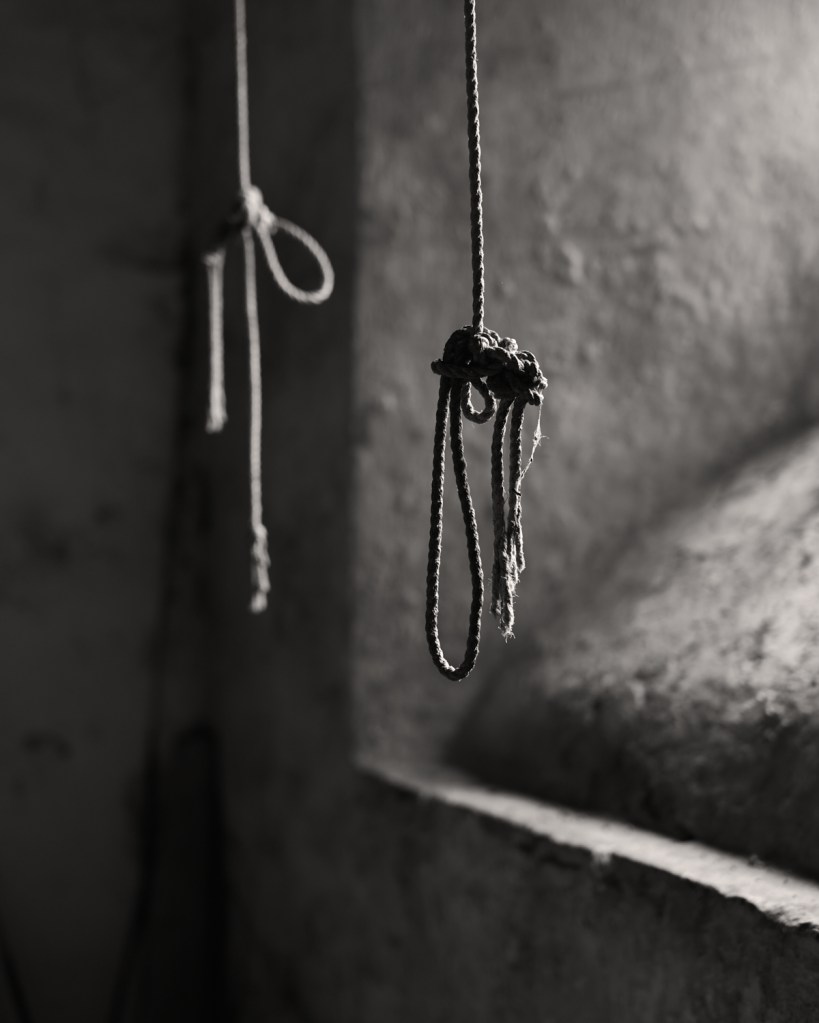
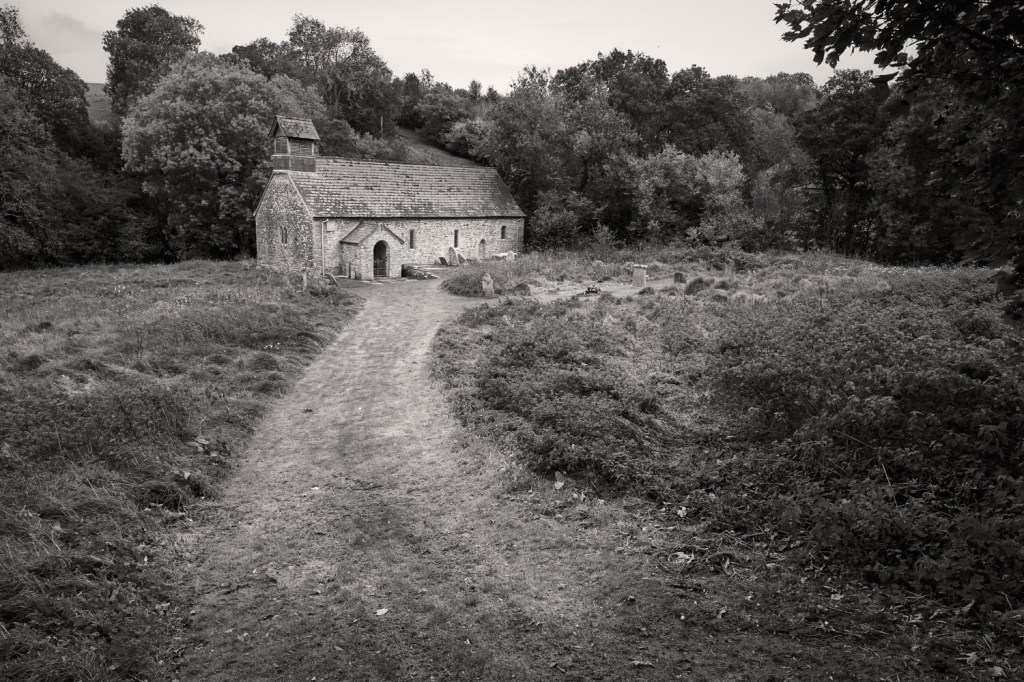
It was a dull early winter’s day as I stepped inside. I looked around and slowly my eyes began to adjust to what at first seemed a very gloomy, cold interior. Slowly the church revealed itself to me, as the light of day penetrated 13th century sandstone rubble walls through the deep arched medieval window openings. The remote setting, the ancient churchyard and the surrounding Black Mountains of the Brecon Beacons all contributed to the atmosphere of this small historical place of worship. Almost instantly I am taken back in time and can only wonder whose feet have crossed the threshold in all the centuries past?
This is the church of St Ellyw’s in Llanelieu, Powys in Wales. It is now cared for by the ‘Friends of Friendless Churches’. On their website it states that “St Ellyw was a princess martyr of the 5th century and according to legend, she was murdered close to Llanelieu by a rejected suiter who refused to accept her vow of chastity”.
A good many years ago I began a project which has no end. I started to photograph church interiors which eventually inspired me to submit a successful panel of images for my Associateship of the The Royal Photographic Society. Whilst the appeal of this project has never been lost it has been on the back burner for quite a long time. Whilst on holiday in the Brecon Beacons towards the end of last year, I made a special effort to visit and photograph this church which was of particular interest to me. It revived my love of not just photographing these places but experiencing their atmosphere and quiet solitude.
I have always been drawn to remote churches in the countryside. Small buildings which are being preserved but not necessarily used for regular worship. There are a number of other similar churches in the near vicinity of St Ellyw’s, so a short break to this part of Wales specifically to visit these churches is definitely on the cards. Until then there are others closer to home which I have listed, one of which I visited quite recently and I will be posting some images very soon.
As my fingers move around the keyboard and these very words appear on the screen, I glance up to look out of the window. Has the rain stopped? No it hasn’t, and the overcast sky doesn’t make me believe it will do so anytime soon. It is forecast to brighten up this afternoon so I live in hope.
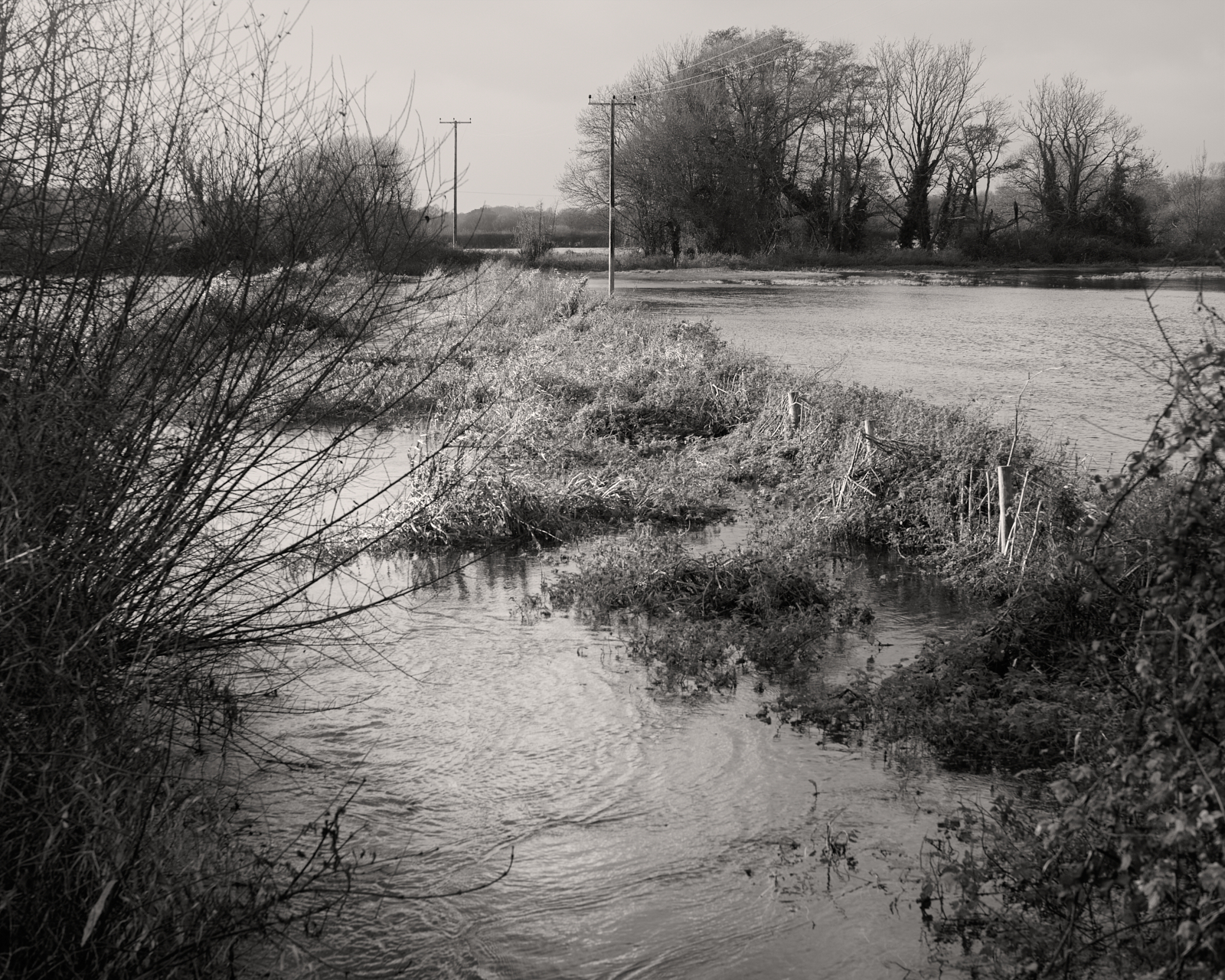
Yesterday I cycled up and down the lane where I live. The meadows which border the river Piddle in Dorset often flood but rarely this side of Christmas. February and March yes, but not usually in the middle of December.
The ground is so saturated that in some parts of the lane the water is spilling out of the fields and onto the road. Traffic can still pass but for how long?
These images will be added to my growing portfolio of photographs which document the rural nature of the place I now call home. At some point in the not too distant future I intend creating a separate gallery page for this collection, which I have named – ‘Close to my back door’.










 alan frost photography